
Wrocław comes out at approximately €41 per person per day in a 13 August 2026 analysis using BudgetYourTrip data—covering a hostel dorm, food, local transport and mostly free sights rather than the cost of reaching Poland. It is a useful starting point for comparing the cheapest European cities to visit, but not a promise that every weekend will cost the same.
This guide is for solo travellers, couples and small groups building a 2026 city break around a firm daily ceiling. It separates dated on-the-ground budgets from volatile flight prices, then shows how accommodation, public transport, markets and free attractions change the total. The figures are not directly interchangeable: the Post Office City Costs Barometer 2026 compares a 50-city basket using early-May exchange rates, while BudgetYourTrip reports city-level average daily costs.
Quick answer: The strongest low-cost examples in the supplied 2026 evidence are Wrocław and other Polish cities, alongside Sofia and Balkan capitals such as Sarajevo, Tirana and Skopje. An ultra-budget trip is estimated at about €30–€60 per person per day as of 13 August 2026; a broader low- to mid-budget city break is €60–€120 per day as of May 2026, with flights separate.
Cheapest European cities to visit: dated daily budgets and a practical shortlist
The most useful way to compare the cheapest European cities to visit is to separate the cost of being in the city from the cost of reaching it. The figures below cover food, local transport, accommodation and sightseeing at the stated travel style; international flights, baggage and airport transfers are excluded.
| Estimated costs | Budget | Mid-range | Luxury |
|---|---|---|---|
| Cheapest Eastern European city breaks | €30–€60 per person per day | — | — |
| Many Central and Eastern European or Portuguese cities | €60–€120 per person per day | — | — |
| Western or Northern European city breaks | — | €120–€220+ per person per day | — |
Basis and date: the €30–€60 range is an ultra-budget estimate using a hostel dorm, street food or groceries, public transport and mostly free sights, from the Getsby analysis using BudgetYourTrip data, reported on 13 August 2026 by Euronews. The €60–€120 and €120–€220+ estimates are from the Post Office City Costs Barometer 2026 coverage, based on early-May 2026 exchange rates. The two sources use different methods, so treat these as planning bands rather than a like-for-like league table. No luxury estimate is supplied here.
Wrocław is the clearest low-cost benchmark. The Getsby study put its representative daily cost at approximately €41 per person on 13 August 2026. That figure belongs to the study’s broader daily-cost methodology, not necessarily to a traveller sleeping in the cheapest dorm, cooking every meal and avoiding paid attractions. It is useful as a reality check: a €50 daily ceiling can work in Wrocław, but only with disciplined choices and without counting the journey into Poland.
Poland offers the broadest shortlist for comparison. Start with Wrocław, then check current figures for Kraków, Warsaw, Łódź and Gdańsk. The same 13 August 2026 Euronews coverage reported that Polish cities dominated its cheapest European weekend-break rankings, but each city has a different accommodation market and seasonal pattern. Do not copy Wrocław’s number across the country; pair any city figure with its dated BudgetYourTrip city page or API data.
Sofia is affordable, but its published figure needs careful reading. Radio Bulgaria reported an average of approximately €77.25 per person for a weekend-break day on 13 August 2026. That is not a hostel-only backpacker budget, so it should not be compared directly with the €30–€60 ultra-budget range. Sofia makes more sense for travellers who want a capital-city base and can accept a daily ceiling closer to the broader €60–€120 band.
For a Balkan comparison, investigate Sarajevo, Tirana and Skopje, checking current accommodation, transport and attraction costs rather than relying on an undated roundup. Porto shows that affordable European destinations are not confined to Eastern Europe, while Riga can work particularly well when a low-cost food plan includes Riga Central Market. None of these cities should be assigned a precise daily total here without a dated, city-specific source.
Eastern European dorm beds are reported at roughly €8–€20 per person per night in 2026 BudgetYourTrip data, but the specific city page and its update date matter. That range helps explain why €50 a day is realistic in the cheapest cities: leave room for a dorm, simple meals, local transport and free sights, then check the live numbers before booking.
Finally, keep airfares out of the daily budget. Low-cost carriers, secondary airports, regional buses and night trains can change the total dramatically once baggage and airport transfers are included. Compare the full door-to-door journey, and recheck live transport and accommodation prices before fixing your city choice.
| Item | Budget | Mid-range | Luxury |
|---|---|---|---|
| Ultra-budget city break in the cheapest Eastern European cities | €30–€60 per person per day | — | — |
| Low- to mid-budget European city break | €60–€120 per person per day | — | — |
| Western or Northern European city break | — | €120–€220+ per person per day | — |
| Wrocław representative low-cost daily budget | Approximately €41 per person per day | — | — |
| Sofia representative weekend-break cost | Approximately €77.25 per person per day | — | — |
| Eastern European hostel dorms | €8–€20 per person per night | — | — |
Estimated ranges based on the sources listed below. Prices change; check with providers before booking.
Saving on accommodation: where a budget bed makes the biggest difference
Accommodation is usually the easiest part of a Europe travel budget to change without giving up a convenient base. In Eastern European cities, an indicative dorm-bed range is €8–€20 per person per night, based on BudgetYourTrip city-page data available in 2026; check the relevant city page and its update date before treating that range as current. The figure can move sharply during festivals, conferences and December markets.
Compare the final price, not the headline bed rate. Check whether taxes, linen, breakfast, a locker, city tax and cancellation are included, then map the property against late-night public transport. A bed one or two tram stops beyond the historic core may cost less while still keeping Wrocław, Kraków, Sofia or Sarajevo practical; read recent reviews for noise, cleanliness and access rather than assuming any district is universally suitable.
| Traveller | Usually the best-value choice | Why it works |
|---|---|---|
| Solo traveller | Dorm bed with a locker | Spreads the room cost and can make a central location affordable; prioritise recent reviews and cancellation terms. |
| Couple | Private room or small apartment | Compare the total for two people with two dorm beds, adding cleaning, linen and city-tax charges. |
| Small group | Multi-bed room or apartment | A shared total can beat separate beds, but confirm bed configuration, bathrooms, deposit and cancellation rules. |
For better value, search Sunday–Thursday stays and the shoulder periods of April–June and September–October. The Post Office City Costs Barometer 2026 identifies early May as its comparison basis, while its wider budget guidance recommends shoulder-season travel; local events can override the normal pattern. June, July, August and December are peak periods, so check the destination’s official event calendar before booking.
A practical tactic is to reserve a genuinely refundable option, record its full terms, then recheck prices nearer the trip. Do not cancel until the replacement is confirmed and cheaper after all fees. Before paying, compare current reviews, official travel advice and the latest public-transport information for the exact address.
Saving on transport: compare the whole journey, not just the ticket
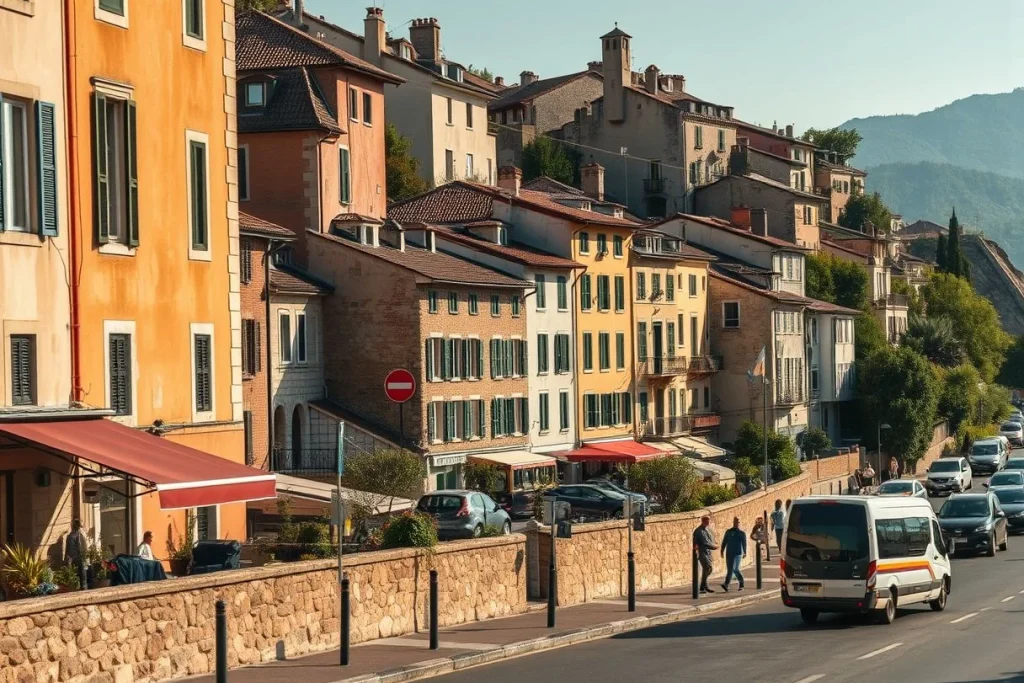
Transport savings disappear when a low headline fare becomes an expensive door-to-door journey. Compare low-cost airlines, secondary airports, regional buses and night trains, then add baggage, seat fees, airport transfers and the value of time. Budget-travel guidance for 2026 recommends this whole-journey check; it also advises verifying routes and conditions before booking.
Use FlixBus as one comparison point for intercity travel, alongside the national rail and bus operators. For example, when linking Polish cities, compare a direct coach or train between Wrocław, Kraków and Warsaw with a flight from a distant airport. Do the same for a Balkan route such as Sofia to Skopje or Tirana: a cheaper ticket may involve a long airport transfer, a border delay or restrictive cancellation terms. Check the operator’s current timetable, baggage rules, cancellation conditions, strikes and engineering works immediately before departure.
For local travel, first map the compact centre on foot. A pass genuinely saves money only when its price is lower than the single fares for the rides you will actually take. Count planned journeys, then check whether the pass covers the airport, which zones apply, whether transfers count as one journey and whether any attraction discount is relevant to your itinerary. Do not buy a tourist pass simply because it bundles museums you would not otherwise visit.
Before boarding, load the official public-transport app or identify approved ticket machines and sales points. Some systems require validation, while others issue time-limited digital tickets; the operator’s instructions matter more than a general travel blog. Airport services may also use separate fares or zones, so confirm validity for the exact terminal and arrival route.
For travel in April–June or September–October, compare departures early but recheck live prices and disruption notices before paying. Shoulder-season guidance often points to better accommodation value than peak summer, but it does not guarantee the cheapest transport on every route.
Eating well for less: markets, canteens and local meal timing
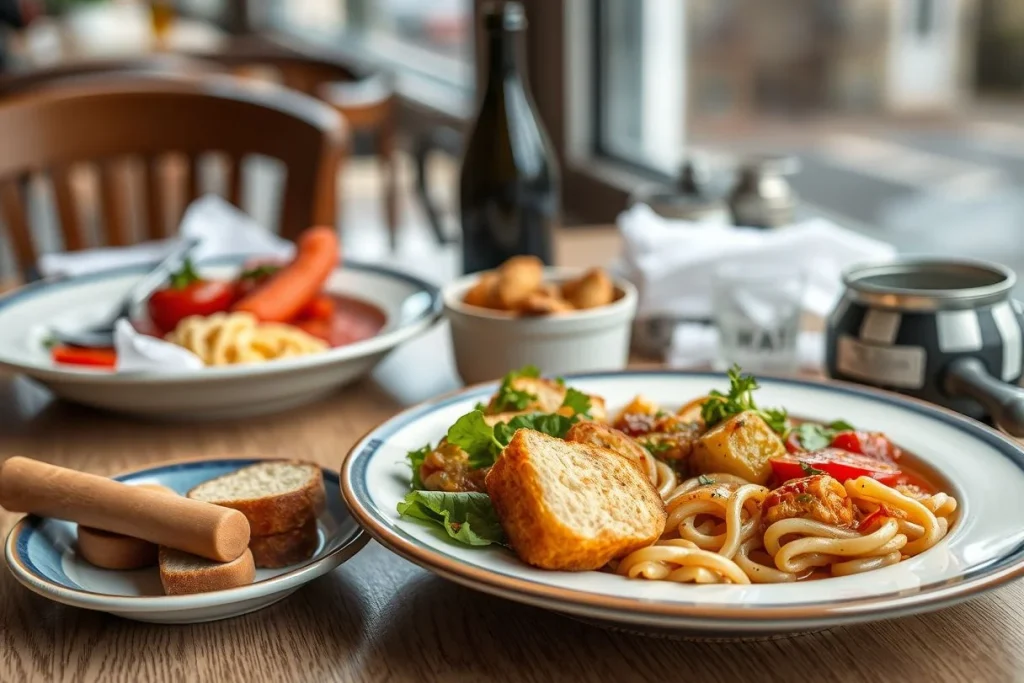
Make lunch the day’s substantial meal. In Poland, look for a bar mleczny or another self-service canteen, where traditional dishes such as pierogi, soups and placki ziemniaczane are usually a more useful budget choice than a restaurant around the main square. Local bakeries can cover breakfast with bread, pastries or filled rolls; pair them with fruit and yoghurt from a supermarket rather than buying every snack at a café.
In Riga, browse Riga Central Market for produce and prepared food, then compare the cost of assembling a simple meal with the price of eating in. Sarajevo, Tirana and Skopje are well suited to the same pattern: a bakery breakfast, one filling local lunch and a lighter evening meal. Balkan bakeries may offer burek and other savoury pastries, while a casual lunch special can be better value than an à la carte dinner. Prices change quickly, so check the market’s current information and menus before relying on a figure.
Ask whether a displayed price is for one portion or calculated by weight, particularly at markets and self-service counters. Before sitting down, check for automatic bread, cover charges or card-payment surcharges; pay in local currency where the terminal offers a choice, and confirm the exchange rate rather than accepting an unexplained conversion. Tourist-square menus deserve extra scrutiny: walk one or two streets away and compare the full menu, not just the headline dish.
A room with a kitchen can reduce food costs for a couple or small group, but only if the accommodation premium is lower than the meals it replaces. Buy water, breakfast ingredients and snacks together from a supermarket, while checking local guidance on whether tap water is suitable for drinking. Vegetarians and travellers with allergies should keep a translated ingredient note and ask about stock, sauces and shared cooking surfaces; “vegetarian” pastries or soups may still contain meat or animal products. For current food costs, use an updated city-cost page such as BudgetYourTrip’s city data, and verify the individual page’s update date before planning a 2026 budget.
Free and cheap things to do in high-value European cities
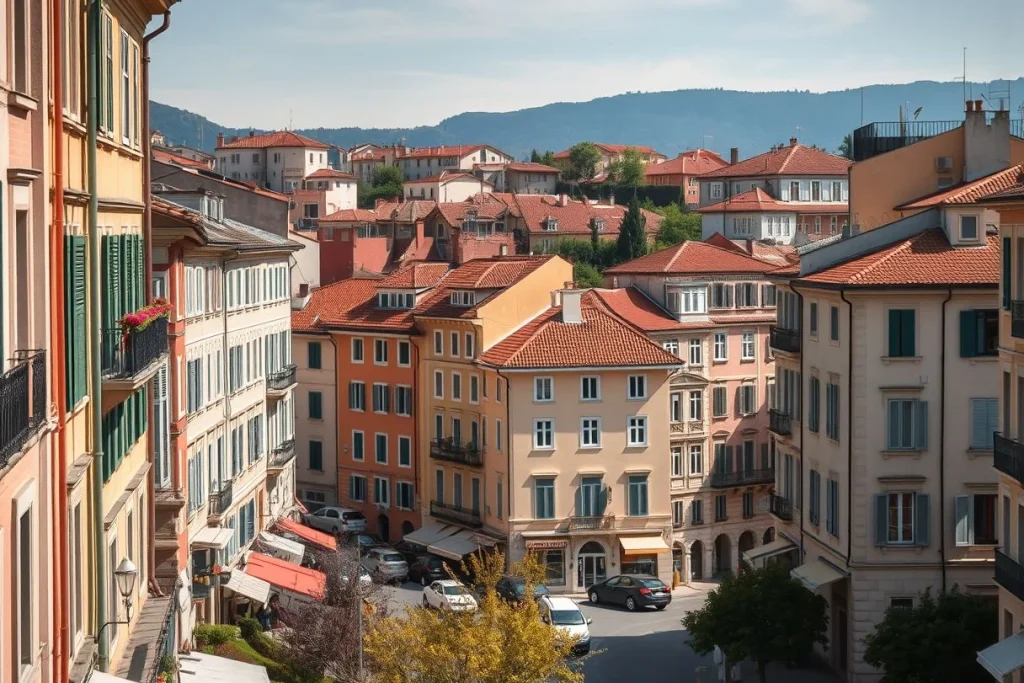
Once food is under control, the next savings come from choosing activities that use the city itself as your entertainment. Public squares, riverbanks, parks and historic streets are often more rewarding than a packed attraction schedule—and they leave room in the budget for one paid museum or viewpoint.
| City | Genuinely free activity | Cheap paid upgrade | Booking warning |
|---|---|---|---|
| Wrocław | Market Square, riverside walks and the city’s dwarf trail | A museum or guided walking tour | Check current museum hours and tour availability |
| Kraków | Old Town, Planty park and selected churches | A paid gallery or museum | Free admission can apply only on particular days or at set times |
| Warsaw | Lazienki Park, Old Town viewpoints and public squares | A museum visit | Verify free-museum days and reservation requirements |
| Sofia | Cathedral exteriors, city parks and public paths towards Vitosha | A mountain excursion or museum | Check transport conditions and weather before heading into the mountain |
| Sarajevo | Historic streets, river walks and city viewpoints | A museum or organised walking tour | Confirm opening hours and any local access restrictions |
| Tirana | Skanderbeg Square and the city’s parks | A gallery or nearby viewpoint | Check event calendars, as public spaces may host temporary activities |
| Skopje | The riverfront and Old Bazaar | A museum or fortress-area visit | Verify current admission arrangements and seasonal closures |
| Porto | Miradouros, the riverfront and public squares | A church interior, museum or cellar visit | Check whether a viewpoint or church has restricted access |
| Riga | Riga Central Market and a self-guided Old Town walk | A museum or paid observation point | Confirm market hours and current attraction fees |
These ideas are genuinely free only when they involve public space or an unrestricted exterior. Churches, galleries and museums may offer free entry on a particular weekday, during a limited time window or only with a reservation. Check the venue’s official website immediately before travelling; seasonal closures, changing admission rules and local events can alter a carefully planned day.
A city pass is not automatically a saving. Add the current admission prices of the attractions you will actually visit, then include any transport benefit and compare that total with the pass price. It is worthwhile only when the included sights and transport exceed its cost for your itinerary. For a slower trip, a self-guided walk through Wrocław, Kraków or Porto will usually give better value than buying access to attractions you have no time to use.
Travel tips that protect your budget and prevent avoidable mistakes
A cheap European city break becomes expensive through small omissions rather than one large purchase. Use this checklist before departure, and record every estimate with its source and date so your daily ceiling reflects current costs.
- Build the budget line by line. Write down the bed, food, local transport, paid sights, city tax, baggage, airport transfer and a contingency. Label every figure with its date and methodology: the Getsby analysis based on BudgetYourTrip data was published on 13 August 2026, while the Post Office’s 2026 comparison used early-May exchange rates and a different city-break basket.
- Check the arrival route door to door. Compare the full cost of a primary airport, secondary airport, bus or train, including baggage and the transfer into the centre. Budget-travel guidance from BudgetTrips in 2026 recommends comparing low-cost carriers, regional buses and night trains rather than judging by the headline ticket alone.
- Recheck fares and disruption immediately before leaving. Confirm public-transport fares, airport links, attraction prices, strikes and service changes with the official operator, airport, museum or tourism website. A pass is useful only if your actual itinerary uses enough included transport or sights to exceed its price.
- Do not assume a passport rule. Visa and entry requirements depend on your nationality and can change. Check the relevant government or embassy website for every country on your route before booking, then check current government travel advice and local safety guidance again before departure.
- Protect your payment options. Carry a backup card separately from your main wallet, keep a small emergency reserve, and decline dynamic currency conversion when the card terminal or ATM offers to charge you in your home currency. Check your bank’s fees and the live exchange rate before travelling.
- Make the phone work offline. Download maps, accommodation details, transport tickets and booking confirmations before leaving reliable internet. Ask the hostel whether lockers require your own padlock; buying one at the destination can turn a supposedly settled accommodation cost into an avoidable extra.
- Use shoulder season carefully. April to June and September to October are commonly recommended for seeking lower accommodation costs than peak summer, according to 2026 budget guidance. Check local festivals, event calendars, weather and extreme-heat warnings first: a cheaper bed is poor value if it forces costly changes or unsafe plans.
Conclusion: choose the city that fits your real daily ceiling
Set one daily ceiling before choosing your destination. Wrocław is the clearest starting point for the lowest evidenced budget: a Getsby study using BudgetYourTrip data reported approximately €41 per person per day on 13 August 2026. Euronews also reported that Polish cities dominated its value rankings.
Choose Sofia, Sarajevo, Tirana or Skopje instead if the route, food and city atmosphere suit you better; Porto is the useful Western European comparison. Keep flights and baggage outside the daily figure, then price the complete itinerary rather than relying on a headline average. Before booking, check current accommodation, transport, attraction and entry information through official sources, and confirm visa requirements for your nationality. A flexible hostel booking is a sensible first reservation while you test the numbers.
Frequently asked questions
Can I visit more than one European city on €50 per person per day?
Possibly, but only with a tightly controlled ultra-budget plan. The sourced range for the cheapest Eastern European cities is about €30–€60 per person per day as of 13 August 2026, covering a hostel dorm, simple food, public transport and mostly free sights. Intercity fares and international flights are separate, so moving between cities can push the total above €50.
Which of these destinations is easiest for a first-time solo traveller?
The supplied evidence does not rank destinations by solo-travel ease, so there is no defensible single answer. Wrocław, Kraków and Warsaw are practical places to compare because Polish cities featured strongly in the Getsby/BudgetYourTrip analysis reported by Euronews on 13 August 2026. Check current transport information, government travel advice and entry requirements before choosing.
Is it better to book a hostel dorm or a private room for two people?
A hostel dorm is the clearer choice when keeping the daily total as low as possible: BudgetYourTrip city data gives an indicative Eastern European range of €8–€20 per person per night in 2026. The supplied sources do not provide a comparable private-room range, so calculate both options for your dates. A private room may be worth considering for two people only if its total price is close to two dorm beds.
How can I compare city costs fairly when sources use different methods?
First separate the travel style: an ultra-budget estimate may assume a dorm, groceries or street food, public transport and free sights, while a weekend-break figure may include a broader mix of spending. The Post Office City Costs Barometer 2026 compared a basket across 50 destinations using early-May exchange rates; BudgetYourTrip publishes city averages with individual update dates. Do not treat those figures as identical measures.
Are these destinations still good value during winter?
The supplied evidence cannot establish winter prices for each city. December is identified as a peak month, while April–June and September–October are repeatedly recommended as shoulder periods for seeking better accommodation value. For a winter trip, check current accommodation rates, seasonal closures, opening hours, weather and event calendars directly before booking rather than assuming that cold weather means lower costs.
Do I need a visa or travel authorisation for the countries mentioned?
There is no single Europe-wide answer. Visa and entry rules depend on your nationality and can change, so check the current guidance from your government and the embassy or official immigration authority for every country on your route before departure. This applies to Poland, Bulgaria, Bosnia and Herzegovina, Albania, North Macedonia, Portugal and Latvia; also check whether any required travel authorisation applies.