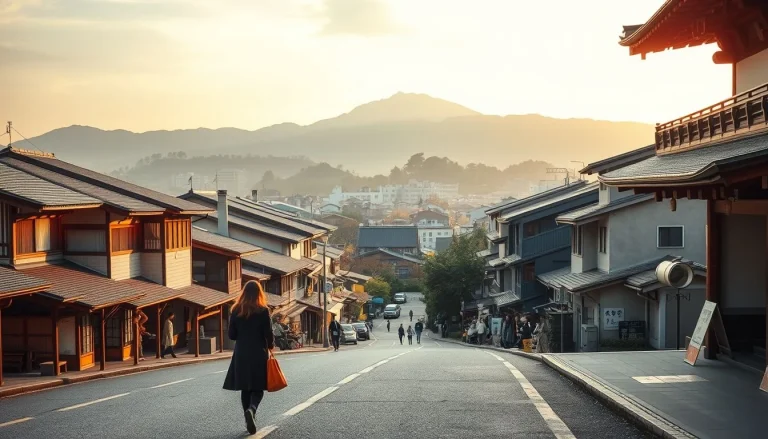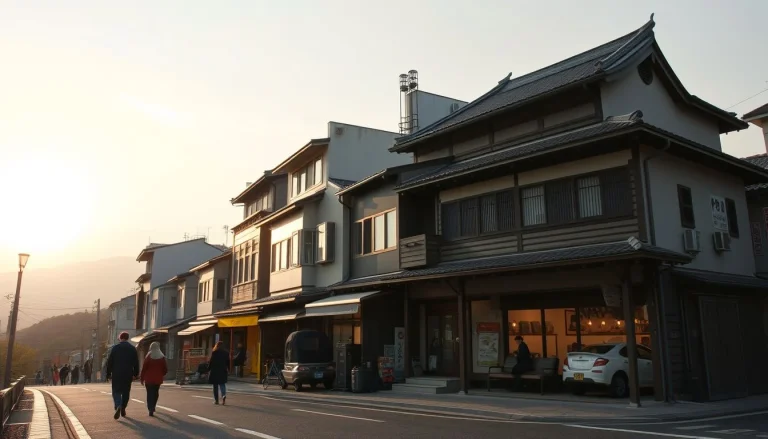
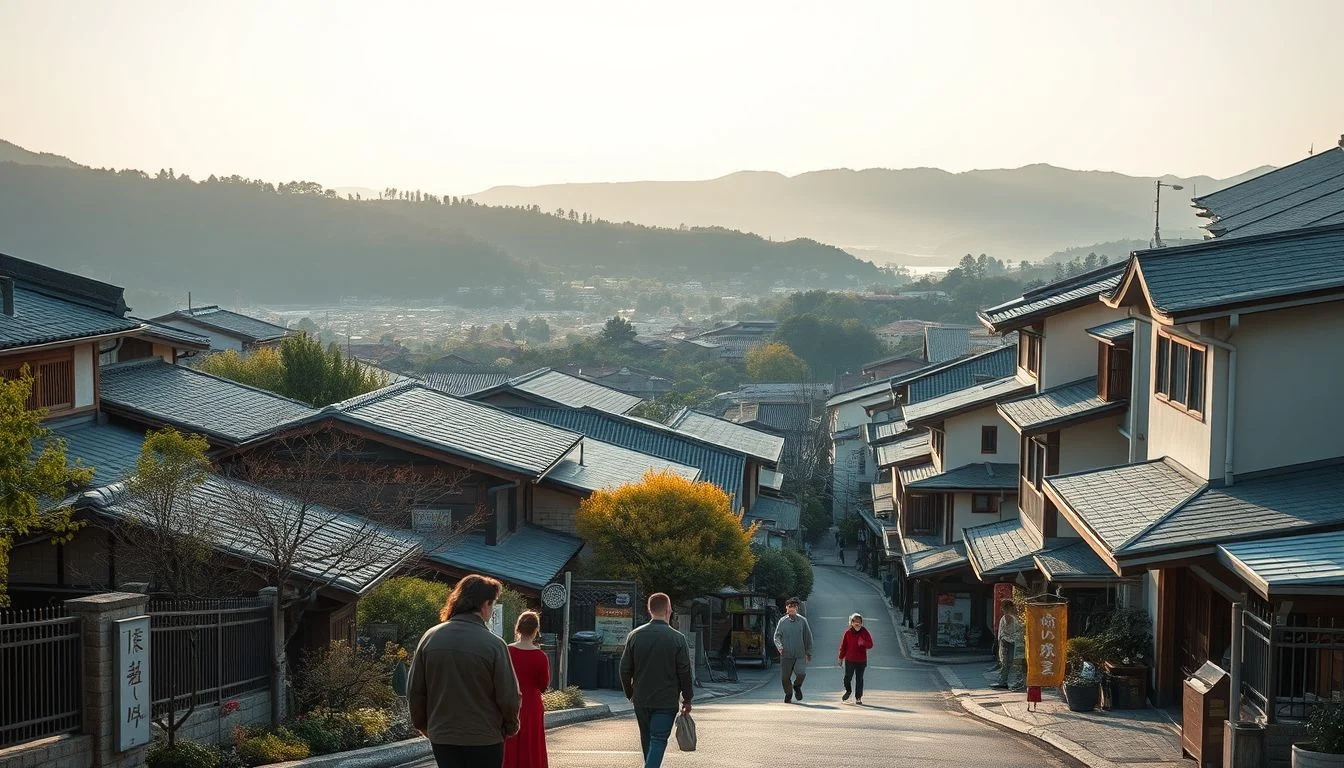
From Kyoto Station, a JR train can put you in Nara in roughly 35–50 minutes, close to a full day among Nara Park, Todai-ji and Kasuga Taisha. That combination of short travel, walkable temple areas and time for an unhurried meal makes Nara a useful benchmark for the best day trips from Kyoto—but it is not the right answer for every couple.
This guide ranks eight escapes by the things that shape a good day together: travel time, atmosphere, walkability, cultural character and whether you can still return to Kyoto for dinner. It separates genuinely easy outings, such as Uji, Osaka and Hikone, from longer journeys to Amanohashidate and Koyasan, where an overnight stay may protect the relaxed pace couples usually want. Expect practical choices for tea and temples, food, castles, scenery and a manageable mountain walk, with honest notes on summer heat, winter daylight, stairs and changing transport or attraction arrangements.
Quick answer: Nara is the best all-round choice for most couples, combining an easy 35–50-minute JR journey with Nara Park, Todai-ji, Kasuga Taisha and a walkable heritage day. Choose Uji for tea and temples, Osaka for food and an evening out, or Himeji for its castle; Amanohashidate and Koyasan are possible, but their long journeys make an overnight stay more appealing.
How these were chosen: pace, atmosphere and transport practicality
This is an editorial comparison, not a report of personal testing. “Best” here means the destination that gives a couple the strongest balance of atmosphere and practical ease, rather than the place with the most famous landmark.
Each escape was assessed against five criteria: ease by public transport, travel time, walkability, the quality of a distinctive shared experience, and the likelihood of returning to Kyoto in time for a relaxed dinner. That last measure matters: a spectacular destination can be a poor day trip if the journey leaves little room to wander, pause or enjoy the evening.
The selection also separates different kinds of appeal. Heritage covers Nara, Himeji and Hikone; food and evening atmosphere favour Osaka; Uji is included for tea and temple time; Kurama–Kibune for hiking and seasonal scenery; and Amanohashidate for a major change of landscape. Short local journeys are generally more budget-friendly than shinkansen or limited-express routes, though live fares should be checked with the relevant operator.
Amanohashidate and Koyasan are deliberately treated as borderline or overnight options, not automatic winners for a single day. Mobility is considered separately too: historic temples, castle grounds and mountain paths vary considerably, and none of these routes should be assumed to be fully accessible.
The list: eight escapes from Kyoto, from effortless to overnight-worthy
1. Nara — best overall for couples
Standout reason: Nara delivers the most balanced Kyoto day trip: an easy journey, a walkable heritage area and enough space to slow down together. Start with Nara Park, continue to Todai-ji and finish at Kasuga Taisha, allowing time for shaded paths and a leisurely lunch rather than trying to cover every temple.
Best for: couples who want traditional scenery without a complicated route. JR services from Kyoto take roughly 35–50 minutes each way, so returning for dinner in Kyoto is realistic. Deer are part of the experience, but they are still animals: follow local signs and visitor guidance, especially when feeding or moving through crowded areas. An overnight stay is rarely necessary.
2. Himeji — best for a dramatic landmark
Standout reason: Himeji Castle gives the day a clear visual centrepiece, with a striking approach from JR Himeji Station and an exceptionally well-preserved historic structure. From the station, the castle is about a 20-minute walk.
Best for: couples who would rather see one major landmark properly than assemble a loose collection of sights. Kyoto to Himeji takes approximately 30–50 minutes by shinkansen, or 75–85 minutes by local train; the faster option costs more, while the local route needs more of the day. The main keep has steep stairs, no elevator and no air conditioning, so check the official Himeji Castle access information if either of you has mobility or heat-sensitivity concerns. Return to Kyoto unless you want to build an overnight around Himeji.
3. Osaka — best for food and an evening out
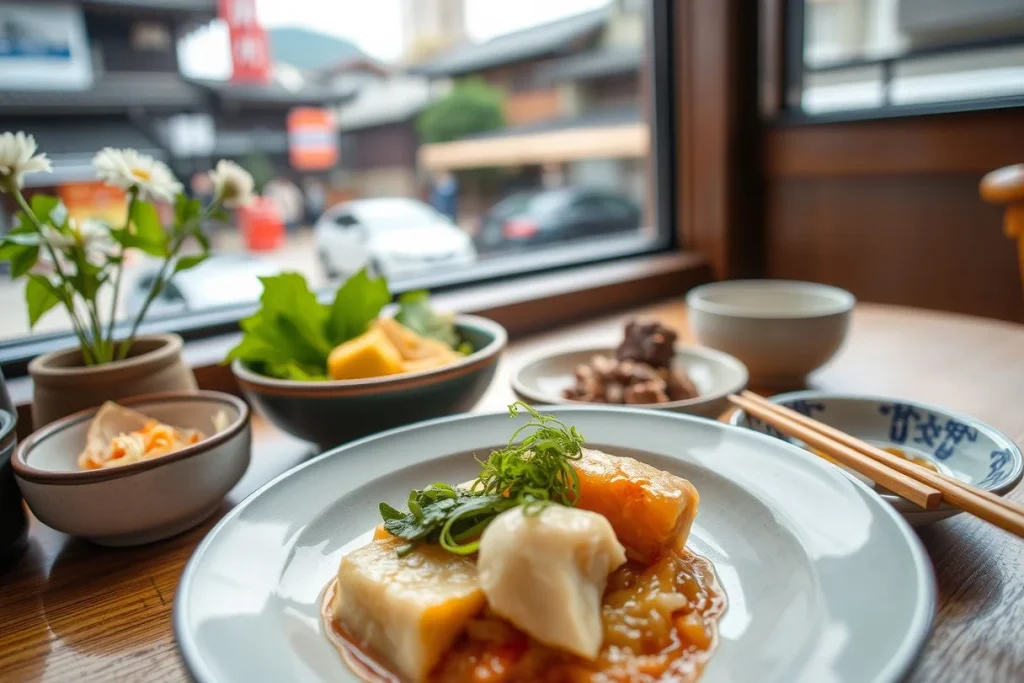
Standout reason: Osaka changes the mood completely. Use Dotonbori for neon, street-food energy and a late meal, then choose Umeda for a more polished urban evening and an easier transition back to Kyoto.
Best for: couples who prioritise food, drinks and neighbourhood atmosphere over temples or rural scenery. Kyoto to Osaka takes approximately 15–30 minutes by JR services, depending on the route and service, leaving flexibility for a late start or a full evening out. The trade-off is intensity: Dotonbori can feel crowded and highly commercial, so couples wanting a quieter walk should spend more time around Umeda or return to Kyoto for dinner. An overnight is optional, not essential.
4. Uji — best for tea and a gentle half-day
Standout reason: Uji is the easiest choice when you want a meaningful outing without surrendering the evening. Visit Byodoin and its Phoenix Hall, pause for Uji tea, then walk beside the river before heading back.
Best for: couples who prefer a short, composed itinerary with room for a Kyoto dinner. The journey takes approximately 10–30 minutes from Kyoto, depending on the railway line and departure point. Check Byodoin’s official visitor information before travelling for access details and any changes. Uji works particularly well in a relaxed romantic itinerary, but it may feel too quiet if your priority is nightlife or a full day of varied sightseeing. Return to Kyoto rather than staying overnight.
5. Amanohashidate — best for a major change of scenery
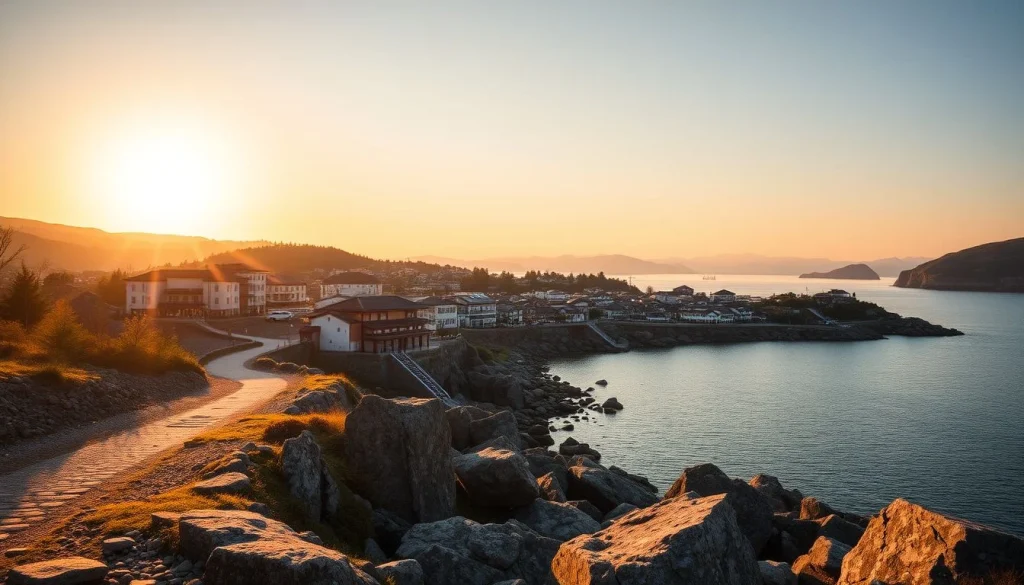
Standout reason: Amanohashidate replaces Kyoto’s temple streets with Miyazu Bay and a long sandbar viewpoint. Its official tourism information presents it as one of Japan’s three scenic views, making it the strongest choice here for a distinctly coastal landscape.
Best for: couples who want a memorable scenic escape and are willing to spend much of the day travelling. The train journey from Kyoto takes about two hours each way, so a same-day return can leave little time for an unhurried meal or sunset. Check the official Amanohashidate access information and transport notices before setting out. For atmosphere rather than a rushed tick-off, stay overnight; choose a day trip only if the landscape matters more than a leisurely pace.
6. Koyasan — best for a contemplative overnight escape
Standout reason: Mount Koya offers temple precincts, mountain air and a Buddhist atmosphere that feels far removed from Kyoto. It forms part of the UNESCO World Heritage property Sacred Sites and Pilgrimage Routes in the Kii Mountain Range, and a shukubo stay can make the journey feel purposeful rather than merely long.
Best for: couples seeking quiet, reflection and a change from urban sightseeing. Koyasan involves multiple transport segments, including a cable car, and can take approximately 2–3 or more hours each way depending on the route. That makes a same-day visit a poor match for a relaxed couple’s itinerary. Treat it as an overnight trip, check route conditions and daylight before travelling, and consult UNESCO’s site information alongside current transport guidance.
7. Kurama–Kibune — best for an active, seasonal day
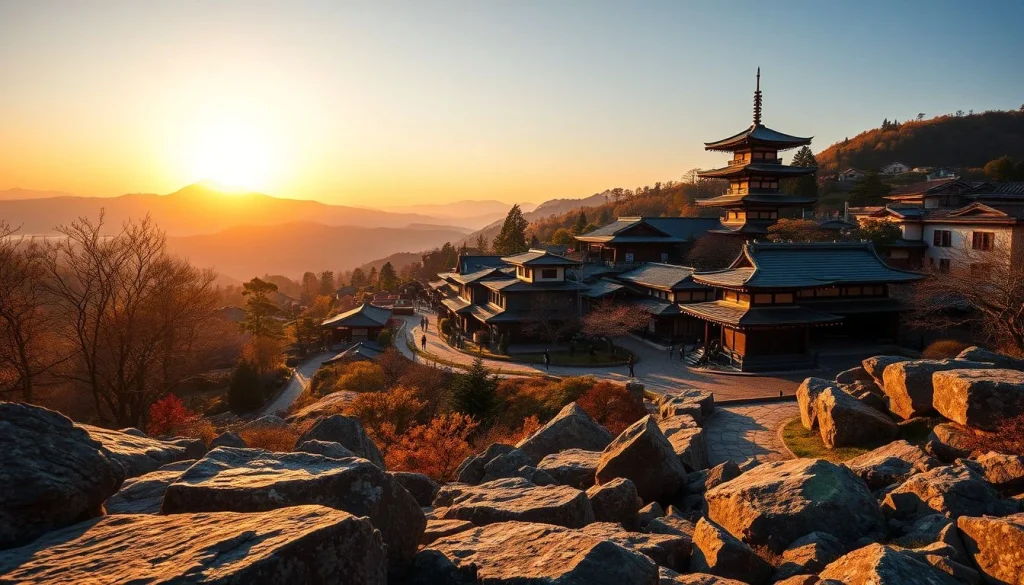
Standout reason: This is the most rewarding Kyoto countryside route for couples who enjoy walking together. Take the Eizan Railway towards Kurama, visit the mountain shrine area, then follow the route towards Kibune; the walk between the villages is approximately 3.9 km and takes around two to three hours with temples and photo stops.
Best for: active couples who want forest scenery and, in summer, the possibility of riverside dining in Kibune. It is not a casual stroll: wear reliable footwear, check the weather and daylight, and allow more time if the path is wet. Seasonal restaurant operations can change, so verify them before travelling through the official Kurama information. Return to Kyoto if you want a proper evening; stay overnight only if the mountain setting is the main attraction.
8. Hikone and Lake Biwa — best for a relaxed castle-and-lake combination
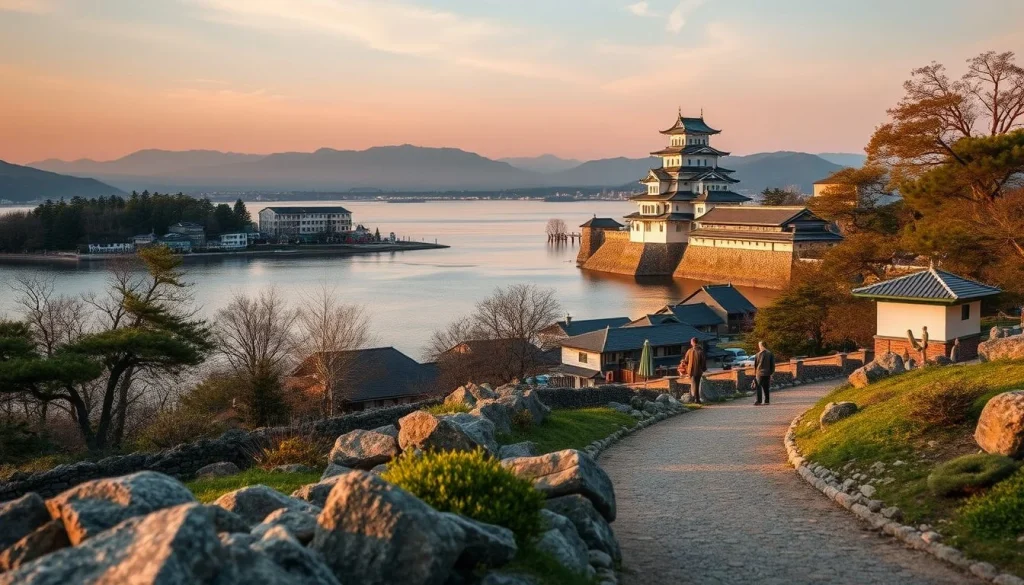
Standout reason: Hikone pairs an original castle with the broader scenery of Lake Biwa, giving couples a gentler alternative to Himeji. Hikone Castle is about a 10–15-minute walk from Hikone Station, so the main sightseeing area is straightforward to reach.
Best for: couples who want heritage, open views and a less demanding day than Amanohashidate. The journey from Kyoto takes approximately 45–60 minutes by JR Special Rapid service. Add lakeside time if the weather and seasonal operations suit, but check Hikone Castle’s official access information and current Lake Biwa cruise notices before planning around a boat. Return to Kyoto for dinner; an overnight works only if you want to slow the lake portion down.
For every route, check the relevant operator’s current timetable, fares and reservation rules before departure. Journey times are approximate, and shinkansen or limited-express services can change the cost and shape of the day considerably.
At a glance: which escape fits your couple’s day?
For a couple, the most useful distinction is not simply distance but how much of the day remains for wandering, a late lunch or dinner back in Kyoto. This comparison separates genuinely easy Kyoto day trips from scenic journeys that are better with an overnight.
| Destination | Best for | Approximate one-way journey | Ideal time | Atmosphere | Effort | Evening potential | Overnight verdict |
|---|---|---|---|---|---|---|---|
| Nara | Temples and park walks | 35–50 min by JR | Full day | Heritage, open air | Easy | High | Return to Kyoto |
| Himeji | Castle and photography | 30–50 min by shinkansen; 75–85 min local | Full day | Dramatic, historic | Easy–moderate | High | Return to Kyoto |
| Osaka | Food and nightlife | 15–30 min by JR | Full day or afternoon | Energetic, urban | Easy | Very high | Return to Kyoto |
| Uji | Tea, Byodoin and riverside walks | 10–30 min | Half day | Gentle, contemplative | Easy | Very high | Return to Kyoto |
| Amanohashidate | Sea views and a major change of scene | About 2 hours by train | Long full day | Coastal, scenic | Moderate | Low | Overnight-leaning |
| Koyasan | Temple precincts and spiritual atmosphere | 2–3 hours or more | Overnight preferred | Quiet, mountainous | Long | Low | Stay overnight |
| Kurama–Kibune | Hiking and seasonal dining | Check Eizan route | Half or full day | Wooded, intimate | Moderate | Weather-dependent | Return to Kyoto |
| Hikone and Lake Biwa | Castle and lakeside scenery | 45–60 min by JR | Full day | Relaxed, spacious | Easy–moderate | High | Return to Kyoto |
Journey times and route details come from JR West, Himeji Castle, Byodoin, Amanohashidate Tourist Information, Hikone Castle, Japan Travel and UNESCO. Fares, timetables and reservation rules vary substantially; check the relevant operator before travelling, particularly for shinkansen, limited-express and mountain routes.
How to choose: the right escape for your pace and priorities
Choose by the mood you want
For a first trip, choose Nara if you want the most dependable all-round day: an easy journey from Kyoto, a walkable sequence of Nara Park, Todai-ji and Kasuga Taisha, and enough space for a slow lunch or café stop. Treat the deer as wildlife, not as a risk-free photo opportunity, and follow local signs and visitor guidance.
Uji suits couples who would rather have a quiet half-day than fill every hour. Combine Byodoin and its Phoenix Hall with Uji tea and a riverside walk, then return to Kyoto for a more considered dinner. It is the strongest choice for temples and tea without sacrificing your evening.
Choose Osaka when the shared experience is food, conversation and an evening out. Dotonbori brings neon, street food and crowds; Umeda offers a more polished urban setting. This is a lively kind of romance, not a retreat into traditional scenery.
Match the landscape to your energy
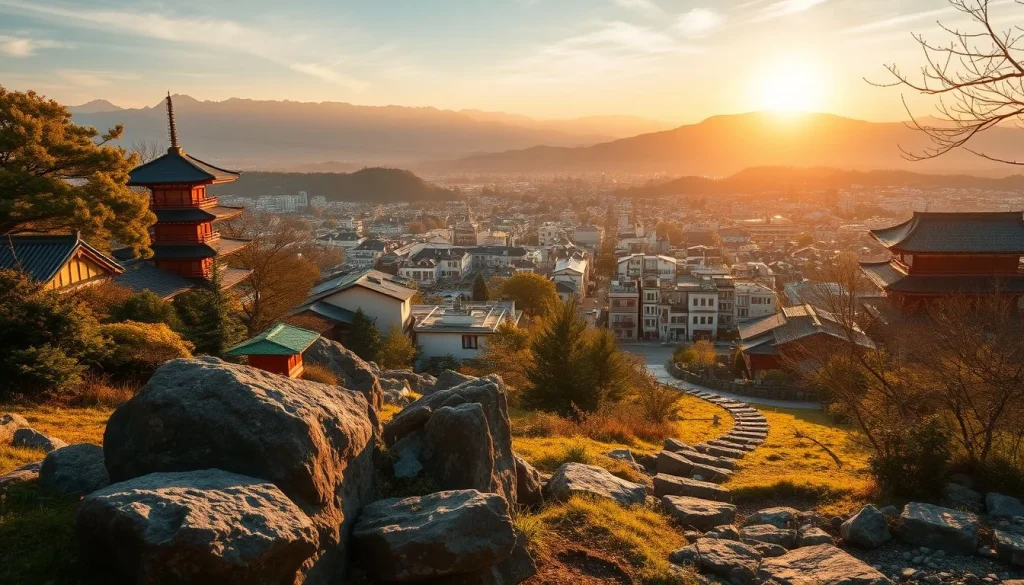
Himeji is the choice when one landmark matters more than a varied itinerary: Himeji Castle makes a dramatic centrepiece, with the option of a faster shinkansen journey or a cheaper local train. Kurama–Kibune is better for couples who enjoy walking. The Eizan Railway leads towards a mountain-shrine route, while the walk between the villages is about 3.9km and takes roughly two to three hours with temples and stops. Summer can suit riverside dining in Kibune, but check seasonal restaurant operations first.
For a less intense castle day, choose Hikone and Lake Biwa. The original castle, lakeside scenery and shorter journey create a spacious alternative to Himeji or a mountain excursion. Spring and autumn are particularly appealing for castle and lake views, while any cruise or seasonal activity should be checked before you build the day around it.
Know when a day trip should become an overnight
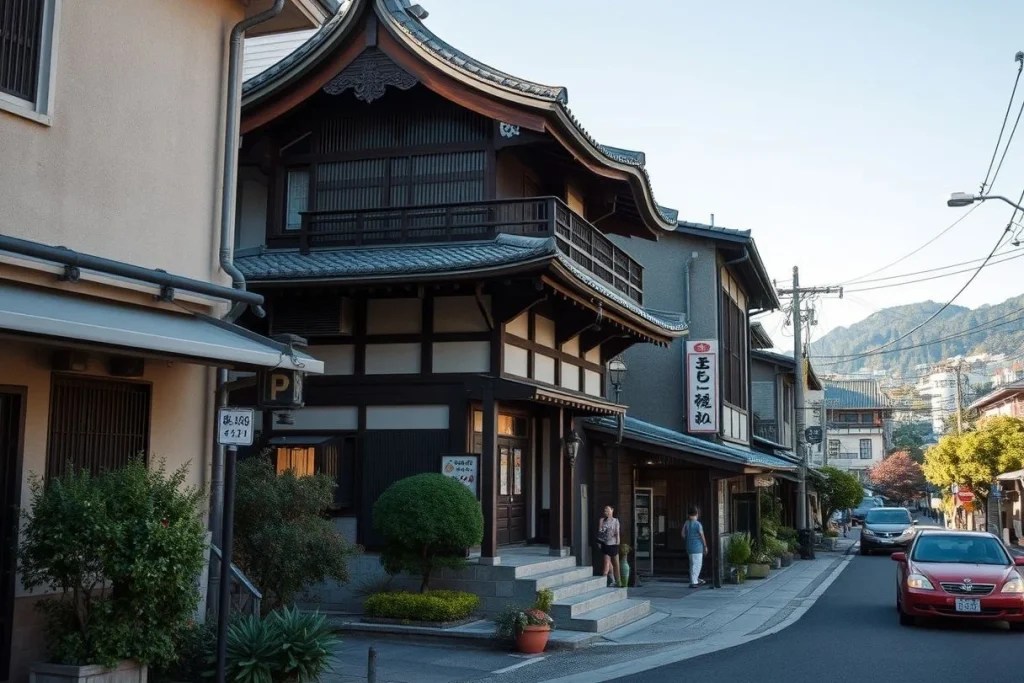
Amanohashidate offers a genuine change of scene and a sandbar viewpoint, but the train journey from Kyoto takes about two hours each way. That makes it borderline for a couple who wants an unhurried pace or a relaxed evening meal; staying overnight is the more comfortable decision.
Koyasan belongs in the same category. With multiple transport segments, including a cable car, it can take roughly two to three hours or more each way. Choose it for temple precincts and a possible shukubo stay, particularly in autumn, rather than trying to squeeze a contemplative mountain visit into a demanding return journey.
Balance cost, access and couple time
Local trains and shorter routes are generally the more economical choices. Shinkansen, limited-express services and longer, multi-segment journeys cost more, so check current operator fares before committing; Amanohashidate and Koyasan may also justify accommodation. Whichever destination you choose, set one anchor attraction, leave room for a scenic walk or café, and avoid combining distant places.
Station access does not guarantee easy access at the historic site. Himeji Castle is about a 20-minute walk from JR Himeji Station, but its main keep has steep stairs, no elevator and no air conditioning. Couples with mobility or heat-sensitivity concerns should review the official access information; conditions at Hikone Castle and temple sites can also limit how much of the heritage buildings is reachable.
Timing and logistics: making a day trip feel unhurried
Plan around the return journey, not just the departure. Spring and autumn are the easiest seasons for temple, castle and Lake Biwa scenery; summer suits the Kurama–Kibune route particularly well if riverside dining is operating, but heat and humidity make the walk more demanding. Winter brings shorter daylight, so an earlier start matters.
Check the weather and available daylight before choosing Kurama–Kibune, Koyasan or Amanohashidate. Amanohashidate takes about two hours each way by train, according to its official tourist information, while Koyasan involves several transport segments, including a cable car; both can turn a romantic day into a long transit exercise. For either, an overnight stay is the more relaxed choice. Kinosaki Onsen is another possible overnight extension, not an easy add-on to a Kyoto day trip.
Seven to 14 days before travelling, check current timetables with JR West, Eizan Railway and any other operator on your route. Confirm whether your chosen limited-express or shinkansen service needs a reserved seat, and look for disruptions, attraction hours and special closures. Byodoin’s official visitor information, seasonal Kibune restaurants, Lake Biwa cruises and historic-site access arrangements can all change, so verify them close to departure.
A dependable Kyoto day-trip pattern is simple: depart early, see one primary sight, leave space for a walk or an unhurried meal, then set a firm return time. Nara and Uji usually protect a Kyoto dinner; Amanohashidate and Koyasan may not. Short local journeys are generally less costly than shinkansen or limited-express routes, but check current fares before committing, as JR West’s published information notes that prices vary by service.
Conclusion: choose the escape that protects your evening
For most couples, Nara is the best default: the journey is short, the heritage sights are distinctive, and Nara Park, Todai-ji and Kasuga Taisha create a full day without forcing a tight schedule. Choose Uji when you want a gentler half-day centred on Byodoin, tea and riverside walking, or Osaka when dinner, drinks and neighbourhood energy matter more than traditional scenery.
Amanohashidate and Koyasan are rewarding choices when the journey is part of the experience, but both make more sense as overnight stays if you want time to slow down. Your next step is simple: choose one defining experience, check the current rail timetable and attraction notices, then reserve any seasonal riverside meal or accommodation before travelling.
Frequently asked questions
Can Nara, Uji and Osaka be combined in one day from Kyoto?
Technically, you could connect them, but it would not suit a relaxed couple’s itinerary. Nara takes roughly 35–50 minutes each way from Kyoto, Uji 10–30 minutes, and Osaka 15–30 minutes by JR services, before local transfers and sightseeing. Choose one: Nara for heritage, Uji for tea and temples, or Osaka for food and an evening out. Check current services with JR West.
Is the Kurama–Kibune walk suitable for couples who are not regular hikers?
It can work if both of you are comfortable with a sustained mountain-area walk and allow time rather than treating it as a quick stroll. The route between Kurama and Kibune is approximately 3.9 km and takes around two to three hours including temples and stops, according to Japan National Tourism Organization. Check weather, daylight and the Eizan Railway service before setting out; choose Uji or Osaka instead if you want minimal exertion.
What should we do if rain spoils an outdoor day trip?
Keep the plan flexible and check official transport and attraction notices before leaving Kyoto. A rainy day favours a shorter, less exposed outing such as Uji, where Byodoin provides official visitor information, or Osaka, whose appeal in this guide centres on food, neighbourhoods and an evening out. Avoid committing to Kurama–Kibune, Amanohashidate or Koyasan without checking weather and daylight first.
Is it better to visit Himeji Castle in the morning or afternoon?
Morning is the safer choice for a relaxed day because it leaves room for the journey back to Kyoto and avoids making the castle the final fixed point of the day. Himeji Castle is about a 20-minute walk from JR Himeji Station; Kyoto to Himeji takes approximately 30–50 minutes by shinkansen or 75–85 minutes by local train. The keep has steep stairs, no elevator and no air conditioning, so allow extra time and review the official access information.
Can we enjoy Amanohashidate without taking a sightseeing cruise?
Yes. Amanohashidate’s defining experience is the scenic sandbar and its viewpoints, and the official tourism information presents it as one of Japan’s three scenic views; a cruise is not required for the visit. The bigger decision is timing: the train journey from Kyoto takes about two hours each way. For a couple wanting an unhurried pace or an evening meal, an overnight stay may make more sense.
What is the most atmospheric place for an evening meal after a day trip?
For the strongest food-led evening, choose Osaka rather than forcing a late return from a distant excursion. Dotonbori and Umeda are the relevant neighbourhood choices in this guide: Osaka suits couples prioritising food, lively streets, riverfront walks and a flexible evening itinerary. For a quieter day-trip rhythm, return to Kyoto after Uji or Nara and keep dinner as downtime; restaurant operations and reservations should be checked directly.