On Bangkok’s Chao Phraya River, one low-cost boat ride can connect a day of major sights: the Grand Palace and Wat Phra Kaew, Wat Pho and Wat Arun. That riverside cluster is the clearest starting point for the best things to do in Bangkok, especially if you want to spend on one significant cultural visit and keep the rest of the day inexpensive.
This guide is for budget travellers, backpackers and first-time visitors choosing between Bangkok attractions, markets, food streets and public transport. It shows what is worth paying for, where free walks and parks fit, how to group nearby sights, and when the BTS, MRT or river boat saves both money and time. Street-food dishes commonly cost 30–120 THB each, while the Grand Palace ticket category and price should be checked on its official page before travel.
Quick answer: The best budget-friendly things to do in Bangkok are to combine the Grand Palace and Wat Phra Kaew, Wat Pho, Wat Arun and a Chao Phraya Express Boat ride into one riverside day, then explore Chinatown, Chatuchak Weekend Market, Khao San Road, Lumpini Park or Sampeng Lane. Most neighbourhood walks, parks and markets are free to enter, while street-food dishes commonly cost 30–120 THB each; the Grand Palace is the main paid sight to prioritise, with its current ticket price checked on the official site.
Quick overview: the best budget experiences by traveller type
Use the area that matches your priorities, then group nearby stops rather than crossing Bangkok repeatedly. This keeps transport costs and time under control while leaving room for an inexpensive meal.
| Traveller type | Prioritise | Why it works on a budget |
|---|---|---|
| First-time visitor | Grand Palace, Wat Phra Kaew, Wat Pho, Wat Arun and the riverside | One concentrated cultural route, linked by the Chao Phraya Express Boat |
| Food-focused traveller | Chinatown and Yaowarat | Street food and neighbourhood walking provide an evening without a major entrance fee |
| Shopper | Chatuchak Weekend Market or Sampeng Lane | Browsing costs nothing, and the two markets offer very different atmospheres |
| Backpacker | Khao San Road and Phra Athit | Informal food, people-watching and nightlife, although the area is noisy and not close to the rail network |
| Family or heat-sensitive traveller | Lumpini Park | A free change of pace, best scheduled in the cooler morning or late afternoon |
The Grand Palace is the sensible paid splurge: its official ticket page includes the Grand Palace, Wat Phra Kaew and the Queen Sirikit Textile Museum, but the current ticket category and price should be checked before visiting on the official booking page. Wat Pho, Wat Arun, markets, parks and neighbourhood walks can then supply the rest of a low-cost itinerary.
For food, allow roughly 30–120 THB per single street-food dish, based on 2025–26 price observations; the vendor and location affect the final amount. Pad Thai, som tam, mango sticky rice and boat noodles are useful starting points, with busy stalls and food cooked to order preferable for basic food-safety reasons. Check current fares for the Chao Phraya Express Boat, BTS and MRT before budgeting, since transport prices can change.
The best things to do in Bangkok on a budget, by area
1. Grand Palace and Wat Phra Kaew
Start in Bangkok’s Old Town with the city’s one major paid cultural visit. The Grand Palace complex includes Wat Phra Kaew, home of the Emerald Buddha, and the Queen Sirikit Textile Museum; the official ticket page confirms that these are covered together, but the current ticket category and price should be checked before you go. Allow a substantial morning, especially in the heat, and pair the visit with Wat Pho rather than crossing the city between attractions.
This is the strongest choice for first-time visitors, history-focused travellers and anyone willing to spend on one headline sight. Wear clothing covering your shoulders and knees; shoes may need to be removed in particular buildings. Use the official Grand Palace ticket page for current admission arrangements.
2. Wat Pho and the Reclining Buddha
Wat Pho sits close to the Grand Palace, making it the natural second stop on a riverside temple day. Its large Reclining Buddha, temple courtyards and associations with traditional Thai massage give the complex more variety than a quick photo stop, while its location keeps transport costs and time under control.
Plan around an hour or two, depending on how much of the grounds you explore. Current admission details should be checked with the temple or Tourism Authority of Thailand before travelling; no verified price is available here. It suits visitors who want a second Bangkok temple without adding a long transfer. Dress modestly, keep voices low in worship spaces and follow signs about footwear.
3. Wat Arun across the river
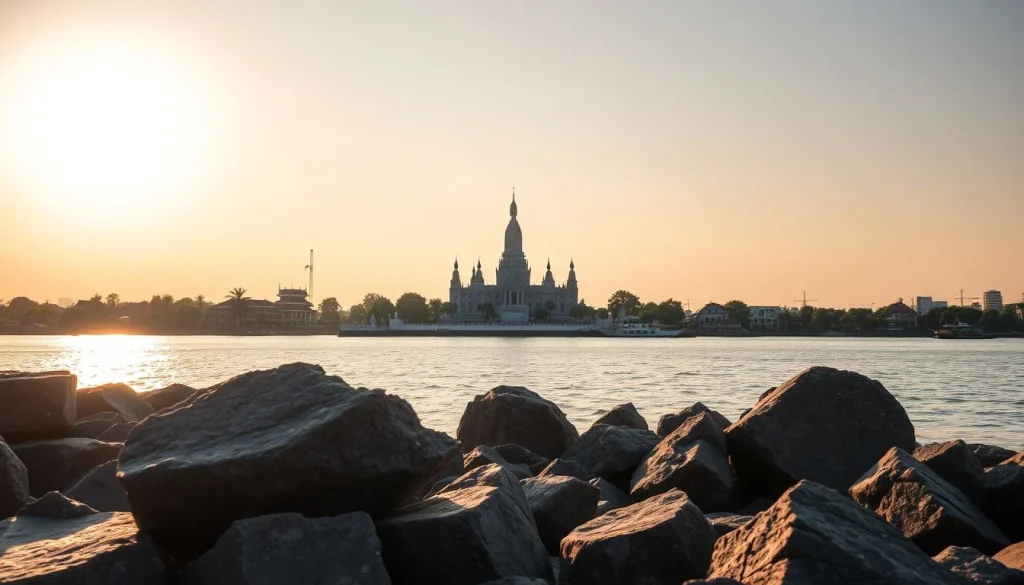
Wat Arun, on the west bank of the Chao Phraya, is the architectural counterpoint to the Old Town temples. Its decorated central prang and riverside setting make it particularly worthwhile for photographers and travellers who want one memorable crossing rather than another road journey. From Wat Pho, continue to the river and cross to the Wat Arun side by boat.
Give the temple roughly an hour, then linger by the river if the light is softer later in the day. The Tourism Authority of Thailand provides the destination information, while current admission and access arrangements should be checked before visiting. This stop suits independent travellers and couples; in the midday heat, the exposed riverside setting is less comfortable, so carry water and choose an early or late visit.
4. Take the Chao Phraya Express Boat
The Chao Phraya Express Boat is both transport and sightseeing: it links riverside piers while letting you see Bangkok from the water. It is a practical alternative to road traffic when moving between the palace area, Wat Pho, Wat Arun and other river stops, and the operator publishes current routes, boat types and fares.
Allow extra time to identify the correct pier and boat class rather than treating the service like a private cruise. Fares are in the low single-digit to low double-digit baht range per ride, depending on boat type and distance, according to the operator’s 2026 listing. Check the Chao Phraya Express Boat service page on the day. It suits budget travellers and anyone who dislikes Bangkok traffic; travellers with limited mobility should check pier access before relying on it.
5. Chatuchak Weekend Market
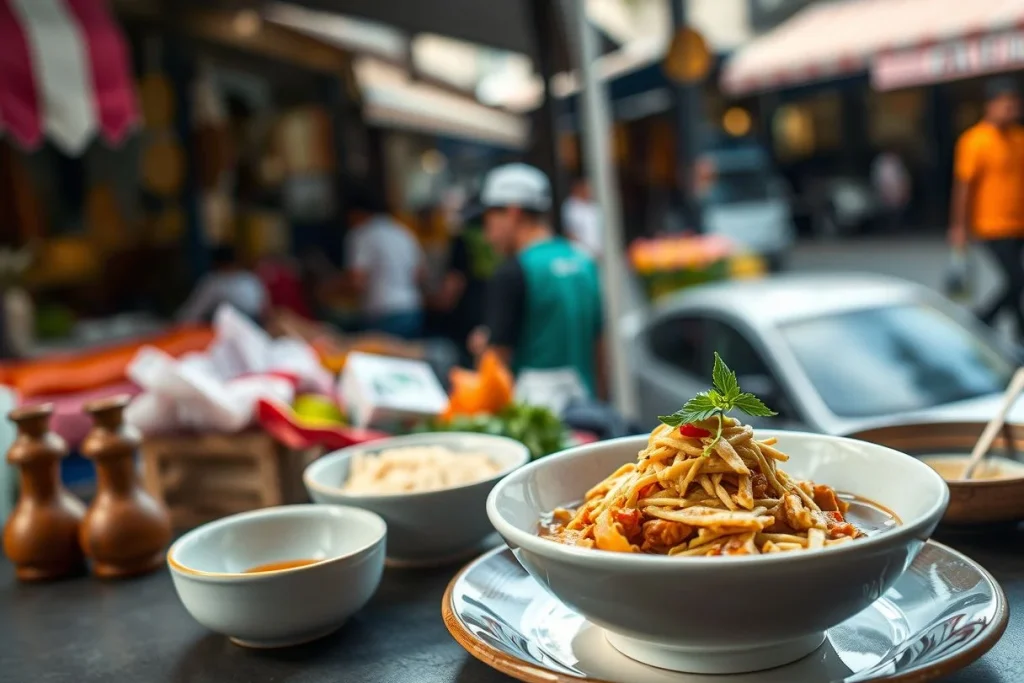
Set aside around half a day for Chatuchak, a large, sectorised market where browsing costs nothing and purchases range from clothing and household goods to souvenirs. It is most useful for shoppers who can compare stalls and walk away from impulse buys, but it also works for curious visitors who want to see a different side of Bangkok beyond the temple district.
Chatuchak is commonly listed as operating on Saturday and Sunday from 9am to 6pm, although sections and opening arrangements can change. Verify your dates through the market’s current visitor information. Go earlier for more manageable heat and browsing space, carry small notes and agree on a spending limit before entering. The market suits solo travellers and groups; it is less appealing if you have only a short stop or dislike crowds.
6. Chinatown and Yaowarat after dark
Chinatown, centred on Yaowarat Road, is one of the best low-cost evening walks in Bangkok. Follow the food activity along the main road and smaller lanes, choosing a busy stall where dishes are cooked to order. Pad Thai, som tam, mango sticky rice and boat noodles are useful starting points; individual street-food items commonly cost around 30–120 THB, based on 2025–26 observations, with location and vendor affecting the final amount.
Allow an evening rather than trying to rush through a meal and a neighbourhood walk. This suits budget travellers, first-time visitors and anyone who prefers choosing food dish by dish instead of paying for a restaurant meal. Busy stalls are generally the more practical choice for basic food-safety reasons, but CDC guidance also recommends appropriate food and water precautions in Thailand. Keep valuables secure in crowded lanes and avoid political demonstrations, in line with GOV.UK travel advice updated 18 September 2026.
7. Khao San Road and Phra Athit
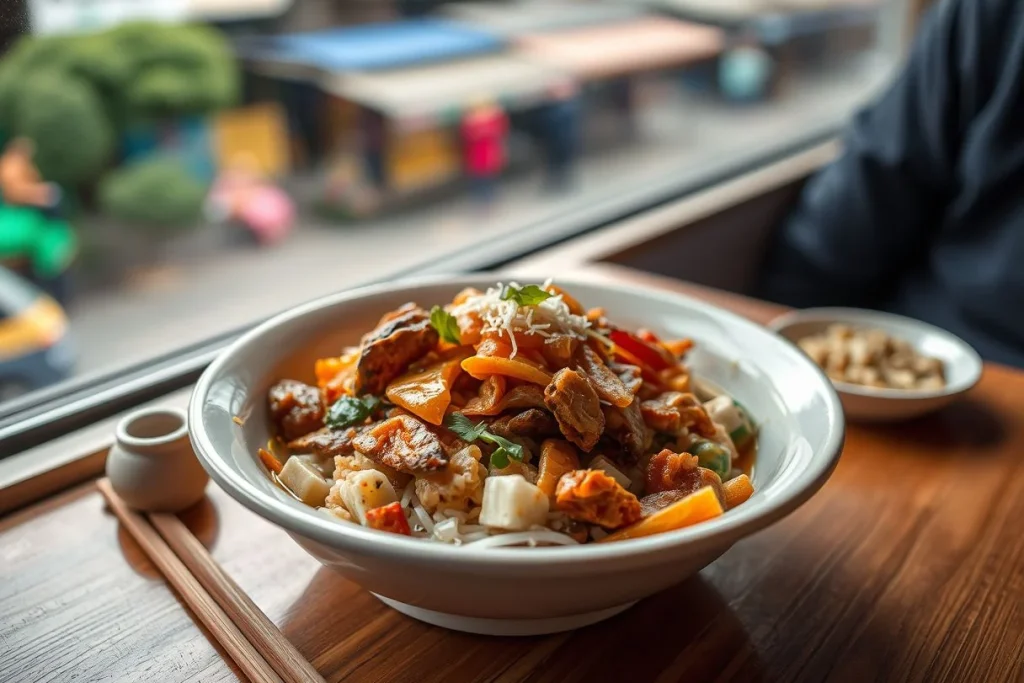
Khao San Road and nearby Phra Athit offer an easy, informal introduction to Bangkok’s backpacker quarter. Spend an hour or two walking between guesthouses, casual food spots and riverside streets, then continue towards the Chao Phraya if you want a quieter change of scene. The area is useful for low-cost eating and nightlife, not for polished sightseeing.
It suits solo travellers and backpackers who value atmosphere over quiet, while families and light sleepers may prefer Phra Athit’s calmer stretches or another neighbourhood altogether. Khao San Road is not directly served by the main rail network, so combine it with a river boat or a short taxi journey rather than making repeated cross-city trips. Noise rises at night; choose accommodation away from the busiest strip if sleep matters.
8. Slow down in Lumpini Park
Lumpini Park is a free way to break up temple and market days. The open paths and greenery provide space to walk, sit and reset without another admission fee, making it especially useful after several hours of traffic, heat and dense streets. Go in the cooler morning or late afternoon rather than the hottest part of the day.
Allow one to two hours, with more if you are travelling with children or simply need a slower pace. It suits families, budget travellers and anyone who has overfilled an itinerary with indoor attractions. Bring water, use mosquito precautions and check a current local forecast during the wet season; the CDC recommends appropriate mosquito protection for travellers to Thailand.
9. Sampeng Lane and Bangkok’s flower markets
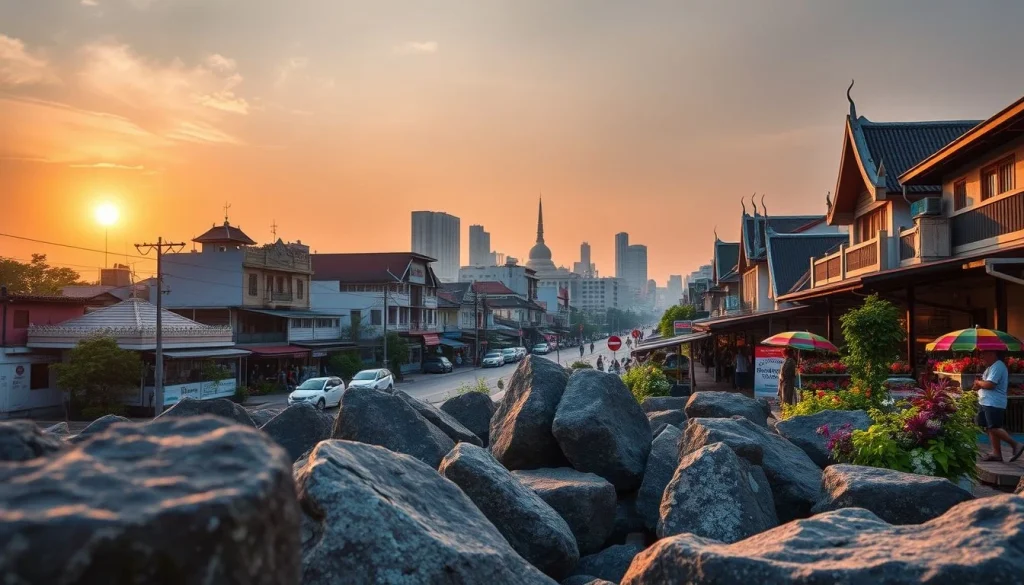
Sampeng Lane in Chinatown is a compact market walk for bargain hunters and photographers, with narrow commercial lanes and inexpensive small goods rather than major attractions. Pair it with the nearby flower markets for a more visual route through Bangkok’s trading districts. Early morning is the most atmospheric time for the flower-market experience, before the day’s heat builds.
Allow a couple of hours and treat purchases as optional: walking and looking are the budget activity. This combination suits repeat visitors, photographers and travellers who prefer local commercial streets to formal museums. The lanes can be cramped, so leave large bags behind, keep to the side and avoid stopping in busy doorways. Combine it with Chinatown food later, rather than travelling back and forth across the city.
10. Ride the BTS or MRT as a city experience
A Bangkok public-transport ride is not a sightseeing attraction in the conventional sense, but it is one of the best ways to make a budget itinerary work. The BTS Skytrain covers different corridors from the MRT, and the systems can be combined for cross-city journeys; both are useful for avoiding slow road traffic during busy periods.
BTS single-journey fares are distance-based, while MRTA publishes current MRT ticket information and fare rules. Check the BTS fare information and MRTA ticket information before budgeting. A single ride can connect shopping areas, parks and neighbourhood walks more efficiently than a taxi. It suits nearly every traveller, although stations may involve stairs and transfers; compare the fare and route before buying any multi-ride option.
Planning tips: book selectively and build neighbourhood clusters
Book only the one major sight
Most of Bangkok’s best-value experiences need no advance reservation: neighbourhood walks, parks, markets and public-transport journeys can stay flexible. The exception is the Grand Palace, where the official ticket page covers the Grand Palace, Wat Phra Kaew and the Queen Sirikit Textile Museum. Check the current ticket category, price and entry arrangements on the official Grand Palace booking page before travelling.
A paid guide is most useful here if you want the symbolism and history explained in one concentrated visit, or if you are short on time. It is less convincing value for a longer stay: pairing the major sight with Wat Pho, Wat Arun and a river crossing gives you a fuller day without booking several separate activities. Do not buy an attraction bundle unless its inclusions and total price clearly beat booking only what you will use.
Build days around neighbouring areas
Start a riverside day at the Grand Palace and Wat Phra Kaew, continue to Wat Pho, then cross the Chao Phraya to Wat Arun. This sequence keeps walking and backtracking manageable; the Chao Phraya Express Boat publishes current routes, boat types and fares, so check the operator’s information before setting out.
Keep Phra Athit and Khao San Road for a flexible Old Town evening: walk first, then decide where to eat, bearing in mind that Khao San is noisy and not directly served by the rail network. On another day, combine Chatuchak Weekend Market with the nearby MRT or BTS network, but verify opening arrangements for your dates because sections and trading days can change.
Chinatown works best as two linked visits rather than one rushed stop. Explore Sampeng Lane and Bangkok’s flower markets during the day, then return to Yaowarat for evening food. Busy stalls and food cooked to order are the sensible choices; dishes to look for include pad Thai, som tam, mango sticky rice and boat noodles. Street-food items commonly cost around 30–120 THB each, based on 2025–26 price observations.
Time outdoor sights around the weather
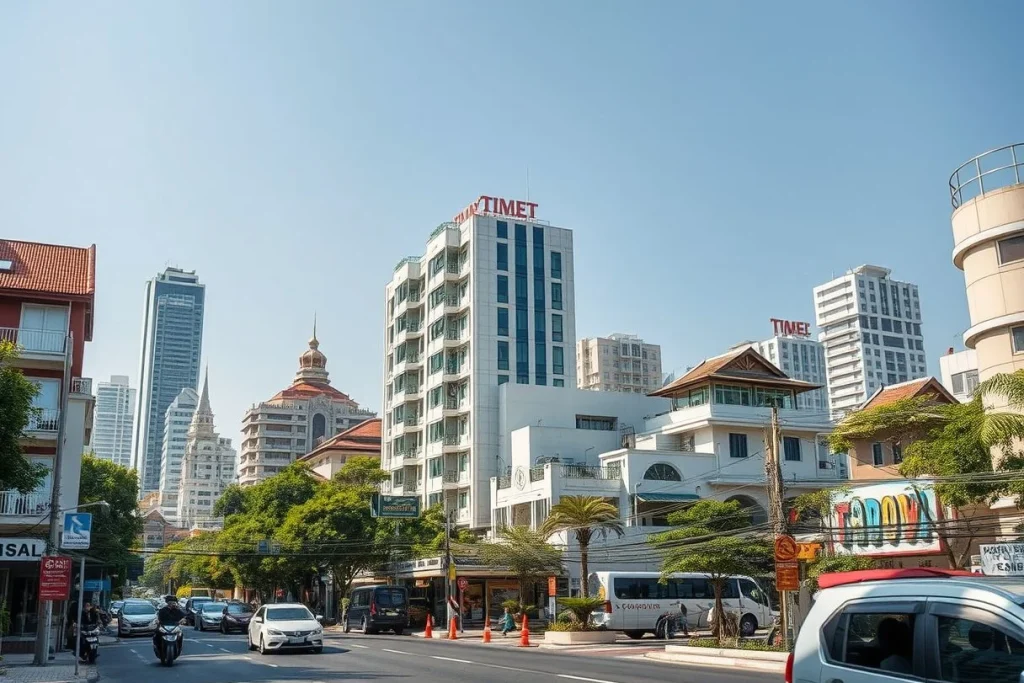
Bangkok stays hot year-round. Aim for temple courtyards, market walks and Lumpini Park in the early morning or late afternoon, when the heat is easier to manage. The Tourism Authority of Thailand describes roughly May–October as the wetter period and November–February as generally drier; check the local forecast during the monsoon months rather than committing every day to outdoor plans. Compare accommodation and transport prices especially for June, July, August and December, identified as peak months in the trip planning brief.
Complete entry checks before departure
Visa rules depend on nationality and change frequently. GOV.UK’s Thailand guidance, updated 18 September 2026, reports visa-free tourism entry of up to 30 days for many nationalities from 15 September, but directs travellers to verify their own conditions. All foreign nationals entering Thailand must submit the Thailand Digital Arrival Card within three days before arrival; use the official TDAC site and confirm the submission window before flying.
Getting around Bangkok: BTS, MRT, river boats, taxis and airport links
Choose transport by route, not by habit
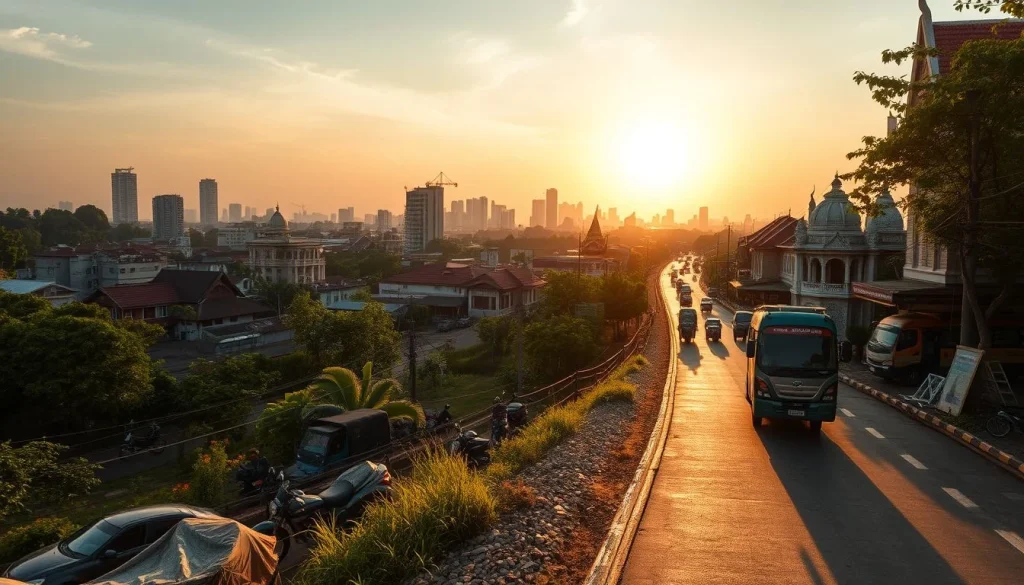
Bangkok is cheapest to navigate when you move between neighbourhoods by rail or boat, then walk within each sightseeing cluster. BTS and MRT avoid much of the city’s road traffic; the Chao Phraya Express Boat is useful for the Old Town and riverside temples; taxis fill the gaps when the route is awkward or luggage makes transfers impractical.
| Option | Best for | Trade-offs and tips |
|---|---|---|
| BTS Skytrain | Sukhumvit and Silom corridors, especially during busy road periods | Fast and elevated, but it does not reach every Old Town sight. Single-journey fares are distance-based; check the BTS operator’s current fare conditions. |
| MRT | Its own corridors, including useful connections towards Chinatown and other central areas | MRT and BTS are separate networks, although they can be combined. MRTA publishes ticket types and fares on its official ticket-information page. |
| Chao Phraya Express Boat | Riverside sightseeing, Old Town access and moving between temple-area piers | Low-cost and scenic, but boat type, route and distance affect the fare. Check the operator’s route and fare information, identify your pier before boarding, and allow extra time with large luggage. |
| Metered taxi or ride-hailing | Door-to-door trips, late arrivals and places away from rail stations | Traffic can make a short journey slow, while ride-hailing prices can rise with demand. In a taxi, request the meter rather than accepting an unpriced fixed fare; confirm the route and payment method before setting off. |
| Walking | Clustered routes through the Old Town, Chinatown, Sampeng Lane and nearby markets | It costs nothing and often reveals more than a vehicle, but Bangkok’s heat and sudden rain make early morning, late afternoon and short taxi or rail breaks more comfortable. |
| Airport Rail Link | Suvarnabhumi Airport when its route matches your accommodation | Useful for avoiding road traffic, but a final BTS, MRT, taxi or walk may still be needed. Don Mueang Airport has a different connection, so check the airport’s current transport information rather than assuming the Airport Rail Link applies. |
A Rabbit card can be convenient for repeated BTS journeys, but do not treat it automatically as a universal BTS-and-MRT pass. Check where it is accepted and compare the operator’s current ticket rules before adding value. For a short visit, single tickets may be simpler; a card becomes more useful when your plans repeatedly use the BTS network.
River travel has its own small learning curve. Check the destination pier and boat class on the Chao Phraya Express Boat operator’s current listing, then keep your ticket or fare proof until leaving the pier. Boats are appealing for Wat Pho, Wat Arun and other riverside stops, but crowded departures and narrow boarding areas are less convenient with wheeled luggage.
At peak traffic times, use rail or boat for the longest part of the journey and walk once you reach the area. During heavy rain, a taxi can save time and discomfort, though congestion may erase that advantage. Recheck BTS, MRT and river fares, routes and service arrangements before travel: the operators’ official pages are more reliable than old fare tables or hotel advice.
For personal safety, avoid political demonstrations and follow current local and embassy advice, as recommended by GOV.UK’s Thailand travel advice, updated 18 September 2026.
Conclusion: choose one riverside day, one food evening and one flexible market day
For a first Bangkok visit on a budget, make the Grand Palace, Wat Pho and Wat Arun your one paid sightseeing day, using walking and the Chao Phraya Express Boat to keep transfers inexpensive. Give another evening to Chinatown and Yaowarat for street food, then choose Chatuchak Weekend Market if you enjoy browsing or Lumpini Park and Sampeng Lane for a lower-spend, slower day.
Before departure, check the Grand Palace’s official ticket page, current temple and market arrangements, transport fares, the weather forecast and Thailand’s entry requirements, including the Thailand Digital Arrival Card. Save route maps offline. When booking accommodation, compare places near a BTS or MRT station with riverside options; choose the location that matches your main daily cluster.
Frequently asked questions
What is the best one-day budget itinerary for a first visit to Bangkok?
Prioritise the riverside cluster: visit the Grand Palace and Wat Phra Kaew, continue to Wat Pho, cross the Chao Phraya to Wat Arun, then use the Chao Phraya Express Boat for part of the return journey. The Grand Palace ticket includes Wat Phra Kaew and the Queen Sirikit Textile Museum; confirm the current ticket category and price on the official ticket page. Add street food if your budget allows; single dishes commonly cost 30–120 THB based on 2025–26 observations.
Are Bangkok temples open during public holidays and religious ceremonies?
The supplied sources do not confirm opening arrangements for public holidays or religious ceremonies. Check the official information for the Grand Palace, Wat Pho and Wat Arun shortly before travelling, particularly if your visit coincides with a major Thai holiday or religious event. Plan modest clothing: shoulders and knees should be covered, and shoes may need to be removed, according to the Tourism Authority of Thailand.
How can I avoid scams around Bangkok’s major tourist sights?
Use official attraction and transport information rather than relying on unsolicited advice about closures, tickets or alternative tours. For the Grand Palace, check the official ticket page; for the river, use the Chao Phraya Express Boat operator information. Also avoid political demonstrations and follow current local and embassy advice, as recommended by GOV.UK Foreign travel advice, updated 18 September 2026.
Can I use a contactless bank card on Bangkok’s BTS and MRT?
The supplied sources do not confirm current contactless bank-card acceptance on either network, so do not assume that tapping a foreign bank card will work. BTS publishes its single-journey fare conditions and ticket rules, while MRTA publishes MRT ticket information. Check those official pages before travel and be prepared to buy a ticket at the relevant station.
What should I pack for a full day of markets, temples and walking?
Pack clothing that covers your shoulders and knees for temple visits, plus footwear that is easy to remove because shoes may need to come off. A refillable water bottle and mosquito protection are sensible, and CDC Yellow Book guidance recommends appropriate food, water and mosquito precautions, keeping routine vaccinations up to date and discussing hepatitis A vaccination with a clinician. Carry a small bag for market purchases.
Is Bangkok suitable for solo budget travellers and families?
Yes, the itinerary can be adapted to both, but the best pace differs. Solo travellers can combine temples, public transport, markets and street food independently; families may prefer shorter sightseeing blocks and a slower stop in Lumpini Park. Choose busy, cooked-to-order food stalls for basic food-safety reasons, avoid political demonstrations, and check current official travel advice before setting out.