
Punta Cana’s dated benchmarks span $74 per person per day for budget travel, $183 for mid-range travel and $440 for luxury travel, according to BudgetYourTrip’s page updated 12 July 2026. That spread shows why a useful budget travel guide must compare the whole trip, not just the cheapest room or flight.
This guide is for independent, budget-conscious travellers deciding how to travel on a budget without stripping out the experiences that matter. It sets accommodation, food, local transport, activities, seasonal timing and unavoidable fees on the same per-person, per-day basis, then shows where public transport, markets, free sights and point-to-point fares can genuinely reduce the total. Vienna provides a useful counterpoint: BudgetYourTrip lists its realistic average at approximately $205 per person per day on a page updated in July 2026.
Quick answer: Compare accommodation, food, local transport, activities and unavoidable fees on the same per-person, per-day basis. Use dated benchmarks such as Punta Cana’s $74 budget figure and Vienna’s approximately $205 average, then test shoulder-season dates, public transport, markets, free sights and point-to-point fares against passes after adding every fee.
Daily travel budget: compare the full cost per person
Start with a like-for-like daily budget: accommodation, food, local transport, paid activities, taxes and routine fees, divided by the number of travellers and nights. Keep international flights outside this figure unless you are deliberately calculating a full-trip average, because one long-haul fare can distort the cost of a destination.
The figures below are destination benchmarks, not guaranteed quotes. BudgetYourTrip says its Punta Cana travel-cost data was last updated 12 July 2026; its Vienna page was updated in July 2026. Use them to set a planning ceiling, then check current accommodation, transport and admission prices for your dates.
| Estimated destination and style | Daily amount | Basis and inclusions | Source and last update |
|---|---|---|---|
| Punta Cana, budget | $74 per person | Per person, per day; BudgetYourTrip budget benchmark | BudgetYourTrip, 12 July 2026 |
| Punta Cana, mid-range | $183 per person | Per person, per day; BudgetYourTrip mid-range benchmark | BudgetYourTrip, 12 July 2026 |
| Punta Cana, luxury | $440 per person | Per person, per day; BudgetYourTrip luxury benchmark | BudgetYourTrip, 12 July 2026 |
| Vienna, realistic average | Approximately $205 per person | Realistic average per person, per day; style is not specified as budget or luxury | BudgetYourTrip, page updated July 2026 |
Basis and date: These are USD estimates per person per day from the cited BudgetYourTrip pages, using the update dates stated above. The figures are benchmarks rather than live prices, and the supplied source information does not establish that every listed tax, resort fee or admission is included. Check the source page’s current breakdown before booking.
How to read the numbers

A solo traveller usually bears the full cost of a room, so a headline per-person figure may understate the effect of accommodation when compared with two people sharing. Couples should divide the room total between two people, but keep individual transport, meals and admissions separate. For self-catering, replace some restaurant meals with supermarket or market purchases, while adding any cleaning fee, service charge or minimum-stay cost attached to the accommodation.
Vienna’s approximately $205 figure is an average, not a promise that a budget trip will cost that amount. Punta Cana’s three benchmarks show why “budget” needs a defined travel style: the gap between $74 and $183 is substantial, while the $440 luxury benchmark reflects a different level of spending. Do not compare a dorm bed in one destination with a private room or resort package in another.
Normalise the total before booking
- Accommodation: compare the final room or bed total, not only the nightly headline rate. Add cleaning fees, service charges, tourist taxes and resort fees where applicable.
- Food: check whether breakfast is included, and record the cost of meals, drinks and any unavoidable service charge separately.
- Transport: include airport transfers, local fares and the cost of reaching accommodation outside the central area.
- Activities: add attraction admissions, guided visits and booking fees rather than treating sightseeing as free by default.
- Room sharing: divide accommodation by the actual number of occupants, not by the number of people travelling if some rooms are single-occupancy.
- Currency: keep the comparison in one currency and check the exchange rate and card fees close to booking.
- Trip length: calculate both a daily figure and a total for the stay; fixed transfers and one-off admissions weigh more heavily on a short trip.
For a reliable budget travel guide, build a simple sheet with one row for each day and a separate column for one-off costs. Mark every figure with the date checked and the official provider or venue. That makes it easier to spot a cheap-looking fare or room whose taxes and extras change the final daily total.
| Item | Budget | Mid-range | Luxury |
|---|---|---|---|
| Punta Cana daily travel budget | $74 per person per day | $183 per person per day | $440 per person per day |
| Vienna average daily travel cost | — | Approximately $205 per person per day | — |
Estimated ranges based on the sources listed below. Prices change; check with providers before booking.
When to travel: test peak months against shoulder-season dates
Test peak dates against shoulder-season dates
Changing your travel dates can reduce the total cost, but do not assume that “shoulder season” is cheaper in every destination. Use June, July, August and December as comparison points because they are the peak months identified for this guide, then test nearby dates against the same trip rather than relying on a general seasonal rule.
Start with an identical search: the same number of nights, neighbourhood, room type, baggage allowance, transport route and planned activities. Search peak and shoulder-season dates separately, record the date of each search, and use destination-specific sources for the evidence. Accommodation listings, transport operators and attraction websites may update prices and conditions at different times.
For example, BudgetYourTrip’s Punta Cana page says its travel-cost data was last updated on 12 July 2026, but a dated average does not prove that a particular month will be cheaper. Use it as background only; compare live prices for your exact dates, and check the destination’s official tourism calendar for festivals, school holidays and major events that can change demand.
| Cost line | Peak-date search | Shoulder-date search |
|---|---|---|
| Transport, including baggage and seat fees | Price checked: ___ | Price checked: ___ |
| Accommodation, including taxes and mandatory charges | Price checked: ___ | Price checked: ___ |
| Activities and entry fees | Price checked: ___ | Price checked: ___ |
| Local transport and food | Estimate checked: ___ | Estimate checked: ___ |
| One-off costs divided by the number of days | Daily share: ___ | Daily share: ___ |
Choose the lower total only after checking what changes with the date. Official venue and park websites may show seasonal closures or different access arrangements; transport operators may alter timetables; and weather conditions should be checked through a destination-specific meteorological service. A cheaper shoulder-season fare is not useful if a key activity is unavailable or the itinerary requires expensive alternatives.
Saving on accommodation: compare the final stay cost
Compare the final stay cost, not the nightly rate

The cheapest accommodation is the option that leaves the lowest total cost after fees, transport and practical compromises. Compare the full stay for the same dates and number of guests, then divide it by the number of people and nights. A room farther from the centre may look cheaper but cost more in daily fares, while a central hostel can reduce both transport spending and time lost in transfers.
For a solo traveller, a hostel dorm is often the first comparison to make: you pay for a bed rather than a whole room and may find useful facilities such as a locker or shared kitchen. Check exactly what is included, including linen, towels, lockers, breakfast and cancellation conditions. Hostelworld is useful for comparing current property listings, but availability and the displayed total depend on your dates, room type and booking terms; confirm the final amount before paying.
A private hostel room, guesthouse or budget hotel can make more sense for two people when the combined price is close to two dorm beds. It may also suit travellers who need reliable sleep, a private bathroom or a quieter base. Read recent reviews for specific concerns—night-time noise, mattress quality, check-in arrangements, luggage storage and the condition of shared facilities—rather than relying on the property’s headline category.
Test apartments against the real total

Self-catering accommodation can lower food costs for couples, families or groups who will actually prepare breakfast or some evening meals. Compare the kitchen equipment, refrigerator space, number of beds and cleaning expectations with a guesthouse or hotel that includes breakfast. A kitchen is not a saving if the stay is short, the property is inconveniently located or you will eat out most of the time.
Short-term rentals require the most careful calculation. Add the cleaning fee, service fee, tourist tax, minimum-stay requirement and any deposit to the nightly price. Check whether the listing shows a registration number where one is required, and verify the property’s legality and local requirements with the relevant local authority or official tourism source. Rules and fees vary by destination, so do not treat a platform’s headline total as the final answer until you have checked these details.
AirDNA’s 2026 short-term-rental market reporting can provide a dated market benchmark for average daily rates and occupancy, but it is not a booking quote. Use it to understand a market trend, not to predict the price of one apartment on your travel dates; compare the live listing total separately.
Save without sacrificing the basics

Choose location by the shape of your itinerary. A cheaper property beside a useful public-transport route may work well if most days begin and end there; an isolated bargain is less attractive when it forces late transfers or extra taxis. Map the first and last journeys, not only the walk to the main attraction.
For any accommodation type, check cancellation deadlines, payment timing, reception or self-check-in instructions, luggage storage and the policy for late arrival. Solo travellers should choose a setup that matches their comfort with shared spaces, read recent reviews carefully and confirm how access, lockers and emergency contact arrangements work. A low price is not a reason to ignore information you need to feel secure.
Workaway and WWOOF are exchange models involving tasks or help rather than ordinary free lodging; review the expected hours, duties, meals, accommodation, insurance and host details before agreeing. Couchsurfing is a hospitality network, not a guaranteed no-cost hotel alternative. Treat each arrangement as a suitability and verification decision, and keep a paid backup for an itinerary where arriving without accommodation would create a problem.
Saving on transport: compare point-to-point fares, passes and fees
The cheapest transport plan is rarely the one with the lowest headline fare. Compare the complete journey: ticket, seat reservation, baggage, airport transfer, local transport to the station and the value of time spent changing services. Check fares and restrictions again on the relevant operator’s official website before booking, since transport prices and conditions change.
| Option | Usually suits | Check before choosing |
|---|---|---|
| Advance rail ticket | A fixed itinerary booked early | Refund rules, train-specific validity and seat fees |
| Regional train | Shorter journeys with flexible departure times | Validity period, routes covered and peak restrictions |
| Intercity bus | Longer overland journeys where rail is expensive | Station location, journey time, luggage allowance and changes |
| City public transport | Several daily trips within one urban area | Single fares, daily or weekly caps, airport supplements and zones |
| Rail pass | Multiple eligible train journeys with limited flexibility | Pass price, reservation fees, supplements and blackout rules |
| Flight | Long distances where the airport route is genuinely convenient | Cabin bag, checked bag, seat, payment and airport-transfer costs |
For European rail, price each planned journey point to point before considering Eurail or Interrail. A pass is worthwhile only when the eligible journeys cost more than the pass plus compulsory reservations, supplements and booking charges. A 2026 comparison by eurailtimetables.com indicates that high-speed reservations can typically add €5–€35 per train; treat that as a provisional guide, not a live fare, and verify every route with the train operator. A slower regional train or an intercity bus such as FlixBus may produce a better total if your schedule allows it.
For a city pass, write down the number of journeys you will actually make, then compare that total with the pass price and validity period. Check the official city operator rather than relying on an old blog post: TfL and Oyster in London, RATP and Navigo in Paris, and Opal in Sydney have different zones, caps, transfer rules and airport arrangements. A pass that includes attractions or airport travel may be useful, but only if you would have paid for those inclusions anyway.
Low-cost flights need a door-to-door calculation. Before paying, check the airline’s current cabin-bag dimensions, personal-item limit and checked-bag fee for the exact fare; also price seat selection, payment charges and the transfer from the outlying airport. If a cheap flight requires an expensive airport coach, an overnight arrival or a new hotel night, compare it with the nearest rail or bus departure rather than the advertised flight alone.
- Search flexible dates, then confirm the fare on the operator’s own booking page before treating it as a saving.
- Compare nearby stations and airports, including the local fare and transfer time to each one.
- For a pass, list every reservation-required train before purchase; an unreserved itinerary is not automatically pass-friendly.
- Keep screenshots or downloaded tickets when travelling through areas with weak mobile reception, but check whether the operator requires an app, identification or printed ticket.
- Leave a realistic buffer for separate tickets. A missed connection can erase the saving when the tickets are not protected as one booking.
The practical rule is simple: book a pass only after a written comparison of the same journeys, and book a flight only after adding every door-to-door cost. For local fares, validity, service restrictions and airport links, use the current official operator page immediately before travel.
Eating well for less: combine markets, supermarkets and local meals
Build a meal pattern before choosing restaurants

The cheapest food strategy is rarely “eat street food every day”. A more reliable approach is to give each day a shape: breakfast from a supermarket or bakery, a market or street-food lunch, one local sit-down meal, and water refilled where the local authority confirms that it is safe and permitted. This leaves room for a proper meal without making every meal a restaurant purchase.
For breakfast, compare the price of a ready-made item with the ingredients you would actually use. A bakery may be better value than buying several supermarket products that cannot be carried or stored. If you have dietary requirements, check ingredients in advance and learn the relevant words for allergies, vegetarian food and common staples; a cheap meal is no saving if it cannot be eaten.
Compare like with like in one neighbourhood

Prices can change sharply between a market near a residential district and a restaurant-lined square. Choose one neighbourhood and record four options: a market or street-food meal, supermarket ingredients, a set lunch and a restaurant dinner. Compare the final amount for the same person, including drinks, service charges, cover charges, taxes and any required side dishes.
Menus displayed outside are useful, but they do not always show the full bill. Check whether bread, water, service or a table charge is added, and find out what tipping customs apply locally rather than assuming that a familiar percentage is expected. Tourist zones may also carry a mark-up; walking a few streets away can help, but check recent local recommendations and the venue’s current menu before committing.
Use markets and self-catering selectively
A market lunch works well when stalls serve food ready to eat and you can see a steady local turnover. Hygiene standards vary, so choose food that is freshly cooked and served hot, keep raw and cooked items separate where possible, and follow current official health advice. Travellers with allergies, medical diets or strict religious requirements should ask how food is prepared rather than relying on a dish’s name.
Self-catering can reduce the cost of a longer stay, but only when the kitchen is genuinely usable. Check the listing for cooking equipment, refrigeration, utensils and cleaning fees, then verify the rental’s minimum stay and any local charges. Before relying on a market for ingredients, check its opening days; a supermarket may be the practical fallback when arrival times or public holidays do not fit.
A simple food-budget worksheet

Make the food line in your budget before booking accommodation. For each day, write down:
- breakfast: supermarket, bakery or accommodation-provided option;
- lunch: market, street food, packed meal or set menu;
- dinner: self-catered meal or sit-down restaurant;
- drinks and water: including any paid refills or bottled water required by local guidance;
- extras: coffee, snacks, service charges, cover charges and dietary substitutions.
Price one realistic example of each choice from a current menu, supermarket or market source, then add a small margin for the items most likely to change. If no dated food source is available, do not copy an old destination average: check current menus, the market authority or official tourism information shortly before departure. This method shows where the real saving lies without assuming that the lowest advertised meal is the lowest final cost.
Free and cheap things to do: build the highlights around no-cost experiences
The cheapest sightseeing plan is not a list of attractions marked “free”; it is a day built around places that cost nothing to enter and do not require an expensive journey across town. Start with a public park, waterfront or historic neighbourhood, then add one paid highlight only if it earns its place in the day.
Use the city itself as the attraction

Public parks and waterfront walks are reliable anchors for a low-cost itinerary, particularly when paired with a self-guided route through an old town, market district or notable architecture. Download or save a route before leaving accommodation, and check the local authority or official tourism website for access restrictions, construction and seasonal closures.
Free viewpoints can be excellent value, but “free” does not always mean easy: a viewpoint outside the centre may require a bus fare, a steep walk or a reservation. Libraries, public courtyards and religious buildings can offer distinctive architecture at no admission cost where visitors are permitted. Dress respectfully, follow photography rules and check worship times rather than treating every building as a sightseeing venue.
| Activity | Official source to check | Booking requirement | Likely extra cost | Time needed | Weather or closure dependency |
|---|---|---|---|---|---|
| Park or waterfront walk | Municipal parks authority or official tourism office | Usually none; verify access rules | Transport, drinks or a locker | One to three hours | Rain, heat, flooding or maintenance |
| Historic neighbourhood walk | Official heritage or tourism website | None for self-guided routes | Transport and optional audio guide | Two to four hours | Weather and temporary street closures |
| Free viewpoint | Site operator or local authority | Sometimes a timed reservation | Transport; reservation charge if applicable | 30 minutes to two hours | Visibility, weather and crowd controls |
| Library or religious building | Institution or building’s official website | May require visitor registration | Donation, cloakroom or transport | 30 minutes to 90 minutes | Services, events, holidays or security closures |
| Free museum day or cultural programme | Museum, city council or cultural authority | Often limited timed tickets | Booking fee, transport or donation | One to three hours | Calendar-specific; verify shortly before visiting |
| Community event or public market | Organiser, market authority or tourism office | Check event instructions | Purchases, donations and transport | One to three hours | Dates, weather and cancellation risk |
Free museum days and city cultural programmes are worth checking, but admission calendars, opening hours, closures and booking requirements change. Confirm them with the venue or relevant authority before planning your day. A free walking tour also belongs in the “pay what you choose” category, not the guaranteed-free category: contributions may be expected, and transport to the meeting point still counts.
Test a city pass before buying it
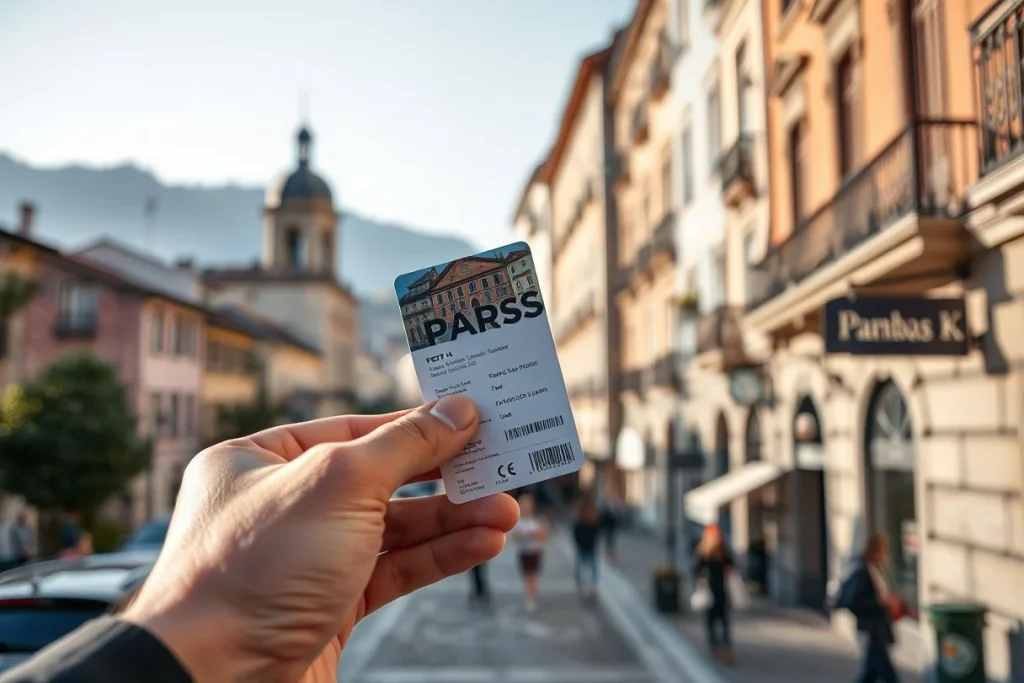
Write down the attractions you would genuinely visit, then check each current admission price on the attraction’s official website. Add any reservation charges, transport benefits you would actually use and exclusions; compare that total with the pass price and validity period. A pass can be good value for a concentrated museum day, but poor value if it encourages rushed visits or includes attractions you would otherwise skip.
For a budget travel guide that remains accurate, repeat this check shortly before departure. Free access days, timed-entry systems, national-park rules and seasonal programmes are among the details most likely to change.
Budget travel tips that prevent expensive mistakes
Before booking
- Price the complete trip, not the headline fare. Add accommodation taxes, cleaning or resort fees, luggage, transfers, meals, activities and card charges before comparing two options; a low advertised price is not a saving if the final checkout total is higher.
- Check the airport and the last connection. Compare the arrival airport with the city centre, the cost of reaching it and the time of the last train or bus, because an apparently cheap flight can create an expensive transfer or an unplanned night near the airport.
- Read the booking conditions before paying. Check cancellation terms, change penalties, payment surcharges and whether a deposit is refundable; this matters most for solo travellers booking flexible plans, families whose dates may shift and anyone connecting between separate tickets.
- Compare baggage rules on the exact airline and fare. Allowances and checked-bag charges vary by carrier and ticket, so save the airline’s current baggage page with its update date and measure the bag you will actually take rather than relying on a generic budget-airline assumption.
- Check the stay’s real total and legality. Look for tourist tax, cleaning fees, resort fees, minimum-stay rules and the property’s cancellation terms, then verify short-term-rental requirements with the relevant local authority or official tourism source before choosing an apartment over a hostel or hotel.
After booking
- Save the evidence you used. Keep screenshots or links to the official fare, baggage, transport and venue pages, including their update dates, since rules, reservation systems and charges can change before departure.
- Recheck connections and attraction reservations. Confirm the first and last departures, interchange points, required seat reservations and timed-entry rules; a 2026 European rail comparison reports that high-speed reservations can add approximately €5–€35 per train, so include them when testing a pass against point-to-point tickets.
- Make a payment plan for the destination. Check your bank’s card fees, foreign-currency charges and cash-access conditions, and carry a small backup payment method separately; do not choose a card or cash amount from an uncited exchange-rate estimate.
On arrival and before paying
- Use the official route and verify the price first. At airports, stations and attractions, compare the operator’s own fare information with what you are being offered, confirm where a ticket is valid and avoid paying a surcharge you cannot explain.
- Protect the budget without ignoring local advice. Check the relevant government travel advisory immediately before departure, note its update date and follow destination-specific guidance on scams and personal safety; this guide cannot generalise safety conditions without a named, current advisory.
- Adapt the checks to your travel party. Solo travellers should prioritise a confirmed arrival route and accommodation access; couples can compare whether a private room beats two dorm beds; families should verify lift, bathroom, pushchair and late-arrival arrangements; travellers with accessibility needs should confirm step-free routes, vehicle space and attraction access directly with each provider.
Finally, judge the booking by the time and risk it creates as well as by its price. A non-refundable room that requires a rushed connection, a long unpaid transfer or an unsafe late arrival may be poor value even when its advertised rate is low. Recheck live fares, baggage rules, venue requirements and local charges through the relevant official source shortly before leaving.
Conclusion: price the trip you actually want to take
The cheapest advertised option is not always the cheapest trip. Build one dated itinerary around the experiences you care about most, then make a second version using different dates or routes. Compare the complete cost per person: accommodation, transport, food, activities and unavoidable fees. This shows whether a lower fare survives baggage charges, transfers, reservations, tourist taxes or a less convenient location.
Protect the parts that give the trip its purpose. If a market visit, long-distance hike or particular museum matters most, keep it in the plan and reduce flexible costs elsewhere: stay slightly farther from the centre, travel at a less popular time, prepare some meals, or replace paid attractions with parks and public spaces. Cutting the experience you travelled for is false economy.
Your next step is a five-line comparison for stay, transport, food, activities and fees, prepared for both sets of dates or routes. Check every current figure with the relevant official operator, venue or accommodation source, then book only when the final total still fits your daily budget and leaves room for reasonable surprises.
Frequently asked questions
Are hostels safe for solo travellers, and what should I check before booking?
No single booking is automatically suitable for every solo traveller, so check recent reviews for comments about access, noise and room security. Confirm that lockers are available, understand reception arrangements, and compare a shared dorm with a private room if you need more privacy. Check the location on a map and verify the property’s current policies before paying.
Can I reduce costs without staying in a shared dorm?
Yes. Compare a private hostel room with a guesthouse or budget hotel using the final stay cost, including cleaning charges and tourist taxes where applicable. A carefully checked short-term rental may suit a longer stay or a group, but AirDNA’s 2026 reporting shows that rental markets vary, so use a dated, destination-specific benchmark rather than assuming a rental is cheaper.
How can I tell whether Workaway, WWOOF or Couchsurfing is appropriate for my trip?
Treat Workaway and WWOOF as accommodation exchanges rather than ordinary lodging: compare the expected time commitment, duties, location and host verification before agreeing. Couchsurfing should also be checked as a community-based arrangement, not priced like a guaranteed hotel or hostel bed. Read current profiles and references, confirm the arrangement directly, and keep a conventional accommodation option if the commitment or verification is unclear.
What should I check before joining a free walking tour?
Read the tour description before booking and check the guide’s route, meeting point, booking requirements and expected contribution. “Free” does not necessarily mean no payment is expected, so confirm how the contribution works and whether group size is limited. Also read the cancellation policy, particularly if your transport plans may change.
How do I avoid paying for a city attraction I could have visited for free?
Check the attraction’s official calendar for free-entry periods before buying a ticket, since schedules and access rules can change. Compare the paid attraction with public viewpoints, parks and local cultural programmes, and verify opening hours or seasonal closures with the venue or relevant authority. Free museum days and public events should be confirmed close to your visit.
What is the simplest way to compare destination budgets when currencies and travel styles differ?
Use the same categories for every destination: accommodation, food, local transport, activities and unavoidable fees. Compare the total per person per day, keeping party size, travel dates, accommodation type and included taxes consistent. As dated reference points, BudgetYourTrip lists Punta Cana at $74 budget, $183 mid-range and $440 luxury per person per day, updated 12 July 2026; its Vienna page lists approximately $205 per person per day, updated in July 2026.