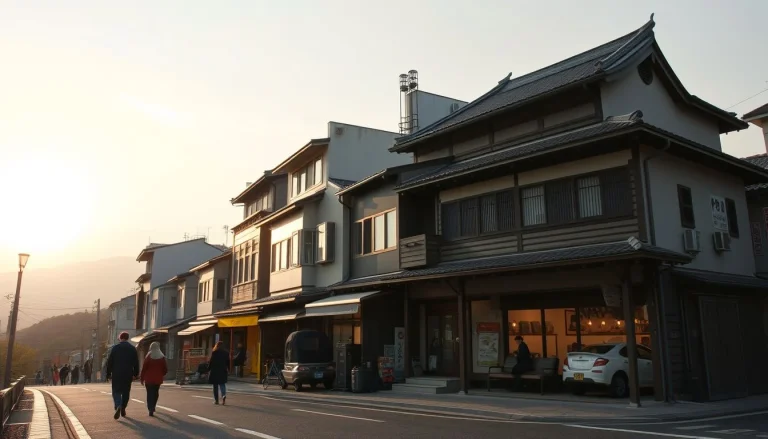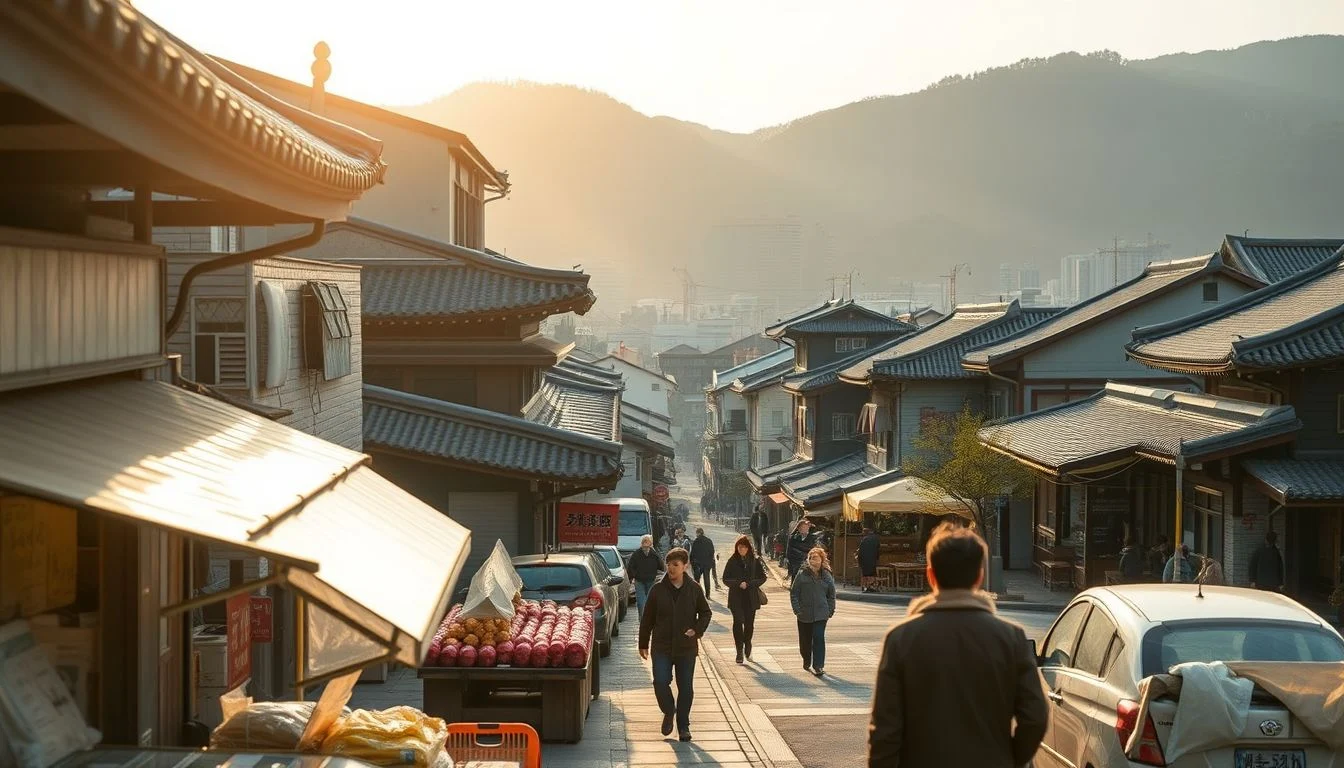
At Gwangjang Market, a meal can begin with a crisp-edged bindaetteok, continue with neat rolls of mayak gimbap and end at a stall serving kalguksu. The market, established in 1905, offers a concentrated introduction to Seoul’s food culture, but it is only one way to eat well in the city.
This Seoul food guide is for food-focused travellers deciding what to eat in Seoul and where to find it, from traditional market stalls and Korean barbecue to neighbourhood food streets, cooking classes and guided tastings. It explains the foundations of Hansik—rice, banchan and fermented seasonings—then sets out the dishes, markets and experiences worth prioritising, with practical notes for vegetarian, vegan and halal diners.
Quick answer: Start with bibimbap, Korean barbecue, tteokbokki, bindaetteok, mayak gimbap and naengmyeon. Choose Gwangjang Market for a concentrated introduction, Mangwon Market for a neighbourhood-style crawl, or Tongin Market for its dosirak lunchbox format; add a food tour or cooking class if you want help understanding the dishes.
The best first taste of Seoul: dishes, markets and experiences
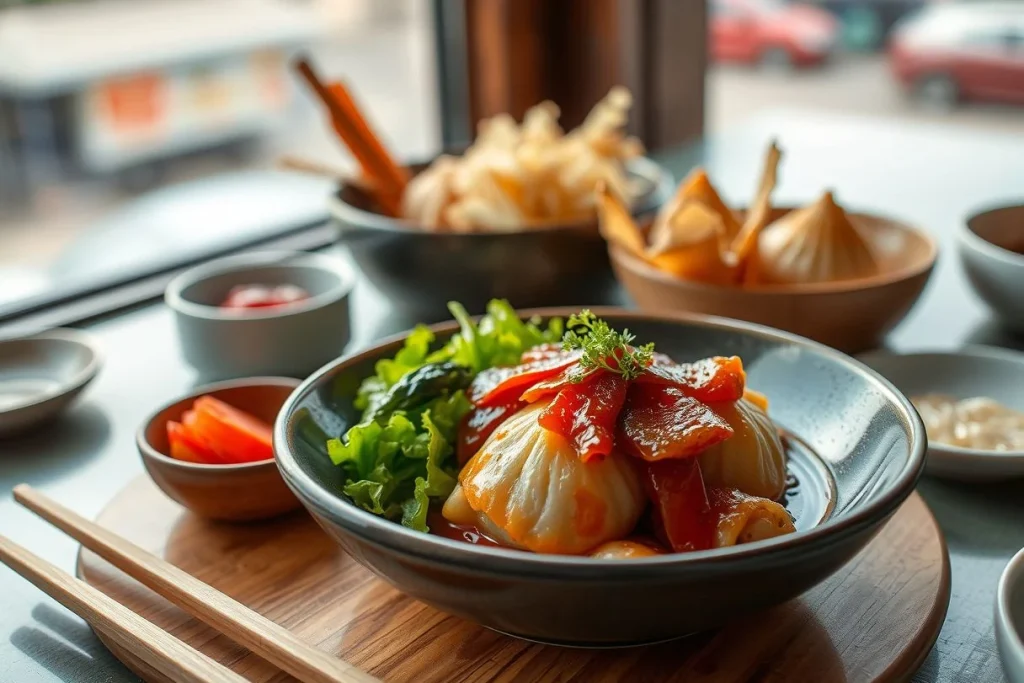
Use the shortlist as a tasting route rather than a checklist. Gwangjang is the most concentrated first stop; Mangwon suits travellers who prefer a neighbourhood market crawl, while Tongin’s dosirak format lets you assemble several small portions. Myeongdong is convenient for evening browsing and conspicuous favourites such as Korean corn dogs, but its street food is notably tourist-oriented rather than Seoul’s only or definitive market experience. Seoul Tourism describes its snack focus alongside other street-food areas.
Market stalls are often busiest around lunch and early evening, but individual hours vary, so check before setting out. Strict vegetarian, vegan and halal diners should ask about fish-based broths, sauces, fermented seasonings and shared equipment; favour fully cooked, hot-served food from busy stalls if you have particular health concerns.
The cuisine: what defines Seoul’s Korean food
To understand Korean food in Seoul, start with its structure rather than a single signature dish. Hansik is commonly built around rice, banchan and fermented seasonings: small shared side dishes arrive alongside the main bowl, grill or pot, giving one meal several textures and levels of intensity.
Fermentation supplies much of that depth. Kimchi brings acidity, salt and chilli, while ganjang (soy sauce), doenjang (soybean paste) and gochujang (red-chilli paste) contribute savoury, earthy and sweet-hot notes. Kimchi is served with nearly every Korean meal, but it is not one fixed recipe: forms vary by region and season, so a market side dish may taste quite different from one served at a barbecue restaurant.
The familiar meal pattern balances plain rice with soup or stew, vegetables and a grilled, braised or seasoned protein. Jjigae, for example, means bubbling stews such as kimchi jjigae or doenjang jjigae, often made with tofu, vegetables and protein. The result is food designed to be assembled at the table, with banchan and sauces shaping each mouthful rather than sitting apart as decoration.
That social character is clearest at Korean barbecue. Meat cooks at the table and is commonly wrapped in lettuce with ssamjang and other accompaniments. Market snacks show another side of the cuisine: quick, portable foods with strong contrasts of chewy, crisp, savoury and sweet. Temple food and vegetarian cooking offer a different emphasis, often foregrounding vegetables and restraint.
Fermentation and seafood-based ingredients matter when planning around dietary restrictions. Fish or meat may appear in broths, sauces and fermented seasonings even where a dish looks vegetable-based, so vegetarian, vegan and halal diners should confirm ingredients before ordering, rather than relying on the dish name alone.
Korean dishes to try in Seoul: a first-timer’s tasting list
Start with one composed dish, one shared meal and several market snacks. That gives a better sense of Seoul food than ordering only familiar barbecue: you will taste fermented seasoning, chewy rice, cold noodles, grilled meat and the small portions that make up a Korean table. The Korea Tourism Organization’s guide to Korean food is useful background for the dishes below, although recipes and fillings vary between vendors.
| Dish | What to expect | Best fit in an itinerary |
|---|---|---|
| Bibimbap | Rice topped with vegetables, gochujang and usually egg or meat; mix it before eating. | A balanced first meal when you want one bowl rather than several shared plates. |
| Bulgogi | Thinly sliced beef marinated for a sweet-savoury flavour. | A gentler introduction to Korean meat dishes. |
| Kimchi and kimchi jjigae | Kimchi is the fermented side dish served with nearly every Korean meal; kimchi jjigae turns it into a bubbling stew with tofu, vegetables and often protein. | Taste the cold side dish first, then order the hot stew when you want something more substantial. |
| Tteokbokki | Chewy rice cakes in a spicy-sweet red-chilli sauce. | A portable street-food stop; spice levels and additions differ by stall. |
| Japchae | Stir-fried glass noodles with vegetables and sometimes meat, with a soft, slightly springy texture. | Good for sharing or for diners who prefer noodles to rice cakes. |
| Naengmyeon | Cold noodles in a chilled broth or sauce, associated today with summer eating. | A refreshing counterpoint to grilled food; slurp it slowly, as the noodles are often firm and long. |
| Korean barbecue | Samgyeopsal (pork belly) or galbi (short ribs) cooked at the table, then wrapped in lettuce with ssamjang and banchan. | Choose it for a social dinner rather than a quick solo meal. |
| Bindaetteok | A savoury mung-bean pancake, crisp at the edges and substantial enough to share. | An excellent market snack, particularly when served hot from the griddle. |
| Mayak gimbap | Small seaweed rice rolls, typically compact enough to eat in a few bites. | Pair them with another snack instead of treating them as a full restaurant meal. |
| Kalguksu and mandu | Knife-cut noodle soup and dumplings, often ordered together for a comforting, filling meal. | Best when you want hot broth and a slower sit-down break. |
| Hotteok and Korean corn dogs | Hotteok is a sweet, filled griddled pancake; Korean corn dogs are a more novelty-led savoury snack. | Use hotteok for a sweet finish and corn dogs for casual street-food browsing. |
| Dosirak and hanjeongsik | Dosirak is a packed-style meal suited to sampling; hanjeongsik is a more formal spread of rice, side dishes and accompanying plates. | Choose dosirak for a market lunch and hanjeongsik when you want to understand the shared-table format. |
For a first tasting route, combine bibimbap or barbecue with tteokbokki, bindaetteok and mayak gimbap rather than trying to fit every dish into one sitting. Street food is usually best eaten fully cooked and hot from a busy, reputable stall, particularly for travellers with sensitive health needs. Strict vegetarian, vegan and halal diners should still ask about anchovy stock, fish sauce, meat, egg and shared cooking equipment: a vegetable filling or sauce does not guarantee a suitable dish.
Where to eat: Seoul’s markets, neighbourhoods and restaurant styles
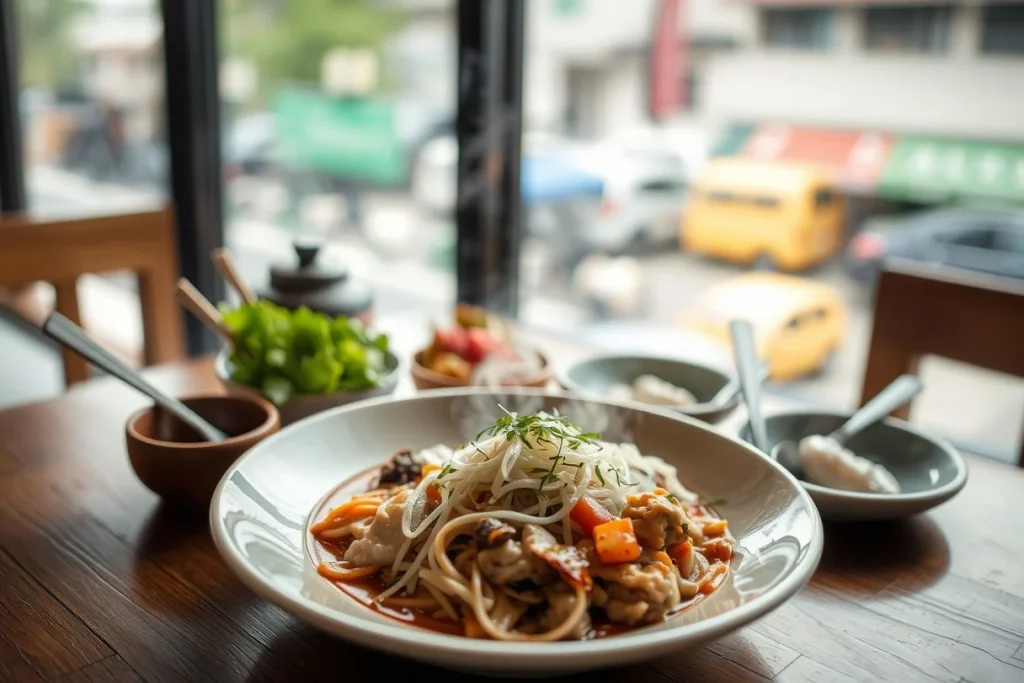
Seoul is easier to eat well when you choose one food area for the mood you want, rather than trying to cover every market. The subway makes the main districts practical to combine, including Gwangjang, Mangwon and Myeongdong, but allow time to queue, browse and share several small portions.
| Area | Atmosphere | Best foods | Ideal for | Trade-off |
|---|---|---|---|---|
| Gwangjang Market | Dense, covered and energetic | Bindaetteok, mayak gimbap, kalguksu | First-time visitors wanting a concentrated market crawl | Can feel crowded; stall seating and access vary |
| Mangwon Market | Neighbourhood market with a local-crawl feel | Traditional snacks and prepared market foods | Travellers pairing food with Mapo or Hongdae | Less of a single landmark experience than Gwangjang |
| Tongin Market | Small-portion, self-directed lunch | Dosirak lunchbox selections | Grazers who want to sample several vendors | The coin-based format depends on current vendor participation |
| Myeongdong | Highly visible evening street-food zone | Korean corn dogs and novelty snacks | Visitors who want an easy introduction near a major tourist area | More tourist-oriented than the traditional markets |
| Namdaemun Market | Traditional market and eatery alleys | Market meals and classic snacks | Travellers combining food with central Seoul sightseeing | Individual vendors and hours vary |
| Insadong and Ikseon-dong | Tea houses alongside traditional and modern dining | Tea, hanjeongsik-style meals | A slower meal or a more polished introduction to Korean food | Less suited to rapid, snack-by-snack sampling |
| Itaewon, Gangnam and Hongdae | International, contemporary and nightlife-oriented | International dishes, modern Korean food and barbecue | Specific dietary needs or a contemporary restaurant scene | Check menus carefully; the experience is less traditional-market focused |
For the classic first stop, choose Gwangjang Market. Established in 1905, it is particularly associated with bindaetteok and mayak gimbap, while kalguksu and other stalls make it easy to build a meal from several tastes. It is a strong choice for a first Seoul food guide itinerary, but not necessarily the quietest or most accessible: older market alleys can be narrow or uneven.
Mangwon Market suits travellers who want a market visit woven into a wider Mapo or Hongdae day. Tongin is more structured: its dosirak coin system lets you collect small portions from different vendors, making it useful when you want variety without ordering a full meal at each stop.
Myeongdong is the straightforward option for visible evening Seoul street food, including Korean corn dogs and other trendy snacks. Namdaemun offers a more traditional market setting and eatery alleys, while Insadong and Ikseon-dong are better for tea houses or a seated hanjeongsik-style meal. Itaewon is the practical area to investigate international and halal-friendly dining, but confirm current certification or Muslim-friendly information rather than relying on a neighbourhood label.
Choose the right kind of place
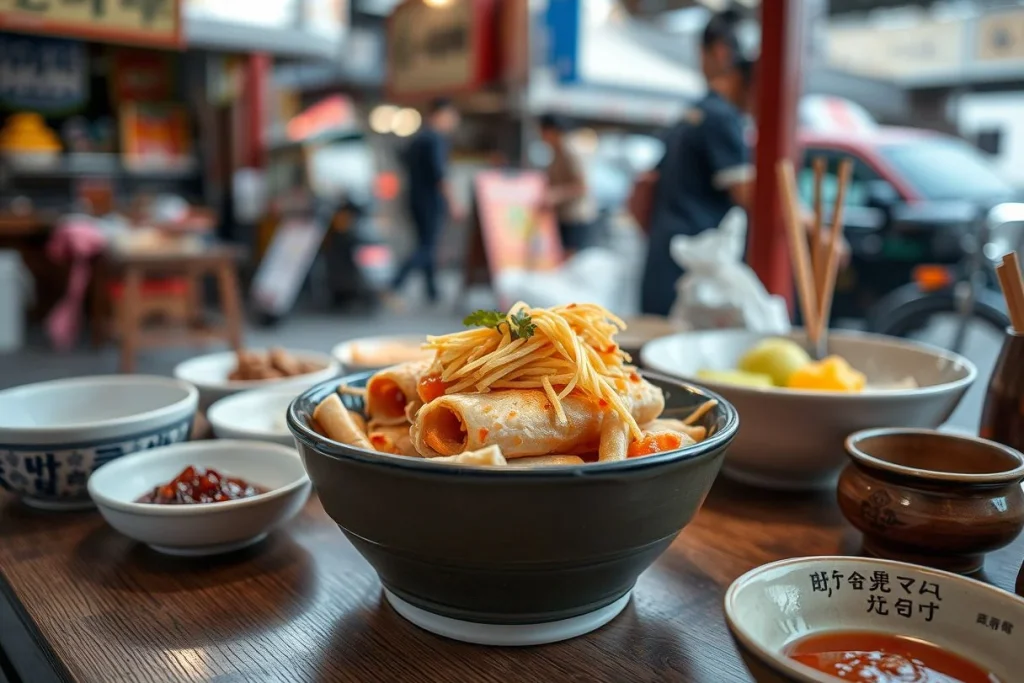
Use a market stall for bindaetteok, gimbap, hotteok and quick snacks; a noodle shop for kalguksu or naengmyeon; a jjigae house for bubbling stew; and a barbecue restaurant for table cooking with lettuce wraps, ssamjang and banchan. Temple-food venues and clearly labelled vegetarian restaurants can help, but ask about broths, sauces and shared equipment. Late-night snack spots are useful for casual eating around Hongdae or Itaewon, while Gangnam is a better fit for contemporary dining than a traditional market crawl.
Market rhythms are flexible: traditional markets generally run from morning through the day, with many food vendors busiest around lunch and early evening. Individual stalls can close, change menus or keep different hours, so check the market’s current official information and vendor listings before setting out. Do the same for crowding, access, closures and live menus; Seoul’s subway is usually the simplest link between districts.
What to eat by season: cold noodles, hot pots and market snacks
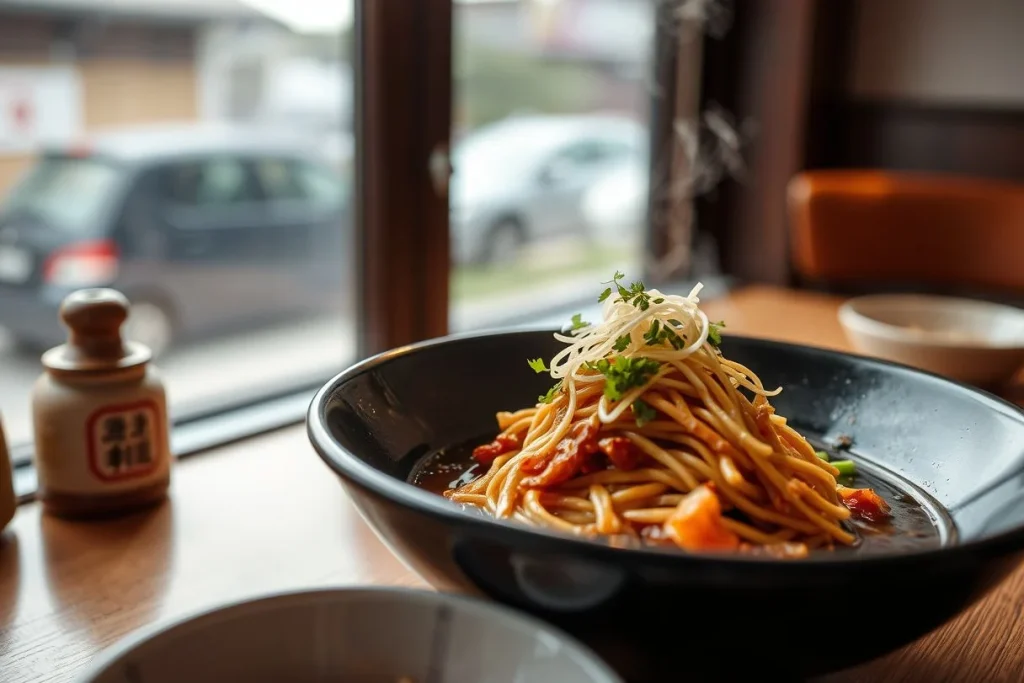
Match the dish to the day’s appetite rather than treating Seoul’s food calendar as fixed. Naengmyeon—chilled noodles in a cold broth or with a spicy dressing—is widely associated with summer eating, although Korea.net notes that its culinary history also includes winter service. It is a useful choice when you want something clean and cooling between market stops.
For colder conditions, look for a bubbling jjigae, a bowl of hand-cut kalguksu, or a hot plate of bindaetteok. Finish with hotteok, the filled, griddled pancake that works particularly well as a market snack. These are practical choices when you want warmth and a more substantial pause rather than several small tastings.
June, July, August and December are listed among Seoul’s peak travel months for this guide, but no best-weather claim should be made without a dated climate source. Seasonal menus, stall availability and market operating patterns can change, so check the market’s current official information and individual vendor listings shortly before you go.
How much to budget for a Seoul food crawl
For a straightforward Seoul market meal, allow roughly ₩10,000–₩30,000 per person, depending on how many stalls you try. Individual snacks cost less, so a crawl of several small portions can be easier to control than a sit-down meal. These figures cover market food only, not Korean barbecue, an upscale restaurant, a food tour or a cooking class.
| Estimated market-food cost | Budget | Mid-range |
|---|---|---|
| Individual street-food snack | ₩3,000–₩5,000 | ₩5,000–₩10,000 |
| Market crawl or lunch | ₩10,000–₩15,000 per person | ₩15,000–₩30,000 per person |
Basis: individual snacks or multiple market portions; figures reported by Seoulplate in August 2026.
Prices vary by stall and portion. Check current menus, payment methods and vendor listings before setting out; don’t assume every small stand accepts cards.
Food tours and cooking classes: which Seoul experience fits?
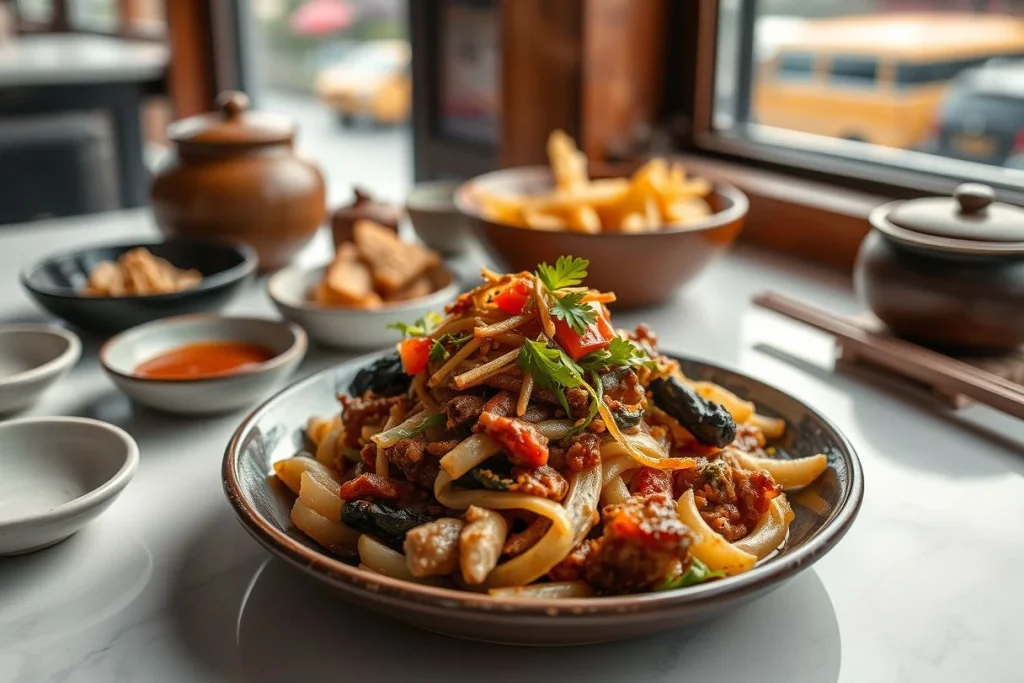
Food tours and cooking classes: which Seoul experience fits?
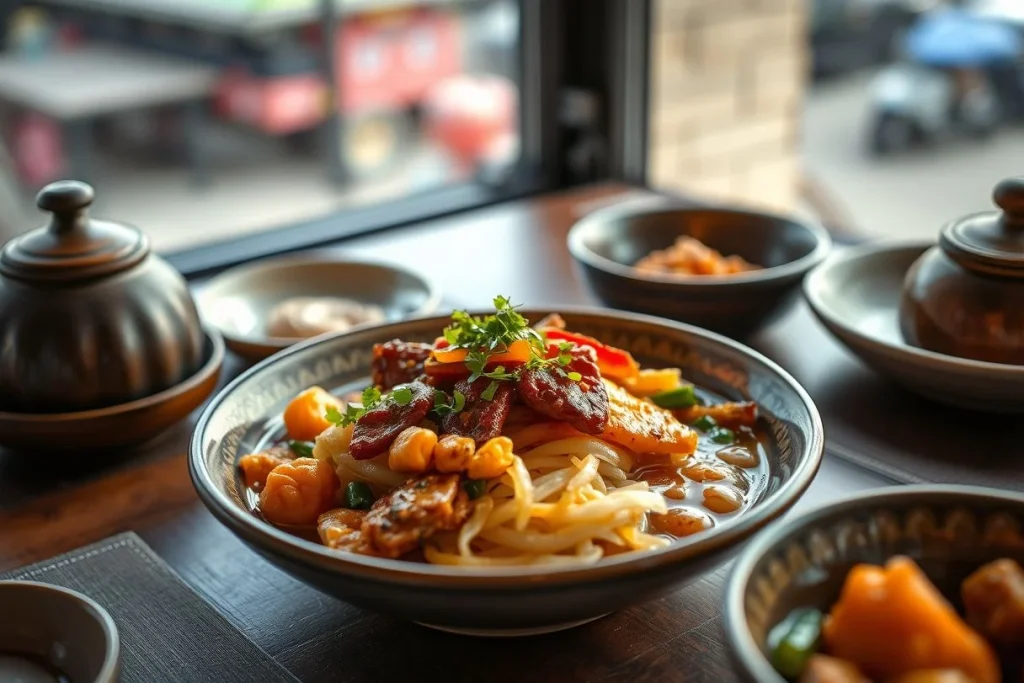
How much interpretation you want alongside the eating should shape your Seoul food experience. A self-guided market crawl gives you the most flexibility: choose a few snacks, follow your appetite and stop when the alleys become crowded. Gwangjang, Mangwon and Tongin each work differently, so check current stall hours and menus before setting out.
For first-time diners, a guided Seoul food tour brings help with ordering and a clearer explanation of unfamiliar ingredients. Market and street-food tours commonly include several tastings, with guidance on dishes and local food customs; some routes focus on one neighbourhood rather than attempting the whole city. Withlocals lists private and small-group, locally led options, but you’ll need to check its current routes, languages, prices and availability before booking.
A Korean cooking class makes more sense when the lasting souvenir you want is a technique rather than another restaurant recommendation. Classes may involve hands-on dishes such as kimchi, jeon or bibimbap. O’ngo Food Communications offers cooking classes and food-tour experiences; confirm the current menu, teaching language and schedule directly with the operator.
Before paying, check the meeting point, total duration, tastings included, group size, cancellation terms and accessibility. If you’re vegetarian, vegan or following a halal diet, ask specifically about broths, sauces, fermented seasonings and shared equipment rather than relying on a dish name alone. Travellers with mobility needs should also confirm route surfaces and market access, since older alleys can be narrow or uneven.
On a first visit, book a small-group market tour if Korean food is unfamiliar. It removes ordering friction while leaving later meals open for exploration. Pick a class instead if you want to recreate the flavours at home.
Korean food etiquette: sharing, ordering and tipping
Korean meals are often shared rather than served as separate courses. Banchan are communal side dishes, so take modest portions with your own spoon or chopsticks and avoid reaching across someone else. Kimchi and other side dishes may be replenished, but ask before treating anything as an individual serving.
At Korean barbecue, the meat is commonly cooked at the table and eaten with lettuce, ssamjang and banchan. Assemble a ssam with lettuce, meat and ssamjang, then eat it in one bite if practical; if you need the heat adjusted or the cooking arrangement changed, ask the staff first rather than moving the grill yourself. The same consideration applies to shared stews such as kimchi jjigae: wait until the food has been served and use communal utensils carefully.
At a crowded market stall, queue clearly, keep bags close and step away from the service area once food is collected. Traditional markets are often busiest around lunch and early evening, while individual stall hours vary, so check before setting out; travellers with sensitive health needs should favour fully cooked food served hot at busy, reputable stalls. The Korean Cultural Center New York also notes that strict vegetarian, vegan and halal diners should confirm broths and seasonings, which may contain fish or meat.
Tipping is not customary in most everyday Korean restaurants, according to the Seoul street-food guide from seoultourism.org, although tourist-oriented and upscale venues may set different policies. Check the bill or ask staff rather than adding an automatic tip.
Conclusion: start with a market crawl, then go deeper
Make Gwangjang Market your simplest first stop: its concentrated mix of bindaetteok, mayak gimbap and other market staples gives you a quick introduction to Seoul’s food culture. Follow it with one specialist meal—Korean barbecue, kalguksu or naengmyeon—so the market snacks have a fuller context.
For a different pace, self-guide Mangwon Market for a neighbourhood-style crawl or choose Tongin Market’s dosirak lunchbox format to sample several small portions. Book a small-group food tour if you want explanations and help ordering; choose a cooking class if you’d rather learn by making dishes such as kimchi, jeon or bibimbap. Before travelling, check current stall hours, menus, dietary suitability and booking details, particularly if you need vegetarian, vegan or halal food.
Frequently asked questions
Which Seoul market is easiest for a first food-focused visit?
Gwangjang Market is the clearest first choice if you want several recognisable Korean foods in one concentrated stop: it is known for bindaetteok and mayak gimbap, alongside other market dishes. Tongin Market suits a more structured lunch because its dosirak coin system lets you sample small portions from different vendors. Mangwon Market is better for a neighbourhood-style crawl. Check individual stall hours before going, since vendors vary (Seoul Tourism; Visit Seoul).
What can I eat in Seoul if I do not eat meat, fish or dairy?
Vegetarian, vegan and temple-food options exist, but a dish’s name alone does not guarantee that it meets your requirements. Fish or meat may appear in broths, kimchi, fermented seasonings and sauces, so confirm every component with the restaurant or stall. For a strict diet, choose a venue that clearly understands your requirements and verify current ingredients before ordering; the Korean Cultural Center New York specifically notes the need to check these details (Korean Cultural Center New York).
How can I avoid accidentally ordering seafood-based food?
Ask specifically about the broth, sauces, kimchi and fermented seasonings rather than checking only the main ingredient. Korean food can use fish or meat ingredients in preparations that otherwise appear vegetable-based, and this matters particularly for jjigae, banchan and market snacks. If the vendor cannot confirm the ingredients or shared cooking equipment, choose a different dish or venue. Travellers with strict dietary requirements should verify details before eating (Korean Cultural Center New York).
Is it practical to join a Korean barbecue meal when travelling alone?
Korean barbecue is cooked at the table and commonly served with lettuce wraps, ssamjang and banchan, so it is a more involved meal than ordering a single bowl. The supplied guidance does not establish which Seoul venues accept solo diners; check the restaurant’s current policy before going, especially if the menu is structured around shared portions. A food tour can be easier if you want guidance with ordering and several tastings rather than arranging barbecue alone (VisitKorea; Withlocals).
Which Korean foods are especially enjoyable in hot or cold weather?
Naengmyeon is the obvious warm-weather choice: it is a cold-noodle dish widely associated with summer eating, although Korea.net notes that its culinary history also includes winter service. In colder conditions, choose a bubbling jjigae such as kimchi jjigae or doenjang jjigae, commonly prepared with tofu, vegetables and protein. These are broad seasonal preferences rather than fixed rules, so menus and personal tolerance should guide the final choice (Korea.net; VisitKorea).
What should I look for when choosing a Seoul food tour or cooking class?
Check whether the experience focuses on a market, street food, a particular neighbourhood or hands-on cooking, then confirm the current dishes, language, duration, dietary suitability and meeting details before booking. Seoul food tours commonly include market or street-food tastings with ingredient explanations, while classes may cover kimchi, jeon or bibimbap. O’ngo Food Communications offers food tours and hands-on classes, and Withlocals lists private or small-group food tours; schedules and inclusions can change (O’ngo Food Communications; Withlocals).