A direct train carries you from Paris to Amsterdam in roughly 3.5–4 hours, turning four major European cities into one workable eastbound journey. This 2 weeks in Europe by train route continues to Berlin in about 7–7.5 hours, then Prague in about 4–4.5 hours—long enough to see the headline sights without changing hotels every other night.
Designed for first-time Europe travellers, the plan shows how to divide 14 days between Paris, Amsterdam, Berlin and Prague, when to travel, and how to choose between advance point-to-point tickets and an Interrail pass. It also addresses the practical decisions that can make rail travel feel simple rather than stressful: which stations to use, when seat reservations matter, how to handle luggage and where to leave space for timetable changes.
Quick answer: Spend four nights in Paris, three in Amsterdam, four in Berlin and three in Prague, travelling east by train. The direct legs typically take 3.5–4 hours, 7–7.5 hours and 4–4.5 hours respectively, leaving full sightseeing days in each city.
Itinerary at a glance: 14 days from Paris to Prague
This 14-day Europe by train itinerary moves east without changing cities every night: four nights in Paris, three in Amsterdam, four in Berlin and three in Prague. Travel days are deliberately placed between stays, so arrival afternoons remain useful rather than exhausting.
| Day | Overnight | Plan | Train leg |
|---|---|---|---|
| 1 | Paris | Arrive, check in and walk the Marais | — |
| 2 | Paris | Île de la Cité, the Louvre area and the Seine | — |
| 3 | Paris | Montmartre and an evening in Saint-Germain | — |
| 4 | Paris | Choose a museum, market or relaxed neighbourhood day | — |
| 5 | Amsterdam | Canal Belt and Jordaan after arrival | Paris–Amsterdam, about 3.5–4 hours |
| 6 | Amsterdam | Rijksmuseum and Museumplein | — |
| 7 | Amsterdam | Canal-side exploring and a flexible evening | — |
| 8 | Berlin | Travel day; settle in around Mitte | Amsterdam–Berlin, about 7–7.5 hours |
| 9 | Berlin | Museum Island and central landmarks | — |
| 10 | Berlin | Berlin Wall history and Kreuzberg | — |
| 11 | Berlin | Open day for museums or neighbourhoods | — |
| 12 | Prague | Travel, then an evening in the Old Town | Berlin–Prague, about 4–4.5 hours |
| 13 | Prague | Charles Bridge, Malá Strana and the castle area | — |
| 14 | Prague | Old Town Square and departure | — |
These are typical journey lengths, not guaranteed schedules. Check the operator timetable for your date, particularly when engineering works affect international services.
Before you go: book trains, choose a pass and plan your arrival
Plan this route eastbound: fly into Paris and, if practical, home from Prague. An open-jaw ticket avoids retracing your steps and gives the itinerary a clean finish. For a first trip, book your first accommodation before anything else, especially for travel in June, July, August or December, when popular areas can fill more quickly.
Next, book the three international rail legs, then reserve timed attractions such as the Rijksmuseum or other high-demand museums once your dates are fixed. The direct Paris–Amsterdam journey typically takes about 3.5–4 hours; Amsterdam–Berlin takes about 7–7.5 hours; and Berlin–Prague about 4–4.5 hours. Treat these as typical journey lengths, not guaranteed schedules, and check for engineering works before paying for non-refundable arrangements.
Point-to-point tickets or Interrail?
Advance individual tickets are often the simpler choice for this fixed four-city plan: you know your route, your travel days and the trains you want. Compare fares through SNCF Connect or Eurostar for Paris–Amsterdam, Nederlandse Spoorwegen or the relevant international booking channel for Amsterdam–Berlin, and Deutsche Bahn for Berlin–Prague. A Deutsche Bahn search showed a sample Berlin–Prague fare from €29.99 for 12 September 2026, but fares vary by date, availability and conditions.
Interrail can make sense if you may change the order or add cities. It does not remove every booking step: Eurostar travel from Paris to Amsterdam requires a booked seat or ticket, so do not assume a pass alone is sufficient. Check the 2026 pass guide and Rail Planner app for current validity, mobile-pass activation and reservation rules before choosing it.
Arrival and station basics
At each airport, follow signs for the rail or metro connection, and keep your first accommodation’s address saved offline. Activate or validate local tickets when the instructions require it. Allow extra orientation time at Gare du Nord, Amsterdam Centraal, Berlin Hauptbahnhof and Praha hl.n.; check the departure board for the train number and destination rather than relying only on the city name.
Entry rules depend on nationality. Check the relevant government immigration or foreign-affairs website for Schengen requirements before booking, and again shortly before departure; do not rely on a generic rule for all travellers.
Day by day: a realistic Paris–Amsterdam–Berlin–Prague route
This 14-day Europe train itinerary moves steadily east: four nights in Paris, three in Amsterdam, four in Berlin and three in Prague. The travel days are manageable, but the Amsterdam–Berlin leg is long, so keep arrival evenings deliberately light.
Day 1: Arrive in Paris
Morning and afternoon
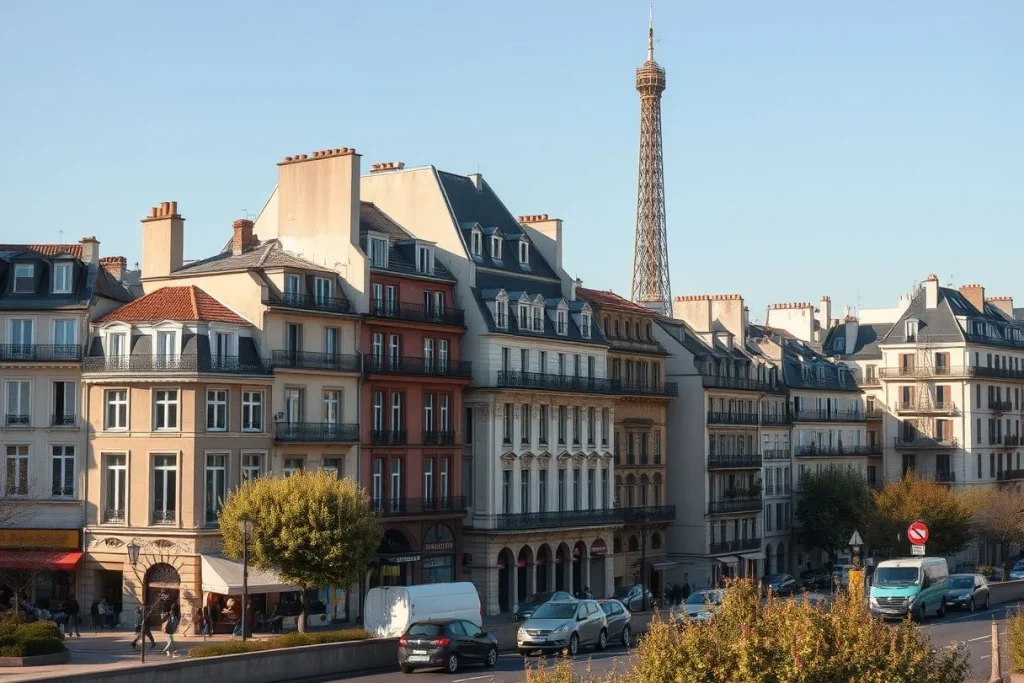
Arrive in Paris, complete passport and baggage formalities, then travel to your accommodation. Keep the first afternoon close to your base: walk through the Marais if you are staying on the Right Bank, or the Latin Quarter if you are near the Left Bank. This gives you a gentle introduction to Paris without committing to a cross-city journey.
Evening and food
Have an early dinner at a neighbourhood bistro or brasserie. Choose a simple first meal such as a croque monsieur, onion soup or roast chicken, and leave time to recover from the journey.
Getting around
Use public transport for the airport or station transfer, then walk locally where possible. Keep passports, phones and wallets with you rather than in an outside pocket.
Estimated time
Allow two to four hours for arrival formalities and transfer, two hours for a local walk, one to two hours for dinner and the remaining time for rest.
Optional extra
If energy and daylight allow, make a short evening walk along the Seine rather than adding a major attraction.
Day 2: Central Paris and a landmark
Morning and afternoon
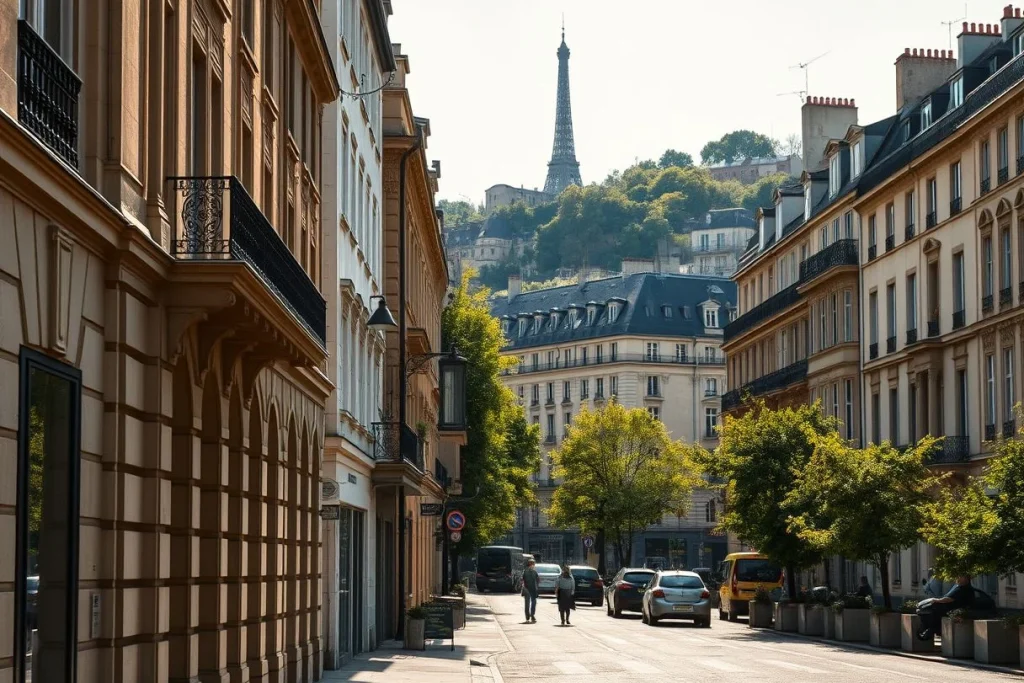
Start with one major sight in central Paris and use the surrounding streets for the rest of the day. Timed entry may be needed at popular attractions, so check the official website before travelling. Keep the second half of the day for a relaxed walk through the Tuileries, along the Seine or around Île de la Cité.
Evening and food
Eat in the same general area as your final stop. A crêpe, galette or set menu at a local restaurant keeps the evening easy and avoids another long metro journey.
Getting around
Combine walking with the Métro. Plan one main neighbourhood at a time instead of crossing Paris repeatedly.
Estimated time
Allow three to four hours for the principal sight, two to three hours walking and sightseeing, one to two hours for meals and a short rest.
Optional extra
Replace the afternoon walk with a Seine cruise if your feet need a break; check current departure details before going.
Day 3: Museum or monument day
Morning and afternoon
Dedicate either the morning or afternoon to one major museum or monument. Do not try to cover several large collections in one day. Afterward, leave a recovery block for a café stop, riverside walk or a quiet hour at the accommodation.
Evening and food
Choose a casual meal near your accommodation: steak-frites, a vegetable tart or a bowl of soupe à l’oignon are practical after a museum-heavy day.
Getting around
Use a direct Métro route where possible and expect walking inside large cultural sites. Check accessibility arrangements and current closures in advance.
Estimated time
Allow three hours for the museum or monument, two hours for nearby exploring, one hour for rest and two hours for meals.
Optional extra
For a lower-energy day, skip the second indoor attraction and spend the afternoon in Saint-Germain-des-Prés or beside the Seine.
Day 4: Paris neighbourhoods and preparation
Morning and afternoon
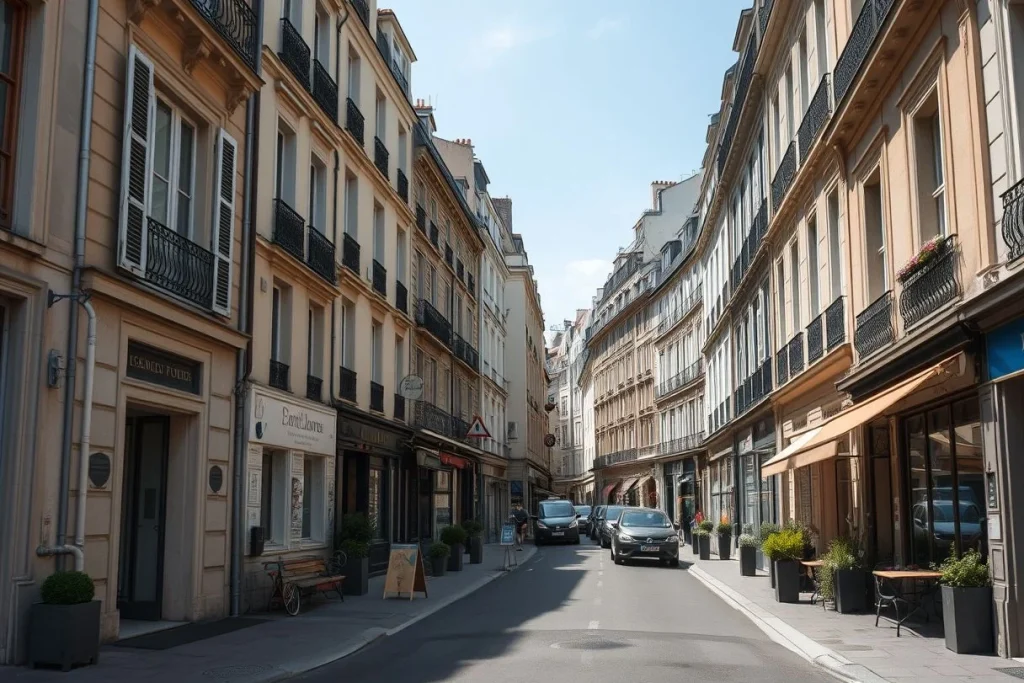
Use your final full Paris day for neighbourhood exploration rather than another long checklist. Choose Montmartre, the Marais or the Latin Quarter according to where you have not yet spent time. Return to the accommodation in the afternoon, confirm the next train and repack before dinner.
Evening and food
Make this the flexible Paris meal: a market-style lunch, a bakery stop and a final bistro dinner work better than booking an elaborate experience before a travel day.
Getting around
Walk between nearby sights and use the Métro for one longer connection. Keep tomorrow’s ticket, identification and essentials in a small day bag.
Estimated time
Allow four to five hours for exploring, one hour for luggage preparation, one to two hours for meals and a relaxed evening.
Optional extra
Add a viewpoint or sunset walk only if the weather and your energy are good.
Day 5: Paris to Amsterdam
Morning and afternoon
Take a morning direct service from Paris Gare du Nord to Amsterdam Centraal. The Paris–Amsterdam journey typically takes about 3.5–4 hours. Leave a buffer for station procedures and do not schedule a timed attraction immediately after arrival. Check the current train, platform and reservation details before departure; Eurostar travel requires a booked seat or ticket, and an Interrail Pass alone should not be assumed sufficient.
After checking in, explore the Canal Belt or Jordaan at an easy pace.
Evening and food
Choose a café or informal restaurant near the canals. Try Dutch pancakes, Indonesian-influenced rijsttafel or a simple broodje, rather than planning a late formal dinner.
Getting around
Walk from Amsterdam Centraal where practical, or use local public transport. Check whether your accommodation offers confirmed luggage storage; otherwise use station facilities only after verifying availability.
Estimated time
Allow around one hour for departure procedures, 3.5–4 hours on the train, one hour for arrival and check-in, two to three hours exploring and two hours for meals and rest.
Optional extra
If you arrive early and still feel fresh, take a short canal walk rather than adding a museum.
Day 6: Rijksmuseum and the Canal Belt
Morning and afternoon
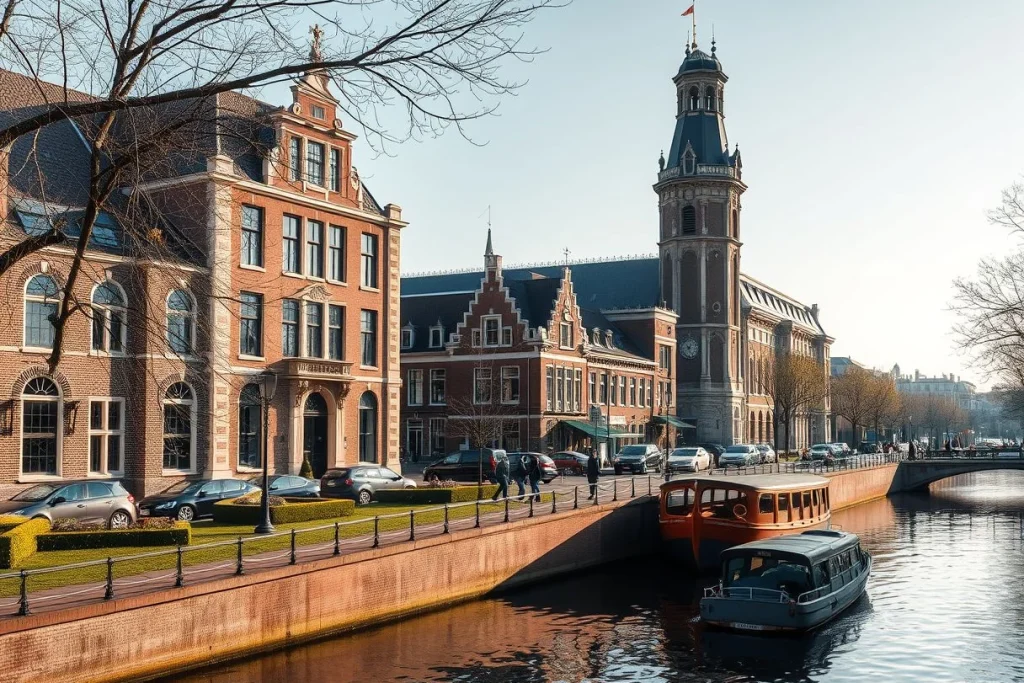
Visit the Rijksmuseum in the morning, checking current entry arrangements and opening information on the official website. Spend the afternoon in the Canal Belt or Jordaan, with time for cafés, small shops and waterside streets.
Evening and food
Look for Indonesian food, Dutch cheese and snacks, or a relaxed restaurant around Jordaan. Reserve popular dining or museum experiences ahead during June, July, August and December.
Getting around
Walk between the museum district and central neighbourhoods, using trams when the distance feels tiring. Take care around cycle lanes: bicycles have priority in many busy areas.
Estimated time
Allow three hours for the museum, three hours for neighbourhood walking, two hours for meals and at least one hour of breaks.
Optional extra
Add a canal cruise if the weather is settled and you prefer seated sightseeing.
Day 7: A slower Amsterdam day
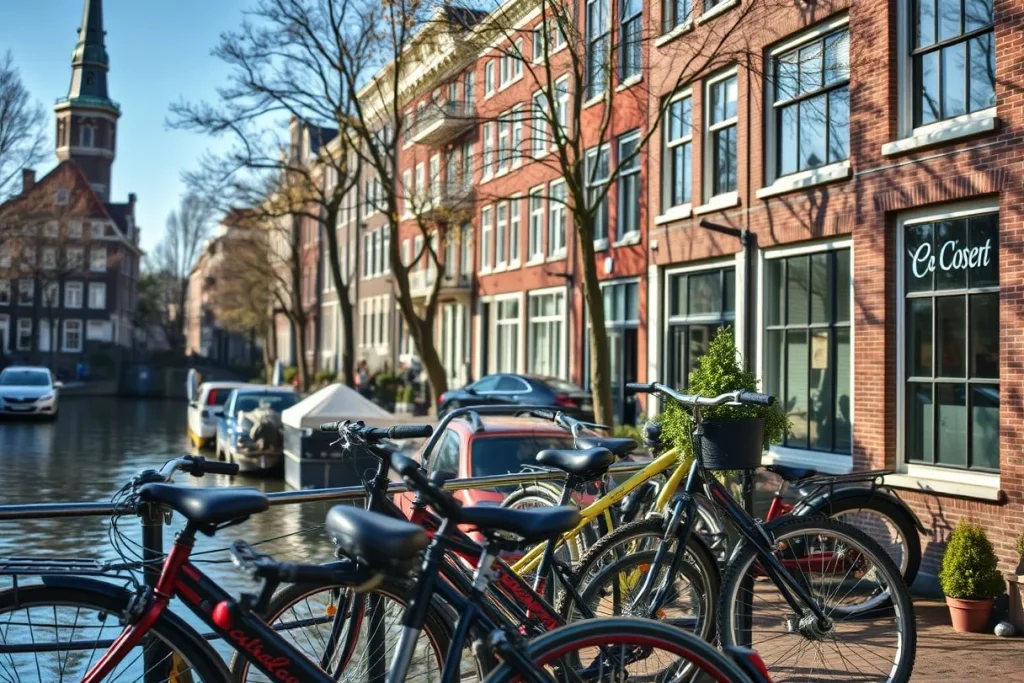
Morning and afternoon
Keep today flexible. Choose a market, park or one smaller museum, then return to the Canal Belt for an unhurried afternoon. Prepare for tomorrow’s long journey: confirm the train, pack snacks and keep valuables in your day bag.
Evening and food
Eat early near the accommodation. A casual Indonesian meal, fries or a café dinner is more practical than travelling across the city.
Getting around
Use walking and trams. Confirm luggage storage with the hotel or accommodation before checkout; do not assume it is available.
Estimated time
Allow three to four hours for sightseeing, one hour for packing, one to two hours for meals and a generous evening rest.
Optional extra
On a wet day, choose an indoor museum or café circuit instead of a park.
Day 8: Amsterdam to Berlin
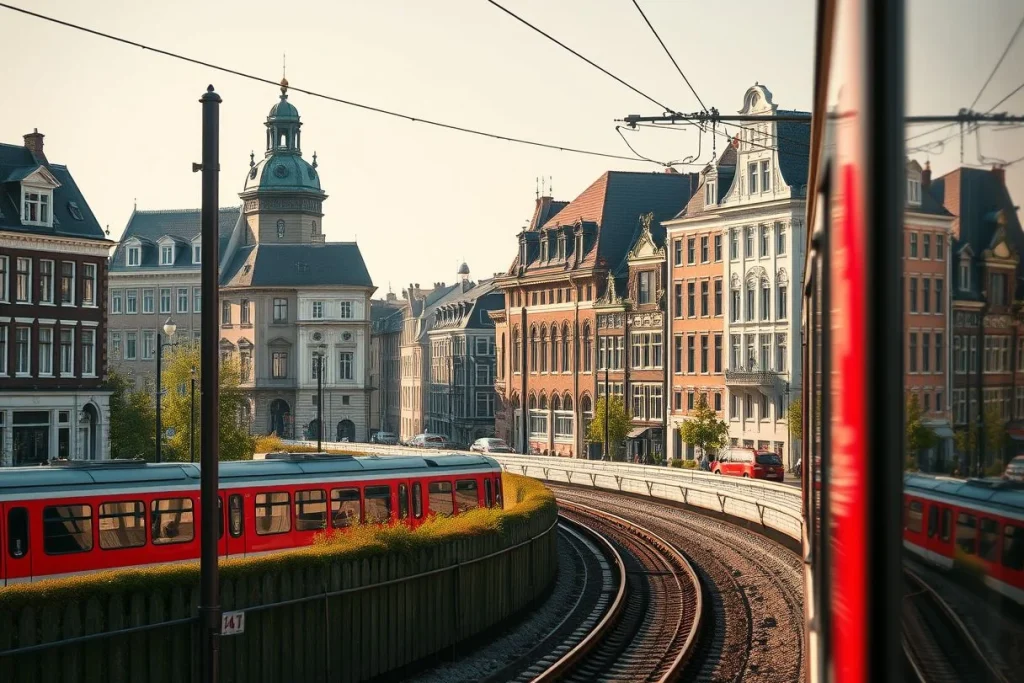
Morning and afternoon
Take the direct daytime train from Amsterdam Centraal to Berlin. The journey typically takes about 7–7.5 hours, so pack food, water and entertainment. Engineering works and timetable changes can affect international services; check the operator’s notices close to departure.
After arriving at Berlin Hauptbahnhof and checking in, limit sightseeing to a short walk around Mitte.
Evening and food
Have dinner near Mitte or the station. Currywurst, Turkish food or a simple German meal are easy choices after a full day on the train.
Getting around
Use the S-Bahn, U-Bahn or a short taxi journey according to luggage and arrival time. Keep bags close in crowded stations and do not leave valuables in luggage racks unattended.
Estimated time
Allow 7–7.5 hours on the train, one to two hours for departure and arrival logistics, one to two hours for a light walk and two hours for meals and rest.
Optional extra
If you arrive late, skip sightseeing and go straight to dinner and sleep.
Day 9: Museum Island and central Berlin
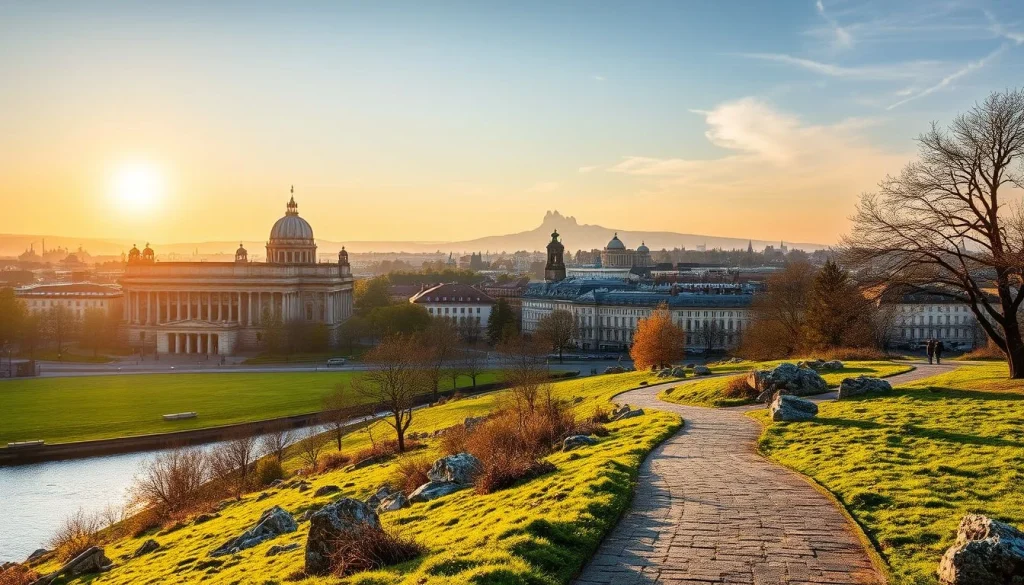
Morning and afternoon
Spend the morning on Museum Island, checking current museum opening information and entry requirements in advance. Continue through central Berlin on foot, linking the cathedral area with nearby landmarks rather than making several long public-transport journeys.
Evening and food
Eat in Mitte or around Hackescher Markt. Allow extra time for a sit-down meal; Berlin’s distances and large public spaces can make the day feel longer than expected.
Getting around
Walk between central sights and use the U-Bahn or S-Bahn for the return journey. Validate or buy local tickets according to the current transport system’s rules.
Estimated time
Allow three to four hours for museums, three hours for central sightseeing, two hours for meals and one hour for rest.
Optional extra
Replace a second museum with a riverside walk if the weather is clear.
Day 10: Berlin landmarks and 20th-century history
Morning and afternoon
Plan a balanced day of outdoor landmarks and one focused historical site. Keep the route around central Berlin, and allow quiet time between exhibits; the subject matter can be demanding.
Evening and food
Try a relaxed restaurant in Mitte or a Turkish meal in Kreuzberg. Check current admission arrangements for any timed-entry site before setting the day’s route.
Getting around
Use public transport between clusters and walk within each cluster. Carry a light layer and water, particularly in summer.
Estimated time
Allow three hours for historical sightseeing, two to three hours outdoors, two hours for meals and one hour for a break.
Optional extra
On a rainy day, choose an additional indoor museum and reduce outdoor stops.
Day 11: Kreuzberg and a final Berlin evening
Morning and afternoon
Spend the day in Kreuzberg or another neighbourhood that interests you, with time for cafés, street life and a market if one is operating. Keep the schedule loose and begin packing in the late afternoon.
Evening and food
Make this your flexible final Berlin dinner. Choose Turkish, Middle Eastern, vegetarian or modern German food near the evening’s last stop.
Getting around
Use the U-Bahn for the main connection, then explore on foot. Confirm tomorrow’s train and station details before bed.
Estimated time
Allow four to five hours for neighbourhood exploring, one hour for packing, two hours for meals and the rest for downtime.
Optional extra
If energy is low, stay in Mitte and use the afternoon for a café, park or early night.
Day 12: Berlin to Prague
Morning and afternoon
Take the direct train from Berlin Hauptbahnhof to Prague. The journey typically takes about 4–4.5 hours. After checking in, walk to Old Town Square and explore the surrounding lanes without booking a tightly timed attraction.
Evening and food
Try Czech dishes such as svíčková, goulash or roast duck, and keep the first Prague dinner close to your accommodation.
Getting around
Walk through the historic centre and use trams or the metro for longer journeys. Confirm luggage storage before checkout in Berlin and keep essentials with you throughout the transfer.
Estimated time
Allow 4–4.5 hours on the train, one to two hours for station logistics, two hours for check-in and walking, and two hours for dinner.
Optional extra
Walk beside the Vltava instead of adding another attraction.
Day 13: Charles Bridge, Malá Strana and the historic centre
Morning and afternoon
<p
Where to stay in Paris, Amsterdam, Berlin and Prague
Choose your base for the days you will spend exploring, not solely for the lowest room rate. A slightly more central address can simplify luggage transfers and give a first-time traveller an easier return after dinner.
| City | Recommended areas | Best for and accommodation style | Trade-offs and station access |
|---|---|---|---|
| Paris | Marais; Latin Quarter | Marais: couples and walkers who want atmosphere and easy neighbourhood exploring. Latin Quarter: solo travellers and first-time visitors who prefer a lively base. Hostels, compact hotels and apartments are widely useful choices. | Neither area is beside Gare du Nord, but both connect by a short metro or taxi journey. The Marais can cost more for limited space; the Latin Quarter may feel busy at night. |
| Amsterdam | Canal Belt; Jordaan | Canal Belt: couples and sightseers prioritising central access. Jordaan: travellers wanting a more residential mood. Choose a simple hotel, apartment or hostel depending on privacy and budget. | Walking and trams provide access to Amsterdam Centraal. Canal-side buildings may have steep stairs, so check lift availability before booking; central rooms can also be smaller than expected. |
| Berlin | Mitte; Kreuzberg | Mitte: first-time visitors who want straightforward access to Museum Island and central landmarks, with hotels and serviced apartments. Kreuzberg: solo travellers and couples interested in food and nightlife, with hostels and apartments. | Mitte is convenient for Berlin Hauptbahnhof, while Kreuzberg involves a longer local-transport connection. Berlin’s neighbourhoods are spread out, so allow more time between plans than the map may suggest. |
| Prague | Near Old Town Square; Malá Strana | Old Town: families and first-time visitors who want historic-centre convenience. Malá Strana: couples seeking a quieter, atmospheric base. Mid-range hotels, apartments and smaller guesthouses suit this final stop. | Both areas have a manageable connection to Praha hl.n. Old Town is convenient but can be lively; Malá Strana is calmer in character but less direct for every onward journey. |
For solo travellers, a well-reviewed hostel with a lift and luggage storage can make the first few nights less demanding. Couples may prefer a mid-range hotel in the Marais, Canal Belt or central Prague, while families usually benefit from an apartment or larger hotel room with a private bathroom and space to repack.
Before paying, confirm lift access, air conditioning, late-arrival instructions and whether luggage storage is available before check-in or after check-out. Read recent reviews for practical details rather than relying on photographs alone, and check the route to the relevant station in the operator’s journey planner before choosing a distant or quiet address.
Travel costs: dated budget, mid-range and luxury estimates
There is no reliable single price for this 14-day route: accommodation, advance rail fares, attraction tickets and meals all move with your dates. Build the budget for one traveller around 13 nights, three intercity rail journeys, local transport in four cities, daily meals and a modest allowance for major attractions, then check live prices before booking.
Estimated costs
The available research does not provide enough dated accommodation, food, local-transport or attraction prices to publish responsible budget, mid-range and luxury totals. Treat the following as planning categories rather than fixed quotes:
- Budget: compare dormitories or simple private rooms, early point-to-point rail tickets, supermarket breakfasts and free city walks with only a small number of paid sights.
- Mid-range: allow for a private room with a bathroom, advance fares on the Paris–Amsterdam, Amsterdam–Berlin and Berlin–Prague legs, casual restaurants and several major attractions.
- Luxury: allow for centrally located hotels, flexible or late-booked rail fares, restaurant meals, private transfers where useful and a fuller programme of paid museums and experiences.
As a dated rail example, a Deutsche Bahn search result showed a Berlin–Prague fare from €29.99 on 12 September 2026; Deutsche Bahn notes that fares vary by travel date, availability and booking conditions. It is an example of an available fare, not a dependable trip-wide average. Check the Deutsche Bahn route page for your dates.
For a simple calculation, add 13 nights of accommodation, three intercity tickets, four city-transport allowances, 14 days of meals and your chosen attraction allowance. Then compare the total of advance point-to-point tickets with the current Interrail Global Pass and its required reservations. Eurostar travel between Paris and Amsterdam requires a booked seat or ticket, so an Interrail Pass alone is not sufficient; consult the 2026 pass guide and Rail Planner app for current rules.
June to August and December usually need earlier hotel and high-speed-train checks because demand can affect the total. Engineering works may also change international services, so recheck operator notices shortly before departure. For a publishable figure, price the same dates directly with the rail operators, accommodation providers and attraction websites rather than relying on a generic Europe-wide average.
Travel tips that make the rail route easier
- Build in station time. Arrive early enough to find the departure board and platform, then check the train number and final destination rather than relying on the city name alone. Platform information may appear only shortly before departure.
- Keep tickets available offline. Save each ticket as a screenshot or download it before leaving your accommodation, and keep your passport, phone and wallet in a zipped pocket in crowded stations.
- Pack for the train, not just the city. Use a small day bag and luggage you can lift onto a train yourself; keep medication, chargers, documents and one change of clothes with you instead of in a large case.
- Check reservations twice. Eurostar requires a booked seat or ticket on the Paris–Amsterdam service, so an Interrail Pass alone is not enough. For other legs, confirm the current reservation conditions in the 2026 pass guide and Rail Planner app.
- Use cards first, with a backup. Carry a second card separately and a small amount of local cash, but avoid changing substantial sums at stations. Check your bank’s current overseas-payment and ATM guidance before departure.
- Set up connectivity before landing. Arrange an eSIM or SIM in advance, download offline maps for Paris, Amsterdam, Berlin and Prague, and save the operator apps you need, including SNCF Connect, Nederlandse Spoorwegen and Deutsche Bahn.
- Follow station etiquette. Queue where others are queuing, let passengers leave the train before boarding, keep voices low and leave aisles and doorways clear. Treat unsolicited “ticket help”, distraction teams and unattended bags as warning signs; use official staff and machines instead.
- Have a disruption plan. Engineering works can alter international services, so check operator notices and the live app shortly before travel. If a train changes, ask staff which next service accepts your ticket and avoid booking a non-refundable attraction immediately after arrival; the Amsterdam–Berlin route guidance also advises checking current information before departure.
Conclusion: book the four-city route with room to breathe
For a first trip, this is a strong 2 weeks in Europe by train route if you want four major cities without changing hotels every night. Keep the eastbound sequence: four nights in Paris, three in Amsterdam, four in Berlin and three in Prague. Resist adding another country; the longer Amsterdam–Berlin leg already works best when treated as a dedicated travel day.
Start planning in three steps. First, choose your dates and confirm your arrival and departure airports. Next, compare current point-to-point fares for the three rail legs with an Interrail option, checking the 2026 pass guide and reservation conditions before buying. Finally, reserve accommodation in your chosen neighbourhoods and book timed-entry sights where required. Use flexible or refundable options when your rail plans are not yet fixed, then recheck schedules and official attraction information before departure.
Frequently asked questions
Is four cities in 14 days too ambitious for a first Europe trip?
Not necessarily, provided you accept three travel days and keep the route eastbound: four nights in Paris, three in Amsterdam, four in Berlin and three in Prague. The direct journeys typically take about 3.5–4 hours from Paris to Amsterdam, 7–7.5 hours from Amsterdam to Berlin and 4–4.5 hours from Berlin to Prague. That leaves sightseeing time in every city, but the Amsterdam–Berlin day is long.
Which side of the train is best for scenery between Berlin and Prague?
The supplied rail information does not establish a reliably better side of the train, and views can vary with the exact service and seat allocation. The Berlin–Prague journey typically takes about 4–4.5 hours, according to Deutsche Bahn. If scenery matters, check the train’s seat map or ask the operator when booking rather than relying on a fixed rule.
Can I take a large suitcase on these international trains?
The supplied sources do not provide current luggage dimensions, weight limits or storage rules for Eurostar, the Amsterdam–Berlin service or the Berlin–Prague train. Check the baggage policy of the operating carrier before booking, especially if your case is large or heavy. Also verify current station luggage-storage and accessibility arrangements close to departure, as these can change.
What should I do during a long Amsterdam–Berlin train journey?
Treat the direct Amsterdam–Berlin service as a travel day: it typically takes about 7–7.5 hours, so plan only light sightseeing after arrival. Download tickets and offline information before boarding, bring reading or other quiet entertainment, and keep essentials accessible rather than buried in your luggage. Check the service on the day because engineering works and timetable changes can affect international trains.
Are the main railway stations close to each city’s sights?
The supplied research names the arrival stations—Gare du Nord, Amsterdam Centraal, Berlin Hauptbahnhof and Praha hl.n.—but does not establish walking times or current local-transport arrangements to the principal sights. Do not assume that the station is beside your accommodation. Before travelling, check the official city-transport information and your hotel’s directions from the relevant station.
Can I adapt this route if I want more time in one city?
Yes: the route is a framework rather than a fixed set of daily departures. Keep the eastbound order and move a night from one stop to another, remembering that Paris has four planned nights, Amsterdam three, Berlin four and Prague three. Recheck the chosen train before changing hotels; schedules, fares, reservation conditions and engineering works can vary. For pass travel, consult Interrail’s 2026 guide and Rail Planner app.