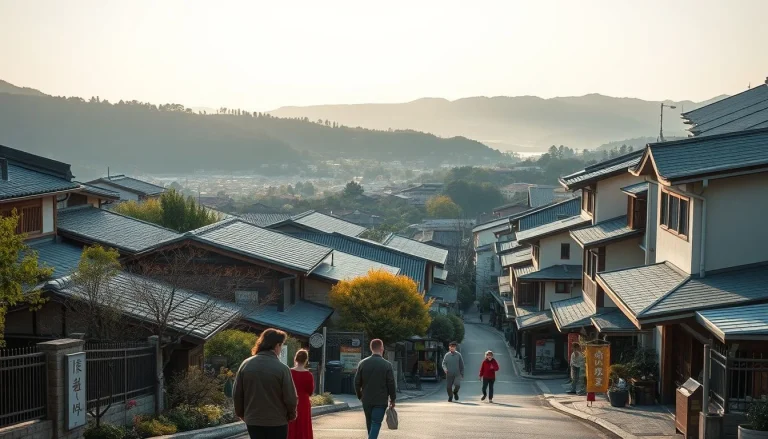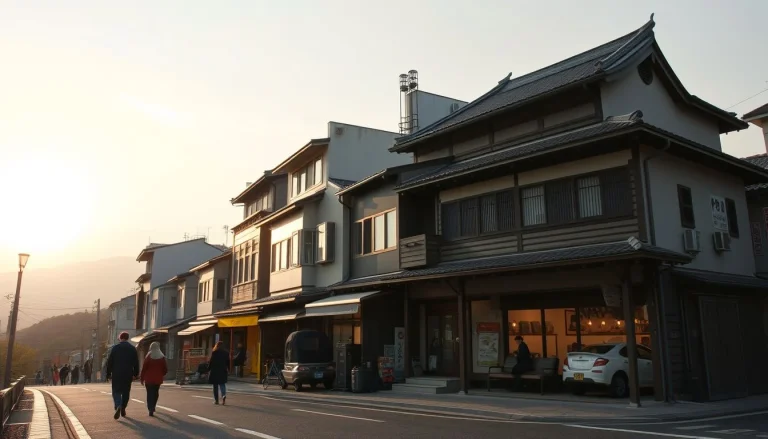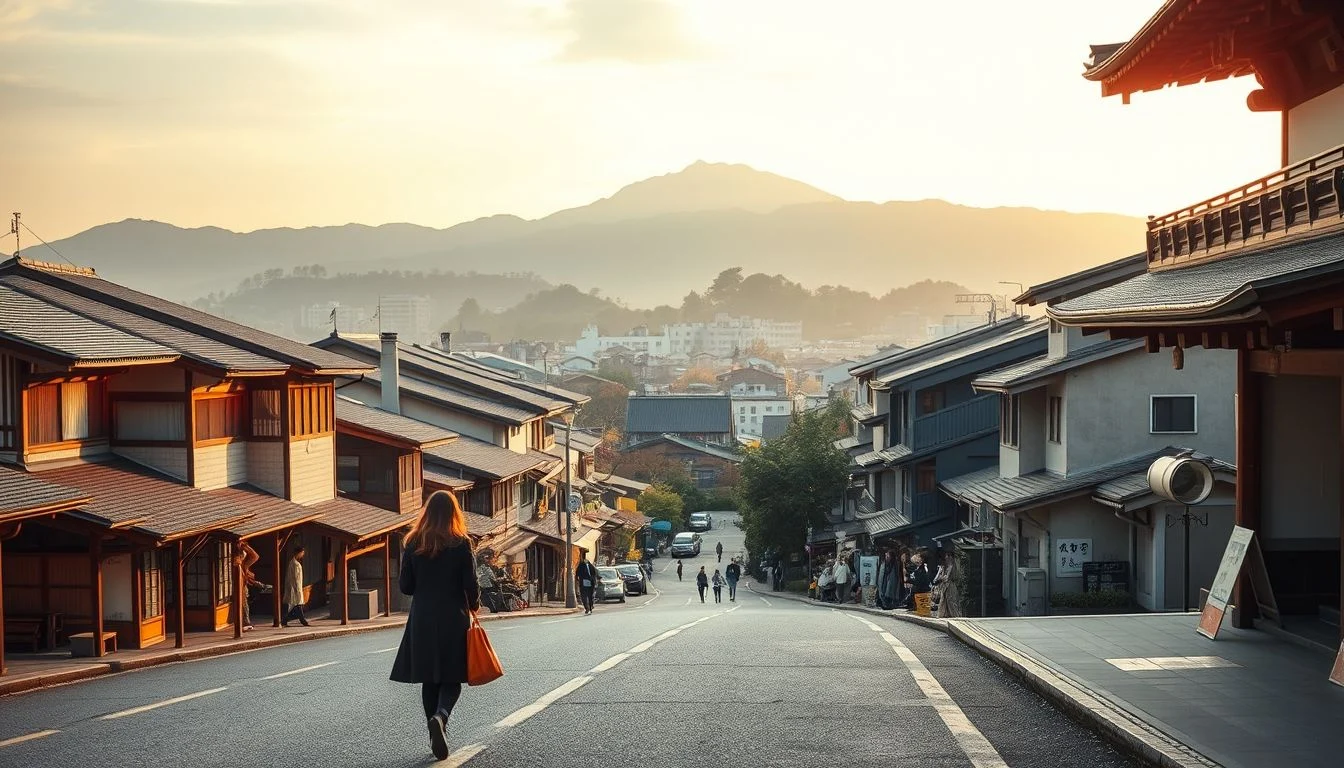
Nara Park, Tōdai-ji and Kasuga Taisha can be reached from Kyoto in roughly 35–50 minutes, making Nara the rare day trip that feels substantial without consuming the day in transit. Further out, Amanohashidate takes around 2–2.5 hours each way, while Kinosaki Onsen offers a traditional hot-spring-town atmosphere but is better suited to an overnight stay.
This guide to the best day trips from Kyoto is for couples who want atmosphere as much as efficiency: a riverside matcha afternoon in Uji, seasonal dining beside the Kibune River, a castle-focused day in Himeji or an evening of food and neon in Osaka. The ranking weighs travel time, distinctive scenery, ease by train and whether each destination leaves room for a shared meal or unhurried walk rather than a race between sights.
Quick answer: For most couples, Nara is the best all-round choice, combining Nara Park, deer, Tōdai-ji and Kasuga Taisha at a relaxed full-day pace. Choose Uji for an easy 20–30-minute half-day, Osaka for a flexible 15–30-minute food outing, or Kinosaki Onsen and Kōyasan only if you are comfortable with a longer journey and, ideally, an overnight stay.
How these were chosen: travel time, atmosphere and realistic pacing
The ranking that follows is a research-based editorial shortlist, not a hands-on test of every route. Travel times are approximate one-way journeys from Kyoto Station or the relevant Kyoto transport hub; route complexity, connections and the time needed at the destination are assessed separately. A short train ride can still become a poor day out if the itinerary leaves no room for a meal or a quiet walk.
Couple-friendliness is measured by the quality of the shared experience: scenery, temples and cultural encounters, walkable areas, distinctive food or evening possibilities, and an atmosphere that rewards travelling together rather than simply ticking off sights. The selection also distinguishes between a useful half-day, a comfortable full day and a destination that makes more sense with an overnight stay.
That is why Nara, Uji, Kurama-Kibune, Osaka, Himeji, Amanohashidate, Kinosaki Onsen and Kōyasan are not treated as interchangeable. Uji suits a low-effort cultural afternoon; Kurama-Kibune adds mountain walking; Himeji brings a focused castle visit; and Amanohashidate trades convenience for coastal scenery. Kinosaki Onsen and Kōyasan can be rewarding on a long outing, but their slower rhythms are better protected by staying overnight. The official Japan National Tourism Organization Kyoto guidance is a useful starting point for wider regional planning.
Transport information changes, particularly for long-distance services. Check current timetables, fares and reservations with the relevant railway operator, then verify attraction hours, restoration notices, seasonal restaurant dates and weather conditions. For Kurama-Kibune, check both trail conditions and the operating dates of riverside dining; attraction and seasonal-service details can change from year to year.
The best day trips from Kyoto, ranked by travel time
1. Osaka — the easiest evening escape
Journey: around 15–30 minutes one way from Kyoto by JR Special Rapid or shinkansen. Osaka is the most flexible change of scene, putting food, neon and riverside atmosphere within a short ride. You can leave Kyoto after a slow morning and still have dinner in Dōtonbori or spend the evening around Umeda.
Best for: couples who want a lively meal rather than temples or countryside. From Kyoto, use the relevant JR service and choose one compact area instead of trying to cover Osaka. Dōtonbori suits a first visit centred on street food and bright night scenery; Umeda is more practical if you want to stay near major transport connections.
Ideal length and caveat: a half-day or evening works well, with walking kept fairly focused. Osaka is less atmospheric than the quieter choices on this list, so it suits couples who prefer energy and choice to a secluded dinner. Transport times vary by service; the Kyoto City Guide describes Osaka as the most flexible option for an evening outing.
2. Uji — the best low-effort half-day
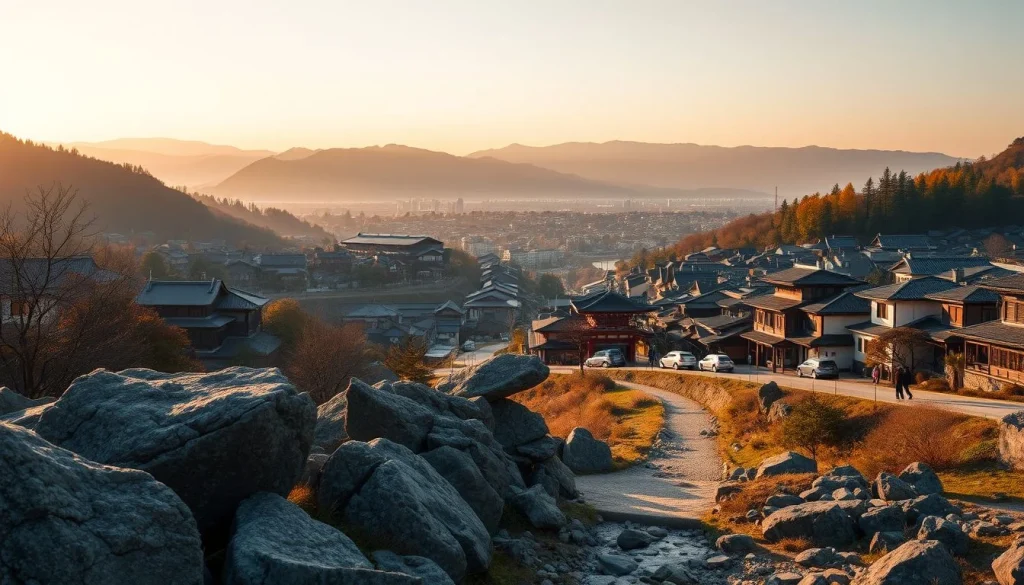
Journey: about 20–30 minutes from Kyoto Station on the JR Nara Line. Uji brings together Byōdō-in, the Uji River and matcha culture without demanding a full day. Byōdō-in is a short walk from Uji Station, making this one of the simplest Kyoto day trips by train; the Japan National Tourism Organization also highlights its nearby cultural and riverside setting.
On arrival: walk from the station towards Byōdō-in, then follow the riverfront at an unhurried pace and pause for matcha-based sweets or tea. The compact layout leaves room for café time rather than constant movement between distant sights, which suits couples keeping a Kyoto dinner in reserve.
Ideal length and caveat: allow a half-day, or extend it into a relaxed day if you prefer lingering. Uji isn’t the choice for dramatic mountain scenery or a packed sightseeing list; its appeal is the gentle rhythm and short transfer. Check Byōdō-in’s official page for current hours and any special entry arrangements before setting out.
3. Nara — the best all-round full day
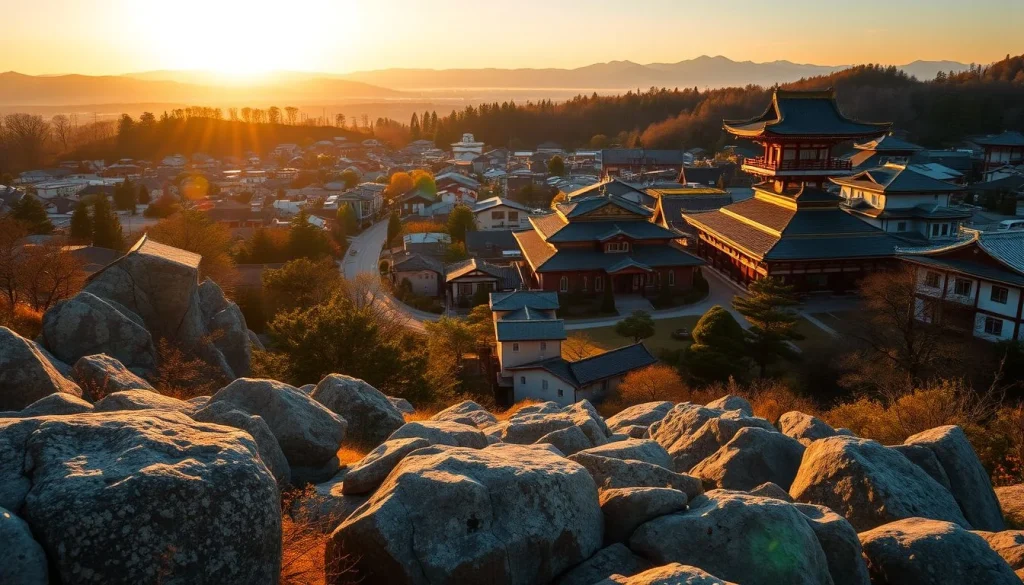
Journey: typically 35–50 minutes from Kyoto by a JR Nara Line rapid service or Kintetsu limited express, depending on the train. Nara gives couples the strongest balance of major sights and open space: Nara Park, free-roaming deer, Tōdai-ji and Kasuga Taisha can form a satisfying route without making the day feel like a sequence of indoor attractions.
A natural route: compare the JR Nara Line with Kintetsu services according to your starting point and preferred arrival area. Visit Tōdai-ji, cross the parkland towards Kasuga Taisha, then stop for lunch or tea before returning towards the station. Most of the day is spent walking, so it works best for couples who want a shared first excursion beyond Kyoto.
Ideal length and caveat: plan a full day, with room for pauses in the park rather than trying to add several distant temples. Nara is more exposed and spacious than Uji, so comfortable shoes and a slower route matter. The journey and the major sites can feel busier during blossom and autumn-colour periods; allow extra time then.
4. Kurama-Kibune — the closest nature reset
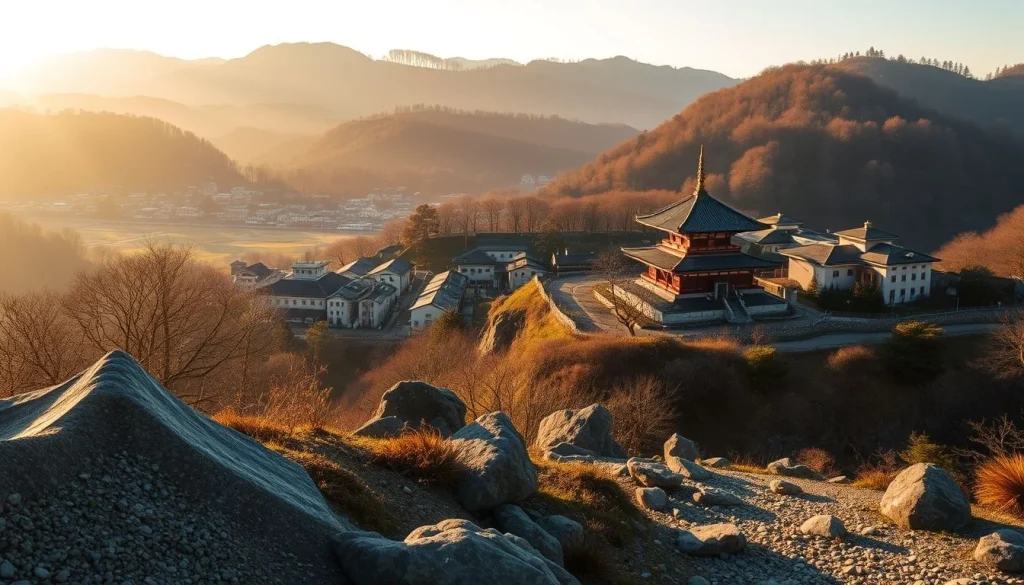
Journey: travel via Demachiyanagi and the Eizan Railway; the rail journey to Kurama takes roughly 30–40 minutes, followed by about an hour on foot between Kurama-dera and Kibune. This is the nearby choice for mountain atmosphere, shrine-and-temple scenery and a more active shared experience.
The route: begin at Kurama, visit Kurama-dera, then follow the path towards Kibune and Kifune Shrine. It rewards couples who enjoy a proper walk and want the day to feel distinct from central Kyoto. The route includes steep sections and can become slippery after rain; summer heat and humidity add to the effort.
Food and caveat: Kibune’s riverside kawadoko dining is the memorable meal angle, but these platforms operate primarily in summer and dates differ by restaurant and year. Confirm seasonal operating dates directly before travelling. In poor weather, or if either of you dislikes uneven uphill walking, choose Uji instead; this route takes longer and feels less straightforward than its rail time suggests.
5. Himeji — the clearest architecture day
Journey: approximately 1–1.5 hours from Kyoto by shinkansen or JR limited-express services. Himeji Castle gives the day a single, compelling focus, with castle grounds to explore around the principal landmark. It’s the strongest choice here for couples who prefer architecture and history to food districts or mountain trails.
Planning the day: from Kyoto, check the current JR West timetable and choose a service that leaves enough time for the castle area rather than treating Himeji as a quick stop between destinations. The castle grounds provide a natural place to slow the pace after the interior visit, making this a good full-day commitment for one major sight.
Ideal length and caveat: allow a full day, especially if you want an unhurried meal or time around the castle rather than a station-to-station dash. Check Himeji Castle’s official information for current opening hours, entry arrangements and restoration notices: these can change, and they matter more here than on a flexible Osaka outing.
6. Amanohashidate and Miyazu — the dramatic coastal day
Journey: about 2–2.5 hours one way by rail and connections from Kyoto. Amanohashidate offers a visual change that the nearer destinations cannot: a long coastal landscape recognised in national and local tourism materials as one of Japan’s Three Scenic Views. Pairing it with Miyazu creates a full-day move from inland temples to the coast.
Best for: couples who value scenery and a sense of distance over maximum sightseeing efficiency. Plan around the landscape and panoramic viewpoints rather than expecting a long list of attractions. The journey is substantial, so check connections carefully and leave buffer time between trains.
Ideal length and caveat: treat this as a demanding full day, not a casual half-day add-on. It can reward a couple who wants one distinctive coastal memory, but it’s a poor match for a short Kyoto stay or an evening dinner reservation back in the city. Verify current rail connections and any viewpoint or local transport arrangements before departure.
7. Kinosaki Onsen — the best overnight add-on
Journey: approximately 2–2.5 hours from Kyoto by JR limited-express services. Kinosaki Onsen is built around a traditional hot-spring-town atmosphere, with yukata strolls and seven public baths. It has the most naturally romantic evening mood on the list, particularly when the couple can stay overnight rather than watching the clock for the return train.
At a day-trip pace: choose Kinosaki only if the long rail journey is part of the appeal and you’re content with a limited schedule. Couples seeking bathing, a compact town setting and a slower change of pace will find an overnight stay more comfortable: there’s time to stroll between baths, eat at leisure and avoid turning the onsen experience into a timetable exercise.
Caveat: follow posted bathing rules, including washing before entering; swimwear is generally not used. Check tattoo policies with each facility before visiting, as they can differ. Winter is a particularly fitting season for the onsen-town idea, but confirm current train details and bathing information with the official destination sources.
8. Kōyasan — the spiritual trip that should usually become an overnight
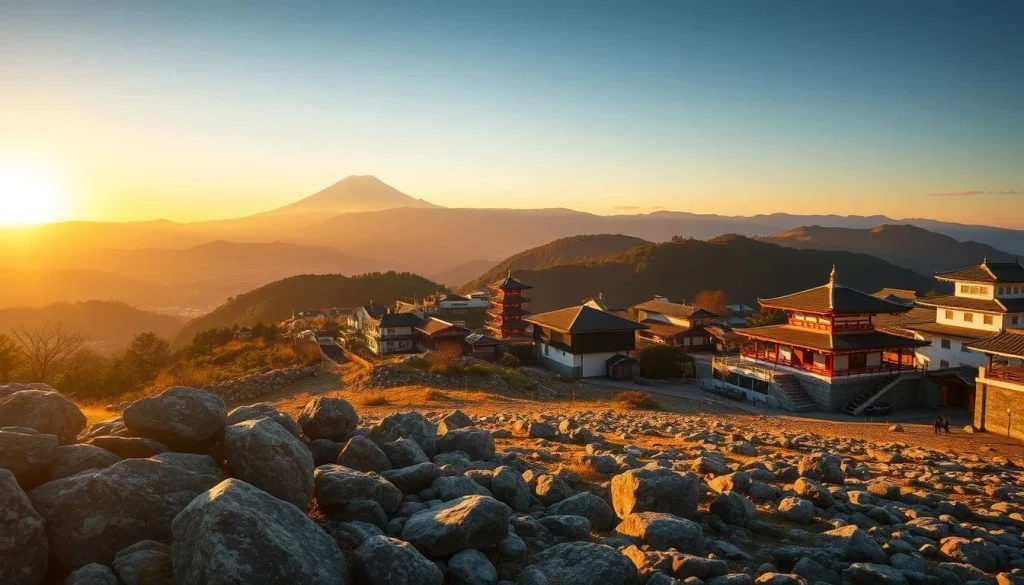
Journey: access involves multiple transfers, including the Nankai Railway and onward mountain transport; current cable-car operations and connections must be checked before travelling. Mount Kōya offers a slower, more contemplative setting and the possibility of temple lodging, making it distinctive for couples who want quiet time rather than a conventional sightseeing circuit.
Once there: keep the itinerary focused. Kōyasan suits couples interested in religious heritage, mountain surroundings and an intentionally unhurried stay, but not a day built around a late start, a long lunch or a fixed evening reservation in Kyoto. The journey itself is part of the experience.
Ideal length and caveat: Kōyasan is better as an overnight add-on than as a rushed day trip. The number of connections makes delays and seasonal operating changes more consequential than the headline travel time. Check Nankai Railway and official Kōyasan information for current routes, cable-car operations, temple-lodging arrangements and weather conditions before booking.
At a glance: Kyoto day trips compared
Travel time is only part of the decision: a short ride can still become a demanding outing if it involves a hike or several changes. This comparison weighs the journey from Kyoto, the time each destination deserves, walking effort and the seasonal details most likely to affect a couple’s plans.
| Destination | Approximate one-way travel time | Suggested format | Standout couple experience | Walking level | Transport complexity | Best season or caveat |
|---|---|---|---|---|---|---|
| Osaka | 15–30 minutes | Evening or full day | Food, neon and riverfront atmosphere | Low to moderate | Low | Flexible year-round; ideal when time is limited |
| Uji | 20–30 minutes | Half day | Byōdō-in, matcha and the Uji River | Low | Low | Good for a slower cultural afternoon |
| Nara | 35–50 minutes | Full day | Nara Park, Tōdai-ji and Kasuga Taisha | Moderate | Low to moderate | Spring and autumn are comfortable; expect crowds at peak periods |
| Kurama–Kibune | 30–40 minutes by rail, plus hike | Full day | Mountain shrines and Kibune’s riverside dining | High | Moderate | Summer for kawadoko dining; check trail conditions after rain |
| Himeji | 1–1.5 hours | Full day | Himeji Castle and its grounds | Moderate | Low to moderate | Check JR West services and castle notices |
| Amanohashidate and Miyazu | 2–2.5 hours | Long full day | Coastal scenery and panoramic views | Moderate | High | Allow for rail connections and changing weather |
| Kinosaki Onsen | 2–2.5 hours | Overnight preferred | Yukata strolls and seven public baths | Low to moderate | Moderate | Especially appealing in winter; check bathing rules |
| Kōyasan | Transfer-heavy; no single journey time assumed | Overnight preferred | Mountain atmosphere and temple lodging | Moderate | High | Check Nankai Railway, cable-car and weather operations |
These are planning ranges, not guaranteed timetables. Services, connections, fares, attraction entry arrangements and seasonal operations can change; check the relevant operator or attraction page shortly before travel. For route context, see the Kyoto City Guide and the official travel information for Byōdō-in.
How to choose the right outing for your couple
Choose the trip that fits the shape of your day, not simply the destination with the longest list of sights. For couples, the deciding factors are usually shared atmosphere, walking energy and whether you want to be back in Kyoto for dinner.
Match the outing to your available time
For the easiest half-day, choose Uji. The JR Nara Line takes around 20–30 minutes from Kyoto Station, and Byōdō-in is a short walk from Uji Station. Its temple visit, matcha culture and Uji River setting create a complete afternoon without a complicated route or a late return. The official Travel Japan guide to Byōdō-in is a useful place to check current visitor arrangements.
Nara is the strongest first-choice full day: enough time for Nara Park, Tōdai-ji and Kasuga Taisha, with space for a slower lunch and parkland walking. Osaka suits couples who want food, neon and an evening plan rather than temples. At roughly 15–30 minutes from Kyoto by JR Special Rapid or shinkansen services, it is the most flexible choice for a late return; decide your restaurant before leaving Kyoto if a particular dinner matters.
Match the mood to your walking tolerance
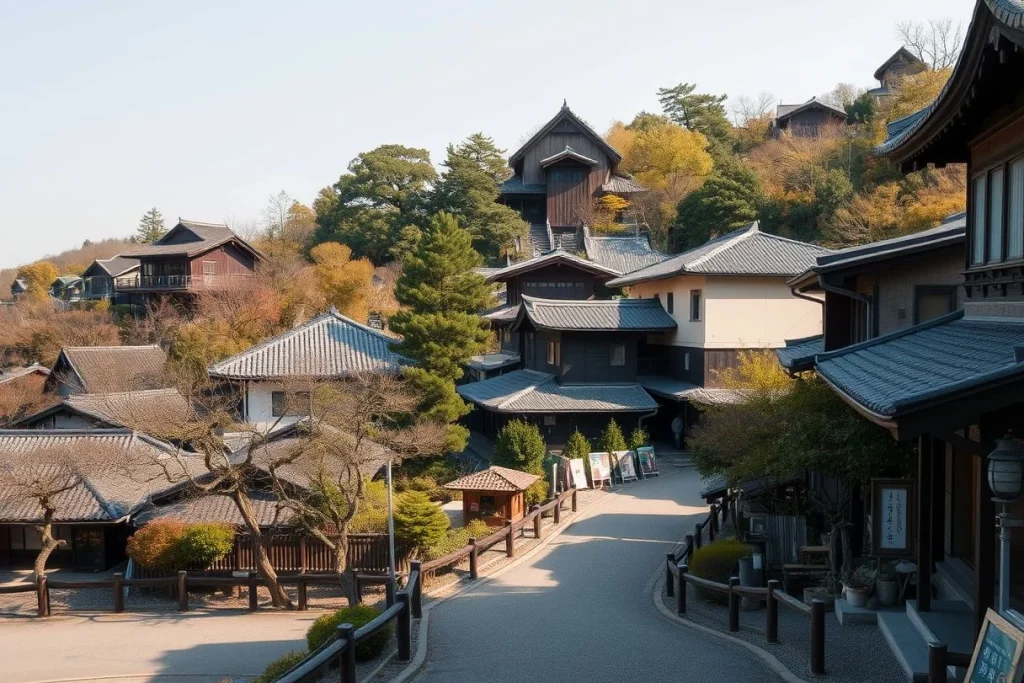
Choose Kurama-Kibune only if both of you are happy with a genuine mountain walk. The route begins with the Eizan Railway via Demachiyanagi, reaches Kurama in about 30–40 minutes by rail, and includes roughly an hour of hiking between Kurama-dera and Kibune. Steep sections, heat, humidity and slippery conditions after rain make it a poor choice for a low-effort day; check the weather and trail conditions first, as advised in Japan National Tourism Organization information for Kyoto.
For less walking, stay with Uji or Osaka. Himeji is a better fit for couples who enjoy architecture and history than for those seeking a leisurely café day: Kyoto to Himeji takes approximately 1–1.5 hours, and the current JR West timetable should be checked before booking. Amanohashidate and Miyazu reward travellers willing to spend most of the day in transit for a coastal landscape recognised as one of Japan’s Three Scenic Views.
Match the destination to your budget and season
Short local trips such as Uji, Nara and Osaka typically cost about ¥260–¥1,000 one way, based on 2026 research notes. Longer journeys such as Himeji, Amanohashidate and Kinosaki Onsen typically cost about ¥2,000–¥6,000 one way; the service and seat class affect the exact fare. Check the operator’s live fare and reservation pages rather than assuming a rail pass will save money: compare the pass cost with your actual trains, especially if your itinerary contains only one long excursion.
Summer is the season to consider Kibune’s riverside kawadoko dining, although restaurants set their own operating dates and seasonal services can change. Spring and autumn are comfortable for sightseeing but bring heavier demand at major sites and on trains. Winter gives Kinosaki Onsen particular atmosphere, yet its seven public baths and traditional town setting are more rewarding overnight than rushed into a day return; the same logic applies to Kōyasan, where temple lodging and the slower mountain setting justify allowing more time.
Before committing, recheck train timetables, reservations, attraction arrangements and seasonal restaurant or cable-car operations shortly before travel. Long journeys are most satisfying when the destination—not the return connection—sets the pace.
Conclusion: start with Nara, then match the pace to your plans
For most couples, Nara is the safest all-round choice: a manageable full day with parkland, deer, Tōdai-ji and Kasuga Taisha, typically reached from Kyoto in 35–50 minutes. It leaves room to slow down rather than spending the day watching the clock.
Choose Uji instead when you want a low-effort half-day built around Byōdō-in, matcha and the Uji River. If the occasion calls for a more distinctive escape, upgrade to Kinosaki Onsen or Kōyasan—but add a night whenever possible, so the journey supports the experience rather than compressing it.
Start by counting your genuinely free hours, then check the exact train, attraction hours, weather and any seasonal dining or bathing arrangements on the relevant official websites before booking transport, a Kyoto hotel near Kyoto Station or an overnight stay.
Frequently asked questions
Which destination works best if we only have an afternoon free?
Choose Uji. It is about 20–30 minutes from Kyoto Station on the JR Nara Line, and Byōdō-in is a short walk from Uji Station, so the journey leaves time for the temple, matcha experiences and a stroll beside the Uji River. Japan’s official tourism site describes Byōdō-in and the surrounding area as suitable for a low-effort cultural visit.
Can a couple combine Uji with another Kyoto-area stop?
Uji works well as a self-contained half-day rather than requiring a packed combination. Its short journey from Kyoto and walkable access to Byōdō-in make it easy to return to Kyoto for downtime or dinner. If you add another stop, check the current railway timetable and attraction hours first, since services and opening arrangements can change.
What is the most scenic day trip without a demanding hike?
Amanohashidate and Miyazu offer the strongest scenery without making a mountain hike the centre of the day. Amanohashidate is recognised in tourism materials as one of Japan’s Three Scenic Views, with panoramic viewpoints and coastal surroundings. The trade-off is a journey of about 2–2.5 hours each way, so it needs a full day and careful timetable planning.
Which destination is easiest to enjoy after a late start?
Osaka is the most forgiving choice. It is approximately 15–30 minutes from Kyoto by JR Special Rapid or shinkansen services, making it practical for a later departure and an evening focused on food, neon and riverfront atmosphere. Nara and Uji are also straightforward by train, but their appeal is better suited to planned daytime sightseeing.
Should we return to Kyoto for dinner or eat at the destination?
Eat at the destination when the meal is part of the reason for going. Osaka is particularly flexible for an evening food outing, while Kibune’s riverside kawadoko restaurants can create a distinctive summer dinner; Kyoto Journey notes that operating dates vary by establishment and year. For Kinosaki Onsen, staying overnight makes more sense if you want an unhurried town-and-bath experience rather than a late return.
Which of these outings is most suitable for a first visit to Japan?
Nara is the safest all-round choice for a first visit: it combines Nara Park, free-roaming deer, Tōdai-ji and Kasuga Taisha within a manageable full-day outing. Travel time is typically about 35–50 minutes from Kyoto, depending on the JR Nara Line or Kintetsu service. The exact train schedule should be checked before departure, particularly during busy seasonal periods.