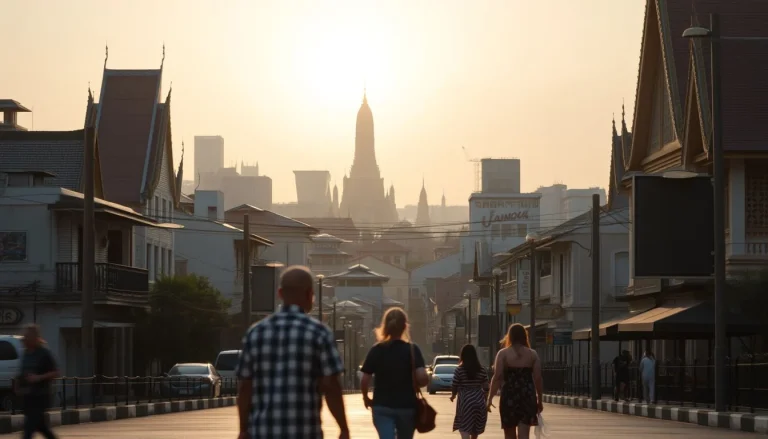
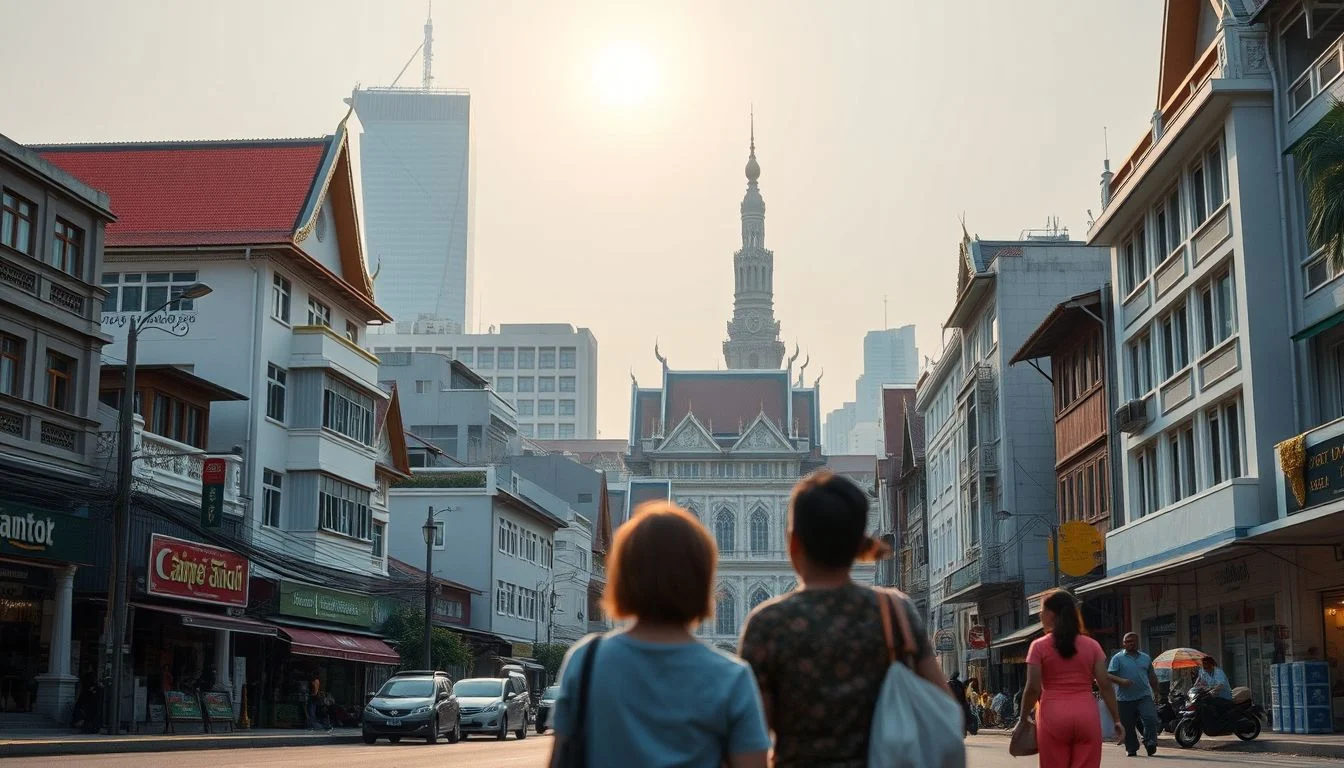
The Grand Palace, Wat Pho and Wat Arun sit close enough to form Bangkok’s most useful first-day route, linked by short walks and a Chao Phraya river crossing. The Grand Palace and Wat Phra Kaew cost around THB 500 for foreign visitors in 2026, while the boat can cost roughly THB 16–35 depending on the line or segment.
This guide to the best things to do in Bangkok is for budget travellers, backpackers and first-time visitors who want the essential temples without paying for a private tour. It shows which sights justify an entrance fee, where to eat for roughly THB 40–150, and how to balance the paid riverside route with free walks through Rattanakosin, Lumpini Park and Bangkok’s markets.
Quick answer: Start with the Grand Palace and Wat Phra Kaew, continue to Wat Pho, cross to Wat Arun, then use the Chao Phraya Express Boat to extend the route. Keep costs down with boat fares of about THB 16–35, street-food meals from roughly THB 40–150, free Rattanakosin walks and market visits in Yaowarat or Chatuchak.
Quick overview: the best Bangkok picks by traveller type
Bangkok’s highest-value first day stays compact: the Grand Palace and Wat Phra Kaew, Wat Pho, Wat Arun and a short ride on the Chao Phraya Express Boat connect naturally around Rattanakosin. The route mixes the city’s essential temples with public transport, so you can spend on one major admission rather than a private tour.
| Travelling style | Best fit |
|---|---|
| First-time visitor | Grand Palace, Wat Pho, Wat Arun and the river boat |
| Lowest-cost day | Rattanakosin walk, an Express Boat ride, street food and free Lumpini Park |
| Food-focused | Yaowarat and Chinatown, especially for an evening of inexpensive grazing |
| Weekend shopper | Chatuchak Weekend Market for browsing, snacks and low-cost purchases |
| Backpacker or nightlife traveller | Banglamphu and Khao San Road, with budget accommodation and evening activity |
| Slower evening | Asiatique, or a paid rooftop or hotel viewpoint around Silom and Sathorn |
Cost snapshot: foreign visitors should allow around THB 500 for the Grand Palace and Wat Phra Kaew in 2026. Wat Pho is reported at THB 200–300 in recent materials, but sources conflict, so check the temple’s official information before travelling. The Chao Phraya Express Boat’s operator-listed examples range from about THB 16–35, updated 24 June 2026, while a street-food meal is roughly THB 40–150 depending on the stall and dish.
Prices, ticket-sales times and closures can change. Grand Palace ticket sales are reported at approximately 8.30am–3.30pm, with the complex generally open until about 4.30pm; check official announcements for royal or ceremonial closures before setting out.
The best things to do in Bangkok: 11 high-value experiences
1. Grand Palace and Wat Phra Kaew
What it is: Bangkok’s essential royal and religious complex, including Wat Phra Kaew, the temple associated with the Emerald Buddha. Why it is worth the time: This is the strongest starting point for understanding Rattanakosin, with ornate halls, ceremonial courtyards and some of the city’s most recognisable architecture.
How to visit: Go independently and use the official ticket office rather than accepting directions from strangers outside. Foreign-visitor admission is approximately THB 500 in 2026. The complex expects modest clothing that covers shoulders and knees; bring a light layer rather than relying on improvised cover-ups.
Who it suits: First-time visitors who want Bangkok’s defining sight, and photographers interested in detail rather than a relaxed stroll. It is less suitable if you have limited mobility or dislike heat, crowds and steps. The reported ticket-sales window is around 8.30am–3.30pm, with the complex generally closing at about 4.30pm; check the Tourism Authority of Thailand and official palace announcements before setting out, as royal or ceremonial closures can occur.
2. Wat Pho and the Reclining Buddha
What it is: Wat Pho is the temple directly south of the Grand Palace, known for its large Reclining Buddha, extensive murals and historic architecture. It is also associated with a traditional Thai massage school, making it more than a single-photo stop.
Why it is worth the time: Its courtyards and chedis reward slower looking, and its position makes it the natural second stop on a self-guided Bangkok temples itinerary. Walk over from the palace area, allowing for heat and uneven surfaces.
Cost and practical detail: Recent materials report admission at either THB 200 or THB 300, so treat that as unresolved rather than a fixed 2026 price. Confirm the current amount through the temple or an official tourism source before travelling. Who it suits: Most first-time visitors, culture-focused travellers and anyone who wants a quieter architectural contrast after the palace. Wear the same respectful temple clothing and carry water; the site is easier to enjoy before the hottest part of the day.
3. Cross to Wat Arun
What it is: Wat Arun, the Temple of Dawn, stands across the Chao Phraya from Wat Pho and is distinguished by its tall, decorated central prang. Why it is worth the time: The river setting changes the character of the route: after two dense historic compounds, you get open water, a different skyline and a temple viewed from both bank and river.
How to visit: From Wat Pho, make your way to Tha Tien Pier and take the short cross-river ferry to Wat Arun, checking the pier signage and current fare locally. This is the most economical approach; a private boat is unnecessary for this crossing.
Who it suits: First-time visitors, budget travellers and anyone building a compact riverside route. Steps and exposed surfaces mean it is not ideal for travellers seeking a fully flat, shaded attraction. Arrive early in the sequence if you want to limit heat, and keep the route flexible during heavy rain.
4. Ride the Chao Phraya Express Boat
What it is: The Chao Phraya Express Boat is local river transport as well as sightseeing. It links piers along the river and provides a useful alternative to sitting in Bangkok traffic.
Why it is worth the time: A boat hop gives you riverside views at a fraction of the cost of a private sightseeing cruise. It also connects naturally with the Grand Palace, Wat Pho and Wat Arun route, particularly when you want to continue beyond the old city.
Cost and access: The operator’s update of 24 June 2026 gives examples from approximately THB 16 to THB 35, including about THB 18 on the Orange line and THB 23 on the Yellow line. Check the line, direction, destination pier and current fare at the operator’s signs before boarding, because services and fare structures change. Who it suits: Independent travellers who value transport and sightseeing in one. It is less suitable with bulky luggage or for anyone uncomfortable boarding at busy piers. Use Chao Phraya Express Boat’s current service information close to travel.
5. Eat and browse in Yaowarat and Chinatown
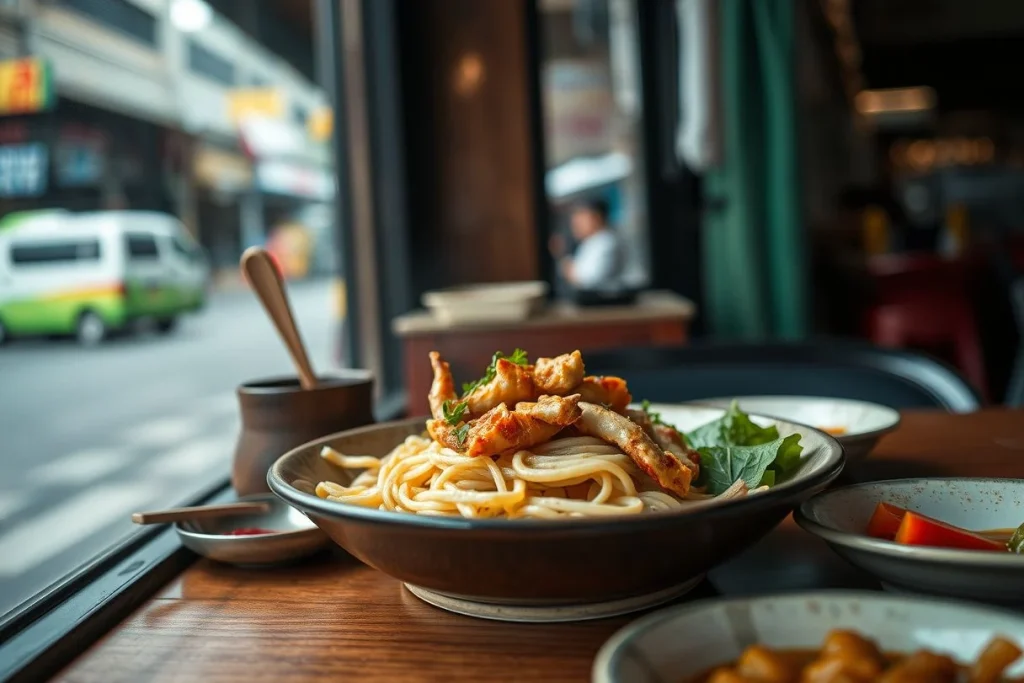
What it is: Yaowarat is Bangkok’s Chinatown, where evening food stalls, shopfronts and side alleys create a useful change of pace after the temples. Why it is worth the time: You can turn dinner into a neighbourhood walk, grazing on small portions instead of committing to an expensive restaurant.
How to visit: Arrive hungry and choose stalls with a steady local turnover. A budget street-food meal is roughly THB 40–80, while a more typical meal example is about THB 80–150 in 2026, depending on the dish and stall. These are variable guide figures, not menu guarantees.
Who it suits: Budget travellers, adventurous eaters and visitors who prefer atmosphere to a formal itinerary. It can be tiring in heat or crowded conditions, and the best choice for cautious diners is food cooked hot in front of them. Keep valuables secure and decide your return transport before settling into the evening.
6. Browse Chatuchak Weekend Market
What it is: Chatuchak Weekend Market is Bangkok’s major weekend browsing stop, with stalls for clothing, souvenirs, household goods and casual food. Why it is worth the time: It works as a low-cost activity even when you buy nothing: walk the sections, compare prices and stop for snacks rather than treating it as a shopping obligation.
How to visit: Go only on a weekend and set a spending limit before entering. Bargaining may be part of a purchase, but do not assume every stall uses the same price system. Public transport is preferable to a taxi when traffic is heavy; check the BTS and MRT route from your accommodation.
Who it suits: Travellers with time for browsing and those looking for inexpensive gifts. It is a poor fit for anyone who dislikes crowds, heat or carrying purchases. Wear comfortable shoes, keep your phone and wallet secure, and arrange a meeting point if travelling with others.
7. Khao San Road and Banglamphu
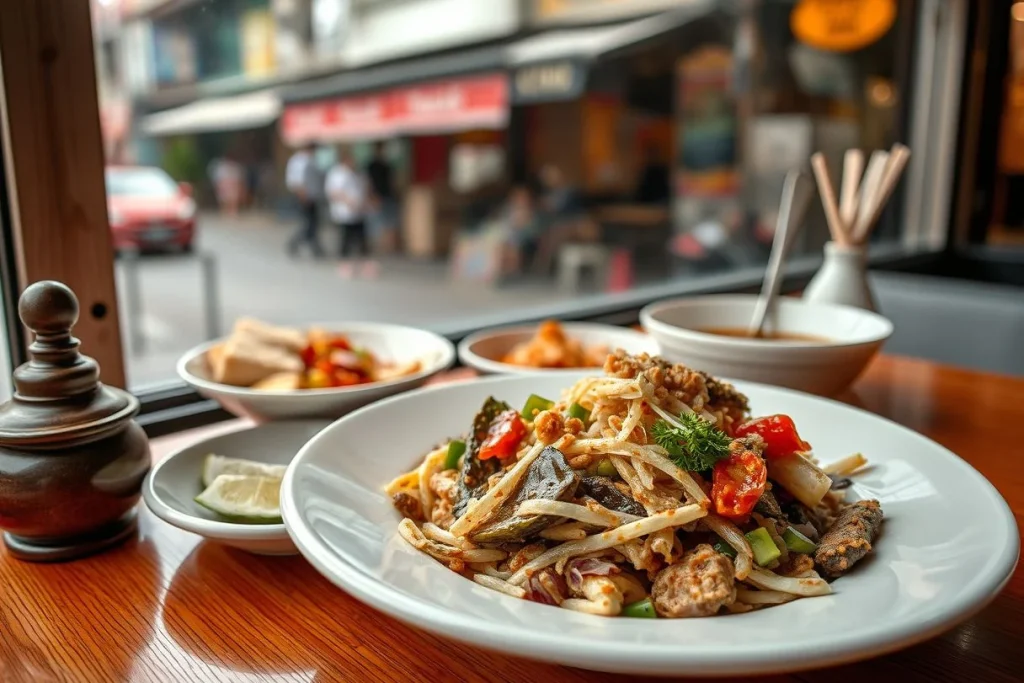
What it is: Khao San Road and the surrounding Banglamphu area form Bangkok’s backpacker-oriented quarter, with budget accommodation, casual bars, food and nightlife. Why it is worth the time: It is an easy place to see the social side of the old city and to combine an evening walk with access to Rattanakosin’s temples the next day.
How to visit: Treat Khao San Road as an evening atmosphere stop rather than the whole of Bangkok nightlife. Walk the nearby streets, compare menus and agree tuk-tuk prices before travelling. The area’s noise and late-night energy make it better for social travellers than light sleepers.
Who it suits: Backpackers, solo travellers seeking an easy meeting point and visitors staying near the historic core. Use normal nightlife precautions: GOV.UK Foreign travel advice, updated 18 September 2026, warns about drink-spiking and methanol risks, so do not accept drinks from strangers.
8. Take a free break in Lumpini Park
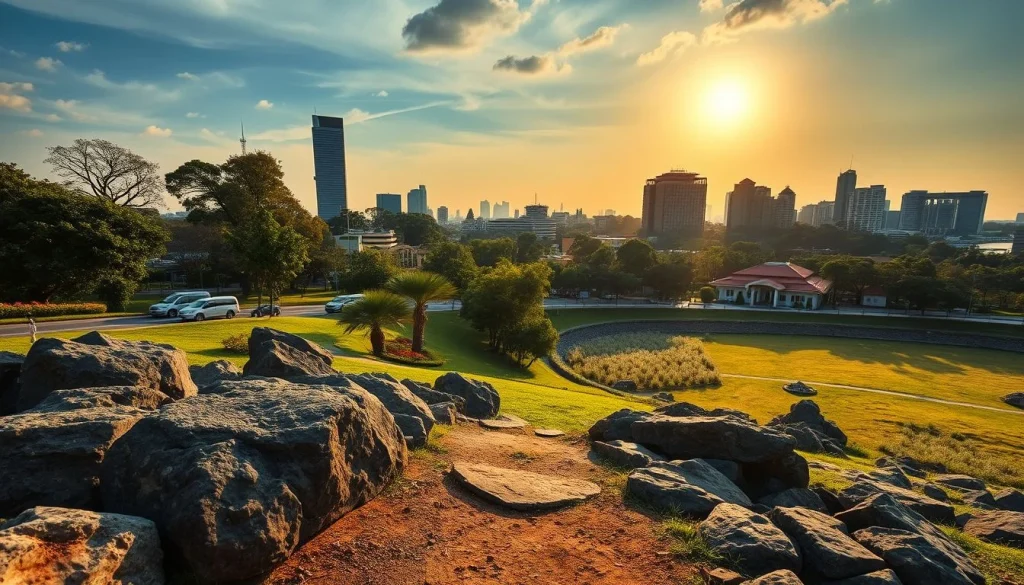
What it is: Lumpini Park is a large central green space for walking, sitting and taking a break from Bangkok’s roads. Why it is worth the time: It gives a budget itinerary breathing room without another admission fee, especially after several temple visits or a crowded market.
How to visit: Use it as a recovery stop rather than trying to force it into the riverside route. Go in the cooler part of the day, carry water and choose shaded paths where possible. Who it suits: Families, walkers and travellers who need open space. It is also useful for a low-effort afternoon in Silom, but less rewarding if you have only one short day and have not yet seen the historic core.
9. Walk through Rattanakosin
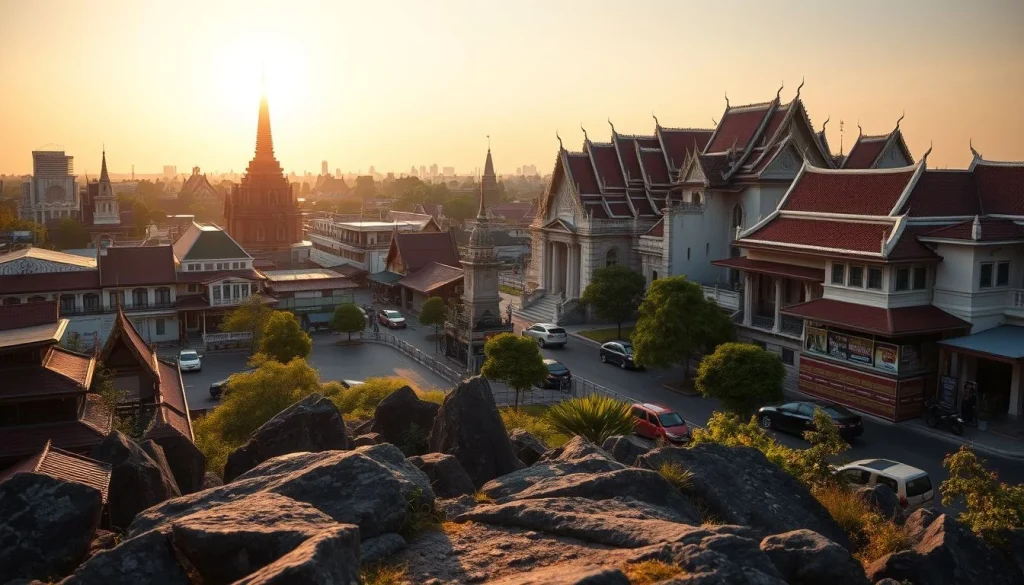
What it is: Rattanakosin is Bangkok’s historic core, where Tha Chang, the Grand Palace, Wat Pho and nearby old streets can be linked into a self-guided walk. Why it is worth the time: Walking shows how the major attractions relate to one another and costs nothing beyond the admission fees for the sites you enter.
How to visit: Use the river and temple route as your framework, then pause in shaded areas rather than chasing a precise timetable. Allow extra energy for uneven paving, steps and heat; accessibility varies and should be checked directly with each attraction.
Who it suits: Budget travellers and curious first-time visitors who prefer neighbourhood context to a sequence of isolated stops. It is not the right choice in the hottest hours for young children, anyone with mobility limitations or travellers arriving without water.
10. Watch sunset in Sathorn or Silom
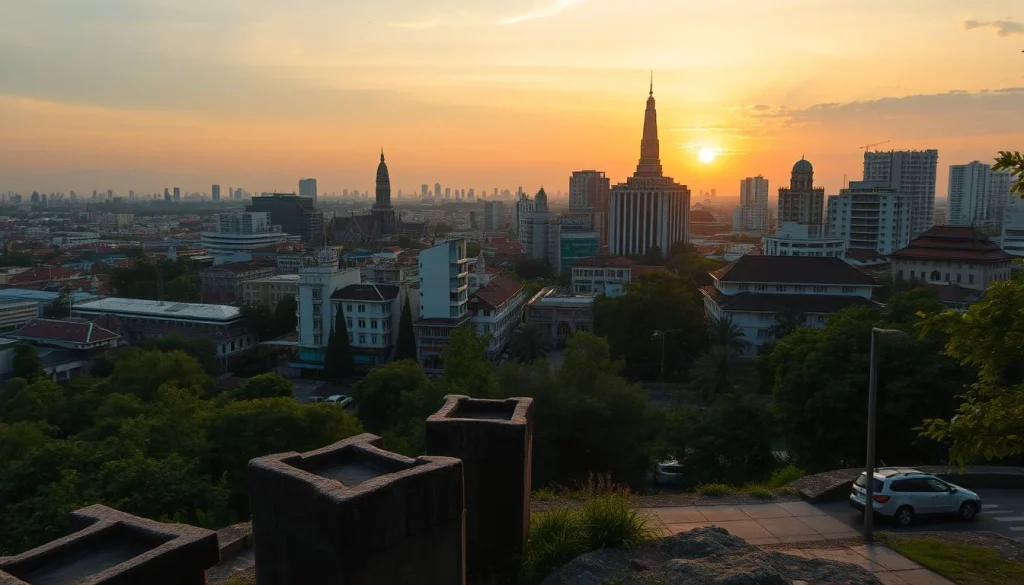
What it is: Rooftop bars and hotel viewpoints in Sathorn or Silom offer elevated views over Bangkok’s skyline and, in some locations, the river. Why it is worth the time: The city looks different from above, making this a useful final contrast after temples, markets and street-level walking.
Cost and practical detail: This is generally a paid venue rather than a free viewpoint, so treat it as an optional splurge and check the venue’s current minimum spend, dress rules and weather policy directly. Who it suits: Travellers willing to exchange a low-cost evening for a view. Budget visitors can skip it without losing the core Bangkok experience; a riverside walk or park break costs less.
11. Visit Asiatique in the evening
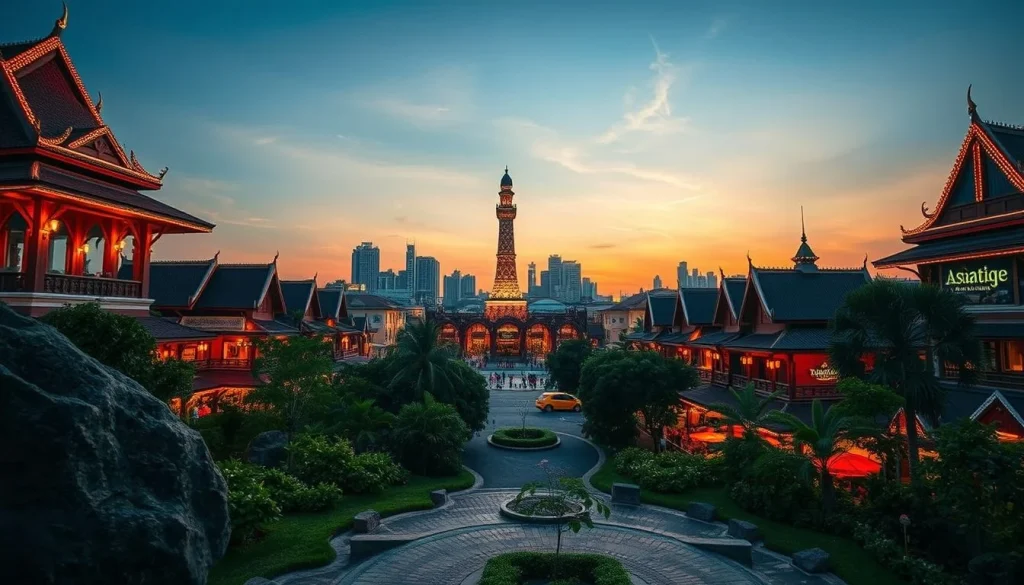
What it is: Asiatique combines riverside browsing, food and an evening-market atmosphere with a Ferris wheel. Why it is worth the time: It is an easier-paced option after a full day of temples, with a defined waterfront setting and less need to plan a long walking route.
How to visit: Check current transport and attraction charges before going, and distinguish browsing the market atmosphere from paid rides or other activities. Who it suits: Couples, families and travellers who want a straightforward evening outing. It is less compelling than Yaowarat for a dedicated street-food night and should not replace the Grand Palace–Wat Pho–Wat Arun route on a first visit.
Planning tips: build a low-cost Bangkok day around the river
Choose the timing before booking anything
Start the riverside route early: arrive at the Grand Palace near opening, then continue to Wat Pho before the heat builds. From there, cross the Chao Phraya to Wat Arun, using the nearby piers, and finish with food in Yaowarat or Banglamphu. This half-day sequence follows Bangkok’s historic riverside efficiently and avoids paying for a packaged temple tour.
For a full day, add time for a slow walk through Rattanakosin, a shaded rest and an evening meal in Chinatown. For a shorter visit, keep the Grand Palace, Wat Pho and Wat Arun together, then stop; fatigue, heat and uneven heritage surfaces can make a longer temple itinerary less enjoyable. Carry water, use sun protection and leave room to shelter during a sudden shower.
Book selectively and check closures
The Grand Palace and Wat Phra Kaew can close or restrict access for royal or ceremonial events, so check the official Grand Palace announcements before setting out. Ticket sales are reported at approximately 8.30am–3.30pm, with the complex generally open until around 4.30pm, but these times should be confirmed close to travel according to The Better Vacation’s 2026 Grand Palace guide.
Do not book an unsolicited “alternative temple” after someone tells you the palace is closed. Check at the official ticket office and verify announcements yourself; the reported “temple closed” scam is designed to redirect visitors to overpriced tours or shops. A generic Bangkok attraction pass is not automatically a saving: compare its current price and inclusions with the sights you will actually visit.
Dress for temples and the weather
Wear breathable clothing that covers the shoulders and knees. Follow each site’s instructions for removing or handling shoes, and avoid relying on heavy layers that become uncomfortable in Bangkok’s humidity. Steps, uneven paving and long periods on your feet can be tiring, so travellers with mobility needs should check access directly with the Grand Palace, Wat Pho and Wat Arun before visiting.
November to February is generally the cooler period. May to October is greener but wetter, while June, July, August and December are identified in this guide’s planning brief as peak months; check the forecast, attraction notices and transport conditions shortly before travel rather than assuming the route will run smoothly.
Keep the core route’s cost visible
Use fixed anchors, not an invented all-in total. Foreign visitors should budget around THB 500 for the Grand Palace and Wat Phra Kaew in 2026. Wat Pho is reported at THB 200–300 in recent materials, so confirm the current official price before visiting. A Chao Phraya Express Boat journey has fare examples of roughly THB 16–35 according to the operator’s update of 24 June 2026. Add street food separately: a meal may range from about THB 40–150, depending on the stall and dishes chosen.
Getting around Bangkok cheaply: boats, trains, walking and taxis
Bangkok is cheapest when you match the transport to the neighbourhood rather than defaulting to taxis. Use your feet for the compact historic core, boats for the riverside temples, and the MRT or BTS for longer cross-city journeys.
| Option | Best for | Trade-off and practical tip |
|---|---|---|
| Walking | Rattanakosin, the Grand Palace, Wat Pho and nearby heritage streets | Free and flexible, but heat, rain, uneven paving and temple queues slow the pace. Carry water and leave room for short rest stops. |
| Chao Phraya Express Boat | The riverside route between Tha Chang, Tha Tien and the Wat Arun crossing | Scenic and inexpensive, but check the boat’s direction, flag or line and destination at the pier. The operator’s 24 June 2026 update gives examples of roughly THB 16–35, varying by line or segment. |
| MRT | Chinatown, Yaowarat and central connections away from the river | Usually more predictable than road travel in heavy traffic. It does not bring you directly to every old-city sight, so expect a walk or short onward ride. |
| BTS Skytrain | Siam, Sukhumvit and Silom | Useful for air-conditioned cross-city travel, though stations and the final walk can be inconvenient with large luggage. BTS offers single-journey tickets and stored-value Rabbit cards; its 30-day trip pass was discontinued in 2021, so do not assume a pass will save money. |
| Airport Rail Link | Arrivals at Suvarnabhumi Airport travelling towards the BTS network | A practical alternative to a road transfer when traffic is heavy. Tourism Authority of Thailand information confirms the airport rail connection links onward with Bangkok’s BTS network. |
| Metered taxi or transparent rideshare | Late-night journeys, awkward connections and luggage | Convenient door to door, but traffic can erase the time advantage. Request the meter in a taxi or check the full fare before entering a rideshare; avoid accepting an unsolicited “special tour”. |
For the temple day, walk from the Grand Palace at Tha Chang towards Wat Pho and Tha Tien, then take the short river crossing to Wat Arun. The boat is most useful when it replaces a road journey, not when you are already within an easy walk. Confirm current routes, service times and fares on the Chao Phraya Express Boat operator’s website before setting out.
Road traffic is a strong reason to avoid planning several distant taxi rides in one day. In wet weather, allow extra time for queues and flooded or slippery sections, and keep cash in small notes for boats, short fares and food stalls. A tuk-tuk can be fun for a brief journey, but agree the complete fare and destination before moving; a very low opening price may be tied to shop stops or a longer sales-led route.
For BTS ticket details, check the BTS ticket information rather than buying a pass on assumption. Travellers arriving late with valuables should choose a clearly priced car journey, while those staying near Siam, Sukhumvit or Silom will generally gain more from rail access than from being close to Khao San Road.
Conclusion: start with the Grand Palace river route
For a first day in Bangkok, start early with a self-guided circuit from the Grand Palace and Wat Phra Kaew to Wat Pho, then cross the Chao Phraya to Wat Arun. Walking between the first two sites and using the river for the final hop keeps the route focused and avoids paying for a tour. Pay for the palace’s essential experience, then balance that cost with a free Rattanakosin walk or Lumpini Park.
Choose your evening by interest: Yaowarat for inexpensive food, Lumpini Park for a quiet reset, or Banglamphu and Khao San Road for backpacker nightlife. Before setting out, check official Grand Palace notices, current boat fares, Wat Pho’s admission price, the weather forecast and Thailand’s entry requirements, including the digital arrival card guidance from GOV.UK Foreign travel advice.
Frequently asked questions
Can I visit the main Bangkok temples independently without booking a tour?
Yes. The Grand Palace, Wat Phra Kaew, Wat Pho and Wat Arun can be combined independently into a half-day riverside route, using nearby piers and the Chao Phraya Express Boat. Buy tickets only at the official venue ticket office and ignore anyone who says a temple is closed and redirects you to another tour; this scam is documented by TravelReddi. Check official announcements for ceremonial closures.
How much time should I allow for the Grand Palace and the nearby riverside temples?
Allow at least half a day for the Grand Palace and Wat Phra Kaew, Wat Pho and Wat Arun, including the river crossing or boat ride between sights. Start early because Bangkok is hot and humid, and Grand Palace ticket sales are reported at approximately 8.30am–3.30pm, with the complex generally open until about 4.30pm; thebettervacation.com advises verifying these times before visiting. Royal or ceremonial closures are also possible.
Which Bangkok market is best for a first visit if I am not there on a weekend?
Choose Yaowarat in Chinatown for an evening market-and-food outing when Chatuchak Weekend Market is not operating. It suits a budget traveller because street-food meals are reported at roughly THB 40–150 per person, depending on the stall and dish, although prices vary. Tourism Authority of Thailand information and current local listings should be checked for practical details before you go, particularly during heavy rain or transport disruption.
Is Khao San Road a good base for travellers who want quieter evenings?
Usually not. Khao San Road and Banglamphu are oriented towards backpackers, nightlife and budget accommodation, so they work better for travellers who want to be close to that atmosphere and the old city. If you prefer quieter evenings, compare accommodation around the BTS or in areas such as Sukhumvit, Siam or Silom; check the exact street and current transport options rather than judging an entire district by its name.
Are Bangkok’s temple routes suitable for travellers with limited mobility?
They may be tiring and are not automatically straightforward for limited mobility. Heritage sites can involve uneven surfaces, steps, crowds and long periods of standing, while the route between temples includes streets, piers and transport changes. Check accessibility directly with the Grand Palace, Wat Pho and Wat Arun before travelling, and consider visiting fewer sites rather than forcing the complete route. Bring water and allow extra time.
What should I do if heavy rain disrupts my Bangkok sightseeing plans?
Pause the outdoor route rather than trying to complete the temples in worsening conditions. Bangkok’s May–October wet season can bring heavy rain, so check current weather, attraction announcements and transport conditions before setting out; river services and access may change. Keep the Grand Palace route flexible, use the BTS or MRT where practical, and move food or market plans to another day. Check official attraction and transport sources close to travel.