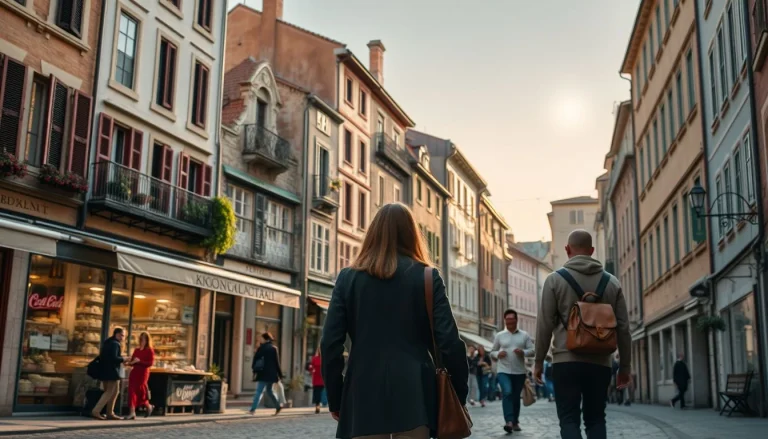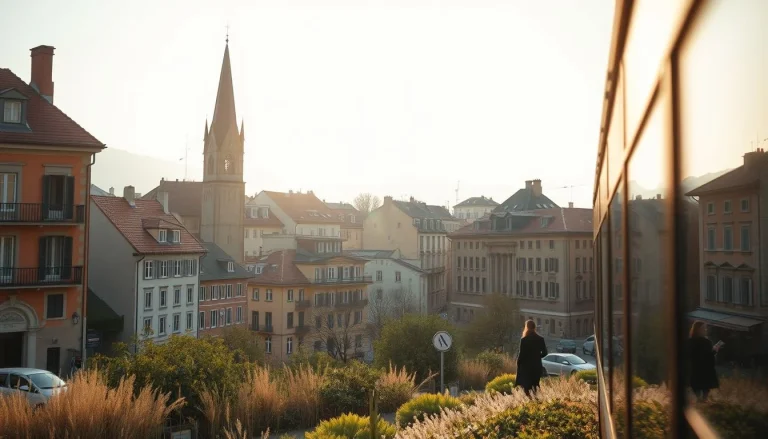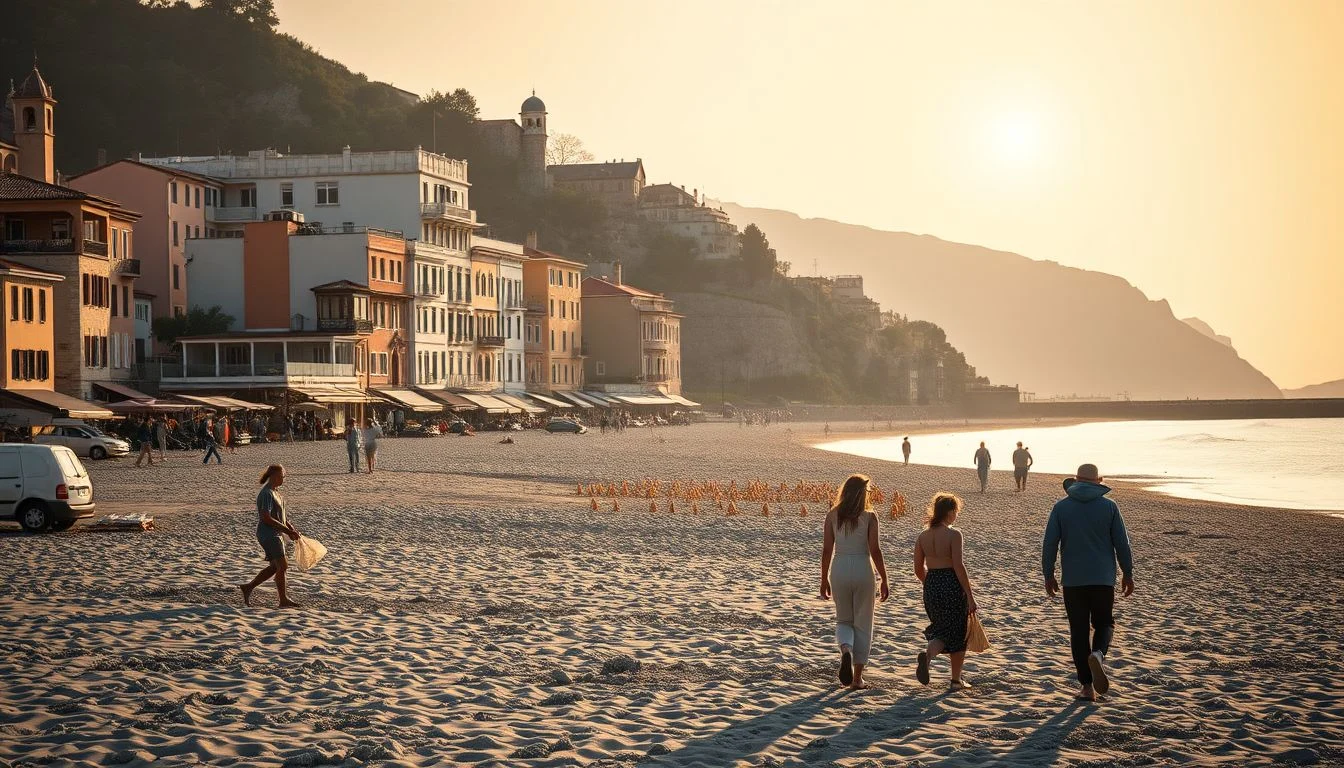
La Concha curves around San Sebastián as a shell-shaped bay, with a seafront promenade linking the sand to the city’s walkable streets and nearby dining. It sets the standard for the best beaches in Europe for couples: the beach itself matters, but so do the hours before and after swimming.
This curated guide compares 10 European beaches by scenery, swimming, atmosphere, access and the quality of a day’s rhythm together. It is written for couples who want sunset walks, scenic dinners and time to slow down, while being clear about the trade-offs: Cala Goloritzè requires a boat or a steep 1.5-to-2-hour hike, Balos Lagoon involves seasonal boat planning or a rough road and walk, and Pampelonne’s summer traffic can test even a well-planned escape. Protected places such as Elafonissi also require careful behaviour, including leaving sand and shells where they are.
Quick answer: La Concha in San Sebastián is the strongest all-round choice for couples, combining an attractive urban beach with a promenade, walkable evenings and nearby dining. Choose Praia da Marinha for dramatic Algarve scenery, Elafonissi for shallow water, Cala Goloritzè for adventure or Pampelonne for beach clubs and seaside dinners; remote picks such as Navagio and Balos require current checks on boats, access and sea conditions.
How these were chosen: a transparent shortlist for couples
This is a researched editorial curation, not a hands-on test or a definitive ranking of Europe’s most beautiful beaches. The order reflects what tends to make a satisfying European beach holiday for couples: a balance of scenery, shared experiences and manageable practicalities.
Sense of place comes first, from Praia da Marinha’s golden cliffs and sea arches to the urban sweep of La Concha. The selection also considers what couples can do together beyond swimming: follow a sunset promenade, walk between coves, reach a viewpoint, linger over a seaside dinner or combine the beach with a walkable town.
Access shapes the recommendation rather than sitting in the footnotes. Some choices work without a car or strenuous planning; others involve boat travel, rough roads, steep paths or steps. Cala Goloritzè sits within the protected Gulf of Orosei coastal area, where access regulations and visitor measures can change. Check the current guidance from SardegnaTurismo before committing to that route.
The shortlist weighs swimming appeal, nearby accommodation and dining, seasonal crowd pressure, and the kind of atmosphere a couple can realistically enjoy at the beach. Protected landscapes receive additional scrutiny. At Elafonissi, conservation guidance means leaving sand and shells where they are rather than treating the shoreline as a souvenir shop.
That is why the first place prioritises the easiest beach-and-city combination, not popularity. Tripadvisor’s 2024 Travellers’ Choice list provides dated popularity context, but it isn’t used here as an objective scorecard. Conditions, boat services, parking and visitor rules can change, so confirm current details with official destination sources before travelling.
The list: 10 European beaches for different kinds of couples
1. La Concha, San Sebastián, Spain
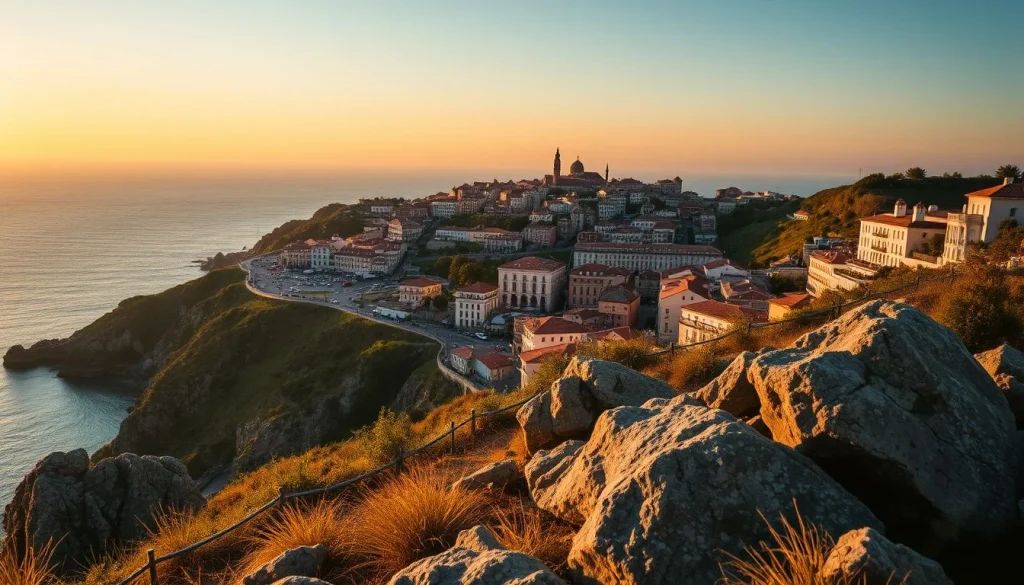
Standout reason: La Concha is the easiest all-round beach-and-city choice: an urban, shell-shaped bay with a seafront promenade. It suits couples who want a swim or sunset stroll without giving up restaurants, boutique accommodation and walkable evenings in San Sebastián.
Access and trade-off: From central San Sebastián, the beach is reachable on foot or by public transport, so a car is unnecessary. The setting is convenient rather than remote, and the promenade can feel busier than a secluded cove; check local swimming warnings, currents and any lifeguard coverage before entering the water.
2. Praia da Marinha, Algarve, Portugal
Standout reason: Praia da Marinha brings together golden cliffs, sea arches and clear green-blue water. It is a strong pick for couples who want dramatic photographs, a viewpoint for a slow afternoon and a quieter base around Lagoa or Carvoeiro rather than a resort-centred stay.
Access and trade-off: Steps are part of the approach, making the beach less suitable for anyone who wants effortless access or has limited mobility. The cove is better for scenery and a focused beach stop than for a long, flat shoreline walk; check current parking and road guidance, and rely on local warnings before swimming.
3. Elafonissi, Crete, Greece
Standout reason: Elafonissi is the choice for shallow-water swimming and unhurried walks along a lagoon-like sandbar. Its pale sand can appear pink-tinted from broken shells, creating a distinctive setting for couples who prefer gentle water and open coastal views to a compact rocky cove.
Atmosphere and responsibility: The surrounding coastal zone is protected under Natura 2000-related conservation management. Do not remove sand or shells, and treat marked paths and dunes carefully. Visit outside the June-to-August peak where possible for a calmer pace, while checking current weather, services and local swimming advice before setting out.
4. Cala Goloritzè, Sardinia, Italy
Standout reason: This wild Gulf of Orosei cove is framed by a natural arch and the Aguglia limestone spire, giving an adventurous couple a clear sense of arrival. It suits travellers who value a memorable landscape over easy access, with Baunei or Cala Gonone providing practical bases for exploring the coast.
Access and trade-off: Reach Cala Goloritzè by boat or by a steep footpath taking approximately 1.5 to 2 hours from the parking area above the beach. That makes it unsuitable for a low-effort beach day. Access regulation and visitor-contingency measures have changed, so verify the 2026 regime with SardegnaTurismo or the relevant Gulf of Orosei authorities before travelling; check sea conditions, operators and swimming warnings too.
5. Plage de Pampelonne, Ramatuelle, France
Standout reason: Pampelonne offers approximately 4.5 kilometres of dune-backed sand, with public areas and beach clubs. It works for couples who want to divide the day between swimming, a long shoreline walk, a sunset drink and seaside dining, while staying near Ramatuelle or Saint-Tropez.
Atmosphere and trade-off: This is the least secluded choice on the list. Local guidance highlights heavy traffic and parking pressure, particularly from mid-June to mid-September, so avoid the busiest period when your itinerary allows and check current access guidance. Beach-club opening periods vary; confirm them directly before planning a meal around one.
6. Praia da Falésia, Algarve, Portugal
Standout reason: Praia da Falésia is a long sandy beach backed by red cliffs, giving couples room for a substantial shoreline walk and a broad view at sunset. It is more practical than a small cliff cove for travellers who want resort convenience, road access and downtime without organising a boat.
Best for: Choose it for a low-effort Algarve beach holiday based around a resort or nearby town, especially if a full day can include both swimming and walking. Its scale means the atmosphere depends on where you enter and when you visit; check current parking, traffic, lifeguard coverage and local sea warnings rather than assuming conditions are uniform along the beach.
7. Balos Lagoon, Crete, Greece
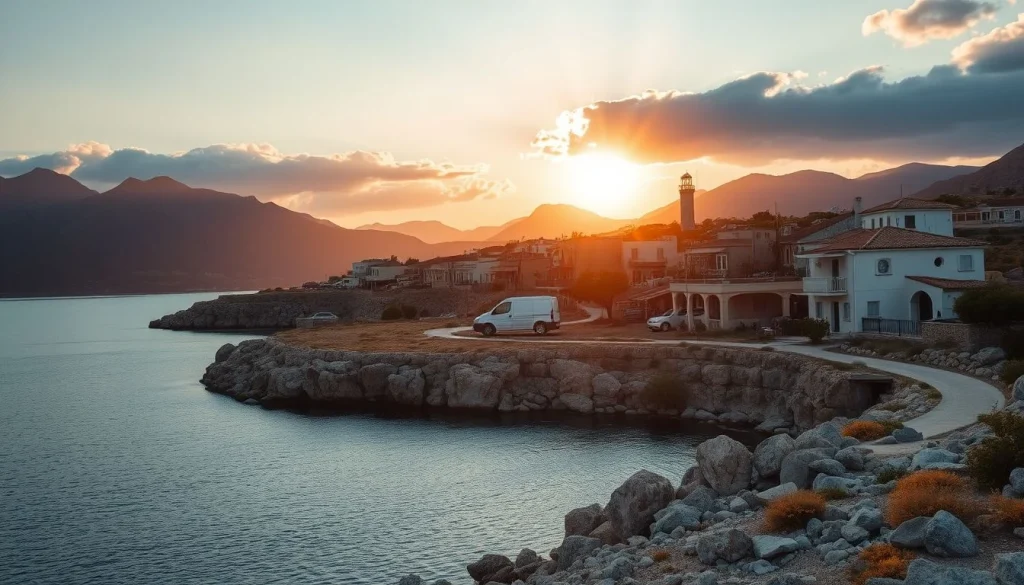
Standout reason: Balos Lagoon is made for a dramatic day trip: turquoise water, sandbars and a peninsula create a lagoon-like landscape that feels very different from an ordinary beach. Couples can pair the outing with Gramvousa when the chosen boat itinerary and sea conditions allow.
Access and trade-off: Boats run from Kissamos, with schedules varying by season. The alternative is a partly unpaved road followed by a short hike, so this is not the simplest choice for polished, spontaneous beach time. Confirm the current boat timetable, operator arrangements, road condition and swimming advice before departure; the exposed setting can also make heat and limited shade important planning considerations.
8. Cala Macarella, Menorca, Spain
Standout reason: Cala Macarella is a pine-fringed cove with an atmospheric Mediterranean setting and access by foot to the smaller Cala Macarelleta. It suits couples who want a clear swimming stop followed by a short scenic walk, without committing to the strenuous approach required at Cala Goloritzè.
Access and trade-off: The cove’s appeal is also its limitation: it is compact, and access arrangements can shape the day. Check current road, parking and any seasonal traffic restrictions before driving, then follow local guidance on swimming conditions and protected coastal behaviour. It is a better fit for a half-day outing than for couples seeking a large beach with space to spread out.
9. Durdle Door and Lulworth Cove, Dorset, England
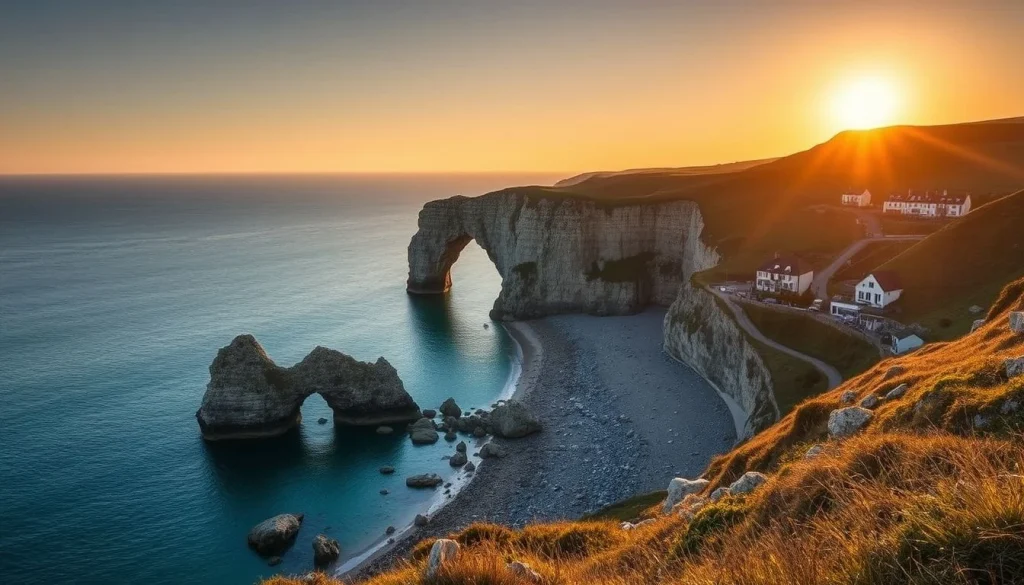
Standout reason: These Jurassic Coast landmarks suit couples who would rather combine a beach visit with coastal walking and geological drama than plan around warm-water swimming. Durdle Door’s limestone arch and Lulworth Cove provide strong viewpoints, while nearby pubs and guesthouses support a slower evening in Dorset.
Access and trade-off: Expect steep sections and a shorter, cooler bathing season concentrated in June to August. The coast is best treated as a walking destination with a beach component, not as a Mediterranean-style swimming holiday. Check current path, parking and National Trust or local guidance, and use official warnings before entering the sea.
10. Navagio (Shipwreck) Beach, Zakynthos, Greece
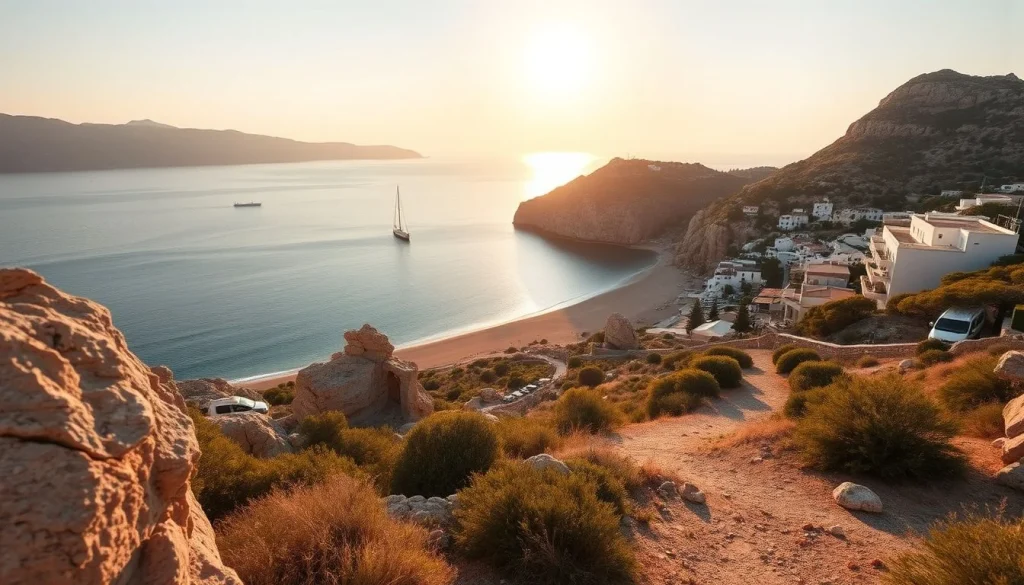
Standout reason: Navagio is an iconic boat-trip and viewpoint experience, centred on a shipwreck below white cliffs. It is suited to couples who want a single spectacular outing and are happy for the beach itself to be only one part of a day on Zakynthos.
Access and trade-off: The beach is accessible only by boat, while the viewpoint above the cove can be reached by road and a walk, according to Lonely Planet. Do not assume that landing or swimming is permitted: confirm current access decisions, boat operators, sea conditions and local warnings before booking. Crowds and weather can change the experience quickly, so keep the viewpoint as a fallback rather than building an entire holiday around a landing.
At a glance: scenery, access and atmosphere compared
The shortlist looks different on a map: La Concha is a city beach, while Cala Goloritzè and Navagio are destination beaches that demand more planning. This comparison focuses on the couple’s experience rather than popularity—Tripadvisor’s 2024 list is useful only as a dated popularity signal, not as an editorial ranking.
| Beach | Best shared experience | Water and beach character | Access effort | Evening base | Pressure and timing |
|---|---|---|---|---|---|
| La Concha, Spain | Beach time followed by a promenade and dinner | Urban, shell-shaped bay | Low; walk or public transport | San Sebastián | City-season dependent |
| Praia da Marinha, Portugal | Cliff viewpoints and sea arches | Clear green-blue water; golden cliffs | Medium; steps | Lagoa or Carvoeiro | Quieter outside peak summer |
| Elafonissi, Greece | Lagoon walks and a sunset | Shallow water; pink-tinted sand | Medium | Chania region | Protected; respect conservation rules |
| Cala Goloritzè, Italy | Boat arrival or a hiking challenge | Wild cove, arch and Aguglia spire | High; boat or 1.5–2-hour steep path | Baunei or Cala Gonone | Protected; verify access measures |
| Pampelonne, France | Beach clubs and seaside dining | 4.5km of sand, dunes and public areas | Medium | Ramatuelle or Saint-Tropez | Heavy traffic mid-June–mid-September |
| Praia da Falésia, Portugal | Long walks below red cliffs | Long sandy beach | Low to medium | Algarve resorts | Seasonal resort pressure |
| Balos Lagoon, Greece | Boat day trip, with Gramvousa possible | Turquoise lagoon and sandbars | High; boat or rough road and hike | Kissamos | Boat schedules vary seasonally |
| Cala Macarella, Spain | Swimming and walking to Macarelleta | Pine-fringed Mediterranean cove | Medium | Ciutadella | Seasonal access pressure |
| Durdle Door, England | Coastal walking and viewpoints | Geological drama and limestone arch | High; walking terrain | Lulworth Cove area | Shorter bathing season; June–August |
| Navagio, Greece | Boat trip and cliff-top viewpoint | White cliffs and shipwreck cove | High; beach access only by boat | Zakynthos | Access and sea conditions change |
Planning note: access rules, road restrictions, parking, boat services, beach-club periods and protected-area measures can change. Check the relevant municipality, tourism board or protected-area authority before setting the day around a remote beach, and verify lifeguard coverage, swimming warnings and sea conditions locally.
How to choose the right beach for your couple
Match the beach to the kind of holiday you want
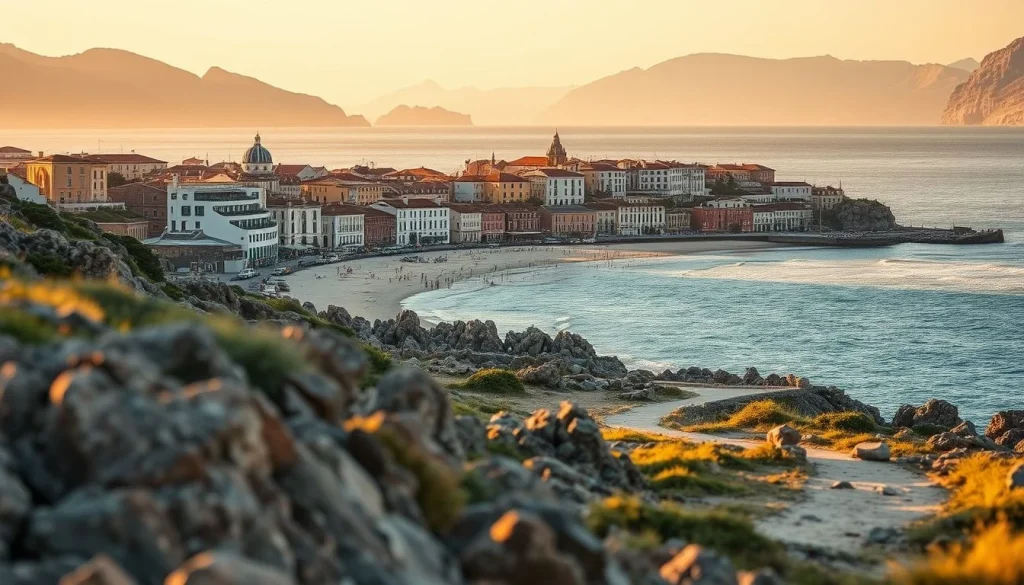
For the lowest-effort break, choose La Concha. San Sebastián gives you a beach day without building the holiday around a transfer: La Concha is reachable on foot or by public transport from the city centre, with a seafront promenade and walkable evenings. It is the clearest choice for couples who want time for unplanned dinners, cafés and a boutique stay rather than a daily logistics exercise.
For striking scenery with manageable planning, choose Praia da Marinha or Praia da Falésia. Praia da Marinha delivers golden cliffs, sea arches and clear green-blue water, but steps make access less suitable for anyone who wants to move directly from hotel to sand. Praia da Falésia is easier to treat as a full beach day: its long sandy shore and red cliffs suit couples who prefer a walk, a swim and a resort base in the Algarve. Check current parking, road and shuttle arrangements before travelling, particularly in summer.
For shallow-water swimming, choose Elafonissi. Its lagoon-like sandbar and pale, pink-tinted sand create a gentler setting for wading and relaxed swimming than the more exposed coves on this list. The surrounding coastal zone is protected under Natura 2000-related conservation management, according to the Greek nature authority; do not remove sand or shells, and follow marked access and local conservation guidance.
Choose your level of adventure
Cala Goloritzè is the shared adventure. The Sardinian cove combines a natural arch with the Aguglia limestone spire, but it is not a spontaneous drop-in: reach it by boat or take the steep footpath from the parking area, which takes approximately 1.5 to two hours according to SardegnaTurismo. It lies within the protected Gulf of Orosei coastal area, so verify the current access regime and any visitor-contingency measures with Baunei or the relevant official authority before booking.
Balos Lagoon works for couples who enjoy a day trip. The turquoise water, sandbars and lagoon-like peninsula make the journey part of the appeal. Boats leave from Kissamos, while the alternative involves a partly unpaved road followed by a short hike; schedules vary seasonally, so check the current operator timetable and sea conditions. A boat day may also allow a Gramvousa combination, but confirm the itinerary rather than assuming it is included.
For a cove atmosphere without quite such a demanding approach, choose Cala Macarella. The pine-fringed Menorcan cove has access by foot to the smaller Cala Macarelleta, making it a good fit for a swim followed by a short exploratory walk. Base yourselves around Ciutadella if you want evenings with more choice, but check current access and parking rules before setting out.
Let atmosphere and season decide
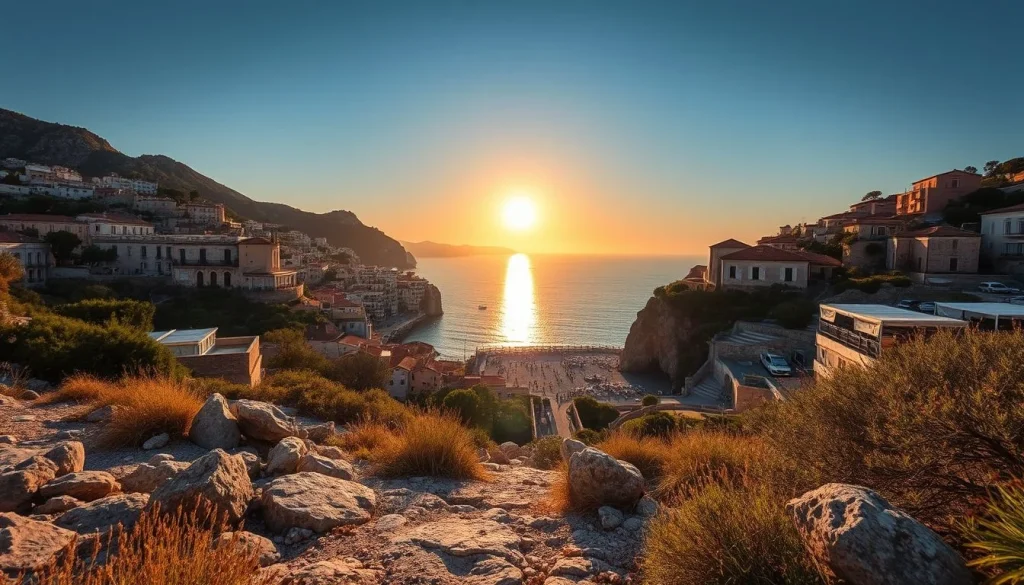
Pampelonne suits couples who want beach clubs, sunset drinks and seaside dining. The approximately 4.5-kilometre, dune-backed beach has both public areas and beach clubs, but summer traffic and parking pressure are significant. Local guidance recommends avoiding the busiest period from mid-June to mid-September where possible; reserve any restaurant or beach-club plans through the venue and check current traffic guidance around Ramatuelle.
Durdle Door and Lulworth Cove are the cooler-climate romantic option. Choose them for coastal walking, viewpoints, geological drama and nearby pubs or guesthouses, not for guaranteed warm-water swimming. They form part of the Jurassic Coast, and the Durdle Door area includes steep coastal paths, so allow a slower day and check current National Trust or local access information.
Navagio is for an iconic boat day rather than a low-effort beach holiday. The beach is accessible only by boat, while the viewpoint above the cove is reached by road and a walk, according to Lonely Planet. Confirm whether landing is currently permitted, then check licensed boat operators, sea conditions and local swimming advice before travelling.
For budget planning, urban and resort bases generally offer more accommodation and dining choice. Remote beaches can be free at the shoreline but still require a boat, transfer, car hire or extra walking; beach clubs add another layer. Mediterranean destinations usually offer the best balance of warmth and fewer visitors from May to early June and in September, while June to August brings peak demand. Dorset’s bathing season is shorter and coolest. Before booking, verify current climate guidance, transport schedules, quotas, parking or shuttle rules and operator availability with the relevant municipality, tourism board or protected-area authority.
Conclusion: choose your access style first
For the easiest all-round European beach holiday, choose La Concha in San Sebastián: the beach, promenade, restaurants and evening walks fit naturally into a couple’s day, without relying on a car or a boat. It suits travellers who want atmosphere and convenience more than seclusion.
Choose Praia da Marinha for classic romantic scenery—golden cliffs, sea arches and clear water—with manageable effort if you are comfortable with steps. For slower swimming days, Elafonissi or Cala Macarella is a better match; both offer a gentler cove-and-lagoon rhythm than an ambitious sightseeing stop.
Cala Goloritzè is the clear choice for an active couple prepared for a steep hike or boat journey. It is not the right pick for effortless beach access. Before booking, decide first between urban, resort, boat and hike access, then choose a base with enough time for unplanned afternoons. For Mediterranean destinations, May to early June and September generally offer the most balanced timing; check official seasonal access rules, transport, quotas and sea conditions before committing.
Frequently asked questions
Which of these beaches is easiest to enjoy without hiring a car?
La Concha in San Sebastián is the clearest choice. The shell-shaped urban bay is reachable on foot or by public transport from central San Sebastián, with a seafront promenade and nearby dining. By contrast, Navagio requires a boat to reach the beach, while Balos and Cala Goloritzè involve boat trips or more demanding access. Source: Tripadvisor MediaRoom.
Which picks are best for couples who want swimming rather than sightseeing?
Elafonissi is the strongest fit for relaxed swimming: its lagoon-like sandbar has shallow water, making it more suited to an unhurried beach day than a viewpoint-focused visit. Cala Macarella also works well for couples wanting easy swimming in a pine-fringed cove. Conditions can change, so check local swimming warnings, currents and sea conditions before entering the water. Sources: Visit Greece and Illes Balears Travel.
Do we need to reserve a boat trip or beach club in advance?
Treat advance planning as sensible rather than assume a universal booking rule. Boat schedules for Balos vary seasonally, and current operators, timetables, licences and sea-condition requirements should be checked before travelling; the same applies to Navagio and Gulf of Orosei trips. For Pampelonne, check beach-club opening periods and local traffic guidance, particularly during the mid-June to mid-September peak. Sources: Visit Greece, SardegnaTurismo and Golfe de Saint-Tropez.
Which beach works best for a romantic sunset walk?
Praia da Falésia is a strong low-effort choice for couples who want a long sandy walk beneath red Algarve cliffs. Durdle Door and Lulworth Cove suit couples who prefer a more dramatic coastal setting, with Jurassic Coast geology and the Durdle Door limestone arch, but the terrain is better approached as a coastal walk than an easy promenade. Check local access and conditions before setting out. Sources: VisitPortugal and ClimbSouthWest.
What should couples pack for beaches with steep or remote access?
Pack supportive footwear, water, sun protection and a small bag for carrying everything back out. Cala Goloritzè involves either a boat or a steep footpath of approximately 1.5 to 2 hours from the parking area; Balos can involve a partly unpaved road and a short hike, while Praia da Marinha has steps. At protected Elafonissi, leave sand and shells in place and stay mindful of conservation guidance. Sources: SardegnaTurismo, Visit Greece and Lagoa tourism guide.
Which destination is the best first European beach holiday for a couple?
La Concha is the most forgiving first choice because it combines a proper urban beach with a promenade, walkable evenings and access from central San Sebastián without a car. It also avoids making the beach day depend on a boat, a long hike or uncertain sea conditions. Choose Praia da Marinha instead if dramatic scenery matters more than effortless access; choose Elafonissi if shallow water is the priority. Source: Tripadvisor MediaRoom.