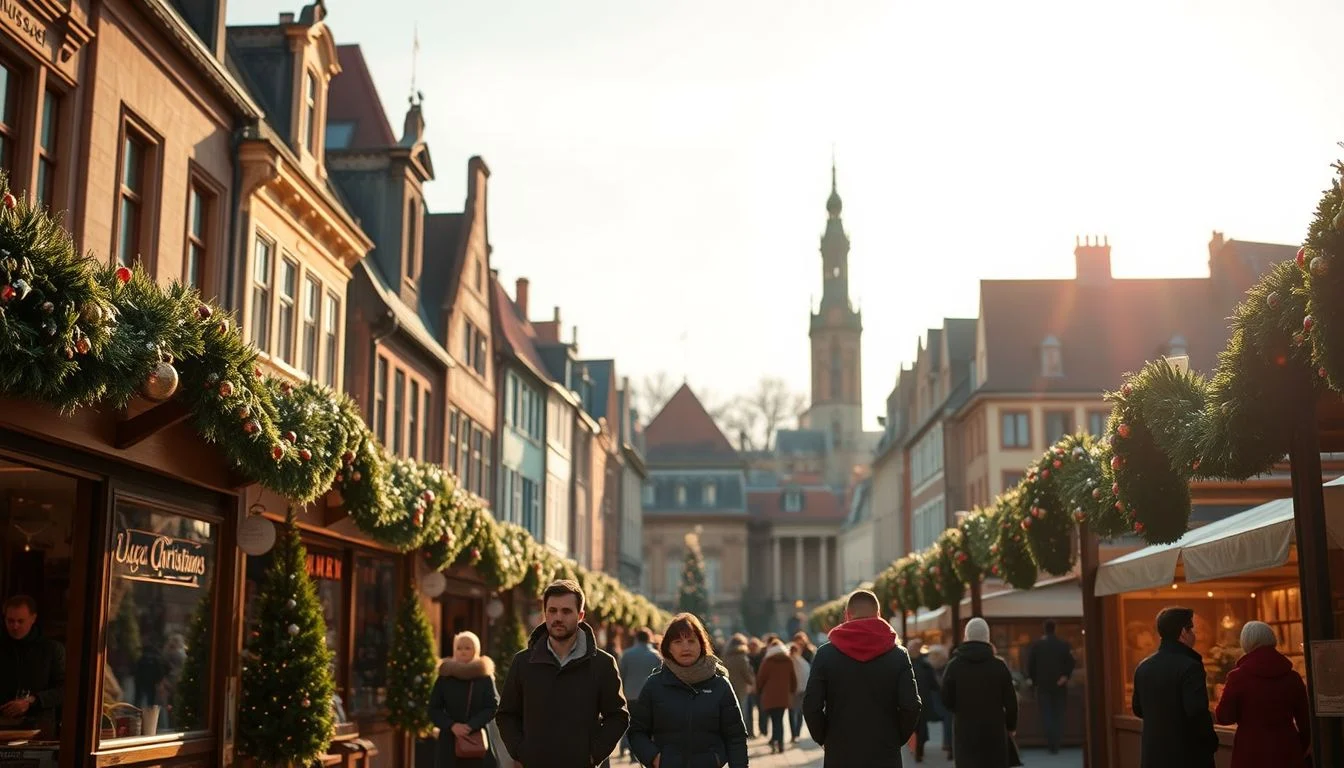
Nuremberg’s 2026 Christkindlesmarkt is scheduled for 27 November–24 December, with a dedicated Kinderweihnacht alongside the traditional central market. That combination makes the city a useful benchmark when comparing the best Christmas markets in Europe: a compact setting for younger children, a clear focus for older ones, and a defined Christmas window rather than an open-ended winter festival.
This guide is for families choosing between toddlers, school-age children and teenagers, with attention to the details that shape a successful day: short transfers, stroller access over cobbled squares, nap-friendly pacing, family rooms, child-appropriate food and indoor alternatives when December turns cold or wet. It separates confirmed 2026 dates from programmes still awaiting official confirmation, and weighs Nuremberg against Vienna, Strasbourg, Prague, Dresden and other family-friendly Christmas markets in Europe. For most families, early December offers the most manageable balance of availability and crowds; the period from around 18–27 December needs earlier booking and careful date checking.
Quick answer: Nuremberg is the strongest all-round choice for families because its traditional Christkindlesmarkt is compact and paired with the Kinderweihnacht. Vienna, Strasbourg, Prague and Dresden offer different combinations of central sightseeing, transport and children’s programming, but some 2026 schedules still require confirmation; early December is generally the easiest family window.
Why early December 2026 is the best family window
The practical advantage of an early-December visit is not only lighter footfall. It gives families more flexibility with accommodation and transport before demand typically rises in the final pre-Christmas period, approximately 18–27 December. That is useful when you need a family room, a midday pause or a plan that does not depend on standing in a crowded square after dark.
December conditions can be cold, wet or snowy, and daylight is limited. Pack waterproof outer layers, warm footwear, gloves and a spare set of clothes for younger children; check the forecast shortly before departure rather than relying on seasonal averages. Winter travel can also bring common seasonal illness, so consult current national health guidance for personal medical advice, as recommended in Lonely Planet’s trip-planning guidance.
For toddlers and preschoolers, aim for a quiet weekday daytime visit, then return to your hotel or an indoor attraction for a nap and warm-up. Evening lights may create the stronger atmosphere, but they are harder on tired children and can make stroller movement and supervision more difficult. Major market squares are often flat but cobbled; the Nuremberg Christmas Market guidance advises families to confirm routes, stall access and facilities with the relevant market or tourism office. The same check is sensible in Vienna, Prague, Strasbourg and Dresden, especially if you need step-free access or an accessible toilet.
If you are travelling in the last pre-Christmas week, book earlier and verify every market’s official opening and closing dates, daily hours and family programme. The season broadly runs from late November through Christmas, with some markets continuing into late December or early January, but dates vary by city. Treat the market as one stop in a short winter day: pair it with a museum, café or other indoor backup rather than making several hours outdoors the entire plan.
Where to go: the best family markets by age and travel style
| Destination | Best age fit | Market layout | Stroller and nap considerations | Child appeal | Indoor backup | Main trade-off |
|---|---|---|---|---|---|---|
| Nuremberg | Toddlers to school-age children | Compact central market with a separate Kinderweihnacht | Short links help with naps; cobbles and access should be checked | Dedicated children’s market and traditional stalls | Plan a museum, café or hotel break nearby | Less varied than a multi-market city |
| Vienna | All ages | Large Rathausplatz market plus neighbourhood markets | Public transport widens the choice of base, but the main site can mean more walking | Scale, lights and several markets to vary the day | Many city attractions and cafés; check opening hours | Rathausplatz can be tiring for small children |
| Strasbourg | Preschoolers to teenagers | Several markets linked through the historic centre | Walking links are useful, but historic-centre surfaces require route checks | Changing scenery and compact sightseeing | Use the city’s museums or cafés; confirm facilities locally | 2026 programme and family details still require confirmation |
| Prague | School-age children and teenagers | Old Town Square and Wenceslas Square markets | Central, but cobbles and longer sightseeing days suit a carrier as well as a stroller | Landmarks, evening atmosphere and advertised family programming | Museums, cafés and indoor attractions around the centre | Family programme times must be checked |
| Dresden | School-age children | Historic Striezelmarkt setting | Keep the market visit focused and confirm routes and facilities | Children’s rides and seasonal programming, subject to confirmation | Plan an indoor city attraction between visits | Current-year schedule is not yet confirmed here |
| Tivoli Gardens, Copenhagen | Toddlers to younger school-age children | Amusement-park setting rather than a traditional city-square circuit | An enclosed layout can simplify supervision and breaks; verify access details | Rides are the central draw | The park itself provides a change from stall browsing | 2026 dates and practical family information must be checked |
| Tallinn | Toddlers to school-age children | Compact Town Hall Square market | Good candidate for a short visit, with surfaces and facilities to verify | Simple, manageable market stop | Choose accommodation with a usable lounge or nearby café | Confirm family facilities before booking |
| Budapest | School-age children and teenagers | Central Vörösmarty Square market | Check stroller routes, toilets and seating with the official organisers | Potential family shows and central access | Build in an indoor attraction or hotel rest | Include only after the current programme is verified |
For toddlers and preschoolers
Nuremberg is the strongest all-round choice for a first family Christmas-market break. The Christkindlesmarkt is centrally located and paired with the dedicated Nuremberg Kinderweihnacht, giving young children a purpose-built stop rather than asking them to browse adult-oriented stalls for hours. The city’s tourism information places the market within a central setting that can be planned around the main rail station; check the current station route and stroller conditions before travelling.
Tallinn is another sensible fit for a short break with very young children. The Town Hall Square market is a compact proposition, so parents can keep the visit brief, return to a nearby room for a nap and avoid building the whole day around outdoor time. Ask the tourism office or market organiser about step-free access, toilets, changing facilities and cobbled sections before choosing a stroller.
Choose Tivoli Gardens in Copenhagen when rides matter more than a traditional market circuit. Its amusement-park setting suits children who lose interest in stalls quickly, although the 2026 dates and family facilities need checking on the official source before you commit. For children who still nap, look for accommodation close enough to make a midday retreat realistic rather than relying on a sleeping stroller.
For school-age children
Vienna offers the most flexible structure for families who want a market day with several escape routes. The Rathausplatz Wiener Christkindlmarkt is the obvious central anchor, while markets such as Schönbrunn allow you to change neighbourhood rather than repeat the same square. That variety is useful when one child wants lights and food while another needs a warm indoor break; the trade-off is scale, since the main Rathausplatz visit can become tiring with small legs.
Dresden suits children who need an activity at the centre of the visit. The Striezelmarkt is associated with rides and children’s programming, but the official market site must confirm the current-year schedule before those features shape your itinerary. Strasbourg works well for families who prefer movement: its linked markets and historic-centre sights create natural points for a snack, toilet stop or short indoor pause, though the 2026 programme remains to be confirmed.
For teenagers and mixed-age families

Prague combines the Old Town Square and Wenceslas Square markets with central sightseeing, making it easier to give teenagers independent-looking landmarks and photo stops while younger children have a defined market visit. Prague City Tourism lists Advent programming for Wenceslas Square, including family elements, but exact 2026 dates and programme times should be checked on the official Prague City Tourism page.
Prague, Vienna and Strasbourg are better suited than a single compact market when family interests diverge, but they reward a slower plan: one principal market, a proper meal and one indoor stop are more manageable than crossing the city in search of every stall. Nuremberg remains the easier decision for a traditional, concentrated experience; Vienna is the better choice for transport flexibility and multiple neighbourhood options. Whichever city you choose, major squares may be flat but cobbled, so confirm the route, stall access and facilities with the relevant market or tourism office rather than assuming a standard pushchair will work everywhere.
Budapest’s Vörösmarty Square is a conditional option for families attracted by central access and possible shows. Use it only after checking the current official programme, payment arrangements, food choices, toilets and stroller information. For every destination, build in warm layers, waterproof footwear and regular indoor breaks: winter travel also brings cold-weather risks and seasonal illness, so consult current national health guidance for personal medical advice.
Confirmed and provisional 2026 market dates and family events
Dates are not equally firm across the best Christmas markets in Europe. For a family trip, treat a published opening window as the starting point, then verify daily hours, children’s activities and public-holiday arrangements on the official market page before booking. The schedule can change even when the market dates are already listed.
| Destination and event | 2026 status and dates | Family relevance | Recheck |
|---|---|---|---|
| Nuremberg Christkindlesmarkt and Kinderweihnacht | Scheduled: 27 November–24 December 2026 | A compact central market with a dedicated children’s area; suitable for shorter market visits. | Nuremberg Tourism |
| Vienna Rathausplatz Wiener Christkindlmarkt | Listed: 13 November–26 December 2026 | A large central choice with public-transport connections and other Vienna markets for quieter alternatives. | Official Rathausplatz market |
| Prague Wenceslas Square Christmas Market | Listed for Advent 2026; exact dates and programme times are not yet confirmed in the supplied information. | Works alongside Old Town Square sightseeing, with family programming to verify before travel. | Prague City Tourism |
| Dresden Striezelmarkt | 2026 dates and current programme require confirmation. | A strong option for children who enjoy rides and scheduled seasonal activities. | Official Striezelmarkt pages |
Strasbourg’s available cited Capital of Christmas programme is for 2025, so it must not be reused as a 2026 schedule; check the city’s official Christmas programme page for the new season. Tivoli Gardens in Copenhagen, Tallinn Town Hall Square and Budapest’s Vörösmarty Square are also verification items, not confirmed 2026 recommendations, until their dates and family facilities are published.
Check official pages immediately before publication and again before booking. Confirm opening hours, children’s workshops, rides, stroller routes, toilets, food and allergy information, payment methods, and whether the market operates normally on public holidays. A date range alone does not guarantee that every activity will run each day.
Planning and booking: dates, trains, hotels and the real family logistics
Book around confirmed dates, not wish lists
Once your family has selected a market with confirmed dates, book accommodation and transport promptly. This matters most for the higher-demand period from 18 to 27 December, when availability and prices are more likely to come under pressure, according to the seasonal planning guidance cited by WegaTours. Early December is usually the more manageable window for families, with fewer crowds and better availability, although exact conditions vary by city.
Do not build a non-refundable itinerary around an unconfirmed programme. Prague City Tourism lists the Wenceslas Square market for Advent 2026 but says families must check the exact dates and programme times on its official page. Dresden’s Striezelmarkt also publishes its seasonal programme on its official market site; confirm the current-year dates and schedule before paying for travel.
Compare the same family trip before choosing a city
There is no verified price dataset for these markets, so a meaningful comparison should use the same scenario: the same number of nights, adults and children, room type, travel dates and luggage. Check the total through official transport operators and reputable accommodation channels rather than comparing a headline room rate with a package that includes different conditions.
The main cost drivers are the dates, distance from the market, family-room or apartment layout, rail or air connections, local transport, attractions and booking flexibility. Market food and children’s activities also add up, but their prices and payment methods vary by stall and city. Check live prices and cancellation terms before booking; do not assume that a cheaper room outside the centre remains cheaper after daily transport and tired-child logistics are added.
Choose transport that protects your energy
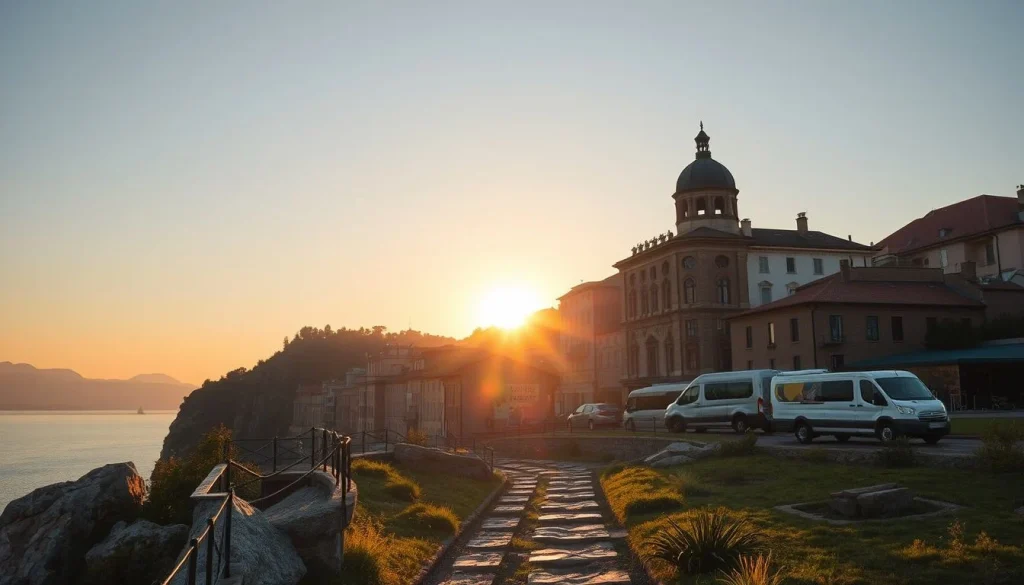
Nuremberg, Vienna, Prague and Dresden have centrally located markets that can be planned around central rail stations, according to the Congress- und Tourismus-Zentrale Nürnberg. That makes rail a useful option for a multi-city Christmas-market trip, but it does not guarantee a direct connection or a step-free route. Check current timetables, engineering works, strikes and disruption alerts with the relevant rail operator and city transport authority before departure.
For a single-city break, prioritise the simplest arrival over the most ambitious itinerary. A short transfer to a central base can be worth more to a family than adding another market town, particularly when children need an afternoon sleep or an early night.
Book the right base for naps and cold evenings
A walkable hotel or apartment near a reliable public-transport stop is the most practical starting point. Look specifically for a family room or separate sleeping area, lift access, space to dry wet outerwear and, where useful, a kitchenette for breakfast, bottles or a familiar meal. A quiet room away from the main square is often a better choice than a door-step location if younger children go to bed early.
Keep one main market visit in the day’s plan rather than treating several markets as a checklist. Daytime is generally easier for pushchairs and younger children; save evening lights for a short return visit only if everyone is rested. Major squares can be flat but cobbled, so confirm the route, stall access, step-free entrances, accessible toilets and family facilities with the market organiser or local tourism office. The official Nuremberg market guidance is a useful starting point for this kind of check.
Plan food, health and crowd safety
Children may find warm baked goods, simple sausages or potato-based dishes easier than elaborate seasonal food, but treat these as possibilities rather than guarantees. Ask each vendor about ingredients and allergens, and check whether cards are accepted; carry a small backup snack for delays or queues.
Pack layers, waterproof footwear and gloves, and allow time to warm up indoors. Winter travel requires planning for cold-weather risks and seasonal illness; consult current national health guidance for personal medical advice, as recommended by Lonely Planet’s trip-planning guidance. Bring routine medication, a basic medical record and appropriate travel insurance.
In crowded squares, agree on a meeting point before entering, keep a contact card in each child’s pocket and consider an identification wristband for younger children. Hold hands near entrances and busy food lanes, and recheck nationality-specific entry rules, public-holiday closures and health guidance through official government or embassy sources before travelling.
A family-friendly market day: strollers, naps and rainy-day backups
Toddlers and preschoolers
For toddlers, keep the market visit short and focused on daytime: make one loop through the stalls, stop for a warm drink or simple snack, then return to a nearby hotel or apartment for the nap. Nuremberg’s compact centre can suit this rhythm. Vienna is easier if you stay near Rathausplatz or choose one neighbourhood market instead of crossing the city. Major squares may be flat but cobbled, so a compact stroller with weather protection can be more practical than a large pushchair. Take a carrier, too, for difficult surfaces or crowded stretches. Before travelling, confirm step-free routes, accessible toilets and stall access with the market or tourism office.
School-age children
For school-age children, build the market visit around one definite highlight: a ride, workshop, children’s programme or nearby sightseeing stop. Dresden’s Striezelmarkt is worth considering for families interested in children’s rides and seasonal programming, but the current-year schedule still needs confirmation on the official market page. Keep the day to one main outdoor block, then plan a warm indoor meal and a rest before returning after dark. Check food stalls in advance if children have allergies. Vendors may not list ingredients or accept the same payment method.
Teenagers

Later visits can suit older children, especially when illuminated squares and browsing are balanced with a specific food stop and an indoor attraction. Prague, Vienna and Strasbourg offer central sightseeing alongside their markets, but cobbles, crowds and long periods of standing can make a full evening tiring. Pick a hotel with a straightforward return route. Agree a buddy system before entering busy food lanes.
Rain, cold and crowd backups
Before arrival, identify one indoor fallback—a museum, department store, café, aquarium, children’s attraction or hotel lounge—and check its current hours independently. Photograph each child’s outerwear and keep identification details with them. Set a simple rule for staying together, with a named meeting point in case anyone is separated. Cold, wet weather and seasonal illness are part of winter planning, so pack waterproof layers and schedule warm breaks; consult current national health guidance for personal medical advice.
Conclusion: choose the market that matches your children
For most families, choose Nuremberg: its compact central Christkindlesmarkt is paired with the dedicated Kinderweihnacht, making it the clearest all-round choice for younger children and manageable market days. The official schedule lists the 2026 market for 27 November–24 December; confirm the programme and access details before booking through Nuremberg Tourism.
Choose Vienna if flexible transport, several neighbourhood markets and more indoor alternatives matter more than a compact stay. For children who prioritise rides, consider Tivoli Gardens in Copenhagen, but verify its 2026 dates and family facilities directly before paying.
Early December offers the best balance of availability and manageable crowds. Once you have chosen dates, check each official market page for 2026 opening times, programme details, step-free routes and family accommodation before purchasing rail or flights.
Frequently asked questions
Which Christmas markets are easiest for families with toddlers?
Nuremberg is the strongest all-round choice: its traditional Christkindlesmarkt has a compact central setting and a dedicated Kinderweihnacht for children. Vienna also works well for families who need flexibility, with the central Rathausplatz market, extensive public transport and alternative neighbourhood markets. For either city, choose accommodation close to the market and confirm step-free routes, toilets and stroller access with the market or tourism office.
Can I use a stroller at European Christmas markets?
Usually, but do not assume every route will be easy. Major market squares are often flat but cobbled, and dense crowds can make a pushchair difficult to manoeuvre. Confirm the exact route, stall access, step-free entrances and family facilities with the relevant market or tourism office; a compact stroller and a carrier give families more flexibility, particularly at busy times.
Which destinations are best for older children and teenagers?
Prague suits older children and teenagers who enjoy central sightseeing and a dramatic evening atmosphere around the Old Town Square and Wenceslas Square markets. Dresden is a good choice for families interested in a historic market with children’s rides and seasonal programming, although the current-year schedule must be confirmed. Nuremberg’s traditional setting and Kinderweihnacht are better suited to mixed-age groups.
What should we do if the weather is too cold or wet?
Plan short market visits rather than a full day outdoors: alternate a market walk with a warm indoor break, and keep the itinerary flexible around children’s naps. December travel can bring cold, wet or snowy conditions, so pack warm, waterproof clothing and shoes. For personal medical advice and current winter-health guidance, consult the relevant national health authorities before travelling.
How can families reduce the risk of losing a child in a crowded market?
Crowds increase both the risk of separation and the opportunity for pickpocketing. Agree on a visible meeting point before entering, keep younger children within arm’s reach, and make sure each child carries—or wears—an adult’s contact details. Recheck crowd conditions during the day and avoid separating adults from children while ordering food or moving between stalls.
Which markets are easiest to combine on a family train trip?
Nuremberg, Vienna, Prague and Dresden are the clearest candidates because their markets are centrally located and can be planned around central rail stations. That makes a multi-city route possible, but the practical order depends on current services, family tolerance for transfers and accommodation availability. Check official city transport and rail pages for timetables, strikes and disruption alerts before booking.