This article contains affiliate links. If you book through one of our links, we may earn a commission at no additional cost to you.
High Atlas snow, cold Sahara nights and Atlantic breezes can all shape the same Morocco trip in winter. That sharp regional contrast is why the best time to visit Morocco month by month depends on more than the calendar: Marrakech and the inland south heat up quickly, while Essaouira, Agadir and other Atlantic destinations stay more moderate.
This guide is for first-time visitors deciding when to combine medinas, the Atlas Mountains, a desert camp and the coast without building an uncomfortable route. It compares Morocco’s seasons month by month, including heat, crowds, Ramadan, festivals and winter road conditions, then turns that advice into practical choices about airports, bases, transport and a realistic 10-day itinerary.
Quick answer: For most first-time visitors, choose mid-March to May or September to mid-November, when cities, the Sahara and many mountain routes are easier to combine. July and August can exceed 40°C inland, while December to February suit lowland cities and the Atlantic coast but bring cold desert nights, High Atlas snow and possible mountain-road disruption.
At a glance: when to visit Morocco
For a first Morocco trip that combines Marrakech, the imperial cities, the High Atlas and the Sahara, plan for mid-March to May or September to mid-November. These shoulder-season windows offer the most practical balance across Morocco’s sharply different regions, according to the Moroccan National Tourist Office. June, July, August and December are peak months, while July and August can push inland temperatures above 40°C. Winter is workable for lowland cities and the Atlantic coast, but expect cold desert nights, possible High Atlas snow and disrupted mountain roads. Always check Ramadan dates and current regional conditions before booking.
Morocco trip-planning contents
Use this guide to plan Morocco around the regions you want to combine, rather than treating the country as one climate. The month-by-month guide covers weather, crowds and seasonal trade-offs; later sections turn those choices into a practical route.
- Month-by-month weather: compare January to December and choose your travel window.
- Regional planning: match cities, the High Atlas, Sahara and Atlantic coast to the season.
- Getting there and around: choose an airport, then compare trains, coaches, taxis and transfers.
- Where to stay and what to do: select riads, hotels, camps and experiences for your travel style.
- Costs: see sourced daily budget ranges for budget, mid-range and luxury trips.
- Suggested itinerary: follow a realistic 10-day first-trip route.
- Entry, safety and tips: check official guidance and avoid common planning mistakes.
- FAQ: find concise answers about Ramadan, visas, heat, desert trips and trip length.
Why visit Morocco: cities, mountains, desert and coast in one trip
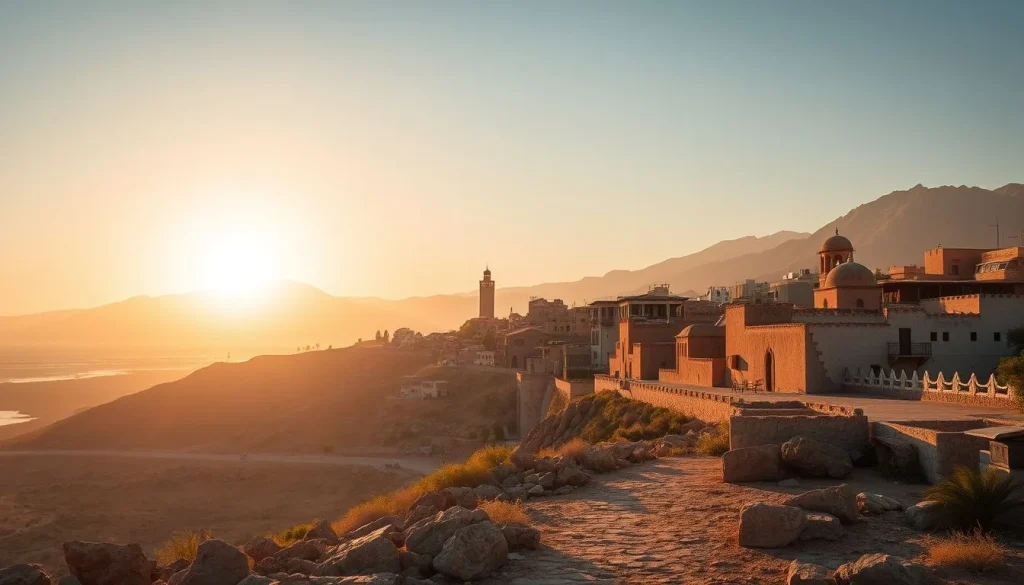
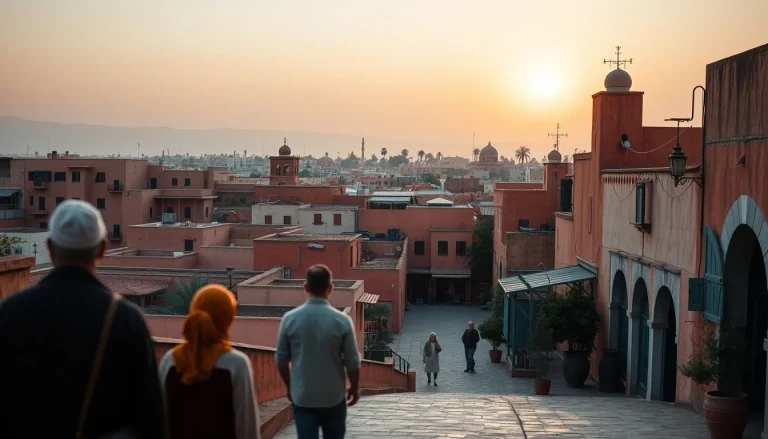
Morocco works especially well for a first trip because several distinct landscapes fit within one country. In Fes, explore the dense lanes of Fes el-Bali and its traditional food culture; in Marrakech, combine medina architecture with the evening activity around Jemaa el-Fna. These cities offer a strong introduction to Moroccan history, craft and daily life, but they feel very different from the coast.
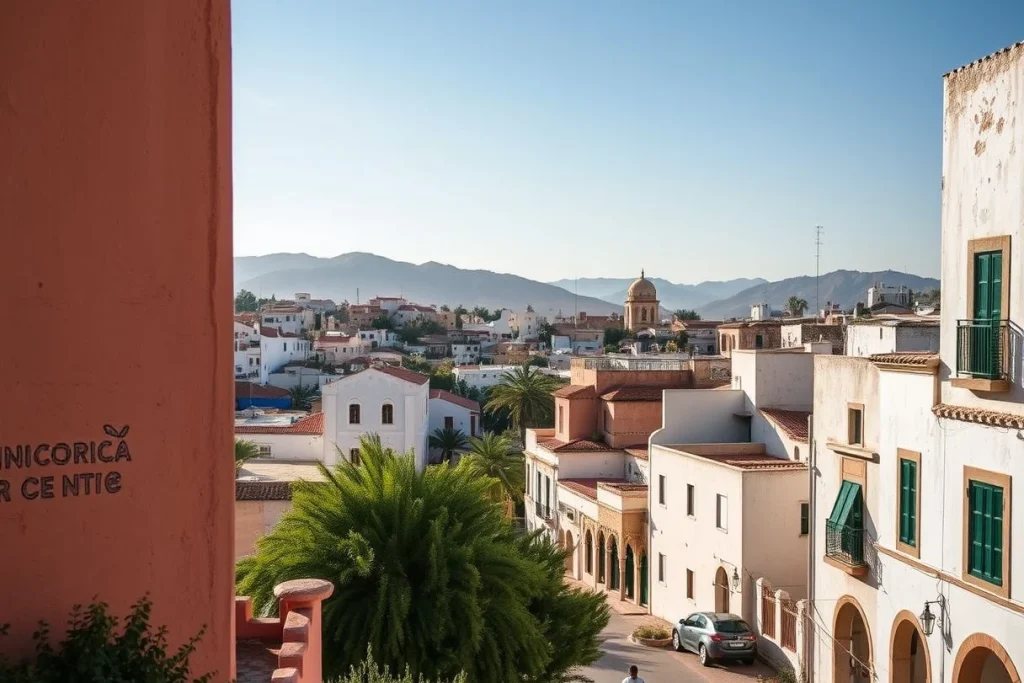
On the Atlantic, Essaouira brings sea air, whitewashed streets and a slower rhythm, while Tangier is shaped by its northern position and long connection with Europe. Agadir is the more straightforward choice for a coastal break. Inland routes add the High Atlas scenery around Imlil, the fortified architecture of Aït Ben Haddou and the film-country landscapes near Ouarzazate.
The essential planning point is that Morocco is not one climate. Atlantic towns stay milder, inland cities become much hotter in summer, the High Atlas can be snowy in winter, and the Sahara has marked temperature changes between day and night. That makes a seasonal, regional itinerary more rewarding: the best dates for a Marrakech–Atlas–desert journey are not automatically the best dates for an Essaouira beach stay or a northern city break.
Best time to visit Morocco: month-by-month regional guide
For most first-time visitors, the best all-round windows are mid-March to May and September to mid-November. These periods make it easier to combine Marrakech, the imperial cities, the High Atlas and the Sahara without the worst inland heat or winter access problems. Morocco is not one climate: Atlantic towns stay milder, inland cities heat up sharply in summer, mountain conditions change with altitude, and desert temperatures fall quickly after sunset. This regional pattern is reflected in guidance from the Moroccan National Tourist Office.
Peak demand commonly falls in June, July, August and December. October is also popular for a balanced itinerary, so book flexible accommodation and desert transport early if travelling then, particularly around Christmas–New Year and European school holidays. Ramadan is a separate annual consideration: its dates shift, and daytime restaurant service, attraction hours and the atmosphere in towns can change. Check the dates and local arrangements for your travel year before booking.
Morocco month by month
| Month | Marrakech and inland cities | Atlantic coast | Sahara and Erg Chebbi | High Atlas, crowds and access |
|---|---|---|---|---|
| January | Quieter and suitable for sightseeing, but mornings and evenings are cool. | Mild conditions make Casablanca, Rabat, Essaouira and Agadir practical winter bases. | Sunny days can give way to cold nights; pack warm layers. | Snow can affect higher routes and mountain-road access. A good month for lower-season travel, not guaranteed trekking. |
| February | Good for city visits when lower-season quiet matters more than warmth. | Comfortable for coastal sightseeing, with changeable weather possible. | Cold after dark, so choose a camp with proper bedding and warm clothing. | Snow and winter conditions remain possible; allow flexibility for mountain plans. |
| March | Conditions improve for Marrakech, Fes and the Atlas foothills. | Useful for a mixed city-and-coast route before the busier season. | A strong month for desert routes as daytime conditions become easier. | The recommended shoulder period begins, although high routes still need checking. |
| April | One of the strongest months for Marrakech and the imperial cities. | Good for adding Essaouira, Agadir or other Atlantic stops. | Comfortable for a first desert trip before summer heat builds. | Among the best months for combining mountain scenery with cities; access is generally more manageable than in winter. |
| May | Warm and favourable, though inland heat starts to build. | Atlantic breezes keep coastal plans more manageable. | A good window for Erg Chebbi and other desert itineraries before the hottest months. | Well suited to outdoor plans before summer conditions become demanding. |
| June | Heat rises inland, especially in Marrakech and southern Morocco. | One of the more comfortable regions for early-summer travel. | Plan activity around cooler hours and carry water. | Late June brings the generally scheduled Essaouira Gnaoua Festival; check current dates, as demand can rise. |
| July | Often very hot, with inland temperatures sometimes exceeding 40°C. | Ocean breezes moderate Essaouira, Casablanca and other coastal areas. | Heat makes a packed city-and-desert route uncomfortable. | Best for heat-tolerant travellers with a slower itinerary; avoid relying on strenuous daytime walks. |
| August | Similar to July: hot inland and potentially above 40°C. | More manageable climatically, but popular coastal destinations are busy during school holidays. | Choose short, heat-conscious excursions rather than a tightly packed schedule. | Not the easiest month for exposed mountain activity; expect strong demand on the coast. |
| September | Inland heat begins to ease, reopening comfortable city and sightseeing plans. | Still a reliable choice for Atlantic stops. | A strong month for desert camps and sunset-to-sunrise excursions. | Good for many outdoor plans, with fewer summer heat constraints. |
| October | Comfortable for Marrakech, Fes and a broad cultural itinerary. | Suitable for combining cities with Essaouira or Agadir. | One of the most practical months for Erg Chebbi and longer desert transfers. | Excellent access conditions for many routes, but popularity can raise demand for accommodation and transport. |
| November | Milder than summer and well suited to city sightseeing. | Coastal weather becomes more changeable, so keep plans flexible. | Good conditions overall, with cooler evenings requiring layers. | A strong late-autumn option, though mountain conditions begin to turn more wintry. |
| December | Mild lowland sightseeing is possible, with peak holiday demand in parts of the country. | Often a practical winter region. | Nights can be cold despite sunny days. | High Atlas snow and winter road disruption can affect mountain and desert plans; check conditions before travelling. |
How the seasons compare
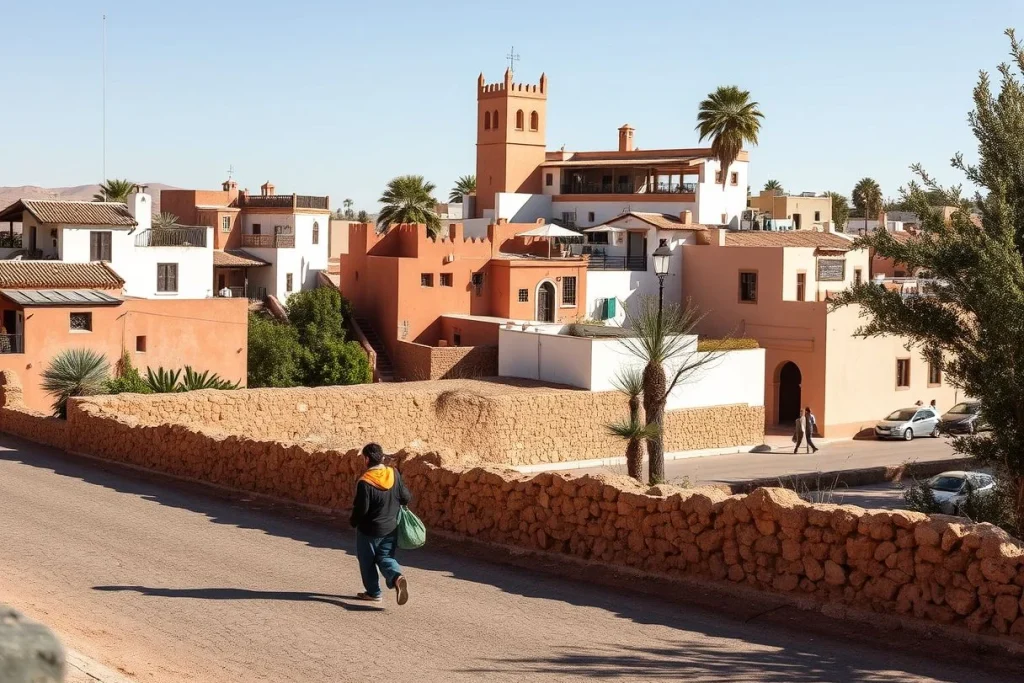
| Season | Best for | Trade-offs |
|---|---|---|
| Spring | Mid-March to May: the clearest choice for a first city, mountain and desert itinerary. | Conditions vary by altitude, and late spring begins to warm inland. |
| Summer | Atlantic coast trips, especially around Essaouira and Agadir. | July and August can exceed 40°C inland; coastal school-holiday demand is high. |
| Autumn | September to mid-November: cities, desert camps and many outdoor plans. | October is popular, while November brings cooler evenings and more changeable coast weather. |
| Winter | Lowland cities and the Atlantic coast, with quieter sightseeing outside the festive peak. | Cold Sahara nights, High Atlas snow and possible road closures complicate mountain-and-desert combinations. |
For Marrakech, April, May, October and early November offer the most balanced sightseeing conditions. For the Sahara, spring and autumn are easier than midsummer, while winter remains possible if you prepare for cold nights. Atlas trekking is most straightforward in the warmer shoulder seasons, but check current mountain-pass and trail access before committing to routes around Imlil or Tizi n’Tichka. The GOV.UK Foreign travel advice, updated 15 September 2026, also recommends checking current local conditions before travel.
Festival dates can alter both atmosphere and availability. The Essaouira Gnaoua Festival is generally held in late June, while the Marrakech International Film Festival can increase demand; verify the current dates with the organisers or official tourism sources. If your dates fall during Ramadan, confirm restaurant service and attraction schedules directly with accommodation providers and official sites rather than assuming normal daytime hours.
How to get there: choosing Morocco’s best arrival airport
Choose your arrival airport around the route you actually want to travel. The Moroccan National Tourist Office identifies Casablanca Mohammed V and Marrakech Menara as the principal gateways, with international services also available at Agadir, Tangier and Fes.
Casablanca Mohammed V is the most flexible starting point for a first visit built around Morocco’s northern and central cities. From the airport, arrange a transfer or use the official taxi process to reach Casablanca; if you are continuing by train, allow time to connect into the ONCF network. Al Boraq high-speed rail links Tangier, Kenitra, Rabat and Casablanca, while ONCF also runs conventional intercity services. Check ONCF for current routes, departure times and booking conditions.
Marrakech Menara makes more sense for a south-focused itinerary covering Marrakech, the High Atlas, Ouarzazate, Aït Ben Haddou or the Sahara. Pre-arrange a transfer if you are arriving late or staying in a medina where vehicles cannot reach the accommodation door; otherwise, confirm the official taxi arrangements at the airport and keep the riad’s address available.
Agadir Al Massira is the practical choice for Agadir and the southern Atlantic coast. Tangier Ibn Battouta suits northern Morocco and onward rail travel, while Fes-Saïs reduces backtracking for Fes and Meknes. For any gateway, verify flight connections, airport transfer arrangements and rail or coach schedules before departure: seasonal services and timetables can change.
Where to stay in Morocco: riads, hotels, camps and coastal bases
For a first visit, a medina riad in Marrakech or Fes gives you walkable access to souks, historic lanes and traditional courtyards. It suits couples and travellers who value atmosphere, but check luggage access: cars may not reach the door, stairs are common, and some rooms can be affected by medina noise. Ask specifically about air-conditioning for summer and heating for winter.
Modern hotels in Gueliz or Hivernage in Marrakech, and in the Ville Nouvelle areas of other cities, are easier for late arrivals, taxis and bulky luggage. They are the calmer choice for families, solo travellers wanting a straightforward base, or anyone visiting during July and August, when inland Morocco can exceed 40°C; Atlantic properties benefit from cooler ocean breezes, according to the climate summary from Wikipedia.
In the High Atlas, use a guesthouse in Imlil or another mountain town for walking access and local guidance. Winter conditions can bring snow and road disruption, so confirm heating and the current route before booking. For the Sahara, choose a camp near Merzouga and Erg Chebbi for the classic dunes, or Zagora for a different desert base; expect large day-to-night temperature changes and check what heating, transfers and luggage arrangements are included.
Essaouira suits travellers wanting a coastal hotel and a cooler-feeling base; Agadir offers a more conventional resort setting. Reserve popular riads, desert camps and transport early for October, Christmas–New Year and European school holidays, as advised by Destinations Guild. Compare cancellation terms and arrival times rather than choosing on style alone.
Best things to do in Morocco, matched to traveller type
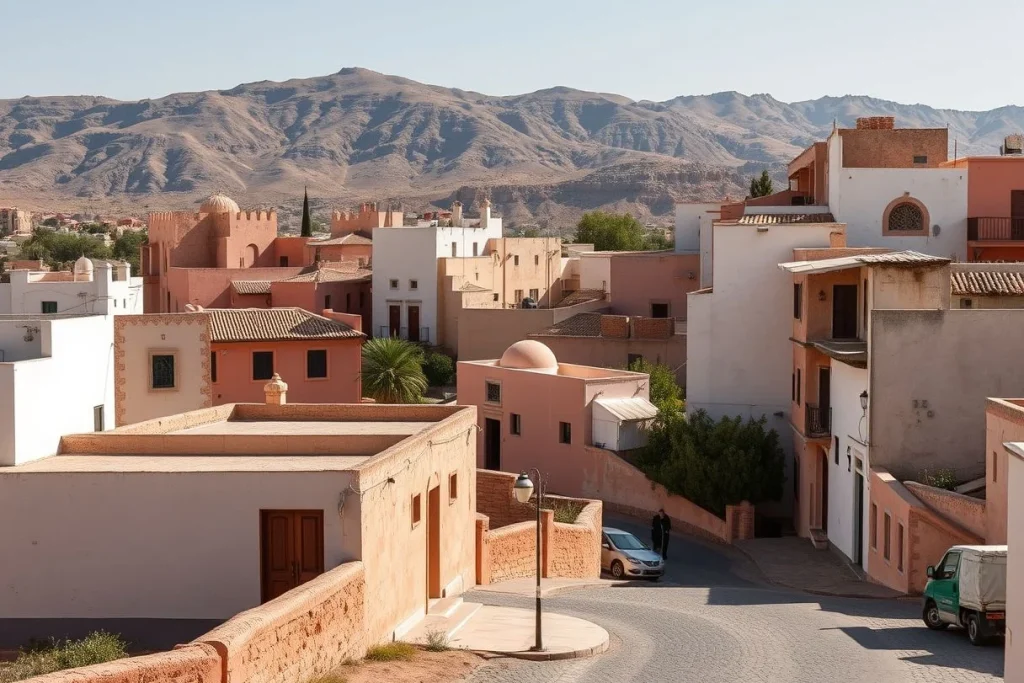
1. Start with a guided medina walk and food tour. For a first visit, this is the quickest way to understand Marrakech’s lanes, souks and dishes without spending the whole day navigating. A licensed guide is especially useful around the medina, where official advice warns about bogus guides and petty crime. Spring and autumn offer the most comfortable conditions; in July and August, plan the walk early or near sunset.
2. Spend a night near Erg Chebbi. The dunes around Merzouga suit landscape seekers who want a clear contrast with the cities: arrive for sunset, stay in a desert camp and watch the temperature change sharply after dark. September to mid-November and mid-March to May are the easiest periods for a combined city-and-desert route. Winter is possible, but pack for cold nights; summer requires serious heat planning.
3. Walk in the High Atlas around Imlil. Choose Imlil and nearby mountain paths if hiking matters more than ticking off cities. Spring and autumn are the strongest windows for outdoor days, while winter can bring snow and road disruption. In midsummer, start early, carry water and avoid treating a mountain walk as a cool escape from Marrakech: inland heat can still be severe.
4. Follow the Ouarzazate route to Aït Ben Haddou. This is a good choice for film-history enthusiasts and road-trip travellers, linking dramatic landscapes with kasbah architecture. Allow flexibility in winter, when mountain conditions can affect routes across the High Atlas.
5. Choose the coast or imperial cities for a gentler itinerary. Essaouira and Agadir work well for coast-focused travellers, particularly in July and August when Atlantic breezes moderate the heat. History-minded visitors should prioritise Fes, Meknes and Rabat; these lowland cities also suit winter travel better than the mountains or Sahara.
Top attractions in Morocco: what to see and how to plan it
Start in Marrakech’s medina early, before heat and foot traffic build. Jemaa el-Fna is the city’s visual anchor, while the surrounding lanes reward a licensed guide who can explain the route without steering you into unwanted shops. Wear closed, comfortable shoes, keep your phone and wallet secure, and ask before photographing people, performers or traders.
Give Fes el-Bali unhurried time: its narrow lanes are easier to navigate with a reputable guide, particularly on a first visit. Rabat and Meknes provide a calmer historical counterpoint, while Casablanca is most useful for its urban character and transport connections rather than as a long sightseeing base.
Aït Ben Haddou works well as part of a southern road journey, but do not schedule it too tightly with Marrakech. The High Atlas and the Tizi n’Tichka route are weather-sensitive; winter snow, rain or road disruption can alter access, so check current conditions before departure and leave buffer time. The same applies to transfers towards Merzouga and Erg Chebbi, where the desert’s large day-to-night temperature range means carrying sun protection and warm layers. The Moroccan National Tourist Office offers regional planning context, while local operators should confirm current access.
For a shorter desert journey, Zagora may fit more easily into a southern itinerary; Erg Chebbi is the stronger choice when dunes and a camp stay are central to the trip. Reserve popular camps and transport early for October, Christmas–New Year and European school holidays, according to Destinations Guild. Coastal Essaouira and Agadir are sensible alternatives when inland heat is excessive, with Atlantic breezes moderating summer conditions. Verify attraction opening times, guide availability, festival access and road conditions with official or local sources before committing each day.
Best neighbourhoods and bases for first-time visitors
For a first arrival, choose a base outside the medina if you have heavy luggage or arrive after dark: cars usually cannot reach the narrow lanes, and the final walk can be confusing. Inside a medina, a riad gives you atmosphere and walkable access to sights; outside, a hotel is easier for taxis, transfers and onward travel.
In Marrakech, the medina suits first-time visitors who want to step into the souks and reach Jemaa el-Fna on foot, but lanes are busy and evening navigation takes attention. Gueliz is more practical for cafés, taxis and a straightforward arrival, while Hivernage offers larger hotels, quieter streets and an easier base for travellers prioritising comfort over historic character.
Fes el-Bali is the atmospheric, highly walkable choice for exploring the old city; Ville Nouvelle is simpler with luggage and more convenient for taxis. In Casablanca, stay in the central districts for restaurants, business-hotel convenience and transport connections rather than medina atmosphere. Rabat’s medina works well for a compact, pedestrian-friendly visit, while the modern centre is calmer and easier for onward transport.
In Tangier, the medina places you near historic lanes and the coast; choose the seafront area for open space and a less enclosed evening feel. Essaouira’s medina is the most characterful base, while its beachfront is better for sea air and simple taxi access. Agadir’s resort zone suits beach-focused travellers and families seeking wide, convenient surroundings, but it feels less connected to traditional Morocco.
What to eat in Morocco: dishes, drinks and where to try them
Moroccan food is easiest to approach one meal at a time. Order a slow-cooked tagine in a medina restaurant or riad, then try couscous—traditionally a shared dish—on a day when you have time for a leisurely lunch. In Fes, look for pastilla, a layered pastry usually associated with festive cooking; in Marrakech, harira and grilled meats are practical choices around the medina and Jemaa el-Fna.
For a quick breakfast, try msemen with honey or savoury fillings, alongside mint tea. Coastal bases such as Essaouira and Agadir are the places to choose grilled fish and seafood. At medina stalls, favour busy counters where food is cooked in front of you and turnover is high, rather than dishes sitting uncovered. A small-group cooking class or guided food tour can also help first-time visitors understand unfamiliar ingredients and ordering customs.
Moroccan meals often come with bread for scooping food from a shared dish. Use your right hand, take food from the section nearest you, and accept mint tea as hospitality even if you later decline a refill. Ask before photographing cooks, diners or private homes.
During Ramadan, daytime restaurant service and meal timing can change; check locally before planning lunch. For alcohol, follow GOV.UK Foreign travel advice (updated 15 September 2026) and avoid unlabelled drinks because of reported methanol-poisoning incidents.
Getting around Morocco: trains, buses, taxis and desert transfers
Once you leave the dining table, Morocco’s transport choice should follow the shape of your route. For Tangier, Kenitra, Rabat and Casablanca, ONCF’s Al Boraq high-speed service is the fastest rail option; ONCF also runs conventional intercity trains beyond that corridor. Rail is usually the least stressful way to link the northern cities, but check current departures, fares and seat availability on ONCF before travelling.
For Marrakech, Essaouira, Ouarzazate and destinations outside the rail network, compare CTM and Supratours coaches. They are useful for travellers who do not want to drive, though journey times, luggage allowances and departure points vary. A coach is generally better value than a private car; a private driver is more useful when you want stops at Aït Ben Haddou, the High Atlas or villages that are awkward to reach independently.
Do not treat a Sahara excursion as a same-day hop from Marrakech. A desert itinerary needs realistic road time, at least one overnight stop on the way in many routes, and a buffer for traffic or mountain conditions. The Tizi n’Tichka route can be affected by winter weather, so check current road conditions before committing to an Atlas crossing or desert transfer. In winter, allow extra flexibility for snow and possible closures in the High Atlas.
Inside cities, petit taxis are intended for local journeys. Ask the driver to use the meter where applicable; if a fixed fare is proposed, agree it before setting off. Grand taxis serve longer shared routes between towns, but they are less comfortable and less predictable for first-time visitors. For airport arrivals, a pre-arranged transfer is simplest: confirm whether it stops at your accommodation or at the nearest accessible point, since cars often cannot enter narrow medina lanes. Keep essential medication, documents and one change of clothes in hand luggage rather than relying on a large bag in a shared vehicle.
Rental cars offer flexibility on the coast and in the south, but navigation, parking and medina access add work. For a first trip combining cities, mountains and the Sahara, trains between northern cities, coaches for longer out-of-network legs and a reputable private driver for the mountain–desert section usually create the clearest balance of comfort and control.
Travel costs in Morocco: daily budget for 2026
Morocco can fit different budgets, but your daily spend changes sharply with accommodation, private transport and desert excursions. The estimates below are per traveller, per day and are based on September 2026 guidance from Moroccan Guides, Booking.com and HotelsCombined.
Estimated costs
| Estimated daily budget | Typical inclusions |
|---|---|
| Budget: €30–50 | Hostel or inexpensive riad, local food and public transport |
| Mid-range: €75–180 | 3-star hotel or riad, some private transfers, guided activities and restaurants |
| Luxury: from €250 | 4- or 5-star hotels, private tours and higher-end desert or riad stays |
Basis: per traveller, per day; indicative ranges as of September 2026. The figures exclude international flights, shopping, alcohol, peak-season premiums and some desert tours.
Accommodation is usually the biggest variable: October, Christmas–New Year and European school holidays can increase demand for riads and desert camps. Private drivers, upgraded desert camps and restaurant-led days push a mid-range trip towards its upper band. Check live accommodation rates, ONCF fares and tour inclusions before booking, particularly for Marrakech and Merzouga.
| Item | Budget | Mid-range | Luxury |
|---|---|---|---|
| Budget trip | €30–50 per day | — | — |
| Mid-range trip | — | €75–180 per day | — |
| Luxury trip | — | — | From €250 per day |
Estimated ranges based on the sources listed below. Prices change; check with providers before booking.
Suggested 10-day Morocco itinerary for a first trip
For a first trip, allow 10 days and accept that the Marrakech–Sahara–Fes crossing is a travel-heavy route. It works best from mid-March to May or September to mid-November, the all-round windows identified by the Moroccan National Tourist Office. In summer, plan shorter daytime outings because inland temperatures can exceed 40°C; in winter, check snow and road conditions before committing to the High Atlas or southern transfer.
Days 1–2: Marrakech
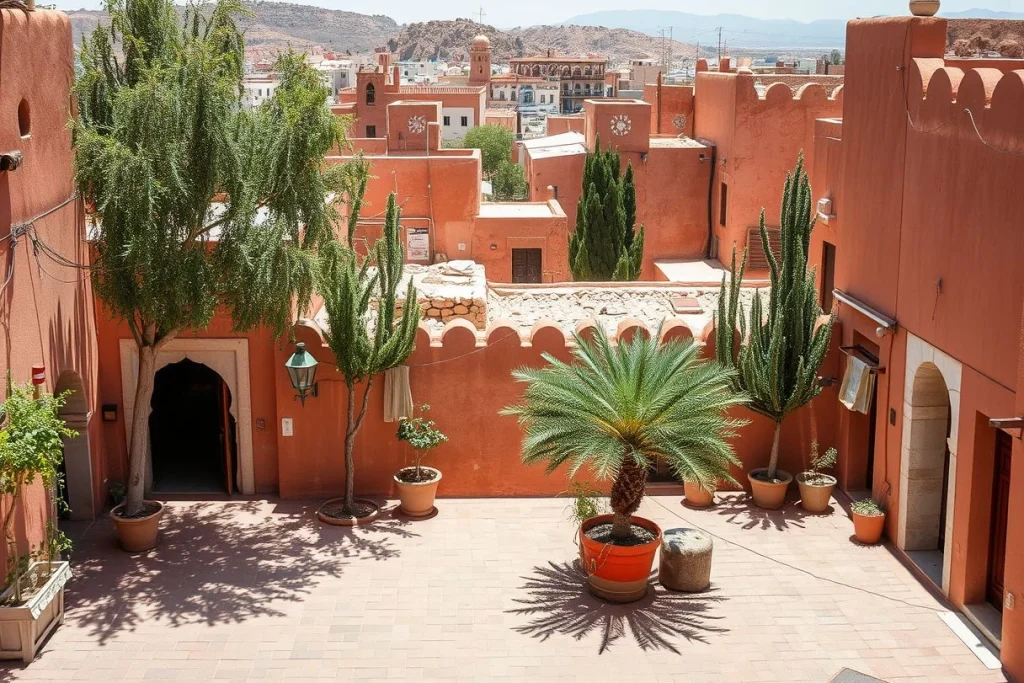
Stay in or near the medina for easy access to Jemaa el-Fna, or choose Gueliz if you prefer straightforward taxi access and a more modern base. Use the first day for a gentle orientation, then reserve the second for the souks, Bahia Palace area and a slower evening rather than adding another major excursion.
Days 3–5: Aït Ben Haddou, Ouarzazate and Merzouga
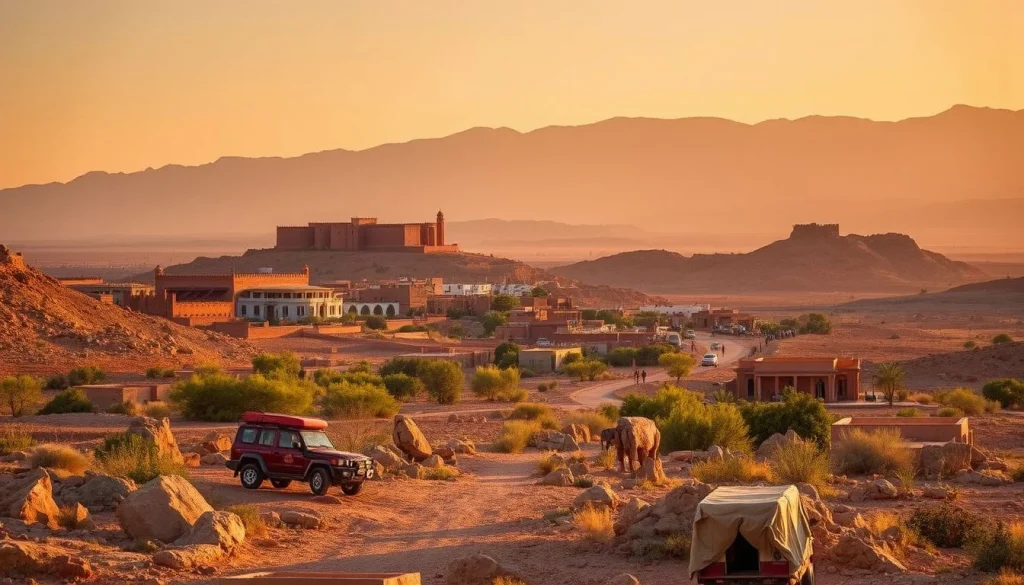
Make day three a staged southern transfer via Aït Ben Haddou and Ouarzazate, rather than treating the journey as a quick link between cities. Continue towards Merzouga on day four, then spend the night at an Erg Chebbi desert camp; day five allows time for the desert before beginning the long journey north.
Days 6–8: Fes and an optional imperial-city addition
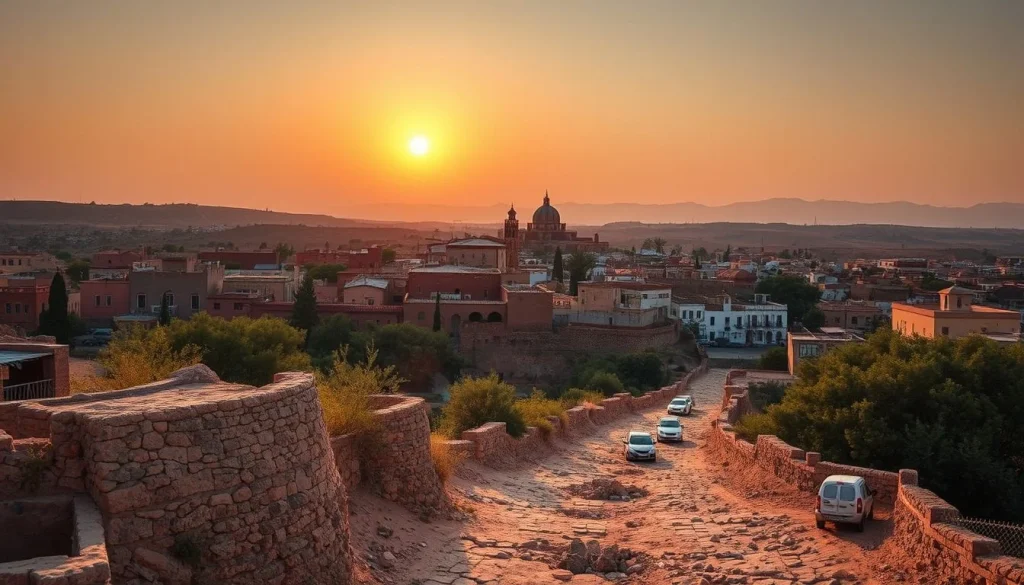
Use day six principally to travel towards Fes. Give Fes el-Bali two full days, with Meknes or Volubilis as an optional addition only if the current transport plan makes it practical. Confirm rail and coach schedules before fixing this part of the route: ONCF operates intercity rail, while road connections and desert transfers can change with conditions.
Days 9–10: Rabat and Casablanca

Finish in Rabat for a more measured final city stop, then continue to Casablanca for departure, allowing enough margin for the airport transfer. Exact road and rail timings should be rechecked when booking, particularly around October, Christmas–New Year and school holidays.
For a slower city-and-coast version, replace the desert crossing with Essaouira: spend extra time in Marrakech, travel to the Atlantic coast, and finish through Rabat and Casablanca. This suits summer better than a packed inland itinerary, since ocean breezes moderate coastal conditions, while winter may require changing the southern or mountain sections after checking current conditions.
Entry requirements and safety: official checks before departure
Check entry rules against your nationality before booking. Many nationalities, including UK travellers, can visit Morocco for tourism for up to 90 days without a visa, but eligibility and permitted stay vary. The GOV.UK Foreign travel advice, updated 15 September 2026, says UK travellers should have a passport valid for at least three months beyond the date of arrival. If you hold another passport, confirm the rule with your government and the nearest Moroccan consulate rather than relying on a general travel list.
Recheck those requirements shortly before departure, and again if your itinerary changes. Check the same official sources for passport condition, immigration procedures and any health or entry updates. Keep a copy of your passport, insurance details and key bookings separately from the originals; comprehensive travel insurance is sensible for a trip combining cities, mountain roads and desert transfers.
Safety advice also changes. GOV.UK’s guidance dated 15 September 2026 warns of terrorism risk, protests, bogus guides, scams and petty crime. Avoid demonstrations, use established guides or accommodation-recommended operators, and take particular care with valuables in crowded medinas, transport hubs and busy public spaces. Read your own government’s current Morocco advisory before leaving, since official advice may differ by nationality.
For health, follow current government guidance and avoid unlabelled alcoholic drinks: GOV.UK reports incidents involving methanol poisoning from illicit alcohol. Do not assume that a sealed-looking or informally poured drink is safe if its origin is unclear. All entry, safety and health rules are time-sensitive, so check the relevant government website and a Moroccan consulate immediately before travel, even if you have visited Morocco before.
Practical Morocco travel tips for first-time visitors
- Carry dirhams in small notes. Keep Moroccan dirhams for small cafés, taxis, tips and medina purchases; use an ATM at a bank branch when practical, and don’t assume every small business accepts cards.
- Arrange connectivity before leaving the airport. Buy a SIM from an official outlet or set up an eSIM, then download offline maps and your riad’s address; medina lanes can be confusing and mobile coverage should not be your only navigation plan.
- Set the taxi price before moving. Confirm the fare or ask the driver to use the meter where applicable, especially after arriving with luggage; your accommodation can tell you the normal local arrangement.
- Use licensed guides and decline unsolicited directions. GOV.UK’s Morocco advice, updated 15 September 2026, warns about bogus guides, scams and petty crime, so keep valuables out of sight in crowded medinas and use official or accommodation-recommended guides.
- Put every tour inclusion in writing. Before booking a Sahara trip or mountain transfer, confirm the transport, meals, guide, accommodation, camel or walking arrangements and any extra charges; this prevents an attractive headline price from becoming an unclear itinerary.
- Pack for two climates. Choose modest, breathable clothing, sturdy shoes, sun protection and a refillable water bottle, then add warm layers for cold desert nights and higher ground. Check current mountain-pass and road conditions before relying on a winter route.
- Be considerate in religious and residential places. Dress more conservatively away from resort beaches, ask before photographing people, and check local etiquette before photographing sensitive buildings or ceremonies. During Ramadan, verify dates for your year and expect daytime restaurant service, attraction hours and the general rhythm of the day to change; the Moroccan National Tourist Office and your accommodation are useful places to check.
- Keep the first day simple. Your arrival checklist is: confirm the transfer or taxi, save the riad’s phone number and address offline, withdraw a modest amount of cash, drink water, and allow time to settle in. Avoid packing Marrakech, a mountain crossing and a desert transfer into one rushed sequence; transport schedules and winter road access can change.
For current travel restrictions, transport schedules and local service changes, recheck the official Moroccan tourism and transport websites shortly before departure. Popular riads, desert camps and transport can need earlier booking for October, Christmas–New Year and European school-holiday periods.
Conclusion: choose your Morocco season, then build the route
For most first-time visitors, choose mid-March to May or September to mid-November. These windows make it easier to combine Marrakech, the High Atlas and the Sahara without the strongest inland heat, although October and European school-holiday periods can require earlier reservations.
Choose winter for lowland cities and the Atlantic coast, accepting cold desert nights and possible mountain disruption. Choose July or August for a coast-first trip, especially around Essaouira or Agadir, rather than a tightly packed inland route. December suits festive sightseeing in Marrakech, Rabat or Casablanca, but demand is higher and advance booking matters.
Next, select your month and priority region, then check the latest official entry and safety guidance. Book the most practical arrival airport, your first nights and any desert camp or mountain transfer before finalising the rest of the route.
Frequently asked questions
Is March a good month for a first visit to Morocco?
Yes. March marks the start of Morocco’s strongest all-round travel window, which runs from mid-March to May, according to the Moroccan National Tourist Office. Conditions generally improve for city sightseeing, Atlas foothill walks and desert routes, although Morocco’s regions differ sharply: the Atlantic coast remains milder, while mountain conditions can still be cooler. Check local forecasts and road conditions before mountain travel.
Can I visit the Sahara in winter, or will it be too cold?
You can visit the Sahara in winter, but plan for cold nights and substantial day-to-night temperature changes. December to February can work for lowland cities and desert travel, yet High Atlas snow and possible winter road closures may affect routes into southern Morocco. Confirm conditions for the planned transfer and ask your camp what warm clothing or bedding is provided before departure.
What is Morocco like during Ramadan?
Ramadan shifts annually and can change restaurant service, attraction opening times and the daytime atmosphere, according to Morocco Escape’s guide to visiting Morocco (undated). This does not make travel impossible, but it does require more flexible planning. Verify the dates for your travel year and check current opening hours and daytime food-service arrangements with accommodation providers or official attraction websites before setting a detailed itinerary.
How many days should I allow for a first Morocco itinerary?
Allow around 10 days for a first itinerary if you want to combine Morocco’s main travel experiences rather than concentrate on one region. The planned route length for this guide is 10 days, reflecting the time needed to link cities with the mountains, desert or coast. If your trip is shorter, avoid treating the whole country as one stop: choose a coherent regional route instead.
Should I reserve a desert camp before travelling?
Yes, reserve a popular desert camp before travelling, particularly for October, Christmas and New Year, or European school-holiday periods. These periods can bring higher demand for desert camps, riads and transport, according to Destinations Guild (undated). October is also one of Morocco’s most popular months for balanced city, mountain and desert trips. Check the camp’s current availability and cancellation terms directly before paying.
Is Morocco suitable for a solo first-time traveller?
Morocco can be approached as a solo first trip, but it deserves practical preparation. GOV.UK’s Foreign travel advice: Morocco, updated 15 September 2026, warns about terrorism, demonstrations, bogus guides, scams and petty crime; avoid protests, use current government advice and be cautious with unsolicited help. The same guidance reports methanol-poisoning incidents involving illicit alcohol, so avoid unlabelled alcoholic drinks.