
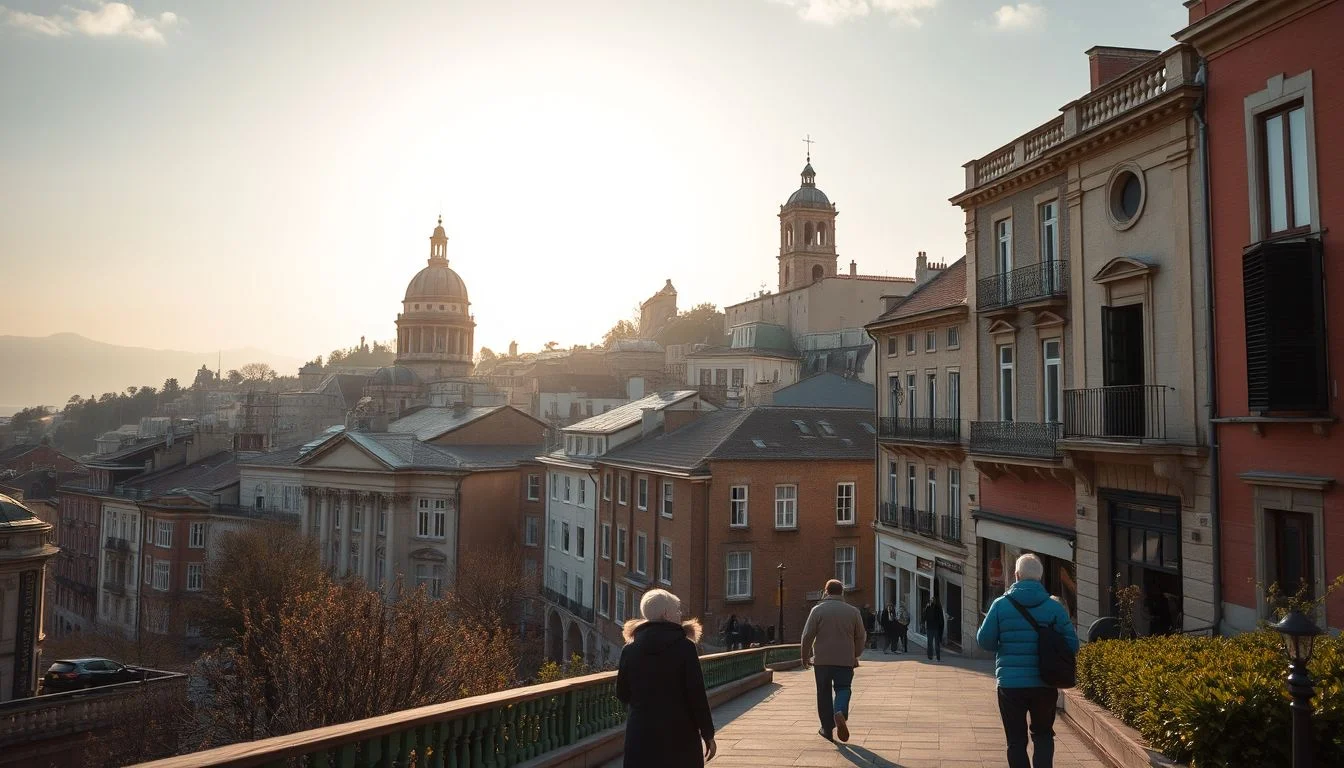

Tokyo can give a short-stay visitor three distinct free stops in one day: skyline views from the Tokyo Metropolitan Government Building, the shrine precinct at Meiji Jingu and Sensoji Temple in Asakusa. That combination sets the standard for free things to do in major cities, but it is not the only high-value option. London’s national museums, Sydney’s harbour walks and Barcelona’s beaches offer different ways to keep admission costs at zero.
This comparison is for budget travellers planning a city break or multi-day trip who want named sights, public spaces and museum opportunities without relying on vague “free tour” claims. It weighs the quality of a free day against practical limits: resident-only benefits, timed entry, special-exhibition charges, queues, seasonal programmes and booking fees. Use it to choose the city that matches your priorities, then check official schedules within seven days of travelling.
Quick answer: Tokyo is the strongest all-round choice for a free day, combining a free skyline, shrine culture and temple precincts. London is particularly strong for free general admission at major national museums, while New York City, Sydney, Barcelona, Rome, Berlin and Toronto offer valuable options with more specific scheduling, eligibility or seasonal limitations.
How these cities were chosen: free, useful and verifiable
This is a researched curation, not a ranking based on personal visits or hands-on testing. The aim is to identify cities where a budget traveller can build a worthwhile sightseeing day without relying on one exceptional free date or a resident-only benefit.
Each city was assessed against four criteria:
- Several named free experiences: a city needed more than one credible option, ideally including both a cultural attraction and an outdoor or public space.
- Short-break usefulness: the choices had to work for a first visit or a limited itinerary, rather than requiring specialist knowledge or long transfers.
- Practical clarity: the available information needed to make eligibility, reservations, queues, opening arrangements and possible charges understandable.
- Value for non-residents: permanent free general admission ranks more strongly than a single annual event, a narrow free period or a benefit restricted to local residents.
That last distinction matters. New York City’s official Department of Cultural Affairs listing separates free and suggested-admission institutions, while IDNYC museum benefits apply to eligible New York City residents rather than automatically to visitors. Similarly, Rome’s first-Sunday offers and Barcelona’s scheduled free museum periods can be excellent value, but they are less flexible than a permanently free public space.
Free walking tours and transport-saving ideas are supporting categories, not automatic reasons for a city to appear here. “Free” may still mean a tip is expected, a reservation is required or a special exhibition costs extra. Check each attraction’s official visitor information, current hours and admission rules within seven days of travelling; policies and seasonal programmes can change.
The eight best-value cities for free sightseeing
1. Tokyo: the strongest all-round free day
Standout reason: Tokyo combines a skyline, shrine precinct and temple district without relying on a single free museum slot. Start in Shinjuku at the Tokyo Metropolitan Government Building observation decks, which are reported to offer free city views and remain open late; check the official visitor page before travelling because hours and access arrangements can change.
Continue to Meiji Jingu, where the shrine precinct is free to enter, then travel to Asakusa for Sensoji and the surrounding temple streets. This suits first-time visitors and short stays particularly well: the day moves from a high-rise panorama to wooded shrine grounds and one of Tokyo’s most recognisable historic districts. Inner exhibitions and other special areas may charge, so confirm the boundary between the free precinct and paid facilities.
2. London: the best culture-first choice
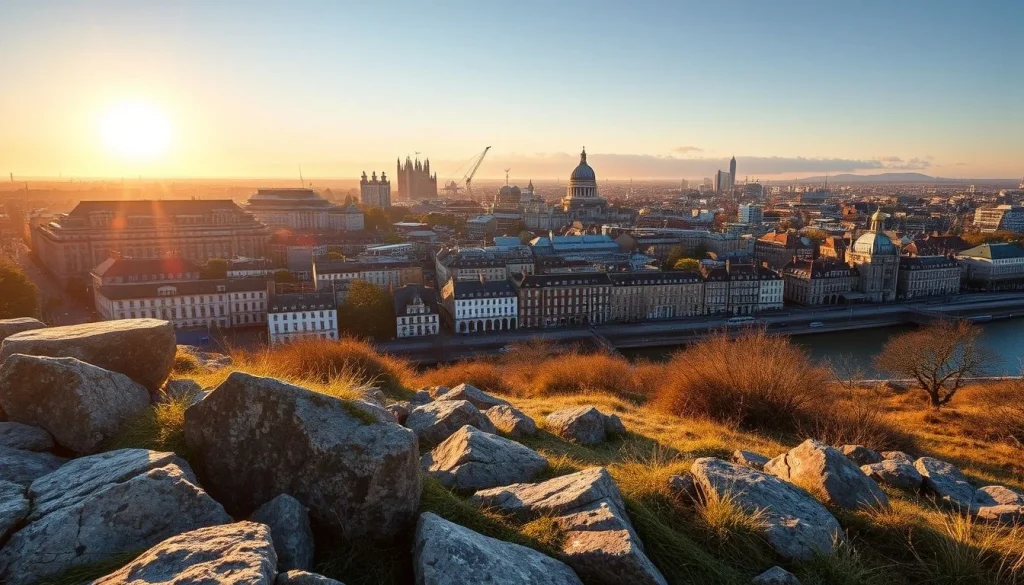
Standout reason: London’s major national museums give a budget traveller a dependable cultural framework. Pair the British Museum with the National Gallery, then leave time for a walk through a public park such as St James’s Park or Hyde Park.
This is the strongest pick for travellers who would rather spend a day with collections than viewpoints or beaches. General admission is described as free, but check each museum’s official visitor information for current hours, timed-entry arrangements and exhibition charges. A free general collection does not necessarily include a special exhibition, and advance booking may still be useful even when no admission fee applies.
3. New York City: the widest museum choice
Standout reason: New York City offers a broad mix of free and suggested-admission institutions, making it valuable for a stay of several days rather than a tightly packed one-day itinerary. The city’s Department of Cultural Affairs maintains an official list of participating museums and cultural institutions; the page was reported updated in July 2026, so recheck it before choosing your stops.
One practical route is MoMA PS1 in Long Island City followed by the Queens Museum in Flushing Meadows Corona Park. MoMA PS1 was reported as free to all visitors from 1 January 2026, but verify its current visitor information before travelling. Do not confuse visitor-wide offers with IDNYC benefits: the latter are for eligible New York City residents, not short-term visitors. Timed entry and special exhibitions can still create conditions or costs.
4. Sydney: outdoor sightseeing with a gallery fallback
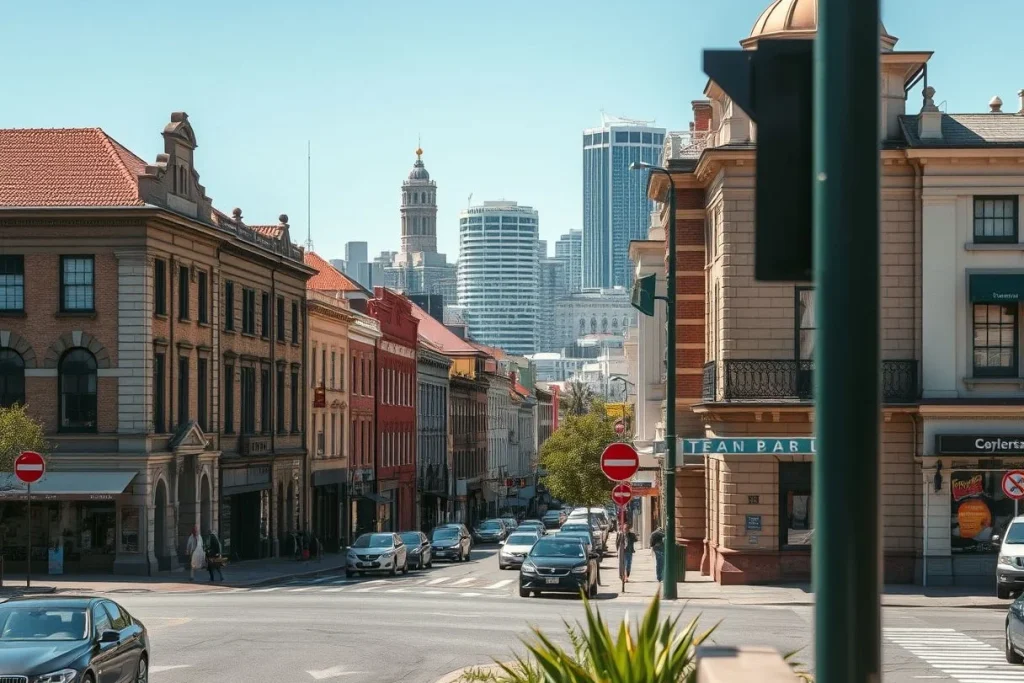
Standout reason: Sydney works well when the free day should stay mostly outdoors. Walk through the Royal Botanic Garden, follow harbour foreshore paths and choose a public beach for a change of scene; the Art Gallery of New South Wales provides a cultural alternative if the weather or energy level changes.
The combination suits travellers who want recognisable city scenery without building the day around admission times. Check the gallery’s current visitor information to separate free general access from paid special exhibitions, and confirm opening hours before setting out. Outdoor plans can also be affected by weather, heat or air quality, so check the relevant official updates on the day.
5. Barcelona: beach, boulevard and a timed museum visit
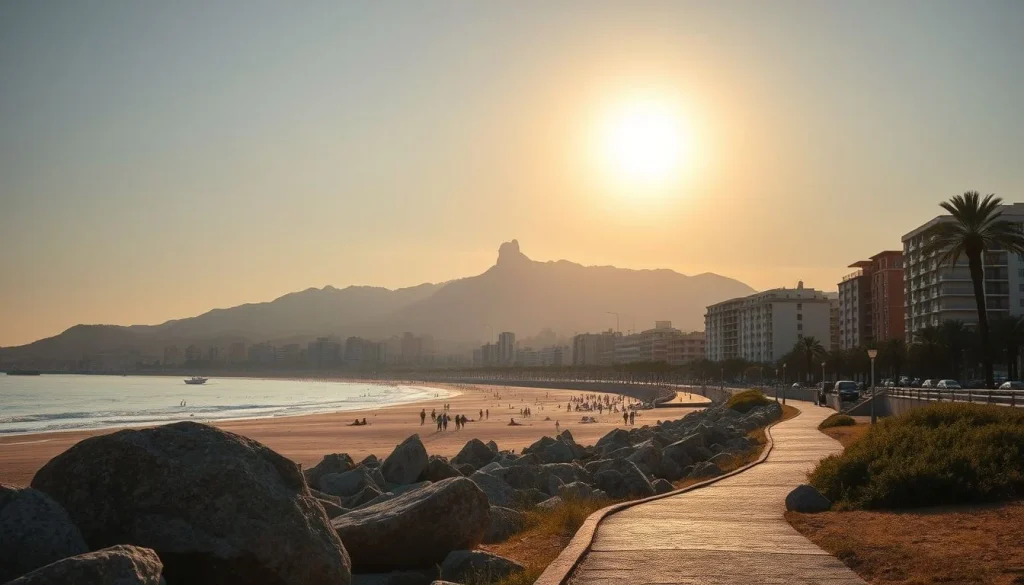
Standout reason: Barcelona makes it possible to combine public outdoor spaces with one carefully scheduled cultural stop. Walk along Barceloneta beach, continue towards La Rambla, then plan around the reported free Sunday-after-3pm admission period at Museu del Disseny.
This is best for travellers who enjoy an unstructured morning and can organise the afternoon around a specific museum slot. Barcelona tourism resources list selected museums with free Sunday-afternoon admission and other scheduled periods, but these offers are not universal or permanent. Check the museum’s own timetable and admission rules before travelling; central areas, especially La Rambla and Barceloneta, can also be crowded, so an early start gives the walk more breathing room.
6. Rome: a free museum day only if the date fits

Standout reason: Rome rewards date-led planning. On a confirmed first Sunday of the month, many Roma Capitale civic museums are reported to offer free admission; add Gianicolo Hill for a no-ticket viewpoint over the city.
Expect queues and possible capacity limits rather than a relaxed museum circuit. Some free-entry arrangements may still involve a booking fee or restrictions, so check the official museum information for the exact date and reservation process. The Vatican Museums are a separate, highly time-sensitive option: reported last-Sunday free access has limited hours and walk-in arrangements, and must be verified for the intended month. Do not treat it as an automatic alternative to the civic museums.
7. Berlin: history and open-air space
Standout reason: Berlin is particularly strong for free historical and outdoor experiences. Begin at the Memorial to the Murdered Jews of Europe, take time to understand the site rather than treating it as a photo stop, and continue through Berlin’s public parks or other outdoor memorial spaces.
This suits travellers who prefer a self-guided day and do not need a long indoor museum programme. The memorial’s open-air layout can be uneven and emotionally demanding; check accessibility information separately if mobility or sensory considerations matter. Museum free days and admission policies are not included here without current official sources, so consult each institution directly rather than assuming that a nearby museum is free.
8. Toronto: the seasonal family option
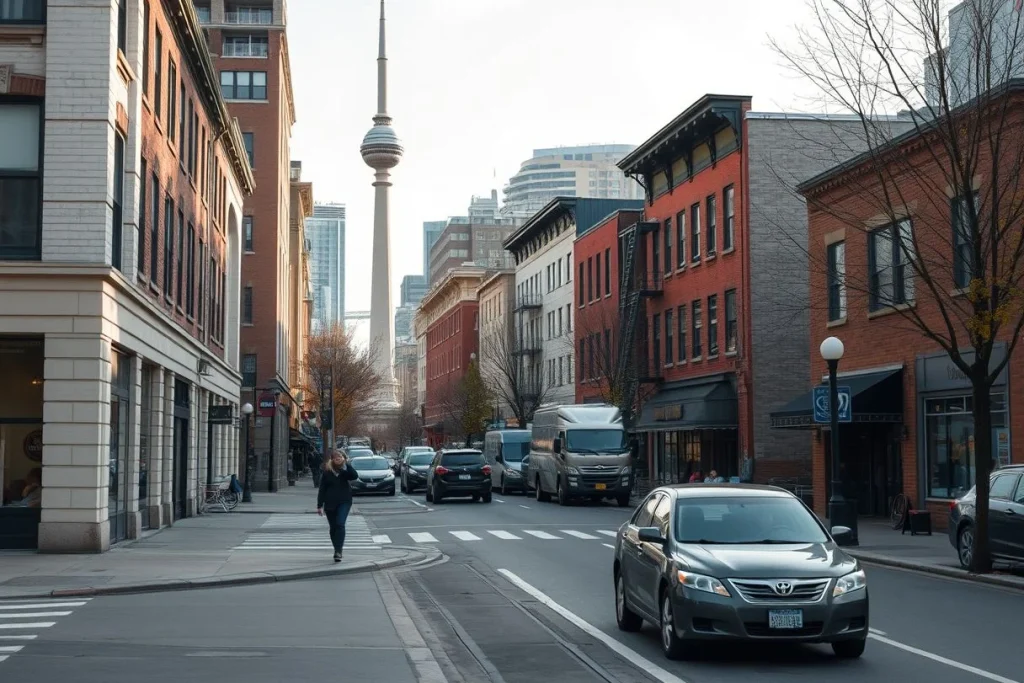
Standout reason: Toronto’s strongest free offers are programme-based rather than permanently available. Seasonal leisure swims, museum nights and other city activities can give families a low-cost day, while Toronto Islands offer an outdoor change of pace if the wider itinerary and transport arrangements suit.
The trade-off is planning uncertainty. Dates, eligibility and participating locations vary by programme, and community listings can have specific expiry windows; check the current city or programme listing before travelling. Weather-related cancellations are possible for outdoor activities, so keep an indoor public-space option available and confirm the schedule on the day.
Across all eight cities, the attraction may be free while the day is not: transport, food, advance booking fees and paid special exhibitions remain separate decisions. For a genuinely no-admission itinerary, build around two or three named places, check the official visitor pages within seven days of travel, and keep one nearby public park, promenade or viewpoint as a flexible fallback.
At a glance: which city gives you the best free day?
The quickest choice depends on the kind of free day you want. Tokyo gives a particularly complete route of skyline, shrine and temple visits; London is stronger for a museum-led itinerary; and Rome is excellent only if your dates match a free-admission Sunday. The table separates reliable general access from offers that depend on a date, season or eligibility.
| City | Strongest free experience | Culture/outdoors balance | Easiest for a one-day visit | Best for | Planning friction | Policy to verify |
|---|---|---|---|---|---|---|
| Tokyo | Tokyo Metropolitan Government Building observation decks, Meiji Jingu and Sensoji Temple | High | High | First-time visitors and short stays | Low to medium | Observation-deck hours and charges for inner shrine or temple areas; skyline access is reported as free by the Tokyo Tourism Guide. |
| London | British Museum, National Gallery and public parks | High | High | Museum-focused travellers | Low | General admission, timed entry and special exhibitions on each museum’s official visitor page |
| New York City | MoMA PS1, Queens Museum and other free or suggested-admission institutions | High | Medium | Travellers staying several days | Medium to high | Institution-level rules, timed entry and resident eligibility; start with the NYC Department of Cultural Affairs list. IDNYC benefits are for eligible New York City residents. |
| Sydney | Royal Botanic Garden, harbour foreshore walks, beaches and the Art Gallery of New South Wales general collection | High outdoors | High | Walkers and flexible itineraries | Low to medium | Gallery admission, opening hours and special-exhibition charges |
| Barcelona | Barceloneta beach, La Rambla and scheduled museum access | High | Medium | Outdoor sightseeing with one cultural stop | Medium | Free Sunday-afternoon slots and other museum schedules; check the current listings from Barcelona tourism resources. |
| Rome | Gianicolo Hill and civic museums on the first Sunday | Medium to high | Date-dependent | Travellers who can plan around a Sunday | High | First-Sunday rules, capacity and booking fees; Vatican Museums’ reported last-Sunday access is a separate policy to verify. |
| Berlin | Memorial to the Murdered Jews of Europe, outdoor memorials and parks | High outdoors | High | Historical and outdoor sightseeing | Low | Current museum free days and memorial access arrangements |
| Toronto | Seasonal leisure swims, museum free nights and city programming | Medium | Medium | Families and summer visitors | High | Programme dates, eligibility and weather cancellations; seasonal listings can expire, as noted by uniteTOlove. |
“Free” here means no general admission charge for the named experience, not a cost-free day. Transport, food, donations, tips, booking fees and paid special exhibitions can still apply. Check the official attraction or city page within seven days of travel, particularly for Rome’s Sunday access, Barcelona’s timed museum periods and Toronto’s seasonal programmes.
How to choose the right city for your travel style
Choose by the kind of free day you want
Tokyo is the most efficient choice for a first visit or a short stay. The Tokyo Metropolitan Government Building observation decks, Meiji Jingu and Sensoji Temple give you three distinct experiences—skyline, shrine and temple precincts—without relying on a museum schedule. Check the observation-deck hours and any charges for specific areas before setting out.
London suits travellers who would happily spend most of a day indoors. The British Museum and National Gallery offer a strong museum-focused route, with public parks providing an easy change of pace. For outdoor sightseeing, choose Sydney: the Royal Botanic Garden, harbour foreshore walks and public beaches work well when you want scenery rather than a sequence of galleries. Confirm current admission for the Art Gallery of New South Wales, as general collections and special exhibitions may follow different rules.
Barcelona is better for atmosphere than an entirely museum-led itinerary. Combine Barceloneta beach or La Rambla with one planned free museum period, such as the reported Sunday-afternoon slot at Museu del Disseny; the timing must be checked before travel. Rome rewards flexibility: target a confirmed first Sunday for eligible civic museums, then use Gianicolo Hill as an open-air viewpoint. Queues, capacity controls and possible booking fees make this a poor choice if every hour of a short trip is fixed.
Berlin is the clearest choice for history and reflective outdoor sites, particularly the Memorial to the Murdered Jews of Europe and public parks. Toronto fits families visiting during confirmed seasonal programming, such as free leisure swims or museum nights, but those activities vary by date and eligibility. New York City works best over several days, when you can compare individual museum policies rather than depend on one universal free pass.
Match the city to your travelling style
- Families: start with Tokyo, Sydney or Toronto. Outdoor space gives children room to move, while Toronto’s programmes can add a structured activity when dates and age rules suit.
- Solo travellers: choose London or New York if you like building a day around museums, or Berlin for self-paced memorials and parks. In New York, use the city’s official list of free and suggested-admission institutions rather than assuming a resident offer applies to visitors.
- Rainy-day planners: London and New York provide the strongest museum fallback. Treat “free” as institution-specific: New York’s Department of Cultural Affairs maintains the relevant list, while IDNYC benefits are for eligible New York City residents, not ordinary tourists.
- Accessibility-conscious travellers: check each museum, memorial and historic precinct directly before booking. Free admission does not confirm step-free access, accessible toilets, seating or an easy route between entrances.
- Peak-season visitors: prioritise places with several alternatives nearby. A crowded central Barcelona route or a full Roman Sunday can be replaced more easily when your plan includes an outdoor site and a museum option.
Keep the budget decision honest
Cluster sights by neighbourhood and walk between them where practical; use public transport only when it saves meaningful time or avoids an impractical crossing. No current fare data is supplied here, so do not buy a city pass on reputation alone: compare the official single fares, day tickets and pass conditions for your dates.
For shoulder-season savings, check city-specific climate information and live accommodation prices rather than assuming spring or autumn will always be cheaper. The best city is the one whose free attractions match your dates, weather tolerance and willingness to queue—not simply the one with the longest list.
How to plan a genuinely free sightseeing day
A free attraction can still produce a failed visit, a booking charge or an unexpected bill. Before building the day around it, run each stop through this checklist:
- Confirm what “free” covers. Check that the offer applies to general admission, not only an outdoor area or selected galleries. Special exhibitions may still charge separately. New York’s Department of Cultural Affairs list distinguishes free and suggested-admission institutions, but the individual venue’s visitor information remains the final reference.
- Check eligibility. A resident promotion is not automatically a tourist discount. For example, IDNYC museum benefits are for eligible New York City residents, not visitors who happen to be in the city.
- Look for a reservation requirement. Free entry can still require timed entry, a named ticket, limited capacity or a booking fee. Rome’s reported first-Sunday civic-museum arrangements can include restrictions or fees, so check the relevant museum or Roma Capitale page before travelling; third-party summaries such as this Rome guide are useful leads, not confirmation.
- Verify the practical schedule. Check opening hours, last entry, closure days and any free-entry window on the attraction’s official website. Save the page or confirmation on your phone in case reception is poor at the venue.
- Build around the forecast. For parks, beaches, viewpoints and outdoor memorials, check weather, heat and air-quality notices on the day. Outdoor programmes can be cancelled, while a museum makes a useful backup only if its admission and hours are confirmed.
- Check access before arrival. Historic museums, memorials and older sites may have steps, uneven surfaces or restricted routes. Look for the venue’s accessibility information and contact it directly if a lift, step-free entrance or seating is important.
- Treat “free walking tour” accurately. No compulsory admission price does not mean no expected gratuity. Use the operator’s current page for the meeting point, schedule, booking conditions and tipping guidance; do not rely on an old list or assume that a tour will run.
Conclusion: choose the free-day style that suits you
For the strongest all-round free day, choose Tokyo: combine the Tokyo Metropolitan Government Building observation decks with Meiji Jingu and Sensoji Temple, checking observation-deck hours and any charges for specific areas. London is the better choice for a museum-led city break, with the British Museum and National Gallery offering high-value free general admission. Choose Sydney or Barcelona when outdoor sightseeing matters most; their parks, waterfronts and beaches make admission costs easier to avoid, though Barcelona’s free museum periods are schedule-specific. Rome works best only when a confirmed first-Sunday civic-museum date fits your itinerary.
Your next step is practical: shortlist one city, cluster two or three named sights in the same area, then check every official opening schedule, free-entry condition and reservation rule within seven days of departure. Keep a small allowance for transport, food and optional exhibitions even on a free sightseeing day.
Frequently asked questions
Are free museum days in these cities genuinely free for international visitors?
Sometimes, but not automatically. Tokyo’s shrine precincts and the Tokyo Metropolitan Government Building observation decks are described as free, while Barcelona lists selected museums with scheduled free periods. Rome’s civic museums are reported to be free on many first Sundays, but rules can include restrictions. New York’s IDNYC benefits are for eligible New York City residents, not ordinary visitors; check each institution’s current visitor page before planning.
Do I need to reserve a ticket when general museum admission is free?
Possibly. Free admission does not guarantee walk-in access, a short queue or entry to a popular time slot. The supplied Rome guidance warns that some free-entry arrangements can involve booking fees or restrictions, and every city may set its own timed-entry rules. Check the museum’s official ticket page before travelling, and confirm whether a reservation is free or carries an administration fee.
Can I visit resident-only museums or use local identity-card benefits as a tourist?
Not unless you meet the stated eligibility requirements. New York’s IDNYC programme provides museum and cultural-institution benefits to eligible New York City residents, so a short-term visitor should not treat those benefits as a tourist discount. New York also publishes a separate official list of free and suggested-admission institutions. Use the institution’s visitor terms rather than presenting another form of identification and hoping it qualifies.
What is the best one-day free sightseeing plan for a first-time visitor?
Tokyo offers the clearest sourced combination: begin at Meiji Jingu, continue to Sensoji in Asakusa, then use the Tokyo Metropolitan Government Building observation decks for a free skyline view. The shrine precincts are described as free, and the observation decks are reported to stay open late, but check current hours and any area-specific charges. This plan suits a first visit because it combines religious architecture, neighbourhood atmosphere and a viewpoint.
Are tip-based walking tours actually free?
Usually, “free” means there is no compulsory upfront tour price, not that the guide expects nothing. The supplied research requires current operator schedules and clear tip-based pricing before recommending a tour, and those citations are not provided here. Check the operator’s official page for the meeting point, booking conditions and suggested gratuity; do not assume that a tour advertised as free has no expected payment.
Can a free museum visit still involve a charge for a special exhibition?
Yes. Free admission generally refers to the qualifying general collection or standard entry, not necessarily a temporary or special exhibition. The research specifically warns against presenting special exhibitions as free when only general admission is included. Before you visit, read the institution’s current ticket terms and check whether the free offer covers the exhibition, requires a timed reservation or excludes additional areas.