This article contains affiliate links. If you book through one of our links, we may earn a commission at no additional cost to you.
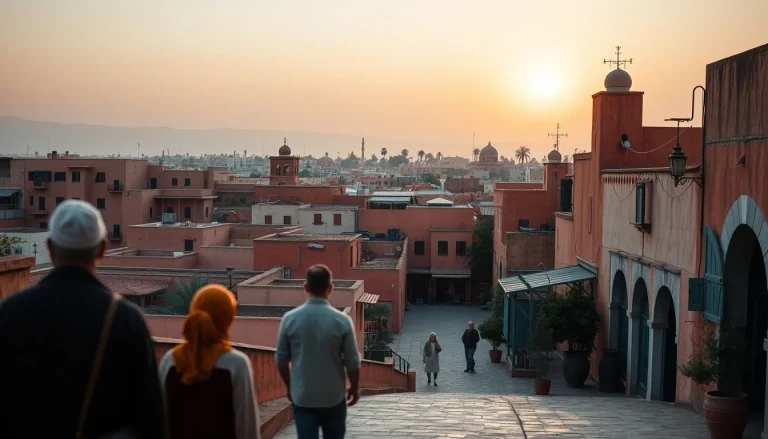
From the lantern-lit food stalls of Marrakech’s Jemaa el-Fna to the Atlantic wind of Essaouira and the dunes around Merzouga, Morocco changes character within a single journey. Imperial medinas, High Atlas valleys, coastal towns and Sahara-edge landscapes are close enough to combine, but not so close that every route makes sense.
This Morocco travel guide is for first-time international travellers planning an independent or semi-independent trip. It helps you choose the right regions, arrival airport, transport mix and accommodation style, then weighs the practical trade-offs: long desert transfers, summer heat, mountain conditions, cash needs, local etiquette and the difference between a seven-day highlights trip and a slower two-week route.
The key decision is not how to see all of Morocco, but which version of the country suits your dates and pace. Keep Marrakech, the coast, the mountains, the medinas and the Sahara as separate route choices before joining them into a realistic plan.
Quick answer: For most first-time visitors, 10 days gives the best balance between Marrakech, the High Atlas or Aït Benhaddou, the Sahara-edge region and Fes. Seven days is better kept to one corridor, while 14 days allows northern Morocco or the Atlantic coast to be added; spring and autumn are the strongest all-round seasons.
Why visit Morocco: medinas, mountains, coast and Sahara
Morocco rewards travellers who choose a contrast rather than trying to collect every landmark. In one country, Atlantic ports such as Essaouira meet imperial cities and walled medinas, the High Atlas rises behind Marrakech, and the landscape changes again towards Sahara-edge towns such as Merzouga. The Moroccan National Tourist Office outlines this broad geographical mix, but the practical lesson is simple: allow time for the roads between these settings.
A first trip can combine several kinds of travel. Spend unhurried mornings in Marrakech or Fes, follow a food trail through market stalls and family-run restaurants, walk in the Atlas around Imlil, or slow the pace on the Atlantic coast at Essaouira. A desert journey adds dunes and overnight camps, but it also means long overland transfers; it works better as part of a considered circuit than as a quick excursion.
That variety suits first-time visitors who want culture, food, walking and coastline in the same holiday, but not every combination is sensible in a week. Keep a short trip to one travel corridor, and use 10 or more days if you want to link a medina with the mountains and desert. Start by deciding which setting matters most—historic city, coast, mountain or Sahara—then choose destinations around it rather than crossing the country repeatedly.
Morocco regions and top destinations: choose your route by experience
Choose Morocco by the experience you want most, then add places that sit on the same corridor. The Moroccan National Tourist Office groups the country’s main draws around Atlantic destinations, imperial cities and medinas, the Atlas Mountains and Sahara-edge landscapes. That makes a Marrakech–Atlas–desert route quite different from a northern circuit through Tangier, Chefchaouen and Fes.
| Region | Best bases | Ideal traveller | Suggested minimum stay | Main trade-off |
|---|---|---|---|---|
| Central medina and souk | Marrakech, especially around Jemaa el-Fna | First-time visitors wanting an easy introduction, riads, souks and day trips | Two to three nights | More tourist traffic and persistent touts than smaller cities |
| Fes and the Middle Atlas | Fes, with Fes el-Bali; Meknès and Volubilis as an extension | Travellers prioritising historic streets, crafts, Roman archaeology and cultural depth | Two nights in Fes; three with Meknès and Volubilis | The medina is rewarding but confusing, with steep or uneven walking |
| Atlantic gateway | Casablanca and Rabat | Visitors who want a practical arrival, Hassan II Mosque and a calmer capital stop | One night in Casablanca; one to two in Rabat | Casablanca is useful rather than atmospheric, so it rarely merits a long stay |
| Northern Morocco | Tangier and Chefchaouen | Repeat visitors, ferry arrivals and travellers drawn to the Rif and blue-painted mountain town | Three to four nights | Adding the north to a Marrakech-and-Sahara trip creates long transfers |
| Atlantic coast | Essaouira | Seafood lovers, wind-sport visitors and anyone needing a slower coastal pause | Two nights | It works poorly as a quick detour if your route already includes the Sahara |
| Southern coast | Agadir and Taghazout | Beach holidays, surfing and travellers preferring resort-style accommodation | Three nights | Less suited to visitors seeking an old-medina atmosphere |
| High Atlas | Imlil, Ouirgane or Oukaïmeden | Hikers and visitors who want mountain villages, walking and cooler landscapes | Two to three nights | Road and mountain access need checking in winter; facilities are less extensive than in cities |
| Atlas-to-desert corridor | Aït Benhaddou and Ouarzazate | Travellers building an overland route from Marrakech towards the Sahara | One to two nights | Road days can be long, particularly when combined with a desert camp |
| Eastern Sahara edge | Merzouga and Erg Chebbi, with Rissani | First-time visitors who want dunes, a camel excursion and a desert camp | Two nights in the region | Merzouga involves a substantial overland journey; it is not a sensible add-on to every seven-day trip |
| Southern desert route | Zagora and the Erg Chigaga approach | Longer-route travellers seeking a more remote southern desert itinerary | Two to three nights | More time on the road and fewer convenient connections than the Merzouga route |
For a first Morocco trip, Marrakech is the simplest starting point: it combines a substantial medina with straightforward links towards the High Atlas, Aït Benhaddou and the coast. Fes is the stronger choice if the medina itself is the priority, while Essaouira suits a shorter, cooler Atlantic break.
Merzouga and Erg Chebbi offer the clearest classic desert experience, but the distance changes the shape of the itinerary. A seven-day plan should normally choose Marrakech with either the Atlas and Aït Benhaddou or a carefully organised desert circuit; northern Morocco is better reserved for 10–14 days, when Tangier, Chefchaouen, Fes and Meknès can be linked without turning the trip into a sequence of travel days.
Best time to visit Morocco: match the season to your route
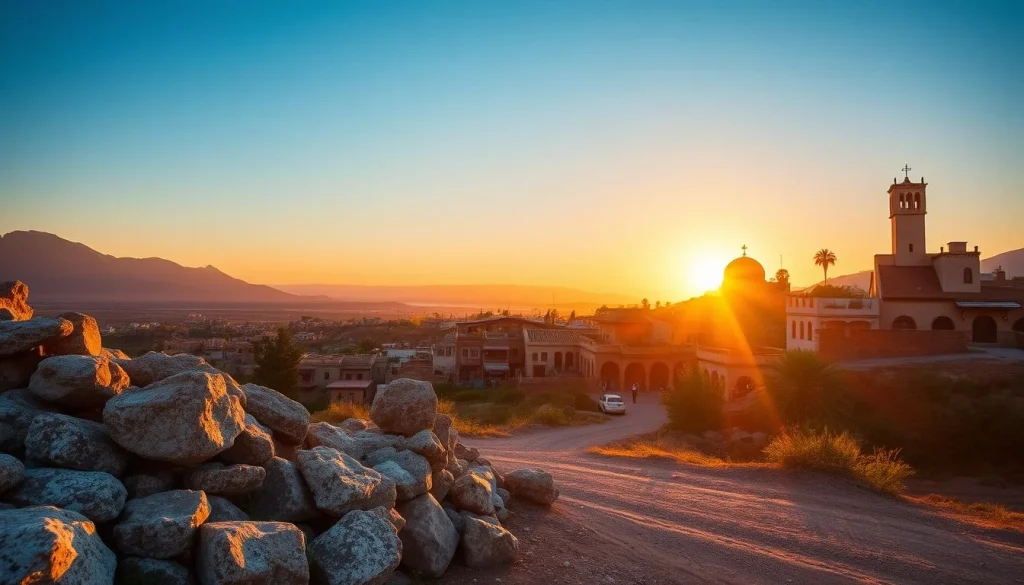
Dates should follow your route, not the other way round. For a first Morocco trip, spring and autumn are the strongest all-round windows: inland cities are more comfortable for walking, the Atlas is more practical for hiking, and the Sahara is less punishing than in midsummer. The Moroccan National Tourist Office also recommends checking current local conditions before travel.
| Season | Best suited to | Trade-offs to plan for |
|---|---|---|
| March–May | Marrakech, Fes, the High Atlas and a desert circuit | One of the strongest all-round periods; mountain conditions can still vary early in spring. |
| June–August | Essaouira, Agadir and Taghazout; coastal itineraries | Inland cities and the Sahara become very hot. June, July and August are peak months in the supplied destination data. |
| September–November | Medinas, mountain walks, Aït Benhaddou and Merzouga | Another reliable all-round window, although conditions change across the Atlas as autumn advances. |
| December–February | Atlantic coast, Marrakech and lower-elevation cities | Lowlands and the coast are milder, but snow can affect High Atlas access; December is identified as a peak month in the supplied data. |
The Atlantic coast is the sensible summer adjustment. Essaouira is cooler and breezier than Marrakech, while Agadir and Taghazout suit a beach or surf-focused stay. In winter, keep mountain plans flexible: snow in the High Atlas can affect trails and roads, so check local access and weather before booking a trek.
Ramadan can alter daytime dining, opening patterns and the rhythm of public life, while festivals follow their own calendars. Verify Ramadan and event dates for the year you intend to travel through the Moroccan National Tourist Office and local official sources. For current conditions and travel risks, consult the GOV.UK Morocco advice, updated 15 September 2026, before departure.
How to get to Morocco: choose an airport, train or ferry gateway
For most first-time visitors, choose the airport that matches your first region rather than automatically flying into Casablanca. Morocco’s principal international gateways are Casablanca Mohammed V, Marrakech Menara, Tangier Ibn Battouta, Agadir Al Massira and Rabat–Salé, according to the Moroccan National Tourist Office.
Casablanca Mohammed V is the broadest gateway and a practical choice for an itinerary beginning in Casablanca, Rabat, Fes or northern Morocco. It also places Hassan II Mosque within reach of your arrival plan. From Casablanca, ONCF’s Al Boraq service connects Casablanca with Rabat and Tangier, so the airport works well when you want to continue towards the capital or the north rather than spend several days in Casablanca.
Marrakech Menara is usually the more convenient start for a first Morocco trip focused on the medina, Jemaa el-Fna, the High Atlas, Aït Benhaddou or the Sahara route. Tangier Ibn Battouta makes more sense for Tangier, Chefchaouen and the Rif, while Agadir Al Massira is the logical arrival point for Agadir, Taghazout and the southern Atlantic coast. Rabat–Salé suits a capital-city start, especially when paired with Casablanca or northern Morocco.
On arrival, allow time for immigration and baggage collection before arranging cash and a local SIM. Use an authorised airport taxi or a pre-booked transfer, particularly if your accommodation is inside a medina where cars cannot reach the door; confirm the meeting point and final walking section in advance. Travellers coming from Spain can also consider Baleària’s Algeciras–Tangier Med ferry; schedules vary seasonally. Check airline routes, ferry sailings and ONCF connections immediately before booking, then confirm the onward rail or road plan after your arrival.
How to get around Morocco: trains, coaches, taxis and desert transfers
Morocco is easiest to navigate when you combine transport types rather than forcing one network to cover the whole country. Use rail for the main northern and central corridor, coaches for places beyond the tracks, and a pre-arranged driver or excursion for the Atlas and Sahara.
Choose transport by route
ONCF trains are the most predictable choice between Tangier, Rabat and Casablanca: Al Boraq serves this high-speed corridor, while conventional services continue towards Marrakech, Fes and Meknès. Buy tickets and check current departures through ONCF or its booking platform. Rail works particularly well for a first Morocco trip because stations are easier to understand than medina road access, but it does not reach Chefchaouen, Essaouira or the desert.
CTM and Supratours coaches fill those gaps. They are useful for Essaouira, Chefchaouen and other destinations outside the rail network; Supratours is also associated with onward desert routes. Coaches can take longer and are more exposed to road conditions, so check the operator’s schedule rather than relying on an old timetable.
| Route type | Practical choice | Time-planning reality |
|---|---|---|
| Tangier–Rabat–Casablanca | Al Boraq | Plan around a published train departure |
| City to Marrakech, Fes or Meknès | ONCF conventional train | Check the live timetable and allow station-transfer time |
| Essaouira, Chefchaouen or other non-rail destinations | CTM or Supratours | Reserve space in the day for a road journey and possible delays |
| Marrakech–Aït Benhaddou–Ouarzazate–Merzouga | Private driver or organised circuit | Several long road legs; avoid adding a second major activity each day |
Within cities, petit taxis are the practical option for short trips; agree the destination and confirm the fare or meter before setting off. Grand taxis serve longer journeys between nearby towns, but they offer less space and a less formal booking experience. For families, luggage-heavy travellers or anyone connecting remote stops, a private driver buys flexibility and door-to-door transfers. The trade-off is cost; a rental car is cheaper only if you are comfortable with navigation, parking and mountain roads.
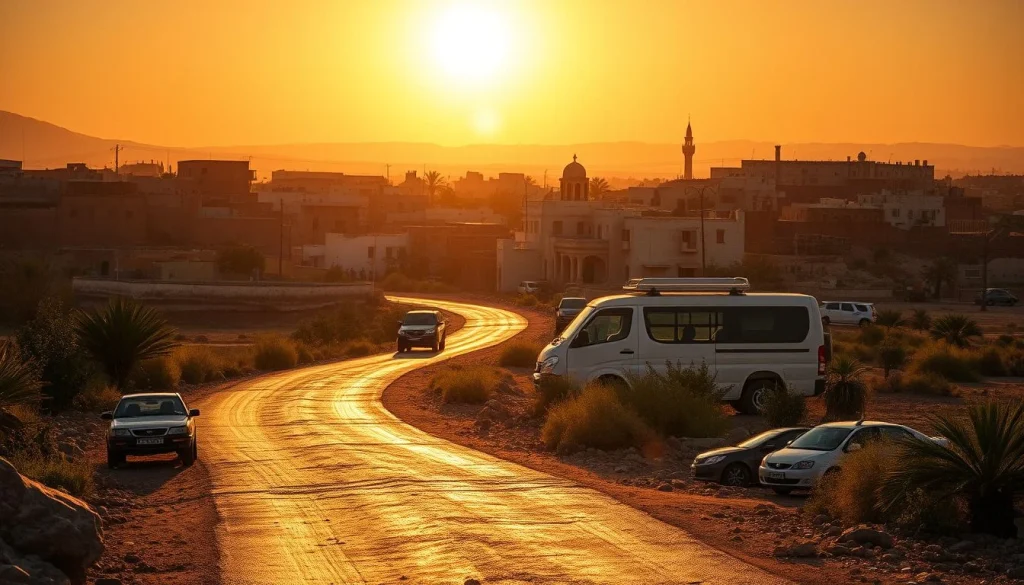
Desert excursions involve long overland travel, remote stretches and weaker mobile coverage. Confirm what is included, where the vehicle meets you and whether the route reaches Merzouga and Erg Chebbi or takes the longer Zagora–Erg Chigaga approach. Check ONCF, CTM, Supratours and excursion schedules immediately before departure.
Where to stay in Morocco: riads, hotels and desert camps by traveller type
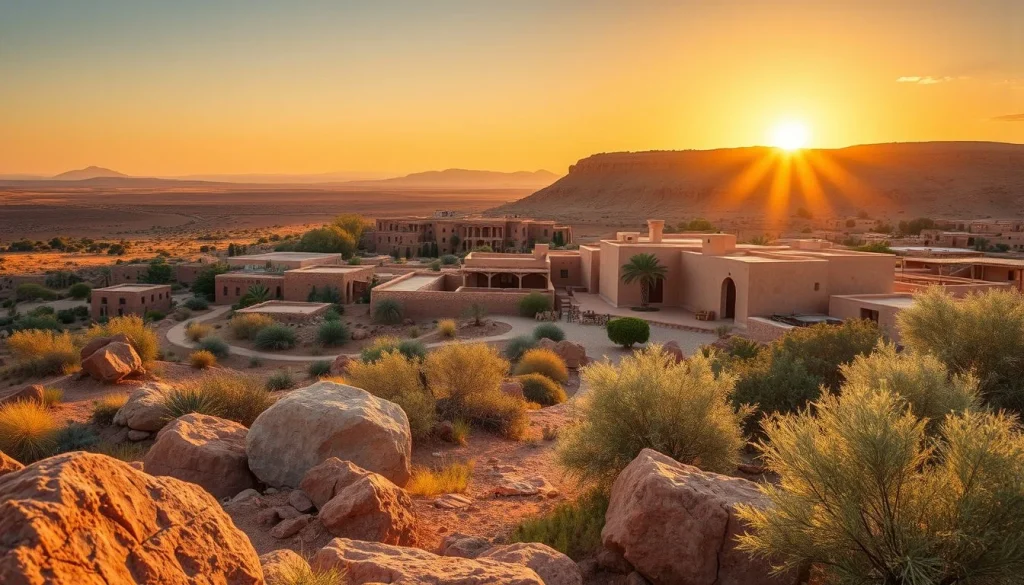
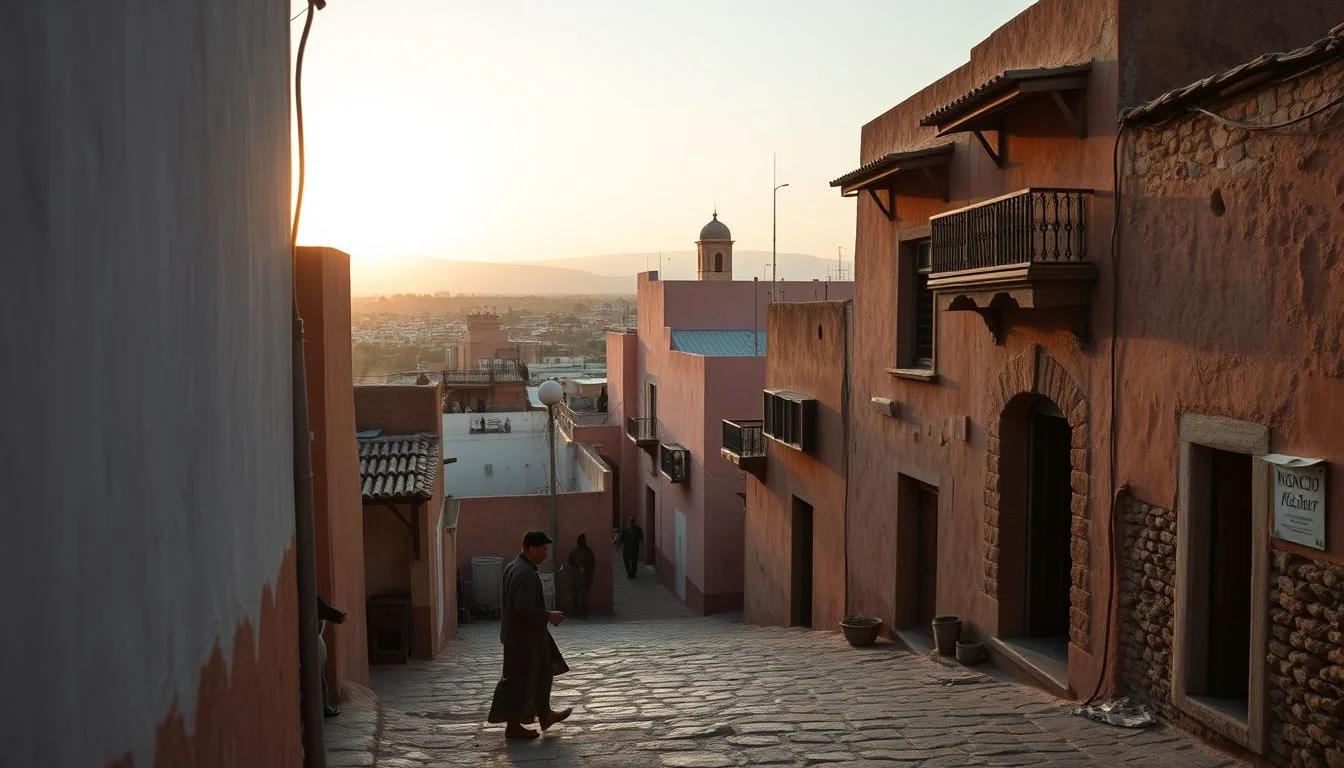
For a first Morocco trip, choose accommodation around the shape of your route rather than treating every property as interchangeable. A riad in or beside a medina gives you courtyards, traditional architecture and quick access to souks, but Fes el-Bali and Marrakech’s medina have narrow alleys, stairs and limited accessibility. Ask the property where a taxi can stop, whether staff can carry luggage and how far the walk is to the entrance before booking.
Culture-focused first-time travellers should look for a riad near a practical medina gate in Marrakech or Fes, with recent independent reviews and clear check-in instructions. Families, travellers with heavy luggage and anyone prioritising easy arrivals may find a modern hotel in the newer parts of Marrakech or Fes more comfortable. Casablanca and Rabat also work well for straightforward hotel stays, particularly around an arrival or departure.
For the Atlantic, choose Essaouira for a walkable coastal base, seafood and a cooler summer feel, or Agadir for resort facilities and a more conventional beach holiday. Taghazout suits travellers focused on surfing and a smaller coastal setting. Check whether your guesthouse has reliable luggage storage and how far it is from the main road, since local access can be less direct than a map suggests.
Hikers can stay in Imlil for direct access to High Atlas trails, while Ouirgane offers a quieter mountain base. Desert nights need more planning: book a Merzouga stay if Erg Chebbi dunes are the priority, or use Zagora for the longer route towards Erg Chigaga. Confirm the transfer meeting point, luggage arrangements, bathroom facilities and whether the camp is reached by vehicle or on foot. The Moroccan National Tourist Office’s accommodation guidance is a useful starting point for comparing riads, hotels and camps.
Best things to do in Morocco: signature experiences by region
Imperial cities and the north
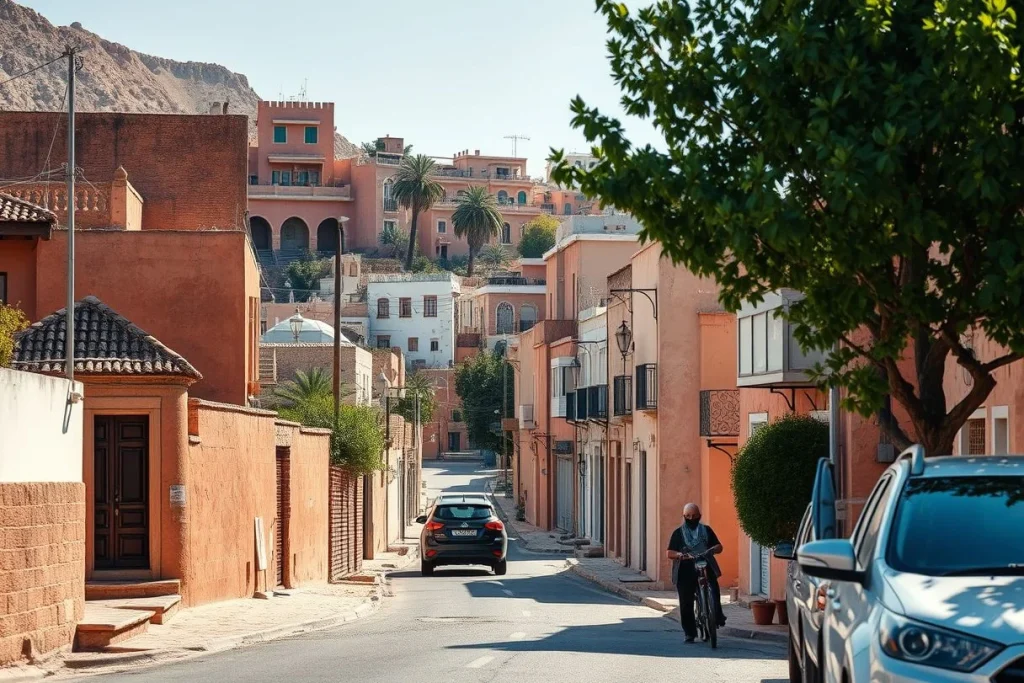
In Marrakech, allow time to walk the medina and souks, then see Jemaa el-Fna at different points in the day. This is an easy independent sightseeing choice, although a licensed guide can make the maze of craft workshops and lanes less tiring on a first visit. For a quieter historical contrast, visit Hassan II Mosque in Casablanca, particularly if you are using the city as an arrival or departure point.
Fes el-Bali deserves a dedicated half-day or more if traditional crafts and historic streets are central to your trip. A guide is useful here for orientation and context; avoid anyone who approaches you offering unsolicited guiding, and follow current government advice on scams and street crime. The Moroccan National Tourist Office’s destination information is a sensible place to cross-check official visitor guidance.
From Fes, pair Meknès with the Roman ruins of Volubilis. In northern Morocco, combine Tangier with Chefchaouen if you want a city-and-mountain route rather than another imperial-medina circuit. Build in extra road time for the Rif and check current transport arrangements before committing to tight connections.
Mountains and the southern route
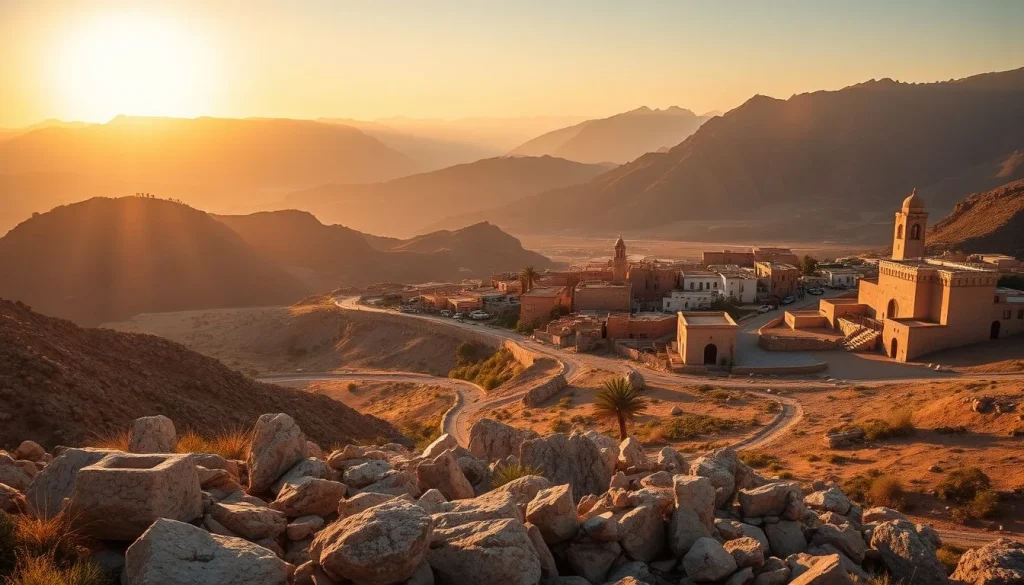
Imlil and the wider High Atlas suit travellers who want walking rather than a succession of city visits. Use a local mountain guide for longer or unfamiliar hikes, and check snow, road access and weather before setting out: winter conditions can close or complicate mountain routes, while summer heat changes the sensible start time.
On a Marrakech-to-desert journey, Aït Benhaddou and Ouarzazate provide worthwhile stops before the longer transfer towards Merzouga. The road is part of the experience, but it also makes this a poor choice for a rushed seven-day plan. In the Sahara-edge region, choose Erg Chebbi around Merzouga for dunes, camel excursions and a desert camp; the Erg Chigaga approach via Zagora suits a longer overland itinerary. Desert trips involve long drives, remote stretches and weaker mobile coverage, so confirm the route, vehicle and meeting arrangements in advance.
Atlantic coast and wind sports
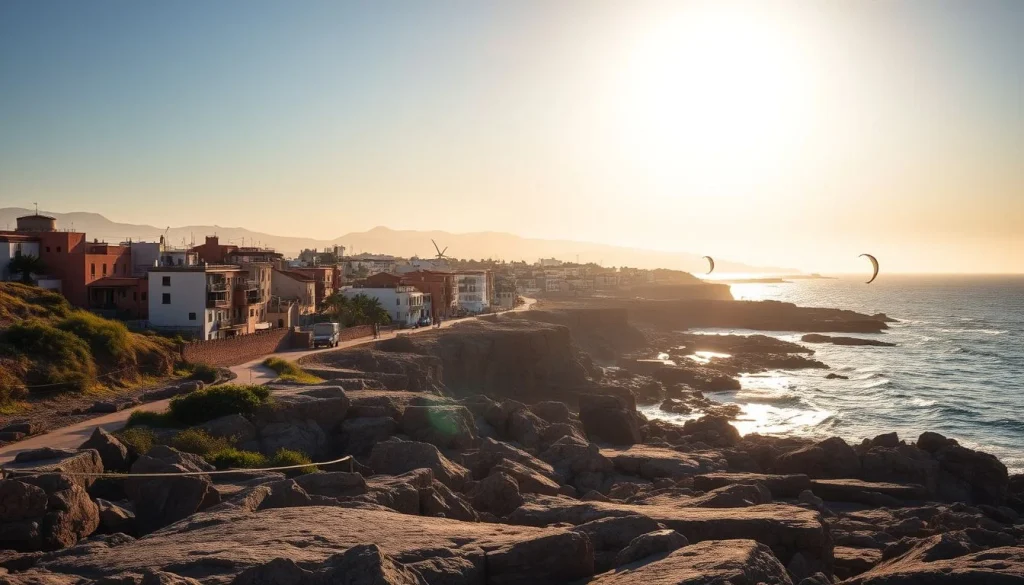
Essaouira is the most versatile coastal addition: combine its medina and seafront with a slower day by the Atlantic. For beach time and surfing, choose Agadir or Taghazout; book a qualified instructor for water sports rather than treating the coast as a purely self-guided activity. Summer is generally more manageable on the Atlantic coast than inland, but conditions and seasonal services still need checking before travel, as the Moroccan National Tourist Office notes in its general destination guidance.
What to eat in Morocco: dishes and the best places to try them
Food is another way to read Morocco’s regional differences. Start with tagine, the slow-cooked dish served in a conical pot, and couscous, often presented as a generous shared platter. In Fes and Marrakech, look for pastilla—a crisp pastry traditionally combining savoury filling with sweet spices—while harira, a tomato, pulse and herb soup, is especially welcome after a long day of sightseeing.
For a casual meal, try brochettes from a busy medina or market stall, with zaalouk—cooked aubergine and tomato salad—as a side. In the morning, riad breakfasts commonly make a good setting for msemen, the flaky folded pancake, alongside mint tea. Fresh juices are easy to find around market areas; in Jemaa el-Fna, choose a stall with steady local custom and ask what is in the glass before ordering.
Essaouira and Agadir are natural places to choose seafood, particularly in a simple coastal restaurant or market area. Ask about the day’s catch and any preserved ingredients if you are sensitive to strong, salty or sweet-savoury flavours. The same question is useful for tagines and pastilla, where seasoning and fillings vary.
Moroccan meals are often shared, so wait for the host or group to indicate where to begin and use your right hand when eating from a communal dish. Bargaining is normal in souks, while modest dress and respect for religious customs are recommended by the Moroccan National Tourist Office, particularly during Ramadan, when meal times and daytime dining arrangements may differ.
Morocco travel costs: budget, mid-range and luxury daily estimates
Morocco travel costs vary most with accommodation, season and how you handle long desert transfers. The estimates below are per person per day and are planning guides rather than fixed prices; international flights are not included.
| Estimated costs | Daily budget | Typically covers |
|---|---|---|
| Budget | USD 30–50 about MAD 300–550 | Budget accommodation, street food and local buses |
| Mid-range | USD 80–150 about MAD 700–1,500 | 3- to 4-star hotels or riads, taxis and guided day tours |
| Luxury | From several hundred USD | Premium riads, private drivers and luxury desert camps |
Basis and dates: the budget estimate uses Budget Your Trip data retrieved in September 2026; the mid-range estimate reflects November 2025 guidance and 2026 travel reports; the luxury figure draws on 2025–2026 accommodation and tour examples. Seasonal variation is substantial.
These figures do not automatically cover international flights, and a private desert journey can change the daily average sharply because it combines transport, guiding and accommodation. Peak-season rooms may also cost more than these broad ranges suggest. Alcohol is not assumed in the estimates, so include it separately if you plan to drink.
Morocco uses the Moroccan dirham (MAD). Cash remains important for many small transactions, so budget for some MAD rather than relying entirely on cards. ATMs, card acceptance, withdrawal limits and bank fees vary; check with your card issuer and accommodation before departure, and confirm the current exchange rate rather than treating the approximate conversions above as fixed.
For live accommodation, tour and transport prices, compare the dates and route you actually intend to book. The Moroccan National Tourist Office’s useful information and its accommodation guidance are sensible starting points.
| Item | Budget | Mid-range | Luxury |
|---|---|---|---|
| Budget trip | Approximately USD 30–50 per person per day | — | — |
| Mid-range trip | — | Approximately USD 80–150 per person per day | — |
| Luxury trip | — | — | From several hundred USD per day |
Estimated ranges based on the sources listed below. Prices change; check with providers before booking.
Sample Morocco routes: realistic 7-, 10- and 14-day itineraries
For a first Morocco trip, the 10-day route is the most balanced: it connects Marrakech, the High Atlas or Aït Benhaddou, the Sahara-edge region and Fes without requiring every day to be a transfer. Seven days works better along one corridor; 14 days lets you add northern cities or the Atlantic coast at a calmer pace.
| Route | Arrival and departure | Transport and bases | Best for |
|---|---|---|---|
| 7 days | Marrakech Menara; return from Marrakech | Three nights Marrakech, two Essaouira or High Atlas, one final Marrakech night; train or pre-booked road transfers | First-timers who want atmosphere without spending half the trip on the road |
| 10 days | Marrakech Menara; depart Fes or Casablanca | Three Marrakech, two Atlas or Aït Benhaddou, two Merzouga, two Fes, one flexible night | The strongest first-trip balance of cities, mountains and desert |
| 14 days | Casablanca or Marrakech; depart Tangier or Casablanca | Slower overland circuit including Marrakech, Merzouga, Fes, Meknès, Rabat, Chefchaouen and Tangier | Travellers who want imperial cities and northern Morocco as well as the Sahara |
These are planning frameworks rather than fixed timetables. Check current train and coach departures with ONCF and its booking site before committing to a connection; Al Boraq links Tangier, Rabat and Casablanca, while the desert sections require road transport.
Seven days: choose the city-and-coast corridor
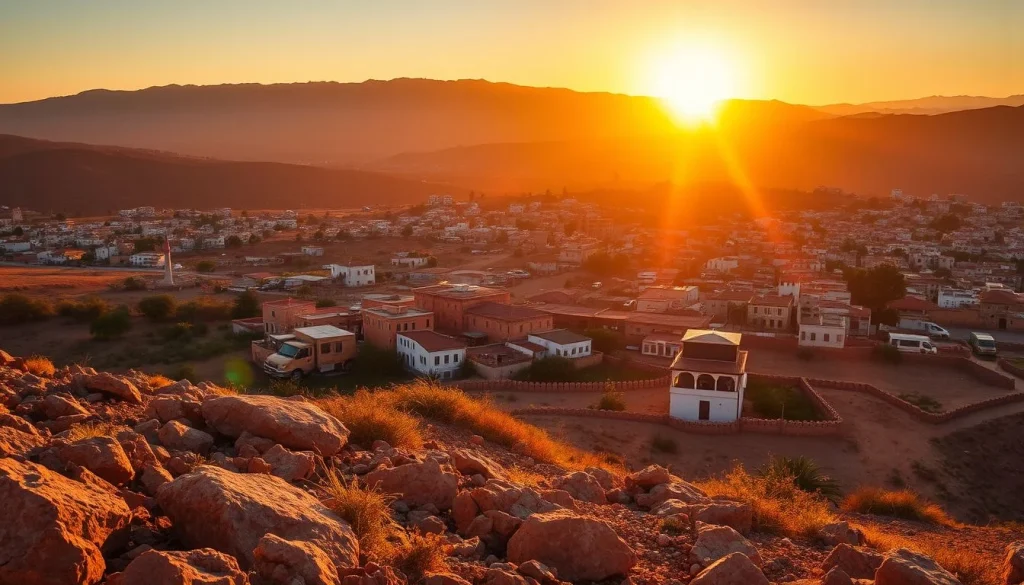
Spend nights one to three in Marrakech, with time for Fes el-Bali-style medina wandering replaced here by the souks, Jemaa el-Fna and a deliberately unhurried riad morning. Use days four and five for Essaouira, travelling by coach or arranged road transfer, then return to Marrakech for a final night before flying out. Essaouira suits a first visit that values seafood, Atlantic air and a cooler coastal setting; substitute Imlil or Ouirgane if hiking matters more.
A Sahara loop from Marrakech is possible, but it means long road days through Aït Benhaddou and Ouarzazate before Merzouga, followed by another lengthy return or onward transfer. Choose it only if dunes and a desert camp matter more than time in Marrakech. Keep one protected afternoon free in Essaouira or Marrakech, and if road conditions or schedules change, cut the mountain stop rather than the overnight rest.
Ten days: the recommended first route
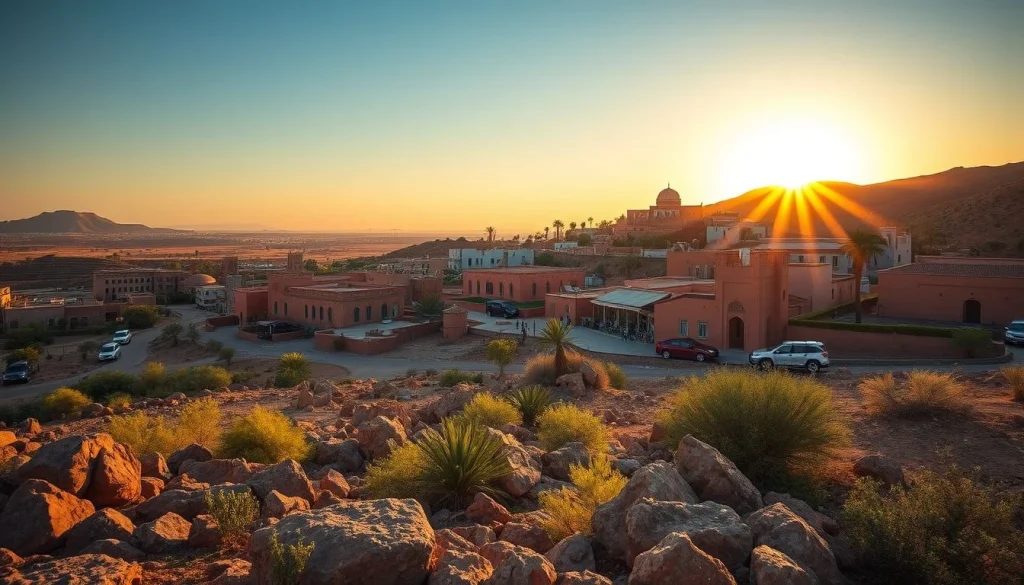
Arrive at Marrakech Menara and stay three nights. Travel overland for two nights around the High Atlas and Aït Benhaddou, then continue to Merzouga for two nights: one for the journey in, one for Erg Chebbi and the camp experience. Continue to Fes for two nights, leaving one flexible night where the route needs it; depart from Fes if flights suit, or use rail towards Casablanca.
This plan puts the Sahara in context rather than treating it as a quick excursion. Protect the day after arrival in Marrakech from scheduled tours, and cut the overnight Atlas stop—not Merzouga or Fes—if a road transfer becomes impractical. A private driver or organised multi-day desert tour reduces planning, while shared coaches cost less but give you less control over rest stops and timing.
Fourteen days: add the north at a slower pace
Allow three nights in Marrakech, two around Aït Benhaddou or Ouarzazate, two in Merzouga and two in Fes. Add one night for Meknès and Volubilis, one in Rabat, then two in Chefchaouen and one in Tangier before departure. This sequence is road-heavy in the south, then becomes easier by rail between the northern cities; Al Boraq is the logical option for the Tangier–Rabat–Casablanca corridor.
Use the Rabat night as the protected reset period, not another sightseeing sprint. If a connection changes, remove Volubilis or shorten the northern detour first. Keep the medina towns as overnight bases rather than day-trip boxes to tick: narrow lanes, stairs and slower transfers make an ambitious 14-day route feel fuller than a compressed seven-day one.
Morocco entry requirements and safety: official checks before you book
Make entry and safety checks the final step before paying for flights. Many nationalities can visit Morocco visa-free for tourism for up to 90 days, but eligibility depends on nationality. Check the Moroccan National Tourist Office formalities page (checked 20 September 2026), your government’s advice and the airline’s requirements.
Some nationalities can apply through Acces-Maroc; its supplied conditions state that e-visa applications accept ordinary passports only. Passport-validity rules vary by nationality and authority. GOV.UK’s Morocco advice, updated 15 September 2026, cites at least three months’ validity beyond arrival, but verify the rule for your passport with your government and airline before departure.
- Health: routine vaccinations are recommended, and most travellers do not have additional legally required vaccinations according to the Moroccan National Tourist Office’s useful information (checked 20 September 2026). Check current medical advice for your itinerary, and ask locally about tap water; use bottled water where local guidance advises it.
- Personal safety: read the GOV.UK Morocco advice, updated 15 September 2026, and the US State Department Morocco advisory (checked 20 September 2026). These sources warn about terrorism, protests, street crime and scams.
- On the ground: avoid demonstrations, unofficial guides and isolated streets after dark. Keep valuables discreet, agree taxi arrangements before setting off, and treat persistent directions or unsolicited help in medinas cautiously.
- Local customs: modest dress and respect for religious customs are recommended, particularly in conservative areas and during Ramadan. Bargaining is normal in souks, but keep it courteous and agree the price before accepting a service.
This is a pre-departure checklist, not a substitute for official advice: recheck the linked pages immediately before travel, especially if your nationality, passport type or dates change.
Morocco travel tips for a smoother first trip
A few small choices make a first Morocco trip much easier: carry cash, keep your route flexible around long transfers, and remove uncertainty before accepting transport or guiding services.
Money and cards
- Carry Moroccan dirham (MAD) in small notes. Cash remains important for many small local transactions, so do not rely on a card for every tea, taxi or market purchase; use a bank or reputable ATM and check your card issuer’s fees.
SIMs and coverage
- Compare Maroc Telecom, Orange Morocco and Inwi. Check current tourist-SIM or eSIM terms and coverage before choosing; remote desert areas can have weaker mobile service, so download maps, booking details and key addresses in advance.
Taxis and navigation
- Agree the fare before departure, or ask for the meter where it applies. For a medina arrival, ask your accommodation for the correct gate and a meeting point: cars often cannot reach narrow lanes, and unofficial guides may approach visitors nearby.
Souk bargaining
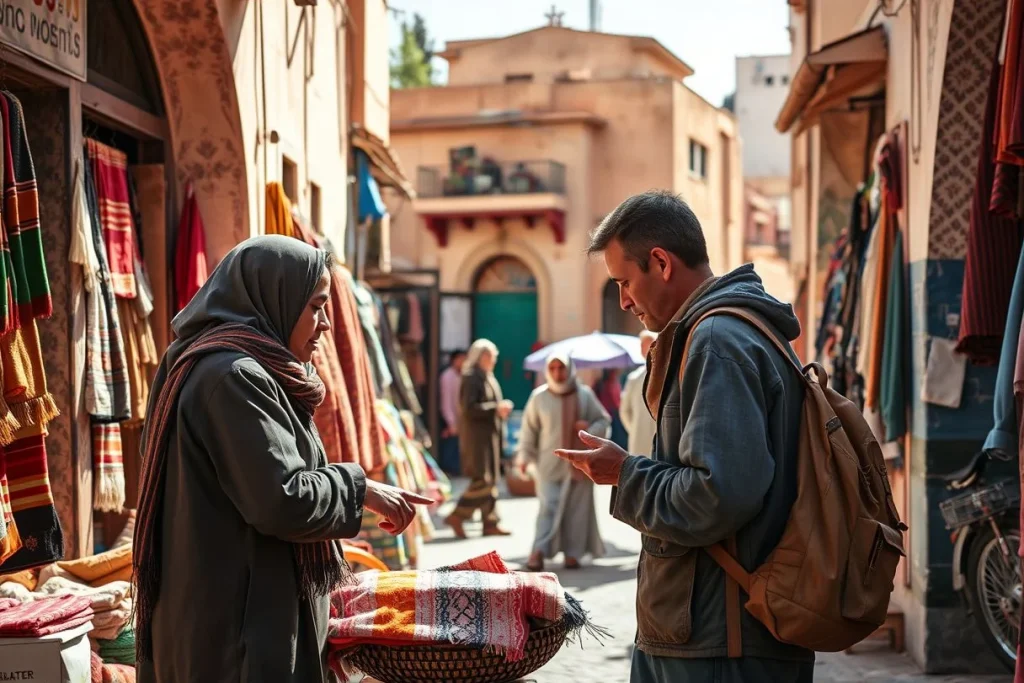
- Set a friendly ceiling and walk away politely if the price does not suit. Bargaining is normal, but agree the final price before accepting a service, taking a taxi or allowing an item to be wrapped.
Dress and religious etiquette
- Pack modest, breathable clothing. Cover shoulders and knees in conservative areas, and be particularly considerate during Ramadan, when routines and public behaviour may differ; check dates and local guidance for your travel year.
Water and health
- Follow local advice on tap water and use bottled water where advised. Bring sun protection, rehydration supplies and any regular medication, and check current health guidance and routine-vaccination advice before departure through an official source such as the Moroccan National Tourist Office.
Luggage and changing terrain
- Use a manageable bag rather than a large wheeled case. Medina alleys, stairs in riads, uneven paving and desert camps can make luggage awkward; layers and sturdy footwear work for cool evenings, sunny cities and changing mountain conditions.
Awareness and last-minute checks
- Avoid demonstrations, isolated streets after dark and unofficial guides. Government advice warns about protests, street crime, scams and terrorism risk; read the GOV.UK Morocco advice, updated 15 September 2026, and follow local instructions.
- Recheck logistics just before leaving. Confirm road conditions, High Atlas snow, attraction opening hours, Ramadan or festival changes and desert-transfer details with official operators and your accommodation.
Conclusion: choose one corridor, then build your Morocco trip
For most first-time visitors, 10 days is the most workable balance: enough time for Marrakech, the High Atlas or Aït Benhaddou, a Sahara-edge stop and Fes without turning every day into a transfer. With seven days, keep the route focused on Marrakech and the coast or Atlas; with 14, add northern Morocco or the Atlantic coast at a slower pace.
Start by choosing your season and arrival airport, then select one corridor rather than trying to cover the whole country. Check Morocco’s official entry formalities and current safety advice, choose accommodation, and reserve long rail journeys, airport transfers and any desert transport. That sequence gives you a practical Morocco travel guide in miniature—and a trip shaped around time you can actually spend in each place.
Frequently asked questions
What language is most useful for travellers in Morocco?
Morocco’s listed languages are Arabic and Standard Moroccan Tamazight. The supplied official tourism information does not establish which additional language is most widely understood by travellers, so arrange key bookings and addresses in writing and check with your accommodation if you need language support.
Is Morocco suitable for a first trip with children?
It can be, but choose a simpler route and allow more time for transfers. Morocco combines cities, coast, mountains and desert, while medinas and riads may have narrow alleys and stairs; check accommodation accessibility carefully, and review current health guidance before departure.
Do I need a guide to explore the medinas?
A guide is not identified as a general entry requirement in the supplied guidance. If you hire help, avoid unofficial guides: government travel advice warns about scams, and you should follow current local and embassy guidance. Bargaining in souks is normal, so agree any arrangement and price before starting.
What type of electrical plug is used in Morocco?
The supplied Morocco tourism and travel-advice sources do not specify the country’s electrical plug type. Check the official tourism information or ask your accommodation before departure, particularly if you are bringing several chargers or medical equipment.
How physically demanding are Atlas Mountain and desert excursions?
Demand varies by itinerary. Atlas trips can involve hiking and mountain-village terrain, while desert excursions include long overland journeys; remote areas may have weaker mobile coverage. Check the route, walking duration, vehicle arrangements and seasonal conditions in advance, especially because winter can bring snow in the High Atlas and summer heat can be extreme inland and in the Sahara.
Can I combine Morocco with a trip to Spain by ferry?
Yes. Baleària operates crossings between Algeciras and Tangier Med, although schedules vary seasonally. Check the current sailing timetable and Morocco’s entry requirements before booking; many nationalities can visit visa-free for tourism for up to 90 days, but eligibility depends on nationality and should be confirmed with the [Moroccan National Tourist Office](https://www.visitmorocco.com/en/formalities), Acces-Maroc and your government.