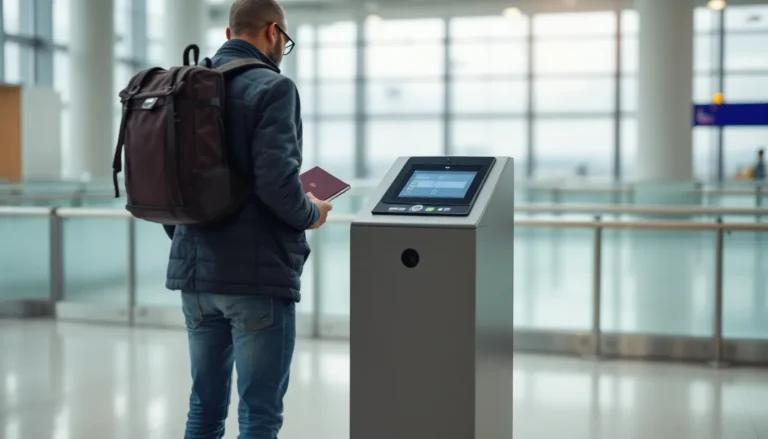
The belt stops, the last bag goes round twice, and it isn’t yours. What happens next is governed by a treaty most travellers have never heard of — and by two deadlines that quietly decide whether you get anything at all.
Here’s the part worth knowing before you’re standing at the carousel: the airline’s liability is capped at 1,519 SDR per passenger, you have seven days to claim for a bag that’s lost or damaged, and 21 days from getting it back if it was merely late. Miss those windows and a valid claim becomes a conversation you can’t win.
The treaty behind the claim
Nearly every international flight you’ll take is covered by the Montreal Convention, which sets what an airline owes when checked baggage is destroyed, lost, damaged or delayed. It applies regardless of which airline you flew or how cheap the ticket was. Loyalty status doesn’t change it, and neither does the fare class.
The limits aren’t fixed forever. They’re reviewed by the International Civil Aviation Organization every five years and adjusted for inflation. The most recent revision took effect on 28 December 2024, lifting the baggage cap from 1,288 SDR to 1,519 SDR. The same revision raised the limit for death or injury to 151,880 SDR, for delay to passengers themselves to 6,303 SDR, and for cargo to 26 SDR per kilogram.
What 1,519 SDR is actually worth
SDR stands for Special Drawing Right, the International Monetary Fund’s unit of account. Its value comes from a basket of five currencies, recalculated daily, which is why the treaty uses it instead of naming any one currency that might sag over a decade.
On 17 November 2026 the IMF valued one SDR at US$1.34499. That puts the cap at roughly US$2,040, or about €1,860 at the same day’s rates. Those figures drift with the market — check the IMF’s daily table if you need the number on your claim date rather than today’s.
One detail catches people out, and it’s worth being precise about. The European Commission’s consumer page still phrases the cap as “approximately €1 300”. The treaty figure it refers to was raised to 1,519 SDR on 28 December 2024. If an airline quotes you the lower number, ask it to confirm in writing which figure it’s applying.
And the cap is per passenger, not per bag. If the two of you checked a bag each and both went missing, you have two caps, not one split down the middle.
The two deadlines

This is where most claims die. The Commission’s guidance is blunt: file in writing with the airline within seven days for luggage that’s lost or damaged, or within 21 days of receiving it if it was delayed. There’s no standard EU-wide form, so the airline’s own complaint form is the path of least resistance.
Note what the clock is tied to. For a delayed bag the 21 days run from the day it’s handed back, not from the day it went astray — so a bag that takes a fortnight to find still leaves you three weeks to claim. For damage, seven days from collecting it. Write first, argue later; a dated written claim inside the window preserves your position even if you haven’t totted up the amount yet.
Report it before you leave the airport if you possibly can. The baggage desk will raise a reference for the missing bag, and that reference is what every later email will hang on. If you’ve already left, phone the airline the same day and get something in writing.
Three different problems, three different claims
- Delayed. You claim what you reasonably had to spend because the bag wasn’t there — clothes, toiletries, a charger. Keep every receipt. “Reasonable” means replacing what you needed for the days you were without it, not restocking your wardrobe.
- Lost. After a long enough wait most airlines treat a bag as lost rather than delayed, and the claim becomes the value of its contents. You’ll be asked to itemise. An honest list with evidence beats a padded one that invites scrutiny.
- Damaged. You claim repair or replacement. Photograph the damage before you leave the airport if you can, and keep the bag — airlines sometimes ask to inspect it, and a bag already thrown away is a claim already lost.
What you can’t claim
Two exclusions are worth knowing before you write an angry email.
The first is wear and tear. The Commission states plainly that if the damage was caused by an inherent defect in the baggage itself, you aren’t entitled to compensation. A seam that gives out under its own weight is the suitcase’s fault, not the handler’s.
The second is hand luggage, which sits under a different test. For a bag you carried on yourself, the airline is liable only if it was responsible for the damage. That’s a higher bar than for checked bags, and sensibly so — the airline never had custody of it.
If the flight went wrong too
A missing bag often travels with a missing connection. These are separate claims under separate rules, and settling one doesn’t settle the other. If your flight was delayed by three hours or more, cancelled, or you were denied boarding, you may have a compensation claim for the flight itself on top of anything you’re owed for the bag — our guide to what you’re owed for a delayed or cancelled flight in Europe sets out the thresholds and amounts.
Don’t let an airline fold the two together into one goodwill voucher unless you’ve worked out what each claim is worth on its own.
Making the claim stick
The difference between a claim that’s paid and one that drags for months is usually evidence, gathered early.
- The baggage reference from the airport desk, raised before you left if possible.
- Your boarding pass and bag tag receipt — photograph both at check-in, every trip. It takes five seconds and it’s the one thing nobody can reissue.
- Dated receipts for anything you bought because the bag wasn’t there.
- Photographs of damage, taken at the airport, with the bag still in the state it arrived.
- A written claim inside the deadline, even a short one, with the amount to follow.
If the airline stonewalls, the Commission’s advice is to complain to the airline first and then escalate — your national enforcement body, or a European Consumer Centre, can take it further. Check your policy too before you spend an evening on it: some losses are quicker to recover through cover you already hold, and our guide to what travel insurance covers and excludes explains where the overlap sits.
What shouldn’t be in the hold in the first place
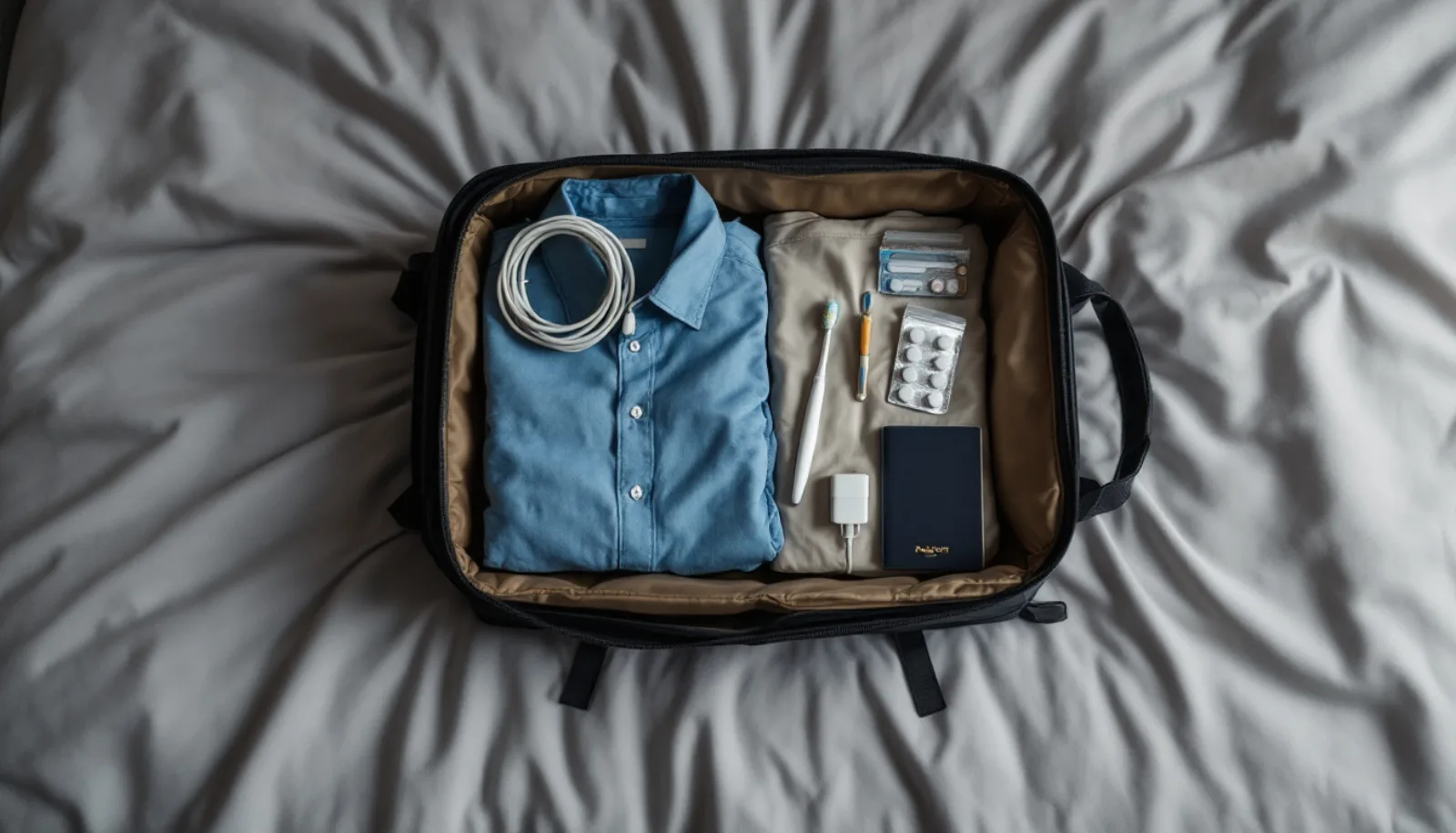
Every rule above is a remedy for something that’s already gone wrong. The cheaper strategy is to make the hold bag’s loss survivable.
- Medication, in its original packaging, with enough for the first few days.
- Passports and any document you’d struggle to replace abroad.
- Chargers, cables and anything with a lithium battery — most of which airlines require in the cabin anyway.
- One change of clothes, if you have room. It’s the difference between an inconvenience and an evening spent shopping.
- Anything valuable or irreplaceable. The cap applies no matter what was inside, so a camera worth more than the limit is a camera you shouldn’t check.
Our carry-on essentials list works through the same logic for families, and if the worst does happen to your documents, what to do about a lost passport abroad covers the first few hours.
Frequently asked questions
Is the limit per bag or per person?
Per passenger. The Montreal Convention caps the carrier’s liability at 1,519 SDR for each passenger, covering destruction, loss, damage or delay of that passenger’s baggage. Two of you travelling together with one checked bag each means two separate caps, not one shared between you.
What is an SDR, and why isn't the limit just given in euros?
An SDR is a Special Drawing Right, the International Monetary Fund’s unit of account. Its value is set daily from a basket of currencies — US dollar, euro, Chinese yuan, Japanese yen and pound sterling — so the cap doesn’t quietly shrink as one currency moves. On 17 November 2026 the IMF put one SDR at US$1.34499, which makes the cap roughly US$2,040, or about €1,860.
The airline told me the limit is around €1,300. Who's right?
The European Commission’s own consumer page still phrases the cap as “approximately €1 300”. The treaty figure it refers to was raised to 1,519 SDR on 28 December 2024. If you’re quoted the lower number, it’s worth asking the airline to confirm which figure it is applying, in writing.
Do I get the full amount automatically?
No. It’s a ceiling on what the airline can be made to pay, not a payment anyone is entitled to. You claim what you actually lost or spent, and you evidence it. A modest, documented claim usually moves faster than a large round number with nothing behind it.
My bag was fine, but the handle snapped. Can I claim?
Only if the airline caused it. The European Commission is explicit that if the damage was caused by an inherent defect in the baggage itself, you aren’t entitled to compensation. Worn stitching giving way is the bag’s problem; a wheel torn off and a gouge through the shell is the airline’s.
Can I raise the limit before I fly?
Yes. The Commission says you can, for a fee, request a higher compensation limit from the airline you’re travelling with, above the standard cap. It has to be done in advance and at the latest when you check in — not after something has gone wrong.
Sources
The figures above come from the sources below, read on 17 November 2026. Liability limits are revised periodically and exchange rates move daily — check before you rely on a number.
- Air passenger rights — lost, damaged or delayed luggage — Your Europe, European Commission
- Revision of limits of liability in Montreal Convention to be gazetted (11 December 2024) — Government of the Hong Kong Special Administrative Region
- SDR valuation, 17 November 2026 — International Monetary Fund
This is general information about published rules, not legal advice. For a decision about your own claim, check with the airline’s national regulator or a qualified adviser.