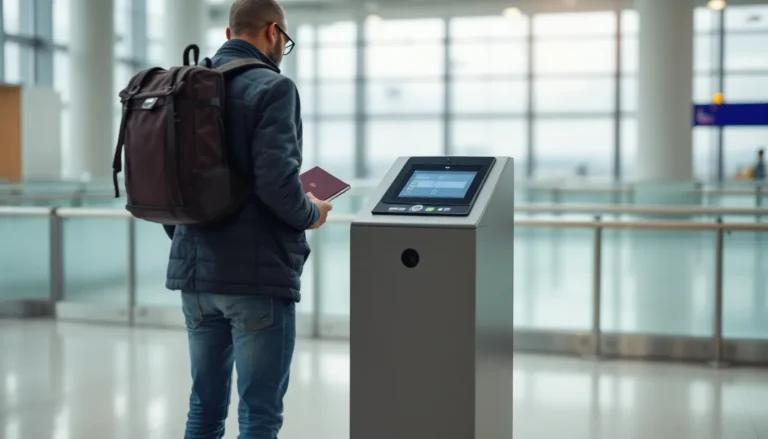
A carry-on containing original medication containers, a clinician’s letter and a printed list of generic names can prevent a routine airport check from becoming a serious disruption. That preparation matters most when a trip includes insulin, injectables, controlled medicines or equipment such as a CPAP machine, oxygen concentrator or insulin pump.
This guide is for senior travellers taking regular prescription medication who want fewer hotel changes, easier access to pharmacies or medical facilities and enough time to deal with delays. It explains how to organise your medication travel checklist, separate airport-security requirements from destination and transit-country entry rules, protect temperature-sensitive treatments and check airline requirements for devices, needles and lithium batteries. The aim is a calm plan that also covers replacement medication, travel insurance and the extra documentation that some medicines require.
Quick answer: Keep essential medication in your carry-on, in clearly labelled original containers, and bring a medication list, clinician letter and at least 7–14 extra days where appropriate. Before international travel, check airport-security procedures separately from destination and transit-country entry rules, and confirm airline requirements for liquids, needles, insulin, medical devices, oxygen and lithium batteries.
Travelling with medication: the essentials
The five decisions that matter most

- Keep essential medicine with you. Put it in carry-on baggage, not checked luggage, and keep it in clearly labelled original containers where possible. The CDC gives this advice because checked bags can be delayed or separated from you.
- Build in a clinical buffer. Ask your prescriber or pharmacist how much extra is appropriate; a general travel recommendation is at least seven to 14 days beyond the planned trip, together with a plan for delays or loss.
- Check every country on the route. Airport security decides what can pass screening; customs and entry law decide what you may bring into the destination or a transit country. These are separate checks. The CDC Yellow Book warns that some opioids, benzodiazepines and stimulants are restricted or prohibited abroad, with certificates, seizure of medicine or criminal penalties possible.
- Carry evidence in plain language. Take a medication list using generic names, doses, frequency and purpose, plus a clinician letter naming your diagnosis, medicines and any needles or syringes. Add a translation when useful, since brand names differ between countries.
- Protect specialist supplies. Temperature-sensitive medicine belongs in an appropriate insulated case, following the product’s storage instructions. For insulin pumps, continuous glucose monitors, CPAP machines, oxygen equipment or spare lithium batteries, ask the airline about notification, approval and packing requirements before departure.
For a US departure, TSA says medically necessary liquids may exceed 3.4 ounces in carry-on baggage. Declare them at screening and expect additional inspection. This is an airport-security example, not permission to import the medicine into another country; departing elsewhere means checking that airport’s official guidance.
A senior-friendly pre-departure check
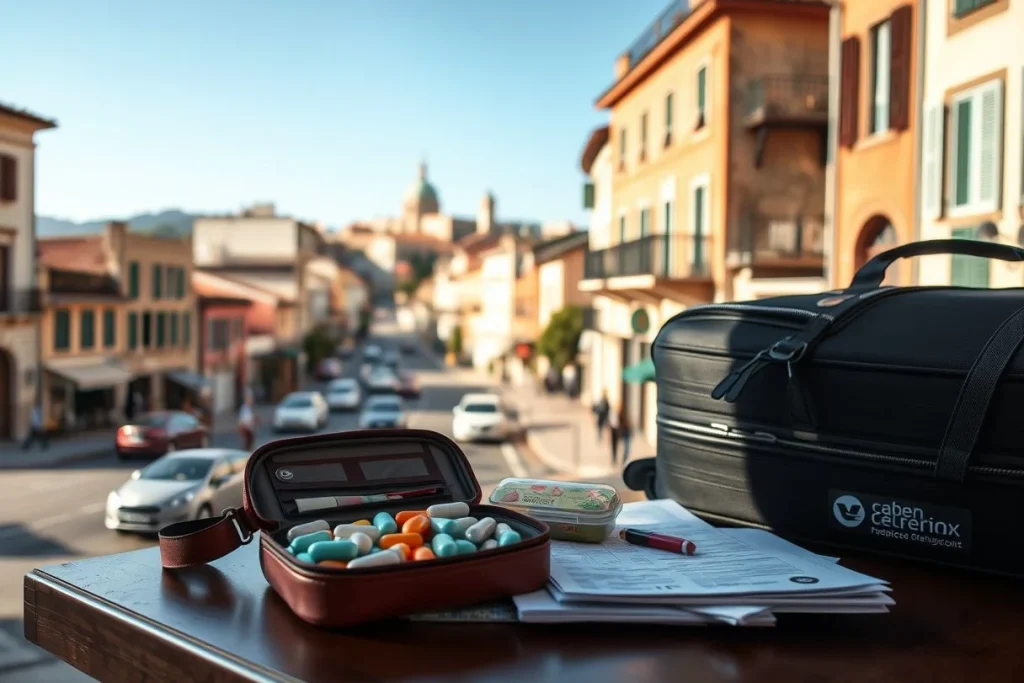
Put the medicines, list, letter and prescriptions together in one easily reached travel pouch, while keeping a copy of the documents separately. Confirm the rules for controlled medicines with the embassy or consulate of the destination and every transit country, especially for opioids, benzodiazepines, stimulants and any medicine requiring a certificate. Do not assume CBD, cannabis or low-THC products are acceptable internationally, even when prescribed at home.
Check travel insurance wording before paying for the trip. Domestic insurance or Medicare may not cover prescription replacement abroad, so ask specifically about overseas replacement medicine and medical assistance. A slower itinerary—with fewer hotel changes, accommodation near a pharmacy or medical facility, and time reserved for healthcare arrangements—reduces the consequences of a delayed bag or an unexpected prescription problem, a planning approach also supported by the WHO’s travel and health guidance.
Tips in detail: a step-by-step medication travel plan
A calm medication plan starts several weeks before departure, not at the airport. Work through the actions below in order, keeping one paper folder and one digital copy of the key information. The CDC’s guidance on travelling abroad with medicine is a useful reference, but your clinician, pharmacist, airline and destination authorities each confirm different parts of the plan.
- Book a medication review with your clinician and pharmacist. Ask them to check the full trip plan, including tablets, insulin, injectables, inhalers, EpiPens, sleep medicines and any over-the-counter products. This is the time to discuss injections, sharps disposal, missed doses and crossing time zones rather than improvising abroad. Verify the exact amount to carry, the storage requirement for each product and what to do if a dose is delayed.
- Create a medication list using generic names. Record each medicine’s generic name, brand name if useful, strength, dose, frequency, purpose and any allergies. Add your clinician’s contact details, an emergency contact and your pharmacy’s details; include a translation where it could help, since familiar brand names may differ overseas. Keep the list in your hand luggage and phone, and give a copy to a travelling companion if appropriate. The CDC recommends this format because it helps a foreign clinician or pharmacist identify the treatment accurately.
- Request a clinician letter and any required certificate. The letter should state your diagnosis, medicines, doses and the need for needles, syringes or medical devices. Ask the clinician to mention insulin pens, vials or cartridges, an insulin pump, continuous glucose monitor, CPAP machine or oxygen equipment when relevant. A controlled medicine may need a dated medical certificate, but one letter does not work universally: ask the destination and transit authorities what wording, date and authorisation they require.
- Check every destination and transit country through official sources. Airport security is only one part of international travel with medication. Some countries restrict or prohibit medicines commonly prescribed elsewhere, including certain opioids, benzodiazepines and stimulants; the CDC Yellow Book notes that seizure of the medicine or criminal charges may result. Check each country’s embassy or consulate guidance before booking and again before departure, including rules for quantities, permits and certificates. If a medicine is prohibited, ask your clinician about an alternative rather than carrying it. Do not assume CBD, cannabis or low-THC products are permitted because they are legal or prescribed at home.
- Confirm airline requirements for equipment and batteries. Contact the operating airline, not only the booking website, about oxygen concentrators, CPAP machines, insulin pumps, continuous glucose monitors, EpiPens, mobility equipment and lithium batteries. Ask whether advance notification, approval, a particular battery rating, spare batteries or restrictions on onboard use apply. Compressed oxygen and some large batteries can require advance arrangements. Check the airline’s written response and the current IATA passenger baggage guidance; airline rules can differ even when the destination is the same.
- Pack essential medicine in your carry-on. Keep the supply you need during the journey, plus your planned reserve, with you rather than in checked baggage. Checked luggage can be delayed or inaccessible, while temperature-sensitive products may be exposed to unsuitable conditions. If you travel with a companion, splitting a practical backup between two carry-on bags can reduce the impact of one lost bag, but do not separate medicines in a way that makes doses or instructions unclear. At least 7–14 extra days beyond the planned trip is generally advised, together with a replacement plan.
- Keep medicines in their original labelled containers. Pharmacy labels should remain visible, and prescriptions or dispensing records should travel with the medicine where possible. Avoid transferring tablets into an unlabelled organiser for the international journey; if a pill organiser helps with daily use, fill it from the labelled containers after arrival. Original packaging gives security staff, customs officials and overseas clinicians a clearer explanation of what you are carrying.
- Prepare for security screening before reaching the airport. Place liquid medicines, needles and syringes where they can be shown easily, and tell the security officer that they are medical supplies. For flights departing the United States, the TSA states that medically necessary liquids may exceed 3.4 ounces, but they should be declared and may receive additional screening. Procedures outside the United States can differ, so check the departure airport’s official rules rather than treating TSA guidance as an international standard. Allow extra time, particularly if you use several devices or carry injectable treatment.
- Protect insulin according to its exact product instructions. Insulin pens, vials and cartridges do not all have identical storage limits. The FDA’s insulin storage guidance gives examples in which some opened products may be kept at 59–86°F (15–30°C) for up to 28 days, but your prescribing information takes priority. Use an appropriate insulated case or cooler, protect the medicine from heat and follow the manufacturer’s instructions. Do not place insulin directly against ice or frozen packs unless the product guidance specifically permits it; freezing can damage it. Ask your clinician how to recognise unusable insulin and what emergency supply to carry.
- Agree a safe plan for injections and time-zone changes. Ask the clinician to write down how to adjust, maintain or delay doses when crossing time zones, particularly for insulin and medicines taken at fixed intervals. Confirm which needles, syringes, lancets and other supplies are needed for the entire journey, including the reserve period. Carry a suitable container for used sharps and check how your accommodation or local healthcare service accepts it. Never alter a dose simply because the flight schedule is inconvenient.
- Build a delay, loss and replacement file. Carry the prescription, generic-name list, clinician letter, pharmacy contact, insurer assistance number and the contact details of a local clinic or pharmacy at the destination. Save scanned copies securely and keep the paper originals accessible. Ask your clinician what replacement medicine is medically acceptable and ask the insurer whether prior authorisation, receipts or a local prescription is required. A consulate may help identify official local contacts, but it cannot be assumed to replace a prescription.
- Check overseas insurance in writing. Domestic insurance or Medicare may not cover prescription replacement abroad. Before departure, ask the insurer specifically about lost or delayed medicine, emergency medical assessment, transport to a clinic and replacement of devices or supplies. Confirm the claims process and keep receipts, prescriptions and written authorisations if the insurer requires them; do not assume that paying first guarantees reimbursement.
- Choose an accessible base and leave room for healthcare. For a longer trip, one well-located accommodation base near a pharmacy or medical facility is often easier than repeated hotel changes. Check the route from the accommodation for steep streets, stairs and long transfers, and allow spare time for a clinic visit or prescription arrangement. If handling local transport and appointments would be tiring, an accessible transfer or small guided group with a slower pace may reduce logistical demands. Ask the accommodation in advance whether it can receive a pharmacy delivery or help contact a local service, without assuming that it can store or administer medicine.
Use this compact check alongside the fuller plan. “Confirmed” should mean that the named person or authority has answered your specific question, not simply that a general webpage exists.
| Task | When | Who confirms it | Evidence to carry |
|---|---|---|---|
| Review doses, reserves, storage and time-zone changes | Before booking if treatment is complex; otherwise well before departure | Clinician and pharmacist | Updated prescription, medication list and written instructions |
| Check restrictions, permits and certificates | Before travel, for every destination and transit country | Embassy or consulate of each country | Clinician letter, dated certificate if required and original labels |
| Confirm liquids, needles and screening procedures | Before departure and again before the flight | Departure airport security authority | Accessible medical supplies and supporting letter |
| Confirm CPAP, oxygen, pumps and batteries | Before booking and before check-in | Operating airline | Approval or notification record, device details and battery information |
| Arrange replacement and payment procedures | Before departure | Insurer, pharmacy and local clinic | Assistance number, prescription, generic names and receipts guidance |
Keep the final folder beside your passport rather than buried in a suitcase. For a senior traveller, the aim is not to carry paperwork for its own sake: it is to make the correct medicine, explanation and backup plan available without a frantic search at security, customs or a clinic.
Common mistakes to avoid when carrying medicine abroad
Keep the medication with you
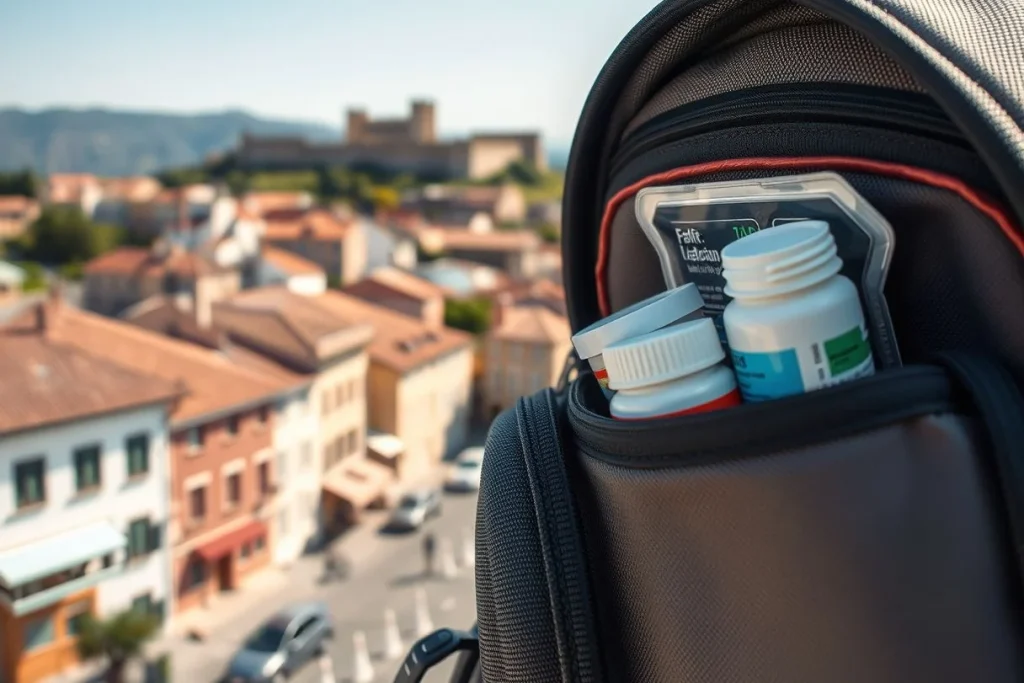
Mistake: putting all medicine in checked baggage. Bags can be delayed, and a missed connection can turn a small packing decision into a health problem. Keep essential medication, prescriptions, medical devices and a reserve supply in your carry-on, in clearly labelled original containers where possible. This is also the CDC’s advice for travelling abroad with medicine.
Mistake: removing labels, sorting tablets into an unmarked organiser or relying only on brand names. Brand names can differ between countries. Keep the original labels and carry a list of generic names, doses, frequency and purpose; a useful translation can help a pharmacist or clinician identify the medicine.
Mistake: packing exactly enough for the itinerary. Delays, cancellations and lost luggage do not follow your schedule. The CDC advises generally carrying at least seven to 14 extra days of medication, alongside a plan for obtaining a replacement if needed.
Separate security from border rules

Mistake: assuming that a prescription from home makes a medicine legal abroad. Some countries restrict or prohibit medicines commonly prescribed elsewhere, including certain opioids, benzodiazepines and stimulants. A medical certificate may be required, and penalties can include seizure or criminal charges. Check the destination’s embassy or consulate and every transit country before departure; the CDC Yellow Book guidance explains why this check matters.
Mistake: treating airport-security permission as customs permission. Security staff decide what can pass the screening point; customs and national authorities apply their own entry rules. TSA says medically necessary liquids over 3.4 ounces may be allowed in carry-on baggage when declared and screened, but that does not confirm permission to import the medicine into another country. Rules also vary outside the United States, so check the departure airport and airline directly.
Do not assume CBD, cannabis or low-THC products are accepted because they are prescribed or legal at home. The CDC warns that many destinations restrict or prohibit them. If a medicine is not permitted, ask the prescribing clinician about a lawful alternative rather than carrying it.
Do not improvise with temperature or equipment
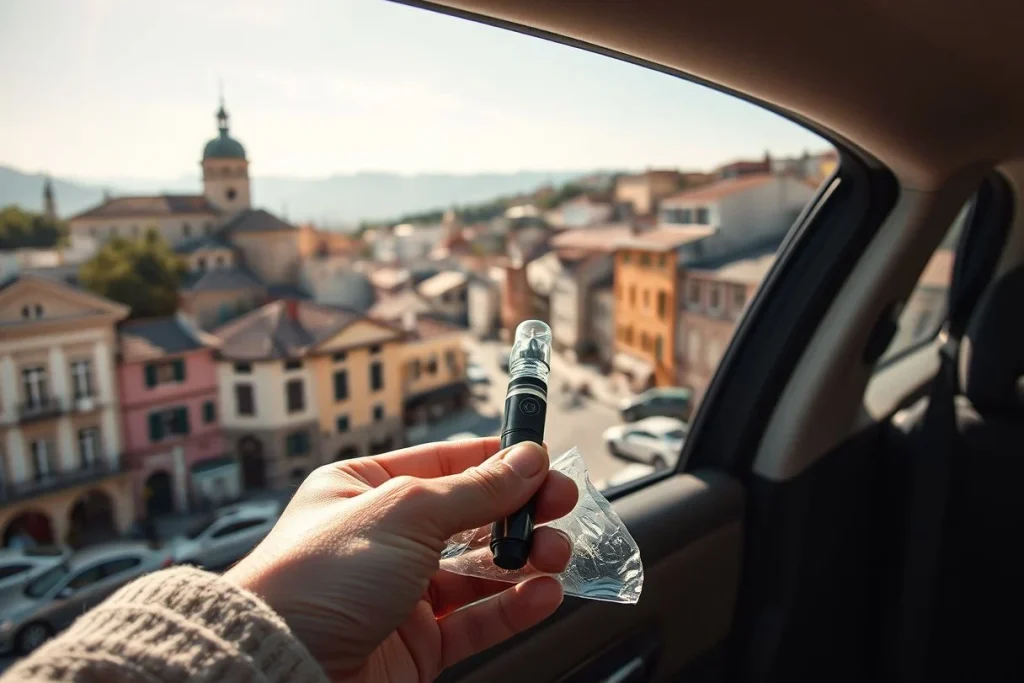
Mistake: placing insulin directly against a frozen gel pack or leaving it in a hot car. Insulin storage is product-specific: the FDA notes that some opened products may be kept at 15–30°C for up to 28 days, but the exact prescribing information must take priority. Use an appropriate insulated case or cooler, follow the manufacturer’s instructions and avoid temperature extremes.
Mistake: arriving at the airport without confirming oxygen, lithium batteries or other equipment. Contact the airline before travel about oxygen concentrators, CPAP equipment, insulin pumps, spare batteries and any required approval; IATA notes that some equipment and batteries need advance notification. Carry a clinician letter listing the diagnosis, medicines, doses and any need for needles or syringes, with a translation where useful.
The 48-hour final check
Two days before departure, confirm five things: your clinician letter and medication list are accessible; essential supplies are in the carry-on; the temperature plan matches the product instructions; the airline has confirmed equipment and battery requirements; and you have emergency contacts, a replacement plan and insurance details. Do not assume Medicare or domestic insurance will reimburse replacement medicine abroad: verify overseas cover with the insurer before leaving.
Conclusion: complete your personal medication travel plan
Start with a clinician or pharmacist appointment and turn the advice into a one-page medication travel checklist. Record each medicine’s generic name, dose, timing, storage requirement and replacement plan, then note any needles, syringes, insulin supplies or medical devices you use. Before booking, or well before departure, verify the rules for every destination and transit point with the relevant embassy or consulate, confirm procedures with each airline, and ask your insurer specifically about overseas prescription replacement and medical assistance. Keep essential medicine accessible, allow extra time at airports and appointments, and choose accommodation near suitable healthcare where practical. This approach is safer than relying on a last-minute pharmacy abroad—and gives a travelling companion or clinician clear information if plans change.
Frequently asked questions
Can time-zone changes affect when I take my medication?
The supplied CDC, FDA and WHO guidance does not provide a universal timetable for adjusting medication to a new time zone. Do not change the dose or schedule without advice from the prescribing clinician or pharmacist. Before departure, ask for a written plan that uses the medicine’s generic name, dose and frequency, and keep that plan with you.
Is it safe to move tablets into a weekly pill organiser for a trip?
A pill organiser should not replace the clearly labelled original containers recommended by the CDC for international travel. Brand names can differ abroad, so the original labels and a medication list using generic names, doses, frequency and indication are important. If you use an organiser for convenience, keep the labelled packaging available for airport screening, customs questions and replacement arrangements.
What should my emergency contact know about my medicines?
Give your emergency contact a current medication list showing each medicine’s generic name, dose, frequency and indication. Include your diagnosis and any need for needles or syringes in the clinician letter, as recommended in the CDC Yellow Book guidance. Tell them where you keep the originals, copies of the documents and your replacement plan, and check that they know how to reach your clinician and insurer.
How can I manage medication during a long layover or overnight flight?
Keep essential medicines in your carry-on, not checked baggage, and leave them in clearly labelled original containers where possible. Pack at least 7–14 extra days beyond the planned trip when appropriate, so a delay does not immediately create a supply problem. For temperature-sensitive medicines, use an appropriate insulated case or cooler and follow the product’s storage instructions; ask the prescribing clinician about timing across time zones.
What should I do if a pharmacy abroad does not recognise my brand name?
Show the pharmacist your medication list using the generic name, dose, frequency and indication, with a translation where useful. Brand names can differ between countries, and the CDC recommends carrying generic names for this reason. Do not substitute a product independently; if the medicine cannot be identified, contact your clinician, insurer or an appropriate local medical service and use your original packaging to support identification.
Can a travel companion carry some of my medication for me?
A companion may be able to carry part of your supply, but the provided guidance does not establish a universal rule for this arrangement. Essential medication should remain accessible in carry-on baggage and in clearly labelled original containers, with your medication list and clinician letter available. Before departure, check the airline, destination and transit-country requirements; controlled medicines may require a dated medical certificate and can be restricted or prohibited.