
This article contains affiliate links. If you book through one of our links, we may earn a commission at no additional cost to you.
The World Health Organization cites 70°C as a cooking benchmark that helps reduce microbial risk for most foods—a useful number to remember when choosing a sizzling skewer, filled flatbread or bowl of noodles from a market stall. Yet heat alone is not a guarantee: raw ingredients, dirty utensils, unsafe water and poor temperature control can still create problems.
These street food safety tips are for food-focused travellers who want to explore local markets and food tours without treating every stall as either perfectly safe or automatically risky. They use the WHO Five Keys to Safer Food as a practical test: keep clean, separate raw and cooked food, cook thoroughly, control temperature, and use safe water and raw materials. Apply the same checks to ice, salads, cut fruit, unpasteurised dairy and raw seafood, adapting them to destination-specific health advice. Hot, humid weather can make perishables spoil faster, so local conditions and current travel-health guidance matter.
Quick answer: Choose food cooked thoroughly and served hot, favour stalls with good turnover, and check that food, utensils and hands are handled cleanly. Follow destination-specific advice on tap water, ice, raw foods and seafood; these precautions reduce risk but cannot eliminate it.
The essentials: Four checks before you order
The useful test is not whether a stall looks polished. Travellers’ diarrhoea is the most common travel-related illness, and the CDC’s food and water safety guidance makes the important distinction: precautions lower the risk, but cannot remove it. Before ordering, run through four checks.
- Is the food cooked thoroughly and served hot? Choose dishes cooked in front of you rather than food sitting ready at room temperature. The WHO cites 70°C (160°F) as a cooking benchmark that helps reduce microbial risk for most foods; proper cooking kills almost all dangerous microorganisms. A dish that is steaming throughout is a more reassuring choice than one merely warmed on the surface.
- Is there good turnover? A queue is not a guarantee of safety, but regular orders mean ingredients are less likely to have been waiting for long periods. Be more cautious with cooked food displayed in open trays, particularly in hot conditions.
- Are raw and cooked items kept apart? Look for separate boards, tongs, plates or serving areas, and notice whether the same hands or utensil move from raw meat to finished food. This applies to the stall’s preparation as well as the final serving. It reflects the WHO Five Keys to Safer Food: keep clean, separate raw and cooked, cook thoroughly, keep food at safe temperatures, and use safe water and raw materials.
- Can you establish that the water and ingredients are safe? Follow current destination-specific advice rather than assuming that bottled water, ice, salads, cut fruit or raw seafood are safe. Where water or sanitation is unsafe, the CDC’s Shigella guidance says to avoid food and drinks made with local tap water, including ice.
If one answer is unclear, choose another dish or stall. That is a practical application of the WHO Five Keys, which the organisation and its partners also use in programmes improving hygiene in traditional food markets and among street vendors.
Tips in detail: How to choose and handle a safer street-food meal
Tips in detail: How to choose and handle a safer street-food meal
Use the stall, the dish and the serving process as three separate checks. The WHO Five Keys to Safer Food—keep clean, separate raw and cooked food, cook thoroughly, keep food at safe temperatures, and use safe water and raw materials—give you a useful framework, but no habit removes every risk. Travellers’ diarrhoea remains the most common travel-related illness, according to the CDC’s Travelers’ Health guidance.
- Check destination-specific advice before you arrive. Look at the relevant government health service, the destination’s public-health authority and the CDC’s country information for guidance on tap water, outbreaks, raw foods and seafood. Advice can differ within a country, and local conditions can change, so do not rely on a general rule about an entire region.
- Watch the stall for a few minutes before joining the queue. A steady flow of customers usually suggests that ingredients are being used regularly rather than left untouched all day, but popularity is not proof of hygiene. Observe what happens between orders: are cooked foods protected, are utensils handled by their working ends, and are rubbish and wastewater kept away from preparation surfaces?
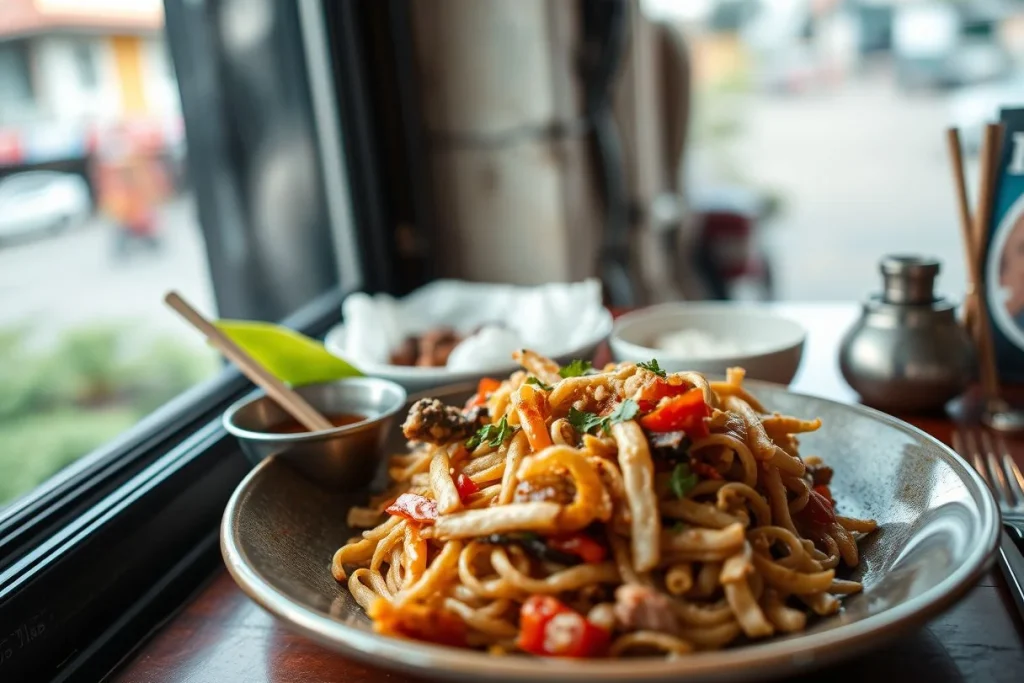
- Choose food cooked to order and served properly hot. Prefer soup brought to a full simmer, meat cooked through on the grill, or a filled pancake assembled and heated in front of you. The WHO gives 70°C (160°F) as a cooking benchmark that helps reduce microbial risk for most foods; you will not normally be able to measure a stall’s food, so use thorough cooking and visible heat as practical signs rather than a guarantee.
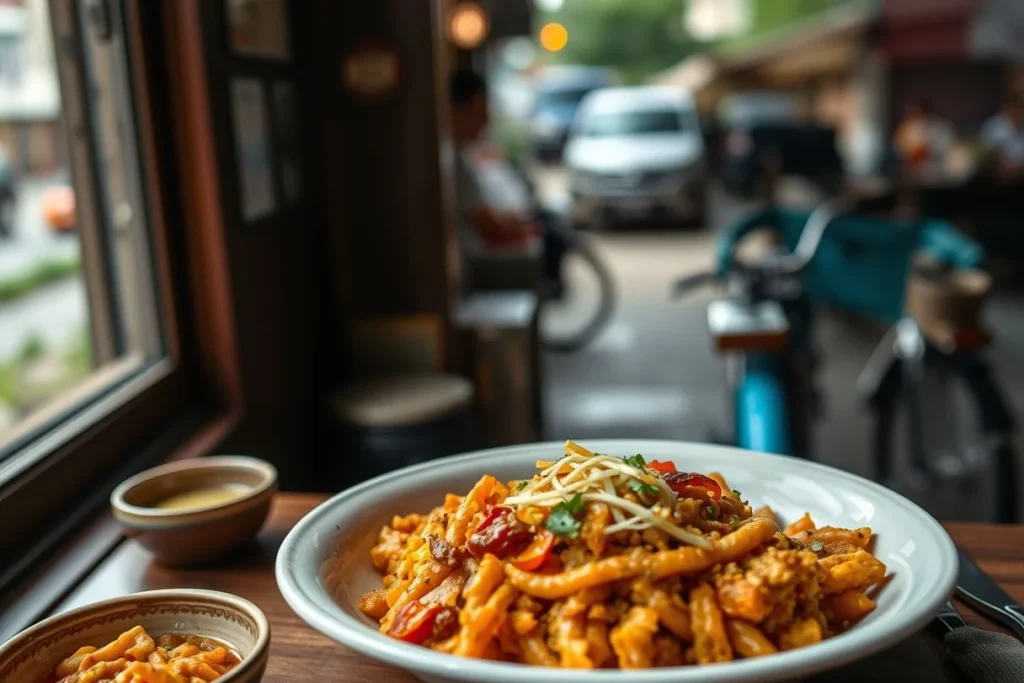
- Pass on lukewarm cooked food. Rice, noodles, meat, seafood, dairy-based fillings and prepared sauces deserve particular caution when they have been sitting at room temperature. WHO guidance says hot food should be kept hot and cold food below 5°C; hot, humid weather can accelerate microbial growth. Take extra care during June, July and August, and December travel peaks, after checking local heat, humidity and health advice.
- Look for temperature control, not just a refrigerator. Meat and seafood should be kept cold until cooking, while chilled desserts, dairy and prepared dishes should remain cold rather than merely shaded. An insulated box with clean ice may be useful, but if the source of the ice or water is uncertain, choose a dish cooked thoroughly instead.
- Inspect water, ingredients and serving surfaces. Clean water should be available for washing food and utensils, and ingredients should be covered or protected from dust, insects and repeated handling. Separate containers for raw and cooked food are a good sign; WHO and FAO guidance also identifies waste management as part of safer street-food practice.
- Watch for cross-contamination. Raw chicken, fish or eggs should not share a board, knife, plate or tongs with ready-to-eat food unless the item is cleaned properly between uses. Be especially alert when a vendor handles raw meat, takes money and then picks up herbs or cooked food with the same hands.
- Treat raw produce according to local water conditions. Unpeeled fruit that you can wash and peel yourself is generally easier to assess than cut fruit sitting in a tray. Raw salads, garnishes, fresh salsas and sauces may have been rinsed with water you cannot verify. In places where water or sanitation is unsafe, the CDC advises avoiding food and drinks made with local tap water, including ice, as part of its guidance on preventing Shigella while travelling.
- Be conservative with raw seafood. Sushi, ceviche, oysters and raw shellfish depend on reliable sourcing, refrigeration and clean water, none of which can be confirmed from appearance alone. If local refrigeration or water safety is uncertain, select the same dish cooked thoroughly instead; freezing, marinating or adding chilli does not make every hazard disappear.
- Handle drinks and ice with the same care as food. Follow destination-specific advice on tap water, ice, fountain drinks and drinks diluted with water. A sealed bottle is a useful option where bottled water is advised, but inspect the seal: a bottle is not automatically safe if it has been opened or refilled. Use a clean cup or drink directly from an intact container rather than accepting ice by default.
- Clean your hands before eating. Wash with soap and safe water where available, or use hand sanitiser before touching food. This matters even when the vendor’s preparation looks careful: your own hands can transfer germs to bread, fruit or a shared utensil after payment or handling luggage. The CDC also highlights hand hygiene in advice on preventing Shigella while travelling.
- Make allergies explicit before the dish is assembled. Carry a translated allergy card and show it before ordering. Confirm the ingredients, sauces, garnish and shared cooking oil, and ask whether the same pan, tongs or chopping board is used for the allergen. If the vendor cannot understand the request or cannot prevent cross-contact, choose a different dish rather than relying on a reassuring nod.
Before ordering and while eating
| Before ordering | While eating |
|---|---|
| Check turnover, protection from dust, separation of raw and cooked ingredients, and the source of water and ice. | Eat food while it is properly hot or reliably cold; avoid dishes that have become lukewarm. |
| Ask whether the dish is cooked to order and whether sauces, salads or garnishes are raw. | Use clean hands and utensils, and do not add uncertain ice, tap water or raw garnish. |
| Show an allergy translation card and ask about ingredients, shared oil and cross-contact. | Stop and seek qualified local medical advice if serious symptoms develop, rather than trying to diagnose the cause yourself. |
A small-group food tour can make it easier to understand local ingredients and preparation, particularly when a reputable local guide identifies vendors and explains how dishes are made. It does not remove the need to check cooking, water, ice, temperature and allergy handling yourself. Apply the same tests at a guided market stop as at an unfamiliar stall.
Common mistakes to avoid at markets and food stalls
Common mistakes to avoid at markets and food stalls
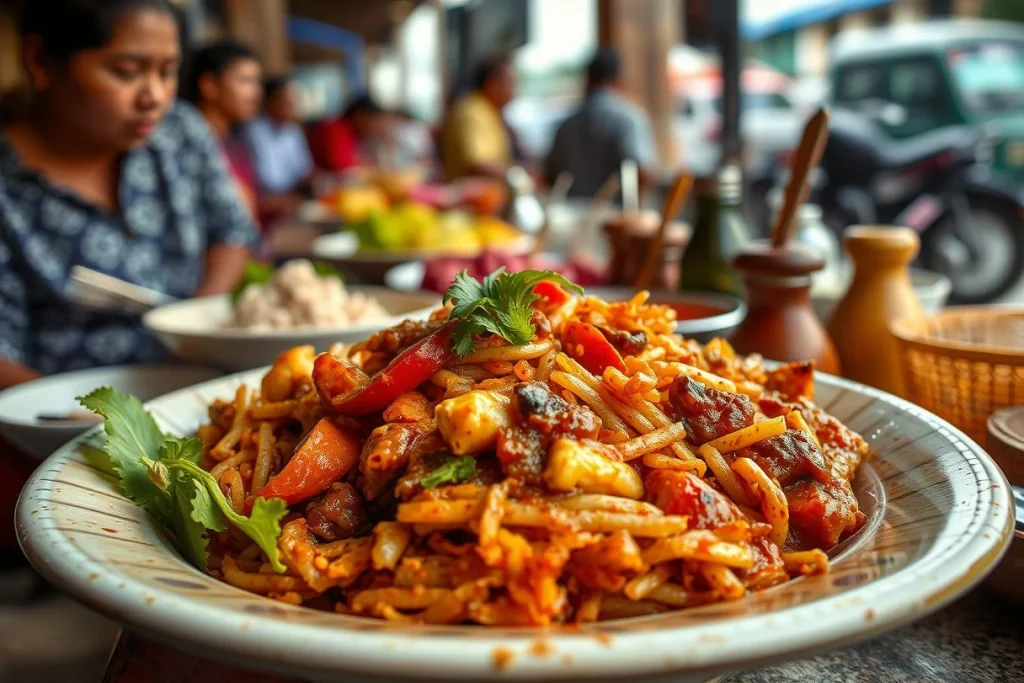
A long queue is useful evidence of turnover, not proof of safe handling. A popular stall may still use the same tongs for raw and cooked ingredients, leave sauces uncovered or handle money between orders. Watch what happens during preparation rather than relying on reputation alone; the WHO Five Keys include keeping clean and separating raw from cooked foods.
Do not judge hygiene by the frontage alone. A spotless counter can conceal unsafe water, poorly stored ingredients or food held too long. Conversely, a simple-looking stall may cook each portion thoroughly and serve it immediately. Focus on the practical checks: clean hands and utensils, separation of raw ingredients, and hot food served without a long wait.
Local does not automatically mean low-risk. A traditional dish may be raw, lightly cured or held at room temperature. Sushi, ceviche, cut fruit, salads and cold sauces need destination-specific consideration, particularly where water or sanitation is unreliable. Hot, humid conditions can speed microbial growth; WHO advises keeping hot food hot and cold food below 5°C.
Do not treat a sealed drink as a guarantee about its ice. If local tap water is unsafe, CDC advice on preventing Shigella says to avoid ice and drinks made with that water, even when the drink itself arrives in a sealed bottle. Check the destination’s current water guidance before accepting ice.
Watch shared tools and garnishes. A clean-looking cooked skewer can be contaminated when it returns to a board used for raw meat, or when a vendor adds salad with the same utensil. Skip an uncooked garnish if its washing water is uncertain, and ask for allergy-sensitive ingredients to be handled separately; a translation card can reduce, but not remove, communication errors.
Finally, order only what can be eaten promptly rather than allowing leftovers to sit in heat. Travellers’ diarrhoea remains common: food and water precautions reduce risk but cannot eliminate it, according to the CDC. Do not self-diagnose or take antibiotics without qualified medical advice.
If illness develops: hydration, monitoring and medical help
If diarrhoea develops, stop eating any food you suspect and switch your attention to fluids. Use safe drinking water and take oral rehydration salts according to the product instructions; they are intended to replace fluid and salts lost through diarrhoea. Monitor how often you pass stools, whether you can drink, and whether your condition is improving rather than trying to identify the exact cause yourself.
Seek medical care for acute severe diarrhoea, a high fever, bloody stools or signs of dehydration, following local health guidance. The CDC’s food and water safety guidance also supports getting professional help if you cannot keep fluids down or are deteriorating. These symptoms can become serious, particularly when fluid loss is rapid.
Do not start antibiotics without advice from a qualified clinician. Treatment depends on the illness and your circumstances, and a travel-health professional can tell you what is appropriate. Food and water precautions reduce the risk of travellers’ diarrhoea but cannot eliminate it, according to the CDC, so keep your destination’s medical contacts, emergency number and travel-insurance assistance line accessible before you leave your accommodation.
For future meals, return to the basics once you have recovered: safe fluids, food cooked thoroughly and careful hand hygiene. Check the latest destination-specific advice from the CDC or your national travel-health authority before travelling, especially if local outbreaks or water restrictions have been reported.
Conclusion: Use the four-check rule, then enjoy the meal
Before ordering, use the four-check rule: confirm the destination’s current water and health advice, observe how the stall handles food, choose a dish cooked thoroughly and served hot, then check that hands, utensils and ingredients are kept clean and separate. Give extra attention to ice, salads, cut fruit, raw seafood and unpasteurised products where local guidance advises caution.
Before departure, save a food-allergy translation card, pack hand sanitiser and consider oral rehydration salts where appropriate. At the market, make your first order a small portion of something cooked to order rather than a dish that has been sitting out. A busy stall may suggest good turnover, but no single sign guarantees safety; clean handling and proper cooking matter more than appearance alone.
These street food safety tips cannot make experimentation risk-free. They do make each choice more informed, so you can explore local dishes with sensible caution rather than avoiding the food culture altogether.
Frequently asked questions
Is a busy street-food stall always the safest choice?
No. A queue can suggest faster turnover, but it does not guarantee clean hands, separate utensils, safe water or correct temperature control. Use busyness as one observation alongside the WHO Five Keys to Safer Food: keep clean, separate raw and cooked food, cook thoroughly, keep food at safe temperatures, and use safe water and raw materials. WHO and FAO present these controls as the important measures, not popularity alone.
Can I eat sushi, ceviche or other raw seafood from a market stall?
Raw seafood carries a different risk profile from food cooked thoroughly, and the supplied WHO guidance specifically supports thorough cooking as a way to reduce microbial risk. It cites 70°C as a benchmark that helps reduce risk for most foods. There is no universal guarantee for raw seafood at a market stall, so check destination-specific food and water advice and consider a thoroughly cooked alternative where sanitation is uncertain. WHO food-safety guidance supports that approach.
Is sealed bottled water safer than tap water when travelling?
Not everywhere: the relevant question is whether local water and sanitation are safe. CDC advice says that in destinations where they are unsafe, travellers should avoid food and drinks made with local tap water, including ice. Follow the destination-specific guidance from CDC Travelers’ Health or the local health authority, and check that drinks, ice and prepared foods have not been made with unsafe water. Precautions reduce risk but cannot eliminate travellers’ diarrhoea.
Can probiotics prevent travellers’ diarrhoea?
The supplied CDC and WHO sources identify food and water precautions as risk-reduction measures, but they do not establish probiotics as a way to prevent travellers’ diarrhoea. Travellers’ diarrhoea remains the most common travel-related illness, and no precaution eliminates the risk. Ask a qualified travel-health professional about probiotics before departure, particularly if you have a medical condition or take regular medicines, and follow current destination-specific advice.
How can I explain a food allergy to a street-food vendor?
The supplied WHO and CDC material does not provide a standard allergy-translation protocol, so do not assume a gesture or a dish name communicates the risk accurately. Ask a qualified travel-health professional or the destination’s official health guidance how to prepare a clear translated explanation before departure. Also ask how the stall handles raw and cooked ingredients: WHO guidance treats separation and safe raw materials as core food-safety controls, but these do not by themselves guarantee an allergen-free meal.
Are organised food tours safer than choosing stalls independently?
Not automatically. The supplied sources do not show that organised food tours are safer than independent choices, and a guide cannot remove the underlying risk of unsafe water, cross-contamination or poor temperature control. Choose a tour whose organiser can explain how vendors apply the WHO Five Keys, then assess each dish yourself: favour thorough cooking, clean handling, safe water and appropriate hot or cold storage. Check current local health advice before booking.
