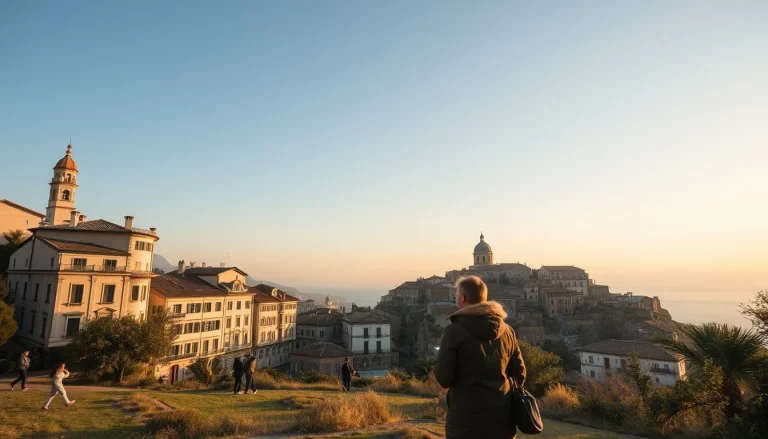
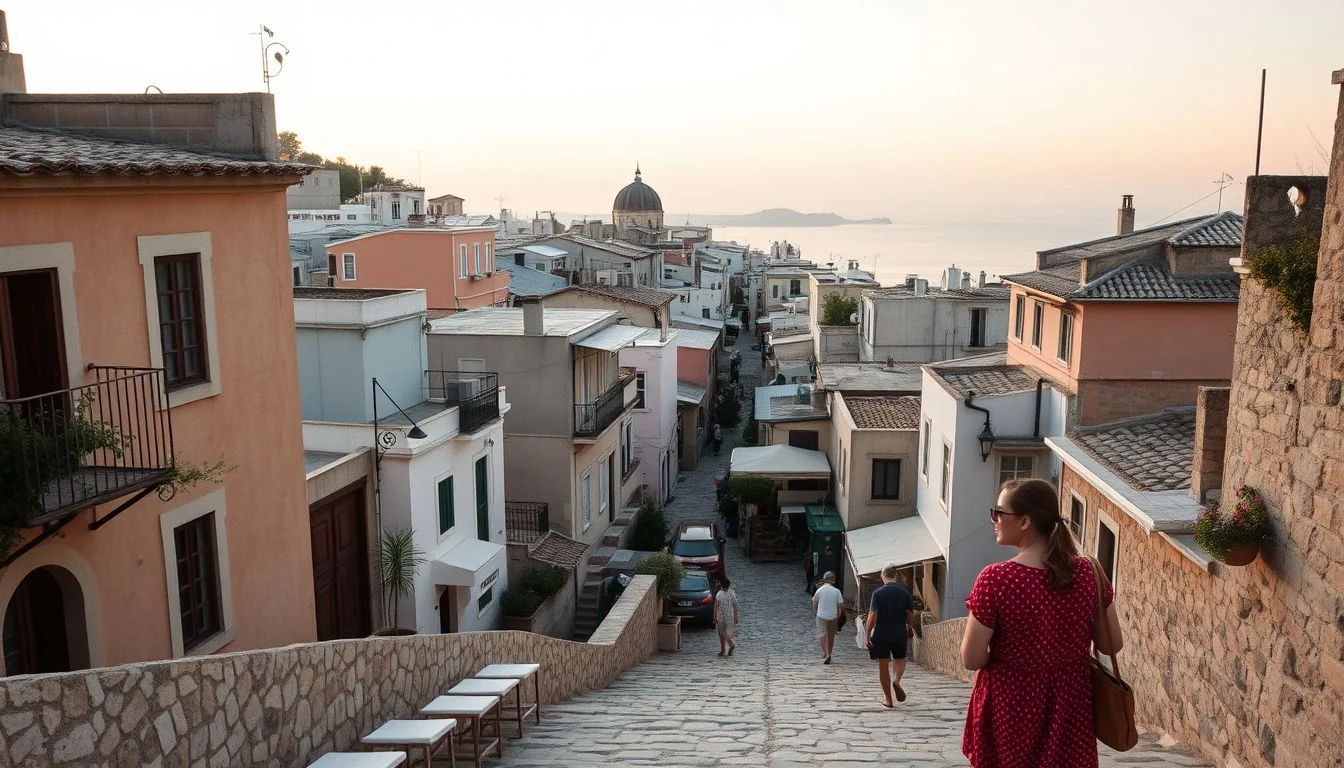
The ferry from Piraeus to Santorini can take about four to five and a half hours on a high-speed service, or six to nine hours on a conventional sailing—one reason this route works best with three distinct bases rather than another island added to the map. This 10 days in Greece itinerary gives Athens three days for the Acropolis, Plaka and the Acropolis Museum, three nights in Santorini for caldera views and sunset, and three nights in Naxos for beaches, villages and slower dinners.
It is designed for couples planning a first Athens and Greek islands itinerary who want atmosphere without turning every morning into a luggage transfer. You will find a realistic order, ferry windows, neighbourhood guidance, booking priorities and a final-day plan that treats the return to Athens—and your international flight—as part of the itinerary, not an afterthought.
Quick answer: Yes: 10 days can comfortably cover three days in Athens, three nights in Santorini and three nights in Naxos, followed by a carefully planned return to Athens on Day 10. This order combines Athens culture, Santorini’s caldera scenery and sunsets, and Naxos beaches and villages without adding another rushed island; check ferry schedules and protect the international flight connection before booking.
Itinerary at a glance: 10 days from Athens to Santorini and Naxos
Use the route as three contrasting stays: Athens for ancient sites and neighbourhood walks, Santorini for caldera scenery, and Naxos for beaches and mountain villages. The final day is a connection day, not another sightseeing day; its feasibility depends on the exact ferry or flight schedule.
| Day | Base | Main plan | Transport | Pace |
|---|---|---|---|---|
| 1 | Athens | Arrive, settle in, and take an easy evening walk around Syntagma and Plaka. | Airport to central Athens | Recovery |
| 2 | Athens | Acropolis, Anafiotika, Plaka and historic Athens. | Walk and Metro | Full sightseeing day |
| 3 | Athens | Acropolis Museum, Monastiraki and a slower neighbourhood evening. | Walk and Metro | Flexible |
| 4 | Santorini | Travel from Piraeus, check in and watch the caldera light change. | Ferry; approximately 4–9 hours | Transfer day |
| 5 | Santorini | Oia, the caldera views and a sunset dinner. | Local bus or taxi | Scenic |
| 6 | Santorini | Choose a boat or volcano outing, winery visit, or an unhurried Fira walk. | Local transport | Flexible |
| 7 | Naxos | Cross to Naxos and spend the evening in Naxos Town. | Ferry; approximately 1h 10m–2h 40m | Easy transfer |
| 8 | Naxos | Explore Chora, Kastro and swim at Agios Prokopios. | Walk and local bus | Relaxed |
| 9 | Naxos | Visit Filoti and Apeiranthos, then return for a final island dinner. | Bus, taxi or organised excursion | Village day |
| 10 | Athens or onward | Return only with a substantial buffer before an international flight. | Flight or ferry connection | Carefully caveated |
Before you go: bookings, ferries and arrival logistics
Do the logistical work in sequence: entry requirements, accommodation, the Acropolis, then ferries. That order keeps the trip flexible where it matters while protecting the three-night stays that give this Athens–Santorini–Naxos itinerary its slower rhythm.
Check your nationality’s Schengen position before booking non-refundable travel. Greece is in the Schengen Area, and many visitors may enter visa-free for up to 90 days in any 180-day period, but eligibility depends on nationality. The GOV.UK Foreign travel advice for Greece, updated 15 September 2026, also advises checking the EU Entry/Exit System’s current implementation guidance. Use your embassy or the relevant official immigration authority for the final decision.
Reserve accommodation in Athens, Santorini and Naxos as one plan, especially for a caldera-view room in Santorini and a walkable base in Naxos Town. For the Acropolis, use the Ministry of Culture’s official visitor information and ticketing route for a timed-entry e-ticket rather than relying on a third-party seller. In June to August, schedule the visit in the morning or late afternoon: extreme heat has caused temporary Acropolis closures, as reported by the Associated Press, so check conditions shortly before the day.
Book the Piraeus–Santorini sailing after fixing your Athens nights. Conventional Blue Star sailings take approximately 6–9 hours; faster SeaJets or other express services take around 4–5.5 hours, depending on the departure. These windows are listed by Ferryhopper for 2026 routes, but the exact timetable, vessel and fare vary. For Santorini–Naxos, compare the available sailing before booking island accommodation, then check the operator’s boarding requirements, cancellation policy and port instructions close to departure.
From Athens International Airport (ATH), Metro Line 3 reaches Syntagma in approximately 40 minutes and costs about €9 one way. The X95 express bus takes approximately 60 minutes and costs about €5.50, according to Athens International Airport’s 2026 transport information. An OASA 3-day Tourist Ticket costs €20 as of September 2026, lasts 72 hours and includes one airport journey in each direction by metro or express bus; check OASA’s live fare page before travel.
Leave room for disruption. Strikes, protests, rough seas, ferry cancellations and transport delays can alter a carefully timed connection, so verify updates with the ferry operator, port and airport shortly before each transfer. If your international flight is early, inflexible or important, spend the final night in Athens rather than promising a same-day Naxos-to-flight connection. On Athens Metro Line 3 and in crowded tourist areas, keep passports, cards and cash separate; the GOV.UK advice, updated 15 September 2026, flags pickpocketing and theft risks.
Day by day: a relaxed Athens, Santorini and Naxos route
This 10-day Greece itinerary works best as three contrasting stays: Athens for ancient sites and neighbourhood walks, Santorini for caldera scenery, and Naxos for beaches and mountain villages. Three days in Athens, three nights in Santorini and three nights in Naxos leave room for slow dinners and ferry delays, provided the final flight connection is planned conservatively.
Day 1 — Arrive in Athens
Morning
Arrive at Athens International Airport and travel into the centre. Metro Line 3 takes approximately 40 minutes to Syntagma; the airport fare is approximately €9 one way. The X95 express bus takes approximately 60 minutes and costs approximately €5.50, according to Athens International Airport. If you expect to use public transport throughout the stay, the OASA 3-day Tourist Ticket costs €20 per person and includes one airport return journey, according to OASA’s 2026 fare information.
Afternoon
Check in around Plaka or Syntagma, then keep the first afternoon deliberately light. Walk through Plaka’s lanes towards Anafiotika, where whitewashed houses and narrow steps make a gentle introduction to Athens. Stop for coffee or a shaded drink before returning to the hotel.
Evening
Choose Monastiraki for an atmospheric first walk, with the Acropolis rising above the rooftops as the light fades. This is a better evening for orientation than ambitious sightseeing: save the major archaeological sites for the cooler start of Day 2.
Where to eat
Order a small plate of fava, a Greek salad or moussaka in Plaka or around Monastiraki. For a quieter couple’s dinner, move a few streets away from the busiest squares and reserve a table if the restaurant accepts bookings.
Getting around
Use Metro Line 3 or the X95 from the airport, then walk between Syntagma, Plaka and Monastiraki. Keep passports, cards and cash separated on public transport and in crowded areas; the GOV.UK travel advice for Greece, updated 15 September 2026, flags pickpocketing and theft risks.
Estimated time
Allow around one to two hours for the airport transfer, two hours for check-in and rest, two to three hours for an easy neighbourhood walk, and two hours for dinner.
Optional extras
If your flight arrives early and energy is good, add a short walk through the National Garden from Syntagma. Skip it if luggage, heat or jet lag is already shaping the day.
Day 2 — The Acropolis and historic Athens

Morning
Visit the Acropolis at the first practical entry window, before the strongest heat and largest crowds. Timed-entry e-tickets are available through the Greek Ministry of Culture’s official system; check the current route and conditions before travelling. In summer, temporary closures have occurred during extreme heat, so confirm access close to the visit and avoid planning a midday arrival.
Afternoon
After the hill, take a proper lunch and pause indoors before visiting the Acropolis Museum. Its galleries provide context for what you have seen above, without requiring another long walk. Finish with an unhurried circuit through Plaka and the South Slope.
Evening
Make this the first special dinner of the trip. A rooftop or upper-floor table with an Acropolis view suits a couple, but a quieter restaurant in Plaka often makes conversation easier. Book ahead for a particular view or time.
Where to eat
Look for grilled meat, seasonal vegetables, fava and moussaka around Plaka or Makrygianni. Eat early in the hottest months, when the walk back to the hotel will be more comfortable.
Getting around
The Acropolis, museum, Plaka and South Slope form one walkable cluster. Wear shoes suited to polished stone and uneven surfaces; take water and plan shade breaks.
Estimated time
Allow two to three hours for the Acropolis, two hours for the museum, one to two hours for lunch and rest, and two hours for the evening meal.
Optional extras
Use the Ministry of Culture’s official Acropolis information before departure. In very hot weather, replace the afternoon walk with hotel downtime.
Day 3 — Monastiraki, Kolonaki and a slower Athens

Morning
Start slowly with breakfast, then explore Monastiraki and the lanes around the Ancient Agora area from outside or through a selected museum visit. Continue towards Kolonaki for cafés, galleries and a less archaeological view of the city.
Afternoon
Keep the middle of the day flexible. Return to the Acropolis Museum if Day 2 felt rushed, or spend the afternoon resting at the hotel before the island transfer. Cape Sounion is possible as a separate excursion, but its long return journey works against this itinerary’s relaxed pace.
Evening
Have an early dinner and prepare for the next morning’s ferry. A final walk through Plaka or around Syntagma provides atmosphere without adding another timed attraction.
Where to eat
Choose a neighbourhood taverna for grilled fish, vegetables and a shared dessert. Save a late-night meal for the islands, where the evening setting is part of the appeal.
Getting around
Use the metro for longer hops and walk between central neighbourhoods. Check service updates before the port transfer, particularly if strikes or demonstrations are reported.
Estimated time
Allow three hours for sightseeing, two hours for lunch, two to three hours of rest, and one hour to organise luggage and ferry details.
Optional extras
Choose Cape Sounion only if you want a dedicated coastal excursion and are comfortable sacrificing most of the afternoon.
Day 4 — Athens to Santorini
Morning
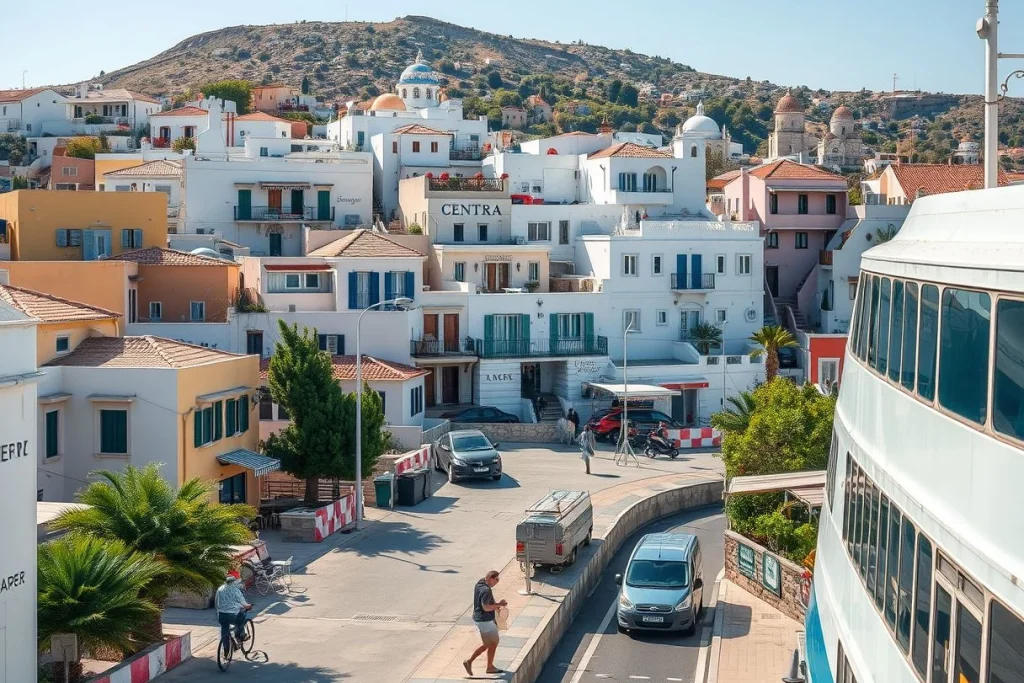
Travel to Piraeus with enough time to locate the correct berth and board without rushing. A conventional ferry to Santorini takes approximately six to nine hours; high-speed or express services take approximately four to five and a half hours, depending on the sailing, according to Ferryhopper. Compare the current options through the operator before booking.
Afternoon
Arrive in Santorini, transfer to accommodation around Fira or Oia, and keep the first island afternoon quiet. Check in, unpack and find a caldera viewpoint close to the hotel rather than attempting a full island circuit.
Evening
Watch the sunset from near your accommodation or from Oia if arrival timing allows. If you are staying in Oia, remain there for dinner after the sun has gone down, when the lanes are less pressured than during the main viewing window.
Where to eat
Look for local dishes, fava, grilled fish and tomato-based recipes. Reserve a caldera-view table only if the setting matters more than value; otherwise, choose a restaurant one or two streets back.
Getting around
Use a pre-arranged transfer, taxi or local bus according to your accommodation’s location. Ferries can be affected by weather, strikes and operational changes, so check the sailing and boarding instructions shortly before departure.
Estimated time
Allow one to two hours for the Athens-to-port transfer and boarding, four to nine hours on the ferry, and the rest of the day for check-in, rest and sunset.
Optional extras
If the sea crossing is long, choose a conventional ferry with more space rather than paying for speed. The time saved by a high-speed sailing may be worthwhile for travellers with limited energy, but motion can feel stronger.
Day 5 — The Fira–Oia caldera route
Morning
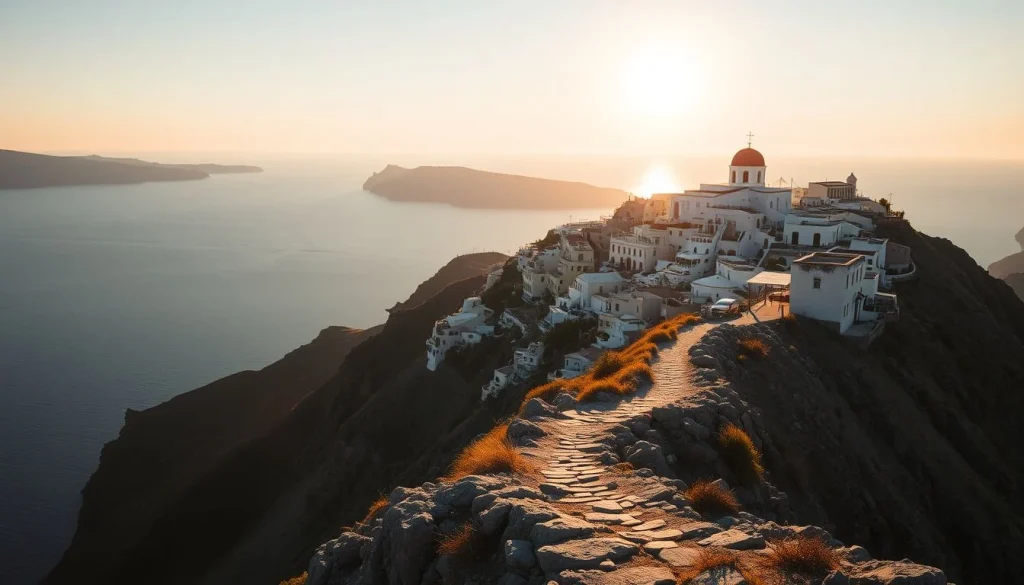
Walk part of the Fira–Oia caldera route in the morning, when the exposed path is cooler. You do not need to complete it to enjoy the views; turn back or use local transport if the heat, footing or crowds become tiring.
Afternoon
Rest at the hotel during the brightest hours. A private terrace, pool or shaded café is more valuable today than another island transfer. Later, continue to Oia for a slow browse before the sunset crowds gather.
Evening
For the most comfortable evening, reserve dinner in Oia and stay after sunset rather than trying to leave immediately. If you prefer space and quiet, watch the sunset from Fira or your own accommodation instead.
Where to eat
Make this the Santorini occasion dinner, with local fava, fresh fish or a small selection of Greek plates. Ask about a terrace that is sheltered from the wind.
Getting around
Walk only the section that suits your footwear and energy, then use a bus or taxi for the return. Allow extra time at sunset, when roads and viewpoints are busiest.
Estimated time
Allow three to four hours for walking, two hours for lunch and rest, and three hours for Oia and dinner.
Optional extras
Replace the walk with a short Fira museum visit or a late breakfast if the weather is hot or windy.
Day 6 — Choose one Santorini excursion
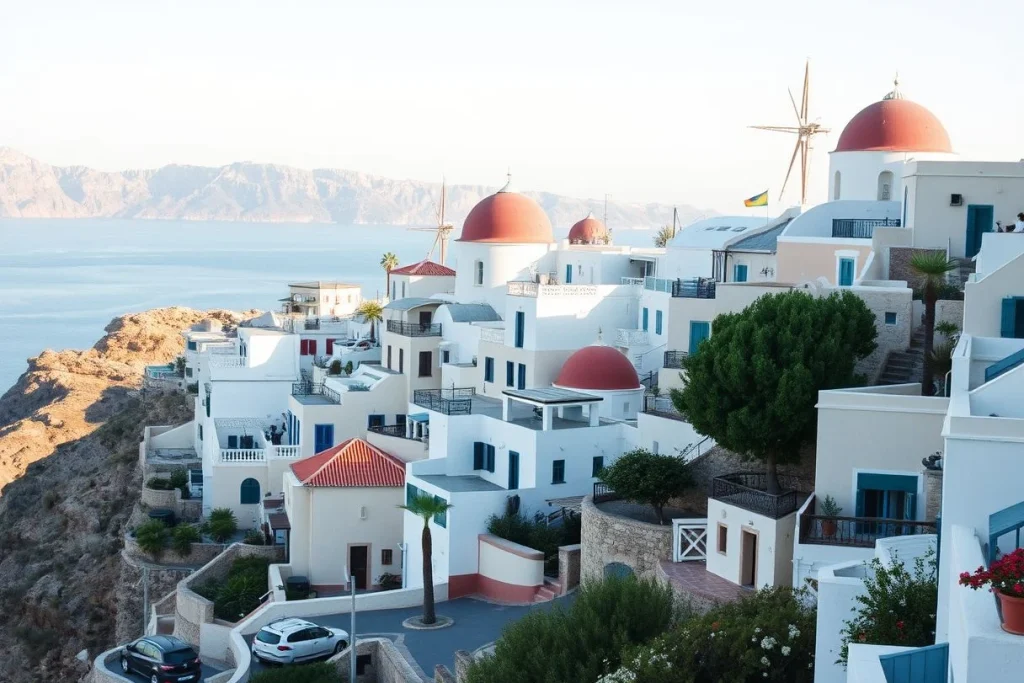
Morning
Choose between a volcano and boat outing or a winery experience. Do not schedule both: each can occupy most of the day, and the island is more enjoyable with time left for a swim, nap or unplanned viewpoint.
Afternoon
Return to your hotel for a free afternoon. Santorini’s strongest moments often come from doing less—reading on a terrace, swimming, or taking a short walk near Fira without a fixed target.
Evening
Have a relaxed final Santorini dinner and confirm the next day’s ferry, port transfer and luggage arrangements.
Where to eat
Choose grilled fish, local vegetables and Santorini-style fava. For a lower-key meal, eat away from the caldera edge and spend the saved time at a viewpoint.
Getting around
Organised excursions usually simplify transport, while a winery visit may require a taxi or transfer. Check cancellation terms and meeting points before paying.
Estimated time
Allow four to six hours for one excursion, two to three hours for lunch and rest, and two hours for dinner.
Optional extras
For a quieter day, skip both excursions and visit a beach instead. The volcanic shoreline is not the main reason to choose Santorini, but it offers a useful change from the caldera.
Day 7 — Santorini to Naxos
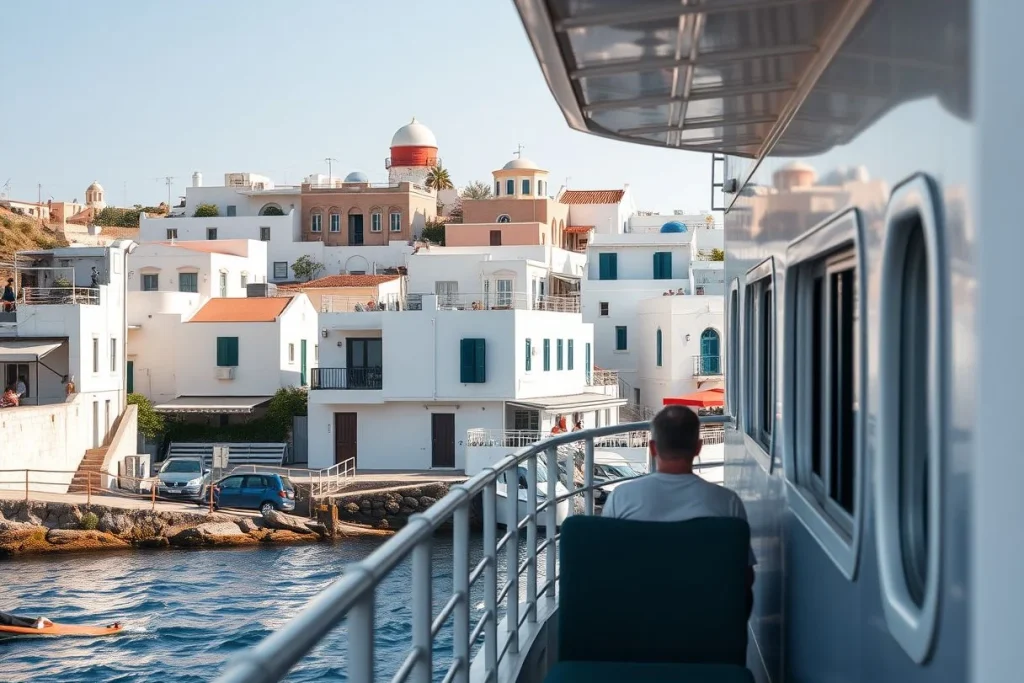
Morning
Take the ferry from Santorini to Naxos. The crossing commonly takes approximately one hour 10 minutes to two hours 40 minutes, depending on the operator and vessel. Check the live sailing, boarding requirements and port instructions before leaving your accommodation.
Afternoon
Check in around Naxos Town, then explore Chora at an easy pace. Walk through Kastro’s lanes and pause for lunch before the heat peaks.
Evening
Walk to the Portara for sunset, allowing time to return through the waterfront afterwards. Naxos Town is compact enough for an atmospheric first evening without another vehicle journey.
Where to eat
Try local cheese, fava, grilled fish and seasonal vegetables along the waterfront or in the older lanes. Choose one good dinner rather than moving between several bars.
Getting around
Use a taxi or accommodation transfer for the port, then walk around Chora. Keep the next day’s beach transport simple by checking bus routes or arranging a taxi in advance.
Estimated time
Allow one to three hours for the ferry and boarding process, two hours for check-in and lunch, and three hours for Chora and the Portara.
Optional extras
If the ferry arrives early, add a swim at a nearby beach only if it does not compromise the sunset walk.
Day 8 — Naxos Town and Agios Prokopios
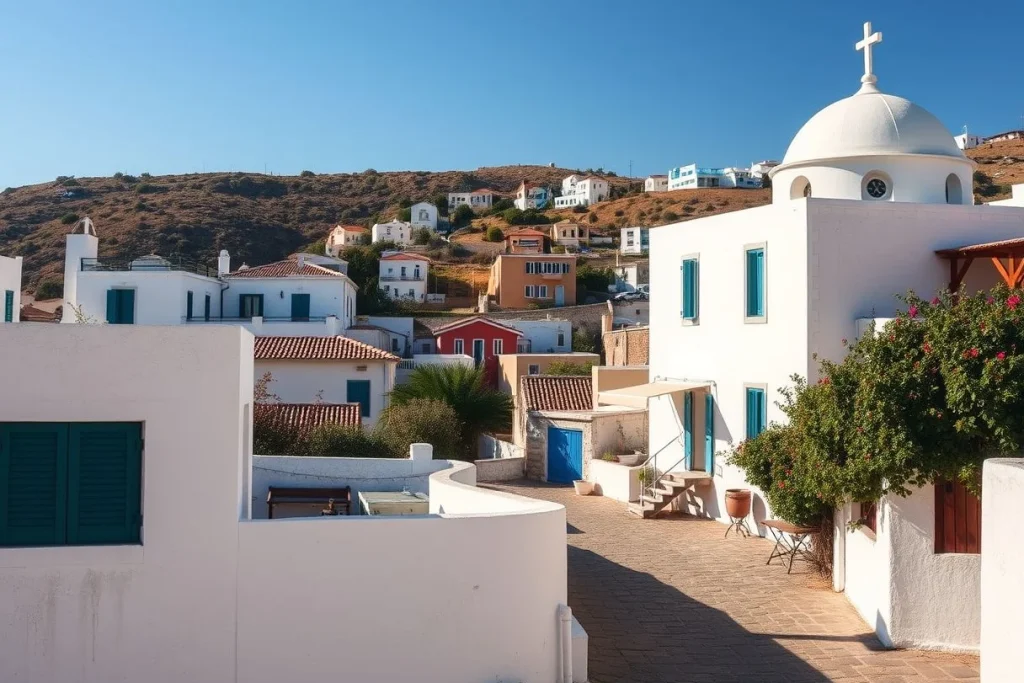
Morning
Begin with Kastro and the quieter lanes of Naxos Town before travelling to Agios Prokopios. Spend the late morning on the beach rather than trying to cover several coastal stops.
Afternoon
Stay by the water through lunch, then return to Chora for a hotel break. This split gives the day a clear shape without the repeated packing and unpacking of a wider island tour.
Evening
Watch the light change over the harbour, then choose a final Naxos Town dinner away from the busiest waterfront tables.
Where to eat
Order grilled fish, local cheese, vegetables and a simple dessert. Naxos is a good place to favour produce-led tavernas over elaborate menus.
Getting around
Use the local bus, taxi or a rental car according to comfort. A car offers flexibility but brings parking and driving decisions; the bus is adequate for a beach-focused day.</
Where to stay in Athens, Santorini and Naxos
Athens: choose walkability or transport first
Plaka and Anafiotika suit couples who want to step out into atmospheric lanes and reach the Acropolis area on foot. They are the most evocative choice, but old buildings, uneven paving and stairs can make large suitcases awkward; confirm lift access and luggage arrangements before booking.
Syntagma is the practical base for a short first stay, especially if you arrive late or leave early. Athens International Airport connects to Syntagma in approximately 40 minutes on Metro Line 3, according to Athens International Airport. Monastiraki brings livelier evenings and easy access to central sights, while Kolonaki is the more polished, quieter option. In either busy area, keep valuables secure: the GOV.UK Foreign travel advice for Greece, updated 15 September 2026, warns of theft risks on public transport and in crowded tourist areas.
Santorini: pay for the view only if you will use it
Oia is the choice for couples prioritising the iconic sunset and a premium caldera setting. The trade-off is cost pressure, crowds and stairs. A caldera-view room does not always mean a private terrace or unobstructed outlook, so ask the property to define the view and explain the route from the road to the room.
Fira, also called Thira, is the more flexible base for restaurants, buses and the Fira caldera walk. It works well for a mid-range boutique stay and reduces the need to arrange transport for every evening. Quieter caldera villages can offer more privacy, but transfers and steep paths matter more; confirm luggage handling, porter assistance and step-free access directly.
Naxos: match the stay to your evenings
Naxos Town (Chora) is the strongest fit for this itinerary: ferries arrive here, Kastro supplies atmosphere, and dinners are walkable. Choose a small boutique hotel for character, or a simpler room near the waterfront if you prefer to keep the stay budget-conscious.
Agios Prokopios suits couples who want the beach outside the door, but evening plans then depend more on buses or taxis. Inland villages such as Filoti and Apeiranthos reward quiet and scenery rather than spontaneous waterfront dinners; choose them only if you are comfortable checking bus links or hiring a car. For every island property, confirm transfer arrangements, stairs, lift access and exactly how far luggage must be carried from the road.
Travel costs: dated budget, mid-range and luxury planning
For a 2026 planning baseline, the only firm prices available here are Athens transport fares. They are useful for setting the floor of the trip, not for producing a complete quotation: ferry tickets, hotels, meals, archaeological-site entry and excursions must be priced against your dates.
Estimated costs
| Estimated category | Budget | Mid-range | Luxury |
|---|---|---|---|
| ATH to central Athens | X95: €5.50 per person; €11 per couple | Metro Line 3: €9 per person; €18 per couple | Price a private transfer separately |
| Athens local transport | €1.20 per person for a 90-minute ticket | €4.10 per person for a 24-hour ticket | Use taxis or private transfers; check live fares |
| Three-day Athens transport | OASA Tourist Ticket: €20 per person; €40 per couple | OASA Tourist Ticket: €20 per person; €40 per couple | Not needed if relying on private transfers |
Fares are based on Athens International Airport and Athens transport information for 2026; the OASA ticket figure is dated September 2026. The Athens International Airport lists the X95 at approximately €5.50 and Metro Line 3 at approximately €9 one way, while OASA lists the 72-hour Tourist Ticket at €20 per person.
For accommodation, food, attractions and activities, treat “budget”, “mid-range” and “luxury” as planning styles rather than sourced totals. Central guesthouses, self-guided Athens sightseeing and conventional ferries generally reduce spending; caldera-view rooms, high-speed sailings, private transfers and boat tours raise it. Compare the exact ferry vessel, cabin or seat, hotel view and cancellation terms before booking, then check live prices with the ferry operator, accommodation and activity provider.
| Item | Budget | Mid-range | Luxury |
|---|---|---|---|
| Athens Airport to central Athens by X95 express bus | €5.50 one way | €5.50 one way | — |
| Athens Airport to central Athens by Metro Line 3 | €9 one way | €9 one way | — |
| OASA Athens 3-day Tourist Ticket | €20 per person | €20 per person | — |
| Athens urban public transport ticket | €1.20 per person | €4.10 per person | — |
Estimated ranges based on the sources listed below. Prices change; check with providers before booking.
Travel tips that make this island-hopping route easier
- Visit the Acropolis early. In June to August, schedule the climb for morning or late afternoon, carry water, sun protection and shoes with grip for uneven stone, and check for heat warnings or temporary closures shortly before going. The Associated Press has reported closures during extreme heat; use the Ministry of Culture’s Acropolis information and official ticketing route rather than relying on an old itinerary.
- Choose the shoulder season when your dates are flexible. Greece’s National Meteorological Service describes hot, dry summers and wetter winters; late April to June and September to early October generally make walking and sunset outings more comfortable than late July and early August. Seasonal businesses and ferry services can vary, so verify what will be operating for your dates.
- Treat every ferry as a timed travel day. Confirm the exact port, operator, vessel, departure terminal, check-in instructions, cancellation policy and forecast before each sailing. Piraeus–Santorini can take approximately 6–9 hours on conventional ferries or 4–5.5 hours on high-speed services, while Santorini–Naxos commonly takes approximately 1 hour 10 minutes to 2 hours 40 minutes, according to current route information from Ferryhopper and Direct Ferries.
- Board with a luggage plan. Keep ferry tickets and identification accessible, but leave room to move your bags through the terminal and onto the vessel. Ask the accommodation about a hotel transfer in advance, especially for a caldera property, hillside address or late arrival.
- Protect valuables in Athens. The GOV.UK Foreign travel advice for Greece, updated 15 September 2026, warns of pickpocketing and theft risks on public transport and in crowded tourist areas. Split cards and cash between you, keep phones and passports secure, and avoid carrying every important document in one bag.
- Expect wind on the caldera path. Pack a light layer even for a warm island evening, and avoid planning a tightly timed sunset dinner immediately after a long walk. Reserve a sought-after terrace in advance, then keep a little flexibility for ferry delays and changing weather.
- Check payment arrangements before dinner or a tour. Ask whether the restaurant, taxi or small provider accepts cards, and carry a modest cash reserve without keeping all your money together. Confirm hotel transfer details and accessibility directly with each provider; ferry ramps, cabins and accommodation access vary.
- Do not make Day 10 a fragile flight connection. Check the exact Naxos–Athens sailing or flight, disruption policy and airport transfer before booking an international departure. If the flight is early, inflexible or especially important, add a final night in Athens rather than relying on a same-day island connection; also check the latest official travel advice for strikes, protests and transport disruption.
Conclusion: keep the three-stop route, then protect your connections
For couples, this Athens–Santorini–Naxos route is the right 10-day Greece itinerary if you want three distinct moods without turning the trip into a checklist: ancient streets and museums in Athens, caldera views and sunset dinners in Santorini, then beaches and mountain villages at a slower pace in Naxos. It works best when ferry days are treated as travel days, not spare sightseeing time.
Your next step is to choose dates in a shoulder-season window if possible, then check the exact ferry and flight timetables before paying for accommodation. Reserve the Acropolis and your preferred Santorini and Naxos stays early; choose a flexible Athens hotel for the final night if your international departure is early or important. Add winery visits, boat trips or other tours only after those core connections are secure.
Frequently asked questions
Which airport should I fly into and out of for this route?
Plan to arrive through Athens International Airport (ATH), then travel onward to Santorini and Naxos. For the return, check the exact Naxos–Athens schedule before booking an international departure; an Athens final night is the safer choice when the flight is early or inflexible. Athens Airport lists Metro Line 3 and the X95 express bus as city connections, taking approximately 40 and 60 minutes respectively. Athens International Airport
Is it better to stay in Fira or Oia on Santorini?
Choose Oia if your priority is a quieter caldera-view base and sunset atmosphere; choose Fira if you prefer a more central base for combining walks, meals and transfers. This itinerary gives Santorini three nights, so either works, but check the exact accommodation’s access and luggage arrangements. Santorini’s caldera scenery is the reason to stay on the island rather than treat it as a day trip.
Do I need to rent a car on Naxos?
Not necessarily, but a car is more useful if your plan depends on reaching both Agios Prokopios and the mountain villages of Filoti and Apeiranthos in one day. If you prefer a slower couple’s itinerary, base yourselves in Naxos Town and arrange transport for the beach or village day. Check current local transport, rental conditions and insurance before deciding.
What should I pack for ferries and island walks?
Pack light enough to handle ferry boarding, secure valuables in a small day bag, and bring sun protection, water and comfortable footwear for uneven streets and walks. Greece has hot, dry summers, with late July and early August among the hottest periods, so schedule outdoor sightseeing early or late. Ferry operators’ baggage and boarding rules can vary, so check them before departure. HNMS climate guidance
Are Athens, Santorini and Naxos suitable for a first trip to Greece?
Yes. The combination gives first-time visitors three distinct experiences without adding another rushed island: Athens for the Acropolis and neighbourhoods, Santorini for caldera scenery, and Naxos for beaches and villages. Three days in Athens, three nights in Santorini and three nights in Naxos is realistic, provided you allow for ferry windows and protect the final connection to Athens.
What can I do if wind or rough seas disrupts a ferry?
Check the ferry operator’s live sailing status, cancellation policy and revised boarding instructions before travelling to the port; rough seas, strikes and other disruptions can affect services. Do not build an international flight immediately after an island crossing. Keep accommodation and transfer details flexible where possible, and use the operator’s official information rather than assuming the next sailing will run. Ferry route and schedule guidance