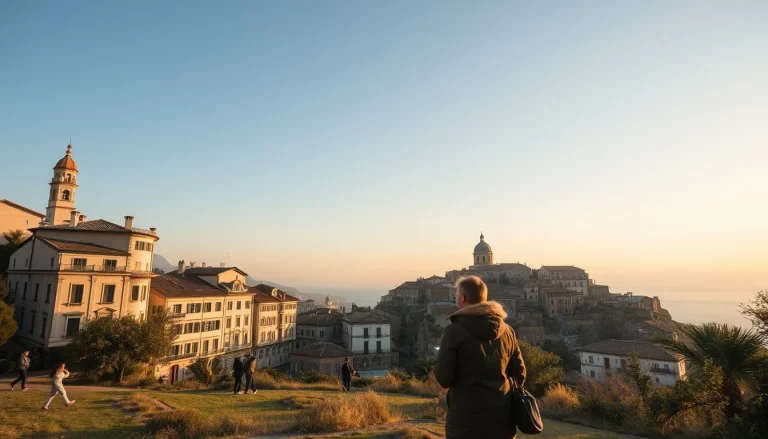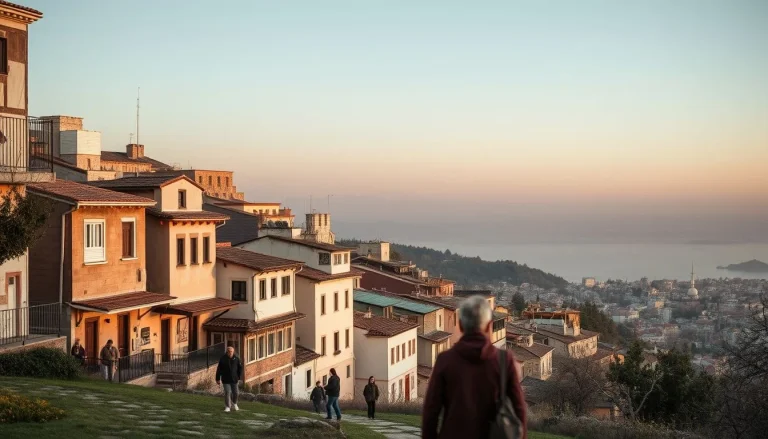
A Renfe train can carry you from Seville to Córdoba in about 45–50 minutes, shifting the scenery from Seville’s tiled courtyards to the Mezquita-Catedral and the narrow lanes of the Judería before the route continues towards Granada. That compact geography makes a one week in Andalusia itinerary possible without hiring a car or turning every day into a transfer.
This plan is for couples who want Seville’s evening atmosphere, a meaningful Córdoba stop and two unhurried nights in Granada, with time for scenic dinners and a sunset viewpoint. It sets out the practical choices that shape the trip: whether Córdoba deserves an overnight, how to fit the Alhambra around its timed Nasrid Palaces entry, where to stay in each city and how much to budget. The route favours three nights in Seville, one in Córdoba and two in Granada, while leaving enough flexibility for travel schedules and downtime.
Quick answer: Yes—one week is enough for a well-paced first visit to Seville, Córdoba and Granada if you focus on key sights rather than every monument. Plan three nights in Seville, one night in Córdoba and two nights in Granada, travelling mainly by train and booking the Alhambra around its timed entry.
Itinerary at a glance: 7 days from Seville to Granada
This seven-day route works best as an open-jaw journey: arrive at Seville Airport (SVQ), travel east by train, and leave from Granada Airport (GRX). Málaga is a practical fallback if flights from Granada do not suit your dates. The recommended rhythm is three nights in Seville, one in Córdoba and two in Granada, with the Alhambra scheduled rather than fitted in around everything else.
| Day | Overnight base | Main plan | Movement and pace |
|---|---|---|---|
| 1 | Seville | Arrive, settle into Santa Cruz or Arenal, evening walk and tapas | Easy arrival day |
| 2 | Seville | Real Alcázar, Seville Cathedral and Giralda; Plaza de España at dusk | Full sightseeing day |
| 3 | Seville | Flexible morning, Triana or María Luisa Park, lingering final dinner | Deliberately lighter |
| 4 | Córdoba | Travel to Córdoba, Mezquita-Catedral and Judería | Renfe trains from Seville typically take 45–50 minutes |
| 5 | Granada | Travel onward, check in and watch sunset from Mirador de San Nicolás | Travel day; check current Renfe service |
| 6 | Granada | Timed Alhambra visit, including the Nasrid Palaces and Generalife | Allow at least 2–3 hours |
| 7 | — | Slow Granada morning, then depart | Keep the final hours uncommitted |
Sleeping in Córdoba is the atmospheric choice: it lets you see the Judería after the main day-trip rush and avoids adding another long day to the itinerary. A same-day Córdoba visit from Seville is possible, but continuing to Granada that evening only suits couples comfortable with a tighter schedule. Renfe reported that direct Córdoba–Granada Avant services were restored in 2026; journey times vary, so check the service for your date before fixing the plan.
Before you go: Alhambra tickets, trains and arrival logistics
Start with the Alhambra
Once your dates are firm, reserve the Alhambra through the official Patronato ticket site. The Nasrid Palaces use timed admission, so your ticket determines part of Day 6; every visitor must present the original passport or identity document at the entrance. The official site displayed an Alhambra General ticket at approximately €22.27 per person on 23 September 2026, but both availability and price can change.
Check the Patronato’s conservation notices shortly before departure. Partial closures can affect the visit, and the Alhambra restricts backpacks larger than 40 × 40 cm; tripods and selfie sticks are not permitted in the Nasrid Palaces. Carry the same original ID used for the booking, rather than relying on a photograph or photocopy.
Then reserve the route

Book the Seville–Córdoba train with Renfe once your accommodation is settled. Renfe says the journey typically takes around 45–50 minutes, and advance fares may be lower. For Córdoba–Granada, check the exact date before committing: direct Avant services were restored in 2026, but journey times vary by service, according to Renfe’s announcement dated March 2026.
Reserve accommodation for three nights in Seville, one in Córdoba and two in Granada, ideally with a luggage-drop arrangement if your train arrives before check-in. A Córdoba overnight gives you a quieter evening in the Judería; if you instead make it a day stop, confirm that the hotel in Granada can accept luggage on arrival.
Check monument schedules and dinners
Look up the Seville Cathedral’s seasonal visitor schedule before assigning it to Day 2. The Cathedral’s official guidance says last admission is typically one hour before closing, but schedules can change. Book the Real Alcázar and Cathedral separately through their official channels where possible, leaving enough time between timed entries for security and walking.
For a couple, reserve one atmospheric dinner in advance—perhaps in Triana or Arenal in Seville, and near the Albaicín or Realejo in Granada—particularly for a Friday or Saturday. Keep the other evenings flexible: Andalusian dining is more enjoyable when a delayed train or a long monument visit does not turn dinner into another appointment.
Arrange arrival and documents
At Seville Airport (SVQ), the EA airport bus connects with Santa Justa and the city centre in approximately 30–35 minutes. AiFly’s 2026 airport guide puts the one-way fare at about €6; verify the live fare, route and timetable before flying. From Granada Airport (GRX), ALSA airport buses reach the city centre in approximately 30–45 minutes, with 2026 fare information indicating roughly €3.10–€4; check ALSA immediately before travel.
Spain is in the Schengen area, but entry requirements depend on nationality. GOV.UK Foreign travel advice, updated 15 September 2026, notes that many visa-exempt travellers may stay up to 90 days in any 180-day period, subject to nationality-specific rules; check the Spanish authorities or your government’s current advice. Add travel insurance, save booking confirmations offline and secure valuables in crowded tourist areas, where official travel advice warns of pickpocketing.
Day by day: a realistic Seville, Córdoba and Granada itinerary
This seven-day Andalusia itinerary works best as a southbound route: three nights in Seville, one in Córdoba and two in Granada. It keeps the main journeys manageable, leaves space for unhurried dinners, and places the Alhambra at the centre of the Granada stay rather than treating it as an afterthought.
Day 1 — Arrive in Seville

Morning and afternoon
Arrive at Seville Airport and head to a boutique hotel in Barrio Santa Cruz or Arenal. The EA airport bus connects the airport with Santa Justa and the city centre in approximately 30–35 minutes and costs about €6, according to the available airport transport information; check the current route and fare before travelling. A private transfer is the more comfortable choice if you arrive with heavy luggage or late in the day.
Keep the first afternoon deliberately light. Walk through the lanes around the Cathedral, Plaza del Triunfo and Santa Cruz, stopping for coffee or a short rest rather than adding a major monument.
Evening
Take an easy route towards the river or Plaza de España before dinner. Seville is most atmospheric after the heat softens, and this first evening is better spent absorbing the city than ticking off sights.
Where to eat
Start with small plates of jamón, salmorejo, croquetas and grilled fish in Santa Cruz or Arenal. Order gradually and leave room for an Andalusian pastry or a final drink at a quiet terrace.
Getting around
Use the EA bus or a taxi from the airport, then walk. Santa Cruz, Arenal and the historic centre are compact but paved unevenly in places.
Estimated time
Allow around one hour for the airport transfer, two to three hours for check-in and rest, two hours for a gentle walk, and two hours for dinner.
Optional extras
If you arrive early and still have energy, cross to Triana for a short riverside walk. In June, July and August, shift outdoor exploring towards sunset and carry water.
Day 2 — Seville’s major monuments and María Luisa Park
Morning
Visit the Real Alcázar first, followed by Seville Cathedral and the Giralda. Book both in advance and check the Cathedral’s seasonal schedule and last admission on its official visitor information; the published guidance says last admission is typically one hour before closing. Allow several hours for the two monuments, with a café break between them.
Afternoon
After lunch, walk south to Plaza de España and continue into María Luisa Park. The tiled alcoves and broad paths make this a slower, more scenic block than another museum visit. Rest in the shade before returning to the centre.
Evening
Choose a relaxed dinner in Arenal, or return to Santa Cruz for a quieter evening. A short walk around the illuminated Cathedral makes a pleasant finish without adding another scheduled attraction.
Where to eat
Look for a traditional tapas bar serving tortilla, espinacas con garbanzos, fried aubergine and local cheeses. Reserve a table if you want a longer dinner rather than bar hopping.
Getting around
Walk between the Alcázar, Cathedral and Plaza de España. The route is straightforward but exposed, so schedule the park for later in the day during the hottest months.
Estimated time
Allow three to four hours for the monuments, one hour for lunch, two hours for Plaza de España and the park, and an unhurried evening.
Optional extras
Replace part of the park visit with a pre-booked flamenco performance if music matters more than additional sightseeing.
Day 3 — A slower Seville day

Morning
Protect this morning for downtime. Have a long breakfast, browse a market or explore Triana’s ceramic shops and riverside streets. Couples who prefer a quieter neighbourhood can stay around Arenal and follow the river instead.
Afternoon
Return to the hotel during the hottest part of the day, then take a final stroll through streets you enjoyed on arrival. This pause is useful before the travel day to Córdoba.
Evening
Cross the river for a scenic final Seville dinner in Triana, or stay in Arenal for an easier walk back. Keep the evening flexible rather than booking a late performance before tomorrow’s train.
Where to eat
Choose a market lunch or a small tapas dinner, with salmorejo, montaditos and seasonal vegetables. Triana is the natural choice for atmosphere; Arenal is more convenient for a short walk home.
Getting around
Walk, using taxis only if the heat or cobbles make the return tiring. Keep valuables secure in crowded areas: official travel advice updated 15 September 2026 warns of theft and pickpocketing in tourist areas.
Estimated time
Allow two to three hours for neighbourhood exploring, at least two hours of rest, and two to three hours for dinner.
Optional extras
Add a short Guadalquivir river walk if the temperature is comfortable; otherwise, make this a genuine rest afternoon.
Day 4 — Seville to Córdoba

Morning
Take a Renfe train from Seville to Córdoba. The journey typically takes about 45–50 minutes, according to Renfe. Leave your bags at the hotel or luggage storage, then visit the Mezquita-Catedral before the narrow Judería becomes crowded.
Afternoon
Explore the Jewish Quarter at walking pace, pausing in a courtyard or shaded square. Continue towards the Roman Bridge and riverside for a change of scene, then check in properly and rest.
Evening
Sleeping in Córdoba is worthwhile: after day-trippers leave, the lanes around the Mezquita-Catedral become noticeably calmer. Take a short evening walk rather than adding another formal attraction.
Where to eat
Try salmorejo cordobés, flamenquín and berenjenas con miel. Choose a small restaurant near the Judería, but step away from the busiest monument frontage for a quieter dinner.
Getting around
Use the train and walk from Córdoba railway station or take a short taxi if carrying luggage. The historic centre is best explored on foot.
Estimated time
Allow one hour for the train and station logistics, two to three hours for the Mezquita-Catedral, two hours for the Judería and river, plus lunch and rest.
Optional extras
If energy is low, skip the riverside walk and keep the overnight. Continuing to Granada today is possible only if the current timetable and your energy make it sensible.
Day 5 — Córdoba to Granada

Morning
Have breakfast in Córdoba, then travel to Granada. Direct Avant services were restored in 2026, but journey times vary by service; check the current Renfe timetable before booking rather than planning around an assumed duration.
Afternoon
Check into Centro, Realejo or Albaicín and keep the afternoon light. Plaza Nueva and Gran Vía are convenient orientation points, while Realejo offers a gentler first walk than tackling the steepest Albaicín lanes with luggage.
Evening
Go to Mirador de San Nicolás for sunset, allowing time for the uphill streets and crowds. Return for dinner in the Albaicín or Realejo rather than crossing the city again.
Where to eat
Look for Granada-style tapas, tortilla del Sacromonte if available, local cheeses and sweet piononos. Ask whether tapas accompany drinks before ordering additional dishes.
Getting around
Walk where possible, but use a taxi for luggage or steep slopes. The historic quarters include steps and uneven paving.
Estimated time
Allow the variable train journey, one to two hours for check-in and rest, two hours for orientation, and a long dinner.
Optional extras
On a clear, low-energy evening, replace the viewpoint with a quiet drink in Realejo.
Day 6 — The Alhambra and Generalife
Morning
Build the day around the timed entry on your Alhambra ticket. The Nasrid Palaces admission is time-controlled, and visitors must present their original passport or ID; check the official Alhambra ticket site for current requirements and conservation notices. Allow at least two to three hours for the core visit, including the Nasrid Palaces, Generalife and the wider complex.
Afternoon
Return to Granada for lunch and a proper break. Avoid scheduling another major monument: the Alhambra involves considerable walking, and summer heat can make the gardens tiring.
Evening
Have a relaxed dinner in Realejo, or book a hammam-style treatment if availability suits your dates. Keep the final evening atmospheric rather than ambitious.
Where to eat
Choose a slow meal of grilled meats, remojón granadino, aubergine dishes and Andalusian pastries. Realejo is the most convenient area after returning from the Alhambra.
Getting around
Granada’s C30 and C32 minibuses connect central Granada with the Alhambra area, according to the city tourism transport map. Check the current route and allow extra time for queues.
Estimated time
Allow two to three hours for the core Alhambra visit, travel and queues, two hours for lunch and rest, and two to three hours for dinner.
Optional extras
If your ticket is later in the day, spend the morning at a viewpoint or over breakfast in Albaicín. Keep bags small: the Alhambra restricts large backpacks and some equipment in the Nasrid Palaces.
Day 7 — A slow Granada departure

Morning
Take a final breakfast, then choose Plaza Nueva and Gran Vía for an easy central walk or revisit an Albaicín viewpoint if your departure is later. Leave enough time to collect luggage and reach the airport.
Afternoon and evening
Depart from Granada Airport, where ALSA buses connect with the city centre in approximately 30–45 minutes; reported fares are about €3.10–€4, but verify the current information with ALSA. If your flight options require it, continue via Málaga, allowing a generous connection.
Where to eat
Make breakfast your final food experience: order tostada con tomate, churros or a filled Andalusian pastry, then keep lunch simple near your departure route.
Getting around
Use the airport bus for a budget transfer or a taxi when travelling with luggage and a fixed departure time. Keep passports and phones secure at stations and in crowded vehicles.
Estimated time
Allow two hours for breakfast and a final walk, one to two hours for luggage and transfer planning, and additional margin for an onward Málaga connection.
Optional extras
If you have a late departure, choose one last viewpoint rather than adding another paid attraction. The route works because it ends slowly.
Where to stay in Seville, Córdoba and Granada as a couple
Seville: choose atmosphere or easy access
Santa Cruz suits couples who want narrow lanes, tiled courtyards and a short walk to the Seville Cathedral, Giralda and Real Alcázar. A small boutique hotel with a courtyard or rooftop terrace gives the most atmospheric stay, but check reviews for soundproofing: lively evening streets can carry noise into rooms. It is also less convenient for a taxi to Santa Justa than Arenal.
Arenal is the practical romantic choice, close to the river, theatre district and major sights, with easier taxi access and plenty of restaurants for a late dinner. Choose Triana if you prefer a more local-feeling base, ceramic workshops and evening walks along the Guadalquivir; it is a little less central for the Cathedral and Alcázar, but often feels more residential.
Córdoba: sleep inside the old quarter
For one night, book a small hotel or restored patio house in or near the Judería. Early and late walks around the Mezquita-Catedral are the main reason to stay rather than treating Córdoba only as a day trip. Cobblestones and narrow lanes make luggage handling awkward, so confirm the nearest vehicle-accessible street and ask whether the property has a lift.
Granada: match the base to your evenings
Centro, around Plaza Nueva and Gran Vía, is the simplest first-visit option: transport, restaurants and luggage access are straightforward. Realejo is the better compromise for couples who want a calmer, restaurant-filled neighbourhood within walking distance of the centre. Choose the Albaicín for views and an atmospheric guesthouse, especially if a room or terrace faces the Alhambra, but expect steep streets, steps and less direct luggage access; the C30 and C32 minibuses serve the Alhambra area.
As an indicative mid-2026 guide, accommodation ranges from about €40–€90 per room per night for budget lodging, €100–€200 for mid-range rooms and €250 or more for luxury stays. These figures, reported by Spain Trip Vibe in 2026, vary substantially with season, festivals, weekends and booking lead time. For an Andalusia itinerary for couples, prioritise air-conditioning in hot months, lift access where needed, soundproofing and a clear late-arrival policy before choosing a prettier address.
Travel costs: dated budget, mid-range and luxury estimates
For two people, plan this seven-day Andalusia itinerary around daily spending of €840–€1,400 at budget level, €1,400–€2,520 mid-range, or €3,360+ for luxury, excluding international flights. These 2026 estimates come from Spain Trip Vibe and include typical travel expenses; accommodation is shown separately because the source provides room-rate guidance.
| Estimated cost (EUR) | Budget | Mid-range | Luxury |
|---|---|---|---|
| Daily spending, per person | €60–€100 | €100–€180 | €240+ |
| Double room, per night | €40–€90 | €100–€200 | €250+ |
| Six-night room total | €240–€540 | €600–€1,200 | €1,500+ |
| Seville–Córdoba train, one way per person | Approx. €7–€25 | Check Renfe | Not established |
| Alhambra General ticket, per person | Approx. €22.27 | Approx. €22.27 | Not established |
Basis: sourced 2026 daily estimates and mid-2026 room guidance; six nights, two travellers, international flights excluded. The Alhambra price was displayed on the official ticketing site on 23 September 2026.
Allow roughly €12 for two on the Seville Airport EA bus, based on the reported 2026 fare of about €6 per person, and approximately €6.20–€8 for two on the Granada Airport bus, according to ALSA’s reported €3.10–€4 fare. Seville Cathedral and the Giralda add about €26–€28 for two at the published 2026 admission range.
Do not treat the combined figures as a guaranteed trip total: the daily estimate already includes typical travel expenses, so adding every transport and admission line can overstate the result. Prices rise around festivals, weekends and peak summer; check Renfe, the Alhambra’s official ticket site and accommodation providers for live prices. A Córdoba overnight uses one of the six nights; a day trip leaves five hotel nights instead.
| Item | Budget | Mid-range | Luxury |
|---|---|---|---|
| General daily travel budget | €60–€100 per person per day | €100–€180 per person per day | €240+ per person per day |
| Accommodation | €40–€90 per room per night | €100–€200 per room per night | €250+ per room per night |
| Seville to Córdoba train | Approx. €7–€25 when advance fares are available | Check Renfe for the selected service and date | Not established by the source |
| Seville Airport EA bus | Approx. €6 per person | Approx. €6 per person | Not established by the source |
| Granada Airport bus | Approx. €3.10–€4 per person | Approx. €3.10–€4 per person | Not established by the source |
| Alhambra General ticket | Approx. €22.27 per person | Approx. €22.27 per person | Not established by the source |
| Seville Cathedral and Giralda | Approx. €13–€14 per person | Approx. €13–€14 per person | Not established by the source |
Estimated ranges based on the sources listed below. Prices change; check with providers before booking.
Travel tips that make this route smoother
- Carry the original ID used for your Alhambra booking. Nasrid Palaces entry is time-controlled, and the official Alhambra ticket site requires an original passport or identity document; a photo or photocopy may not be accepted. Check the ticket conditions again before travelling.
- Plan around the Nasrid Palaces time slot, not simply the Alhambra’s general admission. Allow at least two to three hours for the wider complex, and check the official site shortly before your visit for conservation work or partial closures.
- Pack a small day bag. The Alhambra restricts backpacks larger than 40 × 40 cm, while tripods and selfie sticks are restricted in the Nasrid Palaces. Leave bulky luggage at your accommodation rather than arriving at the entrance with it.
- Save offline proof of the trip. Download or screenshot rail tickets, accommodation details and the Alhambra booking before leaving Wi-Fi. Allow time at Santa Justa and Córdoba railway station, especially with luggage.
- Do not assume frequent Córdoba–Granada trains. Services and journey times can vary; check Renfe for your exact date and verify any strikes, engineering works or other disruption before departure. This route works well without a car.
- Wear supportive shoes and carry water. The Judería, Albaicín and other historic quarters have uneven paving and steps; in June, July and August, plan longer outdoor walks for cooler hours and seek shade at midday.
- Book only the evenings that matter most. Reserve a sought-after dinner or a flamenco performance if it anchors your plan, but leave at least one night flexible for a slow walk and an unplanned table.
- Secure valuables in crowded tourist areas. GOV.UK Foreign travel advice, updated 15 September 2026, warns of theft and pickpocketing in Spain; keep phones and wallets out of open pockets and check current official advice before departure. Historic monuments, towers and streets may also have accessibility limitations, so confirm requirements with each venue in advance.
Conclusion: choose the slower Seville–Córdoba–Granada route
Commit to the slower Seville–Córdoba–Granada route: three nights in Seville, one atmospheric night in Córdoba and two nights in Granada. That allocation gives a couple time for shared dinners, neighbourhood walks and a pause between major monuments, while accepting that this is a highlights-focused first visit rather than an exhaustive tour.
Your next step is to check Alhambra availability for the dates you want, then match the journey around that timed entry. Once the Alhambra slot and exact Renfe services are confirmed, book the Córdoba and Granada hotels, followed by an open-jaw flight into Seville and home from Granada or Málaga. If the rail timings make Córdoba awkward, treat it as a carefully planned day trip rather than forcing a rushed overnight.
Frequently asked questions
Is it better to spend the night in Córdoba or visit on a day trip from Seville?
For this one week in Andalusia itinerary, staying one night in Córdoba is the calmer choice: it avoids returning to Seville after visiting the Mezquita-Catedral and the Judería, and breaks the journey towards Granada. A day trip is still practical because Renfe trains from Seville to Córdoba typically take about 45–50 minutes, according to Renfe. Choose it if accommodation changes would make the trip feel rushed; choose the overnight if atmosphere and slower pacing matter most.
What is the most romantic area to stay in Granada?
The Albaicín is the strongest choice for couples who want evening atmosphere and views, particularly around the routes leading towards Mirador de San Nicolás. Its historic setting comes with uneven paving and slopes, so it is less convenient with limited mobility or heavy luggage. Realejo is a more practical alternative, while Centro suits couples who want easier access to Plaza Nueva, Gran Vía and the city’s transport connections.
How much luggage is practical for travelling between these cities by train?
Use one compact suitcase or travel bag per person, plus a small day bag. That makes station transfers and historic streets easier, especially when moving between Córdoba’s Judería, Granada’s Albaicín and accommodation without a lift. Keep the Alhambra day bag particularly small: the official Alhambra ticket information says large backpacks over 40×40 cm are restricted, and tripods or selfie sticks are not permitted in the Nasrid Palaces. Check the current rules before departure: https://tickets.alhambra-patronato.es/en/
Can I visit the Alhambra if Nasrid Palaces tickets are sold out?
Do not assume you can enter the Nasrid Palaces without the timed admission attached to your booking. The Alhambra’s official ticket information states that Nasrid Palaces entry is time-controlled, and visitors must present their original passport or ID. Check the official ticket site for any remaining ticket category, availability, conservation notices or partial closures before changing your plans: https://tickets.alhambra-patronato.es/en/. A sold-out time slot should not be treated as guaranteed entry.
Are Seville, Córdoba and Granada suitable for travellers with limited mobility?
They can be manageable with advance planning, but this route is not uniformly step-free. Historic quarters and monuments may have uneven paving, steps and restricted tower access, so confirm accessibility directly with each attraction and accommodation before booking. Plan shorter sightseeing blocks, request an accessible room, and check the official information for Seville Cathedral, the Mezquita-Catedral and the Alhambra. The Alhambra’s official site also publishes conservation and partial-closure notices.
What should I do if my flight arrives too late for the planned first-day activities?
Treat arrival day as a transfer and check-in day rather than trying to fit in a monument. Seville Airport’s EA bus connects with Santa Justa and the city centre in approximately 30–35 minutes; the reported fare is about €6, but verify the current timetable and fare before travelling. If you arrive in Granada, ALSA airport buses take approximately 30–45 minutes to the city centre, with reported fares of about €3.10–€4. Reassign the walk or dinner to Day 3 rather than sacrificing a pre-booked timed visit.