This article contains affiliate links. If you book through one of our links, we may earn a commission at no additional cost to you.
Rome’s ancient centre, a French TGV platform and the Swiss Alps can all fit within the same European journey, but they belong to different rhythms, budgets and transport plans. Europe is a continent of separate seasons, currencies, rail systems and entry rules—not one uniform destination to cross off at speed.
This Europe travel guide for first-time visitors is for independent travellers planning 10–14 days who want a manageable route rather than a rushed country-counting exercise. It helps you choose two or three neighbouring countries, decide when rail beats flying, match accommodation to your travel style, estimate daily spending and prepare for arrival procedures. You’ll also find practical guidance on food, local transport, crowded sights, common pickpocket risks and the checks that matter before departure, including nationality-specific Schengen or ETIAS requirements and the 2026 Entry/Exit System.
Quick answer: For a first trip, plan 10–14 days around two or three neighbouring European countries, with three to four nights in a major hub and only a few dedicated travel days. May–June and September–early October usually offer a useful balance of weather, crowds and prices; before booking, verify your nationality-specific Schengen visa or ETIAS position and the 2026 EES arrival process on official EU guidance.
Why Europe is a practical first international trip

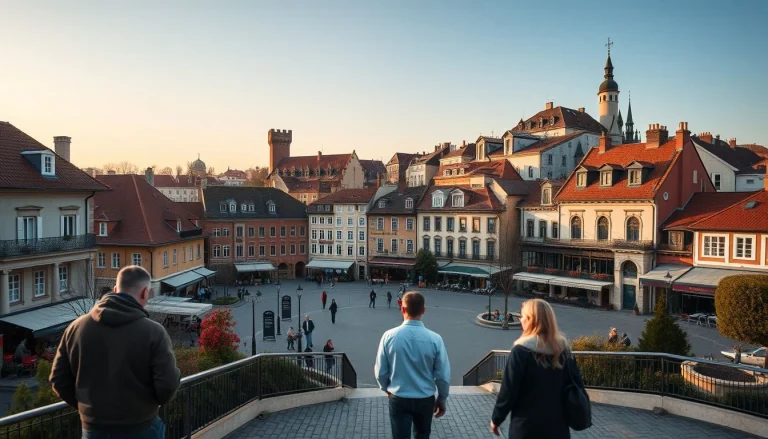
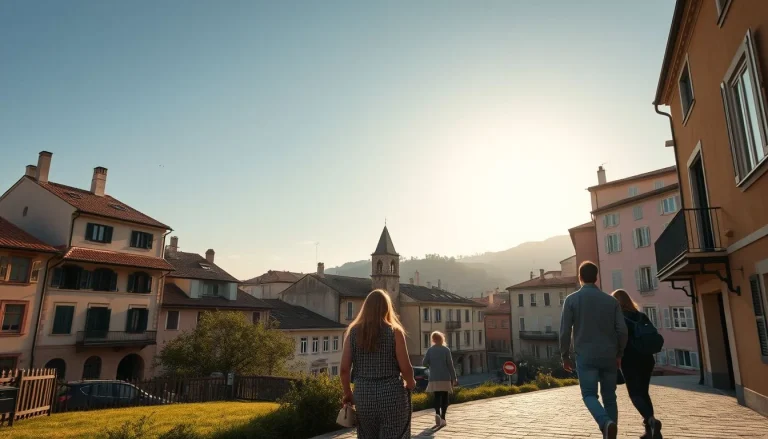
Europe works well for a first independent international trip because different kinds of travel fit within one manageable region: a historic-centre walking tour, a food market, a Mediterranean coastline, a Swiss Alps rail journey or a museum-filled capital can belong to the same plan. The appeal is variety, but the planning rule is to treat Europe as a collection of regions rather than one destination.
Start with a clear theme and a compact route. Pair Rome’s ancient centre with another Italian city, link Paris with the French Riviera, or combine Central European capitals by rail. Major arrival hubs such as London Heathrow, Paris Charles de Gaulle, Amsterdam Schiphol and Frankfurt offer extensive international connectivity, according to aviation reporting by CAPA.
Allow for real differences between countries: Europe has no single currency, climate, language or transport system. A euro payment may not suit every stop, and a train journey that is simple in one corridor may require separate tickets or reservations elsewhere. For a first visit, the regional planning approach recommended by Rick Steves is more useful than trying to collect destinations.
Best time to visit Europe: choose dates by region
For a broad first trip, choose May–June or September–early October. These shoulder-season months usually balance manageable crowds, moderate prices and useful weather across much of Europe, although conditions vary sharply between Mediterranean, northern, central and eastern regions.
| Season | Climate and daylight | Crowds and prices | Best suited to |
|---|---|---|---|
| Spring | Mild in much of Europe; longer days from April onwards, with changeable weather. | Generally lighter than summer, especially outside school holidays. | City walking, museums, gardens and a first multi-country route. |
| Summer | Hot and dry around the Mediterranean; cooler, bright and long-daylight conditions in the north. | Peak demand; accommodation and transport are often more expensive. | Beach time, the French Riviera, outdoor dining and northern Europe. |
| Autumn | Warm early on in many regions, becoming cooler and wetter later; daylight shortens. | September is often a useful shoulder month; demand rises around major events. | City breaks, food trips and scenic rail journeys. |
| Winter | Cold in central and eastern Europe, milder and wetter around the Mediterranean; short days. | Often lower city prices from November to February, apart from popular dates. | Skiing, museums and quieter urban travel. |
| December | Cold and dark in much of Europe, with snow more likely in mountain regions than cities. | Christmas markets and holiday travel create a distinct peak. | Festive markets, seasonal food and Alpine trips. |
Summer is the practical choice for Mediterranean beaches and northern-European daylight, but July and August bring the heaviest demand. November to February can suit budget-conscious city travellers, while skiing requires destination-specific snow and access checks. Lonely Planet’s regional climate guidance supports these broad seasonal patterns.
Before fixing dates, check the official tourism websites for festivals, public holidays, attraction closures and local transport changes. Also review current advice on extreme heat, wildfire risk and snow conditions: these can affect a route more than the calendar season itself.
How to get there: choose an arrival hub and route
For a 10–14-day first trip, choose the arrival airport around your route rather than around the cheapest standalone fare. London Heathrow, Paris Charles de Gaulle, Amsterdam Schiphol and Frankfurt are major international hubs with extensive connectivity, according to aviation reporting from CAPA, but compare the airport’s location, onward transfer and terminal changes with the ticket price.
An open-jaw ticket—flying into one city and home from another—usually suits a route through two or three neighbouring countries because it avoids returning to the starting point. A return flight is simpler and can work well if you are exploring one region from a single hub. One-way tickets offer flexibility, but can cost more and may leave you needing to arrange a separate return fare; check the full journey before booking.
For a nearby starting point, arriving by international rail can be calmer than flying and places you directly in a city centre. Driving is useful for rural regions or a coast-and-mountains route, but border rules, tolls, parking and rental-car permissions vary by country. Confirm the current requirements with the rail operator, rental company and relevant border authorities.
Within Europe, Ryanair, easyJet and Wizz Air are leading low-cost carriers, as reported by CAPA. Their headline fares may exclude baggage, seat selection and airport transfers, and some flights use airports farther from the city. Compare the door-to-door cost with a train before committing.
At external Schengen borders, eligible short-stay non-EU travellers are subject to biometric registration under the Entry/Exit System, fully operational since 10 April 2026, according to the European Commission. Check the official airport and airline websites for terminals, transfer times and onward connections before departure.
Where to stay in Europe: match the base to your travel style
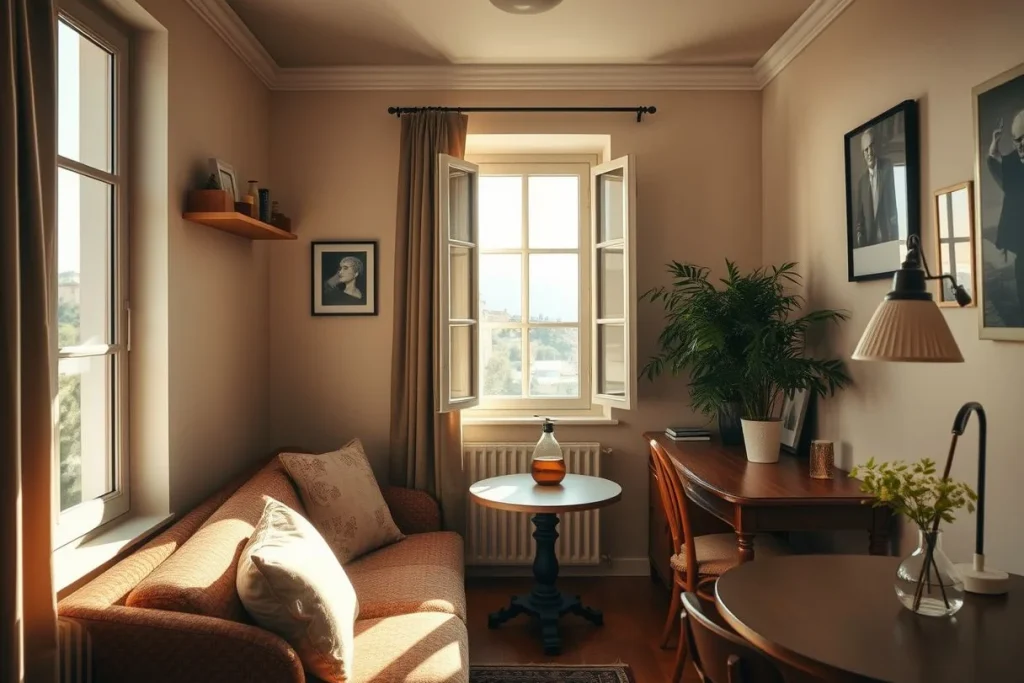
Once your arrival hub is chosen, pick accommodation by access rather than by postcode alone. On a first trip, a walkable centre or a reliable metro stop usually saves more time and uncertainty than a cheaper room on the edge of town. The right choice varies by city and by the route you build.
| Base | Best for | Trade-off |
|---|---|---|
| Central historic district | Older travellers, first-timers and anyone sightseeing on foot | Often livelier and potentially more expensive; check evening noise. |
| Railway-station area | Budget travellers, solo visitors and multi-city routes | Excellent connections, but the immediate surroundings may feel less residential. |
| Residential neighbourhood | Families and travellers wanting quieter evenings | More local atmosphere, but allow extra time for each major sight. |
| Airport hotel | Very early departures or late arrivals | Useful for one night, not usually a good base for exploring the city. |
| Countryside or coastal base | Slow travellers and visitors prioritising scenery | Greater calm and space, with fewer transport options and more planning. |
For a 10–14-day route, consider three or four nights in a major hub, then two or three nights in a secondary city or region; this limits hotel changes and dedicated travel days. Before booking, confirm a lift, air-conditioning when travelling in warm months, check-in hours, luggage storage and the city tax. Check the property’s official listing or contact the accommodation directly, since these details can change.
Best things to do on a first European trip
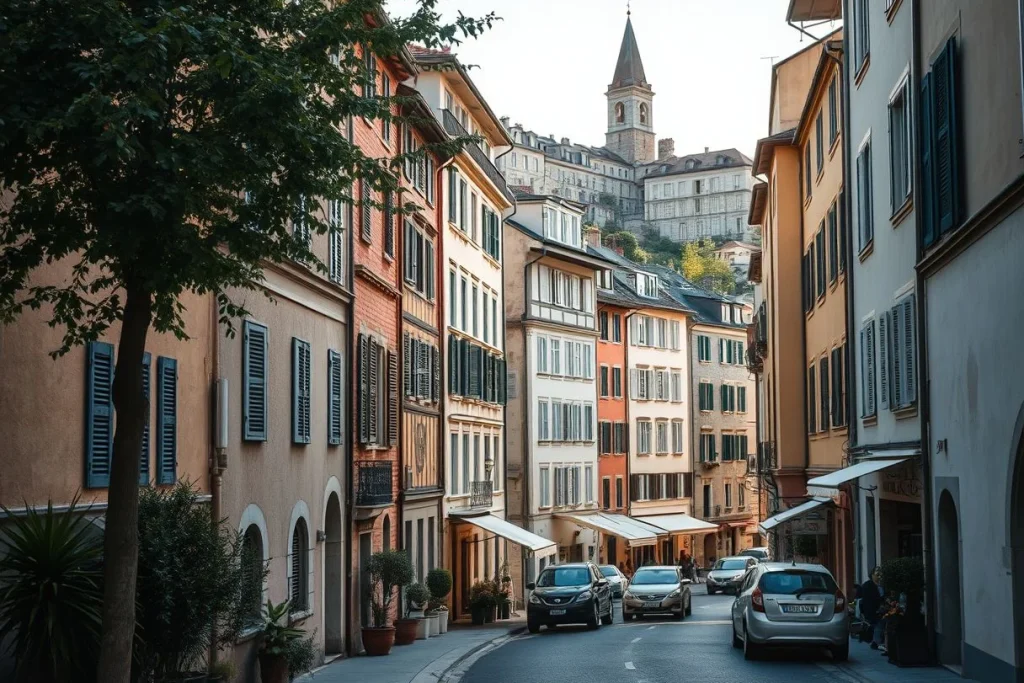
Build your first European trip around a few experiences, not a checklist of attractions. A practical 10–14-day route usually combines a major hub with a secondary city or region, leaving time to arrive, recover and wander; this approach is also recommended in trip-planning guidance from Rick Steves.
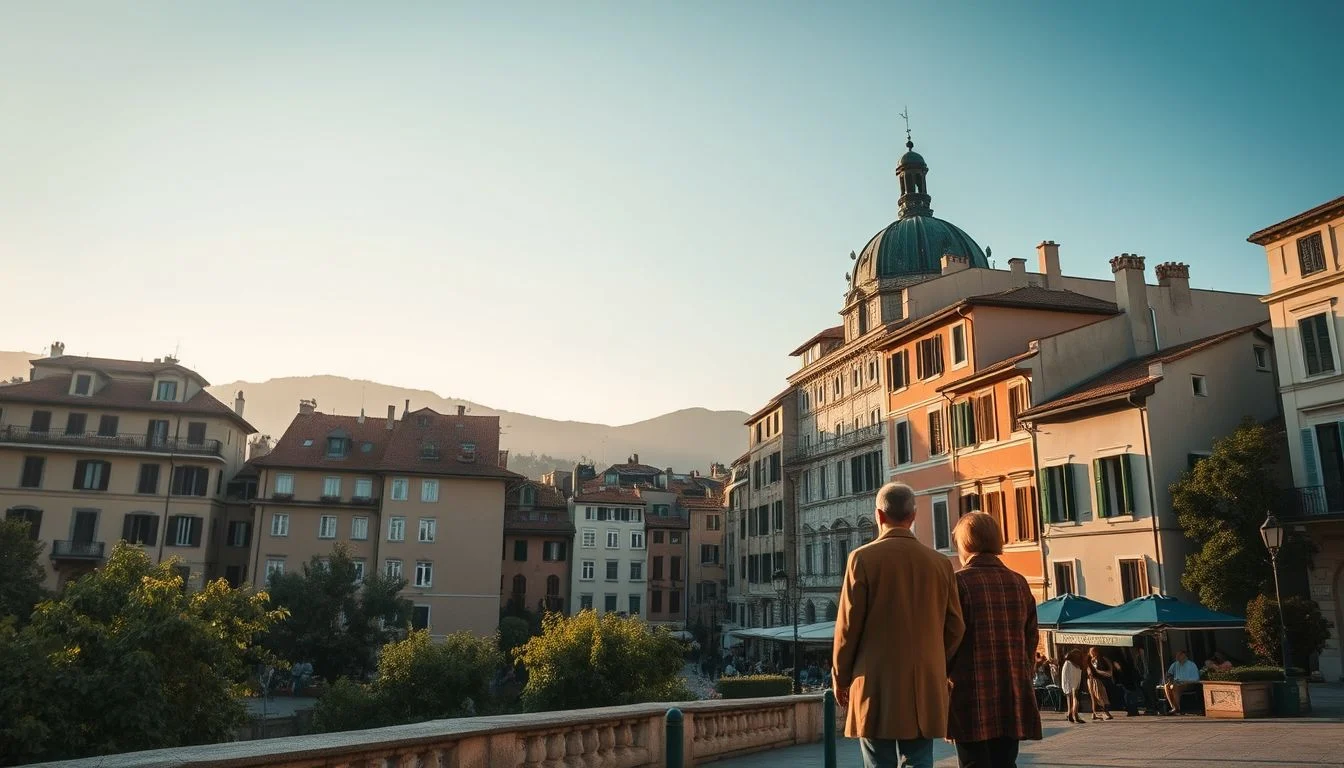
- Start with a historic-centre walking tour. It gives first-time visitors a sense of scale, local layout and everyday rhythm before more specialised sightseeing. It suits older travellers and anyone who prefers to orient themselves on foot.
- Choose one major museum. A timed-entry visit works well for culture-focused travellers, but avoid filling every day with indoor stops. Specific museums, ticket rules, accessibility and opening details need checking in a city-level update.
- Make one journey part of the experience. A scenic rail route suits slow travellers and can connect the itinerary with landscape viewing. Check the operator, route and reservation rules: Eurail’s 2026 guide notes that some high-speed and night trains require seat reservations even when a pass is valid.
- Add coastal time for families and sunseekers. The French Riviera is a useful route example, pairing Mediterranean scenery with city and inland options. Match the dates to regional weather and peak-season demand rather than assuming every beach stop works year-round.
- Eat through a regional market. Markets offer a low-pressure introduction to local dishes and suit food travellers who want to sample rather than commit to a long meal. Choose a specific market only after checking current access and trading details.
- Book a cooking class for structure. It adds cultural context without another museum and suits travellers who enjoy guided participation. Verify the operator’s current price, availability and accessibility before paying.
Rome’s ancient centre, the French Riviera and the Swiss Alps illustrate three contrasting route styles. Whichever you choose, keep at least part of a day unscheduled; the space between paid activities is where a first trip usually becomes manageable.
Top attractions: plan the headline sights without overloading your trip

Plan each city around one or two headline attractions, not a checklist of every famous sight. A morning at a major historic site followed by a nearby walk and an unhurried meal is more realistic than booking three timed visits across town.
- Book timed entry when offered. Use the attraction’s official website, not an unverified reseller, and check whether the ticket covers the full complex, a guided visit or only a particular entrance.
- Build in security time. Bags may be checked, large luggage may be refused, and queues can remain even with a reservation. Store luggage before arriving rather than assuming the venue will hold it.
- Check practical access. Look for step-free entrances, lifts, accessible toilets, seating and the route between transport and the entrance. “Accessible” can cover only part of a historic site, so ask the operator about the exact itinerary.
- Read the rules before paying. Confirm seasonal opening hours, closure days, dress requirements at religious sites, identification rules and cancellation terms immediately before travel.
Rome’s ancient centre is a useful model: choose one headline archaeological visit, then pair it with a walk through the surrounding streets and a meal nearby rather than adding another distant attraction. For every named site, verify current hours, tickets, security arrangements and accessibility with its official operator; these details change by season and sometimes at short notice.
Best neighbourhoods for a first European base

Choose a base by the shape of your days, not by a map’s apparent centre. The historic core suits first-time visitors who want to walk between major sights and return easily for a rest; expect more evening noise, uneven paving and less convenient taxi or luggage access.
A central station district is practical for frequent day trips: public transport, intercity trains and airport connections are close, though the surroundings may feel functional rather than residential. For a longer stay, a local residential area usually offers quieter nights and everyday cafés, but requires a dependable tram, metro or bus route and more planning after dark.
Choose a waterfront or coastal district when leisure time matters more than rapid sightseeing. An outer district can reduce accommodation costs, provided the last connection is straightforward and you are comfortable carrying luggage between stops. Before booking, check the route from the station or airport, lifts and stair-free access, late transport, and the likely noise level; a slightly less central room beside a reliable transit stop often makes the better first-trip base.
What to eat: a beginner’s route through European food

Make food part of the route, not another checklist. Start with a bakery or café breakfast, then try the regional specialities of each stop: fresh pasta or grilled seafood in Mediterranean Europe, schnitzel or goulash in Central Europe, and pierogi or hearty soups farther east. Traditions change across borders—and within countries—so ask locally rather than assuming a national dish will taste the same everywhere.
Regional food markets are an easy first introduction: you can compare small portions, see what is being cooked and stop before a meal becomes a commitment. A cooking class gives nervous diners more structure; check the operator’s accessibility, current price and cancellation terms before booking. For a quieter evening, reserve one planned dinner and use inexpensive local lunches for the rest of the day.
Meal customs vary. Some restaurants expect reservations, while others work by walk-in; service charges and tap-water policies also differ, so check the menu and ask before ordering. State allergies clearly and carry the wording in the relevant local language. For named restaurants, markets and current opening hours, use the destination’s official tourism site or the venue’s own page rather than an old guidebook.
Getting around Europe: when to take a train, fly or drive
For a first European route, use rail between well-connected cities, fly only for long or awkward jumps, and keep a car for rural areas rather than historic centres. High-speed services include France’s TGV, Eurostar, Germany’s ICE and Spain’s AVE. Eurail’s 2026 guide warns that a pass does not remove every seat-reservation requirement, particularly on high-speed and night trains.
| Mode | Best use | Door-to-door, luggage and cost | Booking |
|---|---|---|---|
| High-speed rail | City-centre to city-centre trips | Usually efficient; generous luggage; medium to high | Moderate; reserve early for busy departures |
| Regional rail | Short hops and scenic routes | Slower; straightforward luggage; low to medium | Low |
| Coach | Budget links between cities | Longer; luggage policies vary; low | Low to moderate |
| Low-cost flight | Long distances or poor rail links | Airport transfers and security add time; luggage costs extra; low to medium | Moderate |
| Rental car | Villages, mountains and coastlines | Flexible but slower in cities; luggage stays with you; high | High |
| Walking | Compact historic centres | Slow but direct; simplest luggage option; free | None |
| Metro | Large-city journeys | Fast in traffic; carry-on friendly; low | Low |
| Taxi or rideshare | Late arrivals or heavy bags | Door-to-door; limited luggage concerns; high | Low |
Low-cost carriers such as Ryanair, easyJet and Wizz Air serve many European routes, but compare the full fare with rail after adding baggage and airport transfers; their prominence is documented by CAPA’s 2024 aviation reporting. Check the exact station name, validate local tickets where required, download offline directions and avoid tight connections on separate tickets. Allow airport time beyond the flight itself.
Europe travel costs: dated daily budgets by travel style
Set your daily budget by travel style, then adjust for the countries and season on your route. These 2025 planning ranges exclude intercontinental flights and are per person.
Estimated costs

| Travel style | Estimated daily cost | What it covers |
|---|---|---|
| Budget | €60–120 | Hostels, budget meals, regional buses or local trains |
| Mid-range | €150–300 | 3–4-star hotels, mid-range restaurants and mixed transport |
| Luxury | €350+ | 4–5-star hotels, fine dining, private transfers and guided tours |
Basis: per person per day, excluding intercontinental flights; figures are 2025 estimates. The European Travel Commission’s planning material from February 2025 places a frequently planned European holiday at around €100–200 per person per day, a useful middle-ground context rather than a separate budget category.
Expect wide variation between cities, countries and travel dates. Sharing a room can reduce the accommodation cost, while peak summer and December often raise it; exchange rates, local taxes, attraction tickets and internal travel can move the total substantially. A Mediterranean beach route, a Swiss Alps stop or several high-cost capitals will usually need more headroom than a hostel-based Central European itinerary.
Keep a contingency fund for missed connections, weather disruption and last-minute transport or accommodation changes. Before booking, check live hotel, rail and attraction prices for each stop, then add them to the daily estimate rather than assuming every ticket is included.
| Item | Budget | Mid-range | Luxury |
|---|---|---|---|
| Europe trip, budget style | €60–120 per person per day | — | — |
| Europe trip, mid-range style | — | €150–300 per person per day | — |
| Europe trip, luxury style | — | — | €350+ per person per day |
| Frequently planned European holiday budget | — | €100–200 per person per day | — |
Estimated ranges based on the sources listed below. Prices change; check with providers before booking.
Suggested first trip to Europe itinerary: 10–14 days
Build a first trip around a small, connected route rather than trying to cover Europe. A realistic 10–14-day plan usually allows three to four nights in a major hub, two to three nights in a secondary city or region, and only a few dedicated travel days, according to Rick Steves’ trip-planning guidance. An open-jaw flight—arriving in one city and departing from another—can reduce backtracking; compare it with a return ticket before booking.
Three route templates
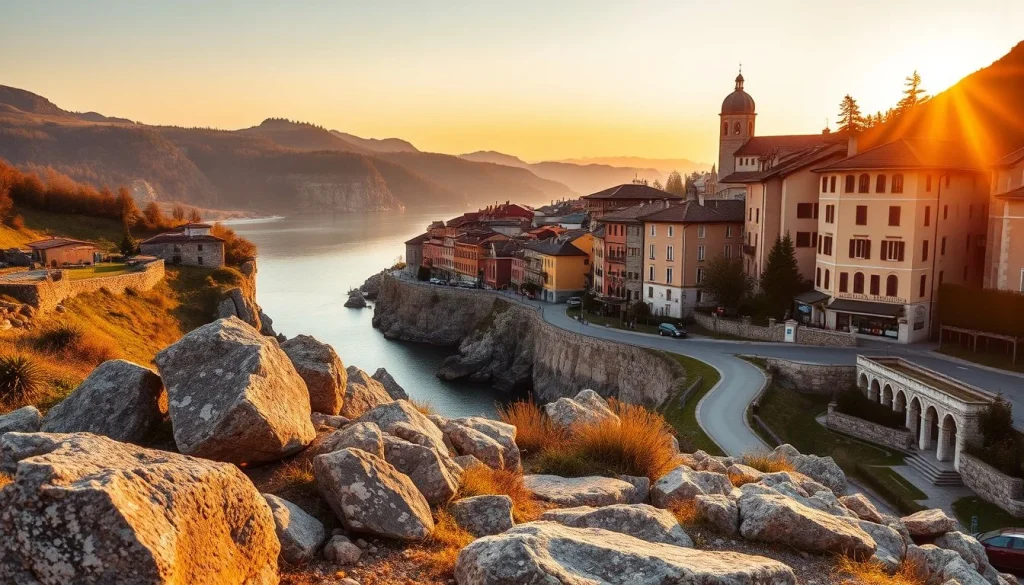
City-focused: spend Days 1–4 in Paris, including a gentle arrival day, then travel to Brussels or Amsterdam for Days 5–7. Use Days 8–10 in the remaining city or return hub, leaving Days 11–14 for museums, neighbourhoods and a slower final stay. This is the clearest first trip for travellers who want major sights, cafés and straightforward rail connections.
Rail and scenery: base the first four days in a major city, move to the Swiss Alps for Days 5–7, then finish in a neighbouring city or return hub. Keep one day flexible for weather and check mountain transport separately. If using Eurail, the 2026 Eurail guide notes that some high-speed and night trains require reservations even when the pass is valid.
Mediterranean: begin with four nights in Rome, travel towards the French Riviera for three nights, and use the final days in a third base or near the departure airport. This suits travellers prioritising historic sights and coastal time, but summer heat and peak-season demand make shoulder-season dates easier to manage.
For 10 days, remove the third country and add a night to each of two bases. For 14 days, add nights—not another border crossing—then reserve one rest or weather-buffer day. Confirm current journey times, rail reservations and open-jaw flight schedules in the final city-level plan.
Entry requirements and safety: check official guidance before departure
Checked 22 September 2026: entry rules depend on your nationality, passport, route and length of stay. Europe does not have one visa, border or safety system, so verify every country on your itinerary before booking non-refundable travel.
For a Schengen short-stay visa, the European Commission’s visa guidance says eligible travellers may stay for up to 90 days in any 180-day period. Apply through the consulate of your main destination, no earlier than six months and at least 15 days before travel; check the relevant consulate for its documents and appointment process.
Visa-exempt non-EU travellers may need an ETIAS authorisation when the applicable rules require it. Check the European Commission’s current visa policy for your nationality, including rollout status, eligibility, fee and processing requirements. Do not rely on an old travel blog or an airline booking page for this decision.
The EU Entry/Exit System (EES) has been fully operational at external Schengen borders since 10 April 2026, according to the European Commission’s border guidance. For eligible short-stay non-EU travellers, it records biometric entry and exit information. Allow extra time at your first external Schengen crossing: registration or verification may lengthen queues, while exemptions vary by traveller category and should be checked on the official EES page.
Before departure, check your passport rules, visa or ETIAS position, EES eligibility and any health requirements with the European Commission and the relevant consulate. Read your own government’s country-specific advisory for unrest, strikes, border disruption and local safety concerns. Buy travel insurance with medical and disruption cover, confirm what it excludes, and save the official emergency contact information for every country—not just your first arrival.
Europe travel tips that prevent avoidable mistakes
A few small preparations make a first European trip much easier. Keep this checklist with your booking details and revisit it before each change of country.
- Protect your payment options. Carry two cards separately, check foreign-exchange fees with your bank, and keep a modest amount of local cash for small purchases or places that do not accept cards.
- Set up your phone before departure. Confirm that it is unlocked, then compare your home provider’s roaming with an eSIM or local SIM. Download offline maps, translation tools and key booking confirmations while you have Wi-Fi.
- Keep documents usable but secure. Store your passport safely, carry a backup copy separately, and save encrypted digital copies of your passport, insurance policy and important reservations.
- Learn the local basics. A greeting, “please” and “thank you” help; check service-charge and tipping customs in each country rather than assuming one European standard.
- Pack for walking and changeable conditions. Comfortable shoes and light layers work better than a single heavy outfit. Check the forecast, heat, wildfire risk or winter conditions before every leg.
- Reserve the pressure points early. Popular timed-entry attractions and busy high-speed or night trains may require advance booking. Eurail’s 2026 guide notes that some trains require seat reservations even when your pass is valid; check the operator or Eurail’s current guidance.
- Recognise distraction scams. Treat fake petitions, unofficial helpers, staged distractions and unexpected taxi offers cautiously. Use official taxi ranks or reputable apps, keep valuables zipped and avoid leaving a phone on a café table.
- Build connection buffers. Allow time between an airport, station and onward train, particularly when changing tickets or countries. If belongings are stolen, report the theft promptly to local police and your card provider.
Conclusion: choose a compact route and verify the details
Europe becomes manageable when you stop treating it as one destination. For a first trip, choose two or three neighbouring countries, keep three to four nights in your main hub, and allow only a few dedicated travel days. That gives you time to settle in rather than spending the holiday changing stations and airports.
If your dates are flexible, May–June or September–early October usually offer a useful balance of weather, crowds and prices. Your next step is practical: select one regional route, then check the European Commission’s official entry guidance for your nationality before booking. Finally, price the intercity transport and accommodation together; the route that looks cheapest on a map may cost more once transfers and extra nights are included.
Frequently asked questions
Is 10 days enough for a first trip to Europe?
Yes, provided you keep the route compact. Guidance cited in the trip-planning research recommends two or three neighbouring countries, around three to four nights in a major hub, two to three nights in a secondary city or region, and only a few dedicated travel days. For a slower pace, use 14 days or limit the trip to two countries.
Which European countries work best together on a first visit?
Choose neighbouring countries connected by straightforward rail or road routes rather than crossing the continent. A practical route might combine a major city with a nearby region, such as Rome with the French Riviera or the Swiss Alps, but exact transport and seasonal access need checking. The planning principle is more important than a fixed country list: two or three countries are enough for 10–14 days.
Can I use one mobile plan across European countries?
This depends on your home provider, plan and the countries on your route, so do not assume that one arrangement covers all of Europe. Check roaming, data limits, calling charges and eSIM availability directly with your provider before departure. Also confirm the terms for every country you will visit, since Europe does not have one universal mobile system.
Should I reserve trains and attractions before leaving home?
Reserve important trains when your route is fixed, particularly high-speed and night services. Eurail’s 2026 pass guide notes that some require seat reservations even when your pass is valid, so check the operating railway and Eurail before travelling. For headline attractions, verify timed-entry rules, opening details and ticket availability with each attraction’s official website rather than relying on a general Europe-wide rule.
What should I pack for changing European weather?
Pack adaptable layers and footwear suitable for walking, then add weather protection appropriate to your route. Northern Europe generally has cooler summers, while Mediterranean Europe is hot and dry in summer but milder and wetter in winter; Central and Eastern Europe can have hot summers and cold winters, according to Lonely Planet’s regional guidance. Check the forecast and local conditions shortly before leaving.
How can I handle language differences when travelling independently?
Build a simple communication plan before departure: save accommodation addresses, transport details and essential bookings offline, and keep a translation tool available on your phone. Learn a few polite phrases for each country and use clear, short sentences when asking for help. Check country-specific transport and visitor information in advance, because Europe has no single language, etiquette or public-transport system.