A Nozomi train takes approximately 2 hours 20 minutes from Tokyo to Kyoto, making Japan’s most useful first-time route a line south and west rather than a loop back to the capital. This 10 days in Japan itinerary uses four nights in Tokyo, three in Kyoto and two in Osaka, with the Tokaido Shinkansen connecting the first two cities and a short regional transfer continuing to Osaka.
It is written for first-time international visitors who want a clear plan without racing between temples, neighbourhoods and stations. You’ll see how to choose between Haneda and Narita, reach the city after landing, decide whether an IC card or Japan Rail Pass makes sense, forward heavy luggage, and book the sights and trains that shape the trip. The route leaves one flexible Tokyo day for Hakone, Nikko or deeper city exploration, then finishes near Kansai International Airport where practical—saving the time and cost of returning to Tokyo.
Quick answer: Yes—10 days is enough for Tokyo, Kyoto and Osaka at a manageable pace if you travel one way: four nights in Tokyo, three in Kyoto and two in Osaka. Arrive in Tokyo, take the Tokaido Shinkansen to Kyoto, continue to Osaka, and fly home from Kansai International Airport where practical.
10 days in Japan itinerary at a glance: Tokyo to Osaka
Use this as the backbone of a one-way 10 days in Japan itinerary: four nights in Tokyo, three in Kyoto and two in Osaka. It keeps the longest intercity journey in the middle and avoids retracing your steps, so book an open-jaw trip where possible—arrive at Tokyo and depart from Kansai International Airport.
| Day | Sleep in | Main plan | Transport focus |
|---|---|---|---|
| 1 | Tokyo | Arrive, settle in, neighbourhood walk | Airport to central Tokyo |
| 2 | Tokyo | Asakusa, Senso-ji and Ueno | Tokyo metro and local trains |
| 3 | Tokyo | Meiji Shrine, Harajuku and Shibuya | Local trains and metro |
| 4 | Tokyo | Flexible: Tokyo, Hakone or Nikko | Local or day-trip transport |
| 5 | Kyoto | Travel, then Kiyomizu-dera and Gion | Tokaido Shinkansen |
| 6 | Kyoto | Early Fushimi Inari, then central Kyoto | JR and local transport |
| 7 | Kyoto | Arashiyama and Kinkaku-ji | Local train and bus |
| 8 | Osaka | Transfer, Namba and Dotonbori | Regional train |
| 9 | Osaka | Osaka Castle and Umeda, or Nara | Local train |
| 10 | — | Depart via Kansai International Airport | Airport transfer |
Day 4 is the pressure-release point: keep it for a deeper Tokyo day if you dislike changing plans, or choose a day trip if seeing more beyond the capital matters most.
Before you go: bookings, airports, passes and arrival logistics
Check entry requirements before booking the finer details
Visa and entry rules depend on nationality and can change. Within the weeks before departure, check the Ministry of Foreign Affairs of Japan and the nearest Japanese embassy or consulate for the rules that apply to every traveller in your group.
For this one-way route, choose an open-jaw flight: arrive in Tokyo and, where the fare and schedule work, depart from Kansai International Airport. If flights into Haneda are similar in price and timing to flights into Narita, Haneda is usually the simpler first arrival. Its city connections include the Tokyo Monorail and Keikyu services; Narita is served by the Narita Express and Keisei Skyliner. Check the operators’ current journey times and schedules, particularly for a late-night or early-morning landing.
Prepare the first airport transfer
At the airport, complete immigration and customs, collect your bags, then arrange connectivity before leaving the terminal. An eSIM suits a solo traveller with a compatible unlocked phone; pocket Wi-Fi is more practical for several people or devices without eSIM support. These services are available to tourists, but confirm collection instructions and compatibility before departure.
Withdraw or exchange enough yen for the first transfer and a meal, then buy or load an IC card if available at your arrival airport. Suica, PASMO and ICOCA work across large interoperable urban transport areas, though not on every operator or route. TOURIST PASMO, released for international visitors in May 2026 according to PASMO, is available at listed airport and station locations. Keep the card separate from a phone wallet or another contactless card to avoid failed taps.
Save the hotel address in Japanese and follow station signs rather than relying on a taxi immediately. If you arrive with large suitcases, ask whether the airport counter, hotel or delivery operator can arrange takuhaibin luggage forwarding; this widely available service can spare you a difficult transfer between Tokyo, Kyoto and Osaka.
Book the decisions that affect the route
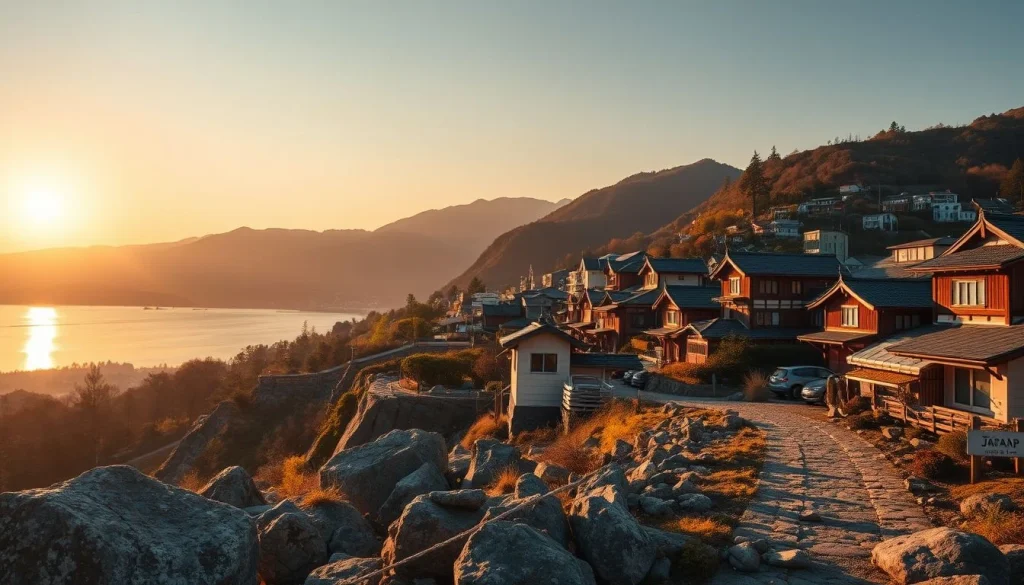
Reserve accommodation in Shinjuku or Shibuya, Kyoto, and Namba or Umeda early for June, July, August and December, when popular periods can put pressure on rooms. Book the Tokyo-to-Kyoto Tokaido Shinkansen after fixing your dates: Nozomi takes approximately 2 hours 20 minutes and Hikari approximately 2 hours 40 minutes, according to JR Central Tours, with exact services and times subject to checking. A Japan Rail Pass may not repay its cost for this itinerary’s single long-distance rail leg; check current products, eligibility and prices on the official JAPAN RAIL PASS site rather than using an old guide.
Finally, check official booking pages for any restaurant or attraction you particularly want. Leave the flexible Tokyo day open, but secure scarce reservations before departure.
Day by day: Tokyo, Kyoto and Osaka in 10 manageable days
This 10-day Japan itinerary works best as a one-way journey: four nights in Tokyo, three in Kyoto and two in Osaka. The days group nearby sights, leave room for meals and station navigation, and finish near Kansai International Airport rather than sending you back to Tokyo.
Day 1 — Arrive and settle in Tokyo
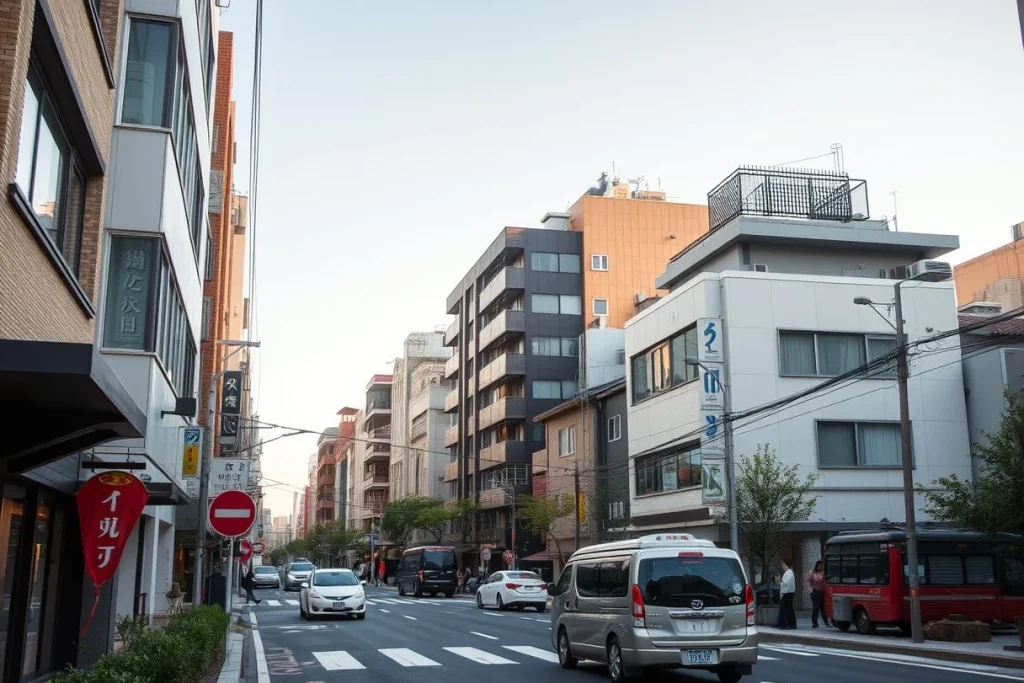
Morning
After landing at Haneda Airport or Narita International Airport, allow time for immigration, baggage collection and customs before heading into the city. Pick up or activate an eSIM, pocket Wi-Fi or other data service, and load a transport card if available for your arrival route. Suica, PASMO and ICOCA work across many large urban transport areas; check the relevant operator if a journey crosses different networks.
Afternoon
Travel to your Tokyo accommodation, check in or leave your luggage, and keep the first afternoon deliberately unambitious. A short walk around Shinjuku, Shibuya, Asakusa or your chosen neighbourhood is enough after a long flight. If you arrive early and feel alert, use the time to buy essentials and practise navigating the nearest station.
Evening
Have an easy dinner close to the hotel rather than crossing Tokyo for a famous restaurant. An izakaya meal, ramen or sushi suits the first night; finish with a brief neighbourhood walk and return early. Jet lag and unfamiliar station layouts make this a poor evening for a complicated reservation.
Where to eat
Choose a casual restaurant in your accommodation area. Food halls and station buildings are useful for first-timers because menus, payment and seating are generally straightforward. Keep a little cash available for smaller restaurants and vending machines.
Getting around
From Haneda, airport connections include Tokyo Monorail and Keikyu services. From Narita, the Narita Express and Keisei Skyliner are the main named rail options; check current routes and operating times before departure. Late arrivals need particular care, as airport rail services do not run indefinitely.
Estimated time
Allow several hours for arrival formalities and the airport-to-hotel journey, around one hour for check-in and settling in, one to two hours for a gentle walk and about one hour for dinner. Walking intensity is low.
Optional extras
If energy is good, add Tokyo Metropolitan Government Building or a short Shibuya evening visit. If the flight arrives late, skip sightseeing entirely and sleep.
Day 2 — Asakusa and Ueno
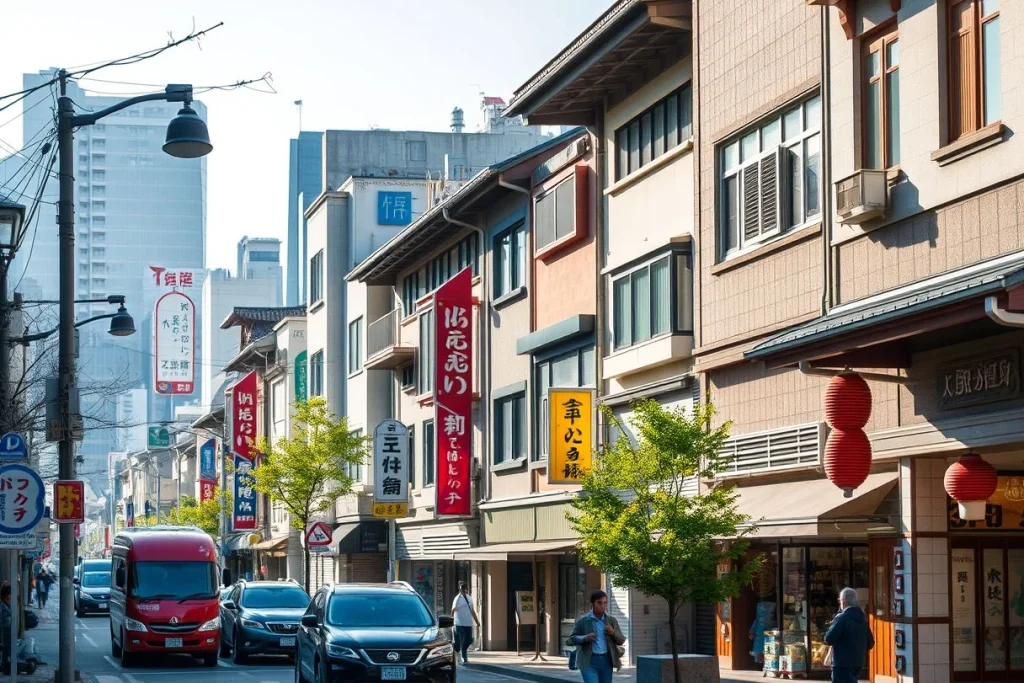
Morning
Start around 9am in Asakusa, where Senso-ji and its approach streets provide an accessible introduction to Tokyo’s temples and traditional shopfronts. Explore the temple precinct, then browse the surrounding lanes without trying to visit every shop. The area becomes harder to navigate as tour groups arrive, so an early start is worthwhile.
Afternoon
Continue south-west by local train or on foot towards Ueno. Take a proper lunch break, then choose one Ueno museum rather than attempting several. Ueno Park provides space to sit between indoor visits, and it is a useful reset after the denser streets around Senso-ji.
Evening
End in Ueno or return to Asakusa for dinner. Keep the route local; the day already combines two substantial sightseeing areas. A relaxed meal of tempura, sushi or ramen is more practical than adding Akihabara tonight.
Where to eat
Look for soba, tempura, sushi and casual set meals around Asakusa and Ueno. Nishimachi-style wandering is less important than choosing somewhere with a manageable queue and seating when you are ready to eat.
Getting around
The Asakusa–Ueno pairing is geographically sensible and needs only short local journeys. Expect frequent walking, station stairs and uneven paving around temple approaches. Check museum opening arrangements and reservation requirements on official websites before fixing the day.
Estimated time
Allow two to three hours for Asakusa, one hour for lunch, two to three hours for a museum or park, and up to one hour in local transit. Walking intensity is moderate.
Optional extras
Replace the museum with an unhurried visit to Akihabara if electronics, arcades or anime are a priority. Families may prefer more time in Ueno Park and fewer indoor stops.
Day 3 — Meiji Shrine, Harajuku and Shibuya
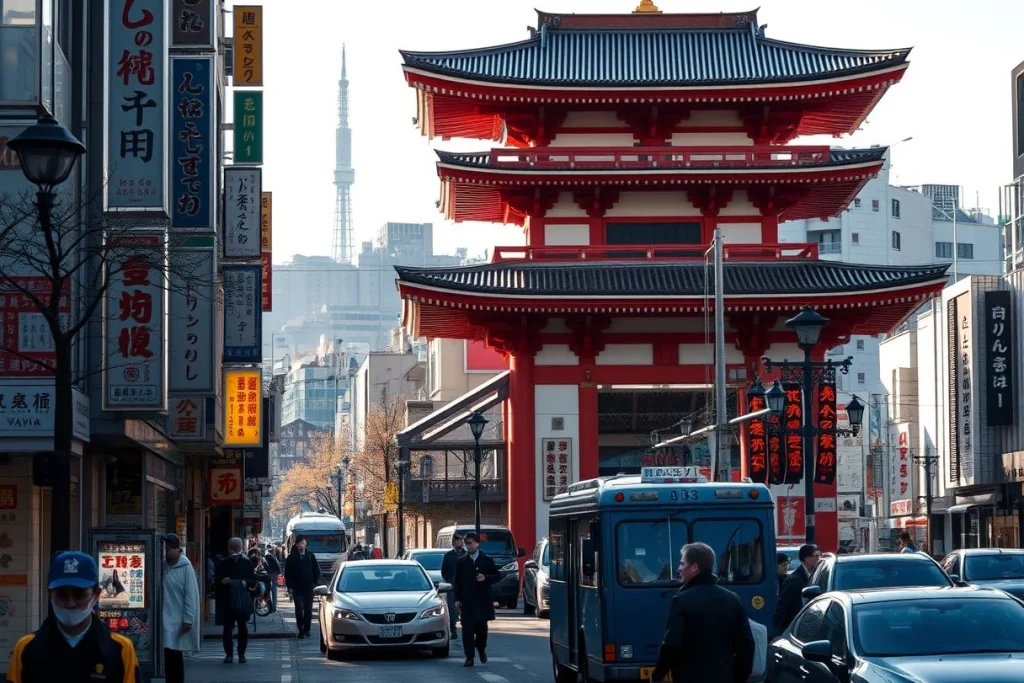
Morning
Begin at Meiji Shrine, entering through the wooded approach before the day’s busiest period. Move on to Harajuku for a compact shopping and people-watching stop. Keep the shrine and Harajuku together; they sit close enough to make a natural half-day rather than two separate excursions.
Afternoon
Walk or take a short local journey to Shibuya for lunch, the famous crossing and selected shops. Shibuya is vertically spread across station buildings and department stores, so choose one or two destinations instead of treating the district as a checklist. A café break is useful here, especially in humid summer weather.
Evening
Stay in Shibuya for dinner and evening lights, or return to the hotel if the crowds feel tiring. This is a full but manageable Tokyo day without adding Shinjuku after dark.
Where to eat
Harajuku suits casual noodles, cafés and street-style snacks; Shibuya offers everything from ramen and sushi to international food. Reserve only if a particular restaurant matters, and otherwise choose by queue length and seating.
Getting around
Use the train for the longer hop between Harajuku and Shibuya, then walk between nearby sights. Expect busy platforms and substantial standing or walking. In June, July and August, schedule shaded breaks; December brings earlier darkness and potentially heavier seasonal crowds.
Estimated time
Allow two hours for Meiji Shrine, one to two hours for Harajuku, one hour for lunch, three hours for Shibuya and around one hour in transit and café stops. Walking intensity is moderate.
Optional extras
Art-focused travellers can substitute a gallery or design museum for part of the shopping time. If rain is heavy, concentrate on indoor Shibuya buildings and leave the shrine for an earlier, drier window.
Day 4 — Choose one flexible Tokyo day
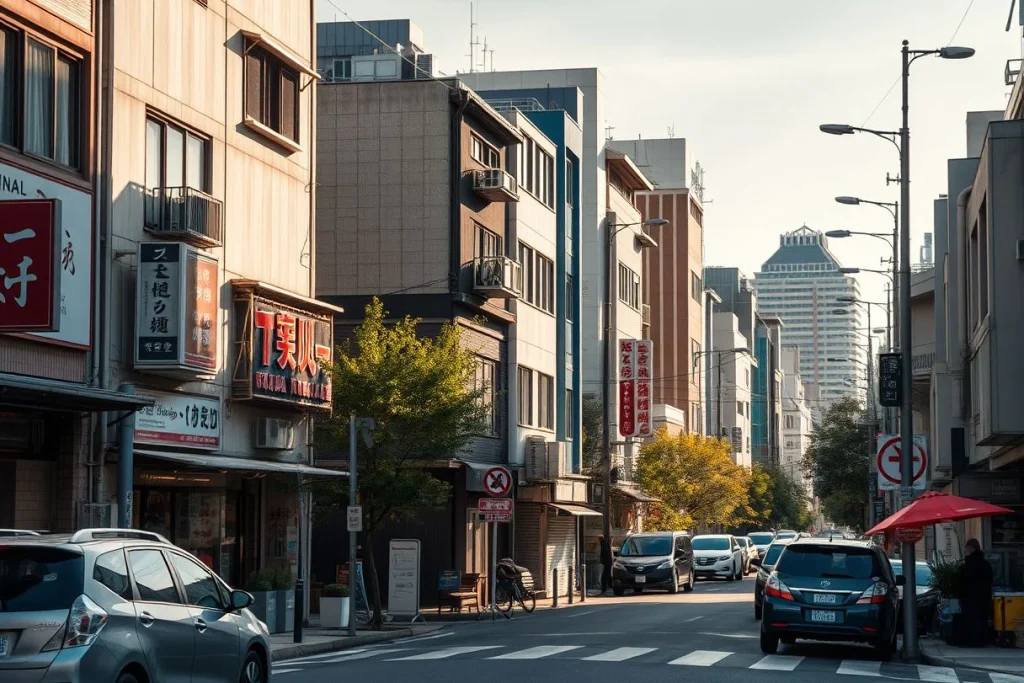
Morning
Make one decision rather than combining distant destinations. Choose Hakone for hot-spring scenery and views towards Mount Fuji when conditions cooperate, or Nikko for shrines, wooded landscapes and a longer cultural day. Both require planning around current transport and weather, so check the relevant operators before booking.
Afternoon
On a day trip, keep the sightseeing list short and allow time for transfers. Alternatively, remain in Tokyo: visit Tsukiji Outer Market in the morning, take a long lunch, and spend the afternoon around Akihabara. The Tokyo option is less weather-dependent and avoids a tiring return journey.
Evening
Return to the same Tokyo base for a final dinner. If you are leaving for Kyoto tomorrow, organise luggage tonight and keep only one small case for the train.
Where to eat
Tsukiji is suited to seafood breakfasts and market snacks, while Akihabara offers casual cafés and noodles. On a day trip, eat near the station or in the destination town rather than building the day around a hard-to-reach restaurant.
Getting around
Hakone and Nikko are realistic as separate excursions, not additions to a Tokyo sightseeing day. Check current rail, bus and attraction conditions, particularly during June, July and August weather and December’s shorter daylight.
Estimated time
A day trip uses most of the day, including several hours of transport. The Tokyo alternative allows two to three hours for Tsukiji, a long meal, two to three hours in Akihabara and flexible rest time. Walking intensity ranges from low to moderate.
Optional extras
If energy is low, skip both day trips and use the day for laundry, shopping, a neighbourhood café and an early night before the shinkansen.
Day 5 — Tokyo to Kyoto by shinkansen
Morning
Travel from Tokyo Station or Shinagawa Station to Kyoto on the Tokaido Shinkansen. Nozomi takes approximately 2 hours 20 minutes and Hikari approximately 2 hours 40 minutes; check the official schedule and current fare for your date. A reserved ordinary seat costs approximately ¥13,000 one way in the September 2026 examples supplied for this itinerary, with the final fare varying by train type and date.
Afternoon
Leave larger suitcases at the Kyoto hotel or forward them in advance using takuhaibin, Japan’s luggage-delivery service. After lunch, take the local route towards Kiyomizu-dera, then continue through the old streets towards Gion. Allow time for steps, slopes and crowds rather than treating this as a quick temple stop.
Evening
Stay around Gion or Kawaramachi for dinner. The atmosphere changes after day-trippers leave, but keep to public streets and observe quiet local etiquette near residences and shrines.
Where to eat
Choose Kyoto-style set meals, tofu dishes, noodles or a pre-booked kaiseki dinner. Traditional restaurants may require advance planning and can have formal service, so a simpler meal is sensible after the train journey.
Getting around
Use the shinkansen for the intercity leg, then Kyoto’s buses, trains and short taxi journeys according to the final destination. Stations and temple approaches can involve stairs and uneven paving. Check luggage-forwarding cut-off times with the hotel and delivery company.
Estimated time
Allow around three to four hours for the station process, train and hotel transfer, two to three hours for Kiyomizu-dera and the old streets, and one to two hours for dinner. Walking intensity is moderate to high.
Optional extras
If the journey starts late, postpone Kiyomizu-dera and use the afternoon for Kyoto Station, Kawaramachi or a hotel rest instead.
Day 6 — Fushimi Inari and southern Kyoto
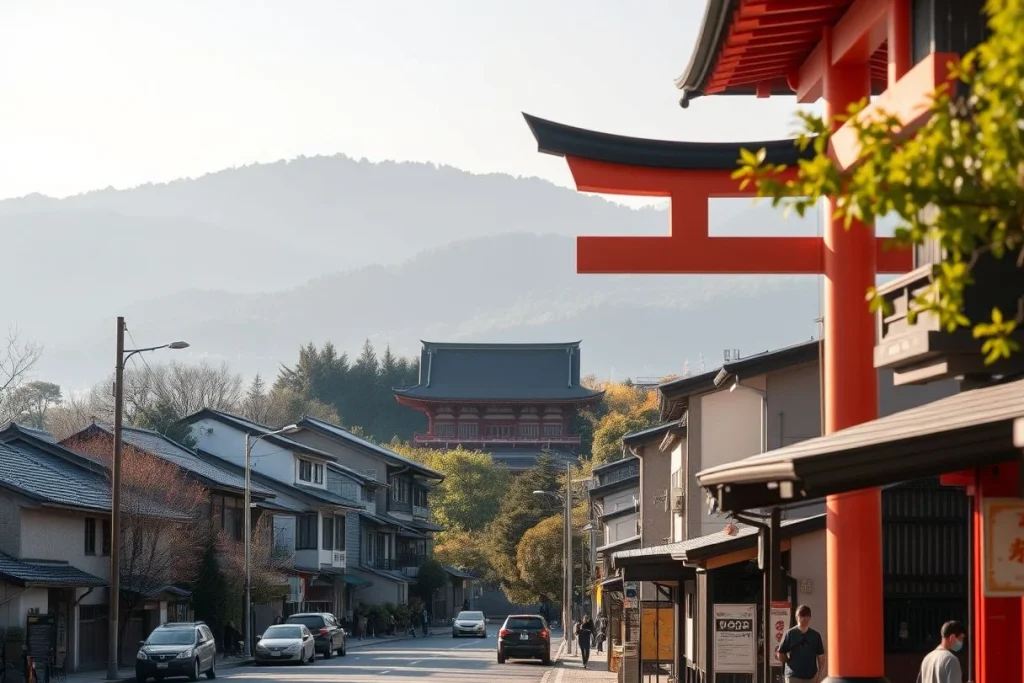
Morning
Reach Fushimi Inari early, ideally around 7am, before the busiest period. Walk beneath the torii gates at a pace that suits you; the full mountain route is not necessary for a rewarding visit. Wear shoes with grip and carry water, especially in the warmer months.
Afternoon
Return towards southern or eastern Kyoto for a slower afternoon. Choose one temple or garden, then build in a café or hotel break. Kyoto’s roads and buses can take longer than the map suggests when crowds are heavy, so resist adding another distant landmark.
Evening
Have a reserved kaiseki meal if that is a priority, or choose a more casual restaurant around Kawaramachi. An early evening keeps the day restorative after the early start.
Where to eat
Look for yudofu, seasonal vegetables, soba, grilled fish and Kyoto-style set meals. Around Fushimi, sake-related food and small local restaurants can suit lunch, subject to current availability.
Getting around
Fushimi Inari is best approached by train, followed by walking. Use buses sparingly during crowded periods and confirm the current operator route. Steps and sloping paths make accessibility variable.
Estimated time
Allow two to three hours at Fushimi Inari, one hour for lunch, two to three hours for one further Kyoto sight, and at least one hour for transit and rest. Walking intensity is moderate.
Optional extras
For a quieter day, replace the second temple with the Philosopher’s Path or a small garden, depending on current weather and energy.
Day 7 — Arashiyama and Kinkaku-ji
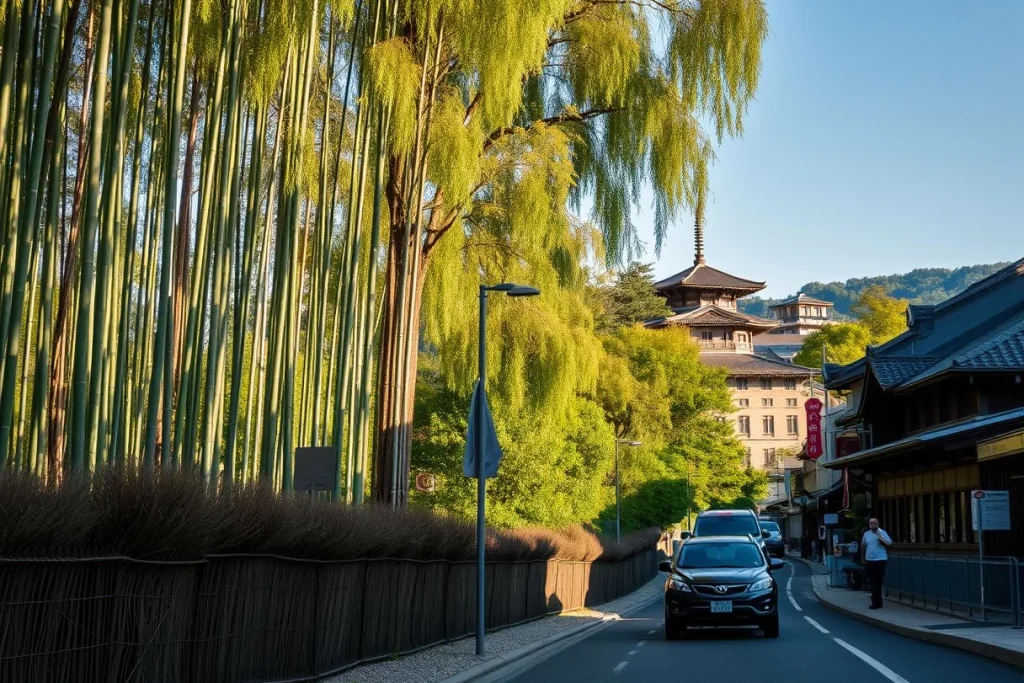
Morning
Start early in western Kyoto at Arashiyama Bamboo Grove. Visit the grove first, then continue to nearby temple grounds or the riverside before the busiest period. The bamboo path is short; allow extra time for surrounding sights, photographs and crowds rather than expecting a long hike.
Afternoon
After lunch, travel to Kinkaku-ji, the Golden Pavilion. This pairing is possible but not close, so allow a proper transfer and avoid adding eastern Kyoto. Finish with a rest at the hotel or a quiet meal near the station.
Evening
Use the final Kyoto evening for a low-key walk around Kawaramachi or Gion. Pack for the next morning’s short move to Osaka.
Where to eat
Arashiyama offers tofu, soba, set meals and café lunches. In the evening, choose noodles, yakitori or a small izakaya near your hotel rather than travelling across the city.
Getting around
Use rail for Arashiyama where practical, then a local train or bus towards Kinkaku-ji. Confirm current routes and attraction arrangements. Expect crowded pavements and limited shade in summer; December daylight is shorter.
Estimated time
Allow three hours for Arashiyama, one hour for lunch, two hours for Kinkaku-ji, up to two hours for transfers and one hour for breaks. Walking intensity is moderate.
Optional extras
On a wet or low-energy day, replace Arashiyama with a slower Kyoto Station and museum day. Do not add both alternatives.
Day 8 — Kyoto to Osaka: Namba and Dotonbori
Morning
Take a regional train from Kyoto to Osaka and check
Where to stay in Tokyo, Kyoto and Osaka: areas for first-timers
Choose accommodation around the station or neighbourhood you will actually use, rather than treating the city centre as one compact area. This four-night Tokyo, three-night Kyoto and two-night Osaka split works particularly well when rooms are booked early for peak periods such as June, July, August and December.
| City | Best base | Good match for | Trade-off |
|---|---|---|---|
| Tokyo | Shinjuku; Shibuya; Asakusa; Ueno | Shinjuku suits solo travellers wanting transport and nightlife; Shibuya suits couples who prioritise shopping and energy. Asakusa offers a gentler atmosphere for families and first visits, while Ueno is practical for museums and budget stays. | Shinjuku and Shibuya are busy and stimulating. Asakusa and Ueno feel less central for some western-Tokyo plans. |
| Kyoto | Kyoto Station; Gion/Kiyomizu; Kawaramachi | Kyoto Station is easiest for luggage, regional connections and business hotels. Gion or Kiyomizu suits couples seeking historic streets and a traditional stay; Kawaramachi works well for restaurants and evening convenience. | Historic areas can mean smaller rooms, steps and uneven streets. A ryokan or machiya-style stay may be less convenient with large luggage. |
| Osaka | Namba; Umeda; Shin-Osaka | Namba is the natural choice for food-focused travellers who want Dotonbori nearby. Umeda suits families and travellers making rail connections; Shin-Osaka is sensible when the train matters more than evening atmosphere. | Shin-Osaka is functional rather than atmospheric. Namba can be lively late into the evening, so check room location and sound insulation. |
Solo travellers can keep costs and logistics simple with a hostel or compact business hotel, while couples may prefer a central hotel or traditional Kyoto stay. Families should prioritise lifts, room size, luggage storage and a short walk from the station; apartments can provide more space, but check the building’s access arrangements carefully.
Staying in Osaka for the final two nights is useful before a Kansai International Airport departure: it avoids returning across the country and leaves a buffer for the airport transfer. From Kyoto, JR West’s HARUKA takes approximately 75–90 minutes, depending on the service. For large suitcases, ask your hotel about takuhaibin luggage forwarding; availability, collection times and delivery conditions vary, so confirm before sending anything.
Travel costs for 10 days in Japan: dated budget, mid-range and luxury estimates
For this 10-day Japan itinerary, use the figures below as planning bands rather than fixed quotations. They are per person, per day, based on 2026 market signals and exclude international flights; accommodation dates are usually the largest source of variation.
Estimated costs
| Estimated daily budget | Amount per person | What it represents |
|---|---|---|
| Budget | ¥10,000–¥15,000 | Accommodation, meals and local transport at an economical level |
| Mid-range | ¥25,000–¥40,000 | Accommodation, meals and local transport with more choice and comfort |
| Luxury | ¥60,000+ | Higher-cost accommodation, dining and services |
Basis: illustrative 2026 market signals, supplied by wifi-japan.net; international flights are excluded. Confirm hotel prices for your dates.
The Tokyo-to-Kyoto leg is a separate major transport cost. A one-way ordinary reserved seat on the Tokaido Shinkansen is approximately ¥13,000, with a sensible planning range of ¥13,000–¥15,000 depending on the train type and travel date, based on September 2026 examples from JR Tokai Tours. Do not infer a premium rail fare from the luxury tier: the published ordinary-seat range is the same, while luxury spending belongs in accommodation, dining or private services.
Local trains and buses, attraction admissions, restaurant choices and luggage forwarding can move the total up or down. Check current fares with the relevant railway operator, compare live accommodation rates, and confirm the exchange rate before paying. The Japan Rail Pass has changed products and prices since 2023; use the official JAPAN RAIL PASS price page for the amount valid when you buy it rather than assuming it will save money on this route.
| Item | Budget | Mid-range | Luxury |
|---|---|---|---|
| Tokyo to Kyoto Tokaido Shinkansen | Approximately ¥13,000 one way | Approximately ¥13,000–¥15,000 one way | Use the same published fare range; higher-cost travel should be budgeted separately for premium accommodation or services rather than assumed from this fare |
| Daily trip budget | Approximately ¥10,000–¥15,000 per person per day | Approximately ¥25,000–¥40,000 per person per day | ¥60,000+ per person per day |
Estimated ranges based on the sources listed below. Prices change; check with providers before booking.
Practical Japan travel tips that prevent first-time mistakes
- Use an IC card for local transport. Suica, PASMO and ICOCA work across many interoperable urban networks, but not every operator or route; check the relevant railway company before a longer journey. TOURIST PASMO is another option for international visitors, released in May 2026. Keep a physical payment card and some yen as a backup rather than relying on one method.
- Arrive with your phone prepared. Download offline maps and translation tools, and save each hotel’s name and address in Japanese for taxi drivers and station staff. An eSIM suits a solo traveller with a compatible unlocked phone; pocket Wi-Fi is more practical for groups or devices without eSIM support. Confirm compatibility and collection or return arrangements before departure.
- Forward large bags between cities. Ask your hotel or a Yamato Transport counter about takuhaibin, Japan’s luggage-forwarding service, which is widely available through major airports, hotels and delivery operators. Send your main suitcase from Tokyo to Kyoto or Osaka, then carry an overnight kit; this makes station changes and the shinkansen much easier. Confirm the delivery timing with the counter before checking out.
- Reserve the intercity train and check the luggage conditions. For Tokyo to Kyoto, confirm the Tokaido Shinkansen service and current timetable with the railway operator before travelling. Reserve seats when your dates are fixed, particularly during June, July, August and December, and check the latest guidance for oversized luggage rather than assuming every suitcase can be stored beside your seat.
- Read the station signs instead of following the crowd. Tokyo and Shin-Osaka stations can involve long walks between platforms and exits. Allow extra time for transfers, stand on the indicated side of escalators, queue behind the marked line and keep voices low on trains. Eating and drinking are more acceptable on long-distance services than while walking through crowded streets.
- Make small etiquette adjustments. Remove shoes where a sign or host requests it, especially in traditional accommodation and some restaurants. At temples and shrines, follow posted instructions, avoid blocking worshippers and do not touch objects unless invited. Accessibility varies: stairs, gravel and uneven temple grounds are common, so check individual sites if mobility is a concern.
- Be cautious in nightlife districts. Ignore unlicensed touts who approach you in areas such as Shinjuku or Dotonbori. Choose an established restaurant or bar, inspect the menu and prices before ordering, and keep your receipt; an attractive entrance does not guarantee a clear bill.
- Recheck conditions shortly before departure. Confirm airport rail times, attraction reservations, closures, advisories and current transport patterns with official operator or venue websites. June to August can bring heat, humidity and rain, while December and other popular periods can increase crowding; pack and plan around the conditions forecast for your dates.
Conclusion: book the one-way route and keep one day flexible
For a first Japan visit, choose the one-way plan: four nights in Tokyo, three in Kyoto and two in Osaka. Arrive in Tokyo, take the Tokaido Shinkansen to Kyoto, continue to Osaka, and fly home from Kansai International Airport if the flight schedule suits. This avoids backtracking and gives each city enough time to feel distinct.
Your next three actions are straightforward: confirm entry requirements for your nationality through Japan’s Ministry of Foreign Affairs and your nearest Japanese embassy; reserve your three accommodation bases; then check the Tokyo-to-Kyoto train and Osaka-to-Kansai Airport transfer for your dates. Keep Day 4 flexible: choose either Hakone, Nikko or a slower Tokyo day, rather than adding another city. Preserve a little buffer for jet lag, station navigation and weather, and this 10-day Japan itinerary will feel full without becoming a daily race.
Frequently asked questions
Can I use a credit card everywhere in Japan, or should I carry cash?
The supplied sources do not establish that cards are accepted everywhere, so do not plan your entire trip on that assumption. Keep a payment backup and check your accommodation, restaurants and smaller attractions before travelling. For local transport, Suica, PASMO and ICOCA work across large interoperable urban areas, subject to the relevant operator and route, according to JR West (accessed September 2026).
What is the easiest way to handle luggage on the Tokyo-to-Kyoto journey?
Use luggage forwarding, known as takuhaibin, if you want to travel between Tokyo and Kyoto without carrying large suitcases. It is widely available through major airports, hotels and delivery operators, according to the Japan National Tourism Organization material supplied for this guide. Confirm the delivery timing and receiving arrangements with both hotels before sending anything, particularly if your itinerary includes a short stay.
How early should I arrive at a Japanese airport for an international flight?
There is no single arrival time supported by the supplied sources, and the right allowance depends on your airline, airport, terminal and travel date. Follow the airline’s current instructions and check the airport’s official guidance before departure. For a Kansai departure, also verify the current transfer timetable from Osaka or Kyoto; JR West’s HARUKA service connects Kyoto and Kansai International Airport in approximately 75–90 minutes, depending on the service.
Are Tokyo, Kyoto and Osaka suitable for travellers with limited mobility?
They can be planned around, but accessibility varies by individual station, temple, shrine, hotel and traditional accommodation. The supplied guidance specifically warns that steps and uneven surfaces are common, so check each place directly before booking and confirm the route between your accommodation and transport. Ask accommodation providers about step-free access, lifts and bathroom arrangements rather than assuming that a central location is fully accessible.
What should I do if I arrive in Tokyo after the trains have stopped running?
Check the current operating times for your arrival airport and the relevant rail operator before flying, especially for Haneda and Narita. The supplied transport guidance identifies Tokyo Monorail and Keikyu services for Haneda, and Narita Express and Keisei Skyliner connections for Narita, but does not establish overnight alternatives. If your flight is late, contact your accommodation in advance and confirm its late-arrival procedure and the official airport information for current options.
How should I behave at shrines, temples and traditional restaurants?
The supplied sources do not provide venue-specific etiquette rules, and practices can differ between a shrine, temple and traditional restaurant. Follow posted instructions, staff guidance and any signs at the entrance, and check directly with the venue if you are unsure about photography, footwear or seating. Accessibility guidance is particularly important at historic sites because steps and uneven surfaces are common; verify arrangements with each individual venue before visiting.