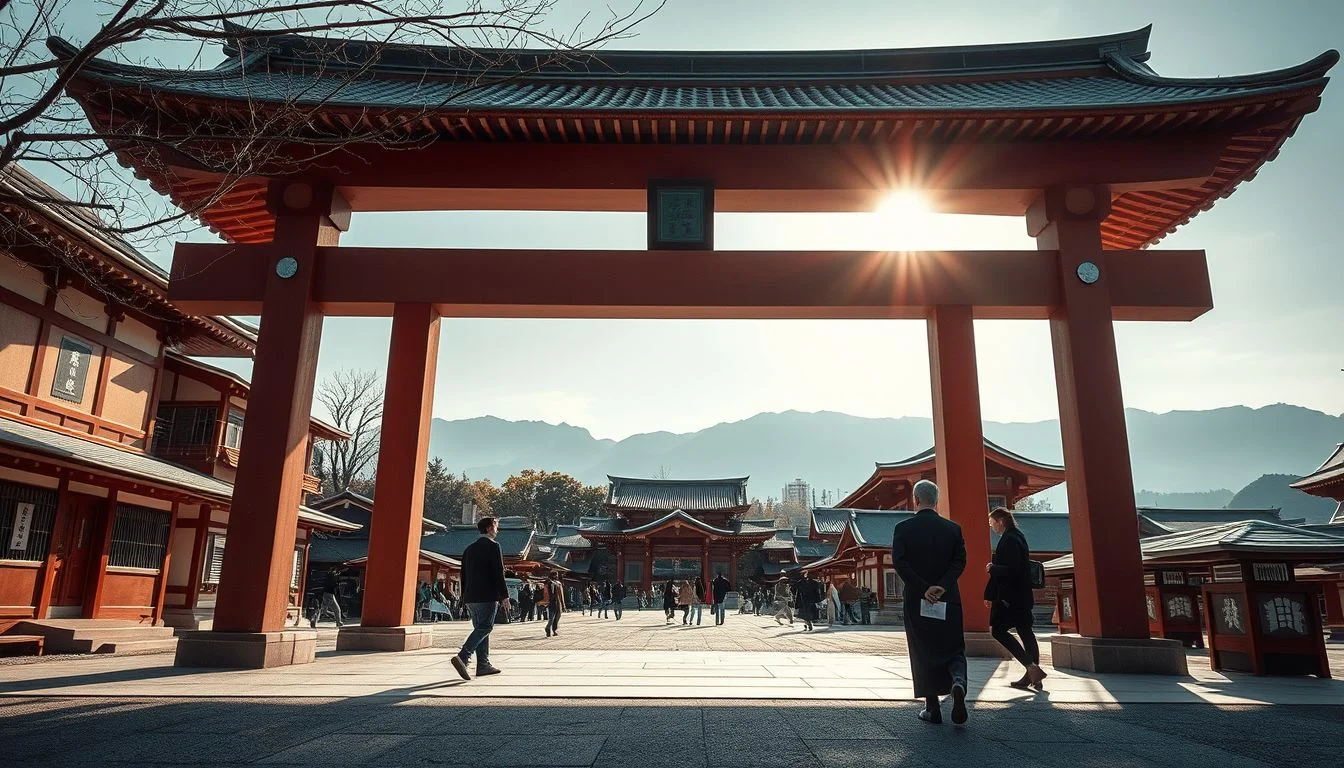
At a Japanese shrine, the torii marks the boundary of a sacred precinct: visitors normally bow slightly before passing through, then bow again when they leave. That simple gesture is the first step in temple and shrine etiquette in Japan, a subject that becomes much easier once you separate Shinto shrine customs from Buddhist temple practice.
This guide is for first-time visitors who want a clear sequence from arrival to departure: where to pause, how to use the temizuya water basin, when to pray, and what to do about shoes, photographs and goshuin. It also explains the important difference between a shrine’s usual two bows, two claps and one bow, and a temple visit where worship is generally silent. Procedures vary at sites such as Meiji Jingu, Fushimi Inari Taisha and Kiyomizu-dera, so local signs and staff instructions take priority over any general rule.
Quick answer: At a Japanese shrine, bow lightly at the torii, use the temizuya if available, then usually offer a small donation, bow twice, clap twice, pray silently and bow once. At a Buddhist temple, bow, join your hands and pray silently rather than clapping; at both, follow site-specific signs for photography, shoes, goshuin and restricted areas because customs vary.
Your first visit: the essentials
The first distinction is simple: a jinja is a Shinto shrine, usually identified by a torii at the entrance and shrine buildings within a sacred precinct. A Buddhist temple has temple gates, halls and Buddhist images. Japanese religious history is complex, and some sites combine traditions, so treat the signs at the entrance as your guide rather than trying to classify every building yourself. Meiji Jingu and Fushimi Inari Taisha are prominent shrine examples; Kiyomizu-dera is a Buddhist temple.
For a first visit, use this sequence: enter calmly, bow slightly before passing through a torii, and walk where visitors are directed. If a temizuya or chozuya water basin is available, use it before approaching the worship hall. Read signs before taking photographs, entering buildings or stepping beyond ropes. Large precincts may involve steps and uneven paths, even when the site is easy to reach by public transport, so allow more time than the map suggests.
At many Shinto shrines, the usual worship pattern is a small offering, two bows, two claps, silent prayer and one final bow. This is a useful starting point, not a universal formula: local instructions take priority, and shrines such as Ise Jingū, Izumo Taisha and Usa Jingū may have distinctive practices. The Japan National Tourism Organization explains the general shrine-and-temple sequence in its visitor guidance.
At a Buddhist temple, do not clap as part of the standard prayer. Join your hands, bow and pray silently; where an incense brazier is provided, observe how others use it and follow the site’s directions. Remove shoes only where signs or staff indicate, particularly before entering an indoor worship area.
You do not need to be religious to visit. Quiet observation, modest behaviour and attention to instructions are enough. Bow lightly again when leaving a shrine through its torii, and at either kind of site leave the precinct as you found it. Photography rules, access, worship procedures and seasonal crowd arrangements can change, so the official site’s notices and on-site staff remain the final authority.
Tips in detail: what to do at a shrine or temple
1. Check the site’s instructions before you enter
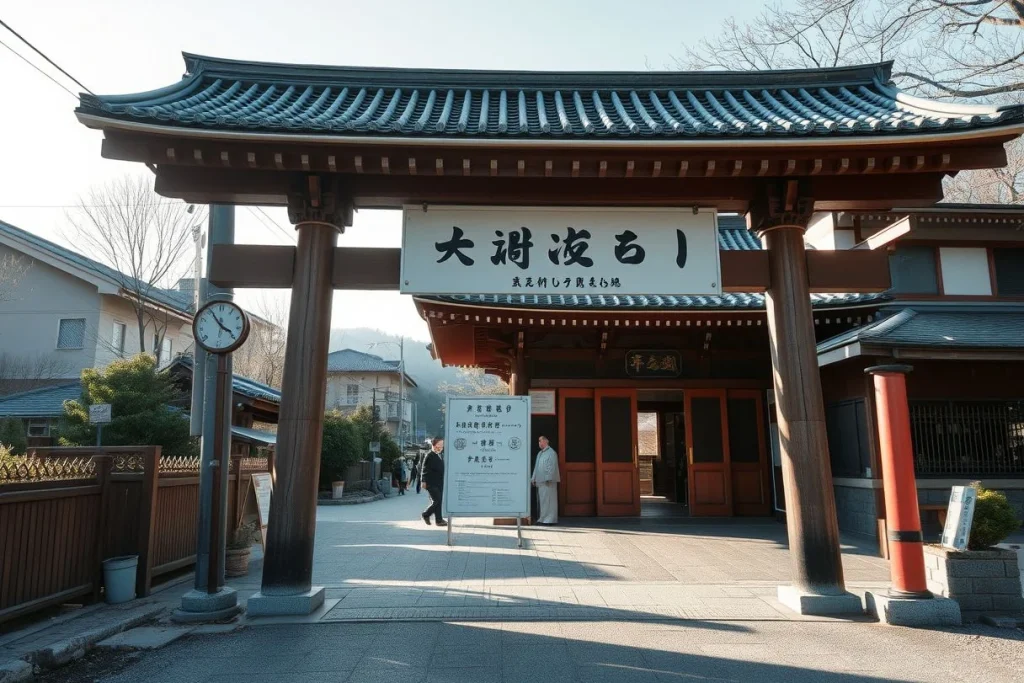
- Start with the official website, entrance board or map. Check photography and filming rules, restricted areas, ceremony routes, shoe-removal instructions and the arrangements for goshuin (worship seals). Crowd-control routes and pre-printed seals may be used during New Year, cherry-blossom and autumn-foliage periods, so the site’s current instructions take priority over general advice. Meiji Jingu’s official precinct map is a useful example of the kind of information to look for, but each shrine or temple sets its own rules.
2. Cross the torii with a small bow
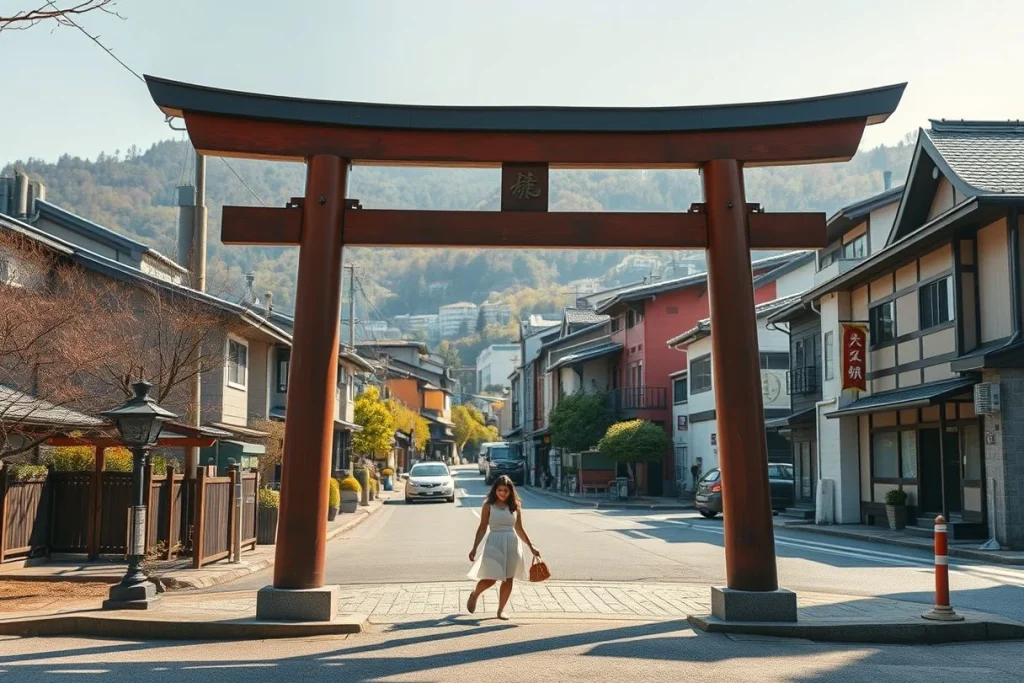
- At a Shinto shrine, approach the torii gate from the side where practical, rather than walking through the centre. The centre is traditionally treated as the path of the kami (deity). Pause just before entering, bow slightly, and repeat the bow when leaving because the torii marks the boundary between the ordinary street and the sacred precinct, as explained in the guidance from Meiji Jingu. You do not need an elaborate gesture: a quiet, brief bow is enough.
3. Keep to the edge and leave space for worshippers
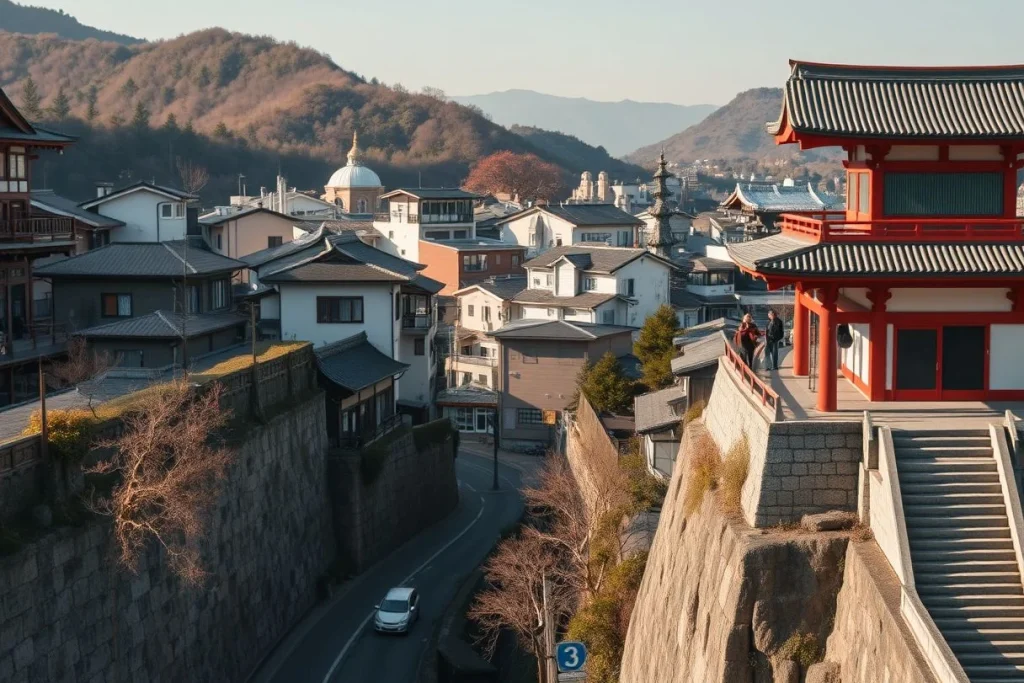
- Walk at the pace of the people around you, keeping your voice low and avoiding the centre of worship areas. Do not stop at the offering box, gate or narrow path to organise your group or take a photograph. This matters especially at large sites such as Meiji Jingu and Fushimi Inari Taisha, where a short visit can share the same route with worshippers, school groups and other visitors.
4. Use the temizuya when it is operating
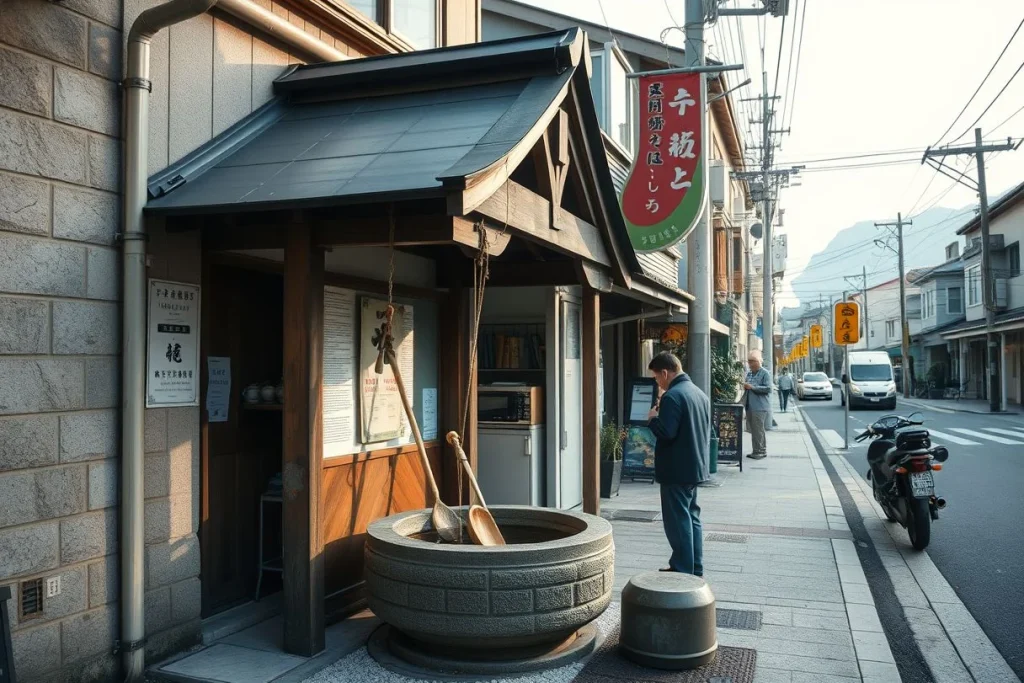
- At the temizuya or chozuya (purification basin), use the ladle once for each part of the sequence. Take it in your right hand and rinse your left hand; transfer it to your left hand and rinse your right. Pour a little water into your left palm, rinse your mouth without touching the ladle to your lips, rinse your left hand again, then tilt the ladle so water runs down the handle before returning it. This sequence is set out by Japan’s Ministry of Land, Infrastructure, Transport and Tourism and Kokugakuin University. Some basins are closed or use an adapted method, so follow the sign rather than reaching over a barrier.
5. Use the shrine prayer sequence, but do not treat it as universal
- At many Shinto shrines, place a modest offering in the box if you wish, bow twice, clap twice, pray silently and bow once. The offering is optional; there is no need to force a donation or copy another visitor’s amount. This is the familiar “two bows, two claps, one bow” sequence described by the Japan National Tourism Organization, but it is not used identically everywhere. Izumo Taisha and Usa Jingū have different procedures, and the instructions at Ise Jingū, Fushimi Inari Taisha or any other shrine you visit take precedence.
6. Pray differently at a Buddhist temple
- At a Buddhist temple, do not clap as part of the usual prayer. Where the route permits worship, join your hands, bow and pray silently. If there is an incense brazier and an instruction to use it, follow the site’s procedure; otherwise, simply continue to the worship area. Kiyomizu-dera is a temple, while Meiji Jingu and Fushimi Inari Taisha are shrines, so identifying the type of site helps you choose the appropriate basic ritual.
| Site type | Visual clues | Prayer action | Incense or clapping | Typical restrictions |
|---|---|---|---|---|
| Shinto shrine | Torii gate, shrine buildings and a temizuya | Usually two bows, two claps, silent prayer and one bow | Clapping is common; incense is not the usual focus | Photography, inner precincts and ceremonies may be restricted |
| Buddhist temple | Temple gate, Buddha image or pagoda, often an incense brazier | Join hands, bow and pray silently | Do not clap; use incense only where permitted | Indoor halls may require shoe removal or prohibit photography |
This is a guide to visual clues, not a substitute for signs: customs vary across Japan, including at Ise Jingū, Izumo Taisha and Usa Jingū. If you are unsure, pause, copy the queue, read the pictograms and ask a member of staff.
7. Photograph only where permission is clear
- Treat a public path as different from a worship area. Photography may be allowed in parts of a precinct, but inner halls, rituals, priests, worshippers and non-public areas can be restricted. Never photograph past a “no photography” sign, and do not use a long pause at the offering box to frame a shot. At a ceremony, put the camera away unless staff explicitly indicate otherwise.
8. Remove shoes only when instructed
- Keep your shoes on outdoors and remove them where a sign or staff member indicates. This commonly applies before entering indoor worship areas or temple buildings, rather than to every building within a precinct. Easy-to-remove shoes and clean socks make the transition simpler, especially when visiting several rooms at a temple; follow the site’s arrangement for placing footwear.
9. Request goshuin after worship
- Think of goshuin as a record of worship, not a sightseeing stamp. Visit the shrine or temple first, then take your goshuincho (goshuin book) to the designated counter, join the queue and ask politely. JinjaDB gives about ¥500 as a customary amount for a standard seal, but fees, designs and availability vary; special versions may cost more, and some sites may provide a pre-printed sheet instead of writing directly in your book. Check the official site for the current counter hours and procedure, particularly at busy seasonal periods.
10. Plan for the physical route, not only the ritual
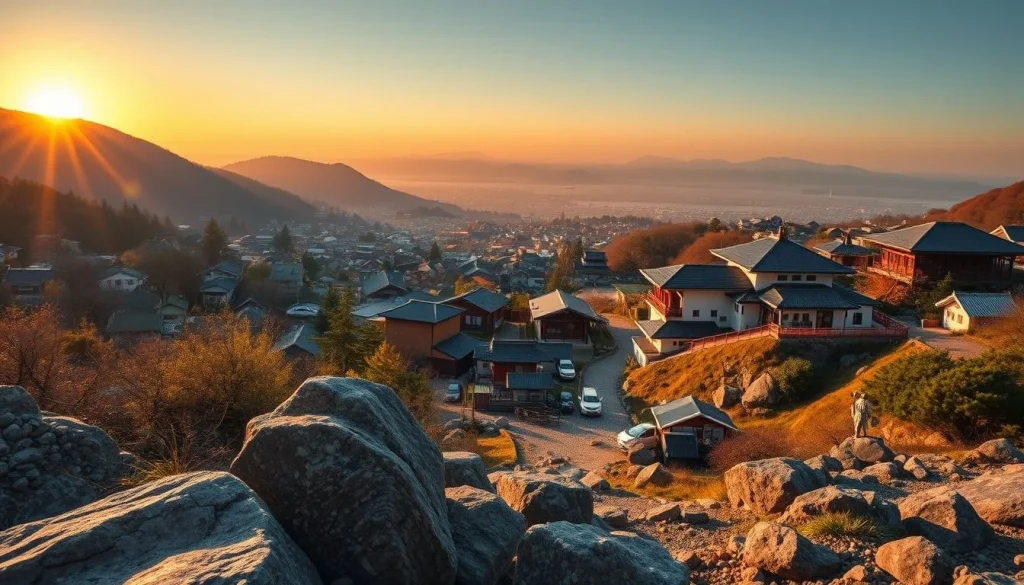
- Allow more time and energy than the station-to-gate journey suggests. Major shrines and temples are often reached by public transport followed by a walk, and their precincts can include steps, slopes and uneven paths. Check the site map before setting out, choose supportive footwear, and identify an accessible route if anyone in your group cannot manage stairs. The route through Fushimi Inari Taisha and the approach to Kiyomizu-dera, for example, should be planned as part of the visit rather than treated as a quick stop.
11. Keep the rest of your behaviour unobtrusive
- Speak quietly, do not touch sacred objects, statues, ropes or decorations unless invited, and keep food outside worship areas. A shrine or temple is not simply a backdrop for a photo or a picnic stop. If the sequence is unclear, observing for a moment is better than guessing: read the notice, follow the queue and ask staff when necessary.
Common mistakes to avoid at Japanese sacred sites
Common mistakes to avoid at Japanese sacred sites
- Do not assume every shrine uses “two bows, two claps, one bow”. That is common at many Shinto shrines, but local procedures differ. Pause at the offering box, read the sign and follow the shrine’s instructions; the Japan National Tourism Organization specifically advises treating site guidance as authoritative.
- Do not clap at a Buddhist temple. Join your hands, bow and pray silently instead. Incense may be offered at a temple brazier, but follow the arrangement and instructions at that site.
- Do not walk through a torii as if it were an ordinary gateway. Bow slightly before entering and again when leaving, and avoid treating the centre line casually; the torii marks the boundary of the shrine precinct.
- Do not put the temizuya ladle directly to your mouth. If the water basin is operating, wash the left hand, then the right, pour water into a cupped hand to rinse your mouth, rinse the left hand again and wash the ladle handle before replacing it. A closed basin does not automatically mean that the entire shrine is closed.
- Do not photograph restricted spaces or people without permission. Flash photography, inner halls, ceremonies, priests, worshippers and roped-off areas may be prohibited. Public paths can have different rules from worship spaces, so check signs and the site’s map, such as Meiji Jingu’s precinct guidance, before taking out your camera.
- Do not touch statues, shrine ropes, offerings or architectural features. Keep hands and bags out of areas marked for worship or staff use, even when an object looks like an interactive attraction.
- Do not turn the approach into a photo shoot. Loud conversation, elaborate posing, blocking a path or holding up worshippers conflicts with the quiet purpose of the site. Take photographs from the side, then step clear of the route.
- Do not wear shoes where a sign asks you to remove them. This commonly applies before entering indoor worship areas or temple buildings. Leave footwear neatly where directed and keep socks presentable.
- Do not treat goshuin as a casual stamp rally. Worship first, then request a seal using a goshuincho where possible. Counter hours, availability and procedures vary; seasonal crowd systems can mean pre-printed seals or a designated queue, so check the official site before visiting.
- Do not eat, drink or smoke wherever you please. Use designated areas only, and keep food and drinks away from worship spaces. During New Year, festivals, weddings or autumn and spring crowds, follow temporary barriers, one-way routes and staff instructions rather than taking your usual route.
If you make a mistake, stop and correct it quietly; apologise briefly if necessary, follow the next sign and move on. The practical rule is simple: the shrine or temple’s notice and staff instructions take priority over any general guide, including this one.
Conclusion: follow the site, not a perfect script
You do not need to master every regional variation before visiting a sacred site. For a straightforward first practice, choose one shrine, such as Meiji Jingu, and one temple, such as Kiyomizu-dera, then check each official website for current visitor information before you go.
At the entrance, bow lightly, purify at the temizuya when it is available, and observe whether you are at a shrine or temple. Worship quietly: use the shrine’s usual prayer sequence without assuming it applies everywhere, while at a Buddhist temple join your hands and pray silently rather than clapping. Ask before photographing restricted areas or requesting goshuin, and remove your shoes where signs require it.
Allow enough time to walk through the precinct without rushing. The goal is not a perfect performance, but considerate attention to the place, its notices and its staff.
Frequently asked questions
Is it acceptable to visit a shrine or temple if I am not religious?
Yes. You can visit as a cultural visitor, provided you respect the site and its worshippers. At a shrine, follow the usual quiet sequence if you choose to pray; at a Buddhist temple, join your hands, bow and pray silently. You do not need to perform a ritual you are uncomfortable with, but follow signs and staff instructions, particularly around worship areas and ceremonies. The Japan National Tourism Organization explains the distinction between shrine and temple customs.
What should I do if I cannot read the Japanese instructions at a shrine or temple?
Pause and look for pictograms, English information or the behaviour of visitors ahead of you, but do not assume that every site follows the same procedure. The safest approach is to follow visible signs and staff instructions, since shrine and temple customs vary locally. This matters especially for photography, restricted areas, shoe removal, goshuin and temporary crowd-control routes. Meiji Jingu’s precinct information is one example of site-specific guidance.
Can I visit a shrine or temple with children?
Yes, but plan for a slower visit. Many major sites are reached by public transport followed by a walk, and large precincts can include steps and uneven paths. Explain the basics before entering: bow lightly at a torii, keep voices low, follow the marked route and do not photograph restricted areas. At a shrine, children can observe the prayer sequence; at a temple, they should not clap as part of Buddhist worship.
Is it disrespectful to visit during a festival or wedding ceremony?
Not automatically, but a ceremony is a reason to become an observer rather than a participant. Keep clear of people involved, avoid photographing rituals, priests or wedding parties unless the site clearly permits it, and follow staff directions. Photography may be allowed in public precincts while inner halls, rituals and non-public areas are restricted. During New Year and seasonal peak periods, expect crowd procedures and possible changes to goshuin arrangements.
Should I enter a shrine or temple precinct if a ceremony is taking place?
Only if the site’s signs or staff indicate that visitors may proceed. A ceremony can make an otherwise public route temporarily restricted, and general etiquette cannot override local instructions. Stay outside cordoned or marked areas, do not interrupt worship and avoid photography where it is prohibited. The Japan National Tourism Organization and Meiji Jingu both emphasise following the rules of the individual site, which remain the final authority.
Are there quieter times of day for a first visit?
The supplied guidance does not identify a universal quiet hour, and visitor numbers vary by site and season. New Year, cherry-blossom and autumn-foliage periods can be crowded, while June, July, August and December are also identified as peak travel months in the assignment. Check the official site before travelling for crowd procedures, route information and goshuin counter details, then choose a less busy period shown in its current guidance rather than relying on a fixed rule.