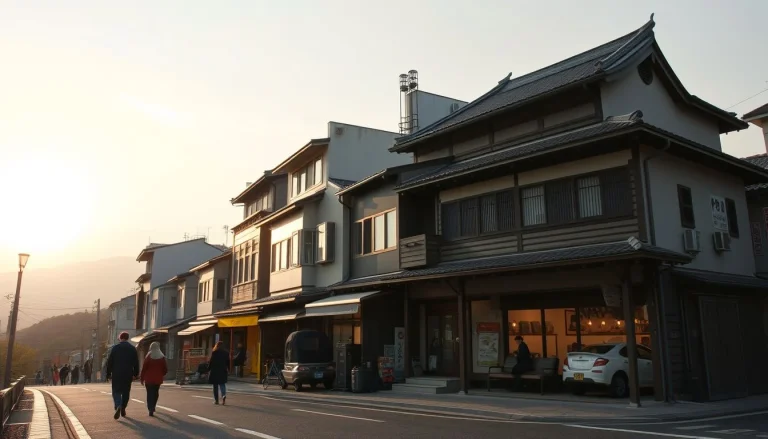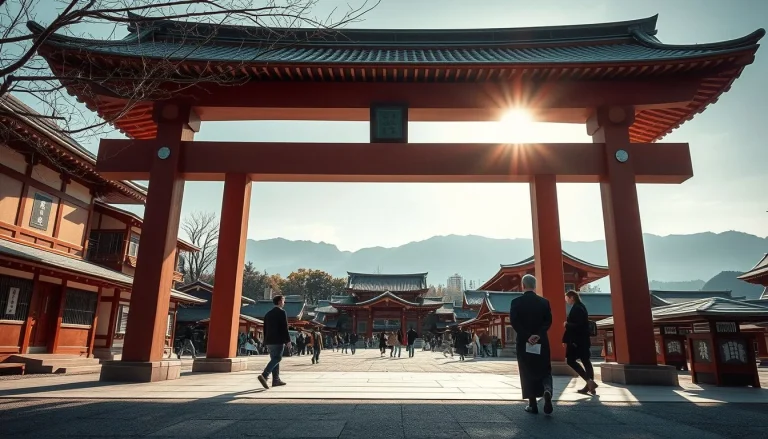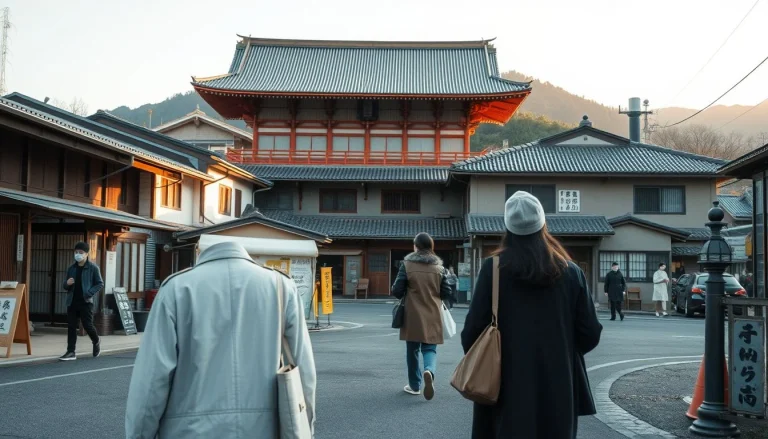
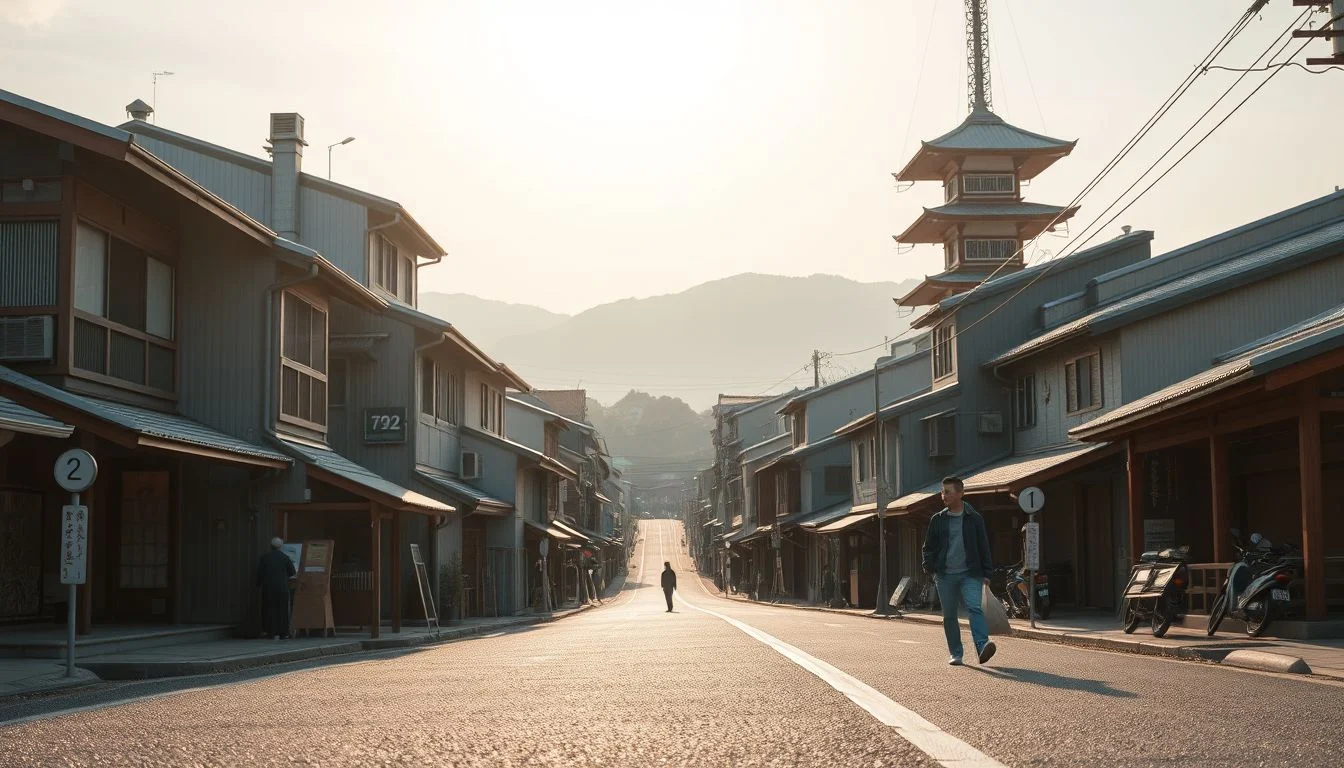
Japan runs from subarctic Hokkaido to subtropical Okinawa, so a winter-sports trip to Sapporo and a beach stay in the Kerama Islands belong to the same country but not the same travel plan. Between them are Tokyo’s neighbourhoods and museums, Kyoto’s temples and historic districts, Osaka’s food culture, alpine towns, volcanic landscapes and onsen routes.
This Japan travel guide is for first-time international visitors who want to turn that variety into a manageable route. It will help you decide whether to stay on the Tokyo–Kyoto–Osaka corridor or add Hakone, the Japanese Alps, Hokkaido, Kyushu or Okinawa; choose dates around blossoms, foliage, snow, heat and crowds; and balance shinkansen travel with slower regional journeys. You’ll also find practical guidance on arrival airports, accommodation, cash, trains, food, entry checks and the booking decisions that matter most.
Quick answer: Allow 7–14 days for a first trip: use seven days for Tokyo, Kyoto and Osaka, then add a regional extension such as Hakone, the Japanese Alps, Hokkaido, Kyushu or Okinawa if you have longer. Spring suits blossoms, autumn foliage, winter snow sports and summer festivals, although summer brings heat, rainy-season disruption and typhoon risk; check current entry rules, rail conditions and regional weather before booking.
Why Japan works so well for a first trip
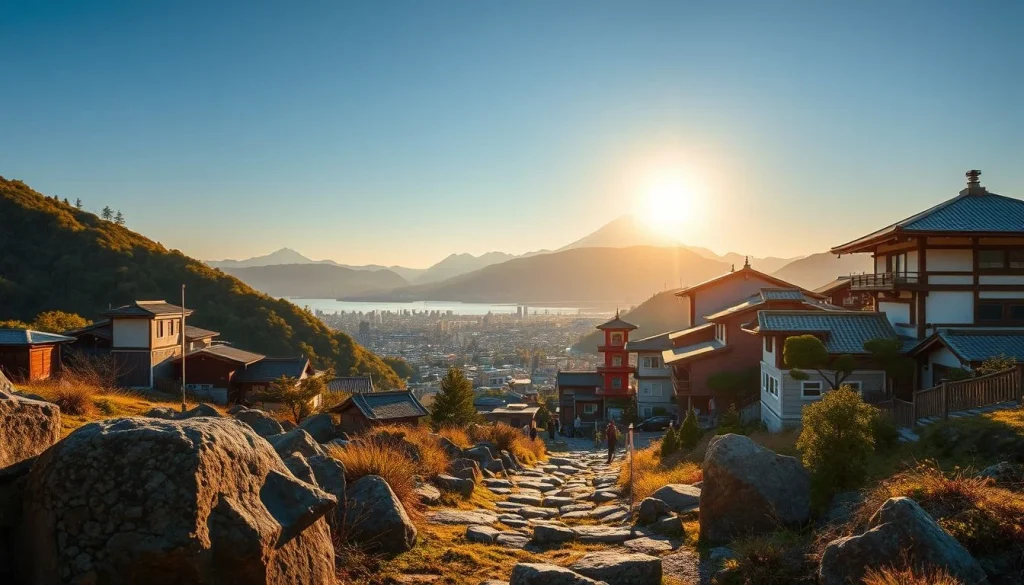
Japan rewards a first trip with striking contrasts packed into a single country: Tokyo’s vast urban neighbourhoods, Kyoto’s temple districts, Osaka’s food culture, alpine valleys, volcanic scenery, snow-sports areas and subtropical islands. A few hours of travel can change the landscape, climate and rhythm of a journey.
That range is useful for first-time international travellers because familiar landmarks can be combined with a more distinctive overnight. Pair Tokyo and Kyoto with an onsen town such as Hakone or Kinosaki; choose Hokkaido for snow, open landscapes and a cooler climate, or Okinawa for beaches and Ryukyu culture. These additions give the trip a stronger sense of Japan without requiring a long list of city stops.
The practical approach is to treat Japan as a set of connected travel corridors. Keep the first route compact, leave space for neighbourhood wandering and allow longer extensions only when they add a clear contrast. This makes room for the small details—station food, garden paths and quiet morning streets—that can disappear when every day is spent changing bases.
Japan’s regions and top destinations: where should you go?
Japan is easier to plan as a choice between regions than as a checklist of cities. The classic Tokyo–Kyoto–Osaka corridor suits a first visit, while the alternatives below offer clearer contrasts: mountains, snow, islands, food or slower rural travel. JNTO’s planning guidance is a useful starting point for matching destinations to your interests.
| Region | Best for | Headline stops | Allow |
|---|---|---|---|
| Classic route | First-time city, culture and food trip | Tokyo, Kyoto, Osaka, Nara | 7–10 days |
| Kanto extensions | Onsen, scenery and manageable side trips | Hakone, Nikko | 1–3 extra days |
| Japanese Alps | Historic towns and mountain landscapes | Takayama, Matsumoto, Kamikochi | 3–5 days |
| Tohoku | Quieter cities, northern culture and festivals | Sendai, Aomori | 4–6 days |
| Hokkaido | Snow sports, open landscapes and cooler summers | Sapporo, Niseko, Furano | 5–7 days |
| Shikoku and Naoshima | Pilgrimage, contemporary art and slower travel | Shikoku, Naoshima | 3–6 days |
| Kyushu | Food, hot springs and southern history | Fukuoka, Nagasaki, Beppu | 4–7 days |
| Okinawa | Subtropical beaches and island culture | Naha, Kerama Islands | 4–6 days |
The classic route is the safest choice for seven days: Tokyo provides the easiest introduction, Kyoto supplies historic districts and temples, Osaka changes the pace with food and nightlife, and Nara works as a compact cultural extension. Add Hakone or Nikko rather than another major city if you want an onsen, mountain or countryside break without radically changing direction.
For 10–14 days, choose one substantial extension instead of scattering brief stops across the map. The Alps and Tohoku bring mountain and regional contrasts; Hokkaido and Okinawa are stronger choices when their landscapes are the main reason for travelling, but they add significant travel time. Japan ranges from subarctic Hokkaido to subtropical Okinawa, so check the Japan Meteorological Agency’s regional climate normals before fixing dates. Mountain access, including Kamikochi and hiking routes, can be seasonal, so confirm current conditions locally.
Best time to visit Japan: match the season to your route
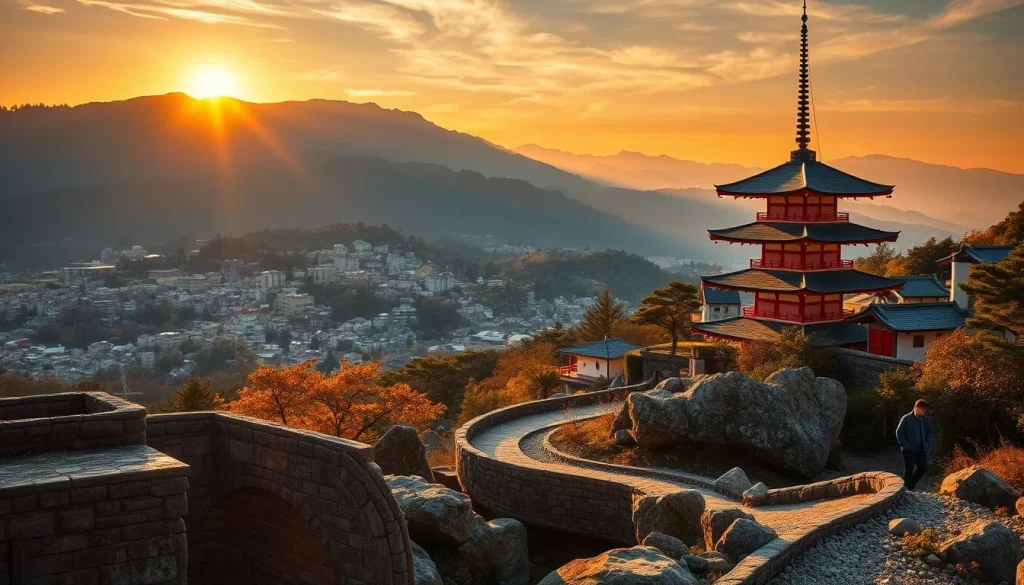
Best time to visit Japan: match the season to your route
The best time to visit Japan depends on your route, not simply the month on the calendar. Spring brings the classic blossom season, while autumn usually offers foliage and stable weather. Both periods also draw strong demand to popular temples and gardens, as well as mountain viewpoints.
In Tokyo and Kyoto, cherry-blossom demand commonly peaks from around mid-March to early April, although the timing varies by year and region. Book accommodation early for this window, and check the Japan Meteorological Agency’s climate normals alongside current forecasts instead of relying on a national blossom prediction.
Summer suits travellers who prioritise festivals and long daylight hours. June brings the rainy season across much of Japan, while July and August are hot and humid; typhoon risk rises from August through October, especially on southern and coastal routes. June, July and August are peak months for this guide’s planning brief, but demand varies considerably between cities, islands and ski areas.
Winter is the right season for snow sports and snowy landscapes, particularly in Hokkaido, although December is also a peak travel month. Central-city sightseeing remains possible, but mountain transport and hiking access follow the season. Check local conditions before travelling to alpine areas.
Japan’s climate ranges from subarctic Hokkaido to subtropical Okinawa. A winter ski itinerary in Sapporo or Niseko needs a very different plan from a beach-focused trip to Naha and the Kerama Islands. For live forecasts, heavy snow, typhoons and other disruptions, check the Japan Meteorological Agency shortly before departure.
How to get to Japan: choosing an airport and planning arrival
For most first-time visitors, the simplest arrival plan is to fly into Tokyo or Osaka, then leave from a different city if your route runs one way. An open-jaw ticket—arriving at Haneda and departing from Kansai International, for example—can avoid backtracking between Tokyo and Kyoto or Osaka.
Haneda is the closer Tokyo gateway for central-city access; Narita is a major international gateway. Kansai International serves Osaka and Kyoto, while Chubu Centrair is the practical gateway for Nagoya, according to Japan’s airport and tourism guidance. Check the relevant airport’s current transfer procedures, terminal information and operating services before booking.
Allow time after landing for a straightforward sequence: immigration, baggage collection, customs, then connectivity such as an eSIM or pocket Wi-Fi. Next, withdraw or exchange some yen, obtain or load a transport IC card where available, and follow signs for your onward train, airport bus or taxi. If you are connecting to a domestic flight, confirm whether you must change terminals, reclaim baggage or pass security again with your airline and airport.
International rail or road travel is not a realistic default for most overseas first trips. Japan’s main gateways are designed around air arrival; use the airport’s official arrival guidance and JNTO planning information for current details.
Getting around Japan: trains, buses, flights or a car?
Getting around Japan: trains, buses, flights or a car?
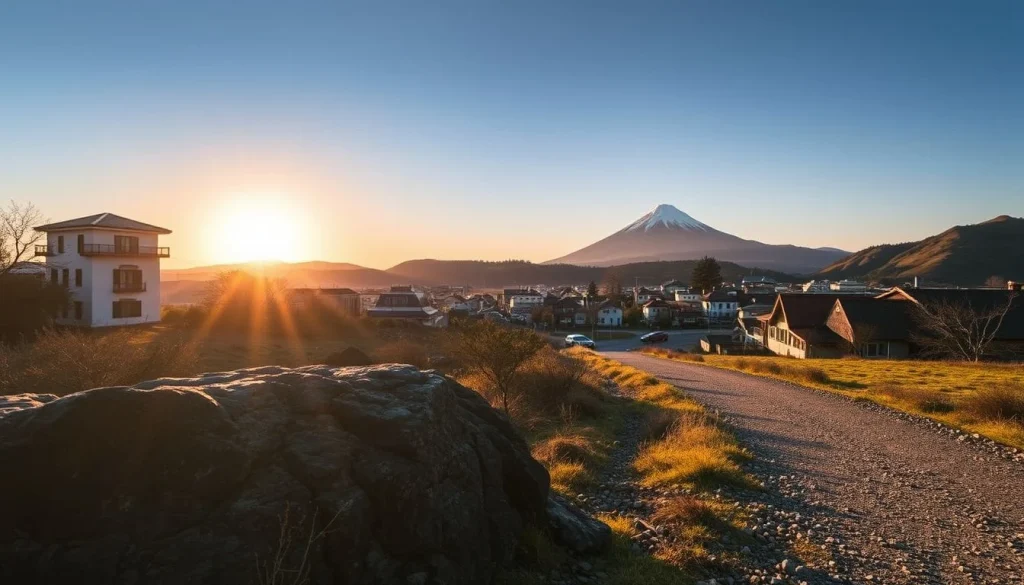
For the classic Tokyo–Kyoto–Osaka route, use the shinkansen and JR network as your backbone. Tokyo to Kyoto takes approximately 140 minutes on Nozomi or approximately 160 minutes on Hikari. Check current schedules, fares and any service changes before booking, since seat availability and pass conditions differ by train.
City travel is straightforward with JR lines, subways and private railway operators in Tokyo and Osaka. Kyoto’s buses reach areas beyond the main railway stations, although busy roads can make those journeys slow. In rural destinations such as Takayama, the Japanese Alps or parts of Kyushu, check the final connection before booking accommodation. Regional trains and buses may run less frequently than the city network.
Long-distance buses cost less in some cases but take longer, so they suit flexible travellers and overnight journeys. For large jumps to Hokkaido or Okinawa, domestic flights are more practical than travelling through the Tokyo–Kyoto–Osaka corridor. A hire car makes sense on rural or island routes where public transport is limited—not in central Tokyo, Kyoto or Osaka, where parking and city traffic add complications.
Suica- and PASMO-style IC cards simplify short trips on participating trains, subways and buses. Still, carry yen: small shops, temple stalls, some onsen and rural businesses may not accept cards, according to the Japan National Tourism Organization. Keep larger luggage manageable on crowded services, and reserve seats ahead during peak travel periods or on a tightly timed itinerary.
The Japan Rail Pass won’t automatically save money. Its value depends on your exact route, and the official JAPAN RAIL PASS guidance says purchase, collection, eligibility and train conditions can change. Verify current prices and the rules for Nozomi and Mizuho before buying. For a simple Tokyo–Kyoto–Osaka trip, compare ordinary tickets with the current pass options instead of planning around the pass first.
Where to stay in Japan: areas and accommodation styles
Where to stay in Japan: areas and accommodation styles
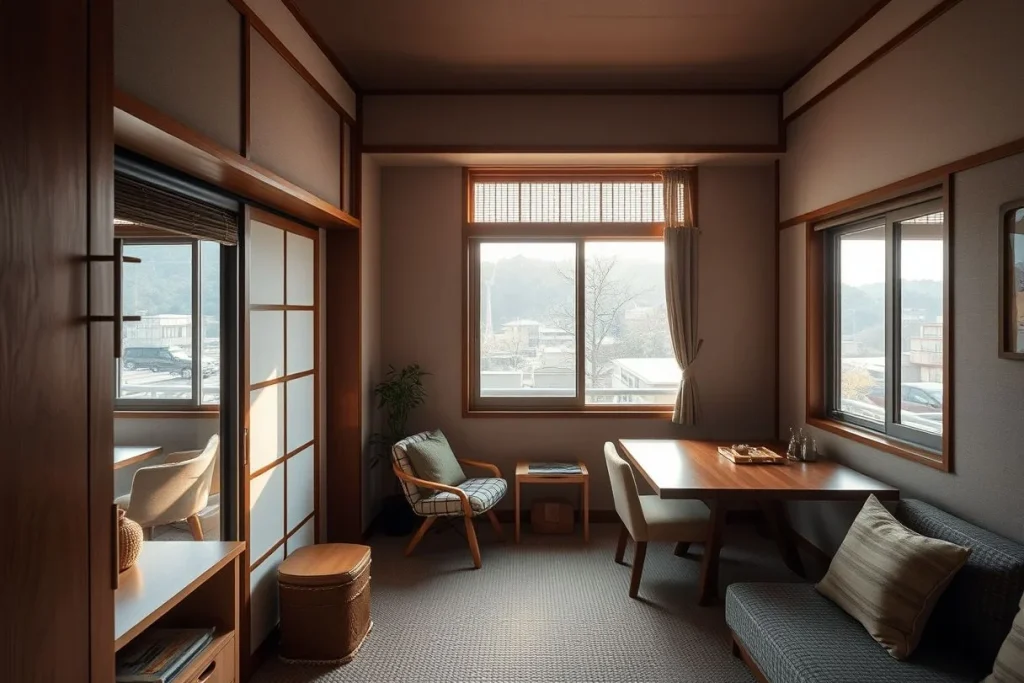
Choose accommodation around your route rather than around a famous neighbourhood. In Tokyo, Shinjuku is the practical all-round base for rail connections and nightlife, while Shibuya suits travellers who want restaurants and late evenings close by. Ginza offers polished central access. Asakusa gives up some convenience for a more historic atmosphere and an easier start near temples.
Kyoto’s Kawaramachi is the simplest choice for restaurants, shopping and transport. Gion has traditional streets and a quieter evening character, but demand can be higher and access with luggage less straightforward. In Osaka, look first at Namba or another central district if food and nightlife matter more than a quiet residential setting.
Business hotels are compact and efficient, while hostels reduce costs for solo travellers. Apartment-style stays suit families or longer visits. A ryokan or onsen lodging in Hakone or Kinosaki is worth adding for one carefully chosen night, but expect set meal times, sleeping on futons and a more formal check-in routine. Confirm luggage arrangements before arrival, particularly when moving between cities.
Blossom travel around Tokyo and Kyoto commonly runs from mid-March to early April, while autumn foliage also brings high demand. Book sought-after hotels, ryokans and kaiseki restaurants early; Japan National Tourism Organization planning guidance recommends doing the same. Before paying, check the property’s official instructions for cancellation terms, meal times and baggage storage.
Best things to do in Japan on a first visit
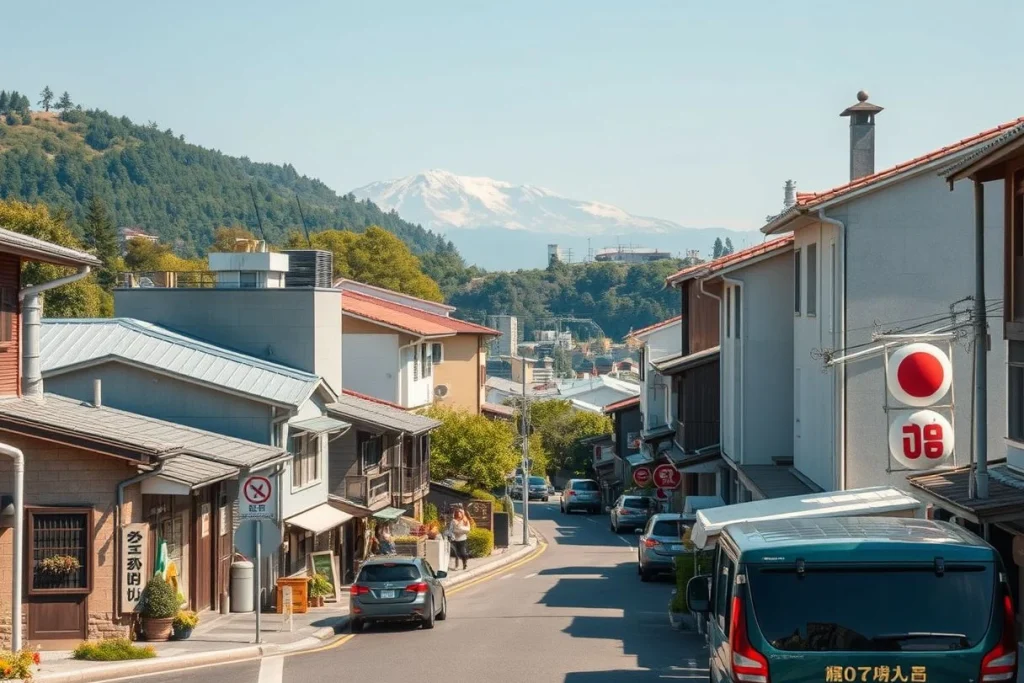
Build a first Japan itinerary around contrasts rather than a long attraction checklist. In Tokyo, spend a day moving between neighbourhoods such as Asakusa, Shibuya and Ginza, then leave time for a museum and an early visit to Tsukiji Outer Market. This gives first-time visitors an easy introduction to temples, contemporary city life, shopping and everyday food culture without changing hotels.
Kyoto is the place for temple visits, historic districts, a tea experience and a carefully planned kaiseki meal. Add Nara as a straightforward cultural excursion, or slow the pace with an overnight in an onsen town: Hakone suits a short break from Tokyo, Kinosaki offers a traditional town-and-bathhouse setting, and Beppu works well as a Kyushu extension. Popular ryokans and high-end restaurants should be reserved well ahead for blossom and autumn-foliage periods, as Japan National Tourism Organization planning guidance recommends.
Make the shinkansen ride part of the trip, not merely a transfer between Tokyo, Kyoto and Osaka. Osaka supplies a livelier urban contrast through its evening streets, izakaya-style dining and local specialities, while a route through the Japanese Alps can lead towards Takayama, Matsumoto or Kamikochi. Check seasonal access and closure conditions before committing to mountain areas; conditions can change more sharply there than in the cities.
With additional time, choose one clear regional contrast: Hokkaido for snow and open landscapes, Okinawa for subtropical beaches, Shikoku for pilgrimage routes, or Naoshima for contemporary art. Festivals such as Kyoto’s Gion Matsuri, Aomori’s Nebuta Festival and the Sapporo Snow Festival can anchor a journey, but confirm current dates and accommodation demand before booking around them.
What to eat in Japan: dishes, regions and where to try them
Food is one of Japan’s easiest ways to give each stop a distinct character. In Tokyo, choose from specialist sushi and sashimi counters, tempura restaurants, yakitori shops, soba, udon and curry rice; Tsukiji Outer Market is a practical daytime introduction to seafood and market snacks. Ramen is worth trying in several cities rather than treating it as one national style.
Osaka is the natural place for okonomiyaki and takoyaki, with lively neighbourhood dining and izakaya dishes best shared over several small plates. Kyoto suits a slower meal: tofu, seasonal kaiseki and tea-related sweets reflect the city’s refined food culture. Hokkaido is particularly associated with seafood and dairy, while Kyushu is a strong choice for regional ramen. In Okinawa, look for Ryukyu-influenced dishes rather than expecting the same menu found on the main islands.
Match the setting to your comfort level. Standing counters and small ramen shops often use a vending machine: select and pay before taking the ticket to the counter. Popular sushi, kaiseki and some izakaya restaurants may require reservations, especially during blossom and autumn-foliage periods. For allergies or dietary restrictions, carry a clearly written Japanese explanation and confirm ingredients directly; don’t assume every restaurant has English menus or can accommodate substitutions.
Japan travel costs: budget, mid-range and luxury planning
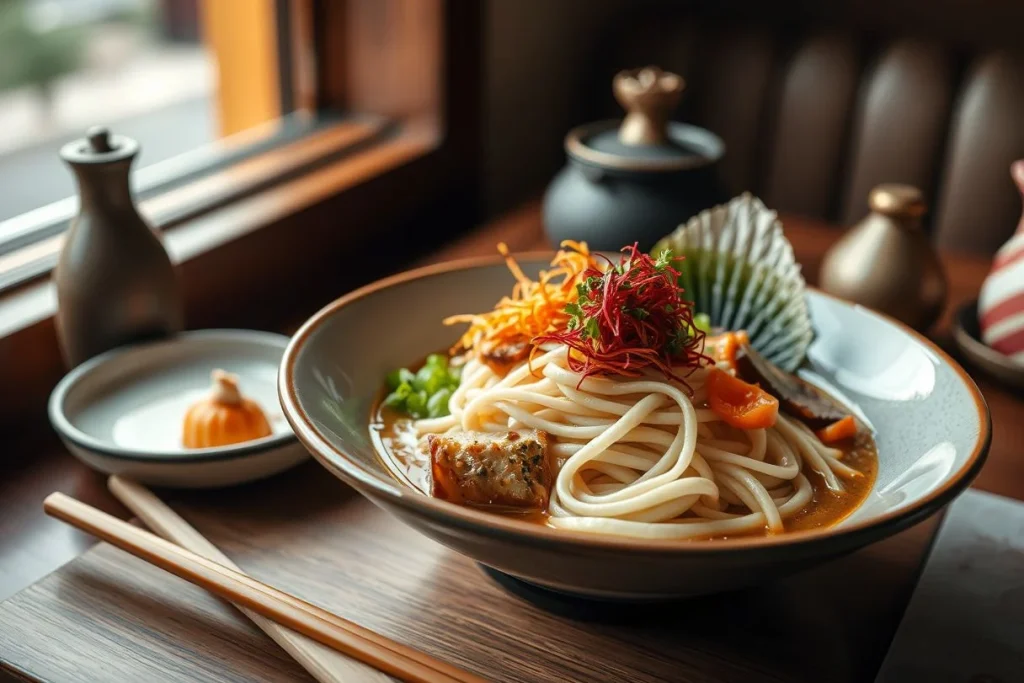
Japan travel costs vary more by accommodation, season and intercity movement than by food alone. Since current hotel, admission and rail figures change, check live prices before booking; the guidance below is a planning framework rather than a dated quotation.
- Budget: choose hostels, simple business hotels, convenience-store breakfasts, casual noodle shops and local trains. Long-distance buses can reduce transport costs, but take longer than the shinkansen.
- Mid-range: allow for a well-located hotel, restaurant meals, regular sightseeing and shinkansen travel between Tokyo, Kyoto and Osaka. Compare point-to-point tickets with the current JAPAN RAIL PASS rules before buying; eligibility, prices and purchase procedures have changed.
- Luxury: budget for higher-end hotels, private guides, premium dining, reserved train seats and a ryokan with an onsen, such as in Hakone, Kinosaki or Beppu. Blossom, autumn-foliage, ski and December periods can raise accommodation demand.
For a seven-day Tokyo–Kyoto–Osaka trip, separate accommodation, meals, local transport, admissions, connectivity and the Tokyo–Kyoto train from the international flight. A rural or onsen extension adds accommodation and transfers; car hire is usually more useful outside major cities than within them.
Exclude international flights, shopping, insurance and major tours from any trip total. Carry yen for small shops, temple stalls, some onsen and rural businesses, although cards are widely used in cities, according to the Japan National Tourism Organization. Refresh every estimate immediately before travel using official rail information, hotel booking sites and attraction websites.
Sample Japan routes for 7, 10 and 14 days
For a first Japan trip, choose one main corridor and make the extra time earn its transfers. The classic Tokyo–Kyoto–Osaka route works in a week; with 10–14 days, add one regional experience rather than collecting distant cities.
| Route | Nights by base | Best airport logic | Main trade-off |
|---|---|---|---|
| 7 days: classic introduction | Tokyo 3; Hakone or Nikko 1; Kyoto 2; Osaka 1 | Arrive Haneda or Narita; depart Kansai International if fares suit | Fast pace, but covers major city contrasts, an excursion and an onsen or heritage stop |
| 10 days: classic route plus culture | Tokyo 3; Kyoto 3; Osaka 2; Hiroshima 2 | Arrive Tokyo; depart from Kansai International, or return to Tokyo if flights are better | Hiroshima is worthwhile only if you accept the additional long transfer |
| 14 days: classic route plus alpine Japan | Tokyo 3; Hakone 1; Kyoto 3; Osaka 2; Takayama 2; Kanazawa 2 | Arrive Tokyo; depart Tokyo or Osaka after checking the final rail connections | More regional variety, but several changes; replace the alpine section with Kyushu, Hokkaido or Okinawa only if you are happy to fly or spend more time in transit |
These are planning frameworks rather than fixed timetables. Confirm current shinkansen schedules, reservations and Japan Rail Pass conditions on the official JAPAN RAIL PASS site before committing; Tokyo–Kyoto takes approximately 140 minutes on Nozomi and 160 minutes on Hikari, with separate eligibility and pass conditions.
How to pace each route
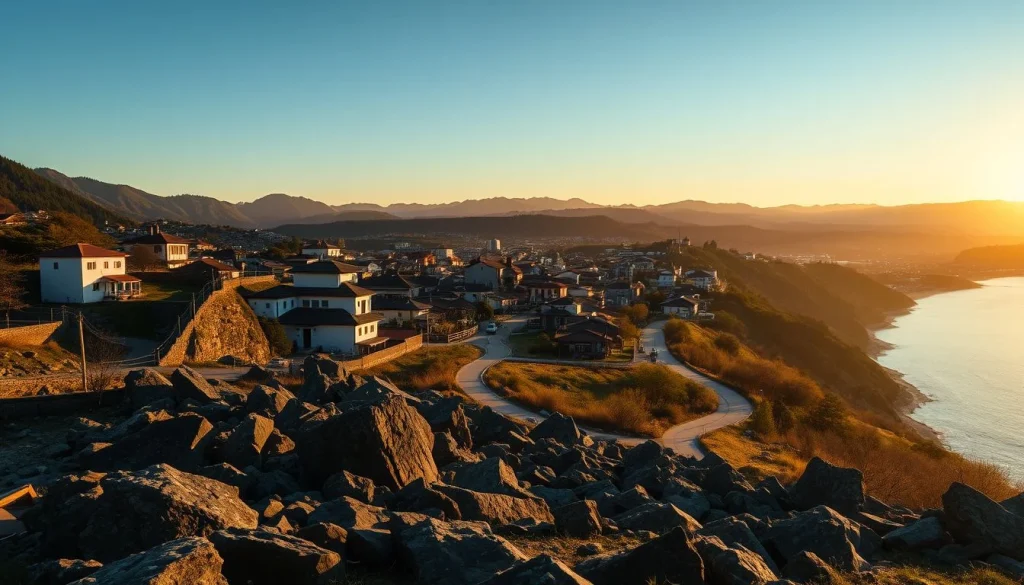
Seven days: use Tokyo for neighbourhoods and museums, then take a day trip to Nikko or spend one night in Hakone. Continue to Kyoto for temples and historic districts, with Nara as a day trip, and finish in Osaka for food before departing from Kansai International. It is a quick introduction, not a restful holiday.
Ten days: keep three nights in Tokyo and three in Kyoto, then use Osaka as a two-night base before Hiroshima. The final two nights allow time for the Peace Memorial area without forcing Hiroshima into a rushed day trip.
Fourteen days: slow the middle of the trip with Hakone, then travel through Kyoto and Osaka before heading to Takayama and Kanazawa. Send large bags ahead between major bases and carry an overnight bag for the alpine section. In winter, substitute mountain stops only after checking snow and access conditions; for islands, verify domestic connections and seasonal transport before booking.
Japan entry requirements and safety: check official guidance
Japan entry requirements are nationality-specific. Most nationalities can visit as temporary visitors without a visa for short stays, but eligibility and permitted length of stay vary. Check the current visa-exemption list on Japan’s Ministry of Foreign Affairs website, then confirm any extra instructions with the Japanese embassy or consulate responsible for your residence.
Japan removed COVID-19 vaccination and pre-departure testing requirements for arrivals on 29 April 2023, according to the Ministry of Health, Labour and Welfare. That is a historical change, not a promise that border policy will remain unchanged: recheck the ministry’s current guidance shortly before departure, including any health documentation relevant to your journey.
Buy travel insurance with medical treatment and disruption cover, and check that it includes the activities on your route. Ask a doctor or pharmacist how to carry prescription medicines legally and safely; keep medicines in their original packaging and bring supporting documentation where appropriate.
Japan is exposed to earthquakes, tsunamis, volcanic activity, typhoons, heat and heavy snow. Monitor the Japan Meteorological Agency, local authority alerts and your own government’s travel advisory, particularly before mountain, coastal or island travel. Save your accommodation details, passport copy and insurer’s assistance contact offline, and follow official instructions during an emergency.
Japan travel tips for first-time visitors
- Sort connectivity before leaving the airport. Arrange an eSIM, physical SIM or pocket Wi-Fi, then download an offline translation app and a rail-planning app. Keep your hotel name and address in Japanese so you can show them to staff or a taxi driver.
- Carry yen as well as a card. Cards are widely used in cities, but small shops, temple stalls, some onsen and rural businesses may not accept them. Load or obtain a transport IC card such as Suica or PASMO for local trains, buses and small everyday purchases where accepted.
- Make the first day deliberately simple. After immigration and baggage collection, follow airport signs to your train or bus, allow time to navigate a large station, and go directly to your hotel before sightseeing. Keep your passport, reservation details and onward-journey information accessible.
- Reserve the pressure points early. Popular shinkansen departures, ryokans, high-end sushi and kaiseki restaurants fill quickly during blossom and autumn-foliage periods. Use official railway, accommodation or restaurant channels; confirm current Japan Rail Pass conditions before planning around one.
- Keep luggage out of your route. Coin lockers are useful at major stations, but availability varies. For a multi-city trip, ask your hotel about luggage forwarding and travel with a small overnight bag when moving between bases.
- Follow quiet, visible etiquette. Queue where marked, keep train conversations low, remove shoes where required, follow onsen bathing rules and avoid eating while walking where it is discouraged. Tipping is not customary; a polite thank-you is sufficient.
- Ignore unsolicited deals. Walk away from touts, opaque bar bills and unofficial ticket sellers, and book through established channels. Before a day trip, check regional weather, closures and disaster alerts with the Japan National Tourism Organization or local authorities.
Choose one Japan corridor, then book with confidence
For most first-time visitors, seven days on the Tokyo–Kyoto–Osaka corridor offers the clearest introduction to Japan without turning every other day into a transfer. With 10–14 days, add one carefully chosen extension—Hakone, the Japanese Alps, Hokkaido, Kyushu or Okinawa—rather than collecting distant cities.
Choose your dates first, then check current entry guidance and regional conditions with Japan’s official authorities, including the Japan Meteorological Agency. Price the complete route, reserve high-demand ryokans and seasonal stays, and confirm rail rules through the official Japan Rail Pass site. Your next step is simple: select the sample route that matches your interests and arrival airport, then book around that spine.
Frequently asked questions
Can I visit Japan without speaking Japanese?
Yes, a trip can be planned without speaking Japanese, but the supplied guidance does not establish how widely English is available or which situations may be difficult. Prepare your destination names and accommodation details in writing, and use the Japan National Tourism Organization’s official planning information for current advice on transport, customs and local arrangements. In rural areas, allow extra time for communication and route-checking.
How far in advance should I reserve popular Japanese attractions?
The available guidance specifically recommends reserving popular ryokans, high-end sushi restaurants and kaiseki restaurants well ahead for cherry-blossom and autumn-foliage periods. It does not give a universal booking window for attractions, so check each venue’s official website before fixing your route. Accommodation in Tokyo and Kyoto is especially important to arrange early when travelling around the commonly busy mid-March to early-April blossom period.
What should I do if an earthquake or typhoon affects my route?
Follow official local disaster instructions and check conditions before leaving your accommodation. Typhoon risk increases from August through October, particularly on southern and coastal routes, while Japan’s regional weather should be checked through the Japan Meteorological Agency. If transport is disrupted, avoid forcing a connection: confirm the latest train, flight or road information with the relevant operator and contact your accommodation about changing the night’s plan.
Is it practical to travel in Japan with children or older relatives?
It can be practical if you keep the route focused rather than changing cities every day. The shinkansen and JR network form the backbone of intercity travel, while long-distance buses are slower and car hire is more useful for rural and island routes than major cities. For a first trip, a Tokyo–Kyoto–Osaka corridor reduces transfers; check station access, walking requirements and regional conditions before booking.
Can I send luggage between hotels instead of carrying it on trains?
The supplied sources do not confirm luggage-forwarding services, prices, collection times or hotel eligibility, so do not build a route around them without checking. Ask both hotels and the official transport or delivery provider whether they accept and transfer your bags, and confirm what you will carry during the gap between sending luggage and arrival. Keep passports, medicines, valuables and anything needed that day with you.
Are tattoos accepted at Japanese hot-spring baths and swimming facilities?
The provided sources do not establish a current nationwide policy, and acceptance can differ between individual onsen, ryokans and swimming facilities. Check the specific property’s official rules before booking, particularly for an onsen stay in Hakone, Kinosaki or Beppu. If the policy is unclear, contact the property directly and ask about covering requirements, private bathing or alternative arrangements.