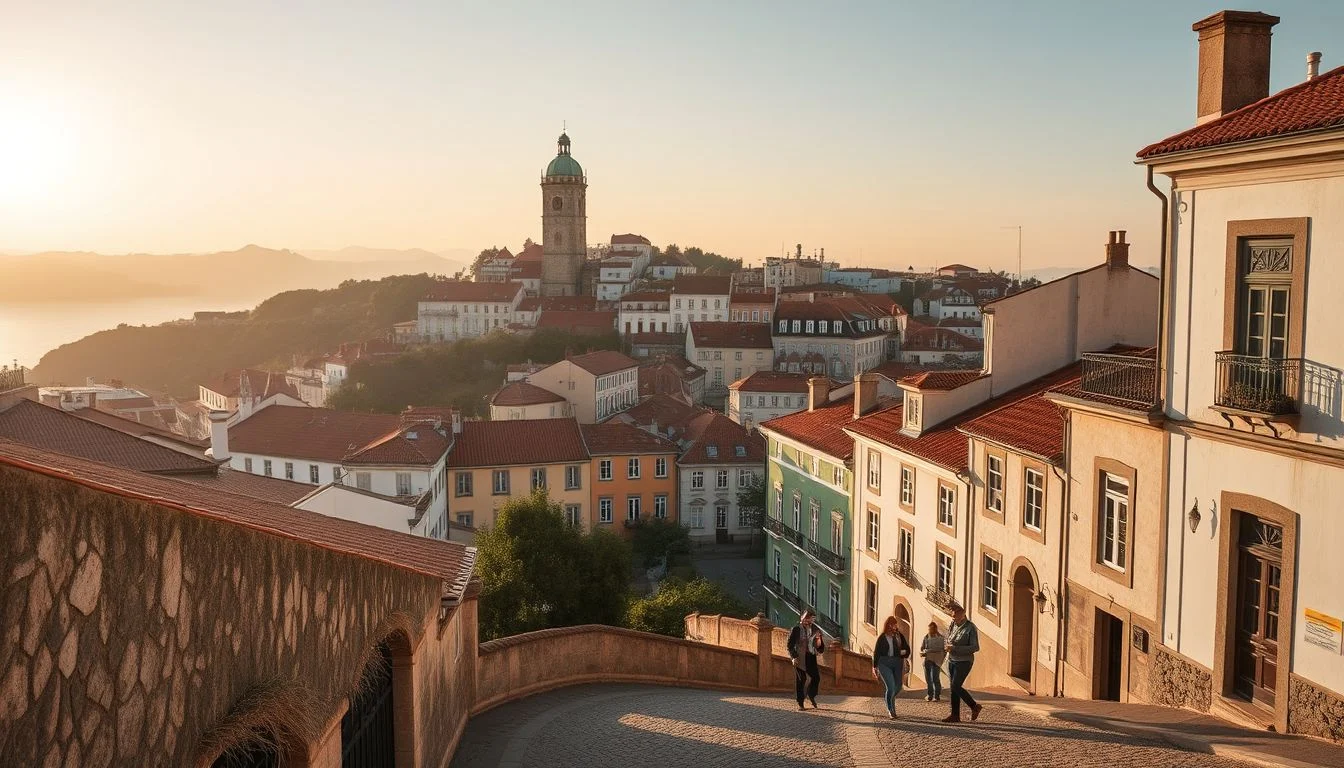
The Alfa Pendular links Lisbon and Porto in roughly 2 hours 40 minutes to 3 hours, turning Portugal’s two major cities into one practical route rather than two separate trips. Add two nights among the vineyard slopes of the Douro Valley, and a 10 days in Portugal itinerary can include historic neighbourhoods, riverside evenings and scenic rail or river travel without changing hotels every night.
This plan is written for couples who want boutique-style bases, walkable districts, memorable meals and enough unscheduled time to enjoy them. It uses four nights in Lisbon, three in Porto and two in the Douro, with Sintra kept optional and the valley deliberately flexible: take the Linha do Douro for independence, choose a day cruise for scenery, or book an overnight river option for a slower splurge. The route also explains where the trade-offs matter, from steep cobbles in Alfama and Ribeira to summer heat inland and the need to protect departure-day connections.
Quick answer: Yes: 10 days is enough for a well-paced trip using four nights in Lisbon, three in Porto and two in the Douro Valley. Travel from Lisbon to Porto by Alfa Pendular in approximately 2 hours 40 minutes to 3 hours, then choose a Douro train journey, day cruise or overnight river option according to your preferred balance of flexibility, scenery and cost.
Itinerary at a glance: 10 days, three bases and flexible Douro days
Use Lisbon, Porto and the Douro as three bases rather than changing hotels every night. The route leaves space for long meals and unplanned wandering, while the Douro days can be shaped around a regional train, a day cruise or an overnight river service.
| Days | Base | Plan |
|---|---|---|
| 1–4 | Lisbon — 4 nights | Arrive gently, explore Belém, Alfama, Baixa and Chiado; choose Sintra or a slower Lisbon day on day 4. |
| 5–7 | Porto — 3 nights | Travel north by Alfa Pendular, then combine Ribeira, Alfândega, Porto’s historic centre and Port lodges in Vila Nova de Gaia. |
| 8–9 | Peso da Régua or Pinhão — 2 nights | Follow the Douro by regional train, day cruise or pre-booked overnight river option; visit a quinta and keep one day deliberately slow. |
| 10 | Departure | Leave from Porto where possible. If returning to Lisbon, allow a substantial connection buffer rather than relying on a same-day intercity transfer. |
This is a particularly good Portugal itinerary for couples who want shared scenic experiences without turning every morning into a checkout. Choose Pinhão for a smaller, vineyard-focused base; choose Peso da Régua for a practical starting point for Douro transport. The exact train and cruise pattern should remain flexible until seasonal timetables are confirmed.
Before you go: bookings, entry checks and arrival logistics
Start with the entry checks, not the sightseeing plan. Portugal follows Schengen rules: many nationalities may stay for up to 90 days in any 180-day period, but eligibility, passport validity and documentation depend on your nationality. The GOV.UK Foreign travel advice for Portugal, updated 15 September 2026, also notes that the EU Entry/Exit System is being implemented; some non-resident travellers may need biometric registration. Check the official government or embassy guidance for your passport before booking.
Reserve the structural pieces first: four nights in Lisbon, three in Porto and two in the Douro, followed by any timed attractions, a Douro quinta visit and a cruise or overnight river service. September and October are especially popular for harvest-season travel, so early booking is sensible. Check live schedules and conditions directly with Comboios de Portugal for the Alfa Pendular and Linha do Douro, and with the cruise operator for boarding points, seasonal departures and capacity.
The Lisbon–Porto train is the easiest long transfer for this route: Alfa Pendular services take approximately 2 hours 40 minutes to 3 hours. Book the chosen departure through CP once your accommodation is fixed, particularly if you need to arrive in Porto for a pre-booked Douro connection. Transport strikes can affect Portuguese services at short notice, according to the GOV.UK advice above, so leave a substantial buffer before an international flight.
From Humberto Delgado Airport, Lisbon’s historic centre is approximately 7 km away. The Metro Red Line reaches central transport hubs in roughly 20–30 minutes; a taxi is approximately €12–25 per vehicle in 2026, with the final amount varying by time and luggage. For local travel, buy and load a reusable Viva Viagem, also called 7 Colinas, card at a Metro station, or use a contactless bank card on the Metro, as explained by Metro Lisboa.
An open-jaw flight—arriving in Lisbon and departing from Porto—fits this itinerary best. If flights require a return to Lisbon, do not treat the Porto–Lisbon connection as a same-day guarantee: allow a generous margin, or return to Lisbon the day before departure.
Day by day: a relaxed Lisbon, Porto and Douro route
This 10-day Portugal itinerary uses four nights in Lisbon, three in Porto and two in the Douro Valley. The order keeps the longest city transfer in the middle, then leaves the final days flexible: choose the Douro by regional train, day cruise or overnight river service according to your budget, energy and departure plans.
Day 1 — Arrive in Lisbon
Morning
After landing at Humberto Delgado Airport, take the Metro Red Line towards central Lisbon or use a taxi if you have heavy luggage. The airport is about 7 km from the historic centre, and the metro reaches central transport hubs in roughly 20–30 minutes. Check into a base around Baixa, Chiado, Príncipe Real or Avenida da Liberdade; Alfama is atmospheric but less convenient with suitcases and steep cobbles.
Afternoon
Keep the first walk short. Follow the broad streets of Baixa to Praça do Comércio, then sit beside the Tagus before returning to your accommodation for a proper rest. This is a useful day to buy and load a reusable Viva Viagem, also known as a 7 Colinas card, at a Metro station; contactless bank cards are also accepted on the Metro.
Evening
Stay near the river for a low-effort first dinner. If energy allows, continue towards Chiado for a gentle evening walk rather than adding a late viewpoint or a full sightseeing programme.
Where to eat
Look for grilled fish, bacalhau, petiscos to share and a simple Portuguese wine. A prato do dia is usually the more economical choice at lunch; current menus and prices vary by restaurant and neighbourhood.
Getting around
Use the Metro for the airport and walk within central Lisbon. Alfama, Baixa and the riverside are close enough to combine on foot, but expect slopes and uneven paving.
Estimated time
Allow around 1–2 hours for arrival formalities and transfer, 1–2 hours for a light walk, 2 hours for lunch and rest, and 2–3 hours for dinner and the evening.
Optional extras
If your flight arrives early and you feel rested, add a short stroll through Chiado. Otherwise, protect the evening: tomorrow provides the first full sightseeing block.
Day 2 — Belém and a relaxed Lisbon evening
Morning
Take public transport west to Belém and concentrate on the riverside cluster rather than trying to cover all of Lisbon. See Belém Tower and Jerónimos Monastery, checking official visitor information before travelling because seasonal hours and entry arrangements can change.
Afternoon
Stop at Pastéis de Belém for the area’s signature custard tart, then have a long lunch or return to the centre. The half-day rhythm is deliberate: Lisbon’s heat, queues and hills become tiring when Belém is combined with several central attractions.
Evening
Spend the evening in Chiado or Bairro Alto. Browse independent shops, pause at a wine bar and choose a dinner reservation only if you want a particular address; otherwise, leave room to follow the streets at an easy pace.
Where to eat
Try pastéis de bacalhau, octopus, seasonal vegetables and grilled sardines when available. For a mid-range meal, the supplied 2026 guide places many main courses around €12–25, while lunch specials may be around €9–14; confirm prices on the current menu.
Getting around
Use the Metro and Carris network between central Lisbon and Belém, then walk between the main sights. Check the day’s service status before setting out.
Estimated time
Plan 3–4 hours in Belém, 1–2 hours for lunch, around 1 hour of transit in total and a flexible 3-hour evening.
Optional extras
On a hot afternoon, return to the hotel after the pastry stop. If the weather is unsettled, replace the riverside walk with extra time in central Lisbon and verify museum opening arrangements directly.
Day 3 — Alfama, Baixa and Fado
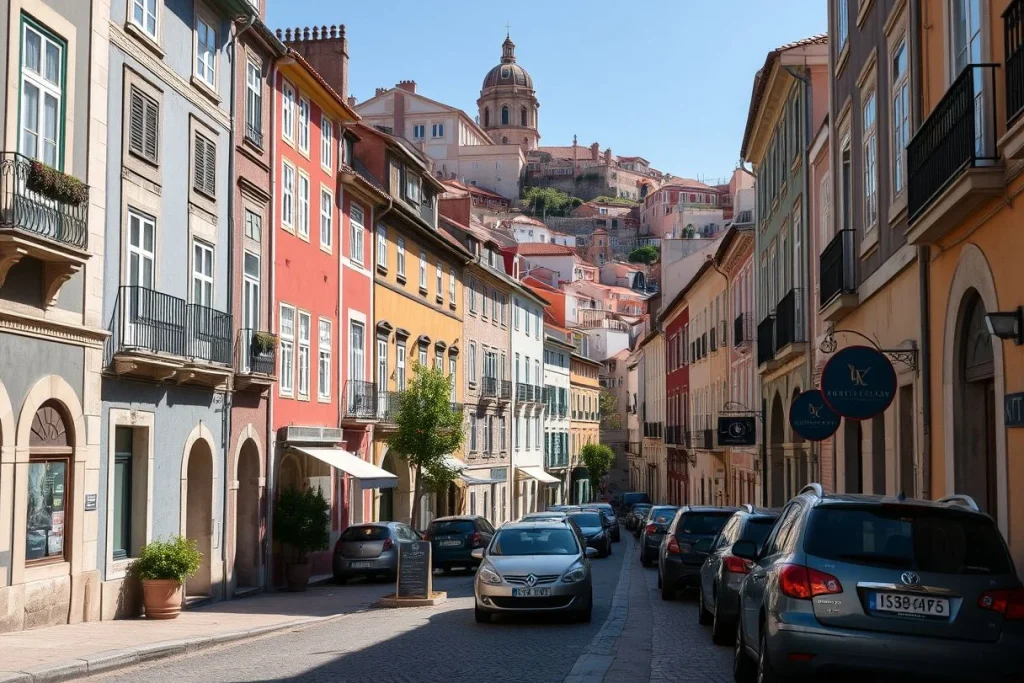
Morning
Start in Alfama while the streets are quieter. Follow the lanes towards São Jorge Castle viewpoints, stopping often rather than treating the neighbourhood as a single uphill push. Alfama’s steps, steep cobbles and uneven surfaces make supportive shoes essential.
Afternoon
Descend into Baixa for lunch, then continue through Chiado. Keep the middle of the day open for coffee, a shop or a return to the hotel; the best version of this day has space between viewpoints and the evening booking.
Evening
Make this the couple-focused Lisbon night with a pre-booked Fado dinner. Choose a venue after checking the current performance and meal arrangements, and expect the evening to be an attentive, seated experience rather than a quick meal.
Where to eat
Order small plates to share before Fado, or choose a traditional menu with bacalhau, pork, cheese and local wine. Avoid booking a restaurant across the city from your accommodation; the return journey is less pleasant after a long uphill day.
Getting around
Walk downhill from Alfama towards Baixa, using public transport or a taxi for the steepest sections if needed. Historic streets can be difficult with wheeled luggage and are not consistently step-free.
Estimated time
Allow 3 hours for Alfama and viewpoints, 2 hours for lunch, 2–3 hours for Baixa and Chiado, and 3 hours for dinner and Fado.
Optional extras
If the hills are too much, skip the castle visit and spend longer around Baixa and Chiado. Reserve Fado ahead, particularly in September and October.
Day 4 — Sintra or a slower Lisbon day
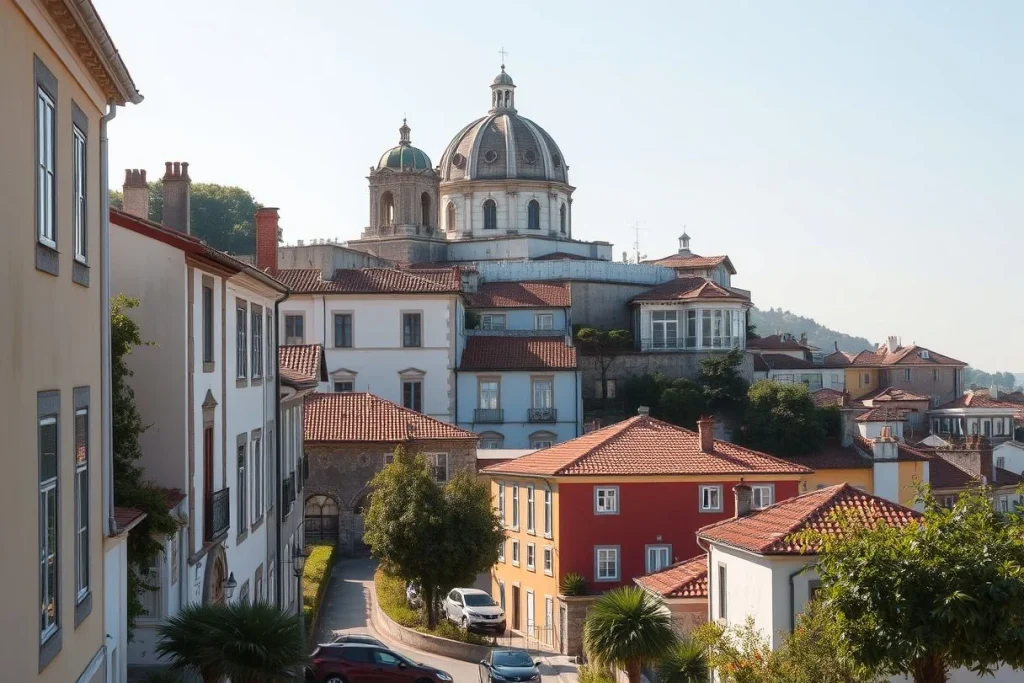
Morning
For the active option, take a day trip to Sintra and choose a limited number of sights after checking current transport and attraction information. Do not attempt every palace and garden in one day; the hills, queues and return journey quickly turn the excursion into a race.
Afternoon
Continue in Sintra only if the first visit has been unhurried, then return to Lisbon. The more restorative alternative is a long lunch in Príncipe Real, followed by browsing, a massage or an afternoon nap.
Evening
Finish Lisbon at a viewpoint near your base, then have an early dinner. This slower choice is particularly sensible after two walking-heavy days or during hot weather.
Where to eat
In Sintra, look for local pastries and a sit-down lunch rather than relying on snacks between attractions. In Lisbon, choose a neighbourhood restaurant in Príncipe Real or Avenida da Liberdade and keep the final evening before the train relaxed.
Getting around
Sintra is a full-day excursion with public-transport connections and walking between stops. Check the official railway and attraction information before committing. A Lisbon rest day requires little more than walking and short local journeys.
Estimated time
For Sintra, allow most of the day, including transit, sightseeing and lunch. For the slower option, use 2–3 hours for lunch and shopping, 2 hours of rest and 2–3 hours for the evening.
Optional extras
Choose Sintra for palaces and gardens; choose the Lisbon day for privacy, shopping and a better-balanced couple itinerary.
Day 5 — Lisbon to Porto
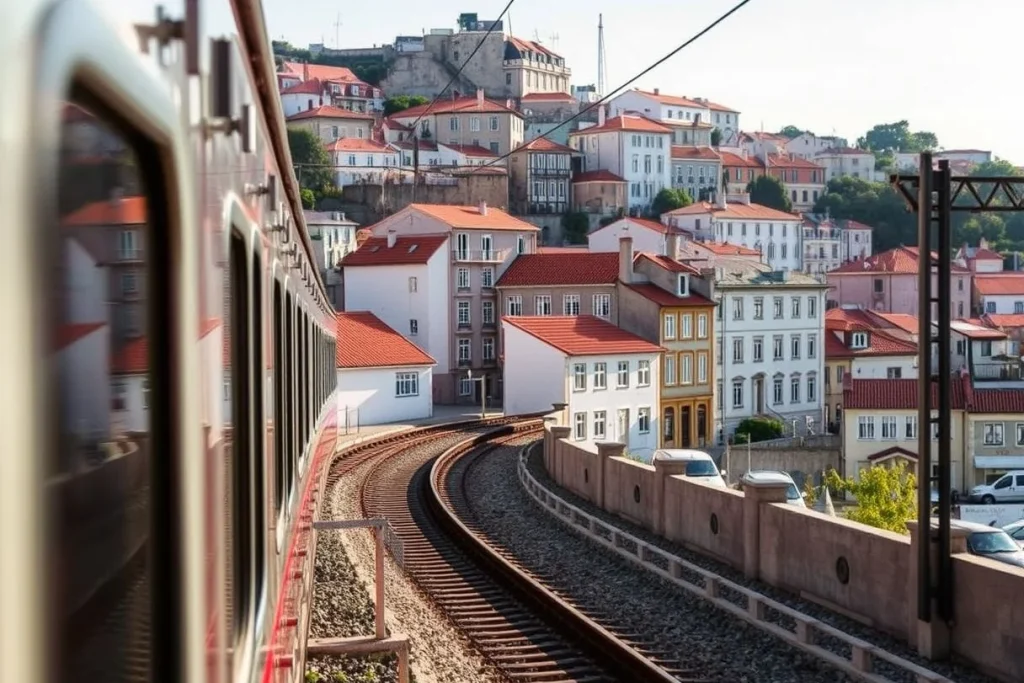
Morning
Take an Alfa Pendular train from Lisbon to Porto. The journey takes approximately 2 hours 40 minutes to 3 hours according to Comboios de Portugal. Book through CP after checking the live timetable, fare and station details for your date.
Afternoon
Check in around Ribeira, Alfândega, Cedofeita or Bonfim, then walk beside the Douro. Keep the afternoon to the riverside and the lower streets of Porto; there is no need to add a major museum or long guided tour after the rail journey.
Evening
Cross only as far as suits your energy. The lights along Ribeira and Vila Nova de Gaia provide a natural first evening, with a scenic table and an early night preferable to a second full programme.
Where to eat
Try francesinha, grilled fish, salted cod or petiscos. Gaia is useful for a river-facing dinner, while Cedofeita and Bonfim offer a more local-feeling evening away from the waterfront.
Getting around
Walk from the station or take a short local connection to your accommodation, then stay on foot. Ribeira includes steep streets and uneven paving, so check luggage access before booking a riverside property.
Estimated time
Allow 3–4 hours door to door for the train journey and station transfers, 2–3 hours for lunch and check-in, and 3 hours for the first Porto evening.
Optional extras
If you arrive early, add a brief visit to the Alfândega area. Save Dom Luís I Bridge and the Port lodges for tomorrow.
Day 6 — Porto and Vila Nova de Gaia
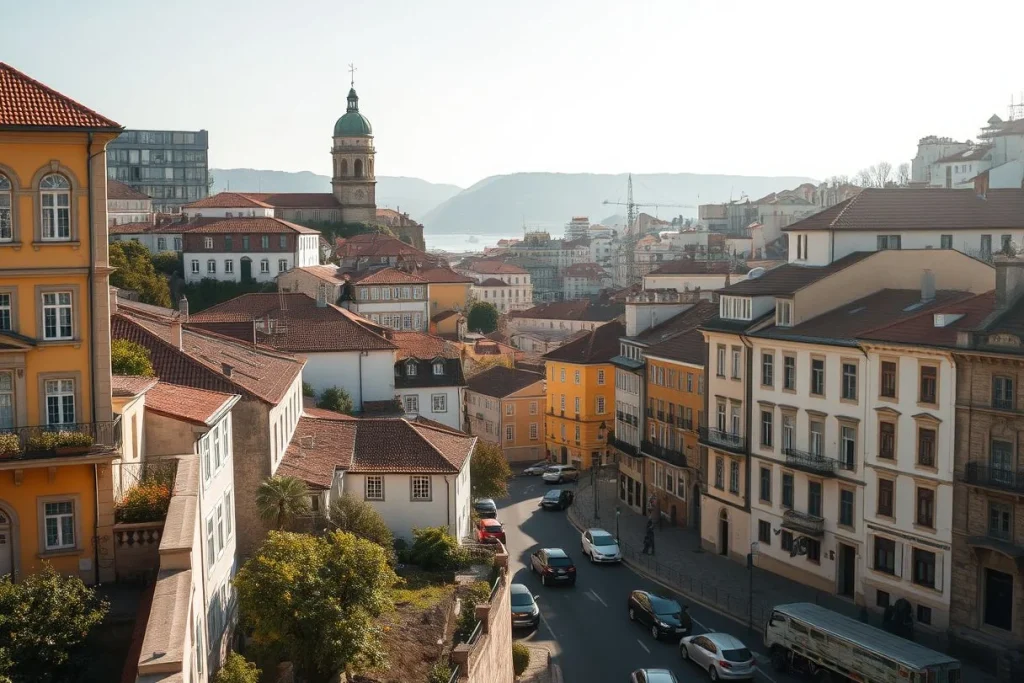
Morning
Explore Porto’s historic centre at a measured pace, linking the upper streets with viewpoints towards the Douro. Cross Dom Luís I Bridge when the light is good, then descend into Cais de Gaia.
Afternoon
Book one Port wine lodge tasting rather than several. A single visit leaves time to understand the styles, enjoy the river and pause for lunch. Reserve ahead for September and October, when harvest travel can increase demand.
Evening
Choose dinner in Gaia for the view or return to Porto for a quieter table in Cedofeita. The bridge is especially atmospheric after dark, but avoid turning the walk back into a late uphill trek if you have booked a full tasting.
Where to eat
Share petiscos, octopus, cod and regional cheeses, pairing them with Douro or Port wines. Ask about the restaurant’s current menu rather than assuming every riverside address offers the same value.
Getting around
Use the bridge and walking routes between Porto and Gaia. The elevation changes are manageable but noticeable; taxis or local transport are reasonable for the return journey after dinner.
Estimated time
Plan 3 hours for central Porto, 1–2 hours for lunch, 1–2 hours for the bridge and Gaia, and 2 hours for a tasting and dinner.
Optional extras
Replace the tasting with a quieter riverside walk if wine is not a priority. Check current lodge booking arrangements before travelling.
Day 7 — Porto at an easy pace, then towards the Douro
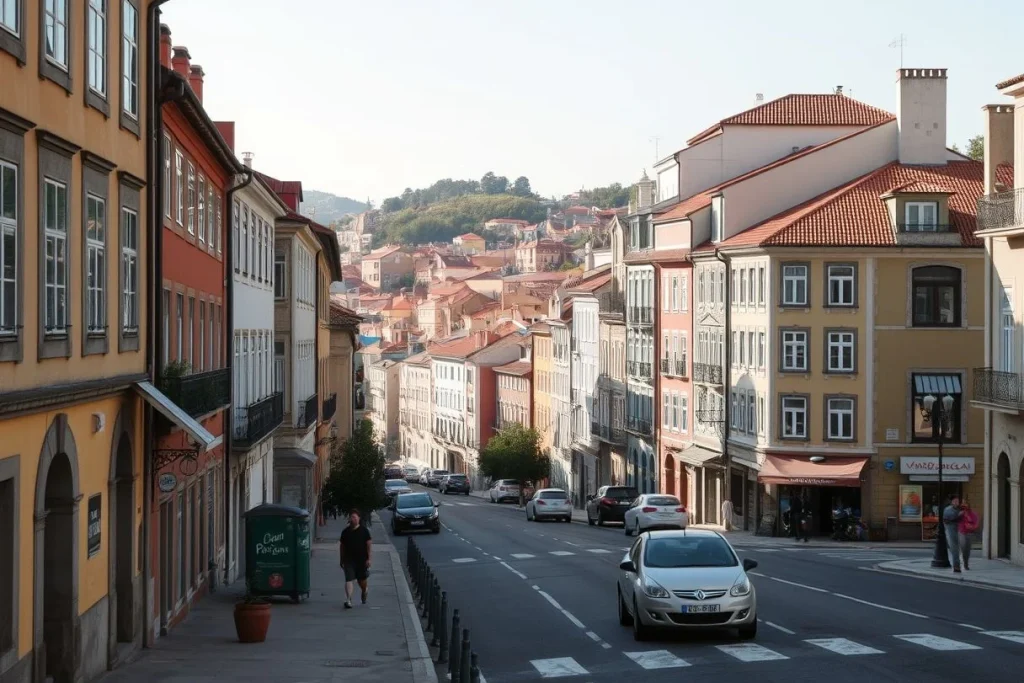
Morning
Start with a café breakfast or market visit, followed by unstructured time beside the river. This is the day to do laundry, collect luggage or adjust plans before leaving Porto.
Afternoon
Choose your Douro transfer. The Linha do Douro offers independence and changing valley views, reaching Peso da Régua in roughly 2–2.5 hours from Porto depending on the service. A day cruise offers river scenery with less planning but less flexibility; an overnight river service is the most distinctive option, but it requires advance booking, fixed boarding arrangements and acceptance of seasonal availability.
Evening
Arrive in Peso da Régua or Pinhão and keep dinner close to your accommodation. If you choose an overnight cruise, follow the operator’s boarding instructions rather than planning an additional Porto attraction.
Where to eat
Have a light Porto lunch before departure. In the Douro, look for regional dishes, grilled meats, river fish and wines from nearby estates.
Getting around
Check CP’s current Linha do Douro timetable and the cruise operator’s seasonal schedule before booking. River departures, capacities and boarding points can change.
Estimated time
Allow 2–3 hours for a slow Porto morning, 2–2.5 hours for the train to Peso da Régua, or most of the day for a cruise, plus check-in and dinner.
Optional extras
Take the train for flexibility and lower commitment, a day cruise for convenience and river views, or an overnight service for a special occasion.
Day 8 — One quinta and the Douro landscape
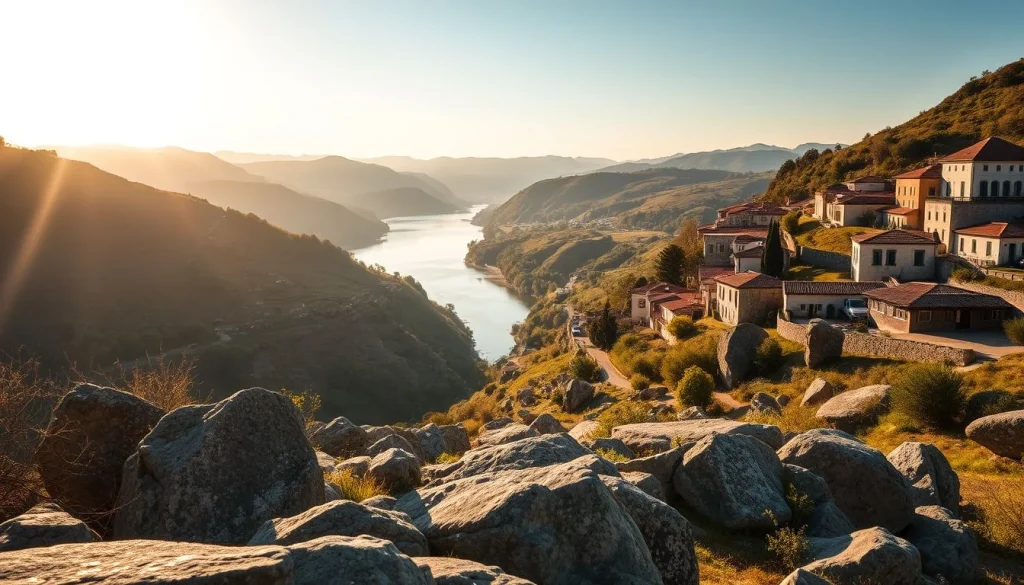
Morning
Visit one Douro quinta near your base, arranging the tasting or tour in advance. One well-chosen estate is enough for this short stay; the value lies in seeing the terraces, learning how the wine is made and having time to look across the valley.
Afternoon
Have a long lunch, then retreat from the strongest heat. The inland Douro can be significantly hotter than coastal Portugal in summer, sometimes exceeding 35°C, so carry water, use sun protection and avoid a rushed midday walking route.
Evening
Watch the light change over the river from a terrace or quiet viewpoint near your base. Pinhão suits couples who want to remain close to river scenery; Peso da Régua is practical for rail connections and a broader choice of services.
Where to eat
Choose a quinta meal if available, or order regional meat, fish, olive oil, local cheese and Douro wine. Confirm tasting inclusions and current prices directly with the estate; indicative 2026 tastings range from approximately €10–35 or more per person.
Getting around
Use pre-arranged transfers, taxis or a local tour for the quinta. Rural connections are less spontaneous than city transport, so avoid booking estates at opposite ends of the valley.
Estimated time
Allow 2–3 hours at the quinta, 2 hours for lunch, 3 hours
Where to stay: the best base for each couple’s travel style
Lisbon: choose atmosphere or convenience
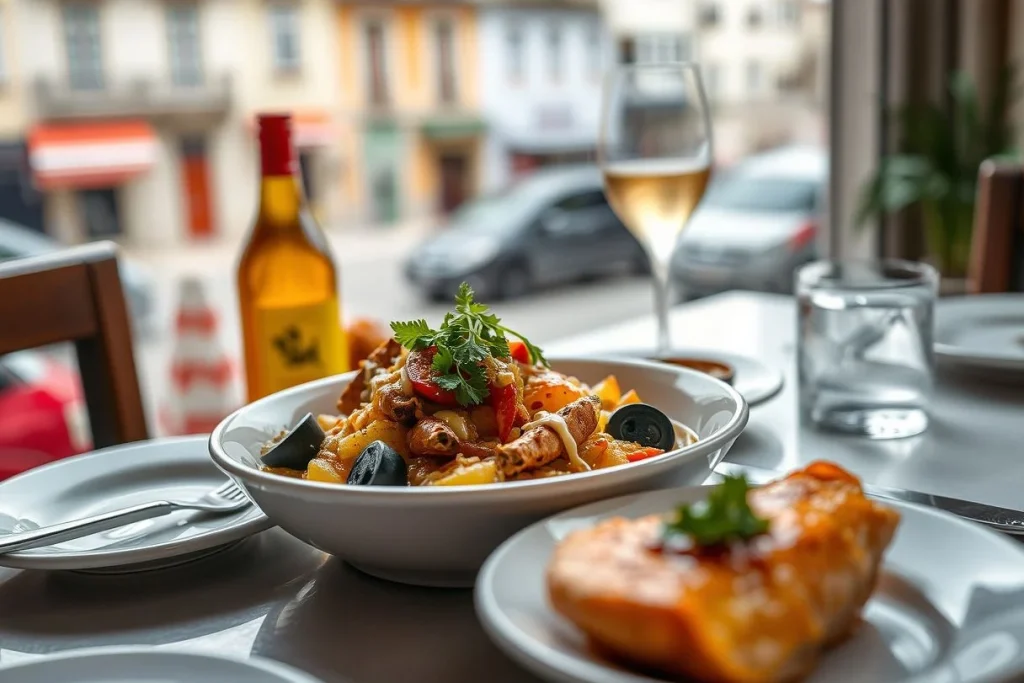
Chiado or Baixa is the easiest choice for first-time visitors and couples who want restaurants, cafés and major sights within walking distance. Baixa has a more straightforward street plan and good transport connections; Chiado feels more polished and suits a boutique hotel or serviced apartment.
For a quieter, more design-led stay, look at Príncipe Real or Avenida da Liberdade. The streets are generally broader and easier with luggage than Alfama, while restaurants and evening bars remain close. Alfama delivers the strongest historic atmosphere, but its steep cobbles, steps and uneven surfaces make it a poor match for heavy bags or anyone who prefers effortless walking; check accessibility before booking, as advised by Seat61’s Lisbon–Porto travel guide.
Bairro Alto works for couples who plan to stay out late, not those who prioritise quiet sleep. Ask about room position and soundproofing before confirming.
Porto: riverside views or everyday Porto
Ribeira and nearby Alfândega put the Douro, riverfront restaurants and Dom Luís I Bridge immediately into the evening. They are atmospheric, but more tourist-focused and uneven underfoot. Choose a hotel with luggage assistance or a lift rather than assuming a charming old building will be easy to reach.
Cedofeita is the most balanced base for couples who want cafés, galleries and a walkable route into the centre without sleeping directly on the busiest riverfront. Bonfim is calmer and more local in feel, while Foz do Douro suits a sea-facing, slower stay; it is less convenient for concentrated sightseeing in historic Porto.
Douro Valley: Pinhão or Peso da Régua
Choose Pinhão for a compact riverside base with straightforward access to Douro quintas and a stronger sense of being in the valley. It suits couples planning one carefully chosen estate visit, a vineyard meal and time beside the river rather than a packed schedule.
Peso da Régua is the practical alternative, particularly for a rail-based itinerary or travellers who want a wider choice of services and easier onward connections. In either town, confirm luggage access, air conditioning, hillside position and seasonal availability directly with the property. Live accommodation listings are the only reliable guide to availability for your dates; this is especially important for September–October trips, which can be popular during harvest season.
Travel costs: indicative 2026 budgets for two
For this 10-day Portugal itinerary, use the figures below as planning ranges rather than fixed prices. They exclude international flights and are quoted per person; for a couple, multiply daily estimates by two, then allow separately for the two-night Douro stay and any cruise, private transfer or premium quinta experience.
Estimated costs
| Estimated item | Budget | Mid-range | Luxury |
|---|---|---|---|
| Daily travel budget | €60–95 per person | €120–160 per person | €250+ per person |
| Lisbon–Porto Alfa Pendular, one way | From approximately €23.30 where the published fare and conditions apply | Check CP for the live standard fare | Check CP for the live first-class fare |
| Lisbon local transport | Approximately €1.50–1.90 per journey | Viva Viagem/7 Colinas, zapping credit or a suitable pass | Not applicable |
| Lisbon Airport taxi | Approximately €12–25 per taxi | Not applicable | Not applicable |
| Douro quinta tasting | Approximately €10–35+ per person | Larger tastings and tours tend towards the upper end | Premium experiences can exceed €35 |
| Food | Prato do dia lunch: approximately €9–14 | Main course: approximately €12–25 | Check current menus |
The daily figures are indicative 2026 estimates from Roavelle, covering typical accommodation, food, local transport and activities; exact totals vary by city, season and booking date. The other examples are also based on 2026 information: CP’s published Alfa Pendular fare table, Lisbon transport and airport guidance, and the supplied quinta and restaurant estimates. Check the official CP booking page, Metro Lisboa and each quinta for live prices before paying.
Accommodation is the largest variable: a boutique room in central Lisbon, Ribeira or Pinhão can shift a mid-range couple’s total considerably. A Douro day cruise, overnight river service, private transfer or several premium tastings will do the same, so decide first whether the valley’s priority is flexibility, scenery or an all-inclusive splurge.
| Item | Budget | Mid-range | Luxury |
|---|---|---|---|
| Typical daily travel budget per person, excluding international flights | €60–95 per person per day | €120–160 per person per day | €250+ per person per day |
| Alfa Pendular Lisbon–Porto train | From approximately €23.30 one way where the published fare example and applicable discount/segment allow | Check CP for the live standard fare for the chosen class and date | Check CP for the live first-class fare |
| Lisbon local public transport | Approximately €1.50–€1.90 per single journey | Use a Viva Viagem/7 Colinas card, zapping credit or an appropriate pass for multiple journeys | — |
| Lisbon Airport to central Lisbon by taxi | Approximately €12–25 per taxi | — | — |
| Douro quinta wine tasting | Approximately €10–35+ per person | Larger tastings or tours generally sit toward the upper end of the range | Premium experiences can exceed €35; confirm directly with the quinta |
| Mid-range restaurant main course | Look for prato do dia lunch specials of approximately €9–14 | Approximately €12–25 for a main course at a mid-range restaurant | Not specified by the source; confirm current menu prices |
Estimated ranges based on the sources listed below. Prices change; check with providers before booking.
Travel tips that make the route easier
- Reserve the Lisbon–Porto train, then check it again. Book the Alfa Pendular through Comboios de Portugal once your dates are firm, particularly for September and October, when Douro travel is popular. Recheck the service and platform on the day rather than relying only on the original confirmation.
- Keep the first and last days light. From Lisbon Airport, the Red Line reaches central transport hubs in roughly 20–30 minutes; the airport is about 7 km from the historic centre. Allow time to settle in, and don’t make a non-refundable evening booking immediately after landing.
- Do not build an essential flight connection around a tight train. Transport strikes can affect Portuguese services at short notice, according to GOV.UK Foreign travel advice, updated 15 September 2026. If you must return from Porto to Lisbon for an international departure, leave a substantial buffer or consider arriving in Lisbon the previous night.
- Keep a flexible Douro plan. Have a regional train alternative to a cruise, or vice versa, and check the operator’s seasonal schedule, boarding point and cancellation terms before travelling. Download offline maps and save the exact station, quay or meeting point; Pinhão and Peso da Régua are not interchangeable departure points.
- Pack shoes for old streets, not just dinners. Alfama, Ribeira and other historic areas include steep cobbles, steps and uneven surfaces. Ask your accommodation about stairs, lift access and where luggage can be dropped before choosing a romantic-looking address.
- Slow down in the inland Douro. Summer temperatures can exceed 35°C, so carry water, use sun protection and plan shade or a long lunch around the middle of the day. Vineyard walks are more enjoyable early or late than in the hottest hours.
- Book selectively. Reserve one or two meaningful dinners, a preferred Fado evening and any quinta visit, but leave other nights open for a café stop or sunset. Attraction hours and cruise schedules change seasonally, so verify them on official sites before setting the day’s route.
- Check entry requirements for your passport. Portugal applies Schengen rules, and many nationalities are limited to 90 days in any 180-day period. The EU Entry/Exit System is being implemented; check the official government or embassy guidance for your nationality before booking.
Best timing: April–June and September–October generally balance warmth and crowds. September and October harvest trips need earlier reservations, while the Douro’s conditions and cruise programme should still be checked close to departure.
Conclusion: book the three-base version, then choose your Douro style
For first-time couples, keep the three-base plan: four nights in Lisbon, three in Porto and two in the Douro. It gives you the headline sights without turning every day into a transfer, and leaves space for long lunches, riverside walks and an unplanned evening.
Choose the Linha do Douro regional train for the flexible, good-value option and the freedom to shape your day. A day cruise suits couples who prefer convenience and scenery arranged in one experience; an overnight river option is the right splurge when the journey itself matters as much as the destination.
Your next steps are straightforward: choose shoulder-season dates, book open-jaw flights arriving in Lisbon and departing from Porto, then reserve the Lisbon–Porto train. Finally, secure a Douro base and one quinta visit or cruise, keeping the rest of those two days deliberately open.
Frequently asked questions
Can I do the Douro Valley as a day trip from Porto instead of staying overnight?
Yes. The Linha do Douro reaches Peso da Régua in roughly 2–2.5 hours from Porto, depending on the service, and river operators offer day trips to Douro destinations including Pinhão and Peso da Régua. A day trip is workable if you want one scenic outing; two nights are better for a slower couple’s itinerary, with time for a quinta visit and an unhurried river or rail segment. Check current CP and cruise timetables before booking.
Which is more romantic in the Douro: a river cruise, train journey or quinta visit?
Choose a river cruise for shared scenery with minimal planning, the Linha do Douro for flexibility and close views of the valley, and a quinta visit for a more intimate meal or tasting centred on the landscape. None is automatically the right choice: cruise schedules and capacities vary seasonally, while train services have their own timetable limits. For most couples, combining a rail journey with one booked quinta visit gives the best balance.
Is it practical to travel through Portugal with only hand luggage?
Yes, particularly on this route, which uses three bases rather than frequent hotel changes. Pack light for the Alfa Pendular journey and the Douro transfer, but remember that Alfama and Ribeira include steep cobbles, steps and uneven surfaces. Before booking accommodation, check luggage access and whether the property has a lift; a small wheeled case or soft bag is easier on historic streets.
Which Lisbon viewpoints are best for a sunset as a couple?
The viewpoints around São Jorge Castle are the clearest recommendation in this itinerary because they pair Alfama’s streets with elevated city views. Plan the evening around the light rather than a rigid sightseeing sequence, then walk towards Baixa or Chiado for dinner. Viewpoint conditions, crowd levels and sunset timing vary by season, so check the local forecast and allow extra time on steep, uneven streets.
Are Porto’s Port wine lodges suitable for visitors who do not usually drink wine?
Yes, provided you choose a visit that focuses on the cellars, Port-making story and riverside setting rather than treating the tasting as the whole activity. Cais de Gaia is easy to pair with the Dom Luís I Bridge and Porto’s riverfront, so one person can enjoy the atmosphere even if they drink little or no wine. Confirm the lodge’s current tour format and tasting inclusions before reserving.
What should couples do in Portugal if the weather changes their outdoor plans?
Keep the route modular rather than filling every day with outdoor bookings. In Lisbon, move between Belém’s cultural sights, central neighbourhoods and a long meal; in Porto, use the historic centre, Alfândega and a Port lodge; in the Douro, replace a long outdoor stretch with a quinta visit or a shorter rail segment. The inland Douro can exceed 35°C in summer, so use shade, water and a slower midday schedule. Monitor official transport updates because strikes can affect services at short notice, according to GOV.UK Foreign travel advice, updated 15 September 2026.