
This article contains affiliate links. If you book through one of our links, we may earn a commission at no additional cost to you.
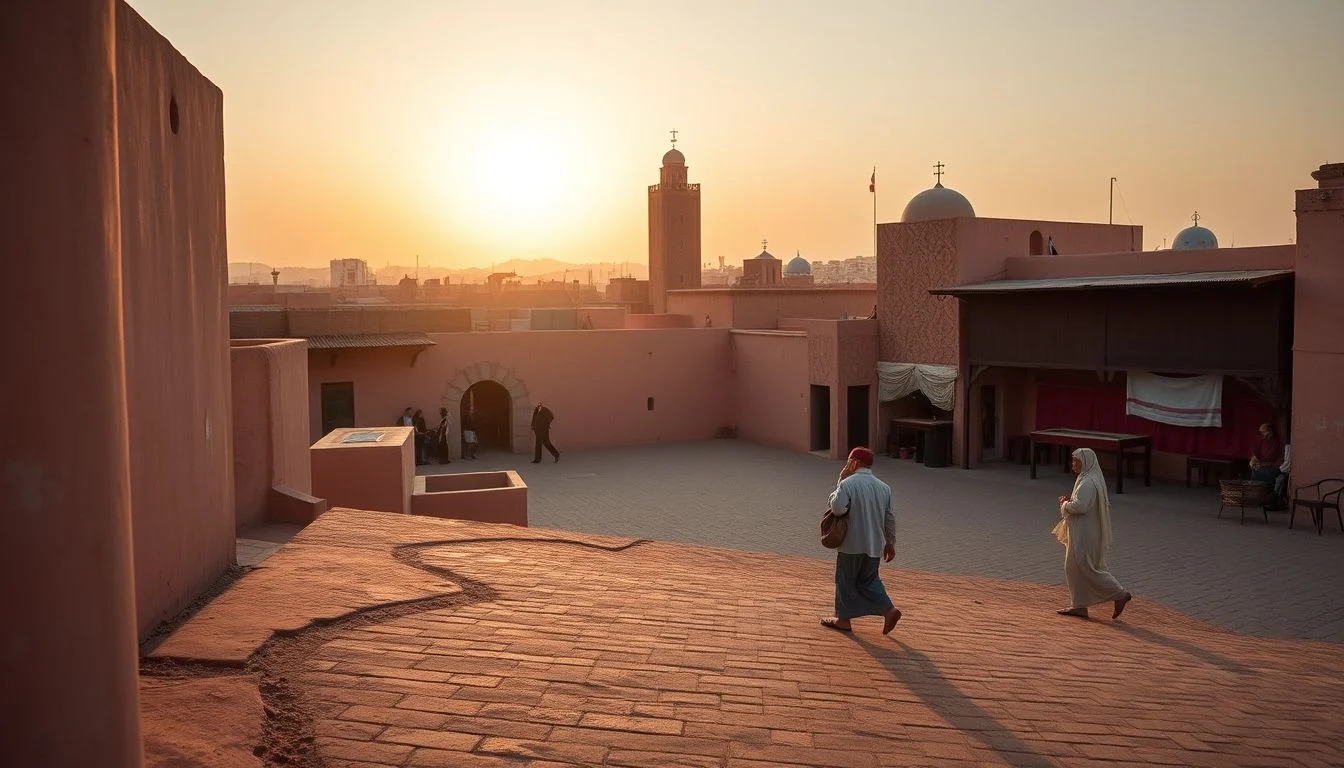
At sunset, Jemaa el-Fna shifts from an open city square into Marrakech’s evening stage, with food stalls and public performances drawing visitors into the centre of the medina. A short walk away, the Koutoubia minaret, palace courtyards and narrow souk alleys make the city’s historic core easy to pair in one carefully paced day.
This guide to the best things to do in Marrakech is for first-time visitors planning 24 or 48 hours who want clear priorities rather than an exhausting checklist. It explains which Marrakech attractions deserve advance tickets, how to combine the medina with Jardin Majorelle, when a day trip is worth the travel time, and how to handle taxis, cash, heat, dress and common scams with more confidence.
Quick answer: Prioritise Jemaa el-Fna and the Marrakech souks, Bahia Palace or Ben Youssef Madrasa, Koutoubia and its gardens, Jardin Majorelle and the Musée Yves Saint Laurent. With 48 hours, explore the medina and monuments on day one, then visit the garden and museum early or late on day two; save the Atlas Mountains, Essaouira, Ouzoud Falls or Agafay for extra time.
Quick overview: what to prioritise in Marrakech
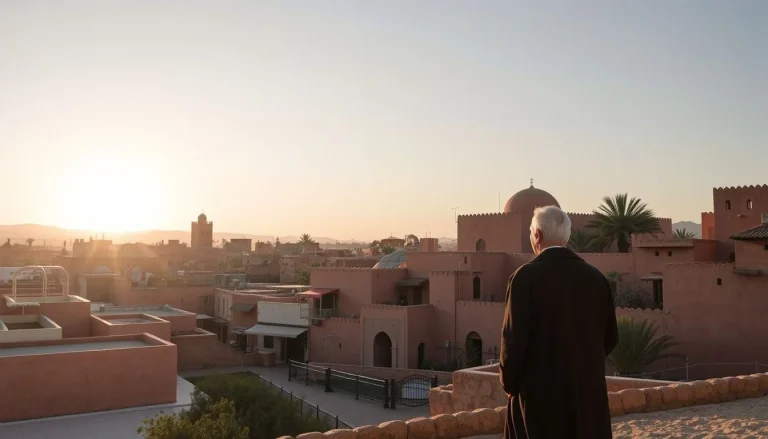
The easiest first visit is to divide Marrakech into two contrasting halves: the historic medina, where monuments, souks and evening street life sit close together, and the newer city, where Jardin Majorelle and the Musée Yves Saint Laurent make a calmer design-focused pairing.
| Traveller type | Prioritise | Why it suits you |
|---|---|---|
| First-time culture seeker | Bahia Palace, Saadian Tombs and Ben Youssef Madrasa | Three compact stops that reveal Marrakech’s palace architecture, historic burial site and Islamic design. |
| Food-focused traveller | Jemaa el-Fna and a guided food walk or cooking class | The square introduces the city’s evening food culture; a pre-booked experience adds structure in the medina. |
| Garden and design lover | Jardin Majorelle and the Musée Yves Saint Laurent | Pair the garden with the fashion and design collection for a focused half-day away from the busiest lanes. |
| Photographer | The souks, Koutoubia gardens and Jardin Majorelle | These provide contrasting subjects, from patterned craft alleys and landmark views to strong botanical colour. |
| Active traveller | An Atlas Mountains excursion around Imlil | Add it only with extra time; transport, weather, altitude, footwear and operator safety all need checking. |
| Visitor with 24 hours | Jemaa el-Fna, the souks, one major monument and Koutoubia | Keep the day walkable and concentrated in or beside the medina rather than losing time on a day trip. |
For 24 hours, follow the medina from the souks to Bahia Palace or Ben Youssef Madrasa, pause at Koutoubia, then return to Jemaa el-Fna around sunset. With 48 hours, use the second morning or late afternoon for Jardin Majorelle and the YSL museum.
Essaouira, Ouzoud Falls and Agafay are worthwhile contrasts, but they are add-ons rather than essentials. A full day away can make sense after the core sights; on a short break, it means giving up another half-day in Marrakech.
The best things to do in Marrakech: 13 experiences for a first visit
1. Jemaa el-Fna after sunset
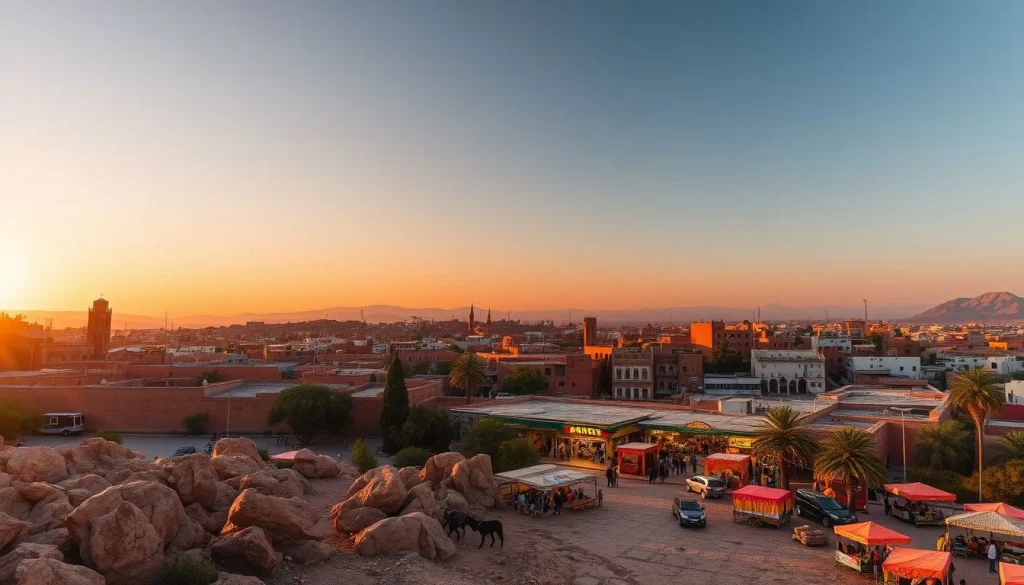
Jemaa el-Fna is Marrakech’s defining evening stop. Arrive around sunset to see the square change from daytime meeting place to a stage of food stalls, musicians and public performances; it is especially suited to first-time visitors who want an immediate sense of the city.
There is no general sightseeing charge, but food-stall prices and portions vary. Check the menu or agree the price before ordering, and keep your phone and wallet secure in the crowd. Current UK travel advice warns of petty theft and scams in busy areas, so stay alert without letting caution spoil the atmosphere.
2. Walk the Marrakech souks
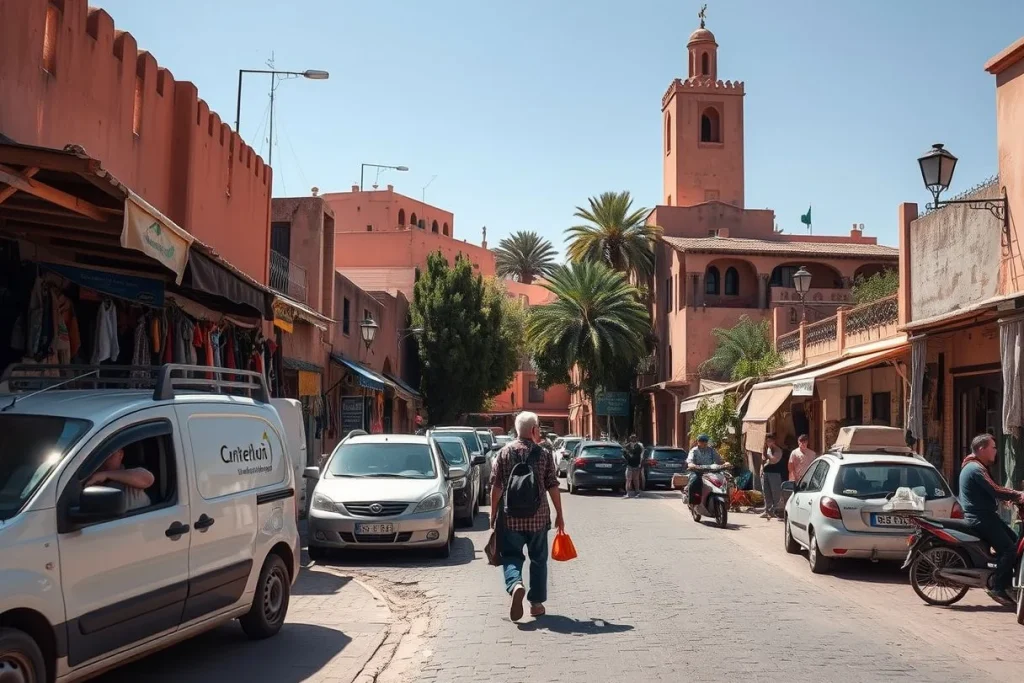
The souks spread north from Jemaa el-Fna through specialist lanes selling textiles, spices, metalwork, leather and household goods. They suit travellers who enjoy browsing and bargaining, but the experience is less relaxing if you need a fixed route or dislike persistent sales approaches.
Explore on foot with your accommodation pinned on an offline map, or pre-book a licensed guide for orientation. There is no sightseeing ticket; your cost is whatever you buy, so compare quality and price before committing. Bargaining is expected, but set a limit and walk away politely if the figure no longer feels right.
3. Bahia Palace
Bahia Palace is a strong introduction to Marrakech’s palace architecture, with decorated rooms, courtyards and gardens in the southern medina. It works well for visitors interested in design and history, and its position makes it easy to combine with the Saadian Tombs rather than crossing the city between sights.
Admission rules and ticket prices can change, so check the current official monument information before setting out; no verified price is available here. Go earlier in the day if you want more time to examine the zellij tilework and carved details. Dress respectfully for a historic religious and cultural setting.
4. Saadian Tombs
This compact historic necropolis is close to Bahia Palace and makes a useful second stop on a southern-medina morning. The decorated burial chambers and restrained courtyards suit travellers who want a focused architecture visit rather than another large museum.
Use the official Saadian Tombs ticket information for current admission details. Queues can form at busy times, particularly around the most photographed areas, so allow a little flexibility rather than scheduling an immediate appointment elsewhere. The cost is the current monument admission; no reliable amount is supplied here.
5. Ben Youssef Madrasa
Ben Youssef Madrasa is one of the most rewarding Marrakech attractions for travellers drawn to tilework, carved stucco, cedar details and the geometry of a historic courtyard. It is a better choice than adding another market loop if you want a quiet, visually precise architectural stop.
The official madrasa website presents it as a restored historic site, but asks visitors to confirm current hours; conservation work can affect access. Admission is paid, with the live ticket price and any restrictions to check before visiting. Take your time in the courtyard and avoid blocking narrow viewpoints for photographs.
6. Koutoubia Mosque and gardens
See the Koutoubia’s landmark minaret from outside, then use the surrounding gardens as a calm walking link between the medina and Jemaa el-Fna. This is a particularly easy addition for a short visit: it needs no elaborate plan and gives useful orientation around the city centre.
The mosque is active and is generally treated as an exterior sightseeing stop for non-Muslim visitors. Follow signs and local instructions rather than assuming access to the interior; guidance on the Kutubiyya Mosque is also referenced by this background source. The exterior and gardens are a low-cost stop, but behave quietly and avoid photographing worshippers without permission.
7. Jardin Majorelle
Jardin Majorelle suits photographers, garden lovers and anyone who wants a change from the medina’s close-packed lanes. The cobalt-blue buildings, planting and shaded paths are most comfortable early or late in the day, especially during the hotter June-to-August period.
The garden is open daily, with standard hours of 08:30–18:00 according to the official Jardin Majorelle website. Timed online entry is required through the official ticketing channel; check the live ticket price and any date-specific conditions before booking. Keep the confirmation accessible and do not rely on unofficial sellers.
8. Musée Yves Saint Laurent Marrakech
Pair the Musée Yves Saint Laurent Marrakech with Jardin Majorelle for a coherent half-day focused on fashion, design and the cultural life of the garden. It suits visitors who prefer a curated museum to another monument, and gives a short city break a more varied rhythm.
Book the relevant time slot through the official museum channel and check whether combined access with the garden is available on your date. Prices and entry arrangements are not provided here, so verify them before payment. Leave enough time between visits for the journey and security or ticket checks rather than treating both as a single door-to-door attraction.
9. Take a guided food walk or cooking class
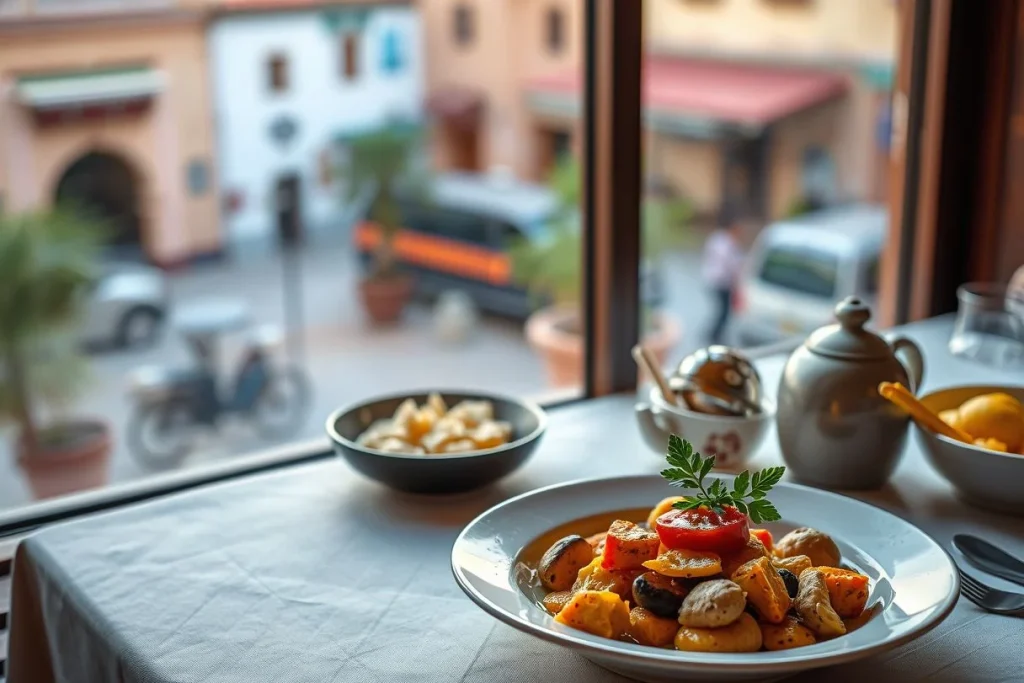
A pre-booked food walk or cooking class is a confidence-building way to try Moroccan dishes while learning how the medina works. It suits cautious first-time visitors, solo travellers and anyone who wants context with a meal rather than choosing dishes at random.
Operators differ in group size, meeting point, dishes, dietary flexibility and what the price includes. Compare those details before booking, especially if you need vegetarian, vegan or allergy-aware food. Ask where the experience ends and whether drinks, market purchases or transfers are separate costs; there is no universal price to quote.
10. Take an Atlas Mountains excursion
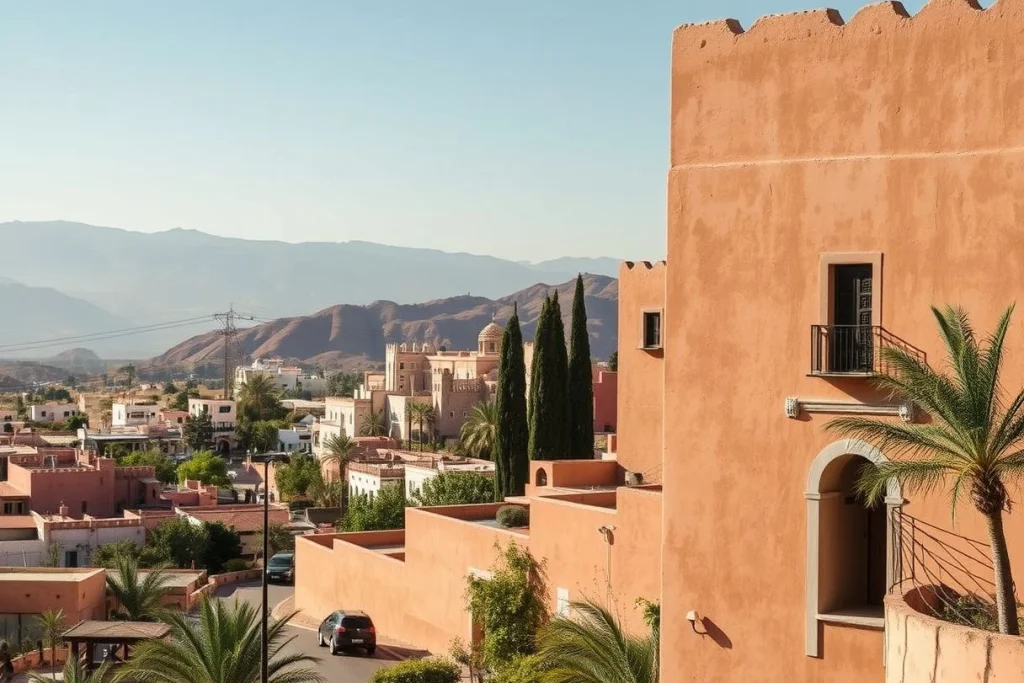
An excursion around Imlil or another guided High Atlas route adds walking, village scenery and a sharper contrast with Marrakech. It suits active travellers with more than a single day in the city, but is not a sensible substitute for the core sights on a 24-hour visit.
Check the weather, altitude, transport arrangements, footwear requirements and the operator’s safety procedures before booking. Ask how long you will walk, what support is available and whether meals or transfers are included. Conditions can change, so use current local information rather than relying only on an old itinerary or promotional description.
11. Choose Essaouira for a longer day trip
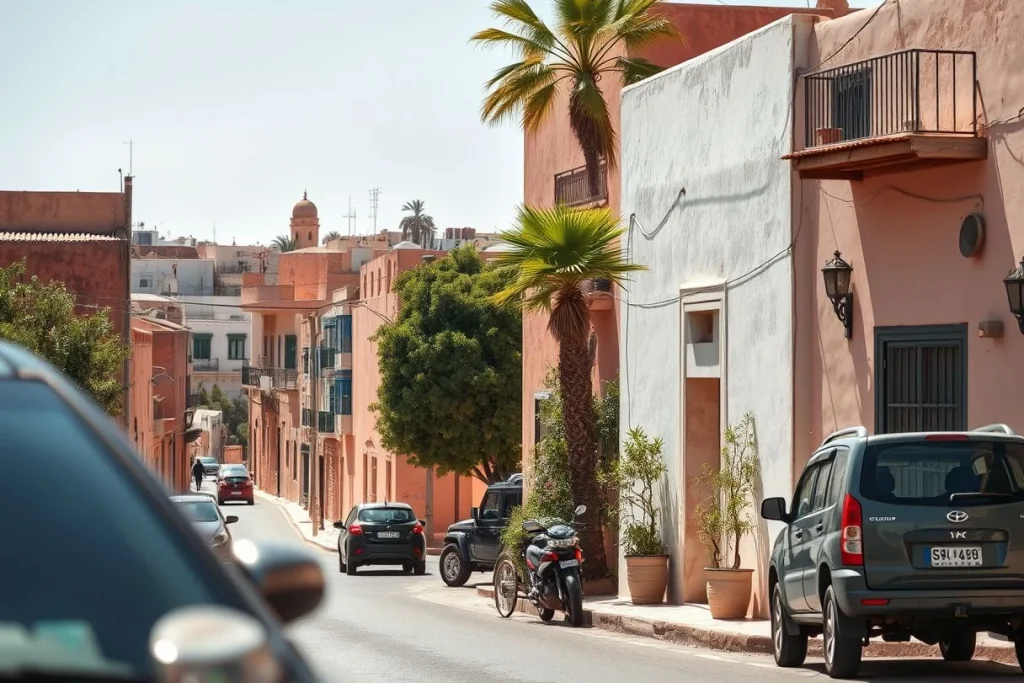
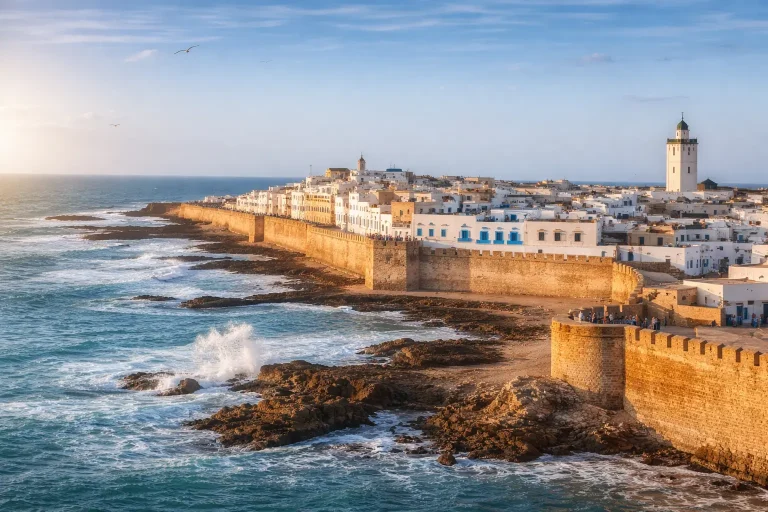
Essaouira offers a coastal contrast to Marrakech and is a good choice for travellers who have already covered the medina’s principal monuments. The decision is mainly about pace: a long day away gives you the coast and a different town, while an overnight stay makes the change less rushed.
Compare the transport time, return arrangements and what an organised tour includes before booking. Its cost varies by transport and operator, so there is no dependable standard amount here. For a short city break, keep Essaouira as an extra rather than sacrificing the garden, palace or evening in Jemaa el-Fna.
12. Visit Ouzoud Falls
Ouzoud Falls is a full-day landscape excursion for travellers who prioritise waterfalls and countryside over additional Marrakech sightseeing. It is not a practical choice for a 24-hour visit, when the travel day would remove most of the time available for the city itself.
Check current road conditions, transport timing and the operator’s arrangements before committing. Compare the promised itinerary with the actual time at the falls, and confirm what is included in the price. If you are travelling in hot weather, plan water, sun protection and suitable footwear rather than treating the excursion as a simple urban walk.
13. Try an Agafay or Moroccan-steppe excursion
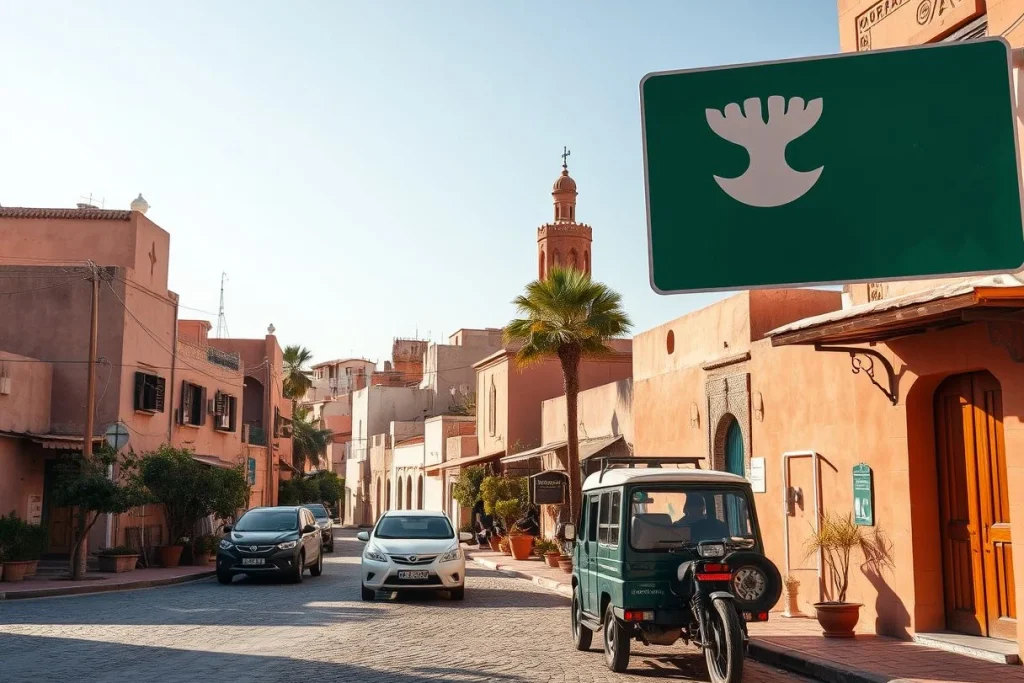
An Agafay outing, 4×4 trip or quad activity provides a half-day change of scene close to Marrakech. It can suit visitors who want outdoor activity without giving up a full day in the city, but Agafay’s rocky landscape is not the Sahara and should not be marketed or understood as a desert crossing.
Compare operators carefully: check vehicle standards, guide arrangements, insurance, transfer details and exactly what the price includes. Ask how much riding or driving is involved and whether helmets or other equipment are supplied. Heat is a serious consideration in summer, so choose an earlier or later departure when the current forecast supports it.
A realistic 24- or 48-hour Marrakech itinerary
For 24 hours
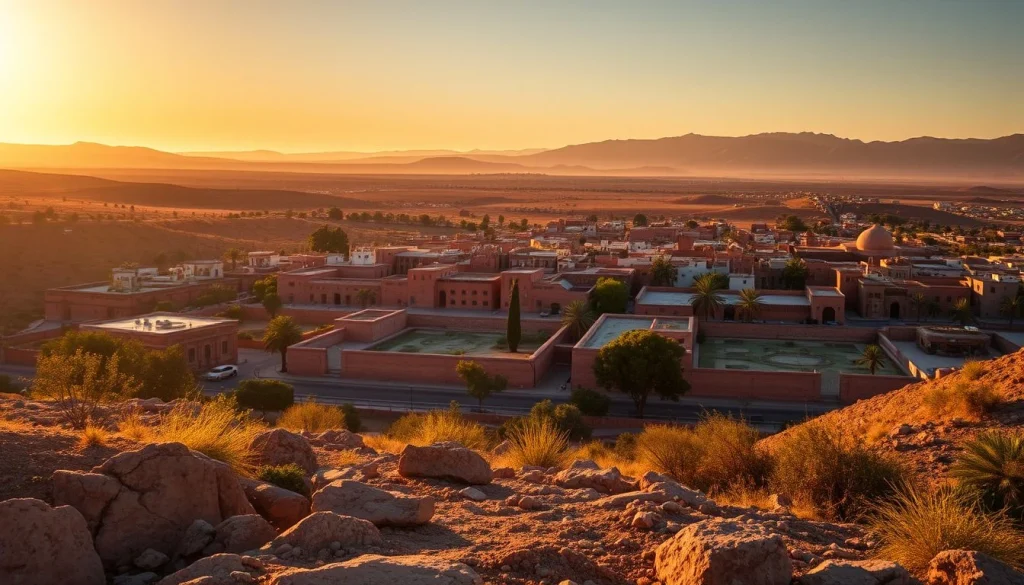
After arriving and settling in, keep the first afternoon deliberately compact. Walk to Koutoubia Mosque and its gardens, treating the mosque as an exterior stop for non-Muslim visitors, then continue towards Jemaa el-Fna. The square is most atmospheric around sunset and after dark, but keep phones and wallets secure in the crowd and check food-stall prices before ordering.
Use the remaining daylight for either a short walk through the Marrakech souks or one nearby monument. Choose Bahia Palace if you want ornate rooms and courtyards, or Ben Youssef Madrasa if tilework and historic design interest you more. Trying to fit both into a first evening usually leaves too little time for pauses, directions and dinner.
Allow time to walk between sights: vehicles cannot follow many of the medina’s narrow, pedestrian-only lanes. In June, July and August, start as early as you can, carry water and plan a shaded rest before the evening. During cooler winter periods, keep a layer for the evening, particularly if you will be sitting outdoors around Jemaa el-Fna.
For 48 hours
Day one: begin with Koutoubia and the gardens, then follow the medina towards the souks. After lunch and a proper break, visit either Bahia Palace and Saadian Tombs as a southern-medina pairing, or make Ben Youssef Madrasa the main architectural visit. Finish at Jemaa el-Fna, when the square’s food stalls and performances become part of the evening rather than another sight to rush through.
Day two: reserve the cooler part of the day for Jardin Majorelle and the Musée Yves Saint Laurent Marrakech. The garden’s official website requires visitors to use its official ticketing channel, so fit the rest of the day around the time shown on your booking rather than assuming you can arrive whenever convenient. Check the current details on the official Jardin Majorelle website.
After the garden and museum, return to the medina for whichever monument you skipped, or book a small-group food walk or cooking class. This gives the second day a clear focus without stacking several ticketed attractions back-to-back. Ben Youssef Madrasa’s official site describes the restored historic site but advises visitors to confirm current hours, so check the official madrasa website before fixing the sequence.
Make the plan easier
Build each day around one anchor booking, one walkable cluster and one unplanned pause. If a timed entry falls during the hottest part of the afternoon, move the souks or a café break around it rather than crossing the city repeatedly. With only 24 hours, stay in Marrakech; Atlas Mountains, Essaouira and Ouzoud Falls are better reserved for a longer visit because the transfers reduce time for the medina.
Planning tips: tickets, timing, money and first-visit confidence
Book the time-sensitive sights first
For a short Marrakech visit, reserve Jardin Majorelle through its official ticketing channel. The garden is open daily, with standard hours listed as 8.30am–6pm by the official site; morning or late afternoon is usually the more comfortable choice, particularly from June to August. Pair it with the Musée Yves Saint Laurent Marrakech, and use the museum’s official site to select the relevant time slot and check whether combined access is offered on your date.
Guided food walks, cooking classes and popular day trips also deserve advance booking if they are central to your plan. Compare exactly what the operator includes: food tastings, transfers, a guide, equipment and any entrance fees can vary. For Bahia Palace, the Saadian Tombs and Ben Youssef Madrasa, check official pages shortly before visiting for current hours, ticket rules, restoration work and closures; the Ben Youssef site specifically advises visitors to confirm its opening information.
Set up arrival basics before you fly
Check Morocco’s entry, visa or eVisa and passport-validity requirements for your nationality immediately before booking and again before departure. The Moroccan National Tourist Office says most nationalities can visit for tourism for up to 90 days, but this is not universal; qualifying ordinary-passport holders can consult the official Acces-Maroc eVisa information.
The Moroccan dirham is a closed currency, so do not assume you can buy it freely before travelling. ATMs are available at Marrakech Menara Airport, and carrying some local cash is useful for souks and smaller vendors. Keep notes separate from your main wallet rather than displaying a large amount while bargaining.
For mobile data, check SIM or eSIM options from Maroc Telecom, Orange Morocco and Inwi. Maroc Telecom is reported to offer the widest rural coverage, which matters more for an Atlas Mountains excursion than for a city-only weekend; confirm activation requirements, coverage and current packages with the operator or airport outlet.
Plan around heat, shade and respectful behaviour
June through August calls for early starts, regular water breaks and indoor or shaded stops during the hottest part of the day. Winter evenings can feel cool, so pack a light extra layer rather than planning every hour outdoors. Wear clothing that covers shoulders and knees when visiting religious or traditional spaces, ask before photographing people, and follow signs and local instructions at active religious sites. Koutoubia Mosque should generally be treated as an exterior visit by non-Muslim travellers.
Make the medina easier, not riskier
Agree the scope and price of a guide or activity before it begins, and be cautious about anyone who insists a lane, shop or attraction is closed without clear confirmation. Unsolicited directions, bogus guides, inflated prices and persistent offers are common reasons first-time visitors lose time and money; a saved map pin or pre-booked guide reduces uncertainty.
GOV.UK’s Morocco travel advice, updated 15 September 2026, warns of petty theft, scams, occasional violent crime and a general terrorism threat. Keep phones and wallets secure in Jemaa el-Fna and crowded souks, avoid displaying valuables, and stay aware of exits and companions in dense crowds. Check that advice again before departure because local conditions can change.
Getting around Marrakech: airport transfers, taxis and walking
At Marrakech Menara Airport, compare the prepaid or fixed-fare taxi system with Bus No. 19 before leaving the terminal. Reported 2026 fares for a daytime airport-to-medina taxi are roughly 70–150 MAD; the exact amount depends on the zone and should be confirmed at the airport counter, rather than treated as a universal tariff. Night fares may be higher, according to Marrakech Airport Guide’s 2026 reporting.
Bus No. 19 is the cheaper alternative, reported at approximately 30 MAD for a round trip, but it is less practical with substantial luggage. For a first arrival at a riad, a pre-booked transfer or hotel-arranged pickup can be worth the extra simplicity: cars often cannot reach the riad entrance, so agree on a meeting point such as the nearest accessible street or a recognised square before setting off.
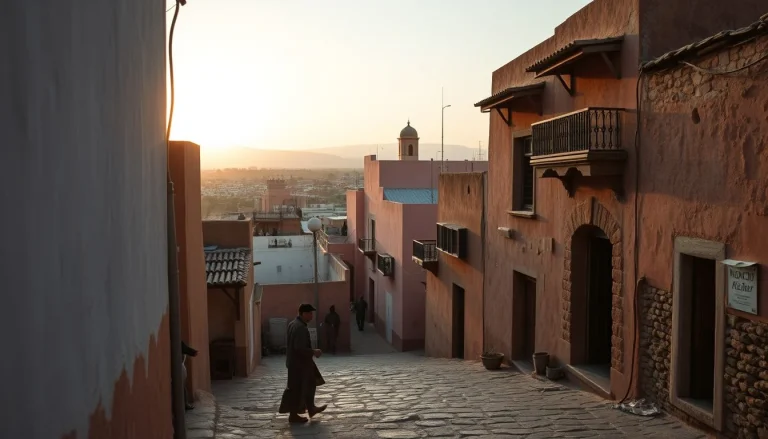
Inside the Marrakech medina, walk whenever possible. The lanes are narrow and frequently pedestrian-only, and a taxi may leave you at the edge of the area rather than at a doorway. Save the riad’s location as a map pin, download the route if your phone allows it, and ask the accommodation which gate or landmark is easiest to use.
For short journeys outside the medina, use a petit taxi. A reported 2026 basis is around 20–40 MAD, depending on distance and whether the meter is used; confirm the destination and fare arrangement before moving off. Petit taxis are intended for local trips, while grand taxis are used for longer or shared journeys. They are a better fit for an excursion or an out-of-town transfer than for threading through the souks.
Ride-hailing availability can change, so check the current position with your accommodation or an official local transport source before relying on an app; do not assume that Uber operates in Marrakech. If a driver cannot reach your destination, get out at the agreed landmark and continue on foot rather than accepting unsolicited directions from people approaching your taxi.
For live airport arrangements and any revised fares, check the airport’s official information or confirm at the prepaid counter on arrival. Keep small dirham notes for short rides and remember that reported prices can vary with time, route and meter use.
Conclusion: start with the medina, then add one contrast
For a first visit, make the Marrakech medina your base of discovery: spend your first day moving between Jemaa el-Fna, the souks, Koutoubia, and two or three major monuments such as Bahia Palace, Saadian Tombs or Ben Youssef Madrasa. Add Jardin Majorelle and the Musée Yves Saint Laurent on the second day, then book one guided food walk or cooking class to make the medina easier to navigate.
If you have extra time, choose only one contrast beyond the city. Pick the Atlas Mountains for scenery and walking, Essaouira for a longer coastal change of scene, Ouzoud Falls for a full-day landscape trip, or Agafay for a shorter outdoor outing. Before departure, reserve official timed-entry tickets, confirm your airport transfer and save an offline walking map. That simple preparation leaves room for Marrakech’s best moments without turning the trip into a checklist.
Frequently asked questions
Is Marrakech suitable for a first-time solo traveller?
Marrakech can work well for a solo first visit if you plan your routes, keep valuables secure and use extra care in crowded areas. GOV.UK travel advice, updated 15 September 2026, warns of petty theft, scams, occasional violent crime and a general terrorism threat in Morocco. Consider a pre-booked licensed guide for your first souk walk if busy lanes feel difficult to navigate.
How many days should I spend in Marrakech before adding a day trip?
Allow two full days before adding a day trip. That gives you time for the Marrakech medina, Jemaa el-Fna, the souks, one or two historic monuments, Koutoubia and either Jardin Majorelle or the Musée Yves Saint Laurent. With only 24 hours, stay in the city; Essaouira, Ouzoud Falls and the Atlas Mountains involve longer outings and can crowd out Marrakech sightseeing.
Can I visit Marrakech attractions without hiring a guide?
Yes. The medina’s main sights can be visited independently, and its narrow, often pedestrian-only lanes are best explored on foot. Use an offline map pin for your accommodation and the attractions you want to reach. A pre-booked licensed guide is useful for a first souk visit, help with orientation or a structured food walk, but it is not essential for every monument.
What should I wear when visiting Marrakech's medina and monuments?
Choose comfortable clothing that is respectful in the medina and at religious sites, with practical footwear for uneven walking and narrow lanes. Koutoubia is an active mosque and is generally treated as an exterior stop for non-Muslim visitors; follow local signage rather than attempting entry. For any other religious or historic site, check the current site guidance before you go.
Is Jemaa el-Fna safe and worthwhile after dark?
Jemaa el-Fna is worth visiting around sunset and after dark, when food stalls and public performances create its most distinctive atmosphere. Treat it as a crowded public space: keep valuables secure, stay alert to unsolicited help and scams, and check prices before ordering. GOV.UK travel advice, updated 15 September 2026, recommends vigilance because petty theft and scams occur in Morocco.
What is the easiest way to stay connected to maps and messaging apps?
Buy a Moroccan SIM or arrange an eSIM before relying on mobile maps. Maroc Telecom, Orange Morocco and Inwi offer SIM or eSIM options, according to eSIM.ma; the same source reports that Maroc Telecom has the widest rural coverage. Check current plans and device compatibility before travelling, and keep your accommodation address saved offline in case your connection fails.