In Marrakech, tanjia marrakchia is meat slow-cooked in an urn with cumin, saffron and preserved lemon; in Fes, pastilla layers spiced meat and egg with almonds, icing sugar and cinnamon. Those two dishes capture the difference between the cities: Marrakech leans towards concentrated cooking and evening food-stall theatre, while Fes is the deeper destination for refined Fassi cuisine in Fes el-Bali.
This guide to what to eat in Marrakech and Fes is for food-focused travellers planning a first visit or a return trip, with named dishes to seek out, medina areas to explore and practical ways to choose a food tour or cooking class. Spring and autumn are the most comfortable seasons for long food walks; summer heat can make Marrakech and Fes medinas demanding, so plan shorter outings and check current conditions before booking.
Quick answer: In Marrakech, prioritise tanjia marrakchia, Jemaa el-Fna’s evening food stalls, harira, mechoui and sfenj. In Fes, seek pastilla, couscous and rfissa in Fes el-Bali, then add a riad cooking class or food walk; both cities share tagine, vegetable salads, pastries and mint tea.
Marrakech vs Fes: what defines Moroccan cuisine in each city
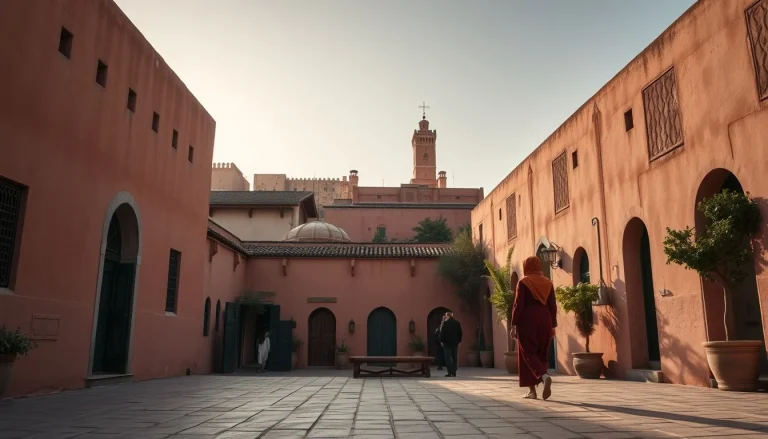
The contrast between the two cities is less a strict divide than a difference in emphasis. Marrakech puts food into the open: evening eating around Jemaa el-Fna, lively medina stalls and the concentrated, slow-cooked flavours of tanjia marrakchia. Fes leans towards composed Fassi cooking, with layered pastry, sweet-savoury seasoning and riad meals that make the preparation part of the experience.
Both traditions draw on Amazigh, Arab-Andalusian and Mediterranean influences. Slow cooking, spice blends, preserved lemon, olives, dried fruit, couscous and mint tea recur across Morocco; Halal Kitchen Atlas describes these as central threads in Moroccan cuisine. The result is not simply “spicy” food. Cumin, saffron, cinnamon and ras el hanout build fragrance, while preserved lemon and olives add salt and acidity, and dried fruit brings sweetness.
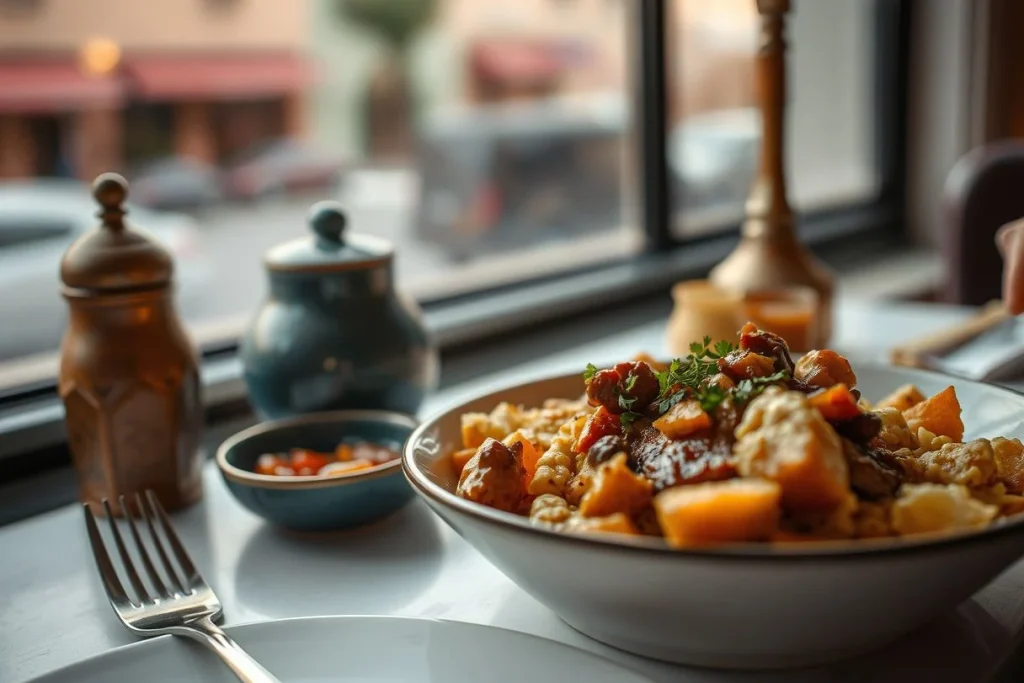
A tagine is the clearest example of this method: the name refers to the conical clay pot as well as the stew cooked inside it. Chicken with preserved lemon and olives and lamb with prunes and almonds show how one technique can move between bright, savoury and sweet directions. In Marrakech, the local expression to look for is tanjia: meat sealed in an urn with seasonings such as cumin, saffron and preserved lemon, then cooked slowly.
Fes’s culinary identity is associated with more elaborate Fassi preparations, including pastilla and other dishes shaped by Arab-Andalusian traditions. Couscous belongs to both cities and is traditionally linked with Friday or celebratory meals; it may arrive with vegetables and meat, or as the sweet preparation known as seffa. A menu’s location, season and cook matter, so treat regional labels as useful signposts rather than fixed rules. The same medina may serve a homely bowl of soup, a formal riad meal and a tourist-oriented version of a classic dish within a short walk.
The best Moroccan dishes to try in Marrakech and Fes
The most useful way to compare Marrakech and Fes is by ordering one or two dishes that carry each city’s character. Marrakech is the place to look for concentrated, slow-cooked meats and lively evening snacks; Fes rewards a more deliberate search for layered pastry, refined sauces and traditional Fassi cooking. Across both cities, ask what is being prepared that day rather than assuming every menu represents the same version of Moroccan food.
| Dish | City association | Texture and flavour | Best occasion |
|---|---|---|---|
| Tagine | Both | Slow-braised, aromatic and often savoury-sweet | Unhurried lunch or dinner |
| Tanjia marrakchia | Marrakech | Concentrated, tender meat with cumin, saffron and preserved lemon | A dish-led Marrakech meal |
| Couscous | Both | Steamed grains with vegetables, meat or sweet toppings | Friday or celebratory meal |
| Pastilla | Fes | Crackling pastry, spiced filling, almonds, sugar and cinnamon | Formal or special-occasion meal |
| Harira | Both | Thick, herby tomato, lentil and chickpea soup | Light meal or Ramadan iftar |
| Mechoui | Especially Marrakech | Rich, tender roast lamb | Celebratory or specialist-vendor meal |
| Rfissa | Both | Shredded bread, chicken, lentils and fenugreek-spiced broth | Substantial communal meal |
| Zaalouk and taktouka | Both | Cooked vegetable salads, smoky, soft and warmly spiced | Mezze-style opening |
| Briouat | Both | Thin pastry parcels, either savoury or honeyed | Snack or shared starter |
| Sfenj | Both | Freshly fried, airy doughnut-like bread | Breakfast or afternoon snack |
| Chebakia | Both | Sticky, sesame-studded pastry scented with honey | Sweet course, especially around Ramadan |
Tagine — both cities. This is a slow-braised stew named for the conical clay pot in which it cooks. Start with chicken, preserved lemon and olives for a salty, fragrant version; lamb with prunes and almonds shows the cuisine’s richer sweet-savoury side. Vegetable tagines can be satisfying, but ask whether the dish contains butter, stock or meat before ordering if you are vegan.
Tanjia marrakchia — Marrakech. Meat is slow-cooked in an urn with cumin, saffron and preserved lemon until the cooking liquid becomes intensely concentrated. It is the clearest dish to prioritise in Marrakech: less a sauce-heavy stew than a deeply seasoned, yielding piece of meat. It suits travellers who want a local speciality rather than another generic tagine.
Couscous and seffa — both cities. Couscous is traditionally linked with Friday and celebratory meals, served with vegetables and meat. The sweet preparation, seffa, moves towards dessert, with couscous or fine noodles combined with sweet spices and toppings. Availability can depend on the day, so it is worth asking about it rather than treating it as an everyday menu item.
Pastilla or bastilla — Fes. Fes is the city to seek this elaborate thin-pastry pie. Traditionally made with pigeon, though chicken is now common, it layers spiced meat, eggs and almonds beneath icing sugar and cinnamon. The first bite is deliberately surprising: crisp and sweet at the surface, savoury and softly textured underneath. A pastilla-focused cooking class is particularly useful for understanding how those layers are assembled.
Harira, rfissa and mechoui. Harira combines tomato, lentils and chickpeas with herbs such as coriander and celery; it is strongly associated with Ramadan iftar but works as a warming, modest meal at other times. Rfissa is more substantial, with shredded msemen or bread, chicken, lentils and a fenugreek-scented broth. Mechoui, whole lamb roasted until tender, is best approached as a celebratory or specialist-vendor dish rather than an assumption about every street-food stop.
Vegetable dishes and small sweets. Zaalouk, made from cooked aubergine, and taktouka, a cooked pepper-and-tomato salad, offer smoky, vegetable-led introductions to Moroccan food. They are useful choices for vegetarians, although diners should confirm how the dish is cooked; vegan travellers should also ask about butter, stock and honey. For snacks, try a savoury or sweet briouat, a hot sfenj doughnut, and chebakia, the honeyed, sesame-coated sweet associated particularly with Ramadan.
Finish with mint tea when it is offered. Its preparation and pouring are part of Moroccan hospitality, and it provides a gentle counterpoint to preserved lemon, olives, saffron, cinnamon and ras el hanout. For the widest contrast, make tanjia and evening snacks your Marrakech priorities, then reserve a meal or class in Fes for pastilla, rfissa and more formal Fassi cooking.
Where to eat in Marrakech and Fes: markets, medinas and neighbourhoods
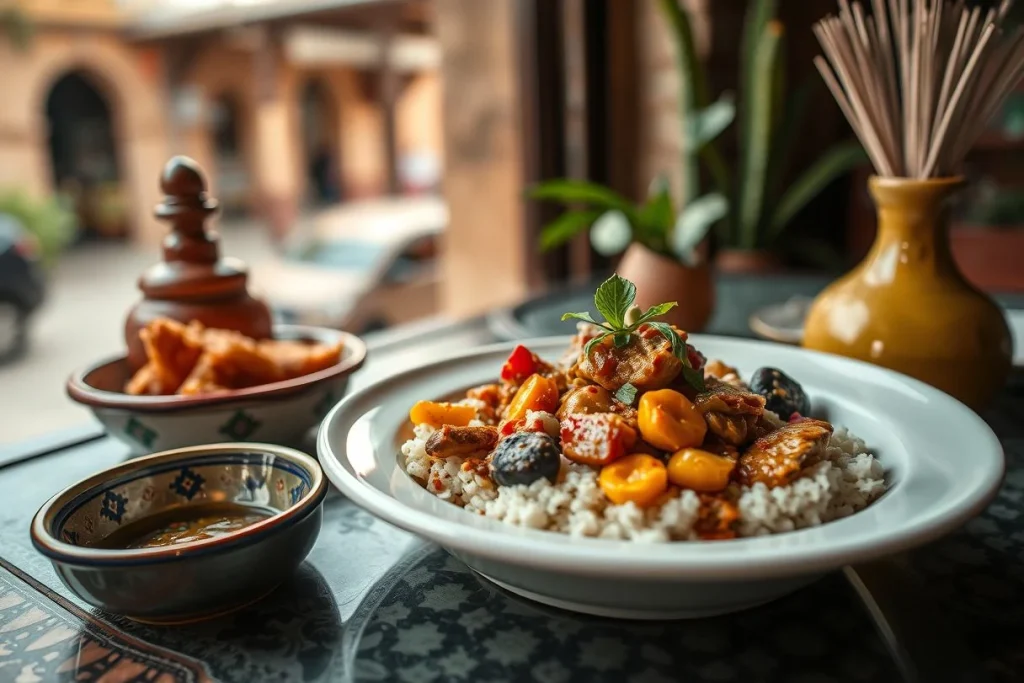
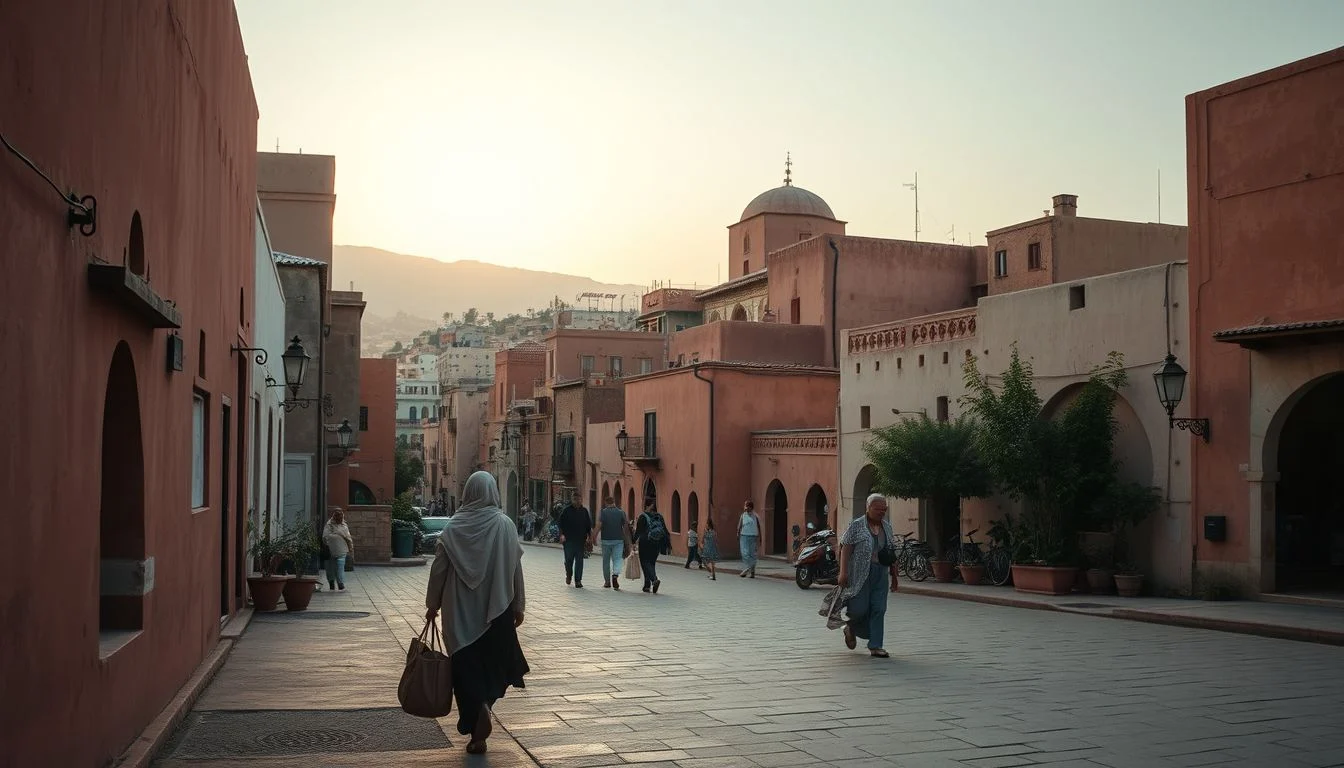
Turn the dish list into a route rather than trying to cover every neighbourhood in one day. Marrakech is most rewarding after dark, when the medina and Jemaa el-Fna shift towards snacks, grilled food and the theatre of open-air eating. Fes works better as a slower daytime walk through Fes el-Bali, followed by a planned riad meal or cooking experience.
Marrakech: from market theatre to sit-down meals
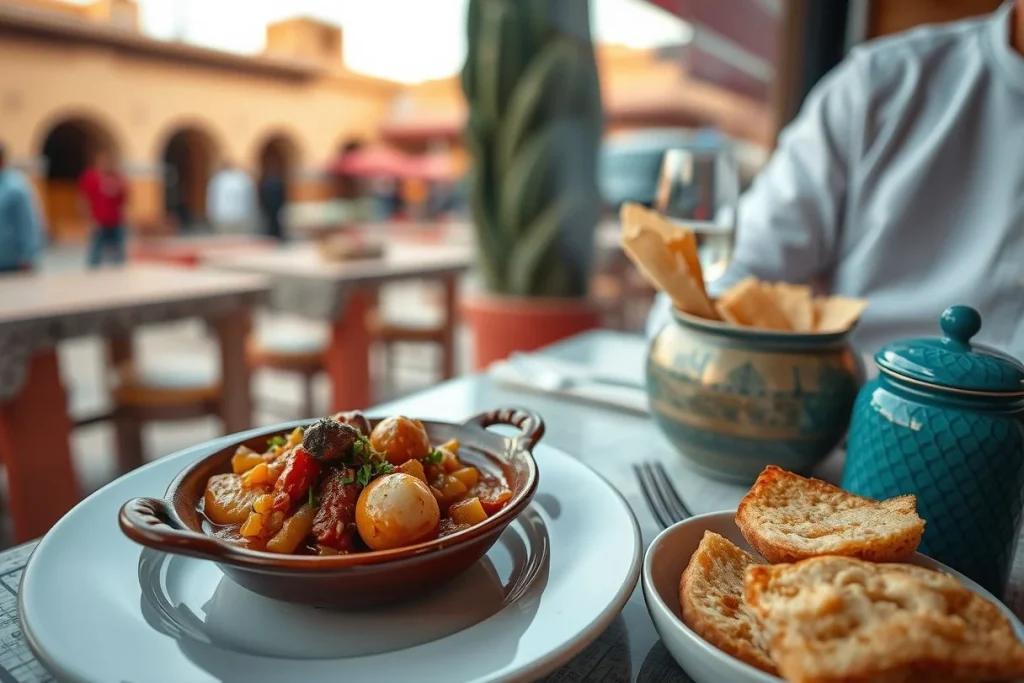
Start around Jemaa el-Fna for the city’s most recognisable food scene. UNESCO describes the square as a cultural space proclaimed in 2001 and inscribed on its Representative List in 2008; its evening food stalls are central to that living tradition. Come for the atmosphere as well as harira, grilled meat, mechoui-style dishes, sfenj and other Moroccan street food, but remember that quality varies between stalls.
Choose a stand where food is cooked visibly in front of you, ingredients are handled cleanly and customers create a steady turnover. Avoid anywhere using pressure to make you sit, and look at the stall before ordering rather than choosing solely from a tout’s recommendation. Current food-safety advice, menus, prices and operating hours should be checked close to travel, particularly if you have a sensitive stomach.
For a more purposeful medina walk, follow the lanes around Souk Semmarine, where small stalls and shops are useful for pastries, breads, dried fruit and sweet snacks. Place des Ferblantiers is a practical area to combine a market wander with a seated tagine or a more leisurely meal. The Marrakech medina is also where to ask a food guide or riad about tanjia marrakchia: the urn-cooked speciality is more distinctive than ordering another generic tagine.
Gueliz gives the itinerary a different pace, with modern cafés and restaurants rather than the concentrated medina experience. It suits a quieter breakfast, coffee or dinner, especially after navigating narrow lanes, but it is not the place to prioritise if your main aim is open-air Moroccan street food.
Fes: follow Fassi cooking through Fes el-Bali
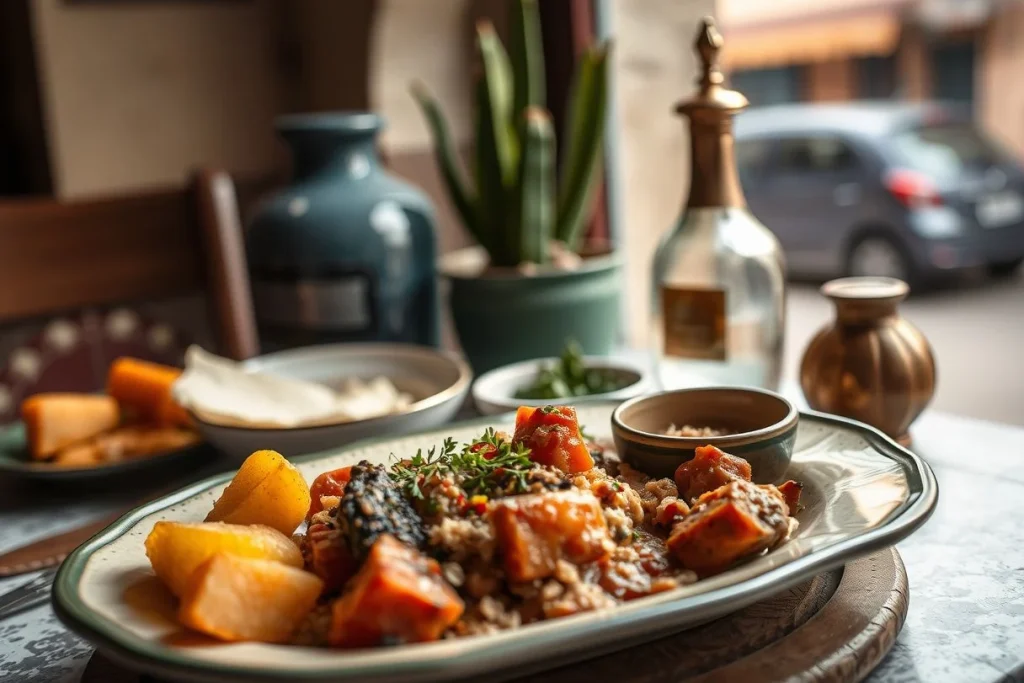
Fes el-Bali is the historic medina and the principal setting for classic Fassi specialities such as pastilla and mrouzia, according to MoroccoPassport’s 2026 Fes guide. Use Bab Bou Jeloud as a clear approach for a food walk, then continue towards the Attarine souk, Nejjarine and the lanes near Chouara for layers of bread, msemen, sweets, harira and spice-filled dishes. A guide is useful here if you want ingredients and preparation explained rather than simply stopping at the first menu.
Reserve a riad dining room for pastilla, rfissa or a more formal Fassi meal, and consider the Mellah as another neighbourhood to include in a guided culinary route. Confirm the current menu and booking conditions directly: restaurants, riads and stalls change their hours, prices and offerings.
Both medinas have uneven paving, stairs, narrow alleys and limited vehicle access. Ask any venue or guide about the exact route and accessibility before booking, particularly if you have mobility concerns. Marrakech Menara and Fès–Saïss serve the two cities, while ONCF trains and CTM or Supratours coaches connect major destinations; arrange the final transfer to your riad rather than assuming a vehicle can reach its door.
When to plan a Marrakech and Fes food trip
Plan the food trip around the weather as much as the menu. March to May and September to November are generally the most comfortable periods for long walks through Marrakech and Fes medinas; summer can be extremely hot, making a midday tasting route tiring. The seasonal guidance in the Fes Travel Guide 2026 also supports spring and autumn as the easier windows for exploring on foot.
June, July, August and December are peak months in the brief, so reserve popular food tours and cooking classes early, then recheck the operator’s current availability, meeting point and cancellation terms. Heat can also change the day’s rhythm: keep the longest Marrakech medina walk for late afternoon into the evening, when Jemaa el-Fna’s food stalls become part of the experience, and use cooler morning hours for Fes el-Bali.
For a two-city route, start in Marrakech with an evening built around street-food atmosphere and tanjia marrakchia. Continue to Fes for a daytime medina food walk, then allow time for a Fassi-focused meal or class. ONCF trains and CTM or Supratours coaches connect major destinations, but confirm the current timetable before fixing a tasting reservation around your arrival.
Ramadan can alter daytime food availability, meal timings and the character of the evening meal. Harira, chebakia and other iftar foods become especially prominent, while some venues adjust their hours or service; check the Ramadan dates for your travel year and confirm schedules directly with your riad, guide or chosen venue. Before departure, refresh weather forecasts and operator updates, particularly for long outdoor walks in the hotter months.
Food tours and cooking classes: what to book in each city
Food tours and cooking classes: what to book in each city
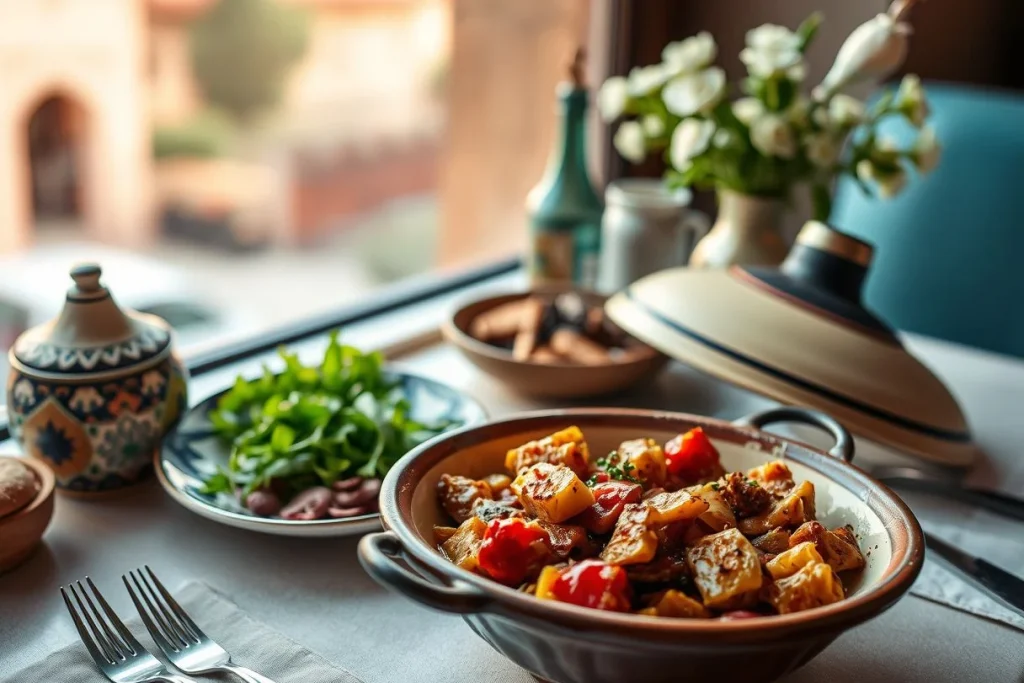
Tasting is only part of it. The most useful food tours in Marrakech and Fes combine a medina or market visit with choosing spices and ingredients, a demonstration, hands-on preparation and a shared meal. According to research on cooking classes in the Fes medina, practical sessions commonly last around three to four hours. Research on Fes cooking classes describes this as an important part of cultural exchange, not simply a recipe lesson.
For Marrakech, choose a market-led walk if you want to understand the ingredients behind tagine, harira, preserved lemon and ras el hanout before dinner. A riad-based class suits a slower, more practical session, often centred on communal cooking and a shared meal; ask whether the market visit is included and whether the menu gives meaningful context for tanjia marrakchia rather than merely listing it. Jemaa el-Fna-focused tours are for travellers interested in evening street-food atmosphere, but confirm exactly which stalls and dishes they include.
Fes is the stronger choice for a class focused on Fassi cuisine. Look for a Fes el-Bali food walk that builds towards pastilla, or a workshop dedicated to the thin pastry, spiced filling, almonds, icing sugar and cinnamon that define the dish. A riad setting can make the meal feel intimate. Narrow alleys, stairs and uneven medina surfaces may not suit every traveller, so ask about the meeting point, vehicle access and accessibility before paying.
Before booking, request the current menu, exact duration, group size, language and dietary substitutions. Check the pickup arrangements, cancellation terms and whether the operator is licensed, then confirm the alcohol policy if it matters to your meal and ask whether ingredients are bought on the day. Prices, schedules, menus and availability change, so check the operator’s current details directly rather than relying on an old listing or photograph. During peak travel periods, including June to August and December, reserve popular classes early and recheck the details shortly before departure.
Moroccan food etiquette, tipping and practical safety
Moroccan meals are often communal. In a traditional setting, food may arrive in a shared dish, and diners may eat with the right hand; use the bread or hand provided and follow the host’s lead. Wash or sanitise your hands before eating, and use your left hand only for handling personal items rather than reaching into shared food.
Mint tea is part of Moroccan hospitality, so accepting a glass is a courteous gesture even if you only take a small amount. If you need to decline, do so warmly. Ask before photographing people, vendors or a family meal; the same courtesy applies to close-up pictures of food being prepared.
Dietary restrictions need clear, repeated explanation. Say specifically that you do not eat meat, fish, eggs, dairy or gluten, rather than relying on “vegetarian” to cover every concern. Moroccan cooking offers substantial vegetable dishes, including zaalouk and taktouka, but stock, butter, preserved ingredients and shared cooking surfaces can still matter for vegan, allergy or coeliac diets. Ask a class or tour operator how they will adapt the meal before booking.
For a sensitive stomach, favour busy, high-turnover stalls where food is cooked thoroughly and served hot. Choose sealed or treated water, and be cautious with raw salads, undercooked meat and food that has been sitting out. Current advice can change, so check the latest guidance from your government and Morocco’s official health authorities before departure; do not assume that a popular stall removes every risk.
For street food, small change or rounding up is customary guidance. In sit-down restaurants, around 5–10% is commonly suggested, but check whether a service charge has already been added. Tipping is a thank-you, not a substitute for clarifying a disputed bill.
Keep phones and wallets secure in crowded medina lanes and around Jemaa el-Fna, without treating the square as automatically unsafe. Before a visit, check the current GOV.UK Morocco advice, updated 15 September 2026, for crime, scam and local travel guidance. The same advice reports serious illness and deaths linked to methanol-containing alcoholic drinks: avoid unlabelled or illicit spirits and drink alcohol only at licensed venues.
The simplest two-city Moroccan food plan
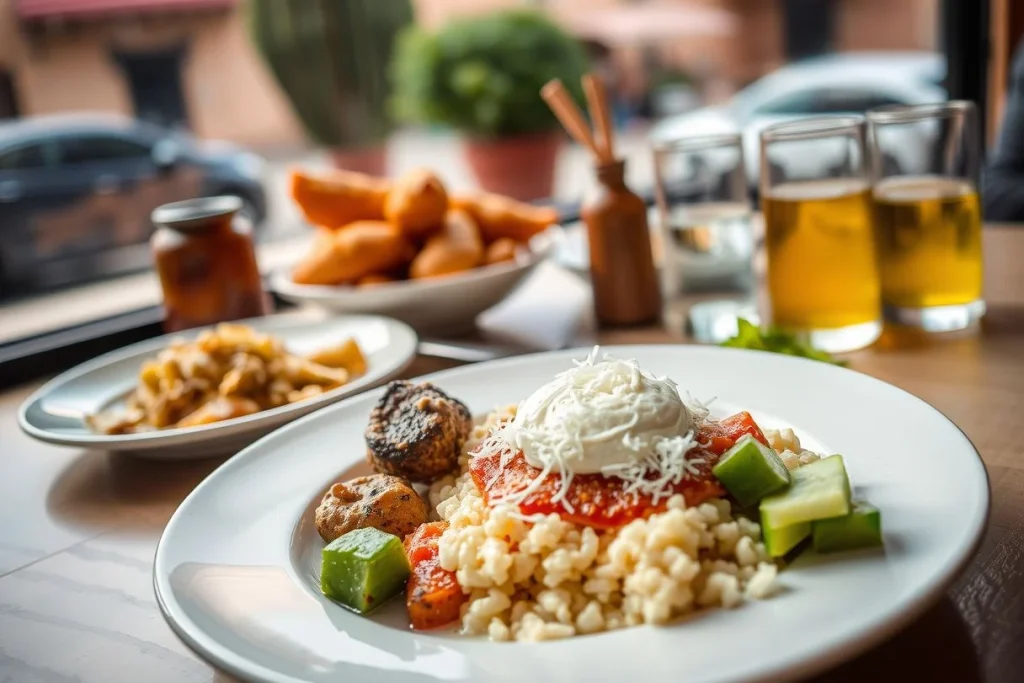
For the clearest two-city food plan, give Marrakech the evening: seek out tanjia marrakchia, then explore the food stalls around Jemaa el-Fna, adding tagine, cooked salads, pastries and mint tea as you go. In Fes, make pastilla the anchor, followed by a Fassi-focused meal or medina food walk in Fes el-Bali; a riad cooking class is a useful way to understand the preparation behind the dishes.
Choose spring or autumn for more comfortable medina wandering. Once your dates are set, reserve a vetted class or tour early for peak periods, and tell the operator about dietary or accessibility needs. Before departure, recheck your nationality’s entry requirements, current health and safety advice, Ramadan timings, weather conditions, and the live menu, schedule and booking terms of each operator.
Frequently asked questions
Which city is better for first-time food travellers: Marrakech or Fes?
Choose Marrakech for the easiest introduction to Moroccan food through evening street-food theatre at Jemaa el-Fna, plus tanjia marrakchia, harira, mechoui and sfenj. Choose Fes if your priority is classic Fassi cooking: Fes el-Bali is the principal setting for pastilla and other refined specialities. Both cities offer tagine, couscous, vegetable salads, pastries and mint tea, so the stronger choice depends on whether you prefer lively market eating or a deeper regional focus.
What should I order if I do not eat meat?
Start with zaalouk and taktouka, the cooked vegetable salads, then look for vegetable couscous or a vegetable tagine. Couscous may also appear as sweet seffa, traditionally linked with Friday or celebratory meals. Ask about stock, butter and cooking methods rather than assuming a dish is vegetarian, and explain clearly if you avoid all animal products: the supplied sources do not establish that every preparation is vegan.
Can I find halal food easily in both cities?
The supplied sources describe Moroccan cuisine and traditional meat dishes, but they do not provide a current, city-wide guarantee about halal certification or individual venues. Ask the restaurant or food-tour operator how meat is sourced and prepared, particularly in tourist areas. For a specific restaurant, market stall or class, confirm its current halal policy directly before booking or ordering; menus and suppliers can change.
What does a typical Moroccan breakfast look like?
The supplied research does not give a reliable description of a typical Moroccan breakfast, so it would be misleading to prescribe a set menu. Mint tea is strongly associated with Moroccan hospitality, while sfenj and other pastries are among the Moroccan foods identified in the guide. For a particular riad or hotel, check the current breakfast offering directly, especially if you need vegetarian, vegan or allergy-conscious options.
How can I identify a good street-food stall?
At Jemaa el-Fna and elsewhere, choose a busy stall with visible cooking and high turnover rather than food that has been sitting out. This is practical guidance, not a guarantee of safety: recheck current official food-safety advice before travelling, especially for raw salads, undercooked meat and water. Jemaa el-Fna’s evening stalls are a central part of the visitor experience, but the square and medinas also require sensible awareness of pickpocketing and scams.
What should I wear or bring for a medina food walk?
Wear comfortable shoes with good grip and bring water, while keeping luggage small: Marrakech and Fes medinas have uneven surfaces, stairs, narrow alleys and limited vehicle access. Spring and autumn are identified as the most comfortable seasons for food exploration; summer can be extremely hot, so check current heat conditions before booking a long daytime walk. Confirm accessibility with the operator if stairs or uneven ground may be difficult.