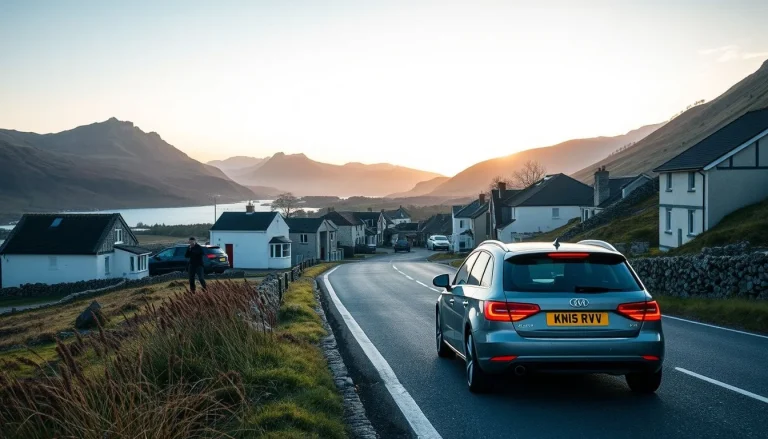
The North Coast 500 is a signed 516-mile (approximately 830-kilometre) loop that starts and finishes in Inverness, threading through Wester Ross, Sutherland, Caithness, Easter Ross and the Black Isle. Its headline mileage is manageable on paper; the reality is slower, with single-track roads, passing places, exposed weather and long gaps between fuel, food and mobile signal.
This North Coast 500 road trip guide is for independent adventure travellers who want the scenery without turning every day into a race. It will help you choose between a tight seven-day loop and a more forgiving 10-day version, judge whether Bealach na Bà suits your vehicle and experience, and plan overnight hubs from Applecross and Gairloch to Ullapool, Durness, Thurso, Wick and Helmsdale. Expect clear driving logic, realistic sightseeing time and practical advice on weather, gear, road etiquette, accommodation and costs.
Quick answer: The North Coast 500 is a signed 516-mile (approximately 830-kilometre) loop starting and finishing in Inverness. It can be completed in five to seven days, but seven to 10 days is more realistic for walks, weather delays, scenic stops and the slow single-track sections, particularly around Wester Ross and Sutherland.
North Coast 500 route overview: distance, days and difficulty
From Inverness, the North Coast 500 traces a broad loop through Wester Ross, Sutherland, Caithness, Easter Ross and the Black Isle before returning to the city. The route’s official starting point is by Inverness Castle, with Inverness Airport, rail connections and car-hire providers making the city a practical place to begin and end.
Five to seven days is a minimum for completing the loop; seven to 10 days is the more useful North Coast 500 itinerary for an adventure traveller. That allows time to stop at Applecross, Gairloch, Ullapool, Durness, Thurso and the northern coast, as well as to walk, wait out poor weather or change plans when a remote road is slow. The official NC500 guidance recommends treating the route as more than a mileage challenge.
Do not read clear-road journey times as sightseeing-day timings. Published estimates assume minimal stops, while route guidance from Make It Scotland indicates adding roughly 30–100% for viewpoints, single-track traffic, weather, ferries and unplanned breaks. A short-looking leg can therefore consume most of a day, particularly in Wester Ross and Sutherland.
There is no universally best direction. Clockwise travel can suit travellers who want to tackle the eastern and northern sections first; anti-clockwise travel reaches the west-coast landscapes and the Applecross decision earlier. Choose according to accommodation availability, the forecast and your confidence rather than a fixed online rule. Bealach na Bà is an optional challenge, not a test of whether you have “done” the NC500: experienced drivers in a suitable vehicle may consider it in good conditions, while others can follow the less demanding alternative around Applecross.
This loop suits confident independent drivers who are comfortable with remoteness, changing weather and flexible days. It is a poor match for anyone trying to collect viewpoints at speed, relying on continuous mobile signal or expecting every café and attraction to operate year-round; the NC500 advises checking individual operator pages because seasonal opening applies.
Car hire and road conditions: what the NC500 demands from drivers
Choose the right car and licence
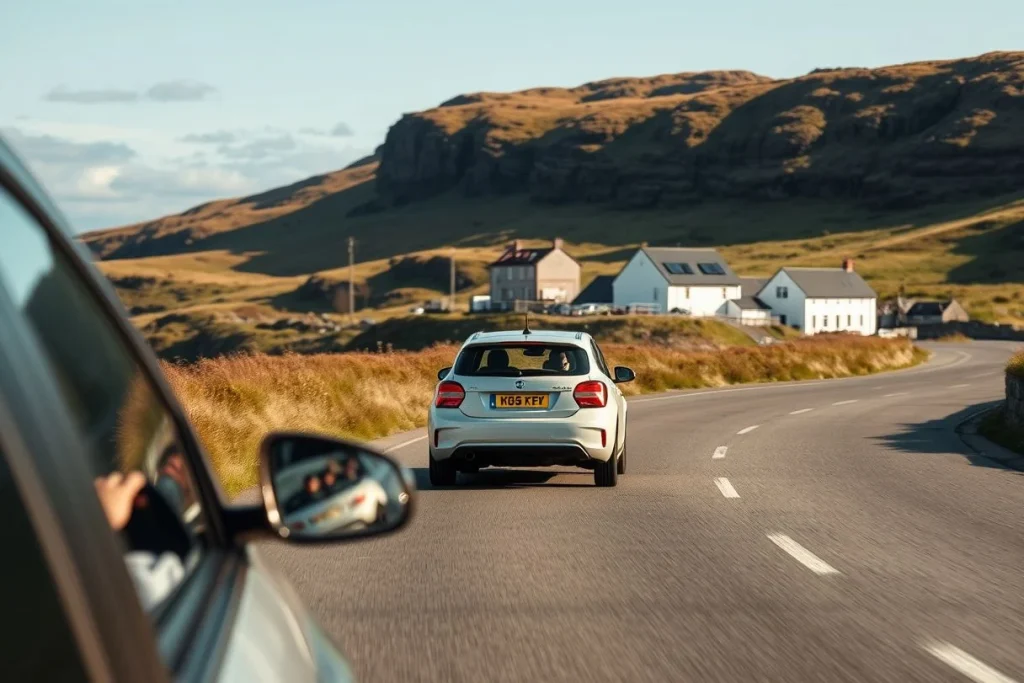
A small hire car is usually the least stressful choice for a North Coast 500 road trip. It is easier to position on narrow lanes, pass oncoming traffic and use small parking areas than a large SUV, while still being suitable for the route’s normal two-lane roads. Choose a vehicle with enough boot space for waterproofs, food, water and a first-aid kit, and confirm that your rental agreement includes roadside assistance and the roads you intend to drive.
Scotland drives on the left. Visitors may drive in Great Britain on a valid foreign driving licence for up to 12 months, subject to the rules applying to their licence and circumstances, but check current UK government guidance and the hire company’s requirements before booking. International-driving-permit rules can depend on the country that issued your licence, so do not assume that a passport or national licence alone will satisfy every rental desk.
Understand single-track etiquette
Much of the NC500 uses ordinary two-lane roads, but remote sections also narrow to one lane with marked passing places. Keep left, watch well ahead and use a passing place to let oncoming traffic pass or following vehicles overtake; never stop in the carriageway for a photograph. Road Safety Scotland advises drivers not to enter a passing place on the wrong side, and you should not assume that another vehicle can reverse safely, particularly on a bend or steep slope.
Allow considerably longer than a clear-road estimate. Guidance for the route indicates adding roughly 30–100% for passing places, viewpoints, weather, ferries and slower traffic. Cyclists, walkers, livestock, campervans and oncoming vehicles all change the rhythm, so a short-looking section can consume much of a sightseeing day.
Bealach na Bà needs a separate decision
The approach over Bealach na Bà is steep, winding and exposed, and deserves more respect than a standard scenic detour. Take it only with a confident driver, a suitable vehicle and a favourable forecast; check the vehicle’s brakes, tyres and fuel before committing. If official or local guidance advises against the crossing, or if wind, rain, ice or low cloud make you hesitate, use the less demanding Applecross alternative instead. That is not a failure to complete the route: it is the sensible choice on a road where reversing or meeting traffic can quickly become awkward.
Check conditions before every driving day
Review Traffic Scotland for incidents and closures, Transport Scotland information for wider road updates, and local council notices for roads around your next overnight stop. Download navigation before leaving a town: mobile coverage is intermittent, and remote stretches have long gaps between fuel, food and toilets. Carry a paper map or offline map, a charged phone and power bank, warm layers, waterproofs, water, food and a first-aid kit. The official NC500 guidance also notes that some attractions and cafés operate seasonally, so verify individual operator pages rather than planning a route around an assumed opening.
Stop by stop: a realistic 7–10-day NC500 itinerary
The most usable North Coast 500 itinerary is a loop of overnight hubs, not a race around a route map. The signed circuit starts and finishes in Inverness and links the Black Isle, Easter Ross, Wester Ross, Sutherland and Caithness. VisitScotland describes it as 516 miles, approximately 830 km; the official NC500 guidance allows at least five to seven days, but nine or 10 days leaves room for coastal walks, poor weather and the slow single-track sections.
Morning
Begin in Inverness, where the route marker is at Inverness Castle. Inverness Airport, the railway station and local car-hire services make the city the practical place to collect a vehicle, check equipment and buy provisions before leaving the main service area.
Use the first morning as a preparation block rather than forcing an early start. Download offline navigation, confirm the day’s accommodation, fill the tank and check Traffic Scotland for closures, roadworks and weather disruption. A small hire car is generally easier to place on narrow roads than a large SUV, but check the rental company’s vehicle restrictions before committing to the Bealach na Bà.
The first leg can be a gentle approach through the Black Isle and Easter Ross, with an optional first night near Inverness if your flight arrives late or you need time to adjust to left-hand driving. This is also the sensible choice for drivers who want to avoid combining airport collection with a demanding mountain road.
Afternoon

Shape the loop around the following hubs. The drive times in route guides are clear-road estimates with minimal stops; the supplied NC500 guidance recommends adding roughly 30–100% for viewpoints, passing places, weather and other delays. Check the current section estimates against the official NC500 map before fixing each day’s departure.
| Leg | Overnight hub | Clear-road estimate | Realistic allocation | Highlights | Services and weather fallback |
|---|---|---|---|---|---|
| Day 1: Inverness and the Black Isle/Easter Ross approach | Inverness or nearby | Check the current route estimate before departure | One day, with a short first drive | Inverness Castle, Black Isle and the Easter Ross approach | Best opening day for fuel, food, equipment and a late arrival. Keep the city as a wet-weather base. |
| Day 2: Inverness area to Applecross | Applecross | Check the current route estimate; allow a substantial buffer | One full driving day | Wester Ross scenery and Bealach na Bà as an optional experienced-driver route | Services become less dependable. If wind, rain, ice or low cloud make the pass unsuitable, take the alternative approach and retain Applecross as the overnight objective. |
| Day 3: Applecross area to Gairloch | Gairloch | Check the current route estimate | One day, with time for short walks | Applecross peninsula, coastal viewpoints and the Gairloch area | Keep food and water in the car. Use Gairloch as a recovery night if the previous day was slowed by weather. |
| Day 4: Gairloch to Ullapool | Ullapool | Check the current route estimate | One relaxed day | Wester Ross viewpoints, short coastal walks and Ullapool’s harbour | Ullapool is a useful service town. The Outer Hebrides ferry link is a separate detour, not an add-on to this driving day; check its timetable independently. |
| Day 5: Ullapool to Lochinver | Lochinver | Check the current route estimate | One day, preferably with a walking window | Northwest coast landscapes and the Lochinver area | Break the journey here rather than pushing on to Durness. Top up fuel and supplies in Ullapool where possible. |
| Day 6: Lochinver to Durness | Durness | Check the current route estimate; expect slow progress | One long but manageable day | Kylesku Bridge, Laxford Bridge, Sango Bay and coastal walking | This is one of the more remote legs. Carry provisions, expect intermittent signal and leave daylight for walking rather than arriving after dark. |
| Day 7: Durness to Thurso | Thurso, or an intermediate stop if needed | Check the current route estimate | One full day; split if conditions are poor | Sutherland coast and the approach to Caithness | If the clear-road estimate already looks demanding, add a slower overnight rather than extending the driving into darkness. |
| Day 8: Thurso, John o’ Groats and Wick | Wick | Check the current route estimate | One day, or two for a slower northern coast visit | John o’ Groats, northern coast scenery and Wick | Combine the stops for a route-focused trip; split them if walking, wildlife or weather photography is the priority. |
| Day 9: Wick to Helmsdale | Helmsdale | Check the current route estimate | One shorter return day | Caithness and the southeast coast | Helmsdale provides a useful buffer before the final return. Keep this day flexible for weather delays earlier in the loop. |
| Day 10: Helmsdale to Inverness | Inverness or airport area | Check the current route estimate | Half to one day, depending on departure plans | Easter Ross and the return to Inverness | Return the car with time to spare. Do not schedule a tight flight connection after a long remote-road itinerary. |
Bealach na Bà belongs in the plan only as a conditional option. Its steep, winding approach and single-track sections demand confidence, patience and suitable weather; inexperienced drivers should use the alternative route to Applecross. On all single-track roads, use passing places to let oncoming traffic pass or following vehicles overtake, and never treat a passing place as a parking bay. Road Safety Scotland gives the relevant guidance.
Evening
Book Applecross, Gairloch, Lochinver and Durness particularly early, then confirm that each property is operating on your dates. Remote accommodation can be limited, and some cafés and attractions change their hours seasonally or close in winter. Thurso, Wick and Inverness offer more flexibility, so they work well as recovery nights when weather disrupts the western leg.
For a seven-day North Coast 500 itinerary, combine Day 1 with the first westward leg, keep Applecross to Gairloch and Gairloch to Ullapool efficient, and combine Thurso, John o’ Groats and Wick according to interest. Do not compress the route by driving tired or attempting a long single-track section after dark. Nine or 10 days is the better format for hikers, photographers and anyone travelling in changeable shoulder-season weather.
Where to eat

Use Inverness and Ullapool for the most dependable opportunity to shop for packed lunches, water and emergency snacks. In Applecross, Gairloch, Lochinver and Durness, plan around the accommodation’s meal arrangements and check café opening times before setting out. Carry food for the remote legs, particularly Lochinver to Durness and the approach to the northern coast; service gaps are part of the route, not an inconvenience to solve at the next junction.
Getting around
A self-drive car is the practical way to complete the loop. Automatic hire cars reduce the workload for visitors unused to left-hand driving, while a compact vehicle is easier on narrow roads; confirm licence, insurance and vehicle restrictions with the hire company. The western Highlands are more exposed to Atlantic weather, while eastern sections can be drier, so check conditions locally rather than assuming the forecast at Inverness represents the whole day.
Mobile coverage can be intermittent. Keep a paper map or offline map, a charged phone and power bank, warm layers, waterproofs, water, food and a first-aid kit in the vehicle. Check NC500 guidance and official local updates before each leg.
Estimated time
- Sightseeing and walks: one to four hours on most days, with more available on the 9–10-day version.
- Driving: the published clear-road estimates vary by leg; add roughly 30–100% for stops, passing places, weather and road conditions.
- Meals and refuelling: allow deliberate breaks in service towns and carry provisions beyond them.
- Rest and weather buffer: reserve at least one flexible half-day, preferably in Gairloch, Ullapool or Inverness.
Optional extras
- For experienced drivers: add Bealach na Bà only after checking the vehicle, forecast and current road advice.
- For hikers: turn Days 4, 6 or 8 into longer walking days and retain the nearby hub for a second night.
- For poor weather or winter travel: shorten the western driving legs, avoid committing to exposed passes, and verify seasonal closures, daylight and road conditions before departure.
Best time to drive the route: May, summer or September?
Choose dates according to the kind of NC500 day you want: long hours behind the wheel, or time for a pass, a beach and a weather-delayed walk. Late spring to early autumn is the most practical window. The western Highlands are wetter and more exposed to Atlantic weather than parts of the eastern coast, according to the Met Office’s long-term climate information.
May and September: the useful compromises
For an independent North Coast 500 road trip, May and September offer a workable balance: useful daylight for driving and walking, with traffic and accommodation pressure that may be more manageable than in high summer. The weather is less certain, though. Keep the itinerary flexible instead of tying a long exposed walk or Bealach na Bà crossing to one particular afternoon.
Experienced adventure travellers can make good use of these shoulder-season months if they carry waterproof layers, warm clothing, food and water, then change direction when the forecast turns. Keep at least one spare weather day for long walks or exposed passes.
Remote sections have intermittent mobile signal, so download navigation and carry a paper map before leaving Inverness.
June to August: longest days, least flexibility
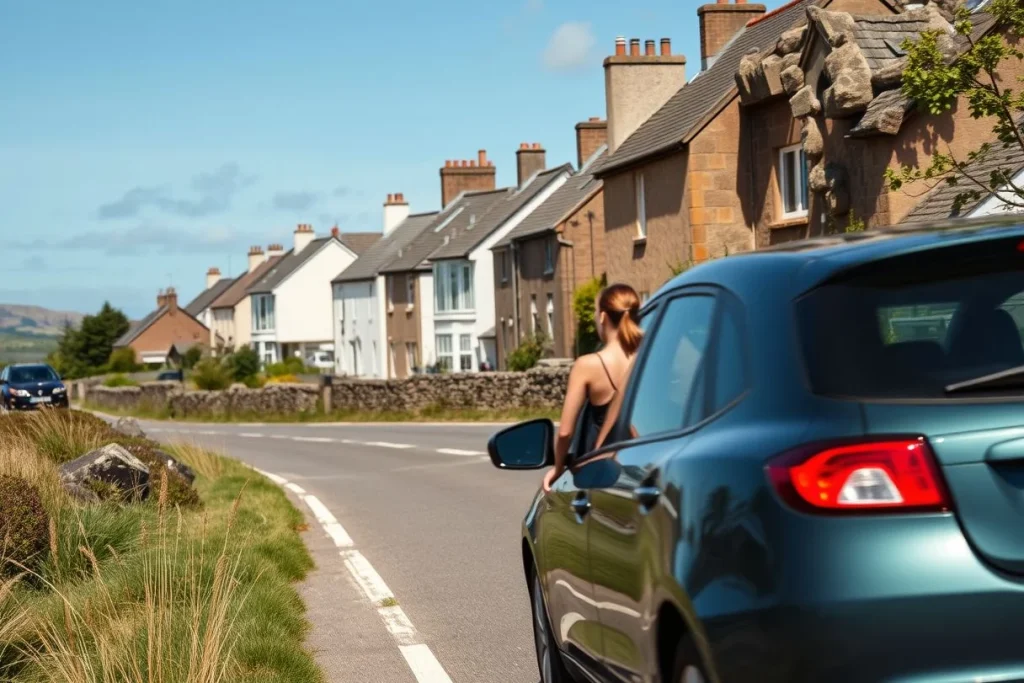
Summer brings the most daylight, making it easier to fit walking, beaches and scenic stops around the drive. Demand for car hire and North Coast 500 accommodation is typically higher at this time, while viewpoints can feel busier and remote overnight hubs offer less last-minute flexibility. Reserve the key nights ahead, particularly around Gairloch, Ullapool, Durness and the northern coast.
Long daylight isn’t permission to overfill the itinerary. Clear-road driving times assume minimal stops; sightseeing, passing places and weather can add roughly 30–100% to published journey estimates, as the NC500 route guidance explains. Check each café, attraction and activity directly before departure, since some operate seasonal hours.
Winter and December: a separate proposition
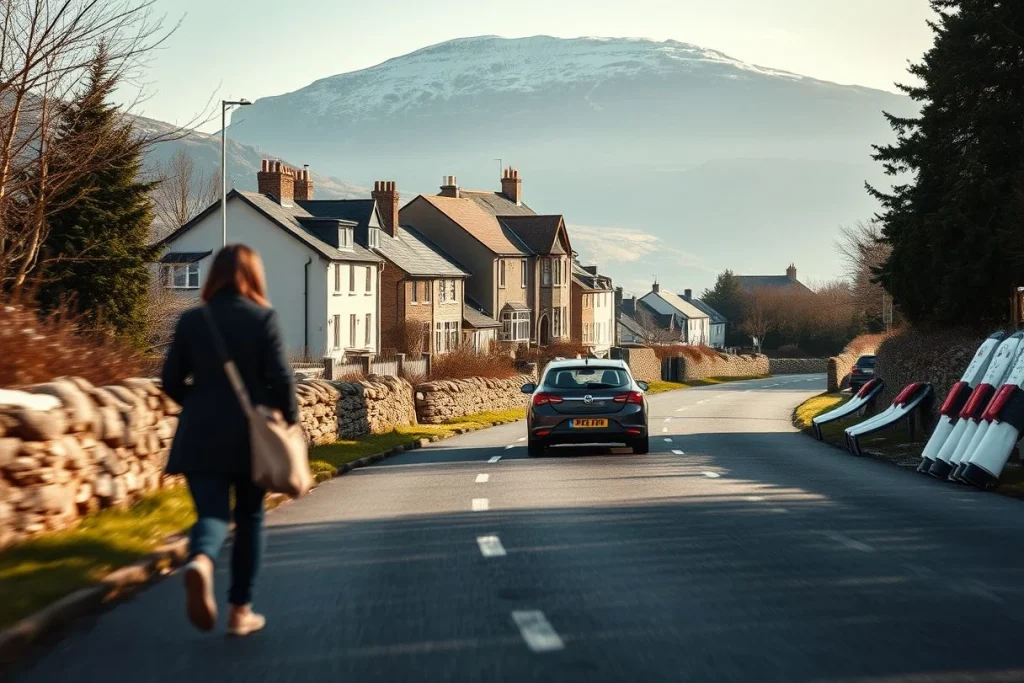
Winter can produce a quieter, more austere Scotland road trip, but it calls for a higher standard of preparation. Before travelling, verify daylight, snow, ice, wind, road conditions and disruption through Traffic Scotland and local authorities. If conditions are uncertain, avoid exposed passes and leave time for a slower route or an unplanned overnight stop.
Some NC500 cafés and attractions close or reduce their seasonal hours in winter; the NC500’s own visitor information advises checking individual operators. For most drivers, May or September offers the soundest balance of daylight, flexibility and manageable traffic. Summer works if you’re prepared to reserve accommodation and accept a busier route.
North Coast 500 cost: dated car, room and fuel benchmarks
For a realistic North Coast 500 budget, price the car and accommodation first, then add fuel and your own allowance for meals, activities and weather-related changes. The figures below are planning benchmarks, not a quote.
| Estimated cost | Budget | Mid-range | Luxury |
|---|---|---|---|
| Car hire from Inverness | £20–£45 per day | £45–£90 per day | More than £100 per day |
| Accommodation | £50–£90 per night | £100–£180 per night | £200 or more per night |
| Petrol | £1.60–£1.70 per litre | £1.60–£1.70 per litre | £1.60–£1.70 per litre |
These are a September 2026 snapshot for Inverness car hire and petrol, based on listings reported by KAYAK and Cheapflights. The room figures are 2026 regional booking snapshots: budget B&Bs or hostels, mid-range hotels or cottages, and higher-end hotels or private lodges. Remote petrol stations can charge differently, while June to August accommodation and car hire are often more expensive.
For seven nights, multiply the chosen nightly room rate by seven and the daily vehicle rate by the number of rental days; for a slower 10-night NC500 itinerary, multiply by 10 instead. Keep petrol as a separate allowance rather than treating the route length as a fixed fuel bill. The figures exclude meals, attraction tickets, activities, insurance, parking, ferry travel and equipment.
Automatic transmission, excess cover, additional drivers, vehicle size, pickup location and exact dates can move the car-hire price substantially. Check live supplier quotes and accommodation availability before committing, particularly in the remote overnight hubs where alternatives may be limited.
| Item | Budget | Mid-range | Luxury |
|---|---|---|---|
| Economy car hire from Inverness | £20–£45 per day | — | — |
| Mid-range car hire from Inverness | — | £45–£90 per day | — |
| Premium or luxury car hire from Inverness | — | — | More than £100 per day |
| Budget accommodation | £50–£90 per night | — | — |
| Mid-range accommodation | — | £100–£180 per night | — |
| Higher-end accommodation | — | — | £200 or more per night |
| Petrol | £1.60–£1.70 per litre | — | — |
Estimated ranges based on the sources listed below. Prices change; check with providers before booking.
Travel tips that prevent common NC500 mistakes
The NC500 rewards preparation more than speed. Remote sections have long gaps between services and intermittent mobile signal, so treat each driving day as an outdoor day with a vehicle attached.
- Build an offline route. Download navigation before leaving Inverness, carry an Ordnance Survey or paper map, charge your phone and pack a power bank; tell someone your day’s plan because signal can disappear on the quieter sections. The NC500’s own guidance recommends offline or paper maps, a charged phone, water, warm clothing and a first-aid kit.
- Pack for a walk, not just a drive. Waterproof layers, warm clothing and sturdy footwear cover the short viewpoint stop as well as a longer coastal hike; add food and water when you’ll be away from a service town. On exposed western sections, Atlantic weather can change the character of a route quickly.
- Fuel and shop early. Fill the tank and buy provisions when passing a service town such as Ullapool, Thurso or Wick rather than assuming the next village will have fuel, food or a toilet. Check individual café and attraction pages before setting out, since some operate seasonal hours or close in winter, according to the North Coast 500’s official guidance.
- Use passing places properly. On single-track roads, pull into a passing place to let oncoming traffic pass or a following vehicle overtake; never stop in one for photographs, and don’t tailgate a slower driver. Pull fully off the carriageway only where it is safe, and let livestock, cyclists and walkers dictate the pace.
- Leave generous buffers. Clear-road estimates assume minimal stops, while passing places, weather, sightseeing, ferries, queues and road users can make a day much longer; guidance suggests allowing roughly 30–100% extra time. Check Traffic Scotland, local council updates and the forecast before each leg, then be willing to shorten a walk or stop early.
- Protect the overnight plan. Book remote hubs ahead, confirm check-in arrangements if you’ll arrive late and save a fallback option for seasonal closures. This matters most around Durness, Lochinver and Gairloch, where changing plans can create a long evening drive.
- Be precise about camping. Wild-camping rules distinguish non-motorised camping from motorised overnighting, and local controls may apply. Before pitching a tent or sleeping in a motorhome, check current guidance from the relevant local authority and land manager; do not assume a scenic lay-by is an authorised campsite.
- Choose support honestly. An independent trip gives experienced drivers flexibility for weather windows, detours and walks, but demands offline navigation, self-sufficiency and active road checking. A guided tour reduces driving and route-planning stress, making it the safer fit if single-track roads, changing weather or remote stretches feel beyond your comfort level.
Conclusion: choose your pace, then book the right loop
For a focused North Coast 500 road trip, choose seven days and accept that some walks and detours will need to wait for another visit. It suits confident drivers who want the main sweep from Inverness through Wester Ross, Sutherland and Caithness without turning every day into a long transfer.
Choose nine or 10 days if walking, photography or changing weather matters more than completing the loop quickly. Build the route around overnight hubs such as Applecross or Gairloch, Ullapool, Durness, Thurso or Wick, then reserve accommodation before the busiest summer period.
Your next step is to select the pace, book a car suited to the roads and luggage, and secure each night’s stay. Before departure, recheck Traffic Scotland for road conditions, the forecast for exposed sections, and individual attraction or café pages for seasonal opening.
Frequently asked questions
Is seven days enough if I want to include proper walks and viewpoints?
Seven days is enough to complete the North Coast 500, but it leaves less flexibility for long walks, extended viewpoints and weather delays. The official NC500 guidance recommends at least five to seven days, while seven to 10 days allows a more relaxed pace. Build in extra time on clear-road driving estimates: published guidance suggests allowing roughly 30–100% more for stops, passing places and weather. North Coast 500 guidance supports the longer option for active travellers.
Which detours are worth adding an extra night for?
Add an extra night where you want time away from the steering wheel: Applecross and Bealach na Bà for a demanding scenic drive, Durness for coastal walking around Sango Bay, or Ullapool if you want to investigate its Outer Hebrides ferry link. These areas are separated by remote roads and service gaps, so an additional night makes the itinerary less vulnerable to weather. Check accommodation and any ferry or activity booking separately before committing.
Can I combine the NC500 with a ferry trip to the Outer Hebrides?
Yes, Ullapool is identified as an NC500 service town and a ferry-link point for the Outer Hebrides. Treat the crossing as a separate trip element rather than a casual detour: ferry timetables, availability and weather disruption need checking with the operator before you travel. Allow an extra night in the itinerary if you want to make the crossing without turning the west-coast section into a timetable-driven dash.
What should I do if weather makes Bealach na Bà unsuitable?
Do not treat Bealach na Bà as compulsory. The Applecross section is a challenging option that requires careful assessment of the vehicle, driver and current conditions; if weather or confidence makes it unsuitable, use the alternative route and continue towards the next overnight hub. Check current road and weather information before setting out, and ask the local authority or official traffic service about disruption rather than relying on an old route map.
Are there good options for travellers who prefer guided driving or walking experiences?
The supplied route information supports an independent NC500 trip, but it does not verify particular guided driving or walking operators. If you prefer expert support, look for current providers through official destination and local tourism sources, then check what is included, group size, terrain, cancellation terms and weather policy. An independent trip gives you more control over pauses and route changes, while a guide may reduce navigation and decision-making pressure on remote sections.
How can I reduce pressure on small communities and avoid the busiest stopping points?
Travel at a pace that spreads overnight stays across hubs such as Gairloch, Ullapool, Lochinver, Durness, Thurso, Wick and Helmsdale rather than compressing every stop into a short itinerary. Use passing places correctly: they are for allowing oncoming traffic through or following vehicles to overtake, not for parking. Carry food, water and a charged phone because services can be widely spaced, and check the official NC500 guidance for current local controls and visitor advice.