

The North Coast 500 traces a 516-mile loop from Inverness around Scotland’s northern Highlands and back again, linking the north coast, Durness, Kylesku, Ullapool and Wester Ross. This Scotland North Coast 500 road trip follows the route anticlockwise over seven to eight days, with time for beaches, short hikes, wildlife stops and the changing weather that shapes every exposed pass and coastal viewpoint.
It is written for independent adventure travellers deciding how much ground to cover, what vehicle to hire and whether the dramatic Bealach na Bà or an Isle of Skye detour belongs in the plan. You’ll get a leg-by-leg route with realistic pacing, sensible overnight bases and clear warnings about single-track roads, passing places, remote fuel and services, seasonal conditions and the trade-off between a compact car, campervan and larger motorhome.
Quick answer: The North Coast 500 is a promoted 516-mile loop beginning and ending in Inverness. Allow seven to eight days for a comfortable independent anticlockwise road trip; five days is brisk, while 10 or more days suits extensive hiking or an Isle of Skye detour. A compact hire car is generally the easiest choice, provided you are prepared for single-track roads, passing places, remote services and changeable Highland weather.
Route overview: distance, duration and who this loop suits
Route overview: distance, duration and who this loop suits
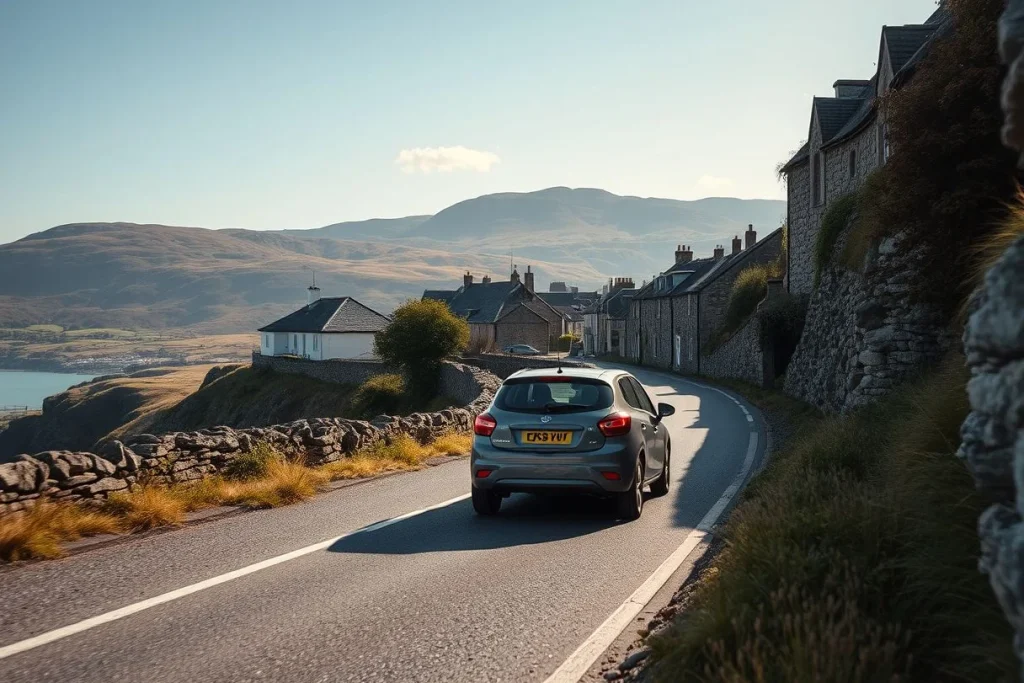
The official North Coast 500 description presents a 516-mile scenic loop around the northern Highlands, beginning and ending in Inverness. Its map includes a mile chart, but check it against a current mapping tool before booking: exact driving times change with stops, traffic, weather and road conditions.
For an official seven-day highlights itinerary, five days is a brisk minimum. Seven to eight days gives an independent trip more breathing room, with time for a beach walk or short hike and a weather-related change of plan. Allow 10 days or more for longer mountain days, wildlife stops or an Isle of Skye detour. Skye is an addition, not part of the core seven-day loop.
| Day | Broad section | Driving intensity | Overnight area |
|---|---|---|---|
| 1 | Inverness and Black Isle | Low | Inverness |
| 2 | Wick, John O’Groats and Dunnet Head | Moderate | Wick or Thurso |
| 3 | Thurso, Bettyhill and Durness | High | Durness |
| 4 | Smoo Cave, Kylesku and Achmelvich | High | Ullapool area |
| 5 | Ullapool, Torridon and Applecross | High | Applecross or Shieldaig |
| 6 | Shieldaig, Gairloch and Wester Ross | Moderate | Gairloch |
| 7 | Loch Maree and Inverness | Moderate | Inverness |
Expect an adventure route rather than a viewpoint checklist. Long remote stretches, changeable Highland weather and time walking at exposed beaches or headlands make each day more demanding than its map mileage suggests.
Inverness is the practical start and finish. Choose Inverness Airport for a hire-car arrival, or Inverness railway station if you’re arriving by train, and build in a final buffer before a flight or rail connection.
Car hire and road conditions: choose the right vehicle and driving style
Choose the vehicle before choosing the route
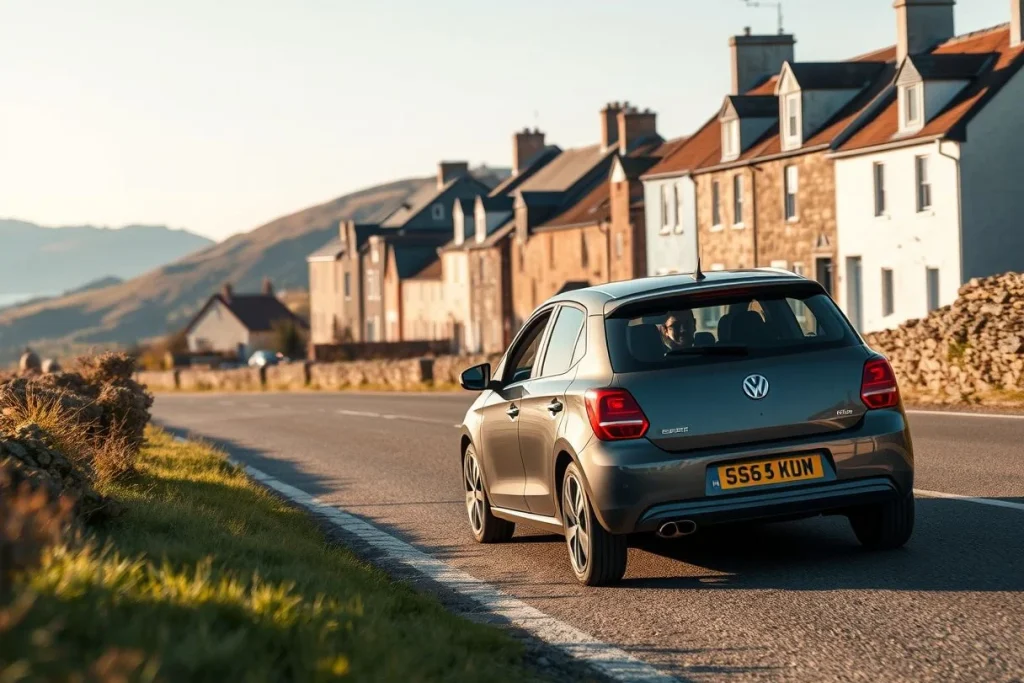
Drive on the left in Scotland and select a vehicle you can control confidently on narrow roads. A compact hire car is usually the least stressful option for an independent NC500 trip: it is easier to position on single-track sections, fits more passing places and gives you more choice when parking at beaches, trailheads and small villages. An automatic can reduce workload for drivers unused to left-side driving, but confirm availability rather than assuming it.
Visitors with a valid full driving licence from most countries may drive in Great Britain, according to Traffic Scotland’s visitor guidance. Rules vary by country, so check whether an International Driving Permit is required. Before paying a deposit, ask the rental company about minimum age, young-driver surcharges, insurance excess, deposit, breakdown cover and any restrictions on ferry use or particular roads.
| Vehicle | Where it works well | Trade-offs |
|---|---|---|
| Compact hire car | Most manageable on single-track roads; simplest for tight parking and remote accommodation | You must book accommodation rather than carrying a sleeping base; check insurance and breakdown cover carefully |
| Campervan | More flexibility for designated campsites and stopovers; useful for travellers carrying hiking and cooking equipment | Wider and longer in passing places; overnight parking rules apply, and tent wild-camping rights do not automatically permit motorhome parking |
| Larger motorhome | Comfortable for a self-contained touring setup where vehicle-appropriate sites and access are confirmed | More difficult on narrow roads, at viewpoints and in village parking areas; generally a poor choice for Bealach na Bà unless the rental company explicitly confirms suitability |
Comparison basis: practical route suitability, not a price comparison; check current rental terms and local parking rules before booking.
What the NC500 roads feel like
The route is not one continuous coastal highway. It combines larger A-roads such as the A9 and A835, B-roads and long single-track stretches with passing places, as described by the official route information and Traffic Scotland. On the latter, slow down early, keep left and use a passing place to let approaching traffic through. Never park in one, even for a photograph; if the road ahead is clear, wait courteously in a suitable place rather than forcing another driver to reverse.
Expect agricultural machinery, delivery vehicles, cyclists, walkers and wildlife, particularly on quieter Wester Ross and north-coast sections. Allow time for vehicles wider than yours and do not follow closely when the road bends out of sight. Traffic Scotland’s single-track road guidance is worth reading before departure.
Treat Bealach na Bà as a conditional detour, not a driving rite of passage. It is a high, steep, winding, single-track pass: check the forecast, current road conditions and any restrictions, then confirm that your vehicle and insurance permit it. If visibility, wind or confidence is poor, use the alternative approach to Applecross instead. Also check Traffic Scotland before setting out each morning, especially after heavy rain or overnight winter weather.
Stop by stop: a realistic 7–8-day anticlockwise itinerary
Treat the North Coast 500 as a sequence of driving days, not a checklist of viewpoints. This anticlockwise NC500 itinerary starts and finishes in Inverness, leaves room for weather and walking, and keeps the most demanding roads from being stacked together. The official organisation publishes a seven-day highlights plan; this version uses the same broad loop but protects time for stops, meals and contingency.
Morning
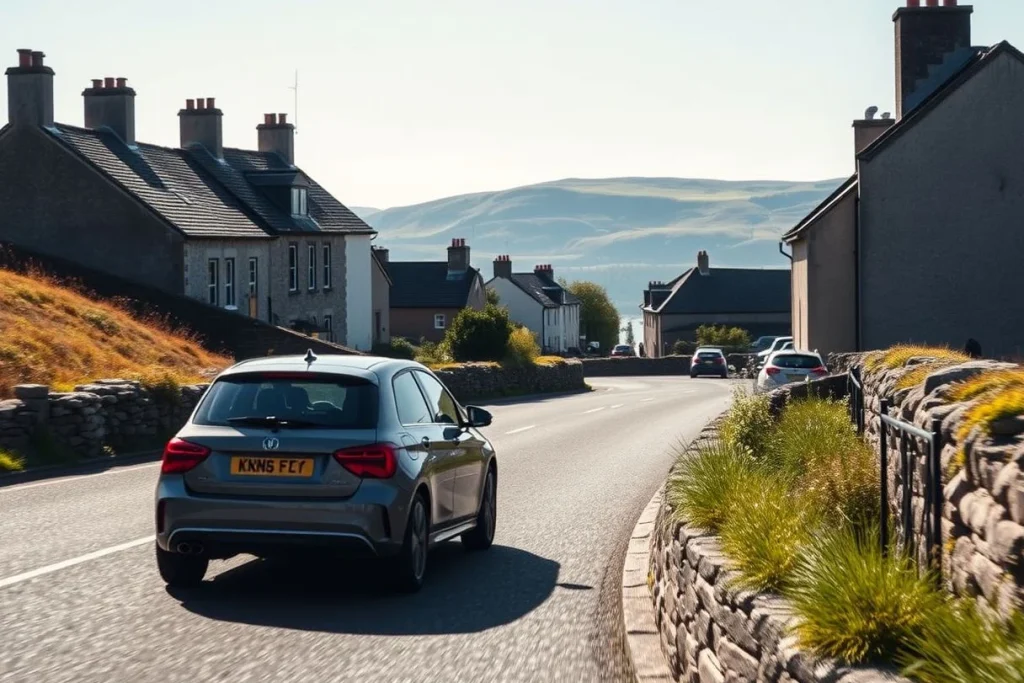
Collect a compact hire car in Inverness or begin from your accommodation near Inverness railway station or Inverness Airport. Before leaving, check the vehicle’s insurance, breakdown cover and suitability for single-track roads. The route uses A-roads including the A9 and A835, B-roads and long single-track sections with passing places, so a smaller car is usually easier to position and park than a large SUV or motorhome.
| Day | Route and overnight base | Priority stops | Live-map drive time | Pacing note |
|---|---|---|---|---|
| 1 | Inverness, the Black Isle and Dingwall; overnight in Inverness or around Dingwall | Black Isle villages and coastal viewpoints, with Dingwall as a practical transition | Verify current time before publication | Keep this a gentle orientation day, particularly after arriving by air or rail. |
| 2 | Dingwall to Wick; overnight in Wick | Wick, John O’Groats and Dunnet Head | Verify current time before publication | Allow daylight for the exposed cliffs and do not turn the northern tip into a rushed photo stop. |
| 3 | Wick to Thurso, Bettyhill and Durness; overnight in Durness or nearby | Thurso, Bettyhill, north-coast beaches and Smoo Cave | Verify current time before publication | This is a remote, exposed day. Fuel, food and weather planning matter more than adding another viewpoint. |
| 4 | Durness to Kylesku and Ullapool; overnight in Ullapool | Kylesku Bridge, Achmelvich Beach and Clachtoll Beach | Verify current time before publication | Use Ullapool as the serviceable west-coast base rather than trying to sleep at every beach stop. |
| 5 | Ullapool to Torridon and Applecross; overnight in Applecross or Torridon | Torridon landscapes and, only if suitable, Bealach na Bà | Verify current time before publication | Bealach na Bà is a weather- and vehicle-dependent option, not a compulsory route segment. |
| 6 | Applecross to Shieldaig and Gairloch; overnight in Gairloch or a nearby village | Applecross coast, Shieldaig and short walking sections around Wester Ross | Verify current time before publication | Keep the day slow enough for coastal stops and a proper hike rather than chasing distance. |
| 7 | Gairloch via Loch Maree to Inverness; finish in Inverness | Loch Maree, Wester Ross viewpoints and a flexible return | Verify current time before publication | Leave a buffer before a flight or onward train; the final day is vulnerable to weather and unplanned stops. |
The official NC500 map includes a mile chart, but every figure in the table should be checked against a current mapping tool before publication and again before departure. Roadworks, traffic, slow vehicles and single-track conditions can make a nominally short leg take much longer than expected.
Afternoon
Days 1–2: ease into the north
The Black Isle and Dingwall provide a sensible start because they keep the first day close to Inverness. Continue north towards Wick on day two, using John O’Groats and Dunnet Head as the principal stops rather than collecting every lay-by. Dunnet Head is exposed: carry a waterproof layer, protect camera equipment from wind and keep clear of cliff edges in poor visibility.
Days 3–4: the remote north coast and Assynt
From Wick, build in time for Thurso and Bettyhill before reaching Durness. Beaches can look close on a map but still require unhurried access and changing-weather judgement. At Smoo Cave, check local access conditions before committing to a longer visit; the surrounding coast is uneven and wet underfoot.
The Durness–Kylesku–Ullapool leg is one of the route’s strongest landscape days. Stop at Kylesku Bridge, then choose between Achmelvich Beach and Clachtoll Beach according to tide, weather and energy. Ullapool has a wider choice of North Coast 500 accommodation and supplies than smaller settlements, making it a useful reset point.
Days 5–7: mountain roads and Wester Ross
Use day five for Torridon and Applecross, but make the pass a decision made on the morning, not a promise made during booking. Bealach na Bà is steep, high, winding and single-track; check current conditions, forecast, vehicle suitability and insurance. If visibility, wind or confidence is poor, take the alternative approach to Applecross.
Applecross, Shieldaig and Gairloch reward a slower pace on day six. Choose one worthwhile walk and carry waterproofs, warm layers, food, water and an offline map. The terrain and weather can change quickly, and mobile coverage is not dependable across remote stretches.
Keep the return via Loch Maree flexible. If the final day precedes a flight, return to Inverness without adding the Isle of Skye; if it precedes another night, use the spare time for a short stop rather than extending the driving late into the evening.
Evening
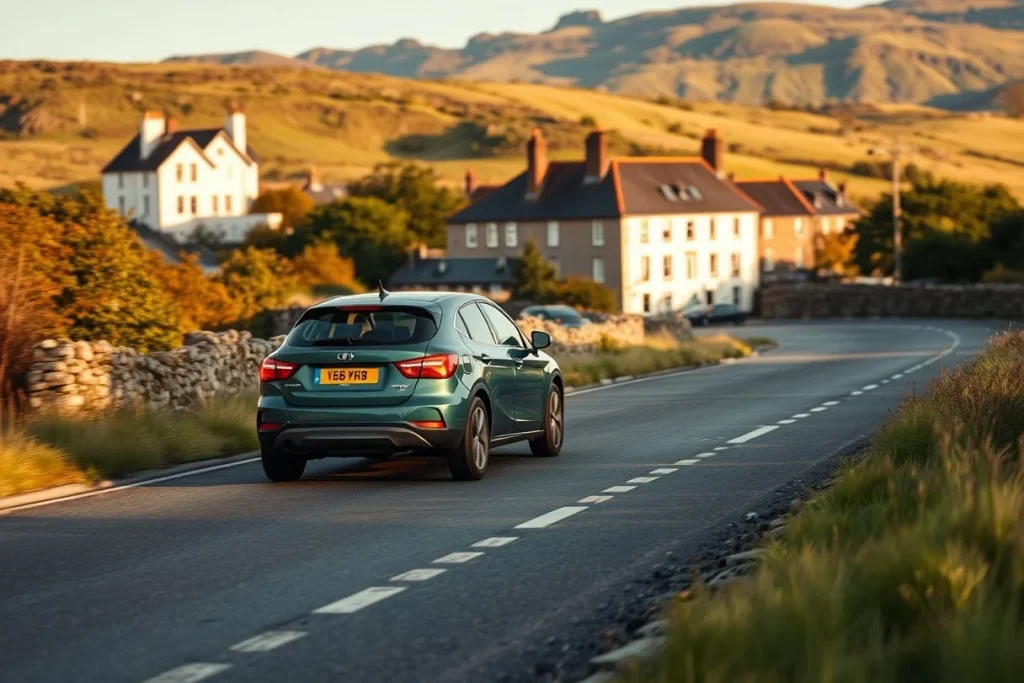
Book overnight bases ahead in the busiest summer months, particularly in Durness, Ullapool, Applecross and Gairloch. A compact car gives the greatest choice of small hotels, guesthouses and B&Bs; campervan travellers should reserve vehicle-appropriate campsites or designated stopovers and must not assume that tent wild-camping guidance permits motorhome overnight parking.
Optional Isle of Skye detour
Skye is not part of the standard seven-day core loop. Add at least extra time for the island rather than squeezing it between Gairloch and Inverness. Any CalMac ferry detour requires current timetables, vehicle spaces and fares to be checked directly with CalMac; winter 2026–27 services were still being finalised in the supplied research.
Where to eat

Use the larger bases—Wick, Thurso, Ullapool, Gairloch and Inverness—for planned dinners and provisions. On remote days, buy food before leaving town and carry water; cafés and shops are not evenly distributed along the route. Seafood, soup, oatcakes, local baking and filling pub meals suit the weather and the long driving blocks. Early dinners are sensible in Durness, Applecross and smaller Wester Ross settlements, where evening choices can be limited and seasonal.
Getting around
Drive anticlockwise in a compact car unless a larger vehicle is essential. On single-track roads, use passing places only for passing, never for parking; wait where appropriate, give way courteously and expect farm machinery, cyclists, walkers and wildlife. Do not follow too closely into a blind bend, and allow faster traffic to pass when it is safe.
Check Traffic Scotland before each departure, especially before Bealach na Bà and after heavy rain or winter weather. Confirm licence eligibility, any International Driving Permit requirement, rental age rules, insurance and ferry-use terms before collecting the car.
Estimated time
| Activity | Practical allowance across seven days |
|---|---|
| Driving | One main driving block on most days, with live-map times checked before travel and contingency added for single-track roads. |
| Sightseeing and walking | Several hours daily, reduced on the remote Durness and return legs if weather deteriorates. |
| Meals and supplies | At least one deliberate food stop and a separate provisions check on remote days. |
| Weather and route contingency | Keep part of day seven uncommitted, and do not use it to recover a missed Skye detour. |
Optional extras
- For stronger hikers: extend the route to 10 or more days and reserve daylight for longer walks around Torridon, Applecross or Wester Ross.
- For nervous or inexperienced drivers: skip Bealach na Bà, choose a compact automatic car if available, and use two nights in a base such as Ullapool or Gairloch.
- For campervan travellers: plan designated stopovers in advance, carry backup food and water, and check local restrictions rather than relying on a generic wild-camping map.
Best time to drive the route: daylight, weather and crowds by season

For most independent drivers, May to September is the best window for a Scotland North Coast 500 road trip. Longer daylight leaves more time for coastal walks and wildlife stops, conditions are generally milder, and more accommodation operates alongside cafés and tours. The official NC500 guidance also identifies this period as the strongest overall balance, while warning that summer is the busiest season.
May and September offer adventure travellers the most useful compromise: enough daylight for a full day outdoors, usually with less pressure on roads and accommodation than June to August. September can bring a quieter feel to places such as Durness, Ullapool and Gairloch, though Highland weather remains cool, wet and changeable year-round. Check the forecast before committing to exposed coast walks or higher routes. A clear morning may not last.
June to August suits travellers who prioritise maximum daylight and a fuller choice of guided hiking, wildlife and boat excursions. It’s also the period most likely to bring busy viewpoints, crowded stopping areas and limited accommodation, so reserve rooms and campsites well ahead. Keep some flexibility in the itinerary: a weather day in Ullapool or Gairloch is more useful than forcing a long drive in poor visibility.
April and October can reduce crowd pressure, but expect more variable weather and a greater chance of seasonal service limitations. Winter brings short daylight, sudden conditions at exposed coasts and passes, plus disruption on remote roads, making the complete loop a more demanding undertaking. December can feature prominently in site calendars; that doesn’t make it the easiest season for the full route.
Before booking, check the official NC500 route information and Traffic Scotland’s visitor advice for current road conditions. Reconfirm accommodation opening dates, attraction hours, guided-excursion schedules and any event dates directly with providers. For island extensions, check ferry plans with Caledonian MacBrayne; its winter 2026–27 timetable was still being finalised in the supplied research.
Travel costs: dated budget, mid-range and luxury allowances
With dates and availability checked, the next decision is how much comfort and flexibility to build into the Scotland North Coast 500 road trip. The allowances below are planning figures, not live quotes: they are stated per person, per day, exclude international flights and assume a week on the route.
| Estimated NC500 costs: 2026 research access | |
|---|---|
| Travel style | Per person, per day |
| Budget | £45–£80 |
| Mid-range | £120–£220 |
| Luxury | £300+ |
These estimates are based on the supplied 2026 research. The budget range assumes camping or low-cost B&Bs, groceries and a fuel-efficient car-hire deal in low season, as outlined by Motorhome Stopover Club. The mid-range allowance follows Make It Scotland’s NC500 accommodation guide: mid-range B&Bs or guesthouses, moderate meals, local tours and car hire averaged over a shoulder-season week. The luxury figure reflects the NC500 organisation’s route guidance, allowing for boutique country houses, guided activities, premium car hire or a chauffeur service and higher-end dining.
Sharing changes the arithmetic. Two travellers splitting a hire car and a room will usually have a lower per-person transport and accommodation cost than a solo driver, while a campervan can combine sleeping and transport but still brings hire, fuel, campsite or designated-stopover costs. Compare the total trip cost, not simply the nightly rate.
- Fuel: allow for the full loop and detours, with fewer refuelling options on remote stretches.
- Parking: check charges and local restrictions at beaches, viewpoints and trailheads.
- Insurance: confirm excess, breakdown cover, additional drivers and any terms for single-track roads or ferry travel.
- Food: groceries reduce spending; remote stops and restaurant meals can raise it.
- Activities: budget separately for guided walks, wildlife trips and other booked excursions.
- Ferry detours: check vehicle spaces, timetables and fares with CalMac before adding an island extension.
- Contingency: keep money and time for weather delays, an unplanned overnight or a vehicle issue.
For current figures, price accommodation, car hire, fuel, tours and ferry crossings for the exact dates before booking; these ranges should not be treated as quotations.
| Item | Budget | Mid-range | Luxury |
|---|---|---|---|
| Budget NC500 trip | £45–£80 per person per day | — | — |
| Mid-range NC500 trip | — | £120–£220 per person per day | — |
| Luxury NC500 trip | — | — | £300+ per person per day |
Estimated ranges based on the sources listed below. Prices change; check with providers before booking.
Travel tips that prevent common NC500 mistakes
Before you leave
- Book the pressure points first. June to August is the busiest period, so reserve North Coast 500 accommodation early; if you are travelling by campervan or motorhome, book suitable campsites or designated stopovers rather than relying on spontaneous overnight parking.
- Check your documents and vehicle terms. A full driving licence is accepted from most countries, but Traffic Scotland advises checking country-specific eligibility and any International Driving Permit requirement before travel. Confirm the rental company’s age rules, insurance, breakdown cover, deposit, ferry-use terms and vehicle restrictions before collecting the car.
- Plan fuel and food around the remote sections. Fill the tank before leaving larger towns, carry water and food, and download maps for areas where mobile coverage may be limited. The official NC500 map includes a mile chart; use it with a current mapping app to plan stops rather than estimating from the shape of the route.
- Be precise about overnight rules. Guidance for tent wild camping does not give motorhomes unrestricted permission to park overnight. Check local restrictions before departure and use vehicle-appropriate designated sites; never assume that an attractive lay-by or busy viewpoint permits camping.
On the road
- Practise passing-place etiquette. On single-track roads, passing places are for vehicles to pass, not for parking or taking photographs. Wait in a suitable place when necessary, give way courteously and leave the road clear for farm machinery, larger vehicles, cyclists and walkers. Traffic Scotland’s visitor driving advice is worth reading before setting off.
- Check conditions before exposed driving. Highland weather is cool, wet and changeable throughout the year. Check Traffic Scotland and a mountain or coastal forecast before the more exposed roads, particularly Bealach na Bà: it is a high, steep, single-track pass, so confirm both weather and vehicle suitability before committing to it.
- Leave slack in the schedule. Build in a contingency day, or keep the final return to Inverness flexible, rather than planning a tight connection after a long driving day. A delayed stop, poor visibility or vehicle problem is easier to manage when the itinerary has room to move.
For hikes and outdoor stops
- Pack for a change of plan. Waterproof layers, warm clothing, sturdy footwear, a headtorch, power bank, paper backup information and basic first-aid supplies belong in the day bag, even when the morning looks dry. Treat hikes as optional: conditions can change quickly, and a safe turnaround matters more than reaching a viewpoint.
- Choose the travel style honestly. Independent driving gives fit, experienced travellers freedom to stop for wildlife, beaches and short walks, but requires navigation and road decisions. A guided tour reduces driving stress and can simplify remote logistics; the trade-off is less control over timing and spontaneous detours.
Conclusion: make the seven-day loop work for you
For most independent adventure travellers, the strongest choice is an anticlockwise 7–8-day Scotland North Coast 500 road trip, taken between May and September in a compact hire car. It leaves room for beaches, short hikes and weather-related changes without making every day a long drive. Choose 10 or more days if hiking is central; keep the Isle of Skye as a separate detour rather than squeezing it into the core loop.
Before booking, check that your driving licence and rental terms cover the trip, including insurance and any restrictions on remote roads. Then validate live drive times, road conditions and ferry information with Traffic Scotland, the route map and CalMac. Finally, reserve Inverness for the first and last nights, followed by refundable accommodation in high-demand bases along the route.
Frequently asked questions
Is seven days enough if I want to include proper hikes?
Seven days works for the official highlights itinerary, but it is tight if hiking is a central part of the trip. The supplied NC500 planning guidance treats 7–8 days as a comfortable independent pace and 10 or more days as better for extensive hiking. For a walking-focused trip, add nights in places such as Durness, Ullapool, Torridon or Gairloch rather than trying to cover every section daily, using the North Coast 500 itinerary guidance as a framework.
Where are the most reliable places to refuel on the loop?
The supplied research does not identify a guaranteed list of fuel stations, and remote stretches of the route can have limited services. Do not let the tank run low: check current fuel locations on a live mapping service before leaving each larger town, and build refuelling into the route rather than assuming a station will be open ahead. Allow extra time for diversions and changing conditions.
Should I reserve campsites and motorhome stopovers before travelling?
Reserve accommodation and vehicle-appropriate stopovers ahead, particularly for June to August, when the NC500 is busiest. The research does not provide a complete availability list, so confirm facilities and current rules directly with each campsite or stopover. Motorhome travellers should not assume that guidance for tent wild camping permits unrestricted overnight parking; use designated places and check local restrictions before setting out.
Can I drive Bealach na Bà in a campervan or motorhome?
Do not treat it as an automatic part of the route. Bealach na Bà is a high, steep, single-track pass, so check the vehicle’s suitability and the weather before including it; the pass may be a poor choice for a larger vehicle or an inexperienced driver. If conditions or vehicle guidance are unfavourable, use an alternative route and confirm current advice before travelling.
What should I do if weather disrupts a planned driving day?
Keep the itinerary flexible and avoid forcing an exposed coastal section or Bealach na Bà in poor conditions. Highland weather is cool, wet and changeable throughout the year, with sudden changes especially at higher or exposed locations. Check current weather and road information before departure, shorten the day if necessary, and use an extra night to protect the rest of the itinerary rather than driving tired or fast.
Is an electric car practical for this remote route?
The supplied research does not provide a verified charging-station network or charger availability for the NC500, so practicality depends on your exact vehicle, range and planned stops. A compact hire car is generally the easiest vehicle choice, but an electric-car itinerary requires advance checks of live chargers, charging times and backup options in remote sections. Confirm charger status and access with the operator before travelling, and keep contingency time.