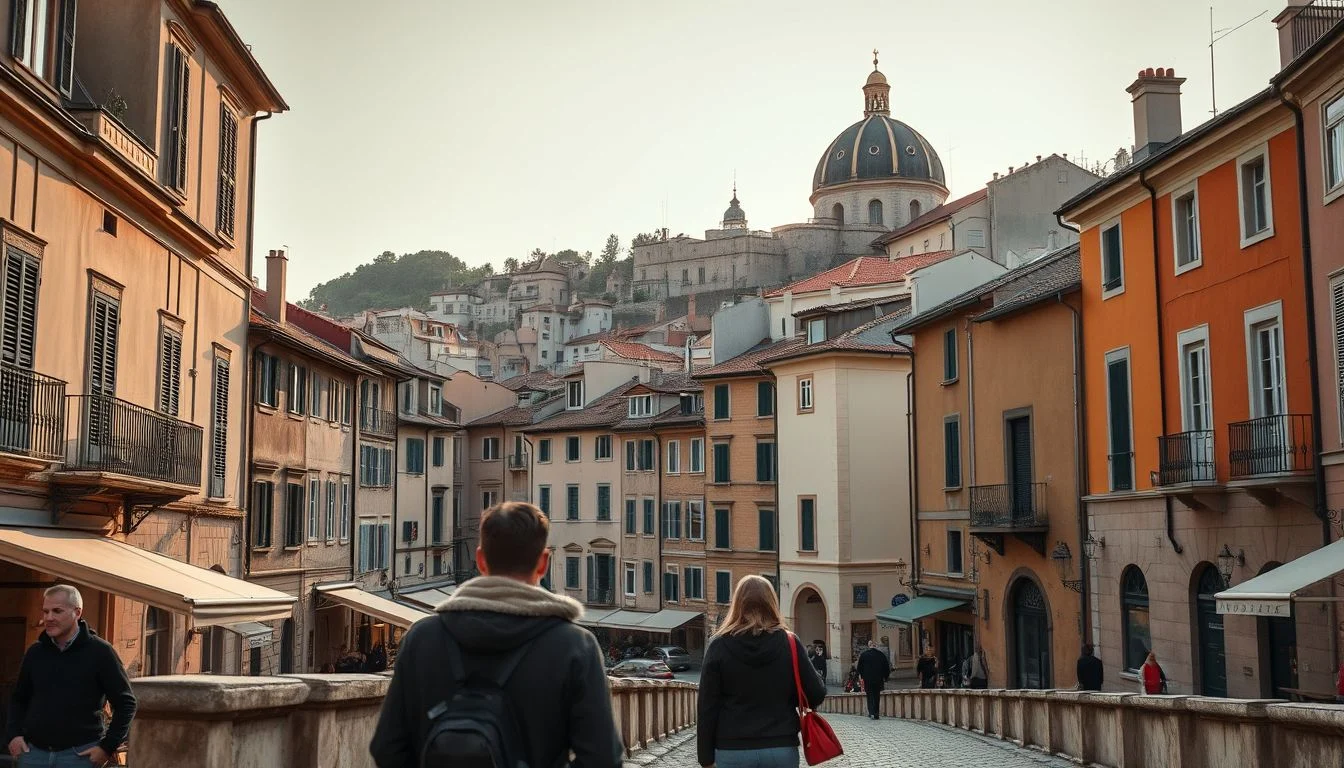
TGV, AVE, ICE and Eurostar trains link major cities across Western and Central Europe, making it possible to build a first journey around rail rather than a string of airport transfers. The scale can still be misleading: Europe is a continent of different languages, booking systems, currencies and travel speeds, not one compact destination.
This Europe travel guide is for first-time visitors deciding where to base themselves, how to combine cities without rushing, when to travel, and what to arrange before departure. It focuses on a manageable plan: one major cultural city, one high-speed rail connection and one regional day trip, with practical guidance on accommodation, transport, costs, entry rules, food and common mistakes.
Quick answer: For a first trip to Europe, choose one major cultural city as your base, add one high-speed rail connection and plan one regional day trip instead of attempting the whole continent. Late April to June and September to October usually offer the best balance of weather, crowds and availability, while TGV, AVE, ICE and Eurostar connect many major Western and Central European cities.
Why visit Europe on a first trip?
Europe suits a first international trip because its variety is unusually accessible: a historic centre can lead to a major museum, a neighbourhood market and a regional train journey without changing countries every night. In one carefully chosen area, you might move from Spanish tapas to Italian pasta, French bistro cooking or Greek meze, then trade city streets for the Mediterranean, the Alps, Dolomites or Pyrenees.
It is not one uniform destination. Transport, prices, languages and travel rhythms change sharply between countries, so a focused route is easier to enjoy than a continent-wide checklist. Use a cultural capital to learn the basics of local transport and money, then make one rail-connected city change and one day trip your test of greater independence.
Demand is concentrated in a few major countries: Eurostat reported approximately 3.09 billion tourism nights across EU accommodation in 2025, with Spain, Italy, France and Germany accounting for 61.7% of stays, according to its report published on 4 March 2026. That popularity brings dependable infrastructure, but also makes city and season choices important.
Best time to visit Europe: choose dates by weather and crowds
For a first trip, late April to June and September to October usually offer the strongest balance of manageable weather, lighter crowds and better accommodation availability. Summer brings the longest days, but also higher demand, higher prices and a greater heat risk in Mediterranean destinations. Choose dates around the kind of trip you want, rather than trying to cover every season in one itinerary.
| Period | Typical conditions and daylight | Crowds and availability | Best suited to |
|---|---|---|---|
| Late April–June | Mild to warm in many cities; longer days | Generally easier than summer; more choice | First-time city and rail trips, walking, day trips |
| July–August | Long daylight; hottest in southern Europe | Busiest period; higher demand and prices | Beaches, festivals and mountain routes; plan heat breaks |
| September–October | Warm early autumn; daylight gradually shortens | Often calmer than summer; availability improves | Culture, food and multi-city rail itineraries |
| December–winter | Cold in northern Europe; shorter daylight | Demand varies by Christmas and ski destinations | Museums, Christmas travel and Alpine sports |
Summer heat is not merely a historical-average question. The World Meteorological Organization’s European climate reporting describes widespread heatwaves in 2025, including across Mediterranean areas, so heat-sensitive travellers should check current forecasts before committing to July or August. Historical climate normals, such as those published through the WMO Climate Normals resource, help with planning but cannot guarantee comfortable conditions.
Attractions including the Louvre, Sagrada Família, Vatican Museums and Alhambra can require advance planning in every season. Check each official website for current opening hours, timed-entry rules and booking requirements before fixing your dates.
How to get to Europe: choose an arrival hub and onward route
For a first trip, choose the arrival airport that fits your first base rather than the cheapest-looking ticket. London Heathrow, Amsterdam Schiphol and Paris Charles de Gaulle are practical intercontinental hubs; Frankfurt Airport suits journeys beginning in Germany or Central Europe, while Istanbul Airport can work for trips focused on Türkiye or onward connections. OAG identifies several of these among Europe’s leading airports, and EUROCONTROL recorded approximately 1,351 daily movements at Schiphol and 1,315 at Heathrow in its 2025 aviation snapshot. These figures indicate extensive connectivity, not a ranking of passenger convenience.
After landing, use the airport’s official rail or metro connection where one exists; it is usually easier to follow than arranging a city taxi after a long flight. A licensed taxi, pre-booked transfer or airport coach may suit heavy luggage, late arrivals or accommodation away from the central transport network. Check the airport and city transport authority before departure, since routes, terminals and ticketing arrangements change. Allow a generous arrival-day buffer for immigration, baggage collection, transfers and jet lag rather than scheduling a long rail connection immediately after landing.
For a multi-city route, compare an open-jaw flight—arriving in one city and departing from another—with a return ticket. It can remove a needless return journey. High-speed services including Eurostar, TGV, ICE and AVE connect many Western and Central European cities; Eurail’s 2026 pass guide explains current pass conditions, while individual operators show reservations and timetables. Rail can be more efficient door to door than flying on many major city pairs, once airport transfers and airport time are included. International rail from a neighbouring country is another sensible entry, while self-drive road arrival suits a regional route, not a rushed continent-wide itinerary. Check current entry rules for your passport with the European Commission and relevant consulate before booking.
Where to stay in Europe: match the base to your travel style
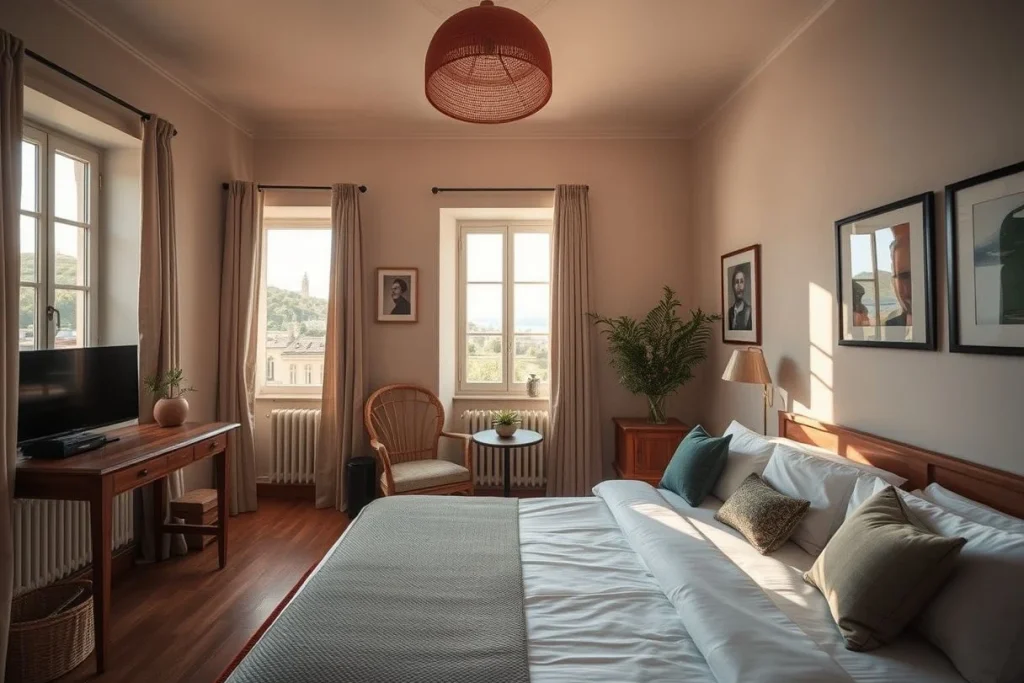
For a first trip, choose accommodation near a central rail or metro line, not directly beside the most famous landmark. In London, Bloomsbury suits travellers who want museums and straightforward Underground connections; South Bank puts riverside access and major sights within reach. In Paris, compare the Marais with central arrondissements by station access. Amsterdam’s Canal Belt and Museum Quarter work better when daily walking is part of the plan.
Your travel style should guide the type of accommodation. Hotels are the simplest choice for couples and first-time visitors who value reception support, daily housekeeping and predictable luggage storage. Hostels suit solo travellers and tighter budgets, but check dorm security and quiet hours, and see whether a private room is available. Families or longer stays may find kitchen space in apartments and serviced apartments useful, while guesthouses can offer a quieter, more personal base away from the busiest streets.
Check the practical details before booking: elevator access, step-free entry, air conditioning, late-arrival arrangements and the distance from the nearest station, rather than only the distance to a landmark. Ask about luggage storage before check-in and after check-out. Read the cancellation terms and any tourist-tax information carefully. Prices and availability vary sharply with city, season and event calendars, so compare the total cost for your dates instead of assuming one area is universally cheaper.
Best things to do on a first trip to Europe
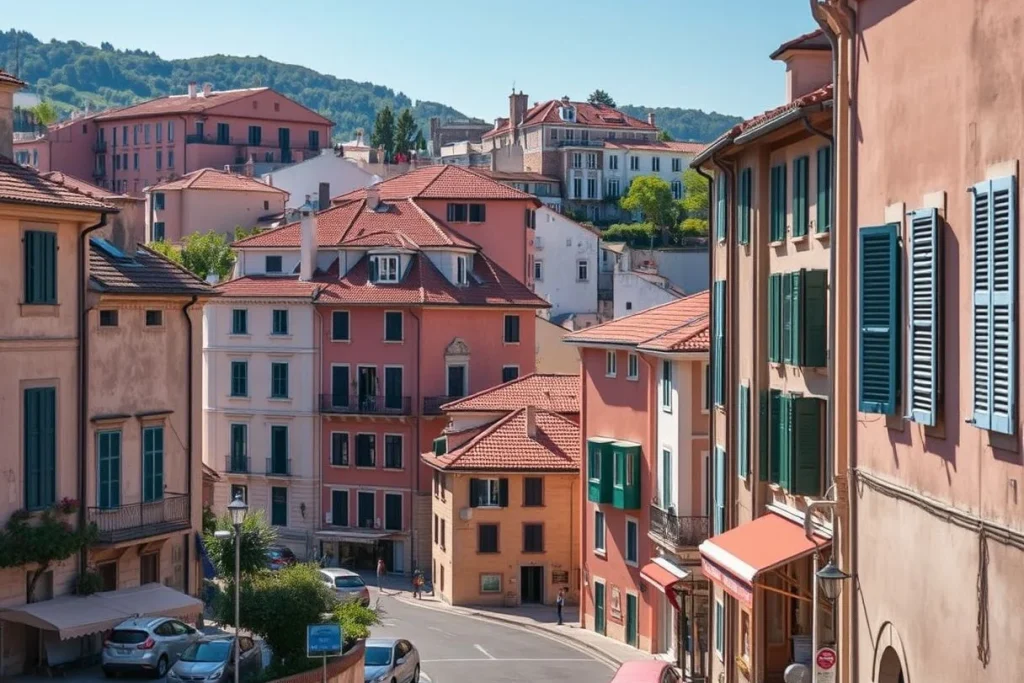
For a first trip to Europe, build around a few experiences rather than a long country checklist. A manageable pattern is one major cultural city, one high-speed rail connection and one regional day trip, using flexible neighbourhood time between fixed plans.
- Start with a historic-centre walk. Spend your first morning learning the city’s layout on foot: trace a route through the old centre, a riverside quarter or a central market. It suits first-time visitors because you can orient yourself without committing to a full day of tickets or transfers.
- Use museums as your weather-proof anchor. Reserve a substantial indoor block for a major collection, then leave the afternoon open for cafés and streets nearby. This works particularly well in cities such as Paris, Madrid, Rome and Amsterdam, and gives you a useful alternative when rain or heat changes your plans.
- Choose food as a way into local culture. A market visit or small-group food tour can introduce Spanish tapas and paella, regional pasta in Italy, French bistro dishes, Greek meze, or pierogi and sausages in Central Europe. Book one structured tasting, then eat independently for the rest of the trip.
- Add one regional day trip. A nearby historic town, countryside route or coastal destination adds variety without another hotel move. Keep the following evening flexible rather than scheduling a second major attraction.
- Save mountains for a deliberate trip. The Alps, Dolomites and Pyrenees suit active travellers, but conditions vary by season. Heat-sensitive visitors should consider shoulder-season dates; the World Meteorological Organization’s recent European climate reporting describes widespread 2025 heatwaves, including in Mediterranean areas.
A Mediterranean food-and-culture route through Spain, Italy, France or Greece is rewarding, but adding several countries solely to collect destinations usually produces more station time than discovery. High-speed networks including TGV, AVE, ICE and Eurostar make a carefully chosen city pair practical, according to the 2026 Eurail guide.
Top European attractions: what to book and when to go
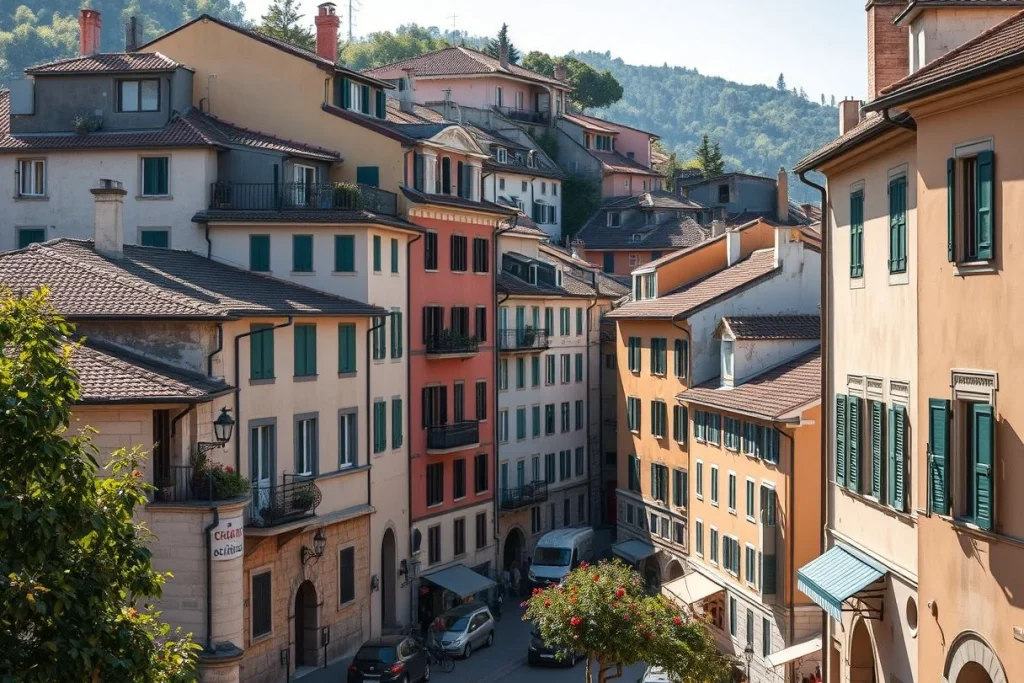
Give famous sights their own booking plan rather than trying to collect them between neighbourhood walks. The Louvre, Sagrada Família, Vatican Museums and Alhambra can require advance planning, and each attraction’s official website is the authority for current hours, closures, ticket rules and timed entry.
Louvre, Paris. Reserve through the museum’s official ticketing channel and choose the earliest practical timed entry. Allow a substantial half-day, then leave room to recover; rushing the collections after a long-haul arrival is a poor trade. If your chosen slot is unavailable, check other dates on the official site rather than buying from an unverified reseller.
Sagrada Família, Barcelona. Treat the basilica as a timed visit, ideally early in the day before a full city sightseeing schedule. Plan several hours including travel and a calm look around the surrounding area. If tickets have gone, check the official site for later dates or an authorised alternative, and make a different Gaudí stop your plan B.
Vatican Museums, Rome. Book via the official museum website and start early; the scale of the visit makes this a major half-day commitment, not a quick add-on. With no suitable ticket, move the visit to another day and avoid unofficial sellers.
Alhambra, Granada. Secure the official timed-entry option before fixing the rest of your day, allowing several hours for the palace complex and grounds. If availability has disappeared, check the official site for released dates and plan Granada’s historic centre instead. Confirm every detail immediately before travel.
Best neighbourhoods for a first European base
For a first European city, choose a base that shortens daily journeys. The comparison below weighs atmosphere, transport and the price of staying central.
| Area | Best for | Trade-offs and useful connection |
|---|---|---|
| Bloomsbury, London | Museum-focused trips and central connections | Practical rather than atmospheric. Choose accommodation near a London Underground station. |
| South Bank, London | Riverside walks and family sightseeing | It can feel busy and cost more; Waterloo and London Bridge are useful transport points. |
| Marais, Paris | Central character, cafés and dining | Popular streets may be noisy. Use the Métro for longer crossings. |
| Canal Belt, Amsterdam | Atmosphere and walkable canal scenery | It’s often expensive and lively; Amsterdam Centraal is the main arrival connection. |
| Museum Quarter, Amsterdam | Museums and a calmer base | It’s less central for late-night wandering; trams connect it with the historic centre. |
What to eat in Europe: start with regional specialties
Eat regionally rather than trying to sample an entire continent in one sitting. In Spain, order several tapas to share and seek paella in its regional context; in Italy, compare local pasta dishes such as cacio e pepe. France is a good place for bistro staples, Greece for meze, and Central Europe for pierogi or sausages.
Start at a local market, bakery or casual counter, then follow the neighbourhood rather than the landmark restaurant. Markets are useful for small portions and unfamiliar ingredients; bakeries make an easy breakfast or travel snack. A food market tour or cooking class can add context, but leave several meals unplanned for the restaurant, café or takeaway counter that catches your attention.
Meal times vary by country and city, so check local practice instead of assuming lunch or dinner will be served at your usual hour. Tipping also differs: ask whether service is included and follow the local norm. Some restaurants add bread or a cover charge; check the menu if that matters to your budget. For allergies, state the ingredient clearly and confirm how the dish is prepared rather than relying on a vague translation. Reserve for a small, highly sought-after restaurant; otherwise, eat slightly earlier or later and keep your plans flexible.
Getting around Europe: rail, flights and local transport
Use a hub-and-rail plan rather than changing hotels every night: stay several nights in one major city, add one high-speed rail connection, then make one regional day trip. TGV, AVE, ICE and Eurostar link many Western and Central European cities; the 2026 Eurail Pass Guide sets out current pass conditions.
For a city pair served by fast rail, compare the whole journey, not just the advertised flight time. A train usually arrives in the city centre, while flying adds the airport transfer, check-in, security, luggage handling and time spent reaching the terminal. Rail can therefore be more efficient door to door on many major Western European routes, according to Eurail’s 2026 guide. It also avoids an extra airport day and keeps the journey simpler for a first trip.
Do the maths before buying a pass. A point-to-point ticket may suit a short itinerary with only one or two long rail journeys; a Eurail pass becomes more relevant when you expect several train days across participating countries. Check whether each service needs a separate seat reservation, and confirm validity, supplements and booking rules before payment.
For local travel, walk central historic districts where practical, then use the metro, tram or bus for longer crossings. Read the ticket instructions: some systems require validation before boarding, while digital tickets may need activation. Keep luggage within sight on platforms and crowded vehicles, allow time for station transfers, and use licensed taxis or the city’s established rideshare service rather than accepting unsolicited rides.
Rail timetables, fares, reservations and engineering works change. Check the operating railway, airport or city transport authority shortly before departure, especially for early trains and cross-border connections.
Europe travel costs: dated budgets by trip style
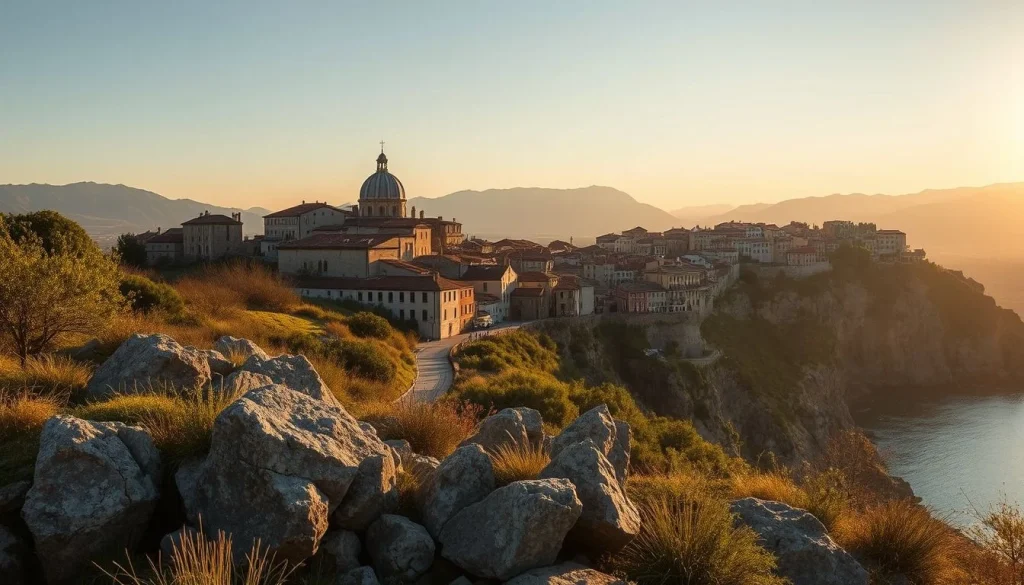
Europe does not have one reliable daily price. A first-time trip built around London, Paris or Amsterdam will usually cost more than a comparable route through Southern or Central Europe, and June to August and December bring stronger demand. Your total also depends on whether you share a room, how often you eat in restaurants, and how many paid sights and intercity journeys you add.
Budget travel means a shared room or simple private room, supermarkets or inexpensive local meals, public transport, and mostly free attractions. Mid-range travel usually adds a private central room, a mix of cafés and restaurants, regular paid sights and at least one rail journey. Luxury travel covers high-end accommodation, taxis or private transfers, flexible rail or air tickets, fine dining and premium experiences. These are spending patterns, not Europe-wide daily rates.
For a 10-day hub-and-rail trip, calculate accommodation for nine or 10 nights, meals for every day, local transport, one attraction on most sightseeing days, the planned rail connection and airport transfers. Keep international flights outside that calculation unless you are comparing complete trip totals. A one-base plan can reduce hotel changes and transfer costs, while a route with several countries adds reservations, luggage handling and more chances to pay for premium departure times.
Common omissions include tourist taxes, seat reservations on some high-speed trains, attraction booking fees, card or foreign-exchange charges, checked luggage and late-night airport transport. Prices also move with school holidays, major events and room availability. For live figures, compare the official accommodation, railway and attraction websites for your chosen cities and dates; the 2026 Eurail Pass Guide explains current pass conditions, but point-to-point fares may suit a simple two-city journey better.
A realistic 10-day Europe itinerary for first-time travellers
For a first trip to Europe, keep the route deliberately small: four nights in one major cultural city, one high-speed rail move, and a nearby day trip. Adding a third base usually trades sightseeing time for packing, station transfers and check-in delays.
Days 1–4: first city. Arrive through a major hub such as Paris Charles de Gaulle, Amsterdam Schiphol or London Heathrow, then allow the first afternoon for the airport-to-hotel transfer, a neighbourhood walk and an early night. Spend the next three days on one major museum or monument, a historic centre and unstructured time for cafés, markets and local transport practice.
Day 5: slower local or regional day. Stay in the same hotel and choose a nearby historic town, landscape or attraction. This pause protects the itinerary if your arrival is delayed and avoids turning every morning into a luggage move. Pack a small day bag; leave the main case at the hotel if its storage policy permits.
Days 6–8: second city by rail. Take a daytime connection such as Paris–London by Eurostar or Paris–Amsterdam by rail, checking the current operator timetable, reservations and any border requirements before booking. TGV, ICE, AVE and Eurostar form the practical backbone of many Western and Central European routes; compare point-to-point tickets with the 2026 Eurail Pass Guide before choosing a pass.
Days 9–10: finish gently. Reserve the final day for a neighbourhood, museum or weather-dependent plan, and keep departure day light. If mountains matter more than museums, replace the second city with an Alpine, Dolomite or Pyrenees base; for food and warm-weather travel, use a Spain–France or Italy pairing, while monitoring Mediterranean heat and current forecasts.
Europe entry requirements and safety: check official guidance
Check entry rules for your passport and route
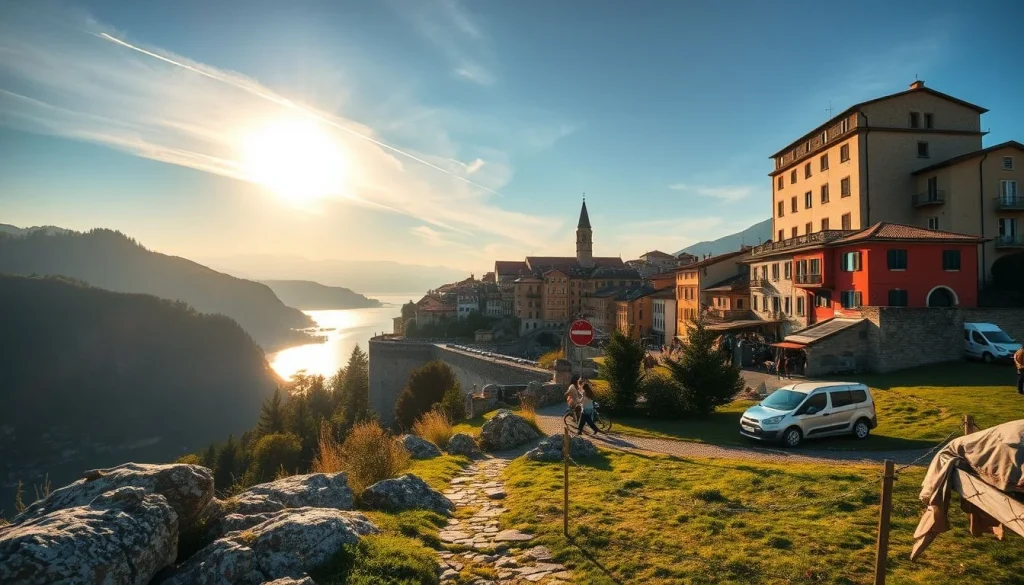
Europe doesn’t have one universal entry rule. For eligible non-EU visitors, a Schengen short stay is limited to 90 days in any 180-day period. Your nationality, passport, destination countries and purpose of travel determine what applies, so check the European Commission’s visa policy guidance and the website of the consulate responsible for your main destination before booking non-refundable travel.
If you need a Schengen visa, the European Commission says applications should be made no earlier than six months and at least 15 days before travel, through the consulate with territorial responsibility. Confirm the current document list and appointment process for your nationality. EU entry-system reforms were still developing in 2026, so don’t rely on old ETIAS dates; recheck the Commission and consulate guidance immediately before departure.
Prepare documents and practical safeguards

Check your passport’s remaining validity against every country on your route. Keep access to your bookings, return or onward plans and travel insurance details.
Prescription medicine may require extra paperwork. Ask the destination embassy or health authority whether you need a prescription, doctor’s letter or original packaging. Travel insurance should cover medical treatment, cancellation and the activities you’ve planned; requirements and exclusions vary.
Stay alert without overcomplicating the trip
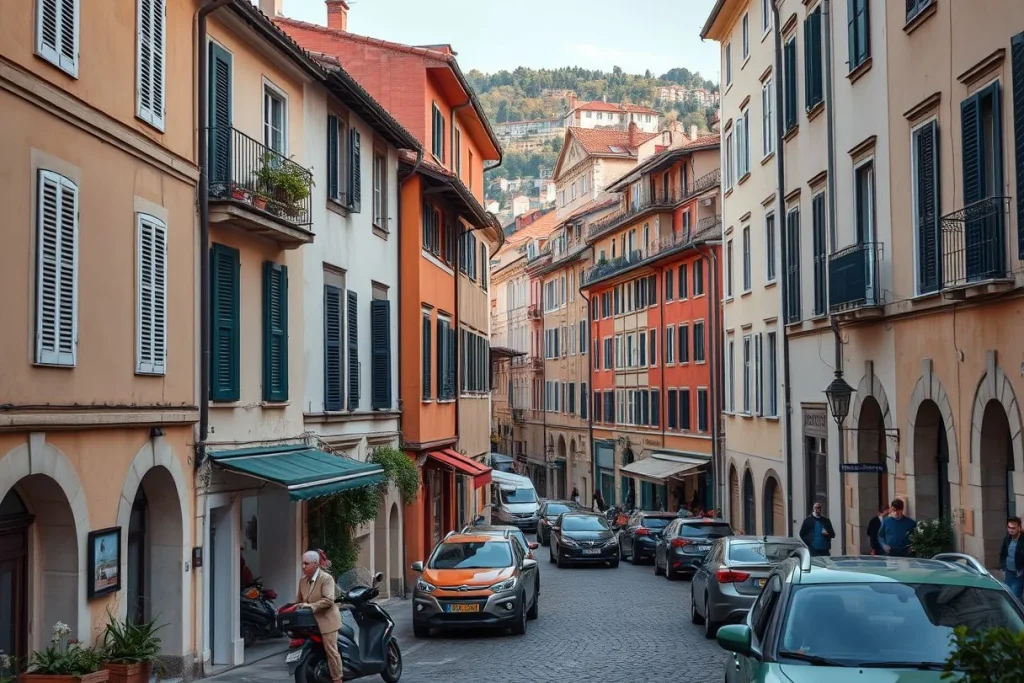
Petty theft can occur around crowded attractions, stations and public transport. Keep your phone and passport secure, use a zipped day bag and avoid displaying cash.
Demonstrations can affect streets and transport with little notice, so check country-level travel advisories and local authority updates close to departure. Save the emergency number and consular contact for each country, and check official health and weather guidance—particularly for Mediterranean heat, which the World Meteorological Organization linked to widespread European heatwaves in 2025.
Europe travel tips that prevent first-trip mistakes
- Keep a paper and digital backup. Store passport, insurance, bookings and prescriptions separately from the originals, and save offline copies in case your phone is lost or your connection fails.
- Carry two ways to pay. Notify your bank before departure, keep a backup card separately, and check every card terminal before accepting dynamic currency conversion; paying in the local currency is usually the clearer choice.
- Set up connectivity before landing. Check that your phone is unlocked and eSIM-compatible, then compare your provider’s roaming plan with an eSIM that covers every country on your route. Download offline maps, translation tools and the relevant rail apps.
- Build weather flexibility into your luggage. Pack layers, a light waterproof layer and sun protection rather than dressing for one forecast; Mediterranean heat can be severe, while northern and Alpine conditions can change quickly.
- Reserve the scarce parts first. Check official websites for timed entry at the Louvre, Sagrada Família, Vatican Museums and Alhambra, and verify reservations and conditions for popular trains. The 2026 Eurail Pass Guide is a useful starting point, not a substitute for the operating railway’s live information.
- Recognise distraction scams. Treat unsolicited petitions, staged arguments, unofficial taxis and sudden “help” at crowded stations as reasons to step away; keep zips closed, phones out of sight and bags in front of you.
- Follow local etiquette. Queue patiently, keep public-transport conversations quiet, cover shoulders or knees where religious sites request it, greet staff simply and check whether service is included before adding a tip.
- Have a disruption plan. If luggage disappears, report it to the airline before leaving the airport; after theft, contact local police and your insurer; after a missed connection, use the railway or airline’s official desk and ask for the next valid option before buying another ticket.
Conclusion: start with one European base
Make your first trip to Europe smaller on the map and richer in time. Choose one city that matches your interests—museums and history, food and neighbourhood life, or access to mountains—then book several nights there so you can settle in rather than repack every other day.
Add one well-connected rail city and one day trip. This hub-and-rail plan gives you variety without turning the journey into a sequence of airports, transfers and uncertain connections. Start by choosing dates, then check the official entry guidance for your nationality and price the complete route, including accommodation, rail reservations and local transport, before booking.
Frequently asked questions
How many days do I need for a first trip to Europe?
There is no single ideal length for Europe, but a first trip is easier to manage when you choose one major city as your base, add one high-speed rail city and plan one regional day trip. A 10-day structure suits that approach better than trying to cross the continent. Concentrated demand across Spain, Italy, France and Germany means changing cities and seasons will also affect cost and crowding, according to Eurostat.
Which European countries are easiest to combine by train?
Start with countries linked by high-speed networks rather than choosing a route by map alone. France, Spain, Germany and the United Kingdom are useful starting points for researching TGV, AVE, ICE and Eurostar connections; Eurail identifies these networks as part of Europe’s major high-speed rail system. Check the current operator timetable, border arrangements, reservations and pass conditions before booking, using the 2026 Eurail guide.
Should I book trains and attractions before I leave home?
Book the journeys and sights that determine your itinerary before departure, particularly in the busiest travel periods. The Louvre, Sagrada Família, Vatican Museums and Alhambra may require advance planning, timed entry or attraction-specific tickets; confirm the current rules and opening hours on each official website. For trains, check live fares, timetables and whether a reservation is required with the relevant rail operator or pass provider. See the seasonal planning guidance.
Do I need an eSIM or a local SIM card in Europe?
The material available for this guide does not establish one Europe-wide eSIM or local-SIM rule. Requirements, roaming arrangements and network coverage can vary by your home provider, nationality and the countries on your route, so check your mobile operator before departure and confirm any destination-specific rules through official sources. Download essential booking and transport information before travelling, rather than relying on a connection at every stage of the journey.
What money and payment habits make travel easier?
No Europe-wide payment rule or current cost dataset is provided here, and prices vary materially between cities and seasons. Before departure, check your bank’s fees and notify it of your route, then confirm accepted payment methods with your accommodation and transport providers. Keep a second payment method separate from your main wallet and check live local prices as you plan: Eurostat reports that tourism demand is concentrated in major destinations, where costs can differ significantly.
How can I handle demonstrations or transport disruption during my trip?
Check official country-level travel advice close to departure and again during the trip: demonstrations or disruption can affect journeys, and guidance may vary by destination. Leave flexibility around important rail connections, then confirm live information with the rail operator, airline or airport before setting out. The European Commission’s Schengen information is useful for entry-policy updates, but it is not a substitute for the relevant national authority’s current safety and transport notices. Consult European Commission guidance and destination authorities.