Above 3,000 metres, a trekking plan should limit sleeping-altitude gain to no more than 500 metres a day and include time to acclimatise. That single detail shows why how to plan an adventure trip is less about choosing the most dramatic route than matching elevation, distance, terrain and remoteness to your experience.
This guide is for first-time adventure travellers drawn to day hiking, multiday trekking, hut-to-hut routes, bikepacking or paddling, but unsure how much effort and preparation each demands. It will help you choose a route that fits your fitness, decide between a guide and independent travel, check permits and insurance, assemble the right gear, and set a season and budget without treating every active holiday as interchangeable.
The Tour du Mont Blanc offers a useful moderate, hut-to-hut case study across France, Italy and Switzerland. Everest Base Camp is a different proposition: high-altitude trekking in the Khumbu, with acclimatisation, route-specific permits, changing conditions and a substantially larger budget to consider.
Quick answer: Choose the activity and route first, then match its duration, elevation, technical demands, remoteness and season to your fitness and experience. For a first trip, begin with a day hike, easy overnight route or established hut-to-hut trek; treat the Tour du Mont Blanc as a moderate multiday option and Everest Base Camp as a high-altitude journey requiring careful preparation, permits and acclimatisation.
Why take an adventure trip?
Adventure travel is not defined by how extreme a trip looks in photographs. It is active, experience-led travel that places you in nature while connecting the journey with local culture, according to the Adventure Travel Trade Association. The reward may be a viewpoint reached under your own power, a quiet trail through changing landscapes, or the practical pleasure of arriving at a mountain village on foot rather than simply passing through it.
That makes an adventure trip broad enough to suit different bodies, interests and comfort levels. A day hike tests route planning and pacing without the extra logistics of carrying overnight equipment. An easy overnight route introduces campcraft or simple accommodation planning. Multiday trekking and hut-to-hut hiking add sustained walking, changing weather and decisions about food, water and recovery; bikepacking shifts the focus to luggage weight, resupply and mechanical preparation.
Paddling trips require activity-specific skills and close attention to water conditions. Alpine mountaineering brings greater exposure, equipment and acclimatisation demands, while technical climbing should sit beyond a typical first adventure unless the traveller already has relevant training and supervision. These are not interchangeable versions of the same holiday: a fit road runner may still lack the navigation or rope skills needed for a remote mountain route.
Choose the kind of challenge, not the most dramatic name
For a first adventure trip, judge the plan on six practical measures: activity, duration, elevation, technical skill, remoteness and comfort level. A short, established trail can be a better introduction than a famous high-altitude trek because it lets you learn how your body responds to walking, weather and a loaded pack before adding altitude or isolation.
The Tour du Mont Blanc illustrates a structured, moderate hut-to-hut experience through the Mont Blanc massif, while Everest Base Camp illustrates a very different proposition: high-altitude trekking in the Khumbu, with acclimatisation, permits, logistics and a larger budget to manage. Neither name should decide the trip for you. Select the route whose daily effort and consequences of a wrong turn match your current experience, then build preparation around that choice.
A beginner route is not a lesser adventure. It can still involve unfamiliar terrain, local food, weather changes and the steady satisfaction of moving through a landscape on foot, by bicycle or on the water. The strongest adventure travel planning starts with that honest fit, leaving room to progress rather than turning the first trip into an avoidable test of endurance.
Best routes and spots for every difficulty level
Start with the route format, not the destination
Adventure travel can mean a day hike, a hut-to-hut trek, a bikepacking route, a paddling trip or a technical climbing expedition. These are not interchangeable: a well-marked trail may simplify navigation but still involve long days, while an easier-looking bike route can demand mechanical skills and careful resupply planning. Choose the activity that interests you, then compare its elevation, technical demands, remoteness, duration and season.
| Format and example | Typical demands | Best first-timer profile | Season | Main risk to plan for |
|---|---|---|---|---|
| Beginner day hike | A single route with navigation, pacing, water and weather decisions | Someone testing footwear, route planning and comfort outdoors | Often flexible; choose cooler shoulder periods for lower routes | Underestimating time, weather or the return journey |
| Easy established overnight trail | One night of camping or simple accommodation, with a light logistical load | A first-timer ready to learn campcraft without committing to a long expedition | Usually the local dry or settled season | Carrying too much, poor sleep systems or limited water options |
| Tour du Mont Blanc | Moderate hut-to-hut walking across France, Italy and Switzerland, with changing mountain weather | A prepared walker who wants structure, scenery and village-based logistics | Usually late June to early October, subject to local conditions | Snow, closures, crowded accommodation and exposed weather changes |
| Intermediate multiday trek | Several hours of walking on successive days, sustained climbing and self-management | Someone with recent loaded walks and experience managing a full day outdoors | Destination-specific; avoid known wet, hot or unstable periods | Accumulated fatigue, changing conditions and slow progress |
| Everest Base Camp in the Khumbu | A high-altitude trek with acclimatization, permits, logistics and a typical guided programme of 12–14 days | A traveller prepared for altitude rather than simply a fit walker | Check current seasonal conditions and access with Nepal authorities | Altitude illness, changing mountain weather and route-specific permit rules |
| Advanced glacier or mountaineering route | Technical movement, specialist equipment, route judgement and expedition planning | Experienced travellers with relevant training and professional supervision | Short, route-specific climbing windows | Glacier conditions, rockfall, navigation errors and delayed rescue |
| Bikepacking trip | Navigation, luggage weight, bike handling, repairs and regular resupply | A cyclist comfortable fixing basic mechanical problems away from services | Based on road, trail, heat and rainfall conditions | Mechanical failure, unsuitable surfaces and running short of food or water |
| Paddling adventure | Watercraft handling, weather and water-condition checks, plus equipment care | A beginner who starts with instruction or a supported, sheltered route | Set by water temperature, wind, rainfall and local conditions | Capsize, cold water and conditions changing faster than expected |
Basis: route formats and planning guidance are comparative rather than universal ratings. The Tour du Mont Blanc season reflects the commonly used late-June-to-early-October Alpine window described in the Mont Blanc massif reference; access, snow and closures can vary by year and by valley.
Two useful contrasts for a first adventure
The Tour du Mont Blanc is a useful moderate-route case study because it links established mountain paths and hut-to-hut travel across three countries. That structure can make an active holiday easier to organise than a remote expedition, but “established” does not mean risk-free: accommodation, weather, trail conditions and the day’s elevation changes still need checking. It suits a first multiday trek more readily than a technical climbing route, provided the traveller has prepared for repeated walking days.
Everest Base Camp is a different proposition. The challenge is not only walking: the route reaches high altitude, and the trip depends on acclimatization days, transport and accommodation logistics, current registration and permit requirements, and a sensible response to changing conditions. The Nepal Tourism Board’s TIMS guidance is a starting point for checking the current rules; Nepal’s provisions have changed before, including revised TIMS arrangements that took effect on 31 March 2023.
Altitude and technical difficulty are separate questions. A non-technical trail can still become medically serious at elevation, while a lower route may demand advanced rope, climbing or paddling skills. The Wilderness Medical Society’s updated guidance identifies altitude illness as a significant concern from roughly 2,500–3,000 metres; above 3,000 metres, it recommends limiting sleeping-altitude gain to no more than 500 metres per day and adding acclimatization. That makes Everest Base Camp unsuitable as a casual first walking holiday, even for someone who is strong at sea level.
Match the season to the landscape
For Alpine high routes such as the Tour du Mont Blanc, late June to early October is the usual planning window, but early-season snow and local microclimates can alter access. Check the relevant trail authorities, hut operators and tourism offices before booking non-refundable travel. Lower-elevation trails may work better in shoulder seasons, when heat or heavy rain is less disruptive, but the correct dates remain route-specific.
Technical climbing, glacier travel and exposed mountaineering should normally sit beyond a first adventure trip unless you already have the required instruction and supervised experience. Bikepacking and paddling deserve the same discipline: use a route designed for your current handling and repair skills, confirm resupply or landing points, and check road, river or coastal conditions shortly before departure. For any Nepal trek, consult the Nepal Tourism Board’s trekking-permit information and the precise protected-area authority, since requirements can differ by route.
The strongest choice is usually one step beyond familiar, not five steps beyond it. A day hike tests the system; an easy overnight adds logistics; a moderate hut-to-hut route builds independence. High-altitude, technical and remote trips can follow once the route’s specific demands—not just its reputation—fit your preparation.
Difficulty, fitness and safety: match effort to experience
Difficulty is more than distance
Ignore labels such as “easy” or “challenging” until you have checked what they describe. A realistic assessment combines daily walking time, distance, ascent and descent, pack weight, terrain, exposure, remoteness, altitude and the likelihood of rapid weather change. A short route on loose ground or a narrow ridge can demand more judgement than a longer, well-graded trail.
For a first adventure trip, a day hike is a useful test of pacing, navigation and decision-making without the added demands of accommodation or resupply. An easy overnight route adds campcraft and a loaded pack. A moderate hut-to-hut trek, such as the Tour du Mont Blanc, brings sustained climbing, repeated days on foot and changing conditions. High-altitude trekking, glacier travel and technical climbing belong to a different category: general fitness alone does not prepare you for exposure, rope systems, route-finding or altitude.
Build fitness for the route you chose
The American College of Sports Medicine’s baseline guidance for apparently healthy adults includes at least 150 minutes of moderate aerobic exercise each week, alongside two to three resistance-training sessions. Treat that as a starting point, not a qualification for a multiday trek. A suitable progression adds hill walking, stairs and loaded walks, increasing duration and pack weight gradually rather than testing everything in the final week.
For a multiday route, practise on consecutive days. Your training should include the type of effort the itinerary demands: sustained uphill walking for an Alpine route, controlled descents for knee and foot resilience, or long periods in the saddle for bikepacking. Test footwear, food and water-carrying arrangements during training, and leave enough recovery time to notice persistent pain before departure. Anyone with a medical condition, limited exercise history or concerns about altitude should ask a qualified clinician for individual advice.
Use simple safety decisions on every route
- Set a turn-around time. Decide in advance when you will stop or reverse if progress is slow, weather deteriorates or daylight is running short. Reaching a viewpoint is never more important than returning safely.
- Share a route plan. Give a trusted contact your itinerary, expected check-ins, accommodation details and the local emergency number. Update them when the plan changes.
- Carry offline navigation. Download the route before leaving reception, keep a paper map or written route notes, and know where the trail joins roads, refuges or other escape points.
- Check conditions locally. Review the forecast, trail notices and transport or park updates immediately before setting out. If a route authority reports closures, flooding, wildfire, avalanche danger or unsafe crossings, change the plan rather than relying on yesterday’s information.
- Plan water before you need it. Identify reliable refill points and use suitable treatment where the source is not confirmed safe. Carry enough for delays, while recognising that hot weather and exposed terrain can change requirements.
- Travel with a partner when appropriate. A buddy can raise the alarm, share navigation and help with a minor injury. On remote or technical routes, confirm how rescue is requested and what assistance is realistically available; evacuation may be slow, limited or expensive.
- Leave no trace. Keep to durable surfaces where possible, take waste out, respect local communities and wildlife, and follow restrictions on fires, camping and sanitation.
Altitude needs a separate plan
Altitude illness becomes a significant concern at roughly 2,500–3,000 metres. Above 3,000 metres, the Wilderness Medical Society’s 2024 clinical guidance recommends limiting sleeping-altitude gain to no more than 500 metres per day and building in acclimatisation where the itinerary allows. A high-altitude route therefore needs more than strong legs: it needs a conservative schedule, flexibility and permission to stop ascending.
Headache, nausea, unusual tiredness, dizziness or poor coordination after gaining altitude should not be dismissed as an ordinary hard day. Stop ascending if symptoms develop and seek advice from a guide, clinician or local medical service; worsening symptoms, confusion, difficulty walking or breathlessness at rest require urgent descent and emergency help. The Wilderness Medical Society’s 2024 update discusses prevention and treatment. Acetazolamide and dexamethasone may be appropriate in selected situations, but medication decisions belong with a qualified clinician before travel, not improvised on the trail.
Make this assessment before booking: if the route’s altitude, remoteness or technical demands are unfamiliar, choose a guide or a less committing itinerary. The right first trip should leave room to learn, turn back and enjoy the landscape—not force a rescue decision on the hardest day.
Adventure travel gear and preparation checklist
Build the kit around the route
Start with the conditions you will actually face, not a generic shopping list. The REI Expert Advice checklist usefully groups adventure travel gear by clothing, navigation, shelter, sleep, water and first aid; adapt each category to the climate, accommodation and logistics of your route.
- Clothing and footwear: use a layered system, with a moisture-managing base layer, insulating mid-layer and waterproof rain shell. Add sun protection and warm accessories for exposed or cold terrain. Wear properly fitted footwear that has already been tested on long walks; blisters are a poor discovery to make on day two.
- Carrying and movement: choose a comfortable pack and, where the terrain suits them, trekking poles. Pack a critical warm layer and other vulnerable essentials inside dry bags. If camping, add the shelter and sleep system required by the route; a hut-to-hut trek may not require the same equipment.
- Navigation and power: download route maps before leaving coverage, carry a reliable navigation backup, and protect your phone or GPS from rain. Check batteries and charging cables before departure, then carry a headlamp even if each day is planned in daylight.
- Water, food and first aid: bring bottles or a reservoir, plus the treatment method specified for the route. Carry food appropriate to the itinerary and a compact first-aid kit with blister care. Include sun protection, personal medication and any cold-weather protection the forecast and elevation demand.
- Repair and documents: a small repair kit can address damaged straps or clothing. Keep identification, permits, insurance details, emergency contacts and route information protected from water, with offline copies where possible.
Rent selectively, test everything
On organised treks, sleeping bags, duffel bags, trekking poles and some technical equipment may be available to rent, depending on the route and operator. Renting can reduce luggage for a one-off trip, but footwear, personal clothing and a pack should fit you well and be tested before departure. Rented climbing or other technical equipment requires competent instruction and careful fitting; familiarity with a similar-looking item is not the same as knowing how to use it safely.
Prepare the system, not just the bag
Walk with the pack loaded to its intended weight, practise changing layers in wind or rain, and check that every item can be reached without unpacking everything. Progressively longer loaded walks are more useful preparation for a multiday trek than a single ambitious workout. For apparently healthy adults, the American College of Sports Medicine guidance includes at least 150 minutes of moderate aerobic exercise and two to three resistance sessions weekly; adapt that baseline gradually to your route rather than treating it as proof of readiness.
Finally, read the insurance wording before departure. Your policy should name the activity, and you should check exclusions, altitude limits and emergency-evacuation cover; World Nomads’ activity guidance illustrates why marketing summaries are not a substitute for the current policy documents. Save the insurer’s assistance number and confirm what evidence is required if weather, injury or route conditions force a change.
Guided or independent: which planning style is safer?
The choice between a guide and an independent itinerary is less about confidence than about the route’s consequences when something goes wrong. An established, low-risk trail with clear navigation and straightforward accommodation can suit an experienced independent traveller; high altitude, remote terrain, technical skills, complex permits or a first solo trip justify professional support.
| Consideration | Guided trip | Independent trip |
|---|---|---|
| Navigation | A guide handles route-finding and adapts to conditions. | You carry the map, navigation tools and responsibility for decisions. |
| Logistics | Accommodation, transfers and, sometimes, meals are arranged. | You coordinate bookings, transport, resupply and contingency plans. |
| Flexibility | The group follows a planned pace and itinerary. | You can change distance, rest days and route when options are available. |
| Cost | You pay for leadership, planning and support as well as the trip itself. | You may reduce service costs, but must budget your own equipment and changes. |
| Language and local knowledge | A local guide can help with communication, customs and route context. | You manage conversations and local information yourself. |
| Emergency response | The operator should have an escalation and evacuation procedure. | You make the call, contact assistance and organise the response. |
| Group dynamics | You share decisions and pace with other travellers. | You control the experience, but have less built-in companionship. |
| Responsibility | You still need suitable fitness, insurance and honest disclosure of limitations. | You carry responsibility for route, weather, equipment and turnaround decisions. |
For Everest Base Camp and other high-altitude routes, guided support is particularly valuable because altitude illness becomes a significant concern at roughly 2,500–3,000 metres. The Wilderness Medical Society’s 2024 guidance recommends limiting sleeping-altitude gain to no more than 500 metres per day above 3,000 metres and building in acclimatization. A guide cannot remove the risk, but a reputable operator should build realistic acclimatization days into the schedule and know when a descent or evacuation is necessary.
Nepal example: treat permits, park fees, guide requirements and visas as separate checks. The Nepal Tourism Board’s TIMS information says trekker registration and applicable permits are part of the system, while licensed-guide requirements can apply under current provisions. The revised TIMS provisions took effect on 31 March 2023; that is a dated example, not a permanent rule. Before booking, check the Nepal Tourism Board and the relevant protected-area authority for the exact route, and confirm whether requirements have changed.
For a guided booking, ask for the guide’s licensing and mountain experience, maximum group size, acclimatization schedule, emergency contacts, evacuation procedure and insurance requirements. Request a written list of inclusions: permits, park fees, accommodation, meals, transfers, equipment, porter support and gratuities should not be left ambiguous. Check what happens if weather or route conditions force a change, and verify the operator’s policy rather than accepting a generic promise of “full support”.
Independent travel is most defensible when the route is well established, conditions are predictable, navigation is within your ability and you have a credible backup plan. Start with a marked day hike or straightforward hut-to-hut route before attempting a remote trek alone. If you cannot yet assess changing weather, route exposure, fatigue or an injury’s seriousness, book a qualified guide or a small group instead.
Best time for an adventure trip: choose dates by route
There is no universal best time for an adventure trip. Choose dates after checking the activity, elevation, latitude, daylight, route access and likely weather at your destination. June, July, August and December can all be peak months somewhere, but a busy Alpine summer, a dry-season trek in Nepal and a winter paddling trip are very different propositions.
Match the season to the route
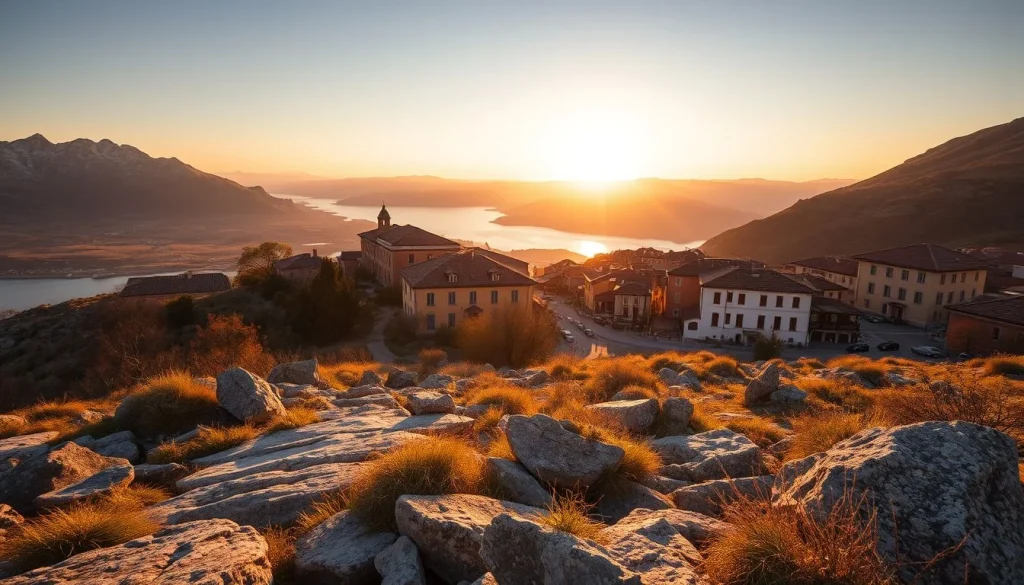
For high Alpine routes such as the Tour du Mont Blanc, the commonly used window is late June to early October. Snow can linger on high passes at the beginning of that period, while early autumn may bring shorter days and fresh weather systems. Hut opening dates, pass conditions and local microclimates can change access, so confirm the current position with the relevant tourism offices, hut operators and route authorities before committing to an itinerary.
Lower-elevation trails often reward shoulder-season travel. Spring and autumn can reduce heat and crowding, but may bring muddy paths, storms, shorter daylight or closures after flooding and wildfire. In exposed landscapes, the quietest month is not automatically the safest: check water availability, fire restrictions and emergency access as well as the forecast.
| Planning priority | When it can work | Best suited to | Trade-off to expect |
|---|---|---|---|
| Dry-season reliability | The destination’s established dry or stable-weather window | First multiday treks, paddling and routes with limited escape options | Higher demand, more expensive accommodation and earlier reservations |
| Lower crowds | Shoulder season, after checking access and local forecasts | Experienced hikers who can manage variable weather | Muddy ground, snow, reduced daylight or incomplete services |
| Shoulder-season value | Lower-elevation routes outside the hottest or wettest weeks | Flexible travellers and shorter active breaks | Conditions may change quickly; some transport or accommodation may be seasonal |
| Event-led travel | Dates built around a confirmed local event | Travellers who want cultural programming alongside the route | Transport and beds can be under pressure; verify the event with the official organiser |
For an Everest Base Camp itinerary, season is inseparable from altitude. Visibility, cold, snow and trail conditions can alter the experience, while monsoon weather can affect approaches and lower sections of a Nepal trek. Build in flexibility rather than arranging a tight sequence of flights and walking days. At sleeping elevations above 3,000 metres, the Wilderness Medical Society’s 2024 guidance recommends limiting sleeping-altitude gain to no more than 500 metres per day and adding acclimatization; altitude illness becomes a significant concern from roughly 2,500–3,000 metres. Read the current Wilderness Medical Society guidance and seek medical advice before travel if you have a health condition or previous altitude problems.
Heat, smoke, storms and early snow can turn a suitable route into a poor choice at short notice. Recheck the destination tourism board, park or conservation authority, official weather service and your operator shortly before departure for closures, wildfire notices, snow, monsoon disruption and any event-related restrictions. Treat a route change as sound planning, not a failed trip: a lower trail or extra rest day is preferable to forcing the original itinerary.
Publication-date note: seasonal access, reservations and local events change. For a trip planned after 21 September 2026, confirm current conditions and booking dates with the official route authority, tourism board and accommodation providers before paying deposits.
Travel costs: build a realistic adventure budget
There is no universal price for an adventure trip. Start with the route, then add international transport, local transfers, accommodation, food, permits, guide or operator fees, equipment purchase or rental, insurance, communications, tips, contingency and possible evacuation. A self-supported day hike may mainly require transport and equipment; a remote, high-altitude trek can add acclimatization days, porter support and specialist logistics.
Estimated costs: Everest Base Camp
| Trip style | Estimated cost per person | What the estimate represents |
|---|---|---|
| Budget | Not specified by the cited source | No reliable budget-tier figure supplied |
| Mid-range | Approximately USD 1,200–3,000 | Typical guided 12–14-day programme |
| Luxury | Approximately USD 4,000–5,000 | Luxury or helicopter-return options |
Basis and date: per person, for 2024–2026 operator examples; inclusions, season and operator vary. The ranges are drawn from Ammonite Adventure’s Everest Base Camp cost examples, not a fixed tariff. International flights, personal gear and every possible evacuation cost should be treated separately unless the quotation explicitly includes them.
The largest price differences usually come from what the package includes. Check for domestic or regional flights, hotel nights before and after the trek, meals, permits, acclimatization days, porter support, group size, guide ratio and the standard of accommodation. A helicopter return can change the total sharply, while extra rest days may raise the cost but give the itinerary more resilience.
For the Tour du Mont Blanc, a general figure would be misleading: hut availability, route direction, accommodation standard, transport between trailheads and whether the trip is guided all alter the budget. Request a current itemised quotation from the operator or accommodation providers, and confirm permit or reservation requirements with the relevant route authority. Before paying a deposit, read the insurance wording for the named activity, altitude limits, exclusions and emergency-evacuation cover; policy terms can change, so check the current documents rather than relying on a headline price.
| Item | Budget | Mid-range | Luxury |
|---|---|---|---|
| Everest Base Camp trek | Not specified by the cited source | USD 1,200–3,000 per person for a typical guided 12–14-day program | USD 4,000–5,000 for luxury or helicopter-return options |
Estimated ranges based on the sources listed below. Prices change; check with providers before booking.
Conclusion: choose the route you can enjoy safely
Use route fit, not prestige, as your decision rule. Choose the least technical route that delivers the landscape and cultural experience you want, then confirm its effort, altitude, season, permits, insurance and gear before paying a deposit.
With no comparable experience, start with a day hike or an established overnight trail. Fit travellers seeking a multiday goal can progress to a prepared Tour du Mont Blanc-style hut-to-hut trek; reserve Everest Base Camp for a later step if you are ready to train for altitude and follow an acclimatization-focused plan.
Your next move is practical: choose one route, check its official conditions, schedule progressive loaded-walk training, and decide whether a reputable guide adds worthwhile support. If weather, fitness or logistics no longer match the plan, changing the route is sound adventure travel planning—not failure.
Frequently asked questions
What counts as adventure travel?
Adventure travel is active, experience-led travel that combines meaningful immersion in nature and local culture. It can include a day hike, multiday trekking, hut-to-hut hiking, alpine mountaineering, bikepacking, paddling or technical climbing. The Adventure Travel Trade Association’s definition is useful because it focuses on the nature of the experience rather than a fixed level of risk or difficulty: Adventure Travel Trade Association.
What is the best adventure trip for a complete beginner?
Start with a day hike on a clearly established route, where you can practise pacing, navigation, weather awareness and basic outdoor safety without managing several days of logistics. An easy overnight trail is a sensible next step if you want to learn campcraft or accommodation planning while keeping route-finding and exposure relatively limited. Technical climbing, remote mountaineering and high-altitude trekking are poor first choices without relevant training and supervision.
How do I know whether a route matches my fitness level?
Compare the route’s walking hours, elevation gain, loaded pack, terrain, remoteness and consecutive days—not just its total distance—with what you have already trained for. For apparently healthy adults, American College of Sports Medicine guidance includes at least 150 minutes of moderate aerobic exercise weekly and two to three resistance sessions; build from that baseline towards progressively longer loaded walks before a multiday trek: ACSM guidance. A general fitness baseline does not prepare you for technical, remote or high-altitude routes.
What travel insurance should I look for on an active trip?
Choose a policy that explicitly names the activity you will undertake, then check its exclusions, altitude limits and emergency-evacuation and travel-medical cover. A policy advertised for adventure sports may still treat trekking, climbing or high-altitude travel differently, so read the current wording rather than relying on a summary. World Nomads’ activity guidance illustrates the details to compare, but confirm the policy documents for your nationality and trip: World Nomads activity cover.
What should I do if bad weather or changing conditions affect my route?
Stop treating the original itinerary as fixed: check the current advice from the route authority, park, tourism board, accommodation provider or guide, and be prepared to shorten, delay or turn back. Alpine access and conditions can change locally even within the usual late-June-to-early-October season. Carry the navigation, clothing, water treatment and first-aid equipment appropriate to the route, and do not continue into conditions beyond your skills or equipment; REI’s checklist provides a practical kit framework: REI Expert Advice.
Is the Tour du Mont Blanc suitable for a first adventure trip?
It can suit a first-time adventure traveller who is already comfortable with sustained walking, elevation gain and several consecutive days, particularly because it is an established hut-to-hut route. It is not an effortless introduction: weather, local conditions and microclimates can affect access, and the commonly used Alpine season is roughly late June to early October. Treat it as a moderate multiday trek, train with loaded walks, and verify current route and hut information before booking: Mont Blanc massif reference.