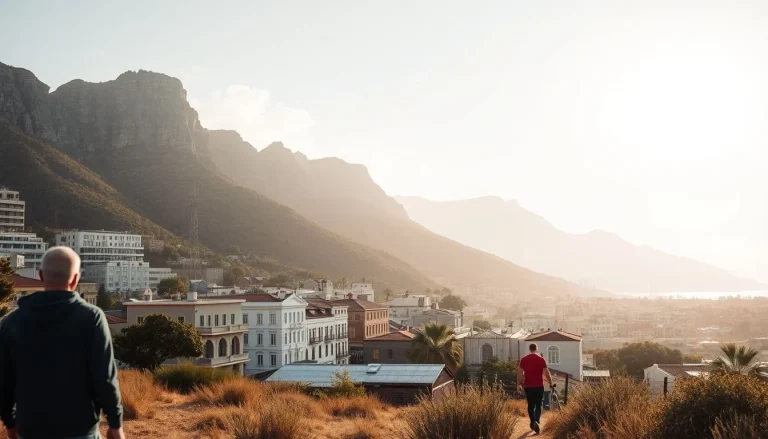
In Kruger National Park, the dry May-to-September winter concentrates animals around water, while Cape Town is receiving its heaviest rain from June to August. That contrast is the key to finding the best time to visit South Africa: the country’s ideal travel window depends on whether safari, beaches, whales or wildflowers leads your plans.
This guide is for first-time international travellers building a trip around Cape Town and a safari. It compares weather, wildlife, seasonal highlights, crowds and typical price differences, then helps you choose between the practical shoulder seasons of March–April and September–October, the dry safari months, and Cape Town’s warmer summer. It also covers the essentials that make a first itinerary easier to book: airports, transport, SIM cards, malaria advice and how far ahead to plan.
Quick answer: For most first-time travellers combining Cape Town with a safari, March–April or September–October offers the most practical balance of weather, value and manageable demand. Choose May–September for the strongest classic wildlife viewing in Kruger and the Lowveld, November–March for Cape Town’s drier summer, June–November for Southern Right whales, or August–September for Namaqualand’s rainfall-dependent flower peak.
Why there is no single best season for South Africa
The best time to visit South Africa depends on which side of the country matters most. For a first trip combining Cape Town with a safari, March–April and September–October are the most practical starting points: they sit outside the main demand peaks and can balance outdoor time, safari conditions and accommodation costs. The trade-off is that neither period guarantees the single best conditions for every region.
South Africa’s seasonal pattern is regional rather than uniform. Most of the country, including Kruger National Park and the Lowveld, has summer rainfall from roughly October to March, followed by cooler, drier weather from May to September. The Western Cape runs on the opposite rhythm: Cape Town, Stellenbosch and Franschhoek are generally wetter from June to August and drier from November to March, according to WeatherSA.
For classic safari viewing, May–September is the clearest choice. In the dry season, vegetation is less dense and animals tend to gather around remaining water sources, making wildlife easier to locate in Kruger and the Lowveld. September and October can be a useful compromise for travellers who want improving safari visibility without committing to the busiest winter dates.
Cape Town has its strongest beach, outdoor-dining and long-daylight appeal from November to March. December to February is also a major demand period, particularly around Christmas and the local summer holidays. July school-holiday travel creates another peak; market guidance from RouteForLess indicates that flights and accommodation in periods such as December–February and July commonly cost around 25–40% more than in shoulder months, with the exact difference depending on route and property.
| Priority | Most useful months | What to expect |
|---|---|---|
| Kruger safari | May–September | Dryer conditions and wildlife concentrated near water; September–October is a practical compromise. |
| Cape Town and Winelands | November–March | Drier Cape weather suited to beaches, Table Mountain and outdoor meals; higher demand in peak summer. |
| Southern Right whales | June–November | Whales are concentrated in Hermanus and Walker Bay during this period, with viewing conditions varying by day. |
| Namaqualand flowers | August–September | The usual flowering peak follows winter rain; the timing and intensity remain rainfall-dependent. |
| Value and manageable demand | March–April or September–October | Shoulder-season planning can reduce pressure on availability and costs compared with peak periods. |
The shoulder seasons are not simply cheaper versions of peak season: March–April can bring more variable safari conditions after summer rain, while September–October may be warmer and wetter in the northeast. The Kruger and Lowveld also sit within South Africa’s malaria belt; transmission is higher during the wetter period, approximately October–March, so ask a travel-health professional for advice based on your itinerary rather than treating the calendar as a guarantee.
Where to go: South Africa’s destinations at their seasonal best
For a first trip, match the route to one main seasonal priority rather than trying to cover every highlight. September–October is a practical choice for combining Cape Town with Kruger, while March–April suits travellers who prefer a quieter Cape Town and a shoulder-season itinerary. The trade-off is that neither window gives the Cape its most reliable summer beach weather or Kruger its driest wildlife-viewing conditions.
Kruger National Park and the Lowveld
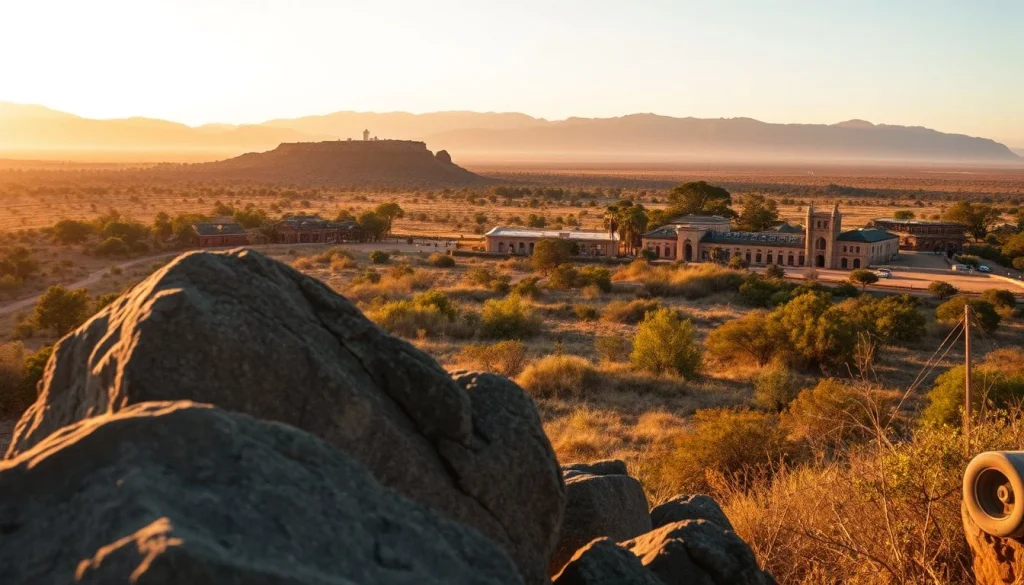
Choose Kruger and the wider Lowveld from May to September for the strongest classic safari conditions. The dry season reduces vegetation and concentrates animals around remaining water, making game viewing easier in general; September–October is a useful compromise if you also want to spend time in Cape Town.
The later shoulder period can be warmer and wetter, and wildlife conditions may be less predictable than in mid-winter. Malaria transmission in the region is higher during the wetter period, approximately October–March, so discuss your exact route and dates with a travel-health professional before booking. Check current SANParks information for park access and conditions.
Cape Town, the coast and the Winelands
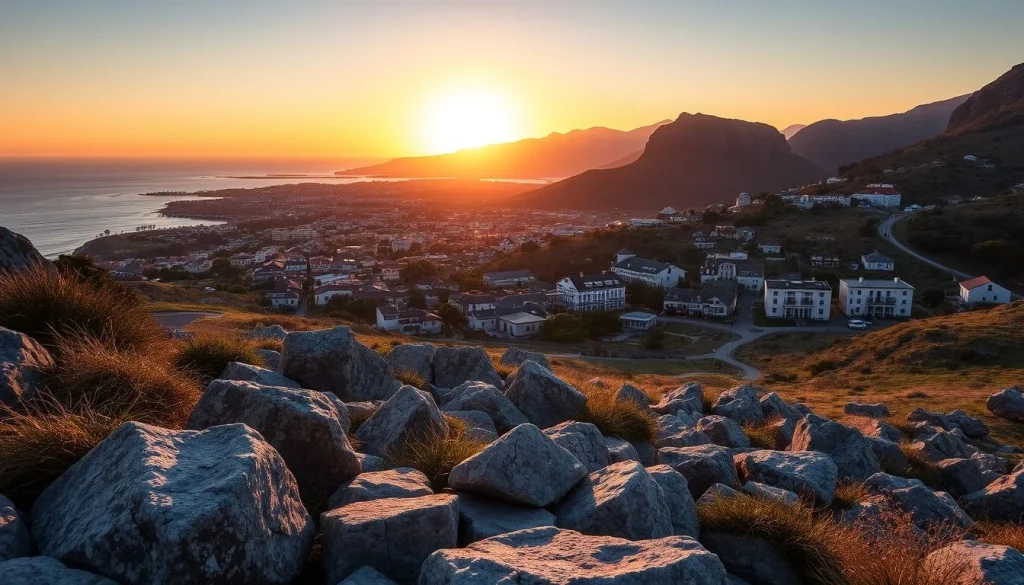
Cape Town is at its most outdoor-friendly from November to March, when the Western Cape is generally in its drier summer pattern. This is the season to build days around Table Mountain, the V&A Waterfront, Clifton and Camps Bay, with longer daylight supporting a fuller sightseeing schedule and outdoor dining.
That popularity brings greater pressure on accommodation and attractions. September–October and March–April can make a more manageable base for a first visit, although conditions are less consistently summery. Add Stellenbosch or Franschhoek for a Winelands day or overnight stay; these destinations fit naturally into a Cape Town itinerary, but allow enough time rather than treating them as a quick detour.
Hermanus and Walker Bay
Hermanus and Walker Bay are the clearest seasonal choice for whale watching. Southern Right whale sightings are concentrated from June through November, with the timing of land-based viewing and boat trips dependent on conditions and operator arrangements.
This route works especially well after Cape Town, but it is not a substitute for a summer beach itinerary: winter and spring weather in the Western Cape can be changeable. Confirm operating windows directly with local whale-watching providers before setting a non-refundable schedule.
Namaqualand and Namaqua National Park
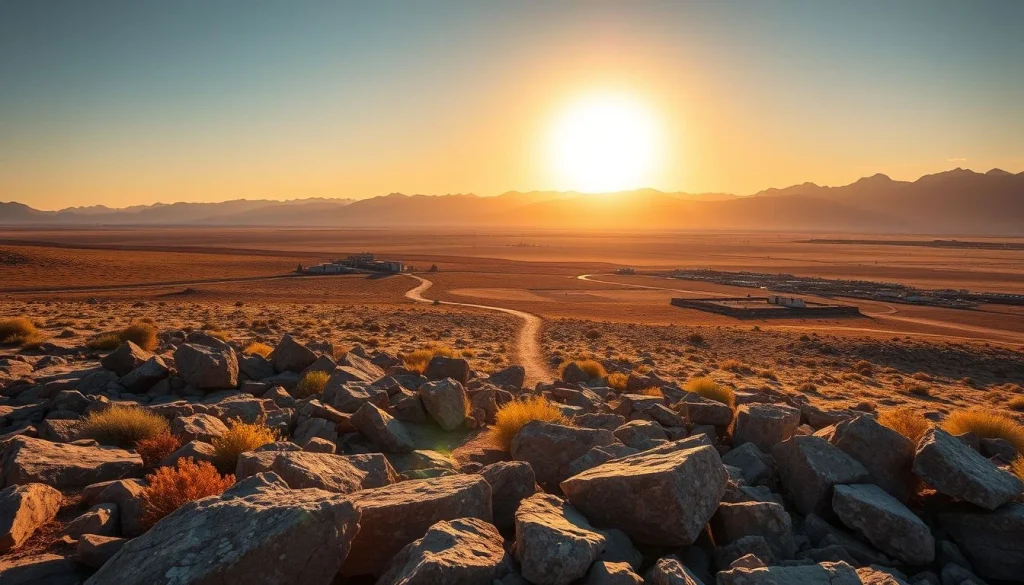
Travel to Namaqualand for the annual wildflower display after winter rains, typically around the August–September peak. For 2026, SANParks indicated a mid-August to mid-September window, subject to rainfall, so the dates are a guide rather than a guarantee.
The flowers can transform otherwise spare landscapes, but this is the least flexible destination on the list. Check SANParks’ latest flower-season update, access arrangements, road conditions and park notices before travelling.
The Garden Route
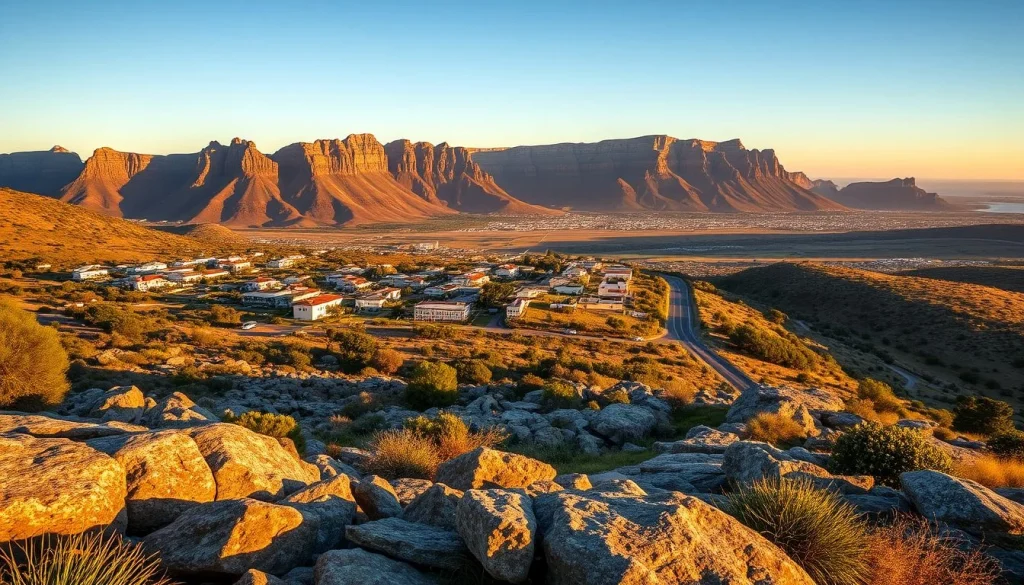
Knysna, Plettenberg Bay and the wider Garden Route suit a warmer-weather self-drive itinerary, particularly when you want coastal scenery and outdoor activities after Cape Town. Car hire is common in this part of the country, but the route needs deliberate planning for fuel, tolls, daylight driving and long distances; it is not an effortless add-on to a short safari holiday.
A first-time itinerary usually works better with two or three regional bases: Cape Town with the Winelands, one safari area, or Cape Town with Hermanus and part of the Garden Route. Adding Kruger, Namaqualand, the Garden Route and the coast in one trip means more transfers and seasonal compromises than most first visits justify.
Seasonal events and nature spectacles with confirmed timing
Whale watching in Hermanus and Walker Bay
The Southern Right whale season in Hermanus and Walker Bay is concentrated from June through November, when whales may be seen from the shoreline as well as on seasonal boat trips. Land-based viewing gives you more flexibility around weather and sea conditions; boat excursions offer a closer perspective but depend on operator schedules and suitable conditions. Check current operating windows and availability directly with a local operator such as Hermanus Whale Watchers before committing your itinerary.
Namaqualand wildflowers
Namaqualand’s flower display is rainfall-dependent, but the usual peak falls in August and September. For 2026, SANParks indicated a mid-August to mid-September peak at Namaqua National Park, subject to the season’s winter rains, in its update on the Namaqua National Park flower season.
This is a timing-sensitive trip: a dry winter or late rains can shift the strongest flowering days. Before travelling, check the current SANParks flower-season notice, road conditions, access arrangements and any permits required for Namaqua National Park. For whale watching, reconfirm both operator schedules and sea conditions; neither the whale season nor a particular viewing day guarantees a boat departure.
Planning and booking: lead times, route choices and first-trip essentials
Book the least flexible parts first
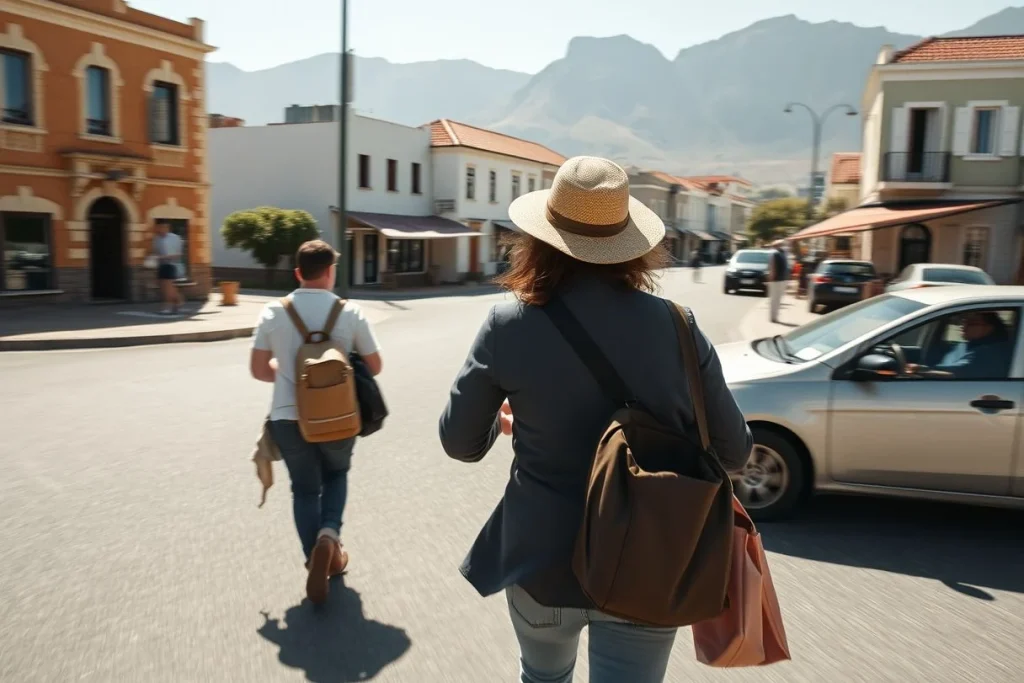
For a first trip, reserve the elements that cannot easily be moved: international flights, safari dates, internal connections, then accommodation and activities. December to February and the July school-holiday period deserve the earliest attention, particularly if you want a popular safari lodge, a SANParks camp, Cape Town accommodation or a convenient domestic flight.
There is no fixed trip budget supplied for South Africa, and prices change by route and property. As market guidance, a 2024 travel-cost guide reports that accommodation and flights in peak periods such as December–February and July school holidays commonly cost around 25–40% more than in shoulder months. Treat that as a planning indication, not a guarantee: check live fares, lodge rates and SANParks availability for your dates.
Build a route that respects the distances
A straightforward first itinerary is Cape Town, the Winelands and a few days in Johannesburg before flying onward to Kruger National Park. This lets you use Cape Town International Airport and Johannesburg’s OR Tambo International Airport as the principal gateways, rather than attempting to drive across the country.
Use a Garden Route alternative if you prefer a road trip: hire a car for the Cape, Stellenbosch, Franschhoek, Knysna and Plettenberg Bay, then return or fly onward. A self-drive plan needs time for fuel, tolls and daylight driving. South Africa’s distances are easy to underestimate, so leave more room than the map initially suggests and avoid night driving outside city corridors, particularly on unfamiliar rural routes.
Arrive with the first transfer decided
Arrange a reputable airport transfer or use a verified ride service before landing, rather than negotiating transport while tired and carrying luggage. This is especially useful for a first arrival at OR Tambo or Cape Town International Airport. Your accommodation can usually confirm the correct pick-up point and advise which transport options it regularly uses.
Domestic flights are the practical choice between Cape Town, Johannesburg and the Kruger area when time is limited. Guided transfers suit travellers who do not want to drive, while car hire gives greater independence around the Winelands and Garden Route. For a safari, ask the lodge or park accommodation to confirm the final transfer arrangements before booking your flight.
Prepare money and mobile data
Have a payment card ready for hotels, transport and larger purchases, plus a small backup cash reserve kept separately from your wallet. Be discreet when using an ATM, check the machine and surrounding area first, and follow local advice from your accommodation. Avoid displaying large amounts of cash or valuables while moving through busy transport areas.
Vodacom and MTN offer tourist SIM and eSIM options, according to Travel SIM Finder’s 2026 guide. Buying at the airport is convenient but may cost more than purchasing a local bundle in town. Before departure, check that your phone is unlocked and compatible with an eSIM or local SIM, and confirm the provider’s current registration requirements.
Check health and entry requirements early
Kruger National Park and the Lowveld are within South Africa’s malaria belt. Transmission is higher during the wetter period, approximately October to March, and lower during the drier May-to-October period, according to the cited Kruger guidance. That pattern does not replace personal medical advice: speak to a travel-health professional about your route, dates and individual circumstances before booking a safari.
Visa requirements depend on nationality and travel circumstances. Every traveller should verify the current rules, passport conditions and permitted stay with South Africa’s Department of Home Affairs before booking and again before departure; eligibility for one passport cannot be assumed for another.
Use current safety information, not old assumptions
City, driving-route and national-park conditions are not interchangeable. Use accommodation-recommended transport, avoid isolated areas after dark, keep phones and cameras discreet, and do not accept unsolicited help at ATMs. Drivers should keep doors locked in urban traffic and plan fuel stops rather than stopping casually on long rural stretches.
The U.S. State Department advisory cited for this guide was dated 27 May 2025 and listed South Africa at Level 2, Exercise Increased Caution. It may no longer reflect conditions at the time of travel, so check the current advisory from your government immediately before departure alongside local accommodation and park guidance.
Complete this pre-booking check
- Match the route to the season: confirm Cape Town weather, safari conditions and the likely priorities of your trip.
- Check current SANParks notices, road conditions, access arrangements and any permit requirements before entering a park.
- Reconfirm whale-watching operators, boat schedules and sea-condition policies if travelling to Hermanus or Walker Bay.
- Check the latest flower reports before committing to Namaqua National Park, since rainfall can shift the strongest display.
- Verify visa and entry rules for every passport, then review travel-health advice for Kruger and the Lowveld.
- Price the complete route, including domestic flights, transfers, car hire, fuel, tolls and insurance, rather than comparing only the international fare.
Conclusion: choose your priority, then book the right season
For most first-time travellers combining Cape Town with a safari, March–April or September–October is the clearest starting point: these shoulder seasons balance comfortable conditions, manageable demand and better value. Put wildlife first and choose May–September, when dry conditions generally make animals easier to find in Kruger and the Lowveld. Put Cape Town, beaches and coastal time first and choose November–March.
Move from research to booking in three steps. First, decide which experience sets the dates: safari, Cape Town and the coast, whales, or flowers. Next, verify entry requirements, travel-health advice and the latest government advisory for your nationality and itinerary. Finally, reserve the least flexible elements first—seasonal transport, safari accommodation and any long-distance car hire—then build the rest around them.
Frequently asked questions
Is South Africa better in summer or winter for a first trip?
Neither season suits every itinerary. Summer, roughly November to March in most of the country, is the stronger choice for Cape Town, beaches, outdoor dining and the Winelands, while winter, roughly May to September, is generally better for classic wildlife viewing in Kruger and the Lowveld because animals tend to gather near water. For a first trip combining both, March–April or September–October is a practical shoulder-season compromise. WeatherSA explains the regional climate contrast; Kruger National Park describes the dry-season safari advantage.
Can I buy a local SIM or eSIM when I arrive?
Yes. Vodacom and MTN offer tourist SIM or eSIM options, and buying at an airport is convenient for getting connected immediately. Airport purchases may cost more than buying a local bundle in town, so compare the package and ask how the SIM must be registered before paying. Check your phone is unlocked and supports eSIM if you plan to use one. Travel SIM Finder covers the available options.
Which airport is easiest for a first visit to South Africa?
The practical choice depends on your first stop. Johannesburg’s OR Tambo International Airport and Cape Town International Airport are the country’s principal international gateways: use the one that best matches a Cape Town-led or Johannesburg-and-safari itinerary, rather than adding an unnecessary cross-country transfer. Confirm your onward transport before booking, particularly if you arrive late or plan to drive. South African Tourism identifies the principal gateways and transport considerations.
Should I rent a car for a South Africa itinerary?
A hire car is useful for the Cape, Stellenbosch, Franschhoek and the Garden Route, where it gives you flexibility between towns and outdoor stops. It is not automatically the simplest choice for every first visit: long distances require planning for fuel, tolls and daylight driving. Build in realistic travel time and avoid night driving outside city corridors; consider organised transfers or local transport for sections where driving would add complexity. South African Tourism confirms that car hire is common in these regions.
What should I know about malaria before visiting Kruger?
Kruger and the Lowveld are within South Africa’s malaria belt. Transmission is higher during the wetter period, approximately October to March, and lower during the drier May-to-October period, but season alone does not determine the right precautions. Ask a travel-health professional for individual advice before booking a safari, and check current guidance before departure. Kruger National Park provides the cited seasonal overview.
How can I make my first South Africa trip feel safer and simpler?
Keep the first itinerary geographically focused: pair Cape Town and the Winelands with one safari region instead of crossing the country repeatedly. Plan fuel, tolls and daylight driving for road sections, and check current access and travel advice before departure. The cited U.S. State Department advisory listed South Africa at Level 2, Exercise Increased Caution, on 27 May 2025; that advice may have changed, so check the current advisory and your own government’s guidance immediately before travel. U.S. State Department travel advisories provide the current reference point.