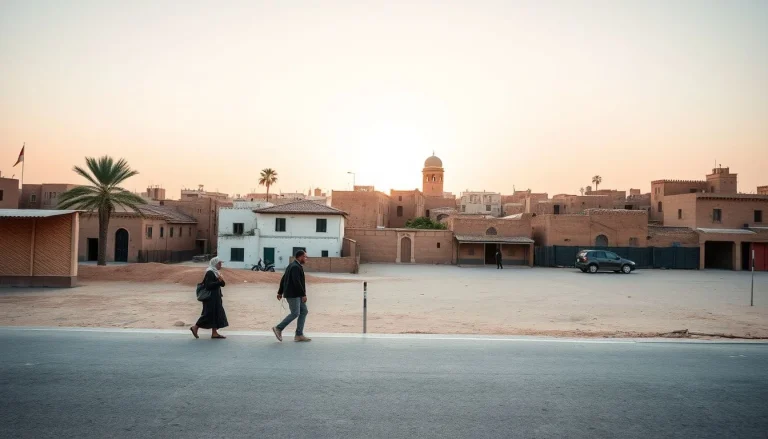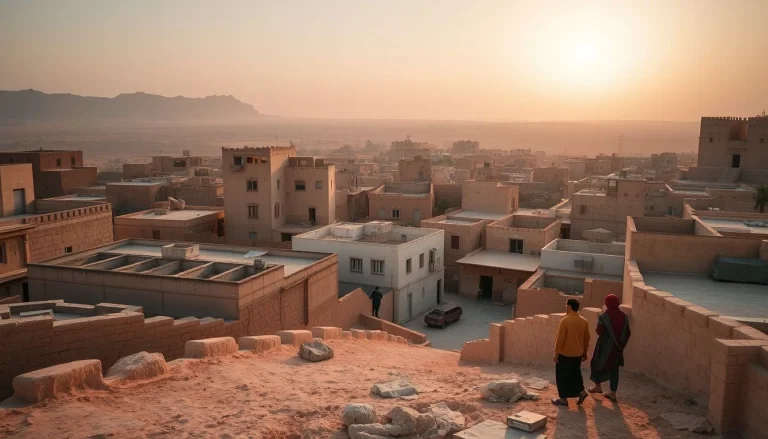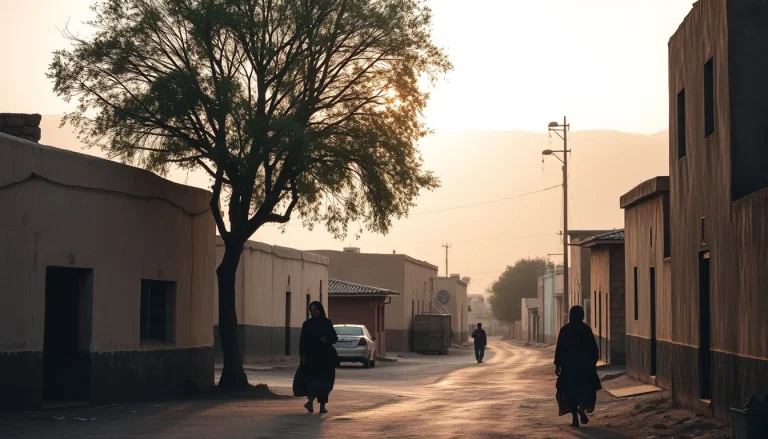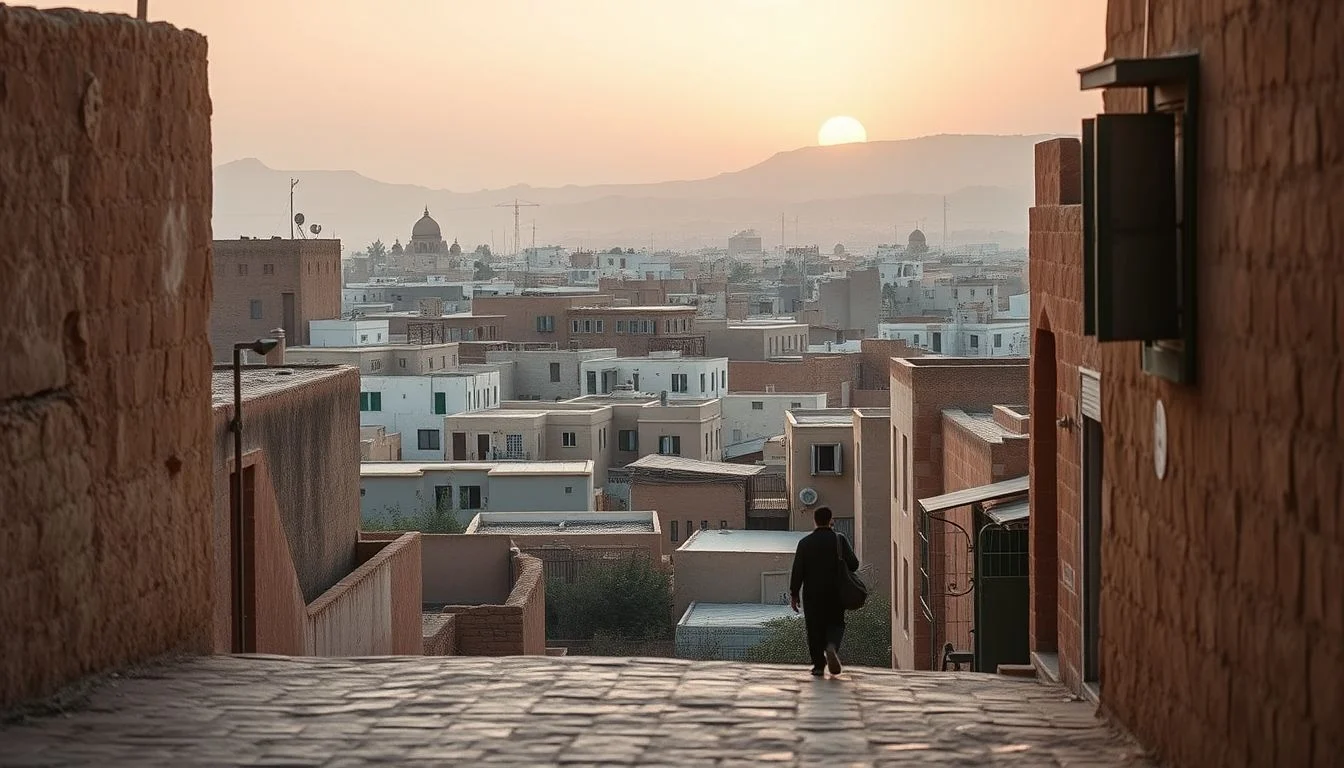
At Luxor, the avenue of sphinxes leads towards Karnak Temple. Several hundred kilometres north, Cairo’s Giza Pyramid Complex rises above one of the world’s largest cities. Between them, the Nile links Egypt’s main first-trip route: urban Cairo and Giza, the archaeological corridor from Luxor to Aswan, and—if time allows—the beaches and diving of the Red Sea.
This Egypt travel guide is for first-time visitors planning seven to 14 days who want a workable route rather than a catalogue of sights. It’ll help you decide how long to give Cairo, whether Luxor or Aswan deserves more time, and when a Nile cruise is worth choosing over independent travel. You’ll also see whether Hurghada, Sharm el-Sheikh or Dahab can fit without turning the trip into a chain of long transfers.
Practical choices shape a first visit. You’ll find guidance on flights or rail between the main cities, where to stay, how cash and local SIM cards work, what to eat, and which entry and safety guidance must be checked before departure. Museum status, cruise availability and train services can change, as can regional advisories, so treat those details as part of the planning rather than assumptions to make once you arrive.
Quick answer: For a first trip, build around Cairo and Giza, the Luxor–Aswan Nile Valley, and add a Red Sea base only if you have around 10–14 days. The best overall sightseeing period is November–March, while April–May and September–October offer shoulder-season alternatives. Choose between flights, a verified sleeper train and a 3–7-night Nile cruise according to your time, budget and preference for convenience.
Why visit Egypt: one trip, several very different experiences
Egypt works particularly well as a first long-haul trip because its major experiences connect into a clear sequence rather than requiring a single type of holiday. Start in Cairo and Giza for the Giza Pyramid Complex, major museums and the lanes of Khan el-Khalili, with Downtown Cairo, Zamalek and Giza offering very different urban settings.
Further south, the Luxor–Aswan corridor changes the pace. Luxor concentrates ancient sites including Karnak Temple, Luxor Temple, the Valley of the Kings and Hatshepsut’s temple; Aswan brings a quieter Nile setting, felucca outings and access to Abu Simbel. A three- to seven-night Nile cruise can turn this stretch into a straightforward moving base, while independent travel allows more control over sightseeing days.
Add the Red Sea only when beach time, snorkelling or diving matters as much as monuments. Hurghada is a practical resort base, while Sharm el-Sheikh and Dahab suit different approaches to the coast. The result is a manageable route in stages: intense city, concentrated archaeology, slower river landscapes, then optional relaxation.
Regions and top destinations: choose the right Egypt route
For a first Egypt trip, keep the main route simple: Cairo and Giza, then the Luxor–Aswan Nile Valley. That spine works in seven days, becomes more comfortable in 10, and leaves room for the Red Sea in a 14-day plan. The destinations below are best treated as choices, not a checklist.
| Destination | What it adds | Ideal stay | On a short trip |
|---|---|---|---|
| Cairo and Giza | Giza Pyramid Complex, Grand Egyptian Museum, Egyptian Museum in Tahrir and Khan el-Khalili | Three nights | Keep it; this is the essential gateway |
| Luxor | Karnak Temple, Luxor Temple, the Valley of the Kings and Temple of Hatshepsut | Two or three nights | Keep it; allow time for both banks of the Nile |
| Aswan | A slower river setting, felucca trips and access to Abu Simbel | Two nights | Keep it if ancient sites are a priority |
| Nile cruise | River scenery, accommodation and temple visits in one organised route | Three to seven nights | Choose instead of separate Luxor–Aswan transfers |
| Hurghada | Resort time, snorkelling and diving | Three nights | Add in a 10–14-day itinerary |
| Sharm el-Sheikh or Dahab | Red Sea diving and beach time; Dahab is the more informal base | Three or four nights | Choose one coastal base, not both |
| Alexandria | A northern-coast city extension beyond the core route | One or two nights | Skip unless you have extra time |
| Siwa Oasis or the White Desert | A desert-focused, specialist addition | Several nights | Leave for a longer trip and check current advice |
Check the current official museum announcements before fixing Cairo sightseeing, since the Grand Egyptian Museum’s exhibit status and transfers can change. For Siwa, the White Desert and other remote areas, read the latest UK Foreign Office advice, updated 4 August 2026, alongside your own government’s guidance. On seven days, do not dilute Cairo–Luxor–Aswan with Alexandria or the desert; on 10–14 days, add one Red Sea base according to whether diving or resort rest matters more.
Best time to visit Egypt: weather, crowds and seasonal trade-offs
November to March is the best time to visit Egypt for a first sightseeing trip. Cairo, Giza, Luxor and Aswan are generally more comfortable for long archaeological visits during these months, although demand is highest and accommodation, tours and cruises may cost more, particularly in December. The UK Met Office’s climate overview is a useful reference when comparing regions and travel dates.
April and May, then September and October, offer a sensible compromise: warmer conditions and fewer peak-season pressures, while still allowing a full Cairo–Luxor–Aswan itinerary. Plan major outdoor sites for early morning, carry water, and use shade during the brightest part of the day. This matters most in Luxor and Aswan, where summer heat can make several temples and tombs tiring to visit.
June to August is the least comfortable period for Nile Valley sightseeing, but it can work well for a Red Sea stay in Hurghada, Sharm el-Sheikh or Dahab, when the priority is swimming, diving or resort time rather than prolonged walks among monuments. If you combine regions, put the intensive sightseeing first and leave the coast for recovery.
Check the relevant year’s Ramadan and Eid dates before booking. Opening hours, meal patterns and visitor numbers can change during these periods; confirm details with museums, temples, hotels and tour operators. Recheck local forecasts and official event information shortly before departure, especially if your plans include early starts or desert travel.
How to get to Egypt: airports, trains and overland arrivals
Cairo International Airport (CAI) is Egypt’s principal international gateway. For most first-time visitors, fly there and begin the Cairo–Luxor–Aswan route: it is the simplest way to reach the country’s urban and ancient-monuments centre before travelling south. Hurghada, Sharm el-Sheikh, Luxor and Aswan also receive scheduled or charter services, so a direct Red Sea arrival suits a beach-first holiday; check current routes and regional airport operations with your airline and the airport before booking.
Once you land, allow time for immigration and baggage collection before arranging your transfer to Cairo, Giza or your hotel. Confirm your entry route and eligibility on the official Egypt e-Visa Portal before departure, and keep the confirmation and passport details accessible. Pre-book an airport transfer for a late arrival or a first night in Cairo, when navigating onward transport can be tiring.
A local SIM is available at the airport or in a city shop if you need data immediately; HelloSIM reports that registration or identification may be required. Road arrivals are specialist choices rather than a sensible default for a first Egypt trip: border routes and restricted areas can change, so consult current government travel advice before considering an overland crossing. A direct flight to Hurghada or Sharm el-Sheikh saves backtracking, but it leaves the Cairo and Giza sights for a separate leg.
Getting around Egypt: choose between flying, rail and the river
Once in Egypt, choose transport around the Nile Valley rather than trying to cover every region by road. For a first visit, Cairo–Luxor–Aswan works best as one connected journey; the right option depends on whether you value speed, sleep, scenery or an organised itinerary.
| Route option | Best for | Trade-off |
|---|---|---|
| Domestic flight | Short trips and maximum time in each city | Fast, but adds airport transfers and schedule risk; check current services before booking. |
| Daytime or overnight rail | Lower-cost independent travel | More local and slower; confirm current times and ticketing with Egyptian National Railways. |
| Sleeper train | Saving a hotel night between Cairo, Luxor and Aswan | Convenient in theory, but services have changed. Seat61’s 2026 guide recommends checking the current operator, timetable and booking process. |
| Organised road transfer | Families, groups and travellers wanting door-to-door travel | Private and flexible, but long road days can be tiring. Use a reputable operator or hotel-arranged car. |
| Nile cruise | A structured route with temples and accommodation combined | Large motor ships offer convenience; a smaller dahabiya is quieter but less widely available. Cruises commonly last three to seven nights. |
For the river, a cruise is not the same as a felucca. A felucca suits a short, simple Nile outing from Aswan; a dahabiya provides a slower, smaller-boat experience. Recheck itineraries, prices and safety arrangements before paying.
In Cairo and around large archaeological sites, walking rarely replaces transfers: distances, heat and uneven ground make a hotel-arranged car useful. For shorter journeys, agree the taxi fare before departure, carry small bills, and use ride-hailing only where the service is currently available and the vehicle details match the booking. Keep luggage and valuables with you, and be cautious of unsolicited “helpers” offering transport or guiding.
For current sleeper-train information, check Seat61’s Cairo–Luxor–Aswan guide; for cruise choices, compare the latest operator information rather than relying on an old sailing schedule.
Where to stay in Egypt: the best bases for each traveller
Your base shapes the pace of an Egypt itinerary as much as the sights do. In Cairo, Zamalek suits first-time visitors wanting restaurants and a calmer island setting; Downtown Cairo is more central for the Egyptian Museum in Tahrir and urban atmosphere, while Giza puts you closest to the Giza Pyramid Complex. Giza can mean less evening choice, and Cairo traffic makes every cross-city journey unpredictable.
In Luxor, choose the East Bank for restaurants, transport and convenient access to Karnak and Luxor Temple. The West Bank is quieter and better suited to early visits to the Valley of the Kings and Hatshepsut’s temple, but has fewer services. Confirm current transfer times and hotel transport before booking.
Aswan works well with a riverside hotel or small guesthouse; check whether your accommodation handles cruise embarkation, since ships and departure arrangements vary. For the Red Sea, Hurghada offers straightforward resort convenience, El Gouna a more planned resort setting, Naama Bay nightlife and services, and Ras Umm Sid stronger diving access. Dahab is the informal, budget-oriented choice. Ask every property about lifts, steps, accessible bathrooms and archaeological-site transfers before paying a deposit.
Best things to do across Egypt: the essential experiences
Cairo and Giza: start with the essentials
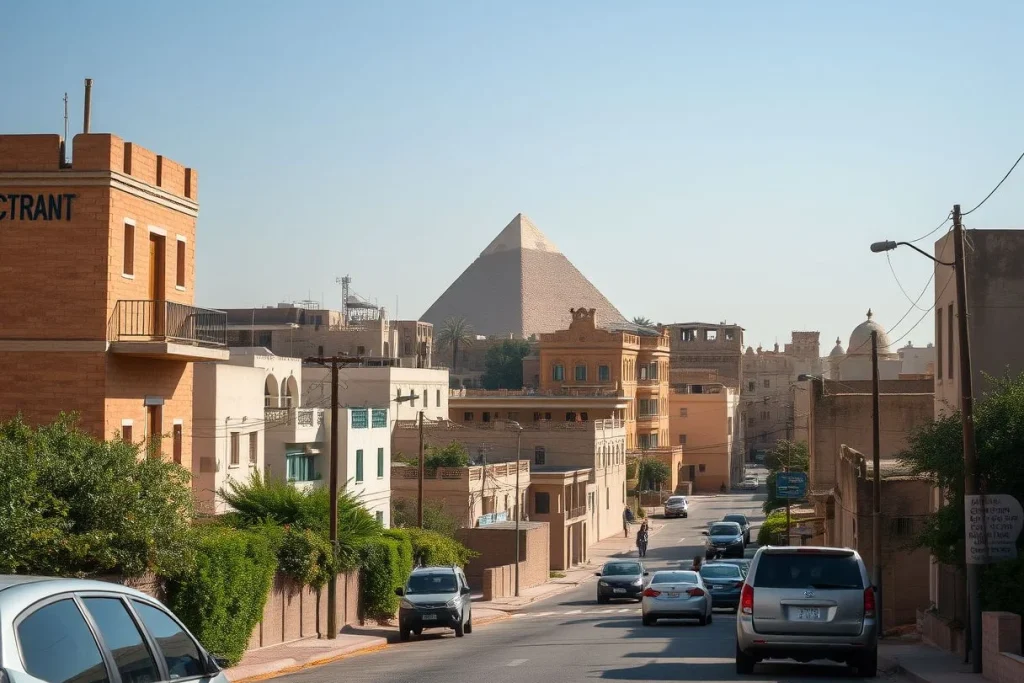
Give Cairo and Giza at least two full days. The Giza Pyramid Complex is the priority for a first visit, followed by the Grand Egyptian Museum and the Egyptian Museum in Tahrir for historical context. Museum displays and exhibit transfers can change, so check official announcements before booking timed visits. End one day in Khan el-Khalili, then spend an evening in a Cairo neighbourhood rather than adding another distant attraction.
Luxor and the Nile Valley: concentrate on the monuments
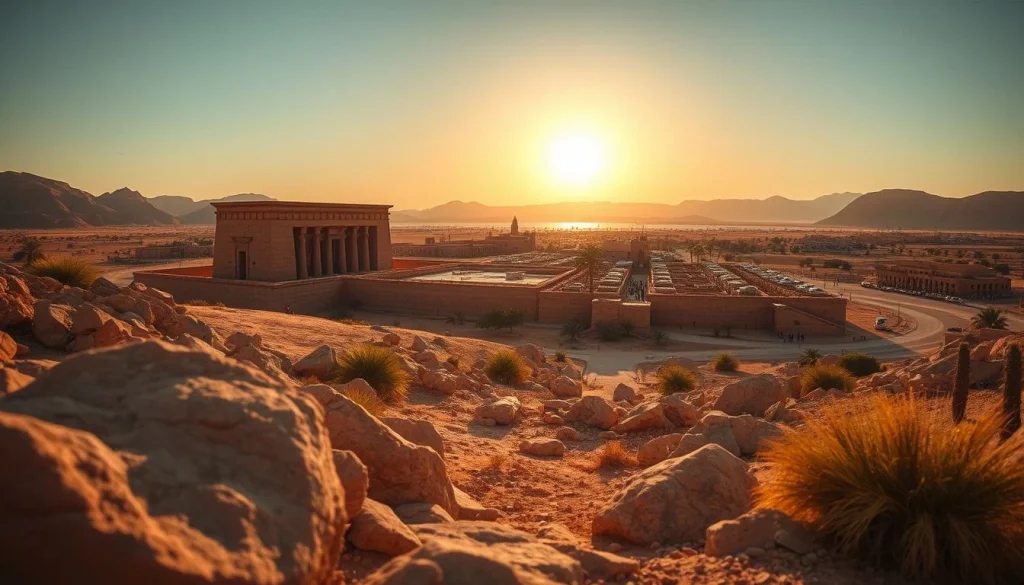
Luxor rewards an early start and careful sequencing. Visit Karnak Temple and Luxor Temple on the east bank, then allow a separate block for the West Bank, including the Valley of the Kings and the Temple of Hatshepsut. Luxor Temple after dark can be atmospheric if operating, but confirm current opening arrangements and ticketing before relying on it.
Aswan and Abu Simbel: slow the pace
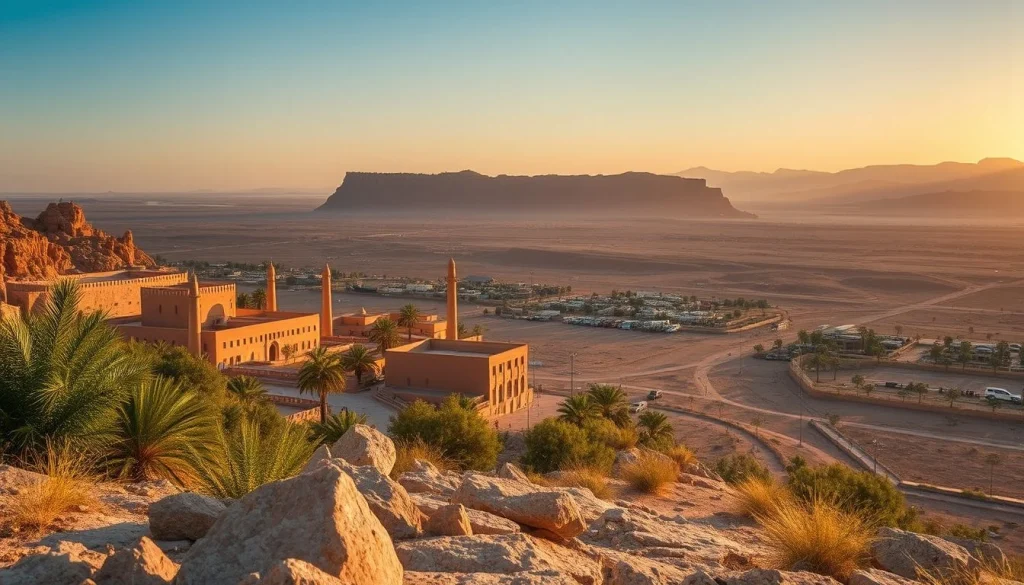
Aswan is the place to trade a packed sightseeing schedule for time on the river. A felucca or other river outing gives the journey space, while a Nubian cultural visit can add local perspective when arranged respectfully. Abu Simbel is a high-value side trip from Aswan, especially for travellers who prioritise monumental ancient sites.
Choose one major add-on
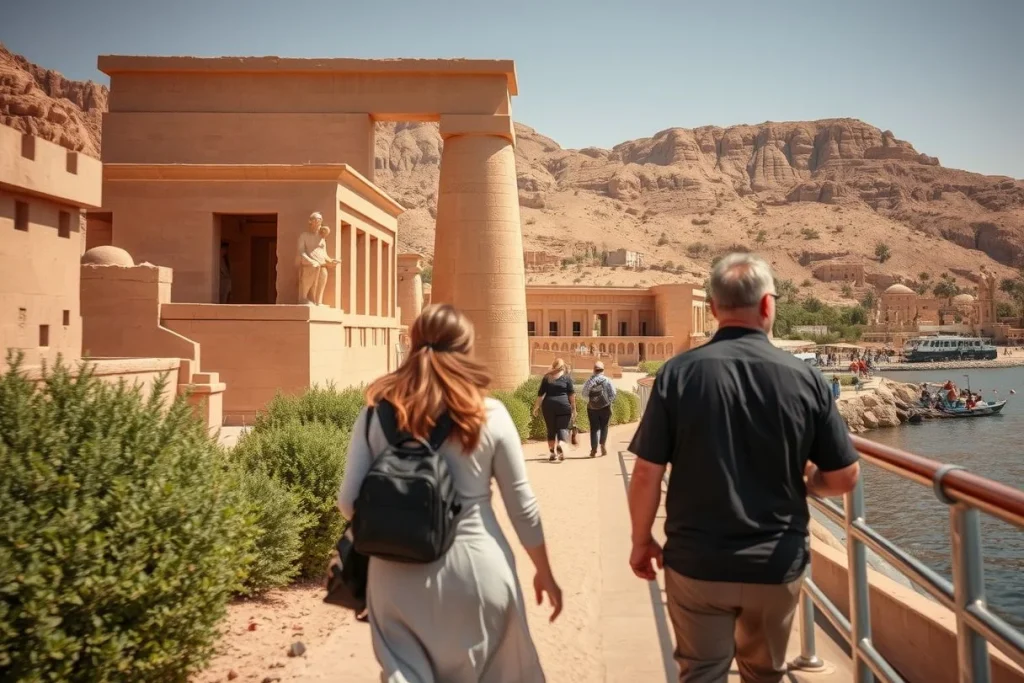
A Nile cruise links Luxor and Aswan with accommodation and organised temple visits; itineraries commonly last three to seven nights and range from large motor ships to smaller dahabiyas. Check the operator, route, inclusions and sailing dates before paying. With extra time, choose Red Sea snorkelling or diving, or add Alexandria, Siwa Oasis or the White Desert rather than scattering short stops across the country. Activity conditions, access and attraction tickets should all be verified close to departure.
What to eat in Egypt: dishes and dependable places to try them
Egyptian food is easy to approach if you start with the staples. Order koshari—rice, lentils, pasta, chickpeas, tomato sauce and fried onions—for a filling vegetarian meal; ful medames is slow-cooked fava beans, while ta’ameya is Egypt’s fava-bean version of falafel. Try all three at a busy local café or street stall, where turnover is usually a useful guide to freshness.
Molokhia, a savoury herb stew, is commonly served with rice and chicken or rabbit. Grilled meats, flatbread, mezze and Egyptian sweets such as basbousa make more familiar choices. For a gentler first meal, choose an established restaurant or your hotel; Nile and Red Sea hotels generally offer broader menus, including vegetarian options.
Expect aromatic seasoning rather than automatic heat, but ask before adding chilli or hot sauce. Drink sealed bottled water, use it for brushing your teeth if you are cautious, and avoid raw garnishes or foods that have been sitting warm. Carry small notes for cafés and tips, and point clearly or use a translation app when ordering. A Cairo food walk can also explain unfamiliar dishes without turning your first meal into guesswork.
Egypt travel costs in 2026: budget, mid-range and luxury
Egypt can be relatively affordable day to day, but long-distance transport, private guides, archaeological-site tickets and resort stays can quickly move a trip into a higher spending band. The following estimates exclude international flights and are per person.
Estimated costs
| Estimated 2026 band | Daily cost | What it generally includes |
|---|---|---|
| Budget | US$30–60 | Budget accommodation, street food and public transport |
| Mid-range | US$80–170 | 3–4-star accommodation, some guided tours and longer-distance transport |
| Luxury | US$250+ | Higher-end accommodation, private touring and more flexible transport |
Basis: per person per day, excluding international flights; figures reported by Wego Travel Blog in 2026.
A Nile cruise is a separate major cost. A September 2026 guide reports approximately US$485 per person at the lower end and up to about US$2,700 or more for higher-end sailings; the price varies with itinerary length and ship class. No reliable mid-range figure is specified, so compare the inclusions rather than the headline fare: meals, excursions, transfers and cabin category can differ. Check current cruise quotes before booking.
Cairo, Red Sea resorts, private guides and peak dates can push totals above these bands. Cash remains useful beyond major hotels and tourist sites, so carry small notes for taxis, tips and cafés; card acceptance varies. Recheck live accommodation, transport and cruise prices shortly before departure.
| Item | Budget | Mid-range | Luxury |
|---|---|---|---|
| Egypt daily travel budget | US$30–60 per person per day | US$80–170 per person per day | US$250+ per person per day |
| Nile cruise | Approximately US$485 per person | Not separately specified by the source; price varies by length and ship category | Up to approximately US$2,700+ per person |
Estimated ranges based on the sources listed below. Prices change; check with providers before booking.
Sample Egypt routes for 7, 10 and 14 days
Seven days: Cairo, Luxor and Aswan without the Red Sea
Keep this route focused: spend two or three nights in Cairo and Giza, then continue to Luxor and Aswan for the remaining nights. Fly between Cairo and the Nile Valley for the most predictable use of time, or check the current sleeper-train operator and timetable before choosing an overnight journey; services have undergone operational changes. A short Nile cruise segment can replace some hotels and transfers, but a full cruise may leave too little time for Cairo.
In Luxor, prioritise Karnak Temple, Luxor Temple, the Valley of the Kings and Hatshepsut’s temple. Use Aswan for a slower river setting and, if the schedule allows, Abu Simbel. Leave the Red Sea, Alexandria and desert excursions for another trip.
Ten days: add a Nile cruise or a carefully chosen coast
Start with two or three nights in Cairo and Giza, then travel south to Luxor. A three- or four-night Nile cruise towards Aswan is the cleanest way to connect the archaeological corridor: it combines accommodation, river travel and organised temple visits, reducing the number of separate transport decisions. Cruises commonly run for three to seven nights, with large motor ships and smaller dahabiyas offering different levels of pace and privacy.
Alternatively, retain independent travel through Luxor and Aswan, then use the extra time for a Red Sea base such as Hurghada, Sharm el-Sheikh or Dahab. This works better for travellers who want snorkelling, diving or resort downtime than for those prioritising monuments.
Fourteen days: add depth, not every region
Allow two or three nights in Cairo, two in Luxor, a three- to seven-night cruise or independent Nile route through Aswan, and several nights on the Red Sea. Abu Simbel is a high-value addition from Aswan; choose it before adding another long transfer. Hurghada, Sharm el-Sheikh and Dahab suit different coast-based stays, while Alexandria, Siwa Oasis and the White Desert need separate logistics and should not be squeezed into the core route.
Build in a buffer around flights, rail and cruise departures rather than scheduling a same-day international connection. Recheck current transport schedules, cruise availability and museum announcements—including the Grand Egyptian Museum’s exhibit status—before fixing the order.
Entry requirements and safety: check the official advice before booking
Verify before you book and again before departure. Entry rules and regional advice can change, so do not assume that a visa route or an itinerary used by another traveller applies to your nationality.
Check the official Egypt e-Visa Portal for your eligibility, available e-Visa or visa-on-arrival mechanism, current fee and passport requirements. The portal is the authoritative place to confirm the process for your nationality; avoid relying on an older blog post or an agent’s summary.
Read your own government’s Egypt advice before paying for flights, then check both the UK Foreign, Commonwealth & Development Office guidance and the U.S. State Department advisory again immediately before travel. The FCDO guidance updated 4 August 2026 advises against travel to specified areas, including within 20km of the Egypt–Libya border and other listed no-travel zones. The U.S. advisory, reviewed 15 July 2025, recommends heightened caution and may be updated, so neither tourist activity around Cairo or the Nile nor a resort booking should be treated as proof that all of Egypt is safe.
Keep your route within areas permitted by current official advice and check any proposed desert, Sinai or border excursion separately. Buy insurance that covers Egypt, medical care and every planned activity, including diving, and check that it remains valid for destinations affected by an advisory.
Before departure, review routine vaccination and travel-health guidance, save your insurer’s emergency number and your embassy’s contact details, and share your itinerary with someone at home. Recheck conditions, transport and local restrictions if official advice changes during the trip.
Egypt travel tips for first-time visitors
- Carry Egyptian pounds in small notes. Card acceptance varies outside major hotels and tourist sites, so keep cash for taxis, tips, toilets and small purchases; use ATMs in established banks or hotels rather than relying on one withdrawal.
- Agree taxi fares before moving. Confirm the total price in writing or use a verified ride-hailing app or hotel-arranged transfer. Ignore unsolicited “helpers” who offer directions, tickets or access at a site.
- Buy a SIM at the airport or an official city shop. Registration or identification may be required, so keep your passport available, but do not hand it to unofficial sellers or guides.
- Download offline maps and booking confirmations. They are useful when mobile data fails and help you identify the official ticket counter instead of following souvenir sellers or commission-seeking intermediaries.
- Dress for sites and neighbourhoods. Choose loose clothing covering shoulders and knees, and remove shoes or dress more conservatively when entering a mosque.
- Start archaeological visits early and carry water. Luxor and Aswan become particularly demanding in summer; add shade breaks and do not plan several large sites without recovery time.
- Expect uneven ground and steps. Archaeological sites can be difficult with mobility equipment or pushchairs, so confirm accessibility with the site, hotel or guide before committing.
- Recheck live details. Confirm train schedules, cruise arrangements, museum status, local transport, health advice and Ramadan or Eid operating patterns shortly before departure.
Conclusion: start with the Cairo–Luxor–Aswan spine
For a first Egypt trip, make Cairo and Giza, Luxor and Aswan your spine. Choose the seven-day template if ancient sites are the priority; use 10 days to add a Nile cruise or a slower pace, and 14 days if you want to include a Red Sea base such as Hurghada, Sharm el-Sheikh or Dahab. Start by selecting the route template that matches your available time, then confirm entry requirements on the official Egypt e-Visa Portal and check current safety advice from the UK Foreign Office and your own government. Before booking, recheck museum status, train schedules, cruise availability and domestic flights, then secure the key nights and transfers.
Frequently asked questions
Can I visit Egypt independently, or should I book a tour?
You can build an independent itinerary around Cairo and Giza, the Luxor–Aswan corridor and, if time allows, a Red Sea base. Transport choices include domestic flights, Egyptian National Railways services, verified sleeper trains and Nile cruises. A cruise or organised excursions can reduce planning, but check current operators, schedules, prices and availability before booking rather than assuming every service runs as advertised.
Is a Nile cruise suitable for families and older travellers?
It can suit travellers who prefer to combine accommodation, river scenery and temple visits without changing hotels between every stop. Cruises commonly last three to seven nights and range from large motor ships to smaller dahabiyas; shorter felucca trips are another option. Compare the vessel, itinerary and walking requirements carefully, particularly because archaeological sites may have uneven surfaces and steps.
What should I wear when visiting temples, mosques and local neighbourhoods?
The supplied travel guidance does not specify a single dress code for every setting, and expectations can vary between archaeological sites, religious buildings, resorts and local neighbourhoods. Check current guidance from your accommodation or tour operator before visiting mosques or travelling beyond resort areas. Pack clothing that allows you to adapt to different settings, and confirm any site-specific requirements before departure.
Can I use a wheelchair or mobility aid at Egypt’s main archaeological sites?
Accessibility varies, so do not assume that a museum or hotel facility means every archaeological route is accessible. The supplied guidance warns that archaeological sites may include uneven surfaces and steps, even where facilities are available. Contact each site, museum, cruise operator and accommodation in advance with specific mobility needs, and confirm the exact route and transport arrangements before booking.
Should I start in Cairo or finish there?
Starting in Cairo is the simplest choice for many first-time visitors because Cairo International Airport is Egypt’s principal international gateway, while Cairo and Giza provide the urban and ancient-monuments introduction. From there, continue to Luxor and Aswan, then add the Red Sea if your schedule permits. Finishing in Cairo can also work if your international flight or domestic connections make that arrangement more practical.
How far in advance should I reserve a Nile cruise?
There is no fixed booking window in the supplied information. Nile cruises commonly run for three to seven nights, and prices vary by itinerary length and ship category; availability and safety arrangements should be rechecked before booking. Compare large motor ships, dahabiyas and shorter felucca trips, then verify the operator’s current sailing dates, route, inclusions and cancellation terms directly.