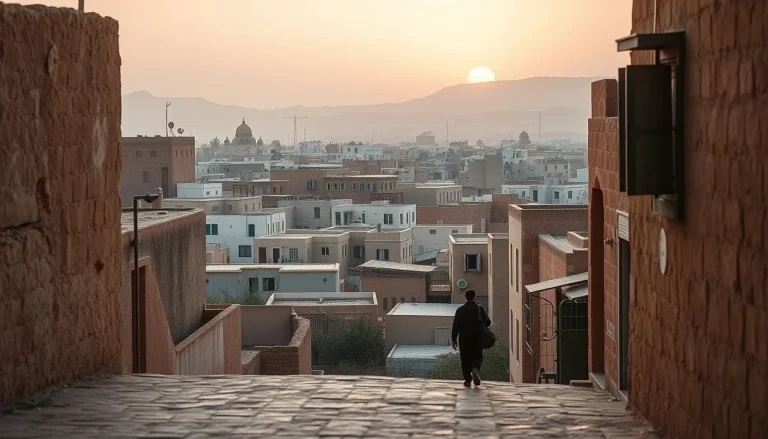
In Lalibela, eleven rock-hewn churches form the Northern Circuit’s defining first stop: a UNESCO World Heritage Site inscribed in 1978, where heritage, living Orthodox worship and highland travel meet. From there, the route can turn towards Gondar’s Royal Enclosure and Fasil Ghebbi, cross Lake Tana from Bahir Dar, climb into the Simien Mountains or continue north to Axum’s archaeological sites.
This Ethiopia travel guide Northern Circuit is for adventure travellers planning a first journey through northern Ethiopia who want to balance ancient Christian heritage with moderate trekking. It focuses on the decisions that shape the trip: when slow roads are worth the time, when a domestic flight makes more sense, how altitude and rain affect the route, and where a local operator or park-registered guide is worth arranging. Conditions and access can change quickly, so safety advice, permits, transport schedules and regional restrictions need checking before departure.
Quick answer: For a first Northern Circuit trip, build around Lalibela, then choose Gondar and Bahir Dar; add the Simien Mountains with at least 10 days, and Axum with closer to 14. Mid-October to January and February to May are generally the most practical windows, while June–September brings highland rain and possible road and trekking disruption.
Why visit Ethiopia’s Northern Circuit?
Few routes compress as much contrast into one highland journey. In Lalibela, paths descend between churches carved into living rock; Gondar follows with the stone compounds and ceremonial architecture of the Royal Enclosure. Around Bahir Dar, the scale changes again: Lake Tana’s water, island monasteries and papyrus-fringed shores give the route breathing space before the Simien escarpment turns it into a trekking trip.
The Rock-Hewn Churches of Lalibela have been a UNESCO World Heritage Site since 1978. Their significance is cultural and religious, but northern Ethiopia is not an effortless heritage circuit. Addis Ababa sits at approximately 2,355 metres, many northern destinations rise above 2,000 metres, and slow roads, steep trails and changing access conditions can shape each day.
This is a strong choice for an adventure traveller who wants active walking alongside ancient Christian sites. A local guide or guide-driver is often worth arranging for current route information, church etiquette, logistics and trekking access; independent travel can work for confident planners, but it leaves less flexibility when roads or local conditions change.
Regions and top destinations: what belongs on your route?
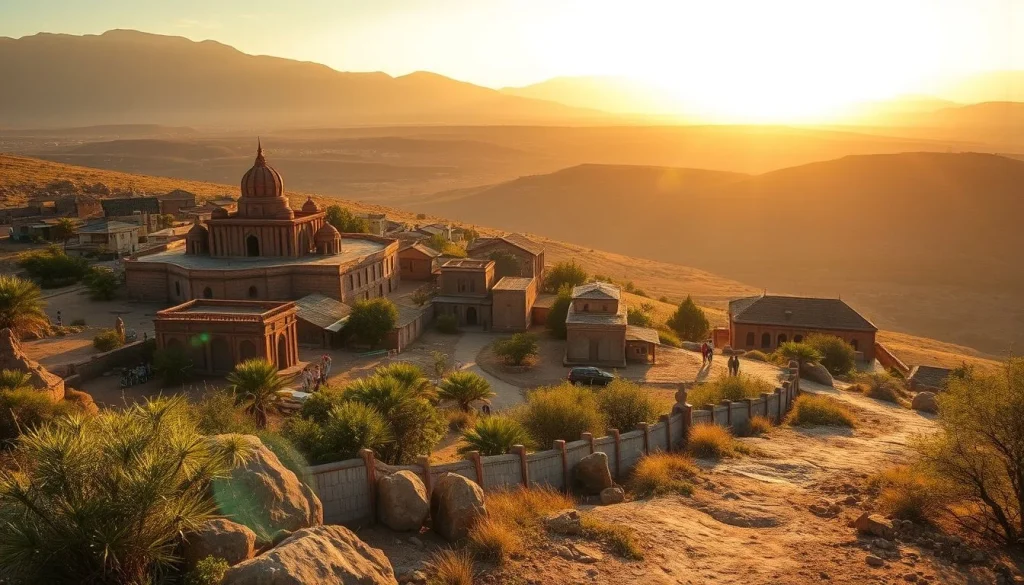
Choose the Northern Circuit by experience, not by map distance. Addis Ababa is useful at the start for acclimatisation, coffee and route preparation; from there, Lalibela is the essential first stop, while Gondar and Bahir Dar make the most balanced cultural loop.
| Destination | Ideal stay | Strongest draw | Physical demand | Route value |
|---|---|---|---|---|
| Addis Ababa | 1–2 nights | Food, coffee and acclimatisation | Low, but altitude matters | Practical start at about 2,355m |
| Lalibela | 2 nights | Rock-Hewn Churches | Moderate walking on uneven ground | Core destination for a first trip |
| Gondar | 1–2 nights | Royal Enclosure and Fasil Ghebbi | Low to moderate | Strong history stop between Lalibela and the west |
| Bahir Dar | 2 nights | Lake Tana monasteries | Low on shore; boat logistics add time | Best relaxed counterpoint to trekking |
| Simien and Debark | 2–4 nights | Escarpments and gelada baboons | Demanding, high-altitude trekking | Add from 10 days; confirm guides, permits and access |
| Axum | 1–2 nights | Stelae, tombs and ancient history | Moderate site walking | Best reserved for a 14-day route |
A compact Lalibela–Gondar–Bahir Dar circuit suits seven to 10 days. Add Simien when trekking is a priority; add Axum instead when archaeology matters more, or include both only with roughly 14 days and carefully chosen flights. Domestic connections can save substantial time, while overland legs are slower than the map suggests.
Access and route feasibility in northern Ethiopia can change quickly. Recheck local conditions and restrictions immediately before departure, including the US State Department advisory issued 27 August 2026 and UK FCDO advice.
Best time to visit: dry trails, festivals and fewer crowds
For the most reliable combination of dry trails and manageable road conditions, aim for mid-October to January, after the main highland rains, or February to May. Visit Ethiopia identifies June to September as kiremt, the principal rainy season: afternoon showers, muddy trekking tracks and road delays can complicate a Simien itinerary, although the highlands are greener.
January offers exceptional religious ceremonies but requires tighter planning. Genna, Ethiopian Christmas, falls on 7 January, followed by Timkat on 19 January; both can increase demand and crowds around Lalibela and the Lake Tana area. Expect stricter etiquette at active churches, and confirm accommodation, access and local event arrangements before committing to these dates.
December is also listed among Ethiopia’s peak travel months, alongside June, July and August, so availability may not follow the weather pattern. For quieter trekking, choose a non-festival period within the broadly dry windows and verify current park access, permits and regional conditions shortly before departure. The Visit Ethiopia seasonal guidance is a useful starting point, not a substitute for local checks.
How to get there: Addis Ababa flights, roads and the railway reality
For most travellers, the Northern Circuit begins at Bole International Airport (ADD), Ethiopia’s main international arrival hub. Ethiopian Airlines operates international and domestic connections, so a practical pattern is to spend a night or a slower acclimatisation day in Addis Ababa before continuing north. At approximately 2,355m, the capital is already high enough for some visitors to notice the altitude.
From Addis, domestic flights connect with Lalibela, Gondar, Bahir Dar and Axum, and can save substantial time when the alternative is a long road journey. Check schedules, fares and any operational changes directly with Ethiopian Airlines before committing to a tight itinerary; connections can change, and a flight is not automatically a substitute for a disrupted road route.
Arriving overland is possible, but private 4x4s and coaches make slow progress when road conditions vary, so it is rarely the efficient first choice for a Northern Circuit visit. The Addis–Djibouti Railway is primarily freight-oriented and has limited passenger relevance; do not plan it as a tourist route north unless a current passenger service is confirmed. Ethiopian Airlines’ January 2026 factsheet outlines its network.
Getting around: fly the long legs, drive the scenic ones
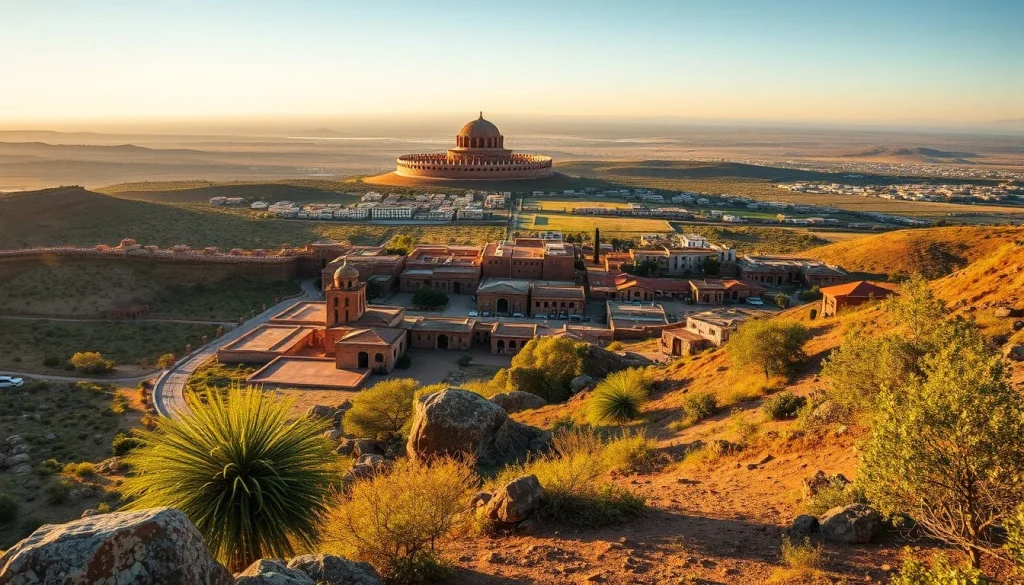
Plan the Northern Circuit as a mix of flights and overland legs rather than choosing one mode for the whole trip. Ethiopian Airlines connects Addis Ababa with Lalibela, Axum, Gondar and Bahir Dar, and domestic flights can save substantial time; check schedules and fares directly before booking because services can change.
| Transport | Best for | Trade-off |
|---|---|---|
| Domestic flight | Long links, especially Addis to a northern base | Fast, but schedules may change and disruption can affect connections |
| Private 4×4 with driver-guide | Multi-stop routes, viewpoints and trailheads | More expensive, but flexible when roads or plans change |
| Coach or minibus | Travellers prioritising a lower-cost overland journey | Slower and less predictable; distances take longer than the map suggests |
| Local taxi | Short transfers within towns | Useful locally, not a substitute for intercity transport |
A driver-guide earns their keep on a road-based Lalibela–Gondar–Bahir Dar route: translation, local route changes, permit arrangements and current information are difficult to manage from a timetable. Private 4×4 travel also lets you stop at villages, viewpoints and less accessible trailheads, but confirm the route’s current access before departure. Coaches and minibuses suit a simpler point-to-point plan, not a tightly timed circuit.
Getting to the Simien Mountains
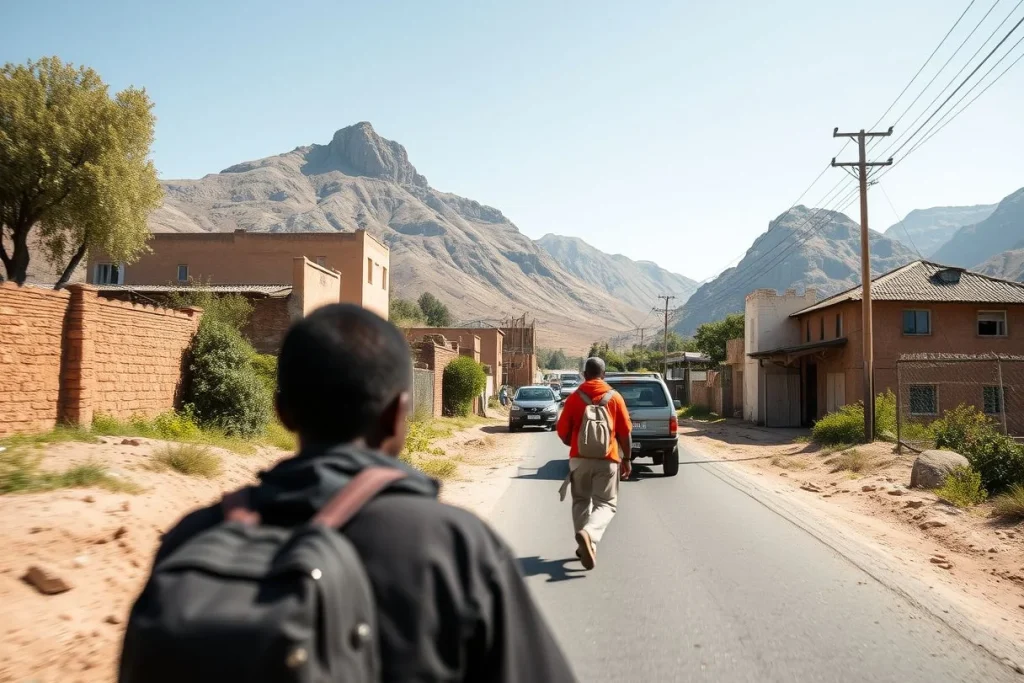
For trekking, use a park-registered guide and confirm current park fees, porter rules, trail access and transport to Debark before leaving for the mountains. The guide is particularly useful when weather or local conditions alter a route; arrange trekking insurance that covers medical treatment and evacuation.
For current regional conditions, consult the UK FCDO’s Ethiopia advice before committing to road legs.
Where to stay: bases for churches, castles, lake trips and treks
Where to stay: bases for churches, castles, lake trips and treks
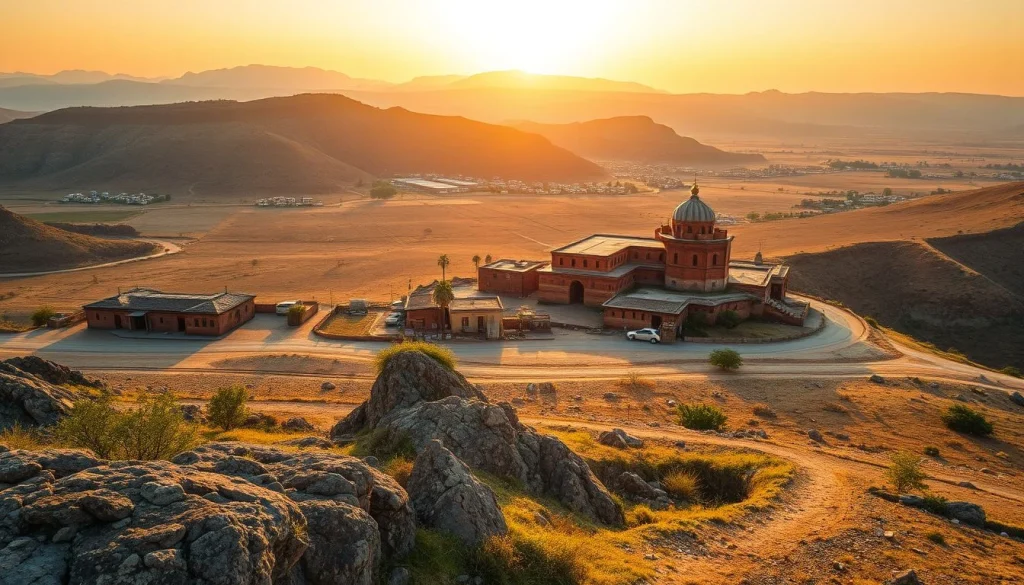
Choose accommodation by the next morning’s plan rather than simply by price. In Lalibela, a central guesthouse or hotel makes early visits to the Rock-Hewn Churches easier and suits travellers who prioritise heritage over facilities. Active Orthodox sites require modest dress and permission before photographing inside, according to UNESCO guidance.
Gondar is most practical near the Royal Enclosure and Fasil Ghebbi, particularly for a short cultural stop. Guesthouses keep costs down. After a long road transfer, a three-star hotel is the more comfortable choice. In Bahir Dar, choose a lakeside base or somewhere convenient for arranging a Lake Tana boat trip; the city works well for travellers wanting a slower day between historic sites and mountain travel.
For the Simien Mountains, stay in Debark when an early park departure matters. A park-area lodge suits itineraries focused on scenery and trekking access. Multi-day routes commonly involve park-registered guides and may require porters, permits or park fees, so confirm the current arrangement with an operator before booking.
Use a comfortable hotel near Bole International Airport in Addis Ababa for an arrival night or flight connection. Availability, local restrictions and festival demand can narrow the choice, especially around Genna and Timkat. Check current conditions and accommodation directly before paying. A listed base may not be operating.
Best things to do across the Northern Circuit
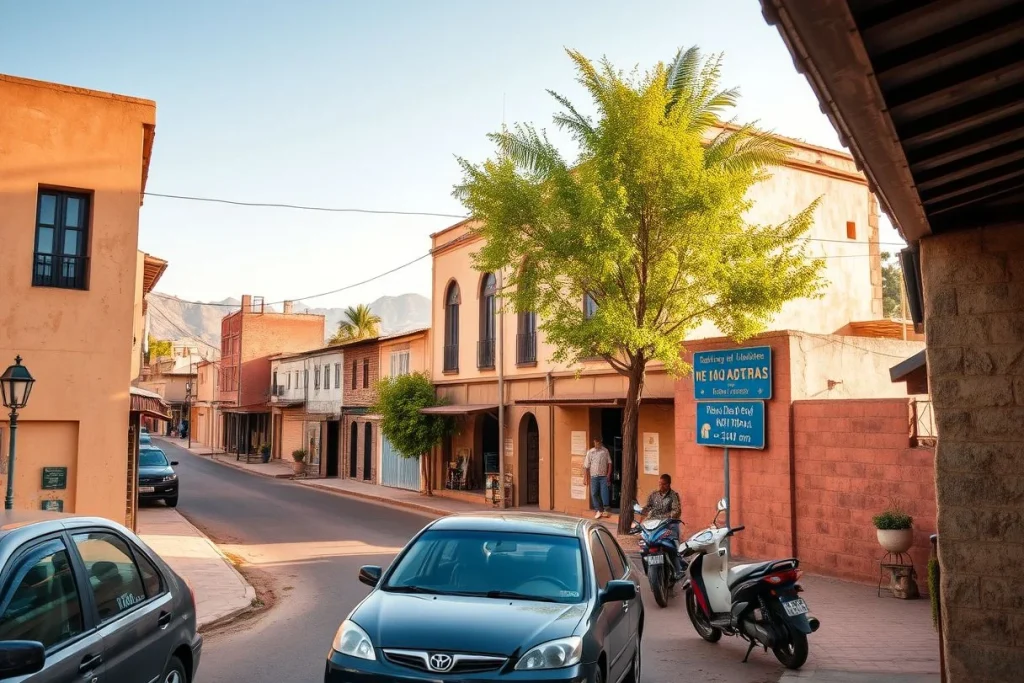
Build the activity plan around heritage first, then add walking days according to your fitness and the current access situation. These are the Northern Circuit’s strongest experiences, in practical priority order:
| Experience | Location | Time required | Effort |
|---|---|---|---|
| Rock-hewn churches | Lalibela | One church-focused day, longer if exploring slowly | Moderate walking on uneven ground and steps |
| Royal Enclosure and Fasil Ghebbi | Gondar | Half to full day | Easy to moderate sightseeing |
| Island and lakeside monasteries | Lake Tana, from Bahir Dar | Half or full day, depending on the boat plan | Easy on foot; boat conditions matter |
| Viewpoints and gelada sightings | Simien Mountains National Park | Half-day walk to a multi-day trek | Moderate to demanding, at altitude |
| Stelae and royal tombs | Axum | One day | Moderate sightseeing |
Lalibela’s churches are a UNESCO World Heritage Site, inscribed in 1978; allow more than a quick photo stop if the carved interiors and active worship are central to your trip. Gondar is the efficient history day, while Simien is the real physical commitment: a viewpoint walk tests your legs, but a multi-day route adds steep terrain, altitude, guides, porters and park fees. Multi-day trekking commonly uses park-registered guides, so confirm requirements with a local operator before departure.
Timkat offers a powerful religious and photographic experience in Lalibela or around Lake Tana, but expect crowds and stricter etiquette. At every active Orthodox site, wear modest clothing, keep quiet and ask permission before photographing inside; confirm boat operations, site access, permits and guided experiences immediately before travelling.
What to eat: injera, wot, tibs and the Ethiopian coffee ritual
Start with injera, the sour, spongy flatbread used both as plate and utensil. Tear off a piece to scoop up wot (spiced stew), ordering doro wat for the classic chicken-and-egg version or vegetable fasting dishes when available. Shared meals are the norm: eat from your side of the injera and use your right hand.
Tibs, sautéed meat often served in larger towns, is an approachable first order. Kitfo is minced beef served raw or lightly cooked; choose the preparation that fits your comfort and food-safety judgement rather than assuming one option suits every traveller. Vegetarian dishes and fasting platters can be substantial, not an afterthought.
Traditional restaurants in Addis Ababa and larger regional towns offer the broadest choice, while hotel or guesthouse kitchens may be the practical option in small trekking bases. Set aside time for an Ethiopian coffee ceremony: the roasting, grinding and serving are a cultural experience as well as a welcome pause between route legs.
Travel costs: dated budget, mid-range and luxury estimates
Northern Circuit spending varies sharply with transport and trekking support. The figures below are indicative, per person per day, based on 2024–2026 operator literature; verify current prices before booking.
Estimated costs
| Travel style | Estimated daily cost | Typical basis |
|---|---|---|
| Independent budget | US$25–50 | Guesthouses, buses and self-catering in low season |
| Northern Circuit mid-range | US$120–250 | Three-star hotels, some domestic flights, private transfers and a Simien guide |
| Private luxury | US$350+ | Private guides, upgraded domestic travel and upscale lodges |
These estimates generally exclude international flights, visa costs, festival-period demand, park fees, trekking permits, guide and porter charges, exchange-rate changes and emergency transport. The largest difference between budget and mid-range travel is usually the time-saving combination of flights and private vehicles; Simien trekking adds further costs for registered support and access. Check Ethiopian Airlines, accommodation providers and a registered local operator for live rates before departure.
| Item | Budget | Mid-range | Luxury |
|---|---|---|---|
| Independent budget travel | US$25–50 per person per day | Not separately supported | Not separately supported |
| Northern Circuit mid-range travel | Not separately supported | US$120–250 per person per day | Not separately supported |
| Private luxury travel | Not separately supported | Not separately supported | US$350+ per person per day |
Estimated ranges based on the sources listed below. Prices change; check with providers before booking.
Sample routes: realistic 7-, 10- and 14-day Northern Circuit itineraries
Use Lalibela as the anchor, then add destinations in proportion to the time available. The routes below assume current access, transport schedules, security conditions and trekking permits have been checked before departure. Ethiopian Airlines’ January 2026 factsheet confirms domestic connections from Addis Ababa to Lalibela, Gondar, Bahir Dar and Axum; flying the longest leg is usually more sensible than turning the itinerary into consecutive slow road days.
| Day | Seven days: compact first circuit | 10 days: add the Simien Mountains | 14 days: add Axum or more trekking |
|---|---|---|---|
| 1 | Addis Ababa; arrive, acclimatise. Low effort. | Addis Ababa; arrive and rest. Low effort. | Addis Ababa; arrive and rest. Low effort. |
| 2 | Lalibela; fly, then begin the churches. Moderate walking. | Lalibela; fly and explore. Moderate walking. | Lalibela; fly and explore. Moderate walking. |
| 3 | Lalibela; complete the Rock-Hewn Churches. Moderate effort. | Lalibela; second church day. Moderate effort. | Lalibela; second church day. Moderate effort. |
| 4 | Gondar; fly or use a confirmed road transfer. Travel day. | Gondar; transfer and visit the Royal Enclosure. Moderate effort. | Axum; take a confirmed flight or road transfer. Travel day. |
| 5 | Gondar and a Simien taster, or Bahir Dar; choose one. Moderate effort. | Simien Mountains; enter via Debark with a registered guide. Trekking effort. | Axum; archaeological sites, then transfer towards Gondar. Moderate effort. |
| 6 | Return to Addis by the fastest confirmed option. Travel day. | Simien Mountains; second trekking day and gelada country. Demanding effort. | Gondar; Royal Enclosure, then continue to the Simiens. Moderate effort. |
| 7 | Departure or Addis buffer. | Simien Mountains; third day or exit to Gondar. Demanding effort. | Simien Mountains; trek. Demanding effort. |
| 8–10 | Bahir Dar and Lake Tana; boat trip if operating, then fly to Addis. Moderate effort. | Simien Mountains; allow a longer trek and a recovery day, then Gondar. Demanding to moderate. | |
| 11–14 | Bahir Dar and Lake Tana, with one buffer day before Addis. Moderate effort. |
Choose the seven-day plan only if Lalibela is the priority; forcing Axum, Gondar, Bahir Dar and the Simiens into it will leave little margin for delays. The 10-day route is the strongest balance for an adventure traveller, while 14 days permits a slower Simien section or Axum’s archaeological sites. At altitude—Addis Ababa is about 2,355 metres and many northern stops exceed 2,000 metres—keep the first day easy. June to September can bring muddy trails and road disruption, so retain a buffer when travelling overland.
Entry requirements and safety: check official guidance before departure
Start with the official Ethiopian e-visa portal, not a third-party application site. Check eligibility for your nationality, passport requirements, payment method and permitted entry port before applying. The official guidance states that your passport must have at least six months’ validity; visa rules can change, so recheck the portal close to departure.
Safety decisions need to be regional and current. As of 21 September 2026, review the US State Department advisory issued 27 August 2026, the UK FCDO Ethiopia advice and your own government’s guidance within 30 days of publication, then again before travelling. The US advice identifies elevated-risk areas and restrictions affecting Amhara, while the FCDO notes that consular assistance may be limited in some areas.
Do not assume that the Northern Circuit has one uniform security picture. Lalibela, Gondar, the Simien Mountains and Axum may face changing access, road conditions or local restrictions. Confirm each leg with your accommodation or a reputable local operator immediately before departure; where conditions are uncertain, an operator that monitors regional access is worth the added cost and flexibility.
Buy insurance that explicitly covers trekking, medical treatment and evacuation, and keep the policy details, emergency contacts and embassy information offline as well as on your phone. Simien treks commonly require a park-registered guide and may involve porters, permits and park fees, so confirm current arrangements before booking. At active Orthodox sites, wear modest clothing and ask before photographing inside churches.
Travel tips that make the route safer and smoother
- Acclimatise before trekking. Addis Ababa sits at approximately 2,355m, and many Northern Circuit destinations exceed 2,000m; keep the first days easy, hydrate, and seek medical advice if you have a relevant condition. The altitude figures are supported by climate reference data from Wikipedia.
- Pack for quick changes in the highlands. Bring warm layers, sun protection, waterproof footwear, rain gear, a headlamp, refillable bottle and a small daypack. These earn their space on exposed Simien trails and during wet-season road delays.
- Build in a buffer day. Road journeys can take longer than the map suggests, and domestic flight schedules or access conditions can change. Avoid placing an international departure immediately after a long intercity transfer.
- Carry a paper-and-digital backup. Save offline maps, accommodation details, passport copies, emergency contacts and permits; keep a second payment method and extra snacks for expanded road days.
- Use local support where terrain or logistics demand it. For Simien, confirm the park-registered guide, porter arrangements, fees and permitted route before setting out. A driver is also worthwhile when linking several highland towns overland.
- Recheck every intercity leg. Before departure, consult the US State Department advice and UK FCDO guidance, then ask your operator about local communications and restrictions.
- Keep church visits unobtrusive. Wear clothing covering shoulders and knees, avoid interrupting worship, and ask permission before photographing people, priests or interiors.
Conclusion: choose the route your time and legs can support
For a first Northern Circuit visit with limited time, choose a seven-day Lalibela–Gondar–Bahir Dar framework: it delivers the major heritage and lake experiences without forcing every long road leg. Stretch to 10 days if the Simien Mountains are a priority, allowing time for a properly guided trek; use 14 days to add Axum or replace flights with slower overland travel.
Before booking, choose dates outside the June–September highland rains where possible, then check the US State Department advisory and UK FCDO guidance, including current Amhara restrictions. Confirm entry conditions and six months’ passport validity through the official Ethiopian e-visa portal. Finally, recheck domestic flights, park access and permits, and arrange flexible local support plus insurance covering trekking, treatment and evacuation.
Frequently asked questions
Can I combine the Northern Circuit with a Danakil Depression trip?
It may be possible to plan both, but the supplied route information does not confirm current connections, access, permits, road conditions or tour arrangements for the Danakil Depression. Treat it as a separate extension rather than assuming it fits neatly into a Northern Circuit itinerary. Before committing, check the latest region-by-region guidance from the US State Department and UK FCDO, and confirm logistics with a current local operator.
How physically demanding is a Simien Mountains trek?
Expect more than a gentle sightseeing walk: the Simien Mountains are a high-altitude trekking destination with demanding terrain, and the route can be affected by June–September rain and muddy tracks. Fitness for sustained walking is useful, but the exact effort depends on the itinerary. Multi-day treks commonly involve a park-registered guide and may require porters, permits and park fees, all of which should be confirmed before departure.
Is it better to visit Lalibela before or after Gondar?
Neither order is universally better. Lalibela is the strongest starting point if the rock-hewn churches are your main reason for travelling north, while Gondar adds the Royal Enclosure and Fasil Ghebbi’s imperial architecture. Choose the order that matches confirmed domestic flights or road conditions, since Ethiopian Airlines connects Addis Ababa with both destinations and overland journeys can be slow. Verify schedules shortly before travelling.
What altitude should I expect on a Northern Circuit trip?
Addis Ababa is approximately 2,355 metres above sea level, and many Northern Circuit destinations are above 2,000 metres. That makes altitude relevant from the start, particularly when adding the Simien Mountains. Build in a gradual pace on arrival, avoid treating the first trekking day as a test of fitness, and seek medical advice if you have concerns about altitude or an underlying condition.
Can I see gelada baboons without doing a multi-day trek?
The Simien Mountains are the Northern Circuit’s principal destination for gelada sightings, but the supplied sources do not confirm a particular short walk or guarantee sightings without a multi-day trek. A shorter park visit may be possible, subject to current access, guide arrangements and local conditions; ask a registered park guide or current operator about the least demanding route. Confirm park requirements, fees and access before setting out.
How should I dress when visiting Ethiopia’s Orthodox churches?
Dress modestly at active Orthodox sites, and ask before photographing inside churches. Pack clothing that covers the body respectfully and keep a layer available for visits to religious buildings and ceremonies. Genna on 7 January and Timkat on 19 January can draw larger visitor numbers around major religious sites, so follow local instructions carefully and avoid treating worship as a photo opportunity.