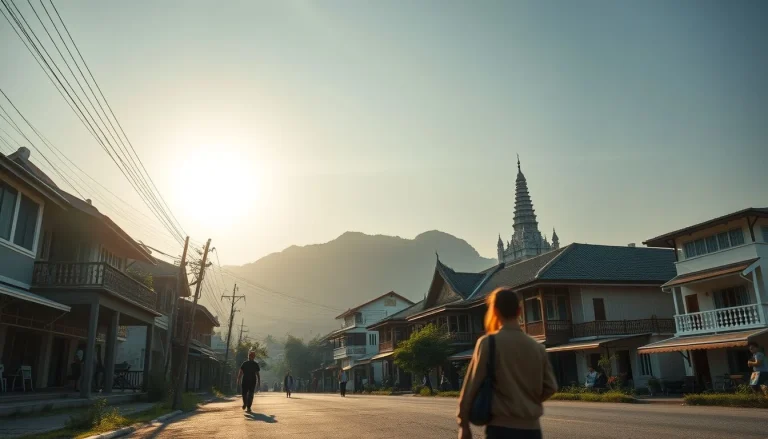

A through Reunification Express journey from Hanoi to Ho Chi Minh City takes approximately 31 hours, which is why a north-to-south route needs more than a simple list of Vietnam’s highlights. This 2 weeks in Vietnam itinerary uses selected overnight transport and domestic flights to connect Hanoi, Ninh Binh, Ha Long Bay, Hue, Hoi An and Ho Chi Minh City without turning every day into a transfer.
It is written for backpackers and first-time independent travellers who want to control costs, meet other travellers and make sensible choices about hostels, luggage and transport. You’ll see where Sapa earns its place over Ninh Binh, when an overnight train or sleeper bus saves a hotel night, and whether the Mekong Delta works better as a day trip or an overnight stop. The route also flags bookings that deserve advance planning, from Ha Long Bay cruises to sleeper berths.
Quick answer: Yes—14 days is enough for a realistic north-to-south Vietnam route, but not for every major stop. This plan uses Hanoi, Ninh Binh, Ha Long Bay, Hue, Hoi An and Ho Chi Minh City, with a Mekong Delta day trip; choose Sapa instead of Ninh Binh if trekking matters more, and use selected domestic flights plus overnight transport to protect your time.
14 days in Vietnam: the north-to-south route at a glance
This 14-day Vietnam itinerary keeps the route moving south without treating every transfer as a sightseeing day. It uses Ninh Binh instead of Sapa; replacing it with Sapa means an overnight Hanoi–Lao Cai train of about eight hours, followed by roughly 45–60 minutes to Sapa, according to Vietnam Railway’s 2026 timetable.
| Day | Base | Main activities | Overnight | Transport |
|---|---|---|---|---|
| 1 | Hanoi | Old Quarter, Hoan Kiem Lake | Hanoi | Arrive and walk |
| 2 | Hanoi | Street food and city exploring | Hanoi | Local transport |
| 3 | Ninh Binh | Transfer, Tam Coc | Ninh Binh | Road transfer |
| 4 | Ninh Binh | Trang An and Mua Caves | Ninh Binh | Boat and local transfer |
| 5 | Ha Long Bay | Travel and board overnight cruise | Cruise | Road; allow 2.5–4 hours from Hanoi |
| 6 | Ha Long Bay | Bay cruise and return | Hanoi or transit stop | Cruise and road |
| 7 | Hue | Transfer south | Hue | Flight and road connection |
| 8 | Hue | Imperial Citadel and pagodas | Hue | Walk or local transport |
| 9 | Hoi An | Travel via Da Nang | Hoi An | Road transfer |
| 10 | Hoi An | Ancient Town, food and nearby beach | Hoi An | Walk and local transport |
| 11 | Ho Chi Minh City | Fly south and settle in District 1 | Ho Chi Minh City | Domestic flight |
| 12 | Ho Chi Minh City | Saigon sights and street food | Ho Chi Minh City | Walk and local transport |
| 13 | Mekong Delta | My Tho or Ben Tre day trip | Ho Chi Minh City | Organised road-and-boat trip |
| 14 | Ho Chi Minh City | Final market visit and departure | — | Transfer to Tan Son Nhat |
Ha Long Bay’s road transfer can absorb much of Day 5, so avoid adding another major attraction. For current domestic schedules, check Vietnam Airlines and VietJet directly; reported airline changes in August 2026 make availability especially changeable.
Before you go: visas, bookings, SIMs and arrival logistics
Sort out the entry requirements first. Vietnam’s visa-exemption rules cover many nationalities for stays of up to 45 days, but eligibility and conditions depend on your passport. Check the current official visa-exemption list and, if you need a visa, use the Vietnamese government’s current application guidance; visa approval and arrival paperwork are separate matters.
If you fly into Tan Son Nhat International Airport, check the current Pre-arrival Information or Digital Arrival Card process on the Vietnamese Ministry of Public Security website before departure. The Immigration Department piloted the system from 15 April 2026, so requirements may change. Use the official process only, avoid paid third-party forms, and don’t confuse an arrival card with visa permission. Travellers arriving at Noi Bai International Airport in Hanoi should also arrange their airport transfer before landing, particularly if arriving late or carrying a large backpack.
Book the first Hanoi Old Quarter hostel, an overnight Ha Long Bay cruise, and any sleeper train before leaving home. Those are the parts of this 14-day Vietnam itinerary where a fixed date matters most. Keep later hostels and ordinary buses flexible so rain, fatigue or a delayed connection doesn’t force an expensive change. Reserve the Da Nang–Ho Chi Minh City flight ahead if you want to protect the southern half of the route, but check the current timetable, baggage allowance and carrier directly: reported airline changes in August 2026 mean availability should be confirmed with Vietnam Airlines and VietJet rather than assumed.
Set up an eSIM before departure if your phone supports it, or buy a local SIM from an official airport or shop counter after checking that your handset is unlocked. Save your passport identification page, visa or exemption evidence, insurance details and key bookings offline as well as in cloud storage. A small amount of Vietnamese đồng is useful for the first transfer, food and minor purchases; avoid carrying your entire trip budget in cash.
Choose travel insurance that includes medical treatment and evacuation cover, as advised by GOV.UK Foreign travel advice, updated 21 September 2026. Check current travel-health guidance and local advisories shortly before departure, and keep one flexible day in your plans if travelling during periods when flooding, storms or central-Vietnam disruption are possible.
Day by day: a realistic Vietnam itinerary from Hanoi to Ho Chi Minh City
Yes, two weeks is enough for a realistic Vietnam north-to-south itinerary, but not for every major stop. This 14-day Vietnam itinerary uses Hanoi, Ninh Binh, Ha Long Bay, Hue, Hoi An and Ho Chi Minh City, with a Mekong Delta day trip. Choose Sapa instead of Ninh Binh if trekking matters more; use domestic flights selectively and overnight transport only when it genuinely saves a day.
Day 1: Arrive in Hanoi
Morning
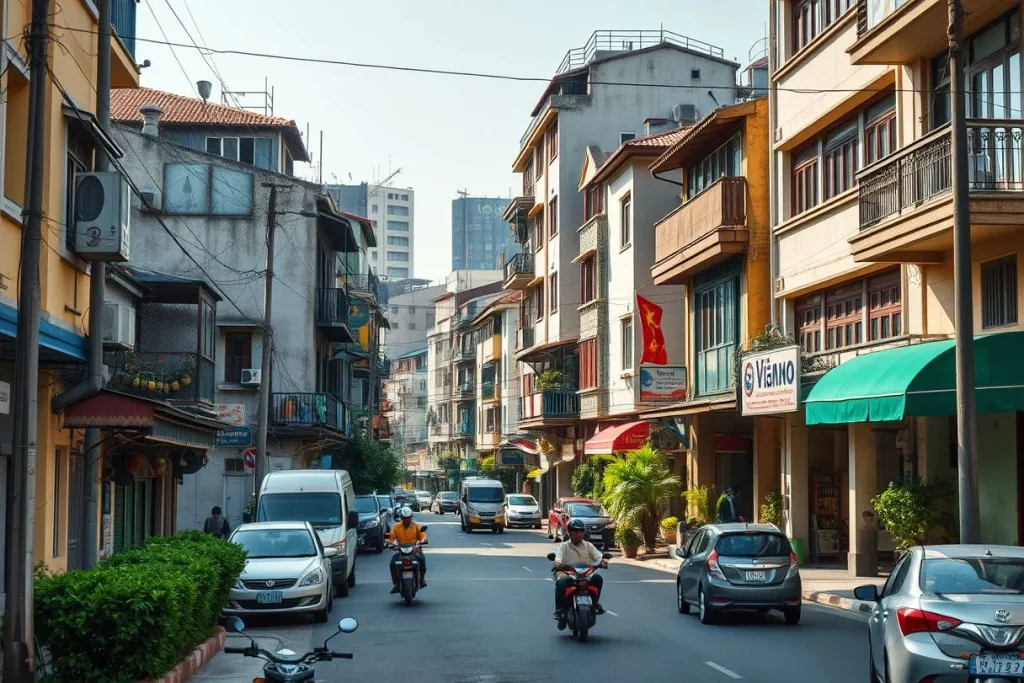
Arrive at Noi Bai International Airport and allow extra time for immigration, luggage and the transfer into Hanoi. Settle into a hostel in or near the Hanoi Old Quarter rather than planning a full sightseeing day.
Afternoon
Take an easy orientation walk through the Old Quarter to Hoan Kiem Lake. Keep the first afternoon flexible: jet lag, traffic and airport queues can easily turn a short transfer into a long one.
Evening
Walk around the lake after dark and join your hostel’s social area or a small street-food walk. Keep valuables secure in crowded streets and avoid carrying your entire cash supply.
Where to eat
Start with pho, bun cha or a filled banh mi. The Old Quarter has plenty of inexpensive street-food options and makes it easy to eat without another long journey.
Getting around
Use a reputable taxi or ride-hailing service from Noi Bai. Inside the Old Quarter, walking is usually more practical than arranging short car journeys through congested streets.
Estimated time
Allow two to four hours for arrival and transfer, two hours for a gentle walk, one to two hours for dinner and the rest for rest or hostel social time.
Optional extras
If you arrive early and feel alert, add a short visit to a nearby market or café rather than committing to a museum across the city.
Day 2: Hanoi food and neighbourhoods
Morning
Spend the morning on foot around the Old Quarter and Hoan Kiem Lake. Use the day to buy a local SIM or eSIM, withdraw some đồng, and arrange laundry before leaving Hanoi.
Afternoon
Choose one museum or cultural stop, then return to the hostel to prepare for the next transfer. A food tour works well here and is an easy way to meet other backpackers.
Evening
Keep dinner early and pack a small overnight bag for Ninh Binh. Leave bulky luggage at your Hanoi hostel only if the property confirms it can store it securely.
Where to eat
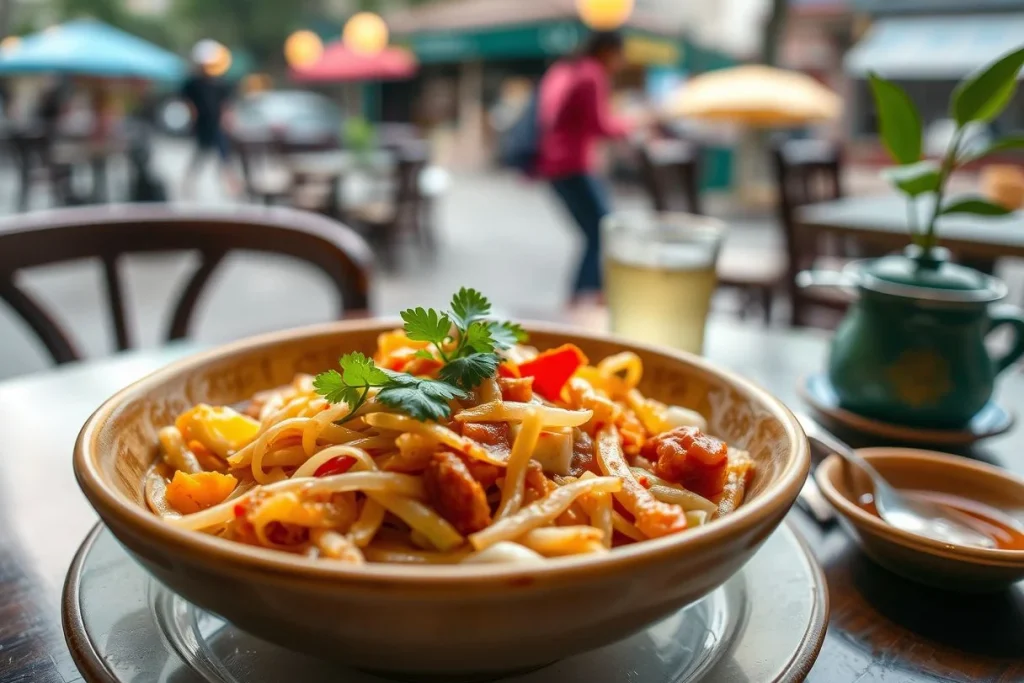
Try more bun cha, egg coffee or local vegetarian dishes. Ask hostel staff which nearby stalls are busy with local diners rather than chasing restaurants on the other side of town.
Getting around
Walk where possible and allow generous margins for traffic. Hanoi’s streets are compact on a map but slow by car at busy times.
Estimated time
Allow four to five hours for sightseeing, one to two hours for errands, two hours for meals and at least one quiet block before the next morning’s departure.
Optional extras
Travellers who prefer history can choose a museum; those prioritising nightlife should return to the Old Quarter’s hostel bars, but avoid sacrificing sleep before Ninh Binh.
Day 3: Hanoi to Ninh Binh and Trang An
Morning
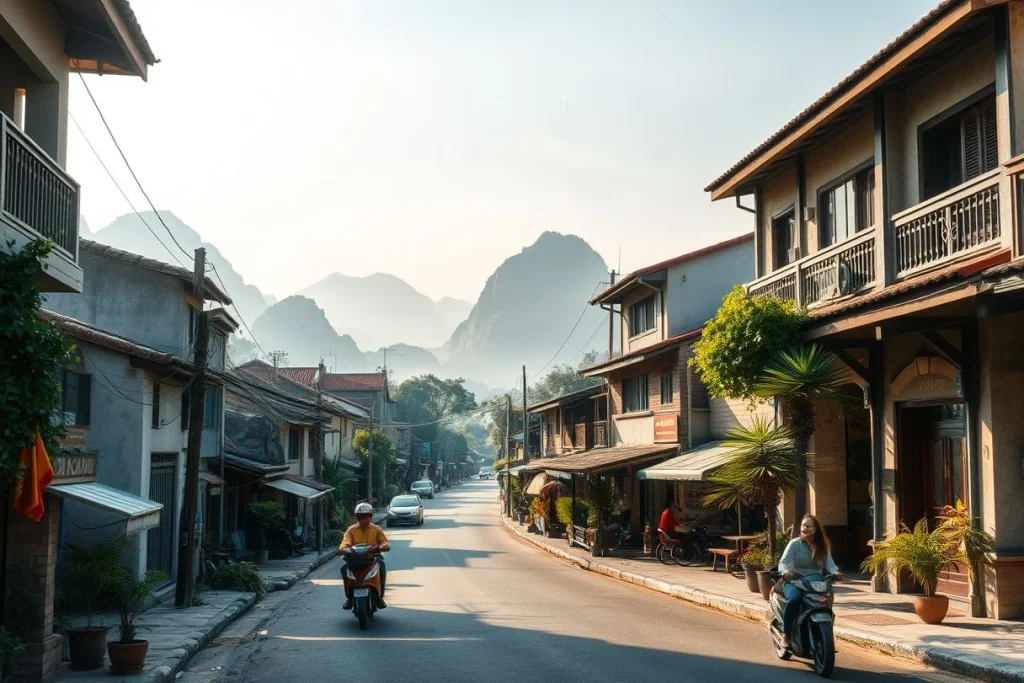
Travel from Hanoi to Ninh Binh and base yourself in Tam Coc for easier access to the countryside and a more social backpacker scene. Drop your bag before taking a boat trip at Trang An or Tam Coc.
Afternoon
Choose one boat route, not both. Trang An is the stronger choice for a longer karst-and-cave landscape; Tam Coc is a simpler option if you want a shorter afternoon and more time cycling.
Evening
Cycle or walk around Tam Coc before dinner. The countryside becomes quiet after the day-tour groups leave, so this is a useful reason to sleep in Ninh Binh rather than visit on a rushed day trip.
Where to eat
Look for local dishes such as goat and rice-based specialities around Tam Coc. Hostels and guesthouses are also useful for arranging shared transfers or joining other travellers for dinner.
Getting around
Use a shared minibus, train or pre-arranged transfer from Hanoi, then walk, cycle or hire a local driver around Ninh Binh. Check the road and weather situation before setting out.
Estimated time
Allow half a day for the transfer and check-in, two to three hours for the boat, one hour for meals and the remainder for cycling or rest.
Optional extras
If rain makes the boat trip unattractive, keep the afternoon slow and move the boat to Day 4.
Day 4: Mua Caves and Ninh Binh countryside

Morning
Visit Mua Caves early, before heat and larger groups build. The climb is exposed and uneven, so carry water and wear shoes with grip.
Afternoon
Spend the afternoon cycling through rice fields and villages, or choose the boat trip you skipped on Day 3. Ninh Binh is the lower-logistics alternative to Sapa: it offers dramatic scenery without adding an overnight mountain transfer.
Evening
Return to Tam Coc, collect stored luggage if necessary and prepare for the journey towards Ha Long Bay. Confirm the next day’s pickup point directly with the cruise operator.
Where to eat
Choose a simple local restaurant in Tam Coc and keep dinner light if you are prone to motion sickness on boats or winding roads.
Getting around
A bicycle is practical around Tam Coc, but use a driver for longer distances or poor weather. Do not attempt unfamiliar rural roads after dark.
Estimated time
Allow two hours for Mua Caves, two to four hours for cycling or boating, and several hours for rest, meals and luggage arrangements.
Optional extras
Travellers wanting a quieter day can skip Mua Caves and spend the morning at a homestay or on a shorter cycle.
Day 5: Ninh Binh to Ha Long Bay
Morning
Transfer towards Ha Long Bay and board a reputable overnight cruise. If your operator requires a Hanoi pickup, include the return leg before the cruise; the Hanoi–Ha Long road journey typically takes about 2.5–4 hours, depending on traffic and transfer type, according to Vietnam Tourism.
Afternoon
Settle into the boat and follow the operator’s activities. Check that the booking clearly states what is included, where pickup occurs and how weather cancellations are handled.
Evening
Enjoy the bay from the deck and keep the evening unhurried. An overnight cruise costs more than a day trip, but saves you from fitting another long transfer into this route.
Where to eat
Meals are generally arranged by the cruise, so tell the operator about dietary needs in advance and carry snacks for the road transfer.
Getting around
Use the cruise company’s transfer where possible. Allow extra time for Hanoi traffic and road delays.
Estimated time
Allow four to eight hours for road transfers and boarding, with the rest divided between cruise activities, meals and rest.
Optional extras
For a cheaper, faster plan, replace the overnight cruise with a day cruise and sleep in Hanoi. This gives up the quieter early and late hours on the bay.
Day 6: Ha Long Bay to Hanoi
Morning
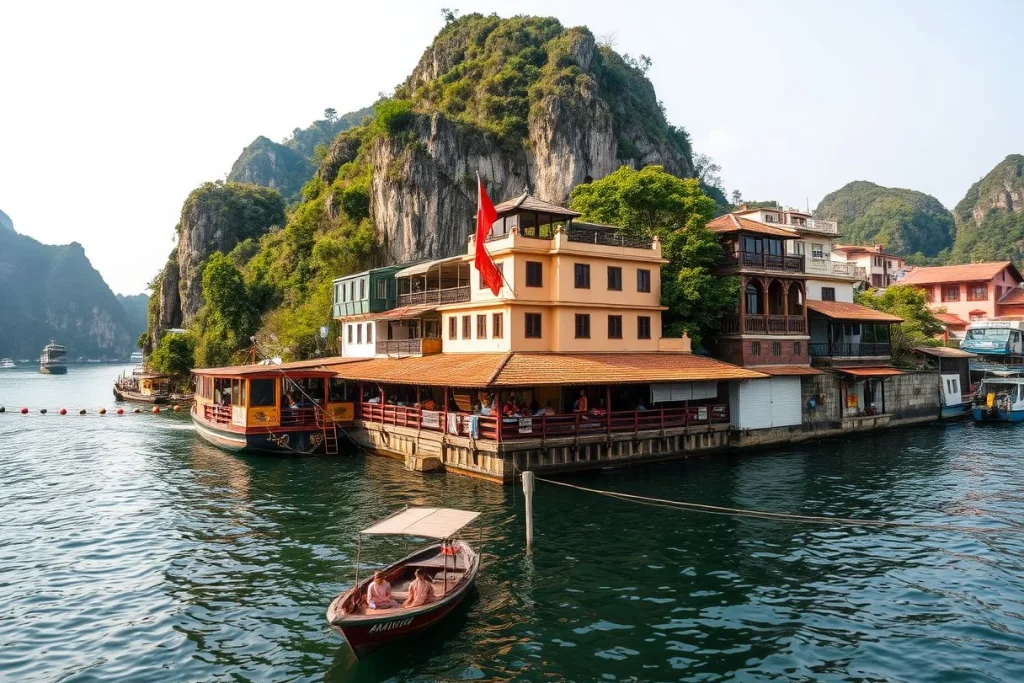
Use the cruise’s morning for its scheduled bay activity, then return to port. Exact inclusions vary, so treat the published itinerary as provisional until confirmed.
Afternoon
Return to Hanoi and rest. Do not add a major attraction after the cruise unless your onward transport is late or your energy is high.
Evening
Eat near your hostel, repack and confirm the next day’s flight or train. Keep documents and electronics in your day bag rather than checked luggage.
Where to eat
Return to a favourite Hanoi dish or try northern noodles and grilled food in the Old Quarter.
Getting around
Follow the cruise transfer back to Hanoi, then walk or use a short ride-hailing journey to your hostel.
Estimated time
Allow a full travel day, with roughly two to four hours for the return road journey plus boarding, meals and rest.
Optional extras
If the cruise is cancelled because of weather, keep the day in Hanoi and replace the bay with another neighbourhood or food activity.
Day 7: Hanoi to Hue
Morning
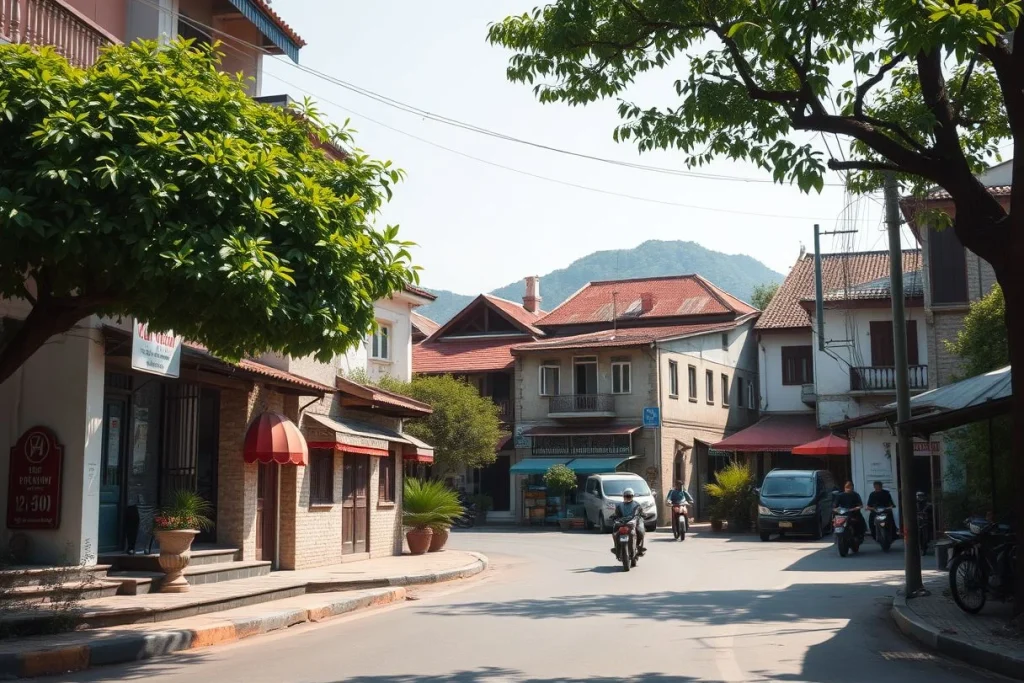
Fly from Noi Bai to Da Nang, then continue overland to Hue, or choose a slower train journey if the landscape matters more than time. Check current schedules, baggage rules and carrier availability with Vietnam Airlines or VietJet before booking.
Afternoon
Use the arrival period for check-in and a walk along the Perfume River. This is a travel day, not the moment to stack several monuments together.
Evening
Eat in Hue and take a quiet walk around the centre. Central Vietnam can experience heavy rain, flooding and transport disruption, particularly in wetter periods, so check conditions before travelling.
Where to eat
Try Hue specialities such as bun bo Hue, steamed rice cakes and small savoury snacks.
Getting around
Use a pre-arranged airport transfer or reputable ride-hailing service from Da Nang. The train is slower but avoids a second flight and can suit travellers with flexible plans.
Estimated time
Allow most of the day for flights, airport transfers and check-in, then two hours for dinner and a short walk.
Optional extras
If you are tired, stay in Da Nang overnight and visit Hue as a day trip only if the onward schedule still works; otherwise keep Hue as the base.
Day 8: Hue’s imperial sights
Morning
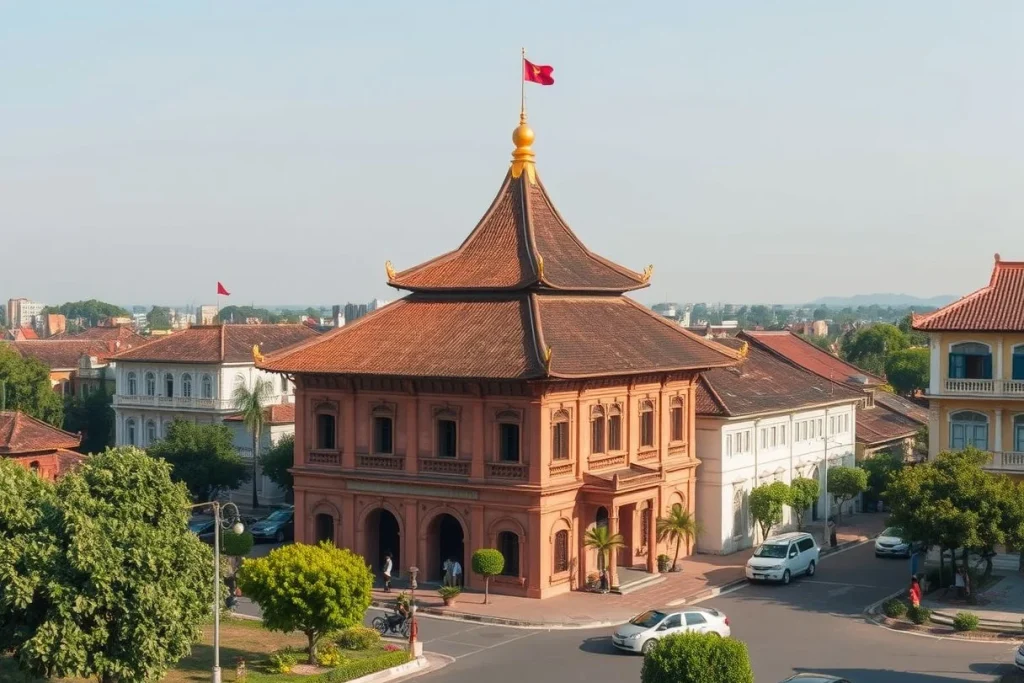
Visit the Imperial Citadel of Hue early and take your time with the gates, courtyards and surviving royal buildings. Check current opening information before setting out.
Afternoon
Choose one pagoda or market rather than trying to cover every tomb outside the city. Return to your accommodation for a cool-down and laundry break.
Evening
Walk beside the river and eat another local dinner. Hue is a useful cultural pause between the northern landscapes and Hoi An’s more visitor-oriented streets.
Where to eat
Focus on bun bo Hue, vegetarian temple-style food and small plates of central Vietnamese snacks.
Getting around
Use a bicycle, walking route or pre-arranged driver. A driver is more practical for outlying royal tombs than trying to combine them with the Citadel on foot.
Estimated time
Allow three hours for the Citadel, two to three hours for a second sight, and the remaining time for meals, laundry and rest.
Optional extras
Skip the outlying tombs if rain is heavy or you want a slower day before the transfer to Hoi An.
Day 9: Hue to Hoi An via Da Nang
Morning
Travel from Hue to Hoi An overland via Da Nang. The Hai Van route is worthwhile when weather, road conditions and timing suit, but do not force it during poor visibility or heavy rain.
Afternoon
Check into accommodation near Hoi An Ancient Town, then rest or take a short orientation walk. Keep your main sightseeing for the following day.
Evening
Explore the lantern-lit streets and riverside after the hottest part of the day. Stay aware of traffic on the approach roads, where motorbikes share narrow lanes with pedestrians.
Where to eat
Order cao lau, white rose dumplings or a local banh mi. Hoi An is a good place to compare dishes at market stalls and informal restaurants.
Getting around
Use a shared transfer, bus or private car from Hue. Walk or cycle around the Ancient Town once settled.
Estimated time
Allow half a day for the transfer, one hour for check-in and two to three hours for an evening walk and meal.
Optional extras
Travellers who prefer beaches can stay near An Bang instead, accepting a longer journey into the Ancient Town.
Day 10: Hoi An Ancient Town
Morning
Explore Hoi An Ancient Town before the heat builds, then step away from the central lanes for a quieter coffee or market stop.
Afternoon
Choose tailoring,
Where to stay: the best bases for backpackers on this route
Choose accommodation by the kind of evening you want, not only by the lowest bed price. A dorm is the easiest way to meet other travellers; a private budget room is worth considering after an overnight journey or when you need a proper reset. For current availability and city-by-city comparisons, check hostel listings such as Hostelworld’s Vietnam guide, then verify the property’s own cancellation and arrival conditions.
Hanoi: stay in or just outside the Hanoi Old Quarter for street food, Hoan Kiem Lake and the widest choice of social hostels. The trade-off is noise, particularly around nightlife streets, so ask for a room away from the frontage if sleep matters. Look for secure lockers, laundry or a reliable nearby laundry service, and reception that accepts late arrivals after a train or airport transfer.
Ninh Binh: Tam Coc is the practical choice for backpackers who want walkable restaurants, bicycle hire and social hostels. Quieter countryside accommodation suits travellers who prefer early mornings and rice-field views, but check how you will reach Trang An and Mua Caves before booking; a property with luggage storage is useful if you are moving on after one or two nights.
Ha Long Bay and Hue: Ha Long is primarily an overnight-cruise stop rather than a hostel base, so treat the boat as your accommodation and assess the operator, inclusions and luggage arrangements before paying. In Hue, choose a walkable position near the Imperial Citadel, the river or the main food streets. A central dorm works well for meeting people; a private room is better after a long transfer or if you are carrying equipment.
Hoi An: staying near the Ancient Town makes evening food walks and lantern-lit streets easy, while the beach area gives you more space but adds travel time. Social hostels suit solo backpackers; private guesthouses work better for sleep and laundry. In Ho Chi Minh City, District 1 offers the simplest base for food and onward transport, with Pham Ngu Lao the liveliest choice. Pick a side street nearby if you want nightlife access without sleeping above it. Before booking anywhere, read recent reviews for noise, cleanliness and lockers, and confirm cancellation terms, late-arrival reception and luggage storage.
Vietnam travel costs for two weeks: budget, mid-range and splurge
Vietnam can be inexpensive on the ground, but a 14-day north-to-south route becomes noticeably costlier when you add domestic flights, an overnight cruise and private rooms. The ranges below are indicative 2026 figures, not guaranteed totals; prices change with city, date, baggage, class and what each booking includes.
| Estimated cost (2026 basis) | Budget | Mid-range | Luxury |
|---|---|---|---|
| Hostel dorm, per night | US$4–15 | US$10–20 | — |
| Private budget room, per night | US$10–20 | US$20–30 | — |
| Mid-range hotel, per night | US$30–50 | US$50–80 | — |
| Luxury hotel or resort, per night | US$120–150 | US$150–250 | US$250+ |
| Domestic flight, one way | US$30–50 | US$50–80 | Higher full-service fares may exceed this |
| Overnight sleeper bus, one way | US$10–15 | US$15–25 | — |
| Sleeper train, one way | US$20–40 | US$40–60 | — |
| Two-day Ha Long Bay cruise, per person | US$50–100 | US$120–200 | Not specified |
These ranges draw on 2026 Vietnam listings from Hostelworld, transport comparisons from Day Trips Vietnam and Vietnam Railway, and cruise guidance from Vietnam Tourism.
For a backpacker, the clearest daily baseline is accommodation: roughly US$4–15 for a dorm bed or US$10–20 for a private budget room, before meals, sights and local transport. An all-in daily figure cannot be calculated responsibly from the supplied price data because food, entrance fees and short urban rides are not sourced here. Add the flight, train or cruise separately, then check live fares and baggage terms with the operator; current domestic availability should be confirmed primarily with Vietnam Airlines and VietJet.
Keep international flights, visa charges and travel insurance outside this ground budget. Insurance should include medical treatment and evacuation cover, as advised by GOV.UK Foreign travel advice (updated 21 September 2026).
| Item | Budget | Mid-range | Luxury |
|---|---|---|---|
| Hostel dorm bed | US$4–15 per night | US$10–20 per night | — |
| Private budget room | US$10–20 per night | US$20–30 per night | — |
| Mid-range hotel | US$30–50 per night | US$50–80 per night | — |
| Luxury accommodation | US$120–150 per night | US$150–250 per night | US$250+ per night |
| Domestic flight | US$30–50 one way | US$50–80 one way | Higher full-service fares may exceed this range |
| Overnight sleeper bus | US$10–15 one way | US$15–25 one way | — |
| Sleeper train | US$20–40 one way | US$40–60 one way | — |
| Ha Long Bay overnight cruise | US$50–100 per person | US$120–200 per person | Not specified by the source |
Estimated ranges based on the sources listed below. Prices change; check with providers before booking.
Practical tips for a smoother Vietnam backpacking route
Practical tips for a smoother Vietnam backpacking route
- Keep the middle of the route flexible. Book your first Hanoi stay and any fixed Ha Long Bay or sleeper transport plans, then leave room to adjust after checking weather, delays and your energy. This matters most in June, July, August and December, when conditions differ sharply between northern, central and southern Vietnam.
- Reconfirm every moving part. Check flight times, baggage allowances, bus departure points and cruise details shortly before travel. Domestic availability should currently be checked primarily with Vietnam Airlines and VietJet, following reported changes to scheduled domestic sales in August 2026; confirm the live position before paying.
- Build in traffic time. Hanoi and Ho Chi Minh City traffic can make an apparently generous airport connection tight, so avoid scheduling an onward flight immediately after a long bus journey. The same caution applies to the road from Hanoi to Ha Long Bay, where the journey typically takes about 2.5–4 hours depending on traffic and transfer type.
- Choose sleep transport for comfort, not just price. A sleeper bus can save a night and usually costs less, but compare its berth layout and reviews with a soft-sleeper Reunification Express train. The through Hanoi–Ho Chi Minh City train takes about 31 hours, so it is a scenic option rather than an efficient substitute for a flight on this 14-day route.
- Pack a small overnight bag. Keep a change of clothes, toiletries, chargers, earplugs and valuables in a light day bag; store the larger backpack where your hostel provides a locker or luggage room. Do laundry before a long transfer rather than assuming a same-day service will fit your timetable.
- Set up connectivity before leaving the airport. Activate an eSIM or local SIM while you have Wi-Fi, save accommodation addresses in Vietnamese, and download offline maps for each stop. Keep screenshots of tickets and booking details in case your connection fails.
- Treat scooters seriously. Use a helmet, check the rental and your insurance conditions, and do not hire a motorbike for a mountain or city route you have not ridden before. For most backpackers, walking, app-based car rides and reputable transfers are the calmer choice.
- Check disruption and local rules before setting out. Verify typhoon, flooding, river and closure information before cruises, cave trips and Mekong activities, particularly in the central region and during the wet season. Use reputable operators, carry medical and evacuation insurance, and follow current GOV.UK Foreign travel advice (updated 21 September 2026), including its guidance on local law, customs and avoiding political activity or public criticism of the Vietnamese government. Communal hostel dinners and walking tours are useful ways to meet people, but keep independent plans and offline directions as a backup.
The best way to book this 14-day Vietnam route
For most first-time backpackers, choose the Ninh Binh route. It fits more comfortably alongside Hanoi, an overnight Ha Long Bay cruise, Hue, Hoi An and Ho Chi Minh City, without turning every stop into a transfer day. Swap Ninh Binh for Sapa only if trekking and mountain scenery are the main reason for your Vietnam trip; the extra journey is worthwhile for that priority, but leaves less breathing room elsewhere.
Before booking, confirm your passport’s entry requirements and check regional weather, particularly for Ha Long Bay and central Vietnam. Reserve your first Hanoi hostel, the Ha Long cruise and any key flight or sleeper transport. Keep later accommodation flexible, so you can adjust the route after seeing how quickly you travel and whether weather disrupts a planned connection.
Frequently asked questions
Can I replace Ninh Binh with Sapa on this route?
Yes, if mountain scenery and trekking matter more to you than a lower-logistics itinerary. The Hanoi–Lao Cai overnight train takes about eight hours, followed by roughly 45–60 minutes to Sapa, so allow two nights rather than treating it as a quick stop. Keep Ninh Binh for Trang An, Tam Coc and Mua Caves with less travel overhead; this is the better choice if you want a steadier pace.
Is it better to fly from Da Nang to Ho Chi Minh City or take the train?
For a 14-day north-to-south route, flying from Da Nang generally protects more time for Hoi An and Ho Chi Minh City. A through Reunification Express journey between Hanoi and Ho Chi Minh City takes approximately 31 hours, illustrating the time cost of relying heavily on rail. Check current schedules, fares and baggage rules with Vietnam Airlines and VietJet before booking; reported airline changes in August 2026 mean availability can shift.
What should I pack for changing climates across Vietnam?
Pack for regional variation rather than one uniform climate: northern mountains, central Vietnam and the south can feel very different, and wet-season conditions may disrupt plans in central Vietnam or the Mekong Delta. Use a flexible clothing system, a light rain layer and footwear suitable for both city walking and outdoor excursions. Check the forecast and local disruption notices before Ha Long Bay, Phong Nha, central Vietnam or Mekong activities.
Can I travel with a large backpack on overnight buses and trains?
Usually, you can plan the route around a backpack, but do not assume every operator handles large luggage in the same way. Check the baggage allowance and storage arrangements directly with the bus company, Vietnam Railways or the booking platform before paying. Keep documents, medication, electronics and one change of clothes in a smaller day bag so they remain accessible during the journey.
How can solo travellers meet people without joining every organised tour?
Choose hostel dorms and spend time in their shared areas, particularly on arrival days in Hanoi, Hoi An and Ho Chi Minh City. A single social activity—such as a reputable Ha Long Bay cruise or a small Mekong excursion—can create an easy meeting point without turning the whole itinerary into organised travel. Keep bookings flexible so you can accept an invitation or continue independently.
Is Can Tho worth the extra night compared with a Mekong Delta day trip?
Can Tho is worth the extra night if you want a deeper Mekong Delta visit and an early floating-market experience. My Tho or Ben Tre works better as a shorter sampler from Ho Chi Minh City, while Can Tho gives you more time in the delta. Check river conditions and the current reputation of tour operators before booking, since seasonal conditions can affect Mekong activities.