Machu Picchu sits on a mountain ridge, but the UNESCO experience does not end at the citadel: Cusco and the Sacred Valley turn a single landmark into a multi-day journey of archaeology, scenery and Andean culture. The same trip-scale logic applies elsewhere, from temple-lined Angkor and Siem Reap’s boutique hotels to Venice’s lagoon islands and Kyoto’s 17-monument World Heritage property.
This guide selects eight UNESCO sites worth planning a trip around for couples who want shared discoveries without rushing from one sight to the next. It weighs the scale of the surrounding destination, atmosphere, walkability, scenic meals, nearby attractions, access and conservation rules—so you can choose between an easy heritage city break, a structured wildlife itinerary or a more demanding archaeological adventure.
Quick answer: The strongest choices are Machu Picchu with Cusco and the Sacred Valley, Angkor with Siem Reap, Petra, Venice and its Lagoon, Kyoto, the Galápagos Islands, Chichén Itzá and Rome. Rome and Venice are the easiest romantic city breaks; Angkor, Kyoto and Machu Picchu offer deeper cultural itineraries, while the Galápagos requires the most structured planning.
How these were chosen: the criteria behind the eight picks
These are research-based editorial picks, not destinations presented as personally tested. Each is UNESCO-inscribed and considered first for the property’s Outstanding Universal Value, then for whether it can support a meaningful couples’ holiday beyond a single landmark. UNESCO’s World Heritage List provides the starting point for that assessment.
“Worth planning a trip around” means a site or serial property that can sustain several unhurried days when combined with its surrounding town, islands, landscape or nearby attractions. Machu Picchu works in that sense because Cusco and the Sacred Valley extend the archaeological and mountain itinerary; Kyoto does so through a serial property of 17 temples, shrines and castles across Kyoto, Uji and Otsu, as described by the UNESCO World Heritage Centre.
The selection also weighs couple suitability: walkable neighbourhoods, atmospheric places to eat, scenic settings, boutique-stay potential and enough variety to balance sightseeing with downtime. Accessibility is part of the calculation too, although it means more than ease of arrival: the list distinguishes between straightforward city breaks such as Rome and Venice, and structured journeys such as the Galápagos, where the national park requires controlled landings, licensed guides and biosecurity measures.
Finally, conservation and visitor management matter. Angkor’s zoning and conservation are managed across the World Heritage area by APSARA, while Venice faces measures linked to tourism pressure and lagoon protection. Timed entry, route controls, pass systems, seasonal conditions and local restrictions can change, so these recommendations indicate the shape of a trip rather than promise fixed access. Check the relevant official authority before booking.
This is a curated guide, not a formal UNESCO ranking and not a claim that one destination suits every couple. The order reflects how convincingly each property combines cultural significance with atmosphere, surrounding experiences and a pace that can feel like a holiday rather than a checklist.
The list: eight UNESCO destinations that can anchor a couples’ holiday
1. Machu Picchu, Cusco and the Sacred Valley
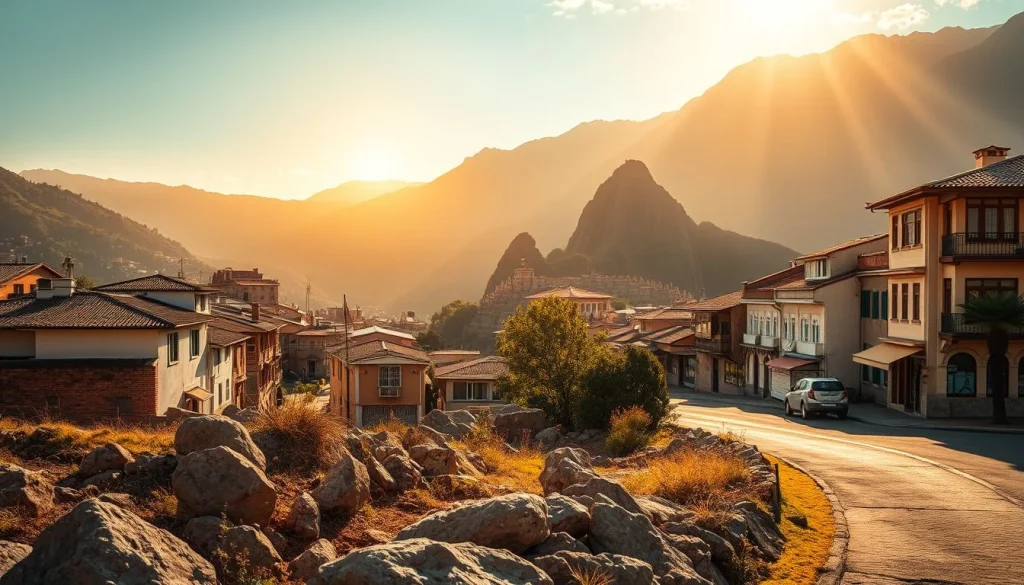
Standout reason: Few UNESCO sites combine an Inca citadel on a mountain ridge with highland scenery, living Andean culture and a natural progression through Cusco, the Sacred Valley and Aguas Calientes. The result is a strong choice for couples who want archaeology to anchor a wider journey rather than occupy a single day.
Best for: Couples who enjoy walking, dramatic landscapes and a little logistical structure. Allow several days for Cusco and the Sacred Valley, then use Aguas Calientes as the base for the Machu Picchu visit; the exact route and pace will depend on altitude tolerance and the access option you book.
Atmosphere and trade-off: Build in quiet time around Cusco’s historic streets and a scenic Sacred Valley stay rather than filling every day with transfers. Machu Picchu uses timed entry and visitor-management systems, including controls on routes such as Huayna Picchu. Check current entry circuits, route permits, visitor limits and trail or seasonal closures with the UNESCO World Heritage Centre and the relevant Peruvian authorities before booking. Access planning is the main drawback, but it also makes this one of the most rewarding multi-day UNESCO trips for active couples.
2. Angkor and Siem Reap
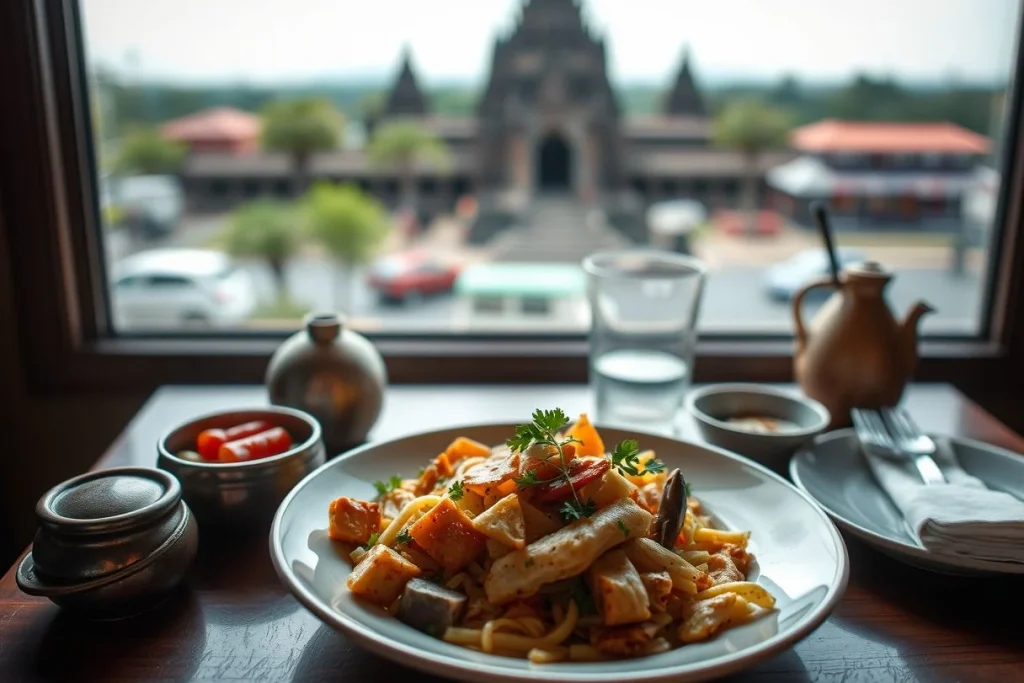
Standout reason: Angkor gives a couples’ holiday room to unfold: Angkor Wat for monumental scale, Angkor Thom for its city and temple complex, and Ta Prohm for a more atmospheric encounter with the ruins. Siem Reap adds Khmer food, boutique accommodation and a comfortable base for slower evenings.
Best for: Couples who want several temple days without changing hotels, with time for a sunrise or late-day visit, a relaxed meal and an excursion beyond the archaeological park. Tonlé Sap can extend the itinerary with a different landscape and perspective on the region.
Atmosphere and trade-off: Stay in Siem Reap and plan temple visits around rest, heat and changing light rather than attempting every major monument in one circuit. Research identifies one-, three- and seven-day park access options, but current pass types, opening information and zoning must be checked with APSARA, which manages conservation across the Angkor World Heritage area; the UNESCO documentation on Angkor explains the site’s management context. The trade-off is that getting between temples requires organised transport, but the wider setting makes Angkor more than a single attraction.
3. Petra, Wadi Musa and Wadi Rum
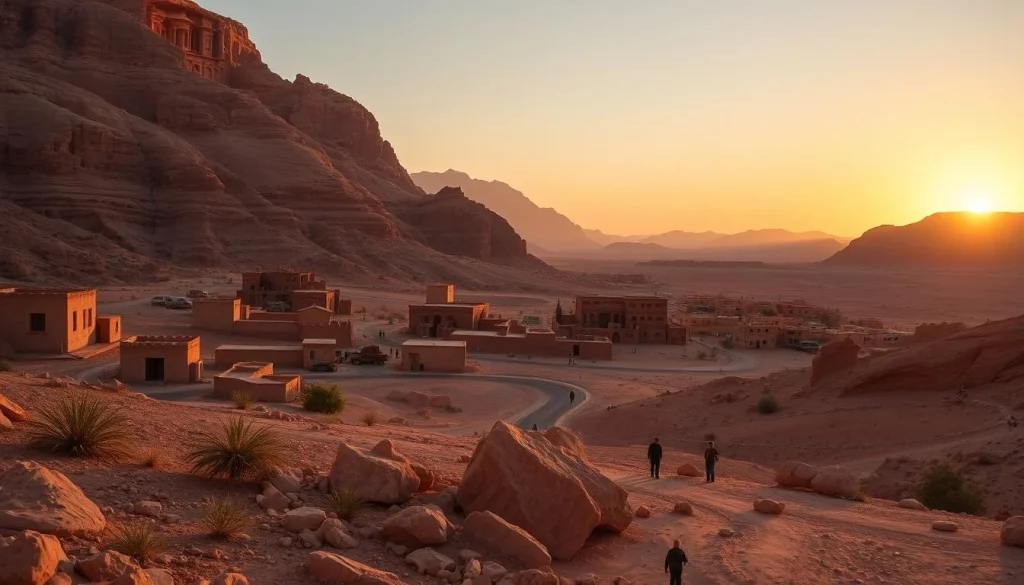
Standout reason: Petra’s approach through The Siq and the first view of its rock-cut architecture provide a powerful shared arrival, while Ad Deir rewards couples prepared for a longer, more physical day. The site’s Nabataean heritage gives the trip intellectual depth; Wadi Musa and Wadi Rum add town-based and desert experiences.
Best for: Couples who want archaeological drama, desert scenery and a clear sense of journey. Base yourselves in Wadi Musa for access to Petra, then consider extending the trip towards Wadi Rum rather than treating the archaeological site as a rushed stopover.
Atmosphere and trade-off: Heat-aware timing matters, particularly in summer. Carry water, plan for limited shade and consider visiting the most exposed sections during cooler parts of the day; confirm current access conditions and conservation rules with the UNESCO reference on Petra and Jordan’s official tourism information. Petra involves more walking and uneven terrain than a city break, so it suits couples comfortable with an active day and a slower recovery period afterwards.
4. Venice and its Lagoon
Standout reason: Venice is the most naturally romantic of these UNESCO destinations for couples who value wandering over scheduling. Dorsoduro and San Polo offer walkable streets and evening atmosphere, while Giudecca, Murano and Burano widen the itinerary beyond the busiest central routes.
Best for: Couples seeking boutique accommodation, lagoon views, unhurried meals and a city where the journey between places is part of the experience. A few days can combine major sights with quieter neighbourhood walks and time beside the water.
Atmosphere and trade-off: Choose a base that lets you return easily for a pause before dinner, and leave room for changing weather and water conditions. Venice and its Lagoon are subject to conservation and tourism-management measures; acqua alta forecasts, cruise-access rules, visitor-flow measures and event restrictions can change. Check the Venice and its Lagoon guidance and official municipal updates before travelling. The city is easy to explore on foot but less convenient with heavy luggage, pushchairs or mobility limitations.
5. Historic Monuments of Ancient Kyoto
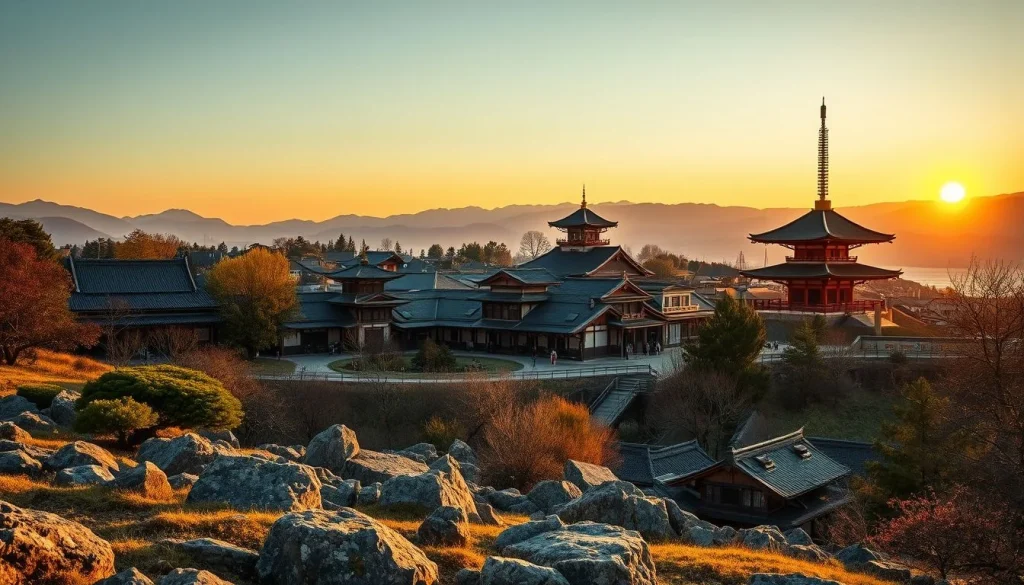
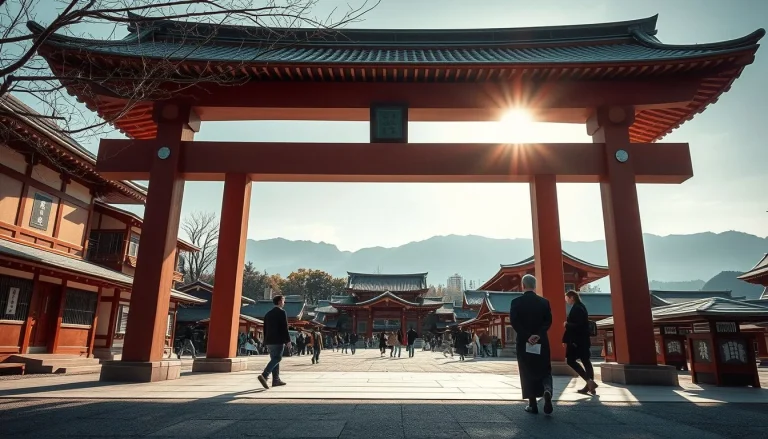
Standout reason: This is a serial UNESCO property rather than one compact monument: 17 temples, shrines and castles spread across Kyoto, Uji and Otsu. Kinkakuji, Kiyomizu-dera and Ginkakuji provide the headline visits, while gardens, tea culture and ryokan-style accommodation create the slower rhythm couples often want.
Best for: Couples who prefer considered cultural days, seasonal scenery and neighbourhoods where a temple visit can lead into a tea house, garden or quiet dinner. Uji and Otsu make useful extensions for travellers staying long enough to move beyond central Kyoto.
Atmosphere and trade-off: Plan fewer major sights per day and reserve space for gardens and unstructured walking. Individual monuments have their own opening hours and entry fees, and cherry blossom and autumn foliage periods are particularly busy, according to Japan’s official tourism information. Check each temple or shrine before setting out; the property’s breadth is its strength, but distances between sites mean this is not a completely spontaneous city break.
6. Galápagos Islands
Standout reason: The Galápagos offers a fundamentally different kind of UNESCO holiday: wildlife, guided landings, snorkelling and volcanic landscapes replace monumental architecture and urban evenings. Isabela, Santa Cruz and San Cristóbal can form an island-hopping itinerary, though the experience is structured around nature rather than a walkable historic centre.
Best for: Couples whose shared highlight would be observing wildlife in its protected habitat and who are comfortable with boats, early starts and a planned programme. It suits an immersive nature holiday more than a conventional romantic city break with spontaneous restaurant-hopping.
Atmosphere and trade-off: Choose between a land-based plan and an organised island itinerary only after checking the current logistics and permitted activities. The Galápagos National Park has strict visitor management, licensed-guide requirements, controlled landing sites and biosecurity rules; operator certification and current entry requirements should be verified through the UNESCO World Heritage information and Ecuadorian authorities. Conservation rules shape the trip and limit improvisation, but that structure protects the landscapes and wildlife that make the destination distinctive.
7. Chichén Itzá and the Yucatán
Standout reason: Chichén Itzá supplies the archaeological centrepiece, with El Castillo and the wider Maya ceremonial complex, while Mérida, Valladolid, haciendas, cenotes and the Riviera Maya give couples reasons to stay in the region. It is one of the strongest choices for combining major archaeology with food, swimming and varied accommodation.
Best for: Couples who want a flexible road-trip-style itinerary rather than a single-site visit. Mérida works for urban culture and dining, Valladolid for a smaller historic base, and the surrounding Yucatán for cenotes and countryside experiences.
Atmosphere and trade-off: Aim for early morning or later in the day to reduce exposure to the strongest heat and avoid making the archaeological visit the only event. Timing remains subject to current opening conditions and visitor-management rules, so check Mexico’s INAH information on Chichén Itzá before travelling. The site can feel demanding in hot weather, but the wider region makes it easy to balance a cultural morning with a long lunch or an unhurried afternoon.
8. Historic Centre of Rome
Standout reason: Rome offers the easiest all-round UNESCO city break: the Colosseum, Roman Forum, Pantheon and Vatican Museums can be combined with piazzas, trattorie, Trastevere and the lanes of the Centro Storico. Its historical sequence stretches across roughly three millennia, so the city can sustain a full week without relying on day trips.
Best for: Couples who want the broadest choice of neighbourhoods, restaurants and boutique accommodation, with major cultural sights close enough to connect on foot. It is also the most forgiving option for a first heritage trip or for travellers who prefer not to organise complex transport between sites.
Atmosphere and trade-off: Pair one major timed visit with a less structured neighbourhood afternoon, then reserve evenings for a piazza or trattoria rather than another museum. The Colosseum, Roman Forum and Vatican Museums use timed tickets or seasonal schedules, and temporary closures can affect plans; consult the UNESCO information on Rome and each attraction’s official site before booking. Rome’s advantage is flexibility; its drawback is that the abundance of famous sights can tempt couples into an overfilled itinerary.
At a glance: compare the eight UNESCO trip ideas
Seen side by side, these UNESCO World Heritage destinations suit different kinds of couples. The stay lengths below are editorial planning guidance rather than official requirements; they allow time for the principal site, nearby attractions and unplanned evenings.
| Destination | Strongest couple appeal | Suggested minimum stay | Ideal base or bases | Activity level | Planning intensity | Best broad season | Key caveat |
|---|---|---|---|---|---|---|---|
| Machu Picchu | Mountain scenery and Inca archaeology | 6–9 nights | Cusco, Sacred Valley, Aguas Calientes | High | High | Drier or shoulder periods | Timed entry and route controls require checking before booking |
| Angkor | Temple days, Khmer food and Siem Reap evenings | 3–5 nights | Siem Reap | Medium–high | Medium | Cooler or drier periods | Passes, zones and conservation rules can change |
| Petra | Rock-cut architecture and desert landscapes | 2–4 nights | Wadi Musa, with Wadi Rum added | High | Medium | Cooler months | Heat makes water, shade and early starts important |
| Venice and its Lagoon | Canals, lagoon islands and intimate neighbourhoods | 3–5 nights | Dorsoduro, San Polo or Giudecca | Low–medium | Medium | Shoulder periods | Visitor-flow, cruise and high-tide measures need monitoring |
| Kyoto | Gardens, temples, tea culture and ryokan atmosphere | 4–6 nights | Kyoto, with Uji or Otsu excursions | Low–medium | Medium | Outside blossom and foliage peaks | Each monument has its own hours and entry arrangements |
| Galápagos Islands | Wildlife, guided landings and snorkelling | 5–8 nights or longer | Santa Cruz, Isabela or San Cristóbal | Medium–high | High | Choose around park and sea conditions | Licensed guides, permitted sites and biosecurity rules shape the trip |
| Chichén Itzá | Maya archaeology paired with Yucatán towns | 4–7 nights | Valladolid or Mérida | Low–medium | Medium | Cooler or shoulder periods | Heat and midday crowds favour careful timing |
| Rome | Ancient monuments, piazzas and trattorie | 3–5 nights | Centro Storico or Trastevere | Medium | Medium | Shoulder periods | Major museums and monuments may require timed tickets |
Season labels are deliberately broad: crowds, heat, rain, high tides and access rules vary. Recheck official UNESCO, park, heritage-site and tourism-authority guidance for current opening hours, timed entries, permits, weather conditions, conservation measures and seasonal restrictions before booking.
How to choose: the right UNESCO trip for your couple
Choose the trip by atmosphere
For the easiest romantic city break, begin with the atmosphere you want to share. Rome suits couples who enjoy dense monument-hopping followed by a long meal: the Historic Centre brings the Colosseum, Roman Forum, Pantheon and Vatican properties into a wider urban itinerary, with Trastevere and Centro Storico offering neighbourhood time between major visits. Major attractions commonly use timed tickets or seasonal schedules, so check official opening information before booking.
Venice and its Lagoon is the more atmospheric choice if wandering canals, waterfront dinners and short boat trips to Murano, Burano or Giudecca matter more than a packed sightseeing list. Dorsoduro and San Polo work well as bases for couples who’d rather walk than commute. Tourism-management rules, cruise measures, high tides and event restrictions can change, so consult official Venice guidance close to departure.
Kyoto is the slower cultural option. Its UNESCO serial property covers 17 temples, shrines and castles across Kyoto, Uji and Otsu, allowing several days of gardens, tea culture and carefully chosen visits rather than one concentrated circuit. Individual monuments set their own opening hours and entry fees. Cherry blossom and autumn foliage bring especially heavy demand, making a boutique stay and a light daily schedule more valuable than trying to see every listed site.
Match archaeology to your energy level
Choose Machu Picchu for the strongest combination of mountain scenery and Inca archaeology, provided both travellers are comfortable with altitude and advance coordination. Cusco and the Sacred Valley make it possible to build in a gentler sequence around the citadel, but timed entry and route controls, including those affecting Huayna Picchu, must be checked before tickets and transport are arranged.
Petra delivers the most concentrated archaeological drama: the Siq, rock-cut architecture and the longer walk towards Ad Deir can anchor a day in Wadi Musa, while Wadi Rum extends the landscape-led itinerary. This isn’t the relaxed choice in hot weather. Carry water, plan for shade and aim for cooler or off-peak periods; check the relevant official guidance for current access and conservation conditions.
Chichén Itzá works better as one part of a Yucatán journey than as a standalone short break. Pair El Castillo and the wider ceremonial centre with Mérida, Valladolid, a hacienda, cenotes or the Riviera Maya. INAH manages the site, and its heat and midday crowds make early or later-day planning sensible, subject to current opening and visitor-management rules.
Choose structure over spontaneity
Angkor suits couples who want several temple-focused days without changing hotels. Base yourselves in Siem Reap, use a multi-day park plan, and leave lighter time for Khmer food, a boutique stay or an excursion towards Tonlé Sap. APSARA manages zoning and conservation across the World Heritage area; verify pass types, opening information and restrictions before travel.
Galápagos is the most immersive and the least spontaneous option. It suits couples who prefer wildlife, guided landings, snorkelling and island-hopping to cafés and independent urban wandering, but the national park’s licensed guides, controlled landing sites, permits and biosecurity requirements shape the whole itinerary. Check operator certification and current park rules rather than treating it like a conventional beach holiday.
Use a pace-and-budget test
Lower logistical complexity makes Rome, Venice and Kyoto easier to plan independently, while Machu Picchu and Galápagos reward earlier coordination of transport, permits, guides and accommodation. Petra and Chichén Itzá can offer more flexible regional combinations, but their overall cost and effort depend on how widely you travel beyond the core site. Check live transport, accommodation and entry prices through official or licensed providers.
One useful rhythm for any of these UNESCO sites is a major heritage day followed by a lighter one: a neighbourhood walk in Rome, a lagoon outing from Venice, gardens in Kyoto, a scenic or food-focused day around Siem Reap, or downtime at a carefully chosen lodge. That pattern protects the shared atmosphere couples usually travel for without turning cultural travel into a checklist.
Conclusion: choose the UNESCO experience that matches your pace
Make the first decision by pace, not by prestige. Choose Rome or Venice for an accessible romantic city break; Kyoto for gardens, temples and cultural calm; or Angkor for several days of temple depth around Siem Reap. The more demanding choices have a sharper payoff: Galápagos suits couples prioritising wildlife and guided experiences, while Machu Picchu, Petra and Chichén Itzá favour archaeology with greater altitude, heat or logistical considerations.
Shortlist two destinations, then compare the season, access rules and amount of travel between bases. Once you have chosen, secure the first practical building block: a central boutique stay, official timed entry, a licensed guide or a regulated island itinerary. Leave the remaining days deliberately open for a scenic meal, a neighbourhood walk and the downtime that turns a UNESCO visit into a shared holiday rather than a checklist.
Frequently asked questions
Which of these destinations is easiest for a first UNESCO-focused trip?
Rome is the most straightforward starting point for couples who want a UNESCO-focused holiday without a highly structured itinerary. The Historic Centre of Rome combines major monuments, neighbourhood atmosphere, restaurants and boutique accommodation, while the Colosseum and Vatican Museums can be planned around timed tickets. Check current opening hours, seasonal schedules and ticket requirements before booking, as advised by UNESCO’s Rome entry.
Can couples visit the Galápagos without joining a cruise?
The supplied UNESCO guidance does not establish whether a cruise is required or confirm current land-based travel rules. What it does make clear is that the Galápagos is a protected national park with strict visitor management, licensed guides, controlled landing sites and biosecurity requirements. Before choosing an island-hopping itinerary, check the Galápagos National Park and the relevant operator’s current requirements.
How many days should we allow for an Angkor itinerary?
Plan around a multi-day visit rather than treating Angkor Wat as a single stop. Research identifies one-, three- and seven-day park-access options, so three days is the most natural starting point for couples who want to see Angkor Wat, Angkor Thom and Ta Prohm without compressing every visit. Confirm current pass types, opening information, zoning and conservation rules with APSARA before travelling.
What should we pack for a Petra or Chichén Itzá visit?
Build both visits around heat management: carry water, plan access to shade and avoid making the hottest part of the day your main sightseeing period. Petra guidance particularly calls for heat-aware planning and off-peak visits, while Chichén Itzá can be crowded and hot around midday. Confirm current access conditions, heat guidance and conservation rules with the relevant official authorities before departure.
Which destination works best for couples who prefer not to change hotels often?
Rome is the strongest fit. Its UNESCO property is concentrated around a historic city itinerary, with major sights, piazzas, restaurants and neighbourhoods that can support several days from one base. Venice can also work well from a single hotel, but its lagoon islands and changing local tourism-management measures make the itinerary more dependent on boat outings and current visitor rules.
How can we build downtime into a UNESCO-heavy itinerary?
Choose destinations with a trip-forming setting rather than scheduling a separate monument every day. Use a three-day Angkor pass instead of compressing the park into one visit, keep Cusco and the Sacred Valley alongside Machu Picchu, or spread Kyoto’s 17 temples, shrines and castles across Kyoto, Uji and Otsu. Leave unscheduled time between site visits and check current access rules before fixing every day.