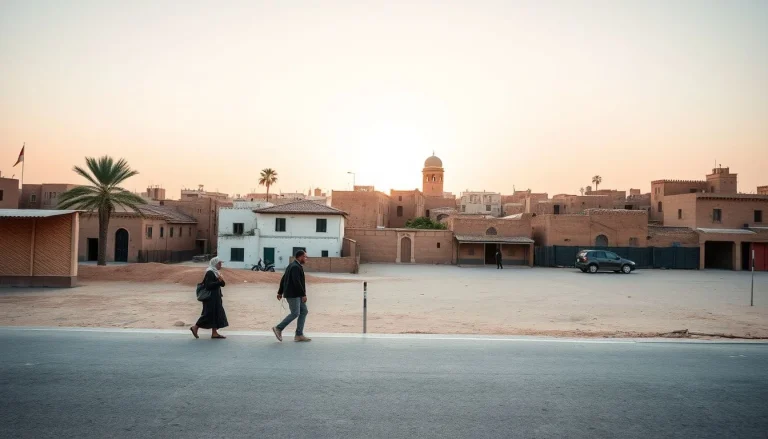

Respect at a religious site begins with its own rules. Cover your shoulders, put away your phone or ask before taking a photograph if that site or community requires it; there is no universal travel checklist. Before leaving, check the details most likely to vary: entry requirements, local laws, health guidance, dress codes, photography rules and approved transport.
For first-time international travellers, this guide sets out a practical plan instead of vague advice. It covers what to check before departure, how to arrive safely, when bargaining or tipping may be appropriate, how to choose licensed guides and animal experiences, and how to support local businesses without treating communities or heritage sites as backdrops. Use current guidance from national embassies, the UK Foreign, Commonwealth & Development Office, the U.S. Department of State, CDC Travelers’ Health, local tourism boards and site authorities. Then adjust your behaviour to what residents and officials ask of visitors.
Quick answer: Check current official entry, health, safety and local-law guidance before departure. Research destination-specific customs for clothing, photography, religious sites and transport. During the trip, ask permission, use licensed operators, support local businesses, protect heritage and wildlife, and observe local practice instead of assuming one universal etiquette rule.
The essentials: five habits that make respectful travel easier
Respectful travel becomes much easier when you reduce it to five habits:
- Research local customs and laws. Check guidance on clothing, public behaviour, photography, religious sites and transport before you arrive.
- Confirm the practical rules. Use official embassy or immigration sources for entry, visa and customs requirements, and check current health and safety advice.
- Ask before photographing people or entering restricted spaces. A friendly gesture is not the same as permission, particularly at ceremonies, homes, places of worship and sensitive sites.
- Follow each place’s instructions. Dress, speak and move according to signs, staff directions and local practice rather than relying on a universal etiquette rule.
- Keep your spending and bookings accountable. Choose locally owned businesses where practical, and use licensed guides, transport providers and activity operators.
You do not need to know every custom before landing. You do need a method for dealing with uncertainty: pause, observe what residents and officials do, ask a clear question, and adapt without treating a correction as a personal slight. This is the foundation of how to travel respectfully, especially on a first international trip.
Start with the destination’s official travel-advice page and your national embassy or consular service. The U.S. Department of State advises travellers to check current entry, visa, customs and country-specific safety information on official sources such as Travel.State.Gov. Requirements can change, so do this again shortly before departure rather than relying on an old blog post or a forum comment.
Health preparation belongs in the same check. The Department of State’s Before You Go guidance directs travellers towards destination-specific health, vaccination and medication advice; the CDC Travelers’ Health service or an equivalent national health authority is the appropriate place to verify it. If you are a U.S. citizen, the Smart Traveler Enrollment Program can provide safety alerts and help an embassy contact you, according to U.S. government travel resources.
Do not dismiss etiquette as merely a matter of being polite. The UK Foreign, Commonwealth & Development Office treats respecting local customs as a practical safety and legal consideration in its country advice. Restrictions on speech, photography or other behaviour can also carry serious legal consequences even when a visitor has broken a rule unintentionally, warns official U.S. Department of State guidance.
Finally, think beyond avoiding offence. UNESCO’s responsible-travel guidance places cultural sensitivity, support for local communities and reduced environmental impact together. That means paying for local services when you can, leaving heritage sites and natural places as you found them, and refusing activities that depend on unlicensed operators, intrusive encounters or harm to animals. These choices do not require specialist knowledge; they require you to check who runs an experience, what permission exists and where your money goes.
What respectful travel means in practice
Respectful travel is not a performance of perfect cultural knowledge. It is a practical effort to notice how your presence affects people, places and resources, then make better choices where you can. UNESCO’s responsible-travel guidance places cultural sensitivity, support for local communities and minimising environmental impact at the centre of that effort.
That can mean choosing a locally run guesthouse, paying a licensed guide fairly, following a heritage site’s visitor rules or carrying waste out of a natural area. It also means recognising that a popular attraction may be under pressure. UNESCO points to longer stays, local experiences and visitor-management measures as ways to reduce overtourism at fragile heritage sites, so a slower itinerary can benefit both the destination and your understanding of it.
The social value of travel matters, too. In a message reported by the United Nations, the Secretary-General described tourism as a way to build bridges and promote mutual respect between cultures and nations. That exchange works best when curiosity is accompanied by humility: you are visiting someone else’s home, not collecting people or traditions as souvenirs.
A useful model is simple: learn before arrival, ask before acting, and change course when local guidance indicates harm or disrespect. Learning might involve reading a museum or tourism board’s guidance, checking a site authority’s rules or understanding a few local words. Asking applies to photographs, religious spaces, personal stories, food, touch and participation in ceremonies. Changing course means accepting a closed area, putting away your camera or leaving an activity when its impact is unclear.
Adapting to local expectations does not mean abandoning personal safety, accessibility needs or legal rights. The UK Foreign, Commonwealth & Development Office treats respect for local customs as both a safety and legal consideration on its country advice pages, while U.S. Department of State guidance warns that restrictions on speech, photography and behaviour can carry serious consequences even when a violation is unintentional. Follow lawful local rules, but use official embassy or consular guidance if a request seems unsafe, discriminatory or beyond the authority of a guide or venue.
Before you go: a destination-specific respect and safety checklist
Respectful travel starts before the airport. Treat the destination’s official guidance as a working checklist, not a formality: rules can change, and advice from a general travel blog may be out of date or too broad for the place you are visiting. Complete these checks before booking non-refundable arrangements, then review the most changeable items again shortly before departure.
Check entry, documents and customs
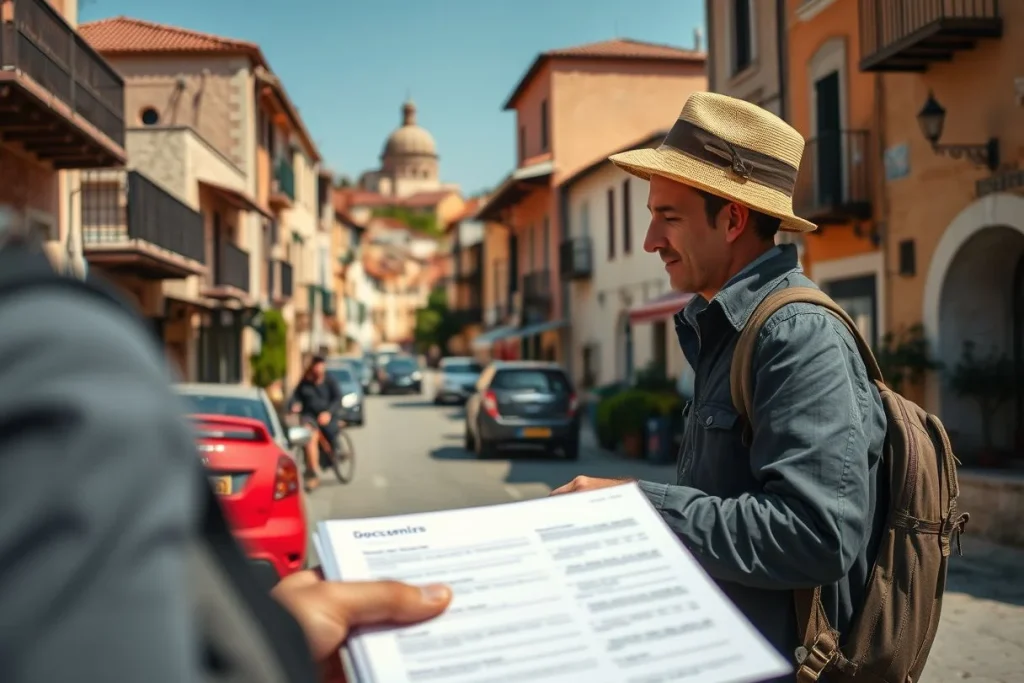
- Confirm entry requirements. Check visa or authorisation rules, passport-validity requirements, permitted length of stay and arrival procedures with the destination’s immigration authority, national embassy or current official travel-advice page. The U.S. Department of State advises travellers to check current entry, visa, customs and country-specific safety information before departure through its Travel Advisories service; other nationalities should use their own government and the destination’s official sources.
- Read customs rules for what you are carrying. Medicines, food, alcohol, drones, religious material and other ordinary possessions may be regulated differently abroad. Check the destination’s customs authority rather than relying on what is allowed at home, and keep prescriptions and supporting documentation available where official guidance requires them.
- Save proof of the information you used. Download or print essential confirmations, including visa approval, insurance details, accommodation address, emergency contacts and relevant embassy pages. Note the date you checked each source so you know which items need reviewing.
Research local laws, not just etiquette

- Make a short list of restricted behaviour. Look specifically for rules covering clothing, photography, drones, medicines, alcohol, speech and access to religious or political sites. Some countries restrict speech, photography and other behaviour; U.S. Department of State guidance warns that an unintentional violation can still have serious legal consequences.
- Separate legal rules from recommendations. A tourism board may suggest considerate dress, while an immigration authority or site authority may set a binding requirement. Label your notes accordingly, and follow the stricter official instruction when sources differ. The UK Foreign, Commonwealth & Development Office treats respect for local customs as both a practical safety issue and a legal consideration on its country advice pages, including its country safety and security guidance.
- Check each significant site separately. A national rule may not answer questions about a particular temple, mosque, church, museum, cemetery or heritage area. Use the site authority’s own page for clothing, photography, bags, access, guides, drones and visitor routes.
Review safety, disruption and health information
- Check for current disruption. Read the latest official country advice for demonstrations, border changes, strikes, transport closures and regional warnings. Recheck before leaving for the airport, since a route that was practical when booked may not be suitable later.
- Prepare for destination-specific health requirements. Use official pre-travel guidance and CDC Travelers’ Health or an equivalent national health resource for vaccinations, health risks and medication rules. Arrange medical advice early enough to deal with prescriptions, documentation and any destination-specific requirements; do not assume a medicine legal at home is automatically permitted abroad.
- Arrange insurance and emergency contacts. Check that your policy covers the activities and regions on your itinerary, and keep its assistance number offline. Record the local emergency number, your accommodation’s contact details, your national embassy or consulate, and a trusted contact at home. Insurance does not replace official safety advice or consular assistance, so keep those sources accessible too.
Check guidance relevant to your circumstances
Generic advice cannot account for every traveller. Embassy and foreign-travel pages may include tailored information for women, LGBTQ+ travellers, dual nationals and people travelling with particular citizenships. Read the guidance that applies to you, including how dual nationality may affect consular assistance, then ask the destination’s embassy or an appropriate official authority about anything unclear.
Travellers with disabilities should contact accommodation providers, airlines, stations, attractions and transport operators directly about access, assistance and equipment. Do not treat a generic accessibility label as confirmation that every transfer, entrance or toilet will meet your needs.
Use a reliable research order
- Start with the official country page: check entry, safety, laws, health links and emergency information.
- Read the local tourism board: look for visitor codes, cultural guidance, transport information and current destination notices, while remembering that promotional advice is not the same as law.
- Open every heritage site authority page: confirm dress, photography, reservations, access and conservation rules for the places you intend to visit.
- Check the local telecom operator: verify whether a physical SIM or eSIM is available to visitors, what identity registration is required, whether your phone is compatible and how activation works. Use the operator’s official site or an authorised shop rather than an unverified seller.
- Save the key pages offline: keep copies of arrival instructions, maps, booking references, emergency numbers and rules for your first stops. Include the date checked beside each note.
U.S. travellers can also enrol in the Smart Traveler Enrollment Program (STEP), which can deliver safety alerts and help a U.S. embassy contact them. It is an optional service for U.S. citizens and nationals, not a substitute for checking the destination’s current official guidance. Recheck all time-sensitive information immediately before departure, using the relevant embassy, immigration authority, health service, tourism board, site authority and telecom operator rather than a generic search result.
Tips in detail: how to behave thoughtfully from arrival to departure
The research becomes useful in ordinary moments: greeting a shopkeeper, deciding where to stand in a queue, lifting a camera or choosing a guide. The aim is not to perform local identity, but to notice when your usual habits may carry a different meaning and adjust without making residents do all the explaining.
| Before you act | Check first |
|---|---|
| Take a photograph | Permission, no-photo signs and site rules |
| Enter a religious or cultural site | Dress, footwear, silence, opening hours and access rules |
| Negotiate a price | Whether bargaining is customary or prices are fixed |
| Give a gift | Whether the item, gesture or timing could be inappropriate |
| Choose transport | Licensed providers and the official pickup or route |
| Join a tour | Operator credentials, restrictions and how residents benefit |
- Learn a few local greetings and essential phrases. Practise “hello”, “please”, “thank you”, “excuse me” and “may I?” in the language used at your destination, but do not assume imperfect pronunciation or a small vocabulary earns special treatment. A respectful attempt opens an interaction; listening and accepting correction matter more than showing off.
- Observe before copying behaviour. Watch how people queue, greet one another, remove shoes, share food and behave in public before joining in. This is especially important with public affection, gestures and conversation volume, because an action that feels ordinary at home may be unwelcome or restricted locally. The UK Foreign, Commonwealth & Development Office treats respect for local customs as both a courtesy and a practical safety consideration on its travel-advice pages.
- Treat every religious or cultural site as site-specific. Check the entrance notice or the official site-authority guidance for clothing, footwear, photography, silence, opening hours, gender access and areas visitors cannot enter. Do not rely on a generic rule such as “cover your shoulders everywhere”: requirements differ between a mosque, temple, church, shrine, museum and ceremony, and may change for special events.
- Ask explicitly before photographing people. Seek permission before photographing adults, children, homes, ceremonies, workers or anyone who may reasonably expect privacy, and accept a refusal without bargaining or asking for a reason. Do not treat a public setting as automatic consent; photography and other behaviour can be restricted by local law, and the U.S. Department of State warns that unintentional violations may have serious legal consequences.
- Find out how tipping works locally. Check current guidance from the local tourism board, your accommodation or a reputable local operator to learn whether service is included, tipping is customary, or a gratuity is discouraged. Importing your home-country habit can create confusion, inflate expectations or place staff in an awkward position, so ask discreetly rather than assuming a universal percentage.
- Bargain only where it is a normal part of the market. Ask whether a price is fixed, negotiate politely where bargaining is expected, and leave if you cannot agree. Never haggle over essential goods, pressure a seller after a price has been clearly stated as fixed, or turn a small difference into a performance for an audience. A fair purchase is not necessarily the lowest possible price.
- Use established financial and telecom channels. Prefer local banks, reputable ATMs, recognised payment points and official telecom operators where possible; shield your PIN and check whether SIM registration requires your passport or other identification. For an eSIM, confirm that the provider is legitimate, the plan works on your device and the destination’s operator rules permit activation. The relevant local telecom operator is the place to verify current registration and network requirements.
- Choose an authorised airport transfer before landing. Arrange an official taxi, pre-booked transfer, recognised ride-hailing pickup or public transport route recommended by your accommodation or transport authority. Confirm the designated pickup point and driver or vehicle details through the provider’s official channel rather than accepting an unsolicited offer in the terminal. This protects you from avoidable confusion and directs money towards accountable transport services; the detailed arrival plan belongs in your final pre-departure notes.
- Book licensed guides and authorised tours. Check the operator’s credentials, meeting instructions, insurance information where relevant and permission to enter the places advertised. Refuse tours that pressure you to cross barriers, enter restricted areas or bypass site rules, even if the guide presents this as a privilege. Official heritage-site authorities and local tourism boards are more reliable sources than an unverified social-media listing.
- Put local ownership ahead of convenience when you can. Choose locally owned accommodation, restaurants, craftspeople and guides, and ask how a community-based experience distributes its benefits. UNESCO identifies cultural sensitivity, support for local communities and reduced environmental impact as core principles of responsible travel. Avoid souvenirs made from potentially trafficked wildlife, protected materials or sacred objects, and check customs guidance before taking anything home.
- Reduce pressure at fragile heritage sites. Visit at a less crowded time where possible, follow barriers, keep hands off structures, carry waste out and consider staying longer rather than rushing through several heavily visited sites. UNESCO recommends longer stays, local experiences and visitor-management measures as ways to reduce overtourism. A quieter route or less-visited site can be a better choice when the official authority presents it as suitable, not simply because it appears on a map.
- Choose wildlife experiences that allow animals to behave naturally. Use operators that prohibit touching, feeding, forced performances and unsafe handling, and leave if staff encourage close contact for photographs. “Rescue” or “sanctuary” in a business name is not proof of ethical practice; check the operator’s stated policies and independent authorisation through a tourism board or relevant authority. Never enter restricted habitats or approach animals alone.
- Ask directly about accessibility. Contact accommodation providers, attractions and transport operators about entrances, lifts, toilets, surfaces, seating, assistance and route conditions instead of assuming a venue is accessible. Ask for current, specific details and keep written confirmation where practical. Conditions can vary within the same building or journey, and a direct question gives staff a chance to suggest a safer or more suitable alternative.
- Repair mistakes promptly and briefly. If you offend someone, apologise without adding “I was only trying to…” or demanding a lesson in local culture, then listen and change the behaviour. A sincere apology does not require you to agree with every interpretation, but it does require you to stop repeating the action. If the issue involves a rule or possible legal restriction, follow the site authority or official guidance rather than arguing at the scene.
These habits are adaptable, not universal laws. For country-specific restrictions, consult the relevant national embassy and current travel-advice page; for a shrine, museum or heritage site, use the authority’s own visitor guidance; and for tours, transport and wildlife experiences, verify the operator through an official tourism body or licensing channel.
Your first 24 hours: arrive safely and settle in respectfully
Before landing: make the first decision easy

Keep your accommodation name, full address, booking details and a contact number saved offline before you leave the aircraft. Add the local emergency number only after checking an official government or tourism source for your destination; emergency systems and languages vary.
Also save a screenshot of your arrival instructions and the address in the local script if one is used. If your phone loses signal, you can show the information to airport staff or your accommodation rather than relying on memory or an unverified online translation.
At the airport: use the official route

After collecting your luggage, follow signs to the designated taxi rank, official transfer desk, recognised ride-hailing pick-up point or transport-authority route. Be cautious about accepting transport from people who approach you inside or just outside the terminal. If a service, price or destination is unclear, step aside and ask airport staff or your accommodation to confirm it before you commit.
For a taxi, check whether the destination uses a meter, a published fare or a booking system; follow the local rule rather than assuming the practice from home. For a bus or train, use the airport’s official information screens, transport website or app. Transport safety, payment methods and current routes change by destination, so verify them before travelling through the relevant airport or transport authority.
At your accommodation: ask three practical questions

Once you arrive, ask reception or your host how residents normally travel around the neighbourhood, which transport providers they recommend and whether any streets, sites or services are currently closed. Ask about local payment practices too: some places rely mainly on cards, others on cash, and some require a particular app or local registration.
This short conversation is also a respectful introduction. You are not asking staff to solve every decision, but inviting destination-specific guidance instead of imposing assumptions. If accessibility matters, confirm the route, entrance and vehicle directly with the accommodation and transport provider; do not infer access from a general booking description.
Getting connected without creating a problem
For a physical SIM, use a local telecom operator’s shop or another reputable, clearly identified provider. For an eSIM, use a recognised provider and check that your phone is compatible, the plan covers the destination and customer support is available. Before paying, verify whether passport or other identity registration is required, how activation works and what to do if the data service fails.
SIM registration and eSIM availability differ by country and operator. Check the official website of a local telecom operator before departure, and avoid handing over identity documents to an informal seller or an unverified website. Keep access to your booking details and essential contacts offline in case activation takes longer than expected.
Money: pause before you pay

Use a secure ATM in a bank, airport or established public location, and keep a backup payment method separate from your main wallet. ATM availability, card acceptance, cash needs and withdrawal practices vary, so check destination-specific guidance and ask your accommodation where travellers commonly obtain cash.
At every payment, use a simple pause: check the currency, read the total on the screen, confirm the amount before tapping or entering your PIN, and take the receipt when one is offered. Count change privately rather than holding up a queue. If a card machine or exchange is unclear, ask for the total to be shown again; it is reasonable to decline and return later while you verify the amount.
A calm plan for local transport

For buses and trains, check the official route, stop and fare information. For ride-hailing, compare the vehicle and driver details in the app before getting in; for taxis, confirm the meter or agreed fare and destination using the local address. Do not assume every app, payment method or vehicle-identification system works in every city.
Save the route back to your accommodation before setting out, particularly on your first evening. If you feel uncertain, ask staff to write the destination in the local language or confirm the route on a map. You can politely decline a service that feels unclear and return to the official desk, taxi rank or accommodation instead. The UK Foreign, Commonwealth & Development Office advises checking local customs as part of practical safety and legal preparation; the same destination-specific approach applies to transport.
Before departure, review the relevant national embassy and current official travel-advice page for entry, transport, payment and local-law information. U.S. travellers can also check the U.S. Department of State’s travel resources and Smart Traveler Enrollment Program information, while other nationalities should use their own government’s consular guidance. These checks turn an unfamiliar first day into a sequence of small, verifiable decisions.
Common mistakes to avoid when travelling across cultures
When a harmless choice is not harmless
Arriving without checking entry, customs or local-law requirements can turn a routine border crossing into a serious problem. Requirements vary by destination and nationality, so confirm them before departure through the relevant national embassy, immigration authority and current travel-advice page. The U.S. Department of State advises travellers to check country-specific information, and its guidance warns that breaking restrictions on speech, photography or behaviour can have serious legal consequences, even when the breach was unintentional.
Do not rely on a generic etiquette list as your authority. A religious building may have its own rules for clothing, shoes, photography, visitor access and behaviour, and those rules may differ from another site in the same country. Check the site authority or ask staff at the entrance; if the instruction is unclear, follow the more conservative option rather than copying another visitor.
Photography deserves the same care. Ask before photographing local people, and be especially cautious around children, ceremonies, funerals, markets where people are working, and anyone who appears uncomfortable. Never photograph security installations, officials or demonstrations unless current local guidance clearly permits it. The UK Foreign, Commonwealth & Development Office treats respect for local customs as both a practical safety matter and a legal consideration on its country advice pages.
Do not turn people, places or animals into props

Jokes about religion, politics or national identity can travel badly across languages and cultures. Treat local workers as professionals rather than attractions: ask before filming a guide, driver, vendor or performer, and do not make someone repeat a gesture or conversation for a better clip. Giving sweets, pens or money to children may feel generous, but it can encourage approaches to visitors or reinforce an unequal exchange; support a school, community project or established local business instead.
At heritage sites, stay behind barriers, keep off monuments and do not touch carved surfaces for a photograph. A quieter route, longer stay or locally led experience can reduce pressure on fragile sites; UNESCO identifies these approaches, alongside visitor-management measures, as ways to address overtourism. The best photograph is not worth damaging a place that residents and future visitors must share.
Choose licensed guides, authorised transport providers and reputable wildlife or animal operators, even when an unlicensed option is cheaper or more visible. Avoid experiences that encourage touching, handling or performing animals, or that cannot explain who regulates the activity and how the animals are cared for. UNESCO’s responsible-travel guidance places cultural sensitivity, support for local communities and reduced environmental impact at the centre of responsible tourism.
Money, transport and public behaviour

Bargaining is not automatically expected. Ask whether prices are fixed, bargain calmly where it is a normal part of the market, and stop when the seller declines; aggressive haggling over a small amount can create pressure without meaningfully reducing your costs. Do not assume that cards, ATMs, a local SIM or a ride-hailing app will work everywhere. Keep a verified alternative and confirm payment and transport arrangements with your accommodation or an official provider.
Filming or joining a demonstration can expose you to legal and personal risk, even if you are only observing. Leave restricted areas, follow police or site instructions and do not argue with staff who ask you to stop photographing or move on. Current FCDO, Travel.State.Gov, embassy and heritage-site guidance should override any general advice found online.
If you accidentally offend someone, stop, apologise simply, follow the instruction and leave if asked. Do not defend your intention, demand an explanation or continue filming. A quiet correction protects dignity and usually resolves the situation more effectively than turning the moment into a public argument.
Conclusion: make a short respect checklist before departure
Before departure, make a one-page respect checklist for your destination. Add links to the official entry, safety and health guidance; site-specific advice on dress, photography and access; emergency contacts; your accommodation’s full address; a simple airport-to-accommodation route; and your connectivity plan for a local SIM or eSIM.
Include three behaviours to practise: ask before photographing people or entering restricted spaces, observe how residents behave before copying a custom, and spend with locally owned businesses where practical. Keep the note offline as well as on your phone, so it remains useful if you have no signal or battery.
Read it again the day before departure, then check it once after arrival. Local instructions, transport arrangements or site rules may be clearer on the ground, and adjusting early is easier than trying to repair a misunderstanding later. You do not need perfect cultural knowledge to travel well; you need a willingness to notice, ask and change course.
Respectful travel is active attention: ask first, follow local guidance, spend thoughtfully and adjust when corrected.
Frequently asked questions
How far in advance should I research local customs?
Start before booking, then check again shortly before departure. Research the destination’s official embassy or immigration guidance, current travel advice, local tourism-board information and the rules of any religious or heritage sites you plan to visit. This matters because local laws can cover clothing, photography, speech and behaviour; the U.S. Department of State warns that even unintentional violations may have serious legal consequences. The UK FCDO also treats respecting local customs as a safety and legal issue.
What is a polite way to refuse an invitation, purchase or photograph?
Use a calm, clear refusal such as “No, thank you,” and avoid offering a reason you cannot keep. For a photograph, ask permission first and accept a refusal without debate. For a purchase or invitation, step away rather than arguing or making promises. Customs differ, so observe how residents handle similar situations and check destination-specific advice from the local tourism board or national embassy. Respectful travel starts with treating consent as final, not as an opening offer.
Is it respectful to use a translation app when communicating abroad?
It can be useful, particularly for basic questions, transport details or explaining a dietary or accessibility need, but use it with patience and cultural sensitivity. Learn a few polite local words before relying on the app, show the translated message rather than speaking over someone, and confirm important information through an official source when a misunderstanding could affect entry, payment, health or safety. Researching local customs is recommended by official U.S. travel guidance.
How can I tell whether a homestay or community experience genuinely benefits local residents?
Look for clear information about who runs the experience, how money reaches residents and whether the activity follows local rules. Prefer locally owned businesses, transparent community-based operators and licensed guides where licensing applies. UNESCO identifies support for local communities, cultural sensitivity and reduced environmental impact as responsible-travel principles. Be cautious when an operator cannot explain its local partnerships, treats residents as scenery or makes broad claims without describing practical benefits.
What should I do if a market seller or guide becomes too persistent?
Give a brief, unambiguous refusal, keep moving and avoid a prolonged argument. If you feel pressured, enter a staffed business, return to your accommodation or contact your licensed guide or transport provider. Do not accept an unlicensed tour simply because someone is persistent. Before travelling, check official local advice about common scams and transport practices; country-specific guidance from the U.S. Department of State, the UK FCDO or your national embassy is more reliable than general online claims.
How can I recognise an ethical wildlife or animal experience?
Choose a licensed, reputable operator that explains its conservation or community purpose, follows site rules and allows animals to behave without coercion or unsafe handling. Avoid experiences built around exploitative contact, staged interactions or unlicensed guides. This is consistent with responsible-tourism guidance that prioritises local communities, cultural sensitivity and minimising environmental harm. Check the operator’s current credentials and the relevant site or tourism authority before paying, since standards and restrictions vary by destination.