At the Giza Pyramid Complex, the Great Pyramid of Khufu, the Pyramid of Khafre, the Pyramid of Menkaure and the Great Sphinx occupy the opening stretch of an ancient-Egypt route that can run all the way to Abu Simbel. The best things to do in Egypt fit a demanding but workable seven-to-10-day journey through Cairo, Luxor and Aswan, with temples, tombs, boats and long early starts shaping the pace.
This guide is for adventure travellers and culturally curious first-time visitors who are comfortable with walking, heat, domestic transport and some logistical complexity. It will help you choose between a Nile cruise and independent travel, judge when a licensed Egyptologist or organised operator is worth using, and add one desert, mountain or Red Sea adventure without weakening the ancient-sites route. October to April is the practical season for Luxor, Aswan and Abu Simbel; Upper Egypt becomes especially demanding from May to September, when daytime temperatures above 40°C are common in June to August.
Quick answer: Follow a Cairo/Giza–Luxor–Aswan route, combining the pyramids and Sphinx, the Grand Egyptian Museum, Luxor’s temples and tombs, the Nile corridor through Edfu and Kom Ombo, Philae and Abu Simbel. Choose a cruise for efficient guided access or travel independently for more control, then add only one professionally organised desert, mountain or Red Sea adventure.
Quick overview: the best ancient-Egypt route by traveller type
Use the Cairo–Giza–Luxor–Aswan spine as the framework, then choose the pace and level of independence that suits you. A seven-day trip can cover the principal monuments with early starts and domestic transport; 10 days leaves room for Abu Simbel and one carefully chosen adventure extension.
| Traveller type | Priorities | Suggested time |
|---|---|---|
| First-time history traveller | Giza and the Sphinx, Grand Egyptian Museum, Luxor’s temples and tombs, a Nile cruise, Abu Simbel | 9–10 days |
| Active traveller | The same route, with dawn site visits, substantial walking and one organised desert, mountain or Red Sea activity | 8–10 days |
| Independent traveller | Flights or rail between cities, private Egyptologist guides for major sites and self-planned time in Aswan | 7–10 days |
| Slower traveller | Fewer tombs, longer stays in Luxor and Aswan, and a quieter dahabiya rather than a tightly scheduled cruise | 10 days |
October to April is the most practical period for Luxor, Aswan and Abu Simbel. Cairo is generally more comfortable for extensive sightseeing from November to March, while Upper Egypt becomes particularly demanding in May to September; daytime temperatures above 40°C are common in June to August. Plan strenuous visits for the morning, carry water and use sun protection.
The Grand Egyptian Museum’s official ticketing site says tickets are sold online, so check its current timed-entry calendar before fixing your Cairo days. Also recheck archaeological-site access, cruise sailing days, transport schedules and regional travel advice before payment; these practical details can change even when the route remains the same.
The best things to do in Egypt: seven experiences on an ancient route
1. Visit the Giza Pyramid Complex and the Sphinx
Begin with the Great Pyramid of Khufu, Pyramid of Khafre, Pyramid of Menkaure and the Great Sphinx. Giza earns its place on any list of the best things to do in Egypt because the monuments are not isolated museum pieces: the scale, desert ground and modern Cairo skyline make the ancient landscape legible in a single outing.
Arrive early, before the strongest heat, and allow several hours for walking between viewpoints and monuments. Expect sand, uneven ground and sun exposure rather than a demanding hike. Carry water, wear a hat and use high-factor sun protection. Camel and horse rides can add a memorable viewpoint, but negotiate the price before setting off and judge the animal’s condition and treatment; walking is the simpler, more responsible choice.
A licensed Egyptologist is worthwhile if this is your first visit, particularly for understanding construction, burial practices and the changing role of each pyramid. Independent visitors have more control over pace and photo stops. Site admission is a separate archaeological-ticket cost, and the Ministry of Tourism and Antiquities’ fee schedule, last updated 5 November 2024, should be checked for current prices and supplements.
2. Explore the Grand Egyptian Museum
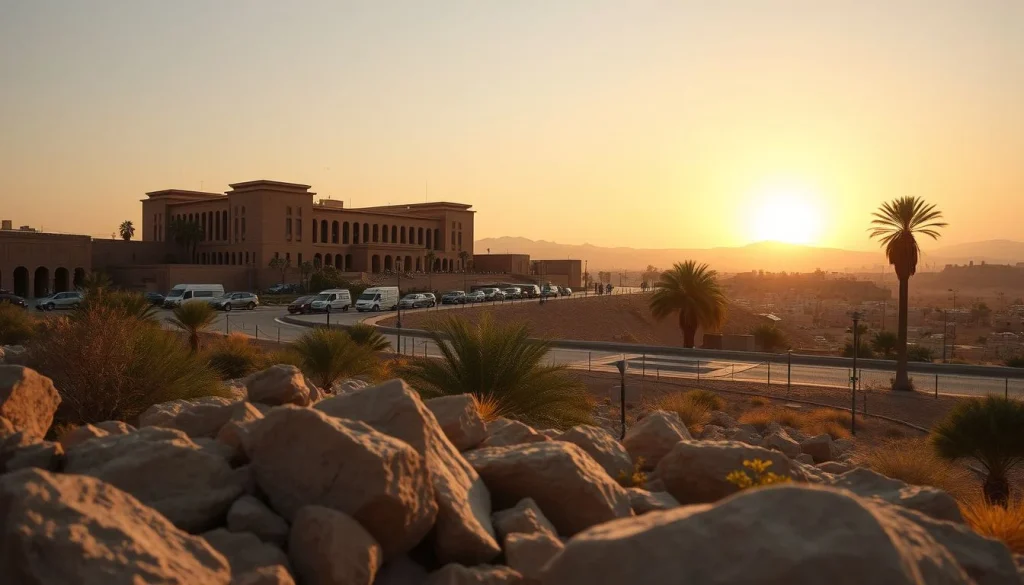
The Grand Egyptian Museum provides the climate-controlled counterpoint to Giza: a large modern setting for Egypt’s archaeological collections, close enough to combine with the pyramid complex on the same Cairo stay. It suits travellers who want context after seeing the monuments, as well as anyone who needs a break from exposed desert walking.
The museum is open to the public, and its official ticketing site sells tickets online at tickets.gem.eg. Typical gallery hours are approximately 9am–6pm, with possible late-opening days, so use the current timed-entry calendar rather than planning around a general timetable. Book the museum before locking in your Cairo schedule, especially during December, January–April and other high-demand periods.
Allow several hours without trying to force the museum and Giza into one rushed morning. Check the official site for accessibility services and the route between galleries before arrival; the climate-controlled interiors are easier on heat-sensitive travellers, but the full visit still involves standing and walking. The cost is a timed museum ticket, with any special-exhibition supplements subject to change.
3. Spend a full day in Luxor’s temple-and-tomb corridor
Luxor is the route’s densest concentration of ancient Egypt. Combine Karnak Temple Complex and Luxor Temple on the east bank with the Valley of the Kings and, where practical, the Valley of the Queens on the west bank. Karnak rewards a slow look at its processional spaces and columns; the tombs shift the experience underground, where painted decoration survives in a more intimate scale.
Start early. The day involves long transfers between sites, walking over uneven ground and sand, and stairs into some tombs. Upper Egypt’s summer heat is especially severe, with daytime temperatures above 40°C common in June–August, according to the climate reference supplied for this guide. October–April is the more practical window; in any season, carry water and keep the exposed sections for the coolest part of the morning.
An Egyptologist guide adds real value here, because the sequence of rooms, gods and funerary symbols is difficult to decode without context. Independent travel offers flexibility, but arrange a reliable driver or transfers between the east and west banks rather than attempting to link every site on foot. Individual Valley of the Kings tombs can have restricted access, additional tickets or controlled entry, so check the Ministry’s current ticket list before choosing your route. Archaeological-site admission is paid separately and varies by site and access level.
4. Take the Nile route from Luxor to Aswan
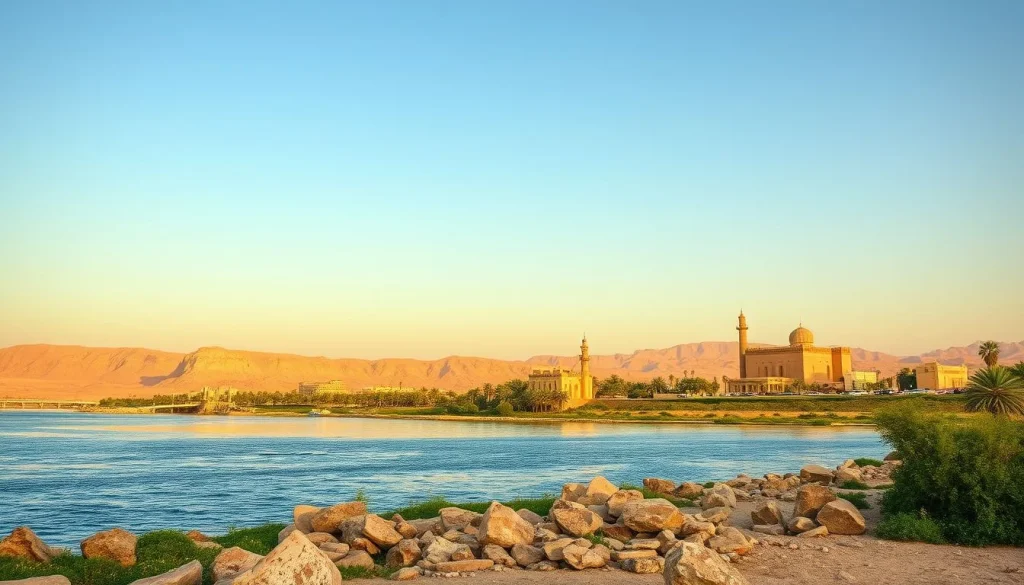
A Luxor–Aswan Nile cruise is the most efficient way to connect riverside monuments with slower travel. The traditional sequence includes Esna, Edfu and Kom Ombo, with shore visits breaking up time on the water. It is a strong choice for a seven- to 10-day trip because accommodation, river transport and many excursions are joined in one movement.
Compare a conventional motor ship with a smaller dahabiya. Motor ships generally suit travellers who want a larger onboard operation and a straightforward organised schedule; a dahabiya is better for a quieter, more intimate sailing style, but may offer a different itinerary and fewer onboard facilities. Compare the cabin, meals, shore guiding, transfers and entrance-fee inclusions rather than judging by vessel photographs alone.
For a four-night cruise in 2026, reported prices range from about US$450 per person to US$2,700 or more, depending on vessel class, cabin and inclusions, according to This is Egypt’s 2026 cost guide. Treat this as a variable cruise cost basis, not a live quote. The main physical demands are boarding, deck access and repeated temple walks; book a guide for the shore visits if you want interpretation rather than simply being moved between monuments.
5. Make the journey to Abu Simbel
Abu Simbel is a high-impact extension south of Aswan: the rock-cut temples stand in a Nubian setting and were relocated above the Aswan High Dam reservoir to protect them from inundation, according to Egypt’s Ministry of Tourism and Antiquities. The distance from Aswan is approximately 280 kilometres, so this is not a casual detour.
Most visitors choose an organised road day trip or a flight. Road travel takes more time but keeps the excursion tied to the landscape and is commonly arranged from Aswan; flying reduces the overland journey but depends on the current schedule. Both require advance planning, especially if you have a fixed cruise departure or a same-day connection.
Walking around the temples is moderate rather than technically difficult, but the open setting brings substantial heat and glare. Go in the cooler October–April season when possible, use a reputable operator and confirm transfer times before paying. Your cost will depend on road or air transport, guide services and temple admission; check the official monument information and current transport offer rather than assuming a package includes everything.
6. Explore Aswan by boat and on foot
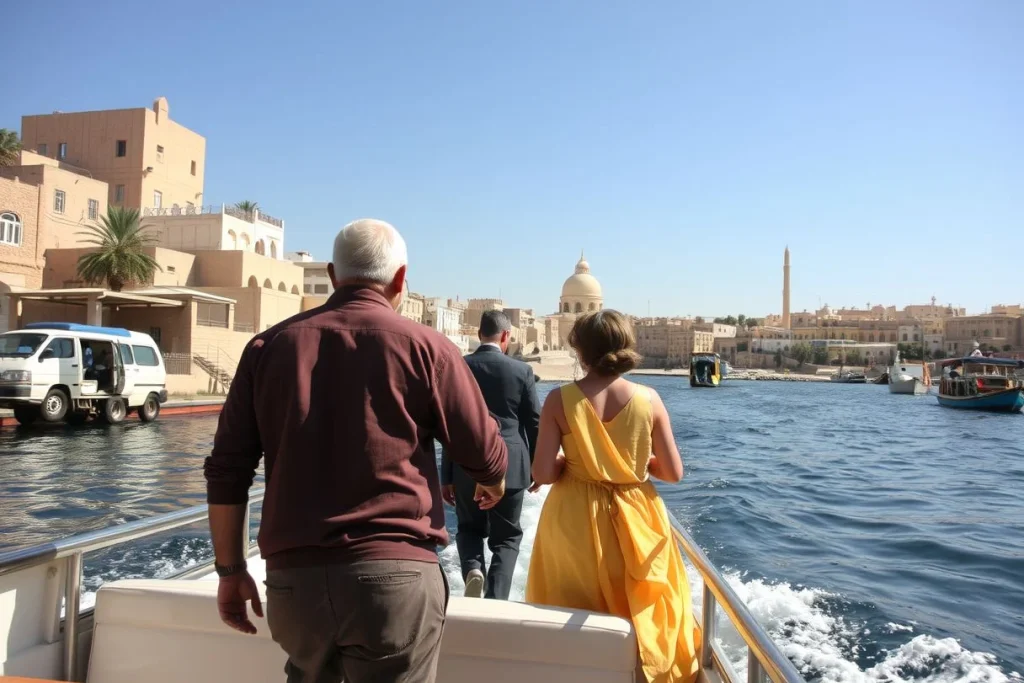
Build an Aswan day around Philae Temple on Agilkia Island, the Aswan High Dam and Elephantine Island, then leave time for a felucca sail on the Nile. Short boat transfers give the day a different rhythm from Luxor’s long site corridors, while the island visits add water, rock and Nubian history to the monumental route.
Expect moderate walking, uneven surfaces and boarding small boats. A felucca is weather-dependent and simple by design, so agree the route, duration and price before departure. A respectful guided Nubian cultural visit can provide useful local context; choose an operator that explains what the visit includes rather than treating communities as a photo stop.
Independent visitors can arrange boats and site transfers locally, while a guide-led day reduces negotiation and keeps the High Dam, Philae and island visits in a sensible order. Budget for separate boat, guide and archaeological-site costs, and check current ticket rules before setting out. Aswan is also the practical base for Abu Simbel, so keep the itinerary flexible enough for that longer excursion.
7. Add one professionally organised adventure extension
After the ancient route, choose only one add-on: a Western Desert and White Desert safari, a permitted hike in the St Catherine area, or Red Sea diving from Hurghada, Sharm el-Sheikh or Marsa Alam. Each changes the trip’s physical profile; none should be squeezed in as an improvised overnight escape from Cairo or Luxor.
For desert and mountain travel, confirm permits, a qualified guide, communications, vehicle support and emergency procedures. For diving, check the operator’s qualifications, equipment and evacuation arrangements. Insurance should explicitly cover the activity, medical treatment and evacuation, not merely standard sightseeing.
Do not travel unsupported into remote desert or border-adjacent areas. The UK Foreign, Commonwealth & Development Office advises against all travel to North Sinai and within 20 kilometres of the Egypt–Libya border; check your own government’s current advice before booking. This extension suits fit, experienced travellers with spare days, but the core Cairo–Luxor–Aswan route is the better choice if ancient sites are the priority.
Route choices at a glance
| Choice | Best for | Trade-off |
|---|---|---|
| Nile cruise | Efficient access to Esna, Edfu and Kom Ombo with organised shore visits | Fixed sailing dates and less control over daily timing; compare inclusions carefully |
| Independent river route | Travellers who want flexible nights, private transfers and their own pace | More planning, separate transport and guide arrangements, and greater exposure to timetable changes |
Itinerary fit: In seven days, prioritise Cairo and Giza, Luxor, a four-night river route and Aswan; add Abu Simbel only if the transport connections work cleanly. With 10 days, add a dedicated Cairo museum day, more time in Luxor, Abu Simbel and one carefully organised adventure extension. Do not sacrifice a full Luxor day simply to collect another distant site.
Planning tips: when to go, what to book and how to combine the sites
Choose the season before you choose the pace
October to April is the most practical window for Luxor, Aswan and Abu Simbel. From May to September, Upper Egypt becomes much harder on long walks and exposed archaeological sites; daytime temperatures above 40°C are common in June to August, according to the climate reference supplied for this guide. Put the Valley of the Kings, Karnak and Abu Simbel at the start of the day, carry water and plan an air-conditioned rest during the hottest hours.
November to March is the stronger period for Cairo. December, January to April and other high-demand periods call for earlier reservations, particularly for Grand Egyptian Museum timed entry, cruise cabins, domestic flights or sleeper trains, Abu Simbel transport and a specialist Egyptologist guide.
Two workable frameworks
Seven days: spend the opening day around the Giza Pyramid Complex, then allow a separate Cairo museum visit if your arrival time permits. Fly to Luxor, use one day for Karnak and Luxor Temple and another for the west bank’s Valley of the Kings and Valley of the Queens. Follow with a four-night Luxor–Aswan cruise via Edfu and Kom Ombo, finishing in Aswan. Abu Simbel fits only if the onward transport is confirmed and the excursion does not turn the final days into a chain of rushed starts.
Ten days: keep the same Cairo–Luxor–Aswan spine, but add a slower Aswan day, more time on Luxor’s west bank or Abu Simbel, and one professionally organised adventure extension. A permitted St Catherine-area hike, a Western Desert and White Desert safari or a Red Sea diving trip can work; choose one, rather than scattering the itinerary across several regions.
Reserve the fixed points, then build around them
Grand Egyptian Museum tickets are sold online through the official ticketing site at tickets.gem.eg; check the timed-entry calendar and accessibility arrangements before committing to a Cairo day. The museum’s typical gallery hours are approximately 9am–6pm, with possible late-opening days, so confirm the current schedule directly. For older museums and archaeological sites, use the Ministry of Tourism and Antiquities fee schedule as a reference, but recheck current prices, special-exhibition supplements, opening hours, temporary closures and tomb access.
Do not assume that a cruise price includes every guide, transfer, meal or entrance ticket. Compare the written inclusions, cabin category and departure day, then confirm the schedule shortly before travel. For Abu Simbel, organise the road transfer or flight in advance; the Ministry of Tourism and Antiquities records that the temples were relocated above the reservoir created by the Aswan High Dam.
Pack for uneven ground and exposed heat
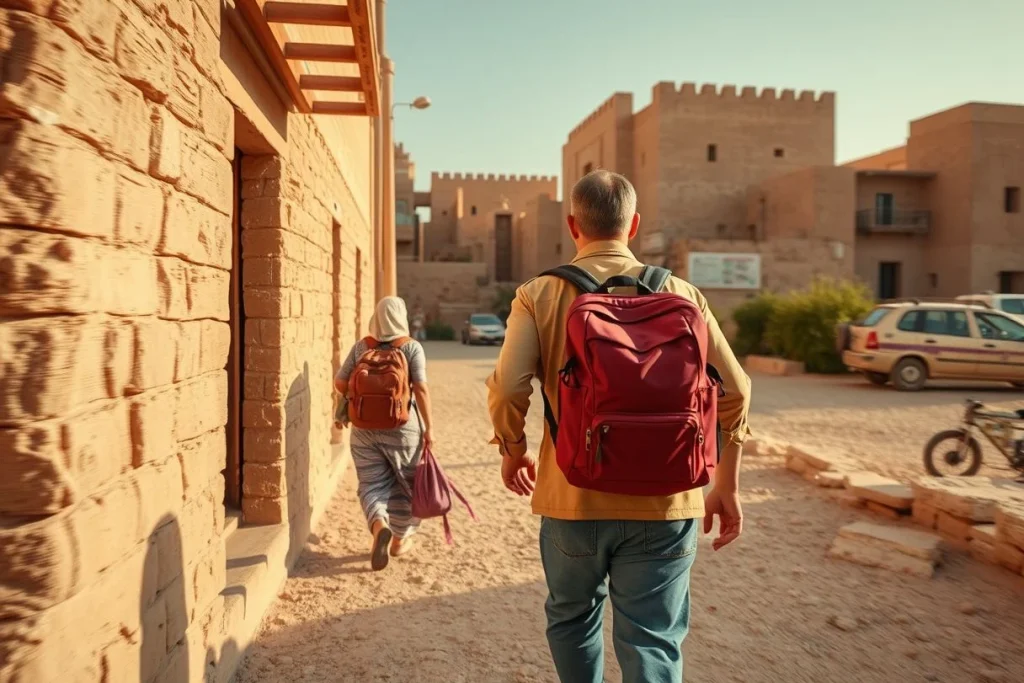
Bring breathable, respectful clothing, sturdy shoes with grip, a hat, sunscreen, electrolytes, a refillable water capacity, a small daypack and a power bank. Expect sand, steps and uneven surfaces at ancient sites; confirm accessibility directly if a mobility limitation affects your route. Travel insurance should explicitly cover your chosen activities, including desert trips, diving, hiking, hot-air ballooning and medical evacuation.
Before departure, check the official Egypt e-Visa portal and your airline for eligibility, passport validity and current payment or visa-on-arrival arrangements. Recheck your government’s travel advice as well, especially before any desert or mountain extension; the UK Foreign, Commonwealth & Development Office advises against travel to North Sinai and within 20 kilometres of the Egypt–Libya border.
Getting around Egypt: flights, trains, cruises and local boats
Flights and trains between the main cities
For a 7–10-day route, EgyptAir domestic flights are the fastest link from Cairo to Luxor or Aswan. They preserve a day for temples, but airport transfers, check-in and timetable changes still take time, so leave a buffer before a cruise departure or fixed Abu Simbel excursion. EgyptAir’s published timetable should be checked at booking.
Egyptian National Railways and overnight sleeper trains offer a slower alternative and may replace a hotel night. They suit travellers who value the journey and want to avoid another airport, but availability and departure times change; confirm the current service before relying on rail for a tight itinerary. A sleeper is not a substitute for a generous arrival buffer before a guided tour.
When a Nile cruise earns its place
A Luxor–Aswan cruise combines transport, accommodation and organised shore visits at Edfu and Kom Ombo. It is the efficient choice for first-time visitors who want the main riverside temples without arranging a new car, boat, guide and ticket for every stop. Four-night cruises in 2026 are reported at about US$450–US$2,700 or more per person, depending on vessel class, cabin and inclusions, according to This is Egypt (2026).
Independent travel gives active travellers more control over walking time and less predictable stops, but requires careful coordination. Compare what a cruise includes—Egyptologist guiding, entrance fees, meals, transfers and cabin conditions—rather than comparing the headline fare alone. Cruise departure days vary, so build the itinerary around the confirmed sailing rather than assuming a daily service.
Luxor, Aswan and the short boat transfers
Pre-arrange a reputable car and driver for Luxor’s west bank, where the Valley of the Kings and Valley of the Queens involve uneven ground, sand, steps and heat. A guide is especially useful here: tomb access changes, and individual tombs may require extra tickets or controlled entry, according to Egypt’s Ministry of Tourism and Antiquities.
Philae Temple is reached by a short boat transfer from the mainland to Agilkia Island. Use a motorboat when speed and a predictable schedule matter; choose a felucca on the Nile around Aswan when the sailing itself is the point, accepting wind-dependent timing and less shelter. Keep water, a hat and footwear with grip close at hand.
Getting to Abu Simbel
Abu Simbel lies about 280 kilometres south of Aswan. It can be reached by flight or road transfer, and organised day trips from Aswan are common, according to Egypt’s Ministry of Tourism and Antiquities. Road travel suits travellers prepared for an early, long day; flying reduces time on the road but adds a second timetable to verify. Arrange either option in advance and leave a buffer around the return.
Do not self-drive into remote desert or border-adjacent areas. Use an operator that can confirm permits, communications and emergency procedures, and recheck regional advice before departure. The FCDO advises against all travel to North Sinai and within 20 kilometres of the Egypt–Libya border; consult your own government’s current advisory too.
Conclusion: choose the Cairo–Luxor–Aswan spine, then add one adventure
For a first journey of seven to 10 days, keep the route focused: Cairo and Giza, Luxor, the Nile corridor, Aswan and Abu Simbel. It gives you Egypt’s essential pyramids, temples and tombs without sacrificing the slower river sections that make the journey feel coherent.
Choose a Nile cruise if you want transport, shore visits and guiding organised around one itinerary; travel independently if you prefer flexible overnight stays and control over your pace. October to April is the most practical window for Luxor, Aswan and Abu Simbel, while summer heat makes demanding site days harder.
Your next step is to check museum tickets, cruise or flight and rail availability, guide arrangements, weather and current travel advice together. If you have energy for more, add one professionally run desert, mountain or Red Sea extension—not several rushed detours.
Frequently asked questions
Can I see the main ancient sites without taking a Nile cruise?
Yes. Travel independently between Cairo, Luxor and Aswan by domestic flight, overnight sleeper train or road transfer, then arrange local visits. A cruise is mainly a convenience: it links Luxor with Edfu and Kom Ombo while combining transport, accommodation and shore excursions. Compare inclusions carefully, since cabins, meals, transfers and entrance fees vary; regular flights and train availability should be checked when booking, as advised by EgyptAir.
Is a guide worthwhile at the pyramids, temples and tombs?
For a first visit, a qualified Egyptologist guide is particularly useful at Giza, Karnak, Luxor Temple, the Valley of the Kings and Abu Simbel, where the scale and symbolism can otherwise be difficult to read. Independent touring gives you more control over pace and stops, but a guide can also help you navigate site logistics and current ticket arrangements. Use a licensed guide or reputable operator, and confirm what entrance fees and transport are included.
How much walking and climbing should I expect at Egypt’s archaeological sites?
Plan for moderate to substantial walking, often over uneven ground, sand and steps. The Valley of the Kings and the larger temple complexes can involve long exposed stretches, while tomb access may include controlled entry or additional tickets. Heat adds to the effort: Upper Egypt can exceed 40°C during June–August, according to the climate reference supplied, so start early, carry water and use sun protection.
What should I wear and carry for a day among the temples and tombs?
Choose light, breathable clothing that covers shoulders and knees, plus supportive closed shoes for sand, uneven surfaces and steps. Carry water, sun protection and a hat; an air-conditioned transfer is valuable during the hottest months. Keep photography and clothing respectful at religious and archaeological sites, and check current site guidance before travelling. May–September is especially demanding in Luxor and Aswan, with daytime temperatures above 40°C common in June–August.
Can I combine Abu Simbel with a same-day return to Aswan?
Yes, organised same-day trips from Aswan are common, using a road transfer or flight. Abu Simbel is approximately 280 kilometres south of Aswan, so the outing requires an early start and careful timetable planning rather than an improvised detour. Arrange transport in advance, confirm the return schedule and check current access information with the Ministry of Tourism and Antiquities. The temples were relocated above the reservoir created by the Aswan High Dam.
Which adventure extension best suits an ancient-sites itinerary?
Choose one extension that matches your experience and the season: a professionally organised Western Desert and White Desert safari, a permitted hike in the St Catherine area, or Red Sea diving from Hurghada, Sharm el-Sheikh or Marsa Alam. Desert and mountain trips require permits, qualified operators, communications and an emergency plan; diving requires suitable equipment and insurance. Check current government advice, especially for North Sinai and border areas, before committing.