This article contains affiliate links. If you book through one of our links, we may earn a commission at no additional cost to you.
At the Giza Pyramid Complex, the Great Pyramid and Sphinx can fill a single morning before the itinerary turns south towards Luxor’s Karnak Temple Complex and the tombs of the Valley of the Kings. This one week in Egypt itinerary connects Cairo, Luxor and Aswan in a north-to-south route, using one major transfer rather than sending you back and forth across the country.
It is written for first-time visitors who want the pyramids, ancient temples and the Nile without cramming every day with long road journeys. You’ll find a day-by-day plan with realistic travel times, a choice between flying and the Cairo–Luxor sleeper train, advice on fitting in a three- or four-night Nile cruise, and clear trade-offs around Abu Simbel, accommodation, bookings, costs and independent travel. Expect a full week: Cairo needs two days, Luxor rewards an early start, and Aswan works best as the final, slower stop.
Quick answer: Yes—seven days is enough for Cairo and Giza, Luxor’s main temples and tombs, and Aswan, but the pace is full. The most practical route is Cairo, fly to Luxor, take a three-night Nile cruise south to Aswan, and treat Abu Simbel as an optional extension; a Cairo–Luxor sleeper train is the main alternative if you prefer to preserve daytime sightseeing.
Itinerary at a glance: Cairo, Luxor and Aswan in seven days
This north-to-south one week in Egypt itinerary keeps the major sights in one direction: three days in Cairo and Giza, a flight to Luxor, then a Nile cruise or organised river transfer towards Aswan. It is a full schedule, and cruise departure days may require switching Days 4 and 5.
| Day | Overnight base | Main sights | Transport and pace |
|---|---|---|---|
| 1 | Cairo | Arrival, Downtown Cairo or Zamalek | Settle in; keep the evening light |
| 2 | Cairo or Giza | Giza Pyramid Complex, Great Pyramid and Sphinx | Early start; one concentrated sightseeing day |
| 3 | Cairo | Grand Egyptian Museum or Egyptian Museum, Citadel, Khan al-Khalili | Use taxis or a pre-arranged car between areas |
| 4 | Luxor | Karnak Temple Complex and Luxor Temple | Fly Cairo–Luxor; the flight is typically about 1–1¾ hours |
| 5 | Luxor or cruise | Valley of the Kings, Hatshepsut Temple and Colossi of Memnon | Start early, then board the selected sailing |
| 6 | Cruise | Edfu and Kom Ombo where confirmed by the itinerary | Pack a light day bag; stops depend on the boat |
| 7 | Aswan | Philae, High Dam, Unfinished Obelisk and the souk | Disembark or arrive according to the sailing schedule |
Flight schedules and operating times change, so check the latest information with the airline before booking; the published September 2026 schedule data shows multiple Cairo–Luxor services. A Cairo–Luxor sleeper train is the alternative: it takes approximately 10–13 hours and preserves a daytime sightseeing block, but sacrifices sleep.
Abu Simbel is best treated as an optional Aswan extension, not a guaranteed part of this compressed plan. Leave a substantial buffer for any onward flight, and do not connect a same-day Aswan–Cairo flight to an international departure unless the current EgyptAir schedule provides adequate contingency time.
Before you go: visas, bookings and your Cairo arrival
Sort the essentials before departure
Check entry requirements first. Most nationalities can apply for an Egypt e-visa through the official Egypt e-Visa Portal, but eligibility, passport validity, supporting documents, fees and any visa-on-arrival option can change. Use the portal’s current instructions for your nationality rather than relying on an older guide, and save both a digital and printed copy of the approved visa if applicable.
Book in this order: international flights, the Cairo–Luxor flight or sleeper train, the three- or four-night Nile cruise, hotels, and a Cairo airport transfer. Add Abu Simbel only after checking that current road or flight excursions are operating. Cruise embarkation days and boarding times vary, so build the week around the confirmed sailing rather than assuming a departure is available every day.
For a first-time visitor, flying from Cairo to Luxor is the cleaner choice: current September 2026 schedule data shows a flight time of about one to 1 hour 45 minutes. The alternative is the Cairo–Luxor sleeper service, reported in 2026 guidance as an overnight journey of approximately 10–13 hours in a private berth. It preserves a sightseeing day, but the night may be less restful than a hotel and schedules, fares and booking arrangements should be checked with the current operator before purchase.
Arriving at Cairo International Airport
At Cairo International Airport (CAI), allow time for immigration, baggage collection and customs before meeting your driver or arranging onward transport. Decide in advance whether you will use a physical SIM or eSIM, and confirm that your phone is unlocked; compare current airport and city options rather than assuming the first offer is the best value. Keep some accessible cash for small immediate expenses, while retaining cards and important documents separately.
Choose a pre-arranged pickup if Cairo is unfamiliar, particularly for a late arrival or a hotel in Giza, Downtown Cairo or Zamalek. Cairo traffic can make the airport-to-city or airport-to-Giza journey take approximately 45–90 minutes, depending on the time of day, according to The Luxor Guide’s 2026 transport guidance. Send the driver your flight number and hotel address, and do not schedule a tightly timed domestic connection after landing.
Before departure, check the latest archaeological-site hours and ticket information against the Ministry of Tourism and Antiquities’ official material, and review government travel advice within 72 hours. The CDC Yellow Book also recommends reviewing routine vaccinations and Egypt-specific guidance, including hepatitis A and typhoid considerations.
Day by day: a realistic seven-day route
Day 1 is deliberately light: arrive at Cairo International Airport, settle into Giza, Downtown Cairo or Zamalek, and save the pyramids for the following morning. After a flight, the best use of your energy is a straightforward transfer, a meal and an early night.
Morning
At Cairo International Airport, complete immigration and collect your luggage before leaving the terminal. Keep your passport, accommodation address, onward bookings and visa documentation together. Most nationalities can apply for an Egypt e-visa through the official Egypt e-Visa Portal; check the current eligibility, document and fee requirements before departure.
For a first visit, arrange your airport transfer in advance through your hotel, cruise operator or a reputable local guide. Agree the destination and any quoted fare before setting off, and avoid accepting unsolicited offers inside or just outside the terminal. Cairo traffic can make the airport journey to Giza, Downtown Cairo or Zamalek take around 45–90 minutes, depending on the time of day.
Afternoon
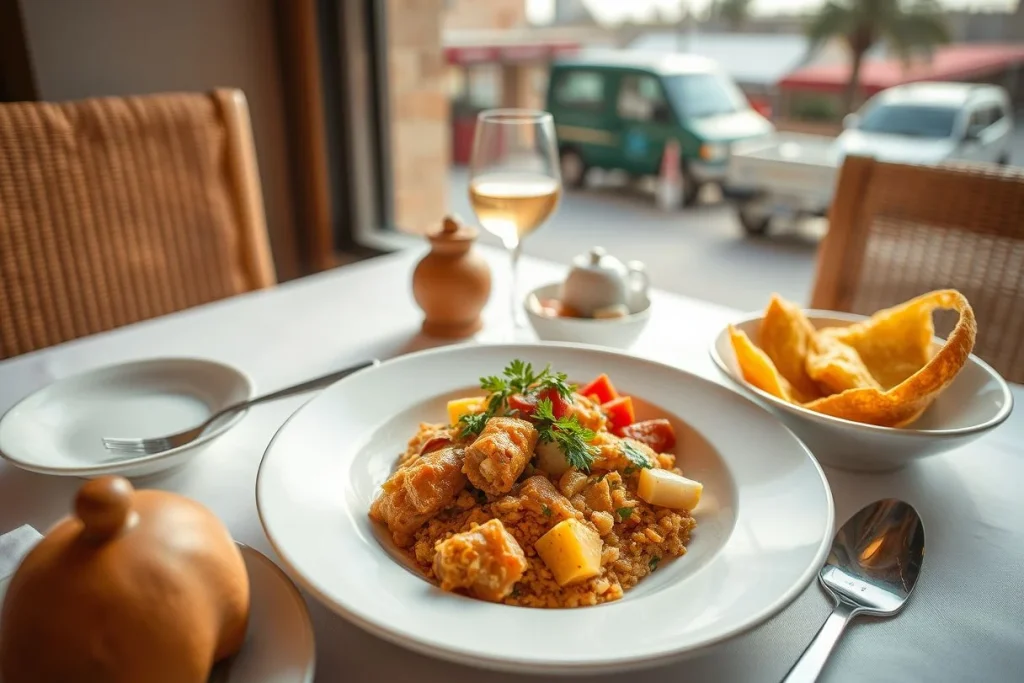
Check in and rest rather than trying to fit in a major sight. Giza is the most convenient base for tomorrow’s pyramid visit; Downtown Cairo and Zamalek offer easier access to central museums and restaurants later in the week. If the room is not ready, leave your bags with the hotel and have a relaxed lunch nearby.
Use the afternoon to make the practical arrangements that will make the rest of the Egypt itinerary easier. Buy a local SIM or arrange an eSIM from a recognised provider, download offline maps, and save your hotel’s name and address in Arabic. Withdraw or exchange a modest amount of Egyptian currency for small purchases and tips, while keeping cards and cash in separate places. Confirm tomorrow’s Giza plan and ask whether tickets, a guide and transport have already been arranged.
Evening

Keep the first evening close to the hotel. A short walk around a familiar, well-lit area is enough; Cairo’s traffic, noise and heat can be tiring after arrival. Do not book a late sound-and-light show, balloon ride or other fixed-time activity tonight: schedules, weather and availability need checking, and the early start at Giza is more valuable.
Dress modestly for the days ahead, particularly if you plan to enter mosques. At religious sites, cover shoulders and knees and follow instructions about footwear and photography. At markets and tourist areas, expect friendly approaches, but decline firmly if you are not interested. Do not hand over your phone, passport or bank card to anyone offering an unsolicited service.
Where to eat
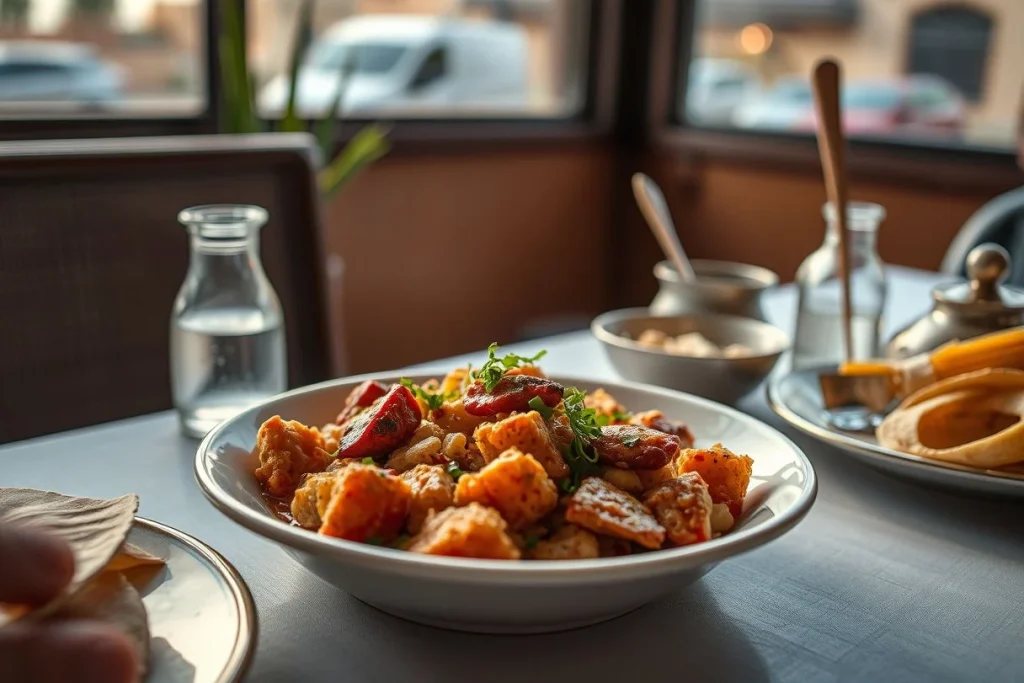
Choose a simple Egyptian meal near the hotel rather than crossing Cairo in search of a particular restaurant. Good first-night choices include koshari, ful with bread, ta’ameya made from fava beans, or grilled chicken. In Giza, ask the hotel to recommend a nearby place with a clear menu and displayed prices. Bottled water is the uncomplicated choice for the evening; keep one with you for tomorrow’s pyramid visit.
Getting around

Use a pre-arranged hotel transfer for the airport, especially if you arrive after dark or are carrying luggage. For the rest of the day, stay within your accommodation area and use a licensed taxi or reputable ride-hailing service when necessary. Confirm the destination in writing before departure, check that the meter or agreed fare is clear, and ignore drivers or unofficial guides who approach you with a different plan.
Do not schedule a domestic flight, long guided tour or tightly timed museum visit on arrival day. If your international flight is delayed, go directly to the hotel and move any planned sightseeing to another day rather than sacrificing sleep.
Estimated time
| Activity | Allow |
|---|---|
| Arrival formalities and luggage | Variable; allow a generous buffer |
| Airport transfer | Around 45–90 minutes to Giza or central Cairo, depending on traffic |
| Check-in, SIM and money arrangements | One to two hours |
| Meal and rest | Three to five hours |
| Light evening walk | Up to one hour |
Optional extras
- If you arrive early and feel rested: take a short hotel-arranged visit to the nearby Giza plateau viewpoint, but keep the main pyramid complex for tomorrow.
- If you are staying in central Cairo: have tea or dinner in Zamalek instead of adding a distant sightseeing stop.
- If you arrive late: skip the walk, eat at or near the hotel, prepare water and comfortable clothing for the morning, and sleep.
Where to stay: the best base in each stop
Choose your base for the sightseeing you will do first, not simply for the view. Cairo traffic can make airport or Giza transfers take roughly 45–90 minutes, according to The Luxor Guide, so a convenient hotel saves more time than a slightly cheaper room across the city.
| Destination | Best area | Ideal traveller | Advantages | Drawbacks |
|---|---|---|---|---|
| Cairo | Giza | First-time visitors, families, pyramid-focused travellers | Close to the Giza Pyramid Complex; easier for an early start and pyramid-view hotels | Less convenient for Downtown museums, Islamic Cairo and airport transfers at busy times |
| Cairo | Downtown Cairo | Solo travellers, museum visitors and those wanting central transport | Convenient for the Egyptian Museum in Tahrir and a more local city atmosphere | Noisy and less restful; the pyramids require a separate cross-city journey |
| Cairo | Zamalek | Couples, families and travellers wanting a calmer hotel base | Restaurants, Nile views and a more polished feel, with a useful central position | Usually less practical than Giza for the first pyramid visit |
| Luxor | East Bank | First-time visitors, older travellers and cruise passengers | Restaurants, Luxor Temple, transport links and easier access to cruise embarkation | Busier, and the West Bank tombs require a ferry, road transfer or arranged car |
| Luxor | West Bank | Independent travellers and those prioritising quiet mornings | Guesthouses, sunset views and a quicker start for the Valley of the Kings | Fewer evening options and more logistics for East Bank temples and the cruise |
| Aswan | Corniche or central Aswan | Most visitors, solo travellers and anyone using boats or trains | Close to the souk, Nile boats, restaurants and transport for Philae | More city noise than a village stay |
| Aswan | Nubian village | Travellers seeking a quieter, more distinctive stay | Slower atmosphere and a different setting beside the Nile | Extra transfers for sightseeing, luggage and an early Abu Simbel departure |
For a seven-day Egypt itinerary, a mid-range hotel in Giza, East Bank Luxor and central Aswan is the simplest combination. Budget guesthouses suit solo travellers, while families should request a genuine family room and confirm pushchair access. Couples may prefer a Nile-view property; older travellers should prioritise a lift, minimal steps and hotel-arranged pickups.
Before confirming, ask about luggage storage between hotel and cruise, electricity or generator arrangements, airport pickup and the exact cruise embarkation point. In Luxor especially, an attractive West Bank room can lose its advantage if the boat leaves from the East Bank.
Travel costs for seven days: budget, mid-range and luxury
These are planning snapshots in US dollars as of September 2026, not fixed quotes. Your final cost will change with travel dates, carrier, exchange rate, cabin category and what a cruise or hotel includes.
| Estimated cost item | Budget | Mid-range | Luxury |
|---|---|---|---|
| Cairo–Luxor flight, one way | About US$60 | US$60–180 | US$180 or more |
| Cairo–Luxor private sleeper berth, one way | About US$100 | US$100–200 | US$200 or more |
| Three- to four-night Nile cruise, per person sharing a twin cabin | US$350–800 | US$700–1,900 | US$1,200–3,000 or more |
| Daily on-the-ground spending, per person | US$45–90 | US$140–320 | US$400 or more |
The flight figures are economy one-way estimates from the September 2026 schedule snapshot supplied by FlightConnections. The sleeper-train figures are based on private berths; meals are reported as included in the 2026 guidance from The Man in Seat 61. Cruise prices come from a September 2026 market snapshot and are boat-only estimates, while daily spending may cover local food, transport and entry fees.
These figures do not necessarily include international flights, visa costs, hotel nights, cruise shore excursions, private guides, tips, special tomb tickets or an Abu Simbel trip. Major archaeological sites can also charge separately for special tombs. Check the latest Ministry of Tourism and Antiquities ticket list; the supplied English list is dated 5 November 2024. Compare the cruise’s inclusions and current hotel and transport prices before booking rather than relying on a single seven-day total.
| Item | Budget | Mid-range | Luxury |
|---|---|---|---|
| Cairo–Luxor domestic flight | US$60 one way | US$60–180 one way | US$180 one way or more |
| Cairo–Luxor sleeper train | US$100 per person one way | US$100–200 per person one way | US$200 per person one way or more |
| Nile cruise | US$350–800 per person | US$700–1,900 per person | US$1,200–3,000+ per person |
| Daily on-the-ground spending | US$45–90 per person per day | US$140–320 per person per day | US$400+ per person per day |
Estimated ranges based on the sources listed below. Prices change; check with providers before booking.
Travel tips that make Egypt easier for first-time visitors
Arrival and money
- Carry small Egyptian-pound notes. They make tips, minor purchases and short taxi fares easier; ask before paying by card, as acceptance varies by business.
- Buy a local SIM or eSIM after arrival and save offline maps. Keep your hotel’s address written in Arabic, along with passport copies stored separately from the originals.
Transport
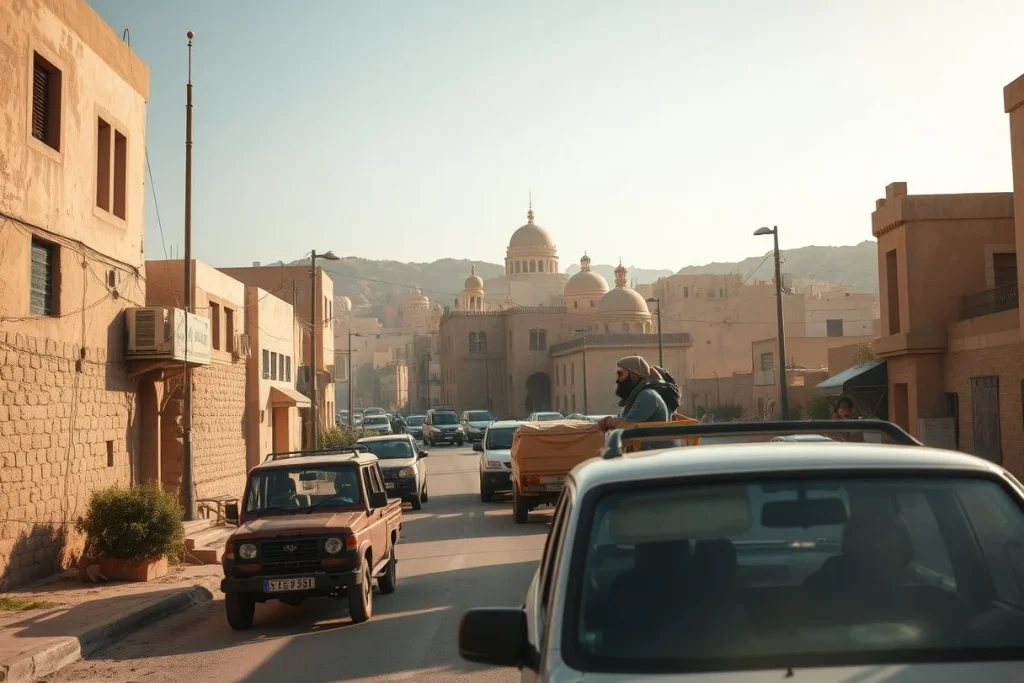
- Agree the fare and destination before a taxi leaves. For airport transfers and sightseeing, a hotel-recommended driver or licensed, well-reviewed guide reduces arguments over inflated fares and unwanted shopping stops.
- Leave generous buffers around flights. Cairo traffic can make airport or Giza transfers take roughly 45–90 minutes, and the official EgyptAir site is the place to check current schedules; avoid pairing a same-day Aswan–Cairo flight with an international departure unless you have substantial contingency time.
Health and heat
- Start archaeological visits early from May through September. Carry water, sun protection and a hat, and choose loose, breathable clothing; the CDC Yellow Book advises reviewing routine vaccinations and considering Egypt-specific guidance, including hepatitis A and typhoid.
Etiquette and scams
- Dress modestly for mosques and rural areas, remove shoes where required and ask before photographing people. Ignore unsolicited claims that a site is “closed today”, pressure to ride a camel or demands for forced photos, and leave if a guide pushes an unplanned shopping stop.
Access and security
- Plan for uneven ground, steps and limited accessibility. Valley of the Kings and temple areas can be physically demanding, so confirm routes and assistance with your guide before setting out; check the current government travel advice before departure, including guidance to avoid Sinai and the Western Desert border with Libya except under authorised arrangements.
Conclusion: choose the cruise dates, then build the week around them
For most first-time visitors, choose the flight-and-three-night-cruise version: it links Cairo, Luxor and Aswan with fewer hotel changes, while the cruise packages the southbound sightseeing and accommodation. A Cairo–Luxor flight typically takes about one to 1 hour 45 minutes, according to September 2026 schedule data; the sleeper train takes roughly 10–13 hours and trades daytime sightseeing for a less reliable night’s sleep.
Book in this order: check your eligibility and current instructions on the Egypt e-Visa Portal, review current government advice, select cruise departure dates, reserve Cairo–Luxor transport, then arrange hotels and optional Abu Simbel. Before departure, recheck site hours, cruise inclusions, flight or train schedules and airport buffers; Cairo transfers can take around 45–90 minutes in traffic.
Frequently asked questions
Is it better to visit the Giza Pyramids at sunrise or later in the day?
Aim for the earliest available visiting period rather than planning around a guaranteed sunrise entry. Many archaeological sites open early and close in the mid-afternoon, and early visits are especially sensible from May through September, when heat can be intense. Confirm the Giza Pyramid Complex’s current opening hours and ticket rules with Egypt’s Ministry of Tourism and Antiquities before travelling: https://www.mota.gov.eg/media/5a2ja2iu/ticket-english-5-11-2024-1.pdf.
Should I hire a guide for the temples and tombs?
A guide is not established as a requirement by the supplied sources, so this is mainly a choice between independence and explanation. First-time visitors who want help understanding Karnak, the Valley of the Kings and Hatshepsut Temple may find a pre-arranged guide useful; independent travellers should still confirm current tickets, opening hours and any separate charges for special tombs through the Ministry of Tourism and Antiquities. Site conditions include uneven ground and steps.
Can I take photographs inside Egyptian tombs and museums?
The supplied sources do not confirm a single photography rule for every Egyptian tomb or museum. Permissions and charges can differ by site, and the Ministry’s archaeological-site ticket information notes that major sites and special tombs may have separate charges. Check the current rules with the individual museum or site, and ask staff before using a camera or phone inside: https://www.mota.gov.eg/media/5a2ja2iu/ticket-english-5-11-2024-1.pdf.
What should I do with my luggage during the Cairo-to-Luxor transfer?
For a Cairo–Luxor flight, confirm the airline’s baggage allowance and airport procedures directly with EgyptAir or the operating carrier before booking. If you choose the sleeper train, ask the operator or booking channel about luggage arrangements before departure; the service is reported as an overnight journey of approximately 10–13 hours with private berths. A cruise booking should also confirm whether luggage is transferred to the boat or carried by the passenger.
Is a felucca ride suitable if I am travelling with children or older relatives?
It may suit a family or multigenerational group as a lower-intensity alternative after Aswan’s temple sightseeing, but the supplied sources do not establish accessibility, boarding conditions or operator standards. Ask the felucca operator about boarding, seating, duration, weather cancellation and life-safety arrangements before agreeing. For anyone with limited mobility, confirm the boat access in advance rather than assuming it will be step-free.
How physically demanding are the archaeological sites?
Plan for uneven ground, steps and limited accessibility, particularly at the Valley of the Kings and temple areas. A full West Bank visit combining the Valley of the Kings, Hatshepsut Temple and the Colossi of Memnon can therefore be tiring, especially in the heat from May through September. Start early, carry water and allow pauses; check current site information if a traveller has mobility limitations.