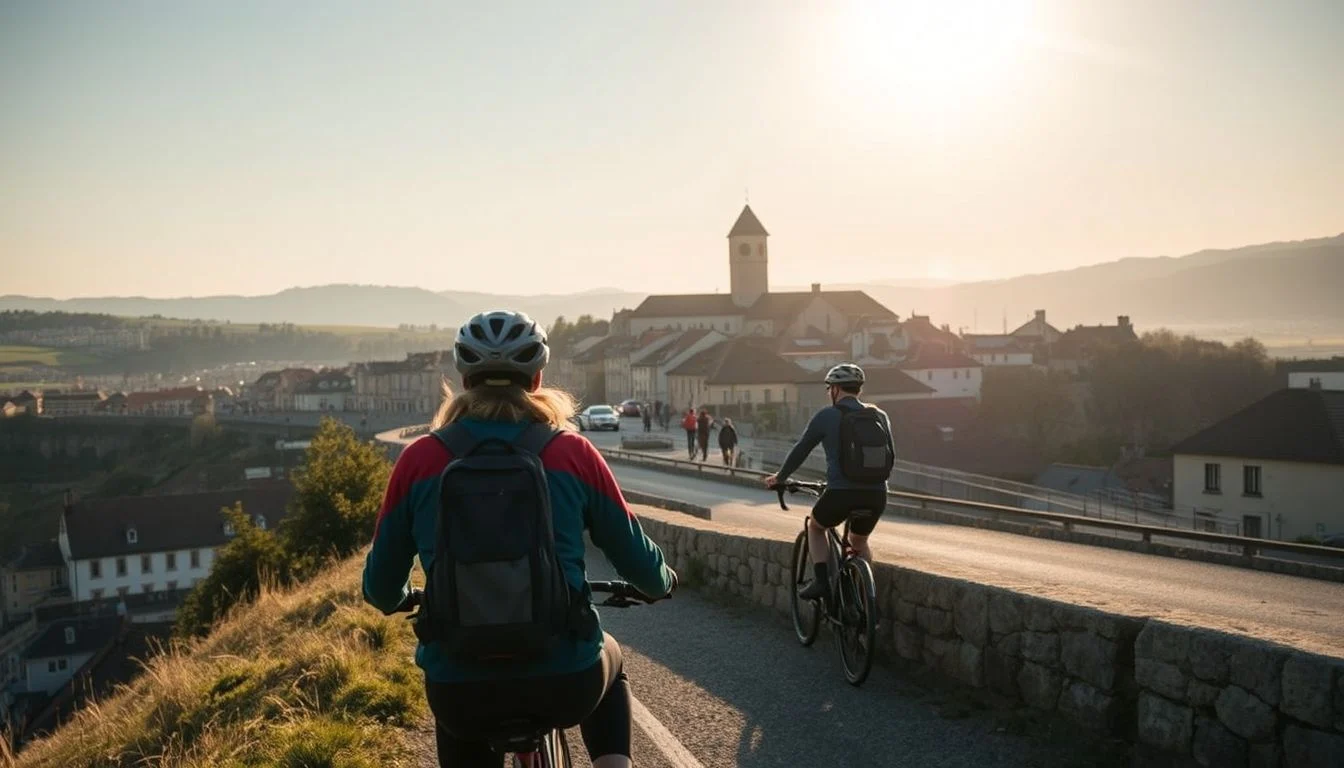
EuroVelo is a network of 17 numbered long-distance cycling routes crossing Europe, but a route number does not guarantee one uniform riding experience: surfaces, signage, traffic and elevation can change from one section to the next. The best EuroVelo route for beginners is therefore usually a manageable four- to seven-day section, not an attempt to cover an entire network route.
This guide is for first-time cycle tourists planning their first European trip. It helps you match confidence and fitness with terrain, daily distance, services, accommodation and transport, then decide between a self-guided EuroVelo tour and a supported cycling tour Europe option. Lower EV6 sections east of Vienna or Budapest, lowland EV15 along the Rhine, and coastal sections in the Netherlands or Belgium are useful starting points, but each needs a check of the current GPX, surface information, elevation, signage and train connections before you book.
Quick answer: Lower EV6 sections east of Vienna or Budapest, lowland EV15 sections, and coastal Netherlands or Belgium sections are strong candidates because they generally offer gentler terrain, frequent services or easier logistics. Choose a specific four- to seven-day section, then verify its current GPX, surfaces, elevation, signage, accommodation and transport connections before booking.
EuroVelo explained: what makes a good first route?

EuroVelo is the European Cyclists’ Federation-managed network of 17 numbered long-distance cycle routes across Europe. Its route information includes an online planner and downloadable GPX files, useful for checking a trip at section level rather than treating a route number as a complete itinerary.
That distinction matters for a first tour. EuroVelo route quality, surfaces and signs vary between countries and individual sections: one day may follow a segregated cycleway, while another uses a rural road, gravel or a mixed surface, according to EuroVelo’s practical information. A route labelled “EuroVelo” is therefore not automatically flat, paved or continuously signposted.
For most first-time cycle tourists, the sensible starting point is a four- to seven-day section with modest daily ambitions and a town within reach at the end of each ride. Lower EV6 along the Danube, lowland stretches of EV15 along the Rhine, and coastal sections in the Netherlands or Belgium are useful candidates because route guidance describes them as offering relatively gentle terrain, regular settlements and practical services. The exact GPX, surface and elevation still need checking before you commit.
Choose by the experience you can manage comfortably, not by the fame of the route. Look at the riding distance between rest stops, the amount of climbing, the surface your bike can handle, access to accommodation and repairs, and the ease of reaching the start and leaving the finish. Your travel month also affects daylight, heat and which cafés, ferries or small hotels are operating.
The Certified EuroVelo route label identifies sections intended to meet EuroVelo network quality standards, making it a helpful first filter. It does not replace current local information: consult the relevant national coordinator or tourism organisation, many of which publish detailed route notes, accommodation listings and GPX resources alongside the main EuroVelo site.
A beginner’s route-selection checklist: terrain, services and confidence
Start with the section, not the route number
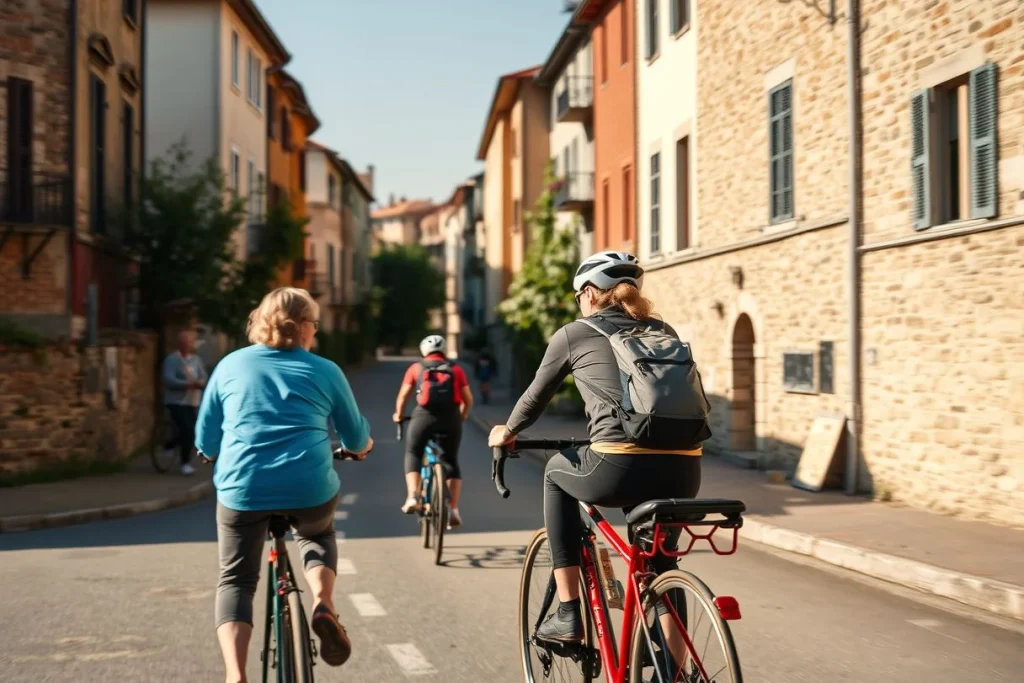
The best EuroVelo route for beginners is usually a manageable four- to seven-day section with regular places to eat, sleep and repair a bike. A route number alone tells you very little: conditions can change between countries and even between neighbouring sections. Use the EuroVelo route planner and downloadable GPX files to identify a section, then check its current route notes before committing.
| Section to investigate | Why it suits a first tour | What to verify | Best fit |
|---|---|---|---|
| EV6, lower Danube east of Vienna or Budapest | Generally gentle terrain, frequent towns and services in the cited route guidance | Exact surface, elevation, accommodation and transport connections | Riders wanting a river landscape and straightforward daily logistics |
| EV15, lowland Rhine | Established towns, accommodation and transport links | Section-specific traffic, surfaces, gradients and train access | First-timers who want easy bail-out options |
| Coastal Netherlands | Strong cycling infrastructure, frequent settlements and relatively easy logistics | Local traffic rules, congestion, wind and the precise route surface | Confident urban cyclists prioritising infrastructure |
| Coastal Belgium | Shorter sections with towns and transport access | Mixed traffic, surface quality and accommodation availability | Riders wanting a compact trip with simple arrival and departure |
These are starting points, not guarantees. The EuroVelo practical information explains that routes may combine segregated cycleways, rural roads, gravel and other mixed surfaces; signage and route quality also vary by section. Do not assume that a lowland route is entirely paved or flat, or that every turn will be signposted.
A simple way to choose
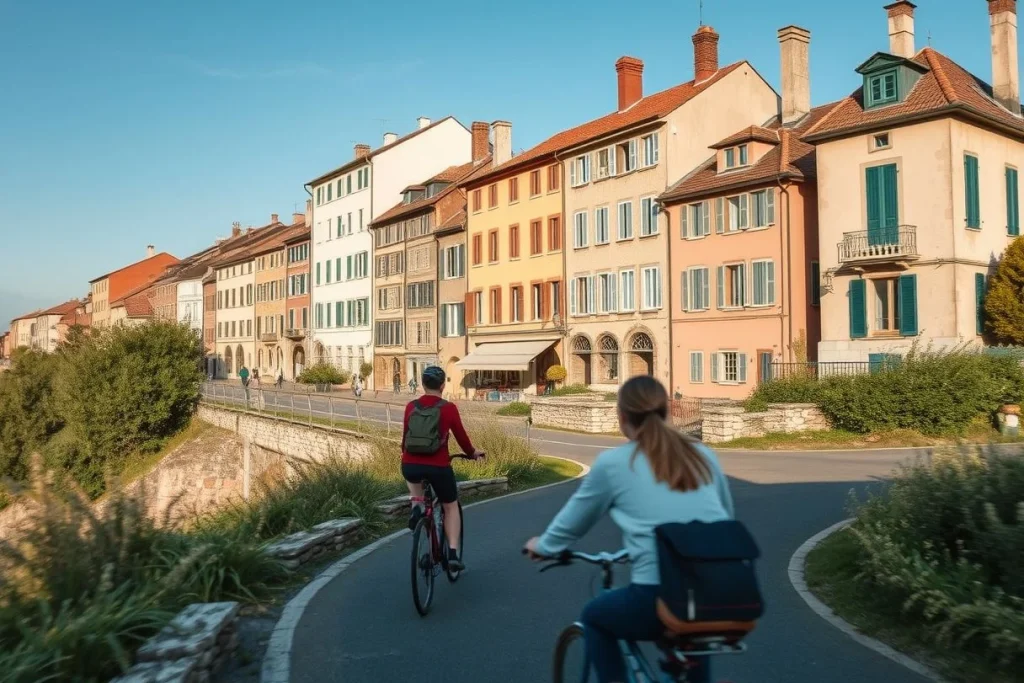
Score each candidate from one to five for gradient, remoteness and traffic, where one is easiest. Add a fourth score for scenery or arrival convenience, but keep it separate: a slightly busier section may still be right if it gives you the landscape and railway connection you want. Choose the lowest combined burden that still feels motivating, rather than selecting the most famous route.
Inspect the GPX track in EuroVelo.app, including the day-by-day profile, surface notes and town spacing. Then cross-check the relevant national coordinator or tourism organisation, which may have more local information on accommodation, diversions and seasonal services.
Your bike should match the surface you have confirmed. A touring bike is the flexible choice for luggage and mixed paths; a road bike makes sense only where the selected section is consistently suitable for narrow tyres. Choose a gravel bike for confirmed unpaved stretches, and consider an e-bike if gradients, headwinds or luggage would otherwise make the planned days uncomfortable. Check battery range, charging and return arrangements before hiring one.
Self-guided or supported: choose the right first-trip format
Self-guided or supported: choose the right first-trip format
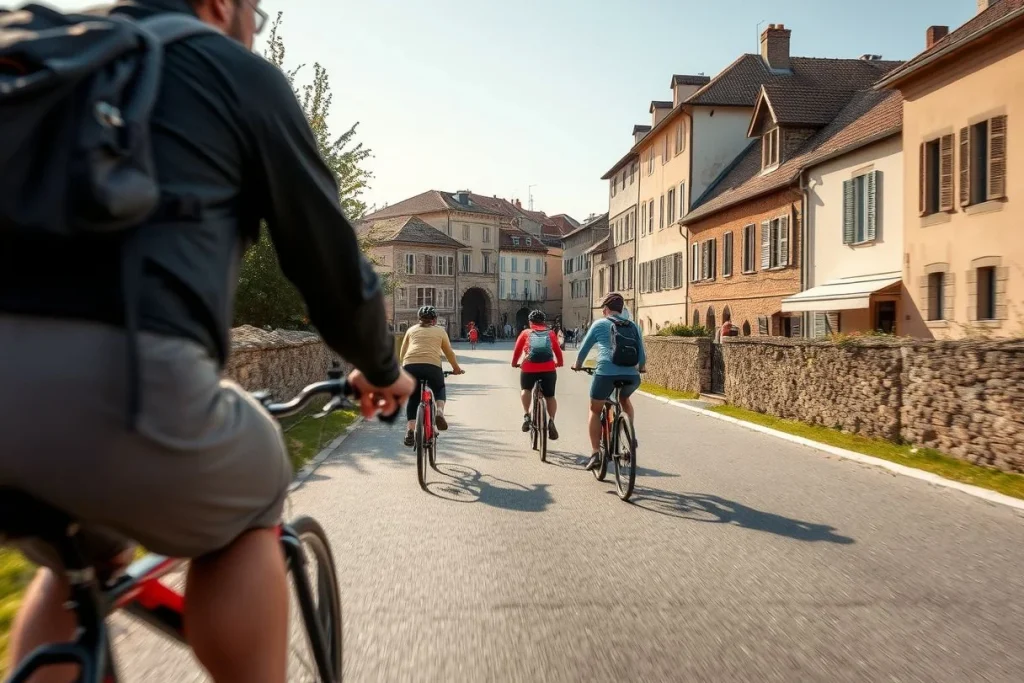
Once the bike matches the terrain, decide how much of the trip’s administration you want to carry with you. A self-guided EuroVelo tour gives you control over start times, café stops, rest days and detours, and usually avoids the service overhead of a supported package. You’ll still be responsible for following the GPX, booking accommodation, arranging repairs and rerouting when a path or bridge is unavailable.
For confident planners, this format offers flexibility. It also suits riders who are comfortable checking navigation on a phone or bike computer. Build the itinerary around a defined four- to seven-day section rather than trying to complete an entire EuroVelo route. Keep each day’s riding length proportional to your fitness, planned stops, surface and verified elevation; a shorter day on gravel or rolling terrain can take more effort than a longer, smooth section.
Supported cycling tours make sense if navigation feels stressful, the group has mixed abilities or you want to ride without carrying luggage. Depending on the operator, the package may include a route briefing, luggage transfer, local assistance, a guide or a support vehicle. Check exactly what’s included: some tours provide help only during stated hours, while others expect riders to manage minor punctures and late-day changes themselves.
A self-guided trip with luggage transfer sits between the two. You retain the freedom to stop in a riverside town or shorten a day, while a local operator handles the bags and may provide route notes or an emergency contact. Before paying, confirm the daily plan, accommodation locations, bike-support arrangements and cancellation terms.
When to cycle: the best seasons for a first EuroVelo trip
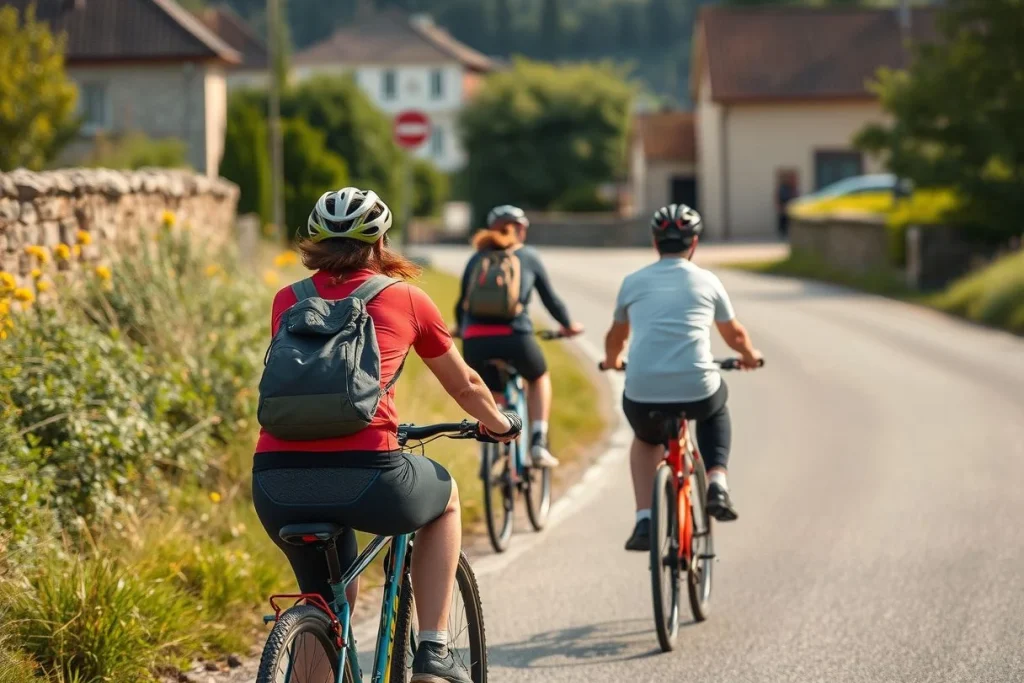
For most first-time riders, May–June or September is the sensible starting point. Many lowland and inland sections offer a useful balance of daylight, milder temperatures, fewer peak-season crowds and services that are operating. That suits a four- to seven-day trip on lower EV6, lowland EV15 or a Netherlands and Belgium coastal section, provided the exact itinerary has been checked.
July and August can work, but expect higher demand and potentially hotter riding conditions. They may be the practical choice for Alpine or high-pass routes, where earlier or later in the season can bring unsuitable conditions; check altitude, storms and pass-opening information for the specific section before booking. Accommodation, cafés, bike shops and ferries may also follow seasonal schedules rather than operating year-round.
Mediterranean sections are often more comfortable in April–June and September–October than in the height of summer. Before fixing dates, check the relevant national EuroVelo coordinator or tourism organisation for local climate guidance, events and seasonal services, then compare the current route information on the EuroVelo website. The network’s route conditions vary by section, so treat a favourable season as a starting point—not a guarantee of easy weather or open facilities.
How to reach your EuroVelo start: flying, rail and driving
For a first EuroVelo trip, choose the start and finish for their transport links as carefully as for the riding. Amsterdam Schiphol Airport can suit a Netherlands section, while Paris Charles de Gaulle or Paris Orly may work for a French or nearby cross-border itinerary. The nearest airport is not automatically the easiest place to handle a bicycle: an awkward city transfer, limited bike carriage or a long onward journey can outweigh a cheaper flight.
Flying is most practical when you bring your own touring bike and the route starts well away from a useful rail station. Before booking, check the airline’s current bicycle-packing rules, baggage dimensions, weight limits and fees; these vary by carrier. A rental bike can remove the packing problem, but confirm the hire company’s collection point, touring-bike specification, luggage capacity, insurance and return arrangements. Amsterdam rental examples published for 2026 put standard bike hire at around €10–20 per day and e-bike hire at around €25–50, but check the provider’s live terms.
Rail is often the cleaner option for a short section with a station at each end. Build the itinerary around a through-ticket where possible, and confirm that every operator accepts a fully assembled or boxed bicycle. Deutsche Bahn states that many long-distance services require a separate bicycle ticket and reservation, and an unreserved bike may be refused; regional rules differ by operator. Check Deutsche Bahn’s bicycle guidance and SBB’s international bike guidance before paying.
Drive only when parking is practical and the itinerary returns to the same area, or when a planned vehicle transfer solves a genuine access problem. Coastal and Baltic routes may also involve ferries: verify bicycle capacity and reservations with the operator before fixing the route.
Getting around with a bicycle: trains, regional transport and transfers
Once you are riding, trains are most useful for shortening an over-ambitious day, bypassing a difficult section or returning to your starting city. They are not governed by one Europe-wide bicycle policy: rules, reservations and prices change between operators and sometimes between train types.
On many Deutsche Bahn long-distance services, you need a separate bicycle ticket and a bicycle-space reservation; without the reservation, you may be refused boarding. The cited 2026 Germany example is approximately €6–9 one way per bicycle, but check the exact train and route in Deutsche Bahn’s bicycle-ticket guidance before booking. Regional trains can be more flexible, although regional rules and prices vary by operator and area.
Plan the train before confirming accommodation. Search with the bicycle option selected, check whether your bike can be rolled aboard or must be boxed, and reserve the space as soon as your dates are firm. Leave generous time for platform changes and loading; a connection that works for a passenger may be unrealistic with panniers.
For international journeys, consult SBB’s bicycle guidance as well as the operator running each leg. Keep a regional-train alternative or a shorter riding day in reserve, and confirm any replacement-bus policy: a bus may not have room for a complete touring bicycle. National EuroVelo coordinators can also help identify local transport links alongside route GPX and service information.
Where to stay along a beginner-friendly EuroVelo section
Choose an established town as your overnight base, not an isolated stop. On lowland EV15, lower EV6 near the Danube, and coastal sections of the Netherlands or Belgium, towns generally offer more accommodation, food and repair options, although the pattern varies by exact section. Check the EuroVelo route information and local coordinator listings for what is actually available between your planned stages.
Hostels and campsites keep costs lower if you’re comfortable carrying more equipment and accepting less predictable recovery time. Guesthouses and three-star hotels suit first-time cycle tourists who want breakfast, a private bathroom and somewhere to dry clothes after a wet day. Before booking, ask specifically about indoor bicycle storage, repair access, late check-in, laundry and e-bike charging.
Luggage-transfer hotels or a supported tour are the simplest choice when carrying panniers or arranging each night would distract from the ride. Confirm who collects the bags, the delivery window and what happens if you shorten a riding day. Check the current GPX and service notes alongside the accommodation’s location: a property advertised near a route may still require a detour. Book earlier for July and August, and for dates affected by local events. Outside peak periods, keep some flexibility for weather and fatigue.
EuroVelo costs in 2026: budget, mid-range and supported options
For a first EuroVelo trip, set the daily budget separately from the cost of reaching the start, insurance, equipment, deposits and any single supplement. The ranges below are 2026 planning estimates; the exact figure depends on country, season, accommodation and what a tour package includes.
| Estimated trip style | Budget | Mid-range | Luxury |
|---|---|---|---|
| Self-guided cycling trip | €40–75 per person per day | €90–170 per person per day | Not supported |
| Supported or premium tour | Not supported | €150–300+ per person per day | €150–300+ per person per day |
| Standard city or touring bike hire | €10–20 per bicycle per day | €10–20 per bicycle per day | Not supported |
| E-bike hire | €25–50 per e-bike per day | €25–50 per e-bike per day | Not supported |
Basis and date: 2026 estimates in euros. Trip estimates are per person per day; hire figures are Amsterdam market examples. Bike-hire ranges come from AmsterdamTourism.org (2026 examples). Planning estimates are supplied by the cited 2026 market research; verify live prices, insurance, charging terms and package inclusions before booking.
As a separate transport cost, the cited Deutsche Bahn example puts long-distance bicycle carriage at approximately €6–9 one way per bicycle. That is not a universal European fare: Deutsche Bahn says a separate bicycle ticket and, on many services, a reservation are required. Check the exact train and operator before paying, then add rail or air travel to the start, luggage transfer, meals not included, and any bike-box or equipment costs.
| Item | Budget | Mid-range | Luxury |
|---|---|---|---|
| Standard city or touring bike hire | €10–20 per day | €10–20 per day | Not supported |
| E-bike hire | €25–50 per day | €25–50 per day | Not supported |
| Budget self-guided cycling trip | €40–75 per person per day | — | Not supported |
| Mid-range self-guided cycling trip | — | €90–170 per person per day | Not supported |
| Supported or premium cycling tour | Not supported | €150–300+ per person per day | €150–300+ per person per day |
| Bicycle carriage on Deutsche Bahn long-distance trains | Approximately €6–9 one way | Approximately €6–9 one way | Not supported |
Estimated ranges based on the sources listed below. Prices change; check with providers before booking.
Practical tips for a smoother first EuroVelo tour
Once the section is chosen, small checks make more difference than another hour of route research. Use this pre-booking, on-the-road and safety checklist:
- Download the current route file before booking. Save the GPX from EuroVelo or EuroVelo.app, then compare it with the relevant national coordinator’s information. Keep an offline copy: signage and route quality vary by country and section, and some stretches use gravel, rural roads or mixed traffic.
- Check the exact section, not just its EuroVelo number. Confirm surface, elevation, traffic, detours and water stops for each day. A route described as beginner-friendly does not mean every part is suitable for a road bike, a heavily loaded bicycle or a rider avoiding gradients.
- Test the bike and luggage before departure. Your saddle height, reach, brakes and pannier attachments should be comfortable before day one. Ask a rental shop whether the touring or e-bike model suits gravel and mixed surfaces, and confirm that panniers, a helmet, lights and a repair kit are included or available.
- Read the rental terms closely. Check insurance, theft conditions, roadside assistance, puncture support and the arrangements for returning a charger or battery. E-bike riders should confirm realistic battery range, charging points and whether the charger travels with the bike.
- Plan stops around services. Mark towns, food shops, cafés, accommodation and bicycle repair shops rather than assuming facilities appear along the route. Carry water and a basic puncture plan, especially on quieter sections or days with long gaps between settlements.
- Prepare for changing conditions. Check the forecast, heat and storm warnings shortly before riding, and pack a light weather layer. Follow local traffic rules, use lights and wear appropriate safety equipment; take extra care where the route leaves a cycleway for a rural or urban road.
- Reserve transport for the bicycle itself. Check every rail operator’s current ticket and reservation rules before paying; Deutsche Bahn says many long-distance services require both, while regional rules differ. Confirm airline packing and baggage conditions, and check bicycle capacity and reservations for any ferry.
The simplest way to choose your first EuroVelo section
For a first trip, choose a verified lowland section of EV6, EV15, or a coastal route in the Netherlands or Belgium. Prioritise frequent towns, accommodation and rail access over a famous route’s full length. Set your exact start and finish for four to seven days, then inspect the current EuroVelo GPX, surface notes, elevation profile and national coordinator information; conditions vary by section. Decide next between a self-guided itinerary, which suits confident planners, and a supported tour, which reduces navigation and luggage logistics. Finally, reserve accommodation first, then the bicycle and its rail or other transport arrangements, checking every operator’s current rules.
Frequently asked questions
What does a Certified EuroVelo route label mean for a beginner?
The Certified EuroVelo label identifies a route section intended to meet EuroVelo network quality standards, according to EuroVelo (25 April 2025). That makes it a useful starting filter when choosing your first section, but it is not a promise that every kilometre is flat, paved or traffic-free. Check the current GPX, surface information, elevation and local coordinator notes before booking, because route conditions still vary by country and section. Read EuroVelo’s explanation of certification.
Should I download a GPX file if the route is signposted?
Yes. Signage can help on the ground, but EuroVelo says route quality and signage vary by section, and some stretches use rural roads, gravel or mixed surfaces. Download the relevant GPX before departure and keep it available offline, then compare it with the latest information from the national EuroVelo coordinator or tourism organisation. The EuroVelo route planner and EuroVelo.app provide route information and GPX resources; neither replaces checking local conditions. Check EuroVelo’s practical guidance.
How do I choose practical start and end towns for a short tour?
Choose towns with frequent services, accommodation and a realistic transport connection, rather than selecting two points solely for the distance between them. Lower EV6 sections east of Vienna or Budapest, lowland EV15 sections and coastal routes in the Netherlands or Belgium are candidate areas because they generally offer towns and easier logistics. Confirm the exact section’s GPX, elevation, surfaces, accommodation and rail or other transport links with EuroVelo and the relevant national coordinator before booking. Use the interactive EuroVelo map.
What should I do if my rental bike breaks during the trip?
Before paying, ask the rental company what roadside assistance, replacement-bike arrangements, repair coverage and return procedure are included. Do not assume that a route’s EuroVelo status provides mechanical support: the network’s quality label concerns route standards, while services vary by section. Use national coordinator and tourism-organisation information to identify available local resources, and carry the rental company’s contact details. If you hire an e-bike, confirm battery, charger, insurance and breakdown terms specifically.
Is an e-bike a sensible choice for a first multi-day cycling holiday?
It can be sensible if hills, headwinds or uncertainty about daily effort are likely to affect your confidence, but it adds planning tasks. Confirm battery range, charging arrangements, charger or battery return terms and theft insurance before hiring; these requirements are especially important on a multi-day trip. As an Amsterdam market indication, 2026 examples put e-bike hire at about €25–50 per day, but check the live price and conditions for your chosen hub and dates. See the cited Amsterdam rental examples.
How much luggage should I carry on a four- to seven-day ride?
There is no single EuroVelo luggage allowance in the supplied route information, so keep the load manageable for your bike and confirm any limit with the rental company or tour operator. A supported or premium tour may include luggage transfer, but the 2026 planning estimate of €150–300+ per person per day depends on the package and inclusions. If travelling by train, check the bicycle and luggage rules with each operator as well; Deutsche Bahn requires a separate bicycle ticket and often a reservation on long-distance services. Check Deutsche Bahn’s current bicycle rules.