At Tokyo’s Toyosu Market, seeing the tuna auction is not a matter of simply turning up: visitor viewing uses an advance application or lottery system. That distinction captures what makes the best food markets around the world so different—some reward an early start and specialist knowledge, while others are easier places to graze, browse and settle into a city’s food culture.
This guide ranks 10 morning markets by the experience they offer rather than by reputation alone. It is for food-focused city-break travellers choosing between wholesale drama, local specialities, street food, fresh produce and comfortable food halls, with practical trade-offs on hours, crowds, cash and access made clear. The selection is editorially curated from the markets’ documented character and visitor information, not from claimed hands-on testing.
Use it to decide where a morning market deserves a place in your itinerary—and how early to arrive, what kind of breakfast to expect and which details to recheck before travelling.
Quick answer: For most first-time food travellers, Tsukiji Outer Market in Tokyo is the strongest all-round choice for seafood, Japanese ingredients, pickles, snacks and kitchenware. Choose Toyosu Market for wholesale seafood culture and possible tuna-auction viewing, or Borough Market, Pike Place Market or Mercato Centrale Firenze for broader, more convenient grazing; arrive early, check current hours and carry small cash where local guidance recommends it.
The best morning food markets at a glance
The choice comes down to the kind of morning you want. Tsukiji Outer Market suits travellers who want to eat breakfast while browsing Japanese ingredients, pickles, seafood and kitchenware among specialist shops. GO TOKYO notes that many businesses may be cash-only or prefer cash, so small notes are useful.
Toyosu Market is the more focused choice for wholesale seafood culture, with tuna-auction viewing subject to an advance application or lottery published by the Tokyo Metropolitan Government. That makes it less flexible than a market built for grazing. For easier, broader eating, consider Borough Market, Pike Place Market or Mercato Centrale Firenze, whose ground floor combines fresh-food trading with an upper-level food hall.
Arrive early for the clearest view of trading and the best chance of eating without the heaviest crowds, but check each market’s official visitor information before travelling. Borough Market warns that schedules can change for bank holidays or seasonally; Pike Place Market also advises checking current access arrangements.
How these morning picks were chosen
This is an editorial curation, not a report of personal testing. The ranking asks what a morning at each market offers a food-focused traveller, rather than treating fame, visitor numbers or online reputation as proof that one place is objectively the best.
Five criteria shape the order. First is the quality and distinctiveness of the morning food: a market should give you a reason to eat there early, from seafood and breakfast dishes to ingredients, snacks or regional specialities. Second is its market identity — the sense of active trading, specialist knowledge and place-specific produce behind the food. Third is how well the early start works: some markets reward serious dawn planning, while others suit a slower breakfast.
The remaining criteria are variety and practical accessibility. A strong pick should offer enough choice for a food-focused traveller travelling alone or with companions, without making every visit depend on one stall or one type of meal. Access includes the ease of reaching the market by public transport, navigating its layout and finding useful options for different dietary choices. It also includes the everyday details that shape a real visit: cash or card practicality, crowd levels, seating, pushchair or mobility considerations and how clearly visitor information is provided.
That framework creates deliberate trade-offs. Wholesale drama can be more revealing than a leisurely grazing stop, but it may involve an earlier start and less freedom to browse. An iconic market can be visually memorable while carrying heavier tourist traffic; a working local market may offer stronger trader activity but fewer conveniences for first-time visitors. Traditional stalls reward curiosity, whereas a food hall usually makes group dining and dietary compromises simpler. The rankings therefore reflect the experience each market is best suited to deliver — and the kind of morning you want — rather than a universal verdict.
10 food markets worth planning a morning around
Ranked in order of morning usefulness, these are the best food markets around the world for travellers who want more than a quick photograph. The first choices favour early seafood and specialist shopping; later entries suit a slower breakfast, mixed appetites or a market visit that can stretch into lunchtime.
1. Toyosu Market, Tokyo
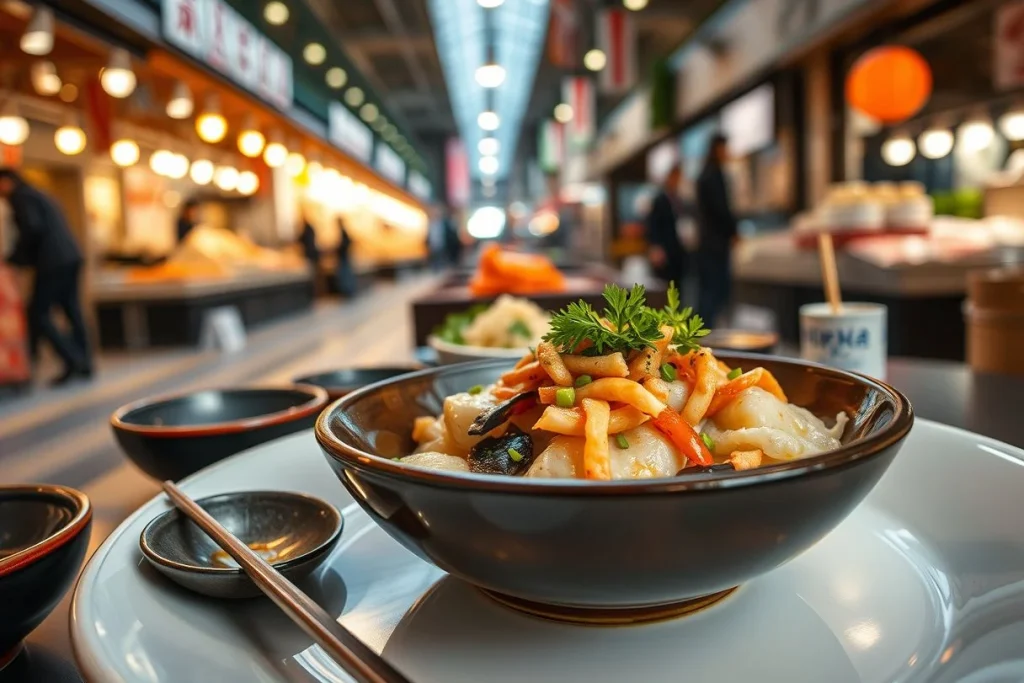
Standout: wholesale seafood culture on a purpose-built market scale. Best for: seafood lovers, photographers and travellers curious about how Tokyo’s fish trade is organised. Toyosu is at Toyosu 6-6-1, Koto City; the Tokyo Metropolitan Government provides visitor information and current arrangements.
Build the morning around the market’s seafood atmosphere rather than assuming it will function like a row of street-food stalls. Tuna-auction viewing requires an advance application or lottery, with application windows and calendars published by the Tokyo Metropolitan Government, so participation depends on the relevant calendar and is not guaranteed. Check the official market information before booking any connected tour or transfer.
Caveat: this is the least spontaneous pick on the list. It rewards an early start and advance planning, while travellers wanting an easy breakfast crawl may prefer Tsukiji Outer Market.
2. Tsukiji Outer Market, Tokyo
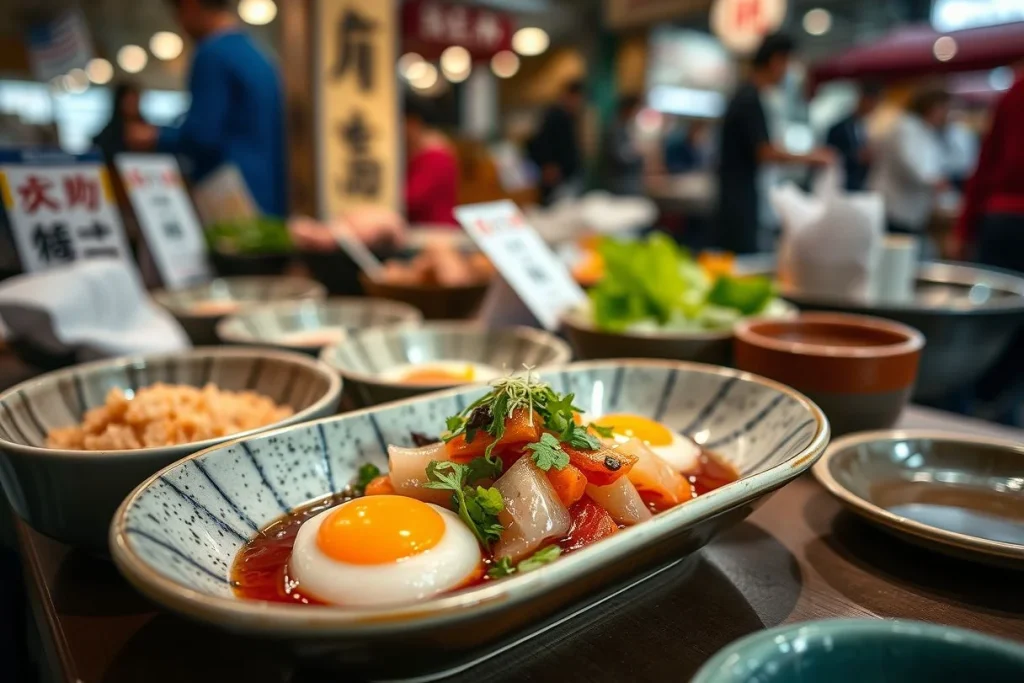
Standout: the strongest all-round morning for compact grazing and ingredient shopping. Best for: first-time visitors, cooks and food-focused city breakers seeking seafood, Japanese ingredients, pickles, snacks and kitchenware in one walkable market district.
Arrive early enough to browse specialist shops before the busiest part of the day, then choose a small breakfast rather than trying to cover every lane. Shops set their own hours, so there is no single market timetable; the Plat Tsukiji information centre lists locker availability from 06:00 to 16:00. GO TOKYO advises carrying small cash because many shops remain cash-only or may prefer it.
Caveat: the variety is the attraction, but opening times and payment methods differ from stall to stall. Vegetarians can find non-seafood ingredients and snacks, though specific dietary provision should be confirmed with each vendor.
3. Nishiki Market, Kyoto
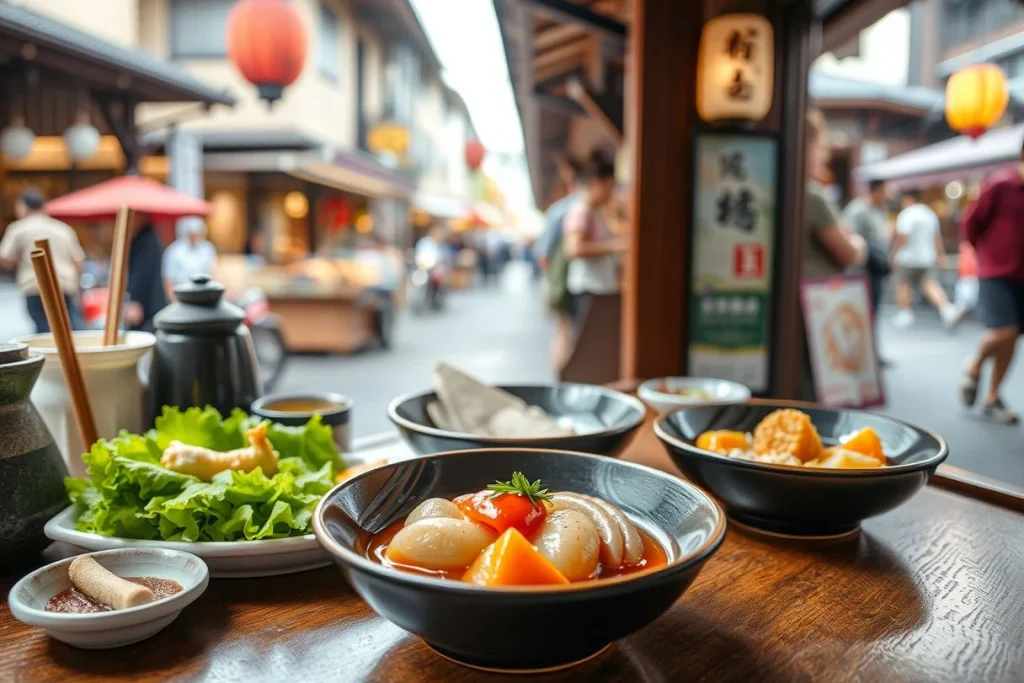
Standout: a concentrated introduction to Kyoto flavours. Best for: travellers who want pickles, wagashi and small snacks alongside traditional market browsing, rather than a wholesale-market spectacle.
Use the morning to sample selectively: look for Kyoto-style pickles, delicate sweets and small savoury bites, while leaving time to inspect the specialist food shops. Visiting before the busiest midday period makes the narrow pedestrian market easier to navigate. Follow each vendor’s guidance about where food may be eaten; do not assume that every item should be carried while walking.
Caveat: Nishiki is better for a curated taste of Kyoto than for a large sit-down breakfast. Families and vegetarians may find the small portions and broad ingredient range useful, but individual stalls should be asked about ingredients.
4. La Boqueria, Barcelona
Standout: fresh produce, tapas-style eating and people-watching directly on La Rambla. Best for: visitors who want an iconic Barcelona market stop that combines shopping with a quick bite.
Make the first part of the morning your eating window: browse the produce counters, choose a snack or small plate, and treat the market as one stop in a wider walk through central Barcelona. An early visit is the sensible choice because tourist pressure can make the aisles uncomfortable later, particularly for anyone carrying luggage or travelling with children.
Caveat: La Boqueria is convenient and famous, but it is not the quietest example of everyday neighbourhood shopping. Keep bags close in crowded areas and check current trader hours before setting out; individual counters may not follow identical schedules.
5. Borough Market, London
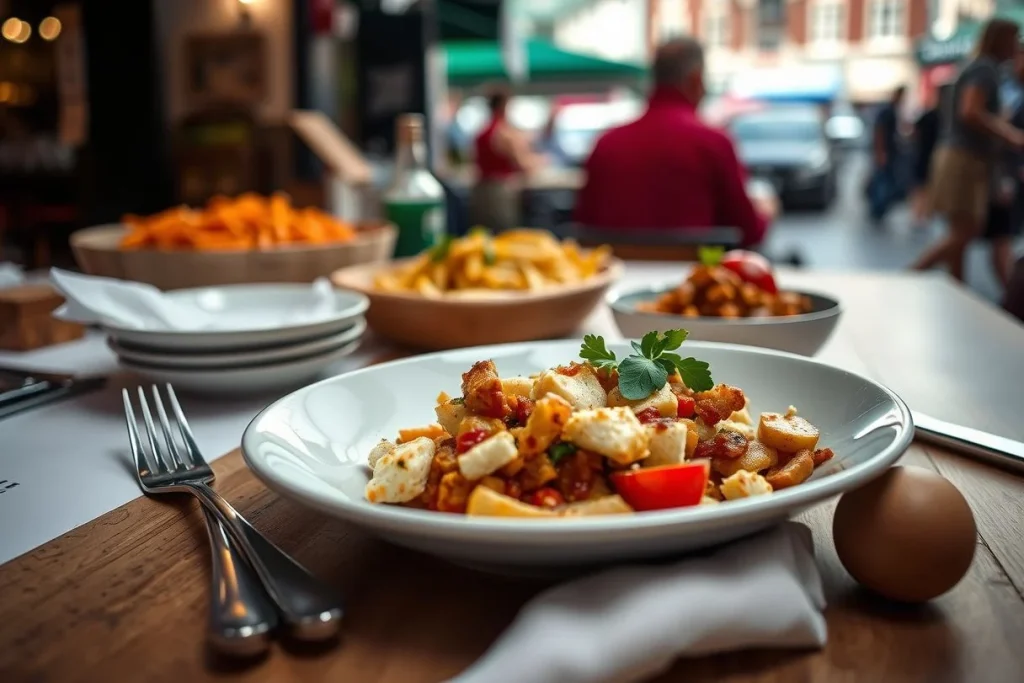
Standout: a broad mix of specialist British producers, international street food and independent traders. Best for: groups with different appetites, visitors seeking a substantial breakfast and travellers who want a market with both shopping and ready-to-eat choices.
Go with a loose plan: first walk the stalls to compare produce and baked goods, then return to the food that suits your morning. London Bridge makes the market easy to combine with a central walking itinerary, but the best timing depends on the published trading schedule rather than a fixed daily assumption.
Caveat: Borough Market warns that hours can vary on bank holidays and seasonally. Check its official visitor information before travelling, especially if your visit falls during a holiday period. Vegetarian variety is generally easier to manage in a mixed-trader market, though each dish still needs checking.
6. Pike Place Market, Seattle
Standout: a classic North American public-market combination of seafood, produce, farmers’ stalls and crafts. Best for: families, first-time Seattle visitors and travellers who want food browsing with a wider public-market atmosphere.
Weekday mornings are the practical choice for a calmer look at the stalls, while the market’s visitor guide gives typical hours of 09:00–18:00 for 2026. Treat those as guidance, not a promise for every trader. Pike Place has had vehicle and pedestrian-access changes or pilot arrangements continuing into 2026, so check current notices before travelling, particularly if anyone in your group has mobility needs.
Caveat: the market’s popularity can make the central areas busy. It offers breadth rather than a single regional breakfast tradition, which suits mixed groups but may feel less focused to specialist food hunters.
7. Mercado de San Juan, Mexico City
Standout: specialist ingredients, unusual produce and a chef-oriented market culture. Best for: adventurous eaters and cooks more interested in sourcing and culinary curiosity than in a polished food hall.
Plan to browse first and eat second: the appeal lies in seeing the range of ingredients and asking vendors what is available that day. For a more useful visit, bring a short list of foods or techniques you want to investigate, while allowing room for discoveries.
Caveat: the supplied source trail for this market is unresolved and points elsewhere, so verify the correct Mexico City official or municipal source and current stall hours before publication or travel. Do not rely on an assumed opening pattern, card acceptance or guaranteed vegetarian selection.
8. Mercato Centrale Firenze, Florence
Standout: two distinct morning experiences under one roof. Best for: travellers who want traditional shopping downstairs but the convenience of a multi-stall food hall upstairs, especially when a group cannot agree on one breakfast.
Start on the ground floor, where the fresh-food market provides the more conventional ingredient-shopping experience, then move upstairs if you want a simpler seated or stall-by-stall meal. That contrast makes Mercato Centrale Firenze a useful choice in poor weather or when some companions want browsing and others want immediate food.
Caveat: it is a compromise rather than a purely local trading-market experience. Check current market and food-hall details before going, and ask individual counters about ingredients for vegetarian or allergy-sensitive meals.
9. St. Lawrence Market, Toronto
Standout: a balanced stop for Canadian produce, bakeries and prepared foods. Best for: families and travellers who want an approachable public market with enough variety for breakfast, snacking and food shopping.
Give yourself time to compare the bakery and prepared-food counters rather than arriving with one fixed dish in mind. The market publishes current hours, parking information and seasonal updates on its official site. Its supplied materials describe a Saturday farmers’ market with 40 vendors, but Saturday programming should be checked directly before travel.
Caveat: the experience changes with the day and seasonal programme. Confirm the current schedule if the farmers’ market is central to your plans; do not assume that a special market format runs every day.
10. Spice Bazaar, Istanbul
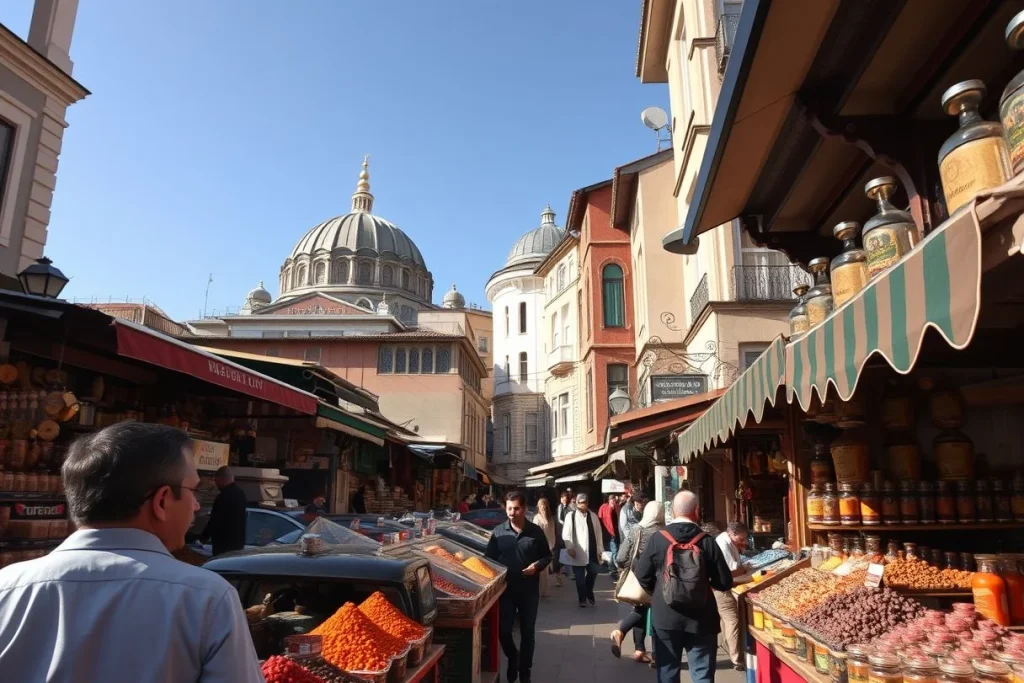
Standout: an atmospheric introduction to spices, dried fruit, nuts, sweets and packaged Turkish specialities. Best for: visitors who want edible souvenirs and visual market culture more than a sit-down breakfast.
Go early enough to browse before the surrounding area becomes harder to move through, then compare products rather than buying from the first stall. The market works well as part of a morning in Eminönü, with time set aside for careful browsing and labelled, packaged gifts.
Caveat: many stalls are strongly geared towards visitors, and the area can be crowded. It is less useful for a substantial meal than Tsukiji, Borough Market or Pike Place, and normal precautions with bags and valuables matter in busy tourist areas. Vegetarian travellers will find many suitable categories, but should still check prepared-food ingredients.
At a glance: compare the morning markets
These ten markets divide into three useful morning styles: active wholesale trade, traditional retail markets and food halls. The table highlights the practical compromise behind each choice; “high”, “mixed” and “limited” are editorial guides, not formal accessibility or dietary ratings.
| Market and city | Strongest morning draw | Best for | Market style | Early-visit advantage | Key trade-off | Dietary flexibility | Check before going |
|---|---|---|---|---|---|---|---|
| Toyosu Market, Tokyo | Wholesale seafood | Seafood enthusiasts | Wholesale market | More working-market atmosphere | Tuna-auction viewing requires an advance application or lottery | Limited to mixed | Tokyo Metropolitan Government application windows and visitor rules |
| Tsukiji Outer Market, Tokyo | Sushi, seafood, pickles and kitchenware | First-time food travellers | Traditional specialist market | More relaxed browsing before the busiest period | Shops set their own hours; many may prefer cash | Mixed | Individual stalls and carry small cash, as GO TOKYO advises |
| Nishiki Market, Kyoto | Pickles, wagashi and small snacks | Kyoto specialities | Pedestrian retail market | Easier browsing before midday | Narrow, visitor-heavy passages | Mixed | Vendor guidance on where eating is permitted |
| La Boqueria, Barcelona | Produce and tapas-style grazing | Photographers and first visits | Traditional market with prepared food | Less intense tourist traffic | Heavy crowds later on La Rambla | High | Current trader hours and normal valuables precautions |
| Borough Market, London | Specialist produce and international street food | Independent-trader fans | Traditional market | More purposeful shopping and grazing | Schedules vary by week, season and bank holiday | High | Official visitor information and weekly schedule |
| Pike Place Market, Seattle | Seafood, produce and farmers’ stalls | Families and public-market newcomers | Traditional public market | Weekday mornings can feel more manageable | Access arrangements may change | High | Current pedestrian and vehicle notices |
| Mercado de San Juan, Mexico City | Specialist ingredients and unusual produce | Adventurous eaters and cooks | Traditional market | More active trading atmosphere | Current stall information needs confirmation | Mixed | Obtain a correct Mexico City official source and check hours |
| Mercato Centrale Firenze, Florence | Fresh market plus prepared food | Mixed groups and easy grazing | Traditional market and food hall | Choice between shopping and seated eating | Food-hall convenience is less like wholesale trade | High | Current stall and food-hall arrangements |
| St. Lawrence Market, Toronto | Bakeries, prepared foods and produce | Families and Canadian specialities | Public market | Saturday farmers’ market adds seasonal choice | Programming and hours change | High | Official hours and Saturday details |
| Spice Bazaar, Istanbul | Spices, dried fruit, nuts and sweets | Edible gifts and sensory browsing | Historic retail market | Less crowded browsing early | Visitor-oriented stalls and busy surroundings | High for packaged and plant-based foods | Current local guidance and bag precautions |
For the clearest distinction between a food hall and a trading market, compare Mercato Centrale Firenze’s ground-floor market and upper-level food hall with Toyosu or Tsukiji. For the most flexible morning, choose Borough Market, Pike Place or St. Lawrence, then verify the official schedule before setting out.
How to choose the right market for your morning
Choose by the kind of morning you want
For seafood and wholesale-market atmosphere, choose Toyosu or Tsukiji. Toyosu Market, at Toyosu 6-6-1 in Koto City, is the more structured choice for seeing Tokyo’s wholesale fish culture. Tuna-auction viewing requires an advance application or lottery, with windows and calendars published by the Tokyo Metropolitan Government, so treat it as a possibility rather than the foundation of your morning. Check the current auction information before planning around it.
Tsukiji Outer Market is better for a self-directed breakfast and ingredient browsing: seafood, pickles, Japanese pantry goods, snacks and kitchenware are concentrated among specialist shops. Its businesses set their own hours, and GO TOKYO advises carrying small cash because many shops remain cash-only or may prefer it. That makes Tsukiji the easier choice for first-time visitors; Toyosu suits travellers willing to plan around a specific viewing system.
Choose by appetite and convenience
For breakfast grazing, compare Tsukiji with Borough Market and Mercato Centrale Firenze. Tsukiji gives the most distinctly Japanese ingredient-led morning, while Borough Market is a stronger fit for independent traders, international street food and specialist British producers. Borough publishes visitor information and warns that schedules can change on bank holidays or seasonally, so check its current calendar rather than assuming every stall follows the same routine.
Mercato Centrale Firenze is the practical compromise when your group wants different levels of commitment: its ground floor is a fresh-food market, while the upper level is a multi-stall food hall. It is less dependent on finding one particular vendor open early, and easier for a mixed group than a narrow specialist market.
Match the market to your food interests
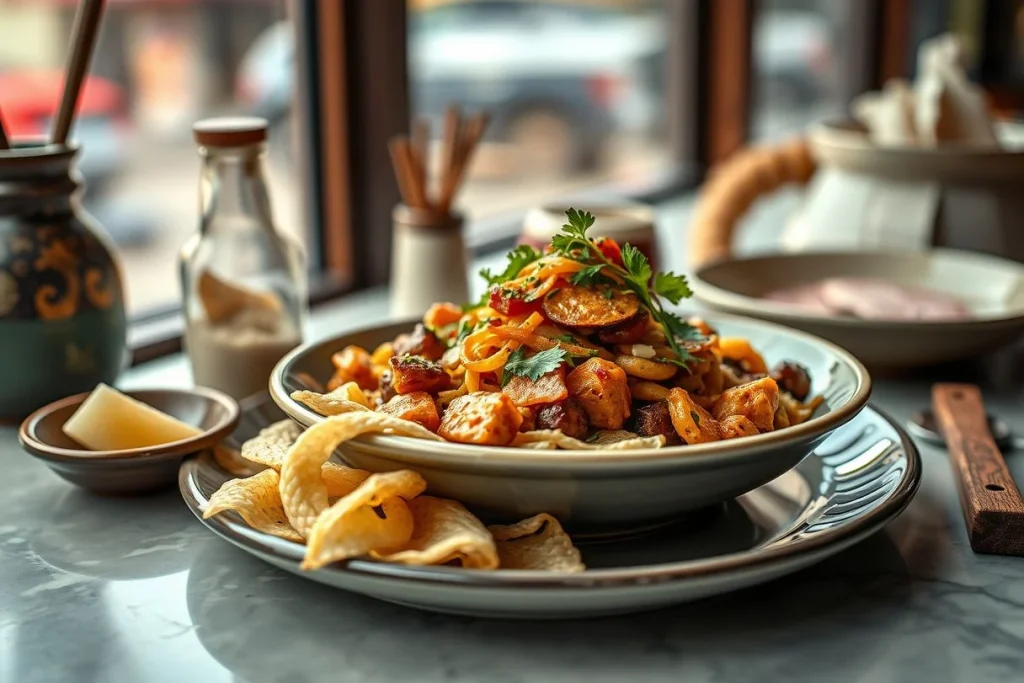
For local specialities and ingredients, choose Nishiki, the Spice Bazaar or Mercado de San Juan. Nishiki is the most focused choice for Kyoto pickles, wagashi and small snacks. Istanbul’s Spice Bazaar leans towards spices, dried fruit, nuts, sweets and packaged Turkish specialities, with a visitor-oriented atmosphere and crowded passages. Mercado de San Juan is aimed at adventurous eaters interested in specialist ingredients and unusual produce; verify the correct Mexico City information and current stall hours before travelling, as the supplied source trail does not establish them.
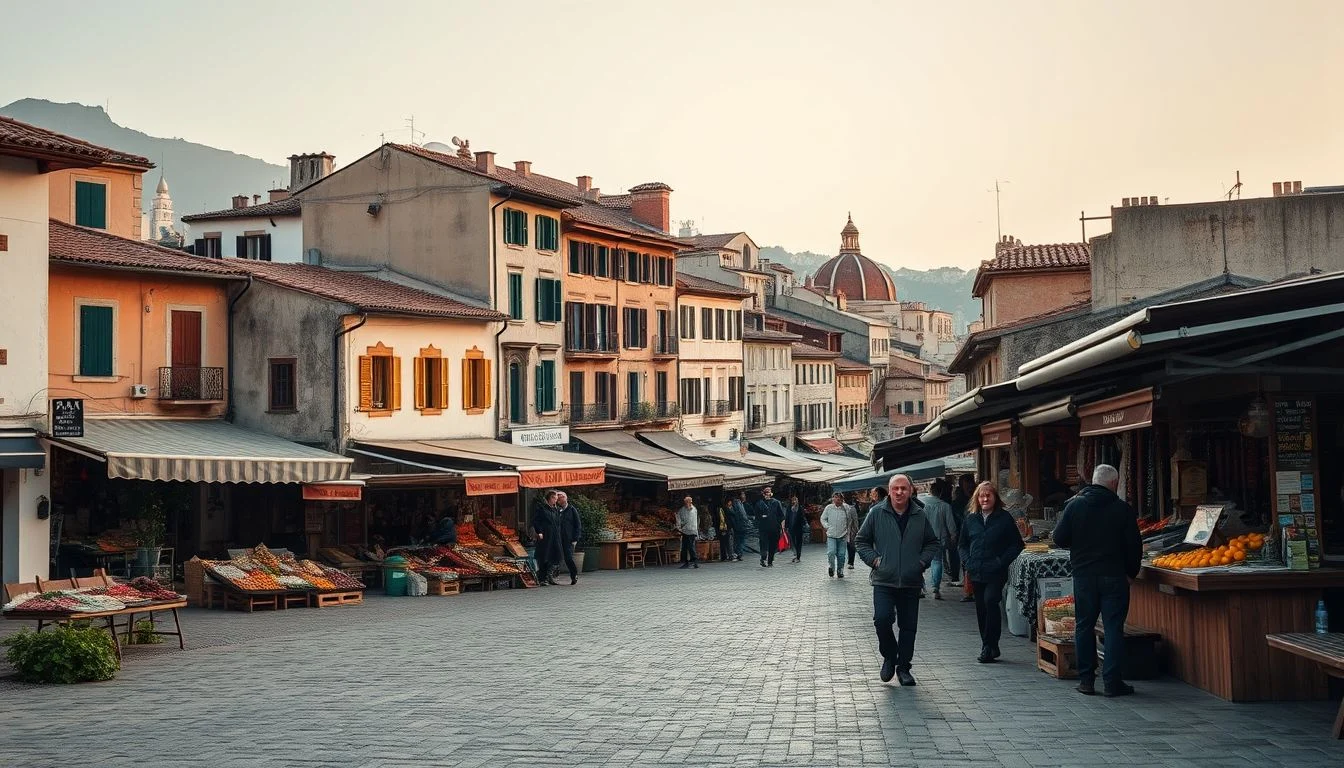
For varied street-food-style eating, look at La Boqueria, Borough, Pike Place or Florence’s upper food hall. La Boqueria works well alongside a walk on La Rambla, but an early visit is preferable to its heaviest tourist traffic. Pike Place combines seafood, produce, farmers’ stalls and crafts; its 2026 visitor guide gives typical hours of 9am–6pm, while the market advises checking current pedestrian and vehicle arrangements.
Plan for your travelling style
- Vegetarians: favour Borough, Pike Place, Mercato Centrale Firenze or St. Lawrence Market for broader choice, but ask each stall about ingredients, shared cooking surfaces and cross-contamination.
- Families: choose a flexible market such as St. Lawrence or Florence’s food hall, where people can eat at different speeds. Confirm seating, toilets and pushchair routes directly with the venue.
- Cooks: choose Tsukiji, Nishiki or the Spice Bazaar for ingredients to examine and take home, subject to customs rules for the destination you are entering.
- Photographers: arrive early for clearer sightlines and more visible trading activity, but remember that working vendors may not welcome close-up portraits. Ask before photographing people or stalls.
- Independent travellers: low-cost snack grazing usually means one or two small purchases; a moderate morning means several tastings; a paid tour or premium tasting is the higher-cost route. Check current menus and tour prices directly.
- Visitors with mobility needs: confirm step-free entrances, toilets, stall-level access, seating and any cold or industrial areas with the market before arrival. Crowds and changing access arrangements can matter as much as the route itself.
Arriving early generally brings more space and a stronger sense of trader activity, but it can also mean fewer stalls are open. Select a weekday or weekend only after checking that market’s current schedule, holiday notices and individual vendor hours.
Conclusion: choose your market morning
For most first-time food travellers, Tsukiji Outer Market is the clearest choice: it combines seafood, Japanese ingredients, pickles, snacks and kitchenware in a morning that is easier to shape around your appetite than a wholesale-market visit. GO TOKYO advises carrying small cash, while Tsukiji’s official information notes that individual shops set their own hours, so check both before leaving.
Choose Toyosu Market if wholesale seafood is the main purpose; tuna-auction viewing requires an advance application or lottery through the Tokyo Metropolitan Government. For broader, simpler grazing, consider Borough Market or Mercato Centrale Firenze, which pairs a fresh-food market with an upper-level food hall.
Next, choose one market and one dish or ingredient to seek. Immediately before travelling, recheck official hours, holiday changes, access arrangements and, for Toyosu, auction rules.
Frequently asked questions
Can I combine two nearby markets in one morning, or is one enough?
One market is enough if you want to eat at an unhurried pace and browse specialist stalls. In Tokyo, combining Toyosu Market’s wholesale-seafood focus with Tsukiji Outer Market’s breakfast shops and kitchenware creates a broader morning, but Toyosu’s tuna-auction viewing requires an advance application or lottery, so it should not be treated as a guaranteed part of the plan. Check the Tokyo Metropolitan Government’s current visitor information before setting the schedule.
What should I bring when visiting a busy food market abroad?
Carry small cash for Tsukiji Outer Market, where GO TOKYO says many shops remain cash-only or may prefer cash. Keep valuables secure in crowded areas such as La Boqueria and the Spice Bazaar, and check each market’s current visitor guidance before travelling. A phone with the official market information saved offline is also sensible when hours or access arrangements can change.
Are food tours worthwhile if I already know what I want to eat?
A tour is most useful when you want context about ingredients, traders and local eating customs rather than simply a list of dishes. Borough Market publishes information about licensed tours, making it a practical option for travellers who want a guided introduction. If you already have a precise eating plan, use the market’s current visitor information and spend the time comparing stalls instead.
How can I communicate dietary restrictions at stalls where English is limited?
Do not assume that a dish is suitable from its name or appearance: ask the individual vendor about ingredients and preparation before ordering. Market-wide information on dietary support is not supplied for these picks, so check each market’s official visitor information and contact vendors directly where possible. A written translation of the restriction, shown before payment, can make the exchange clearer, but confirmation still rests with the stall.
Which of these markets is most suitable for photography?
Toyosu Market suits photographers interested in wholesale seafood culture and the visual contrast of a working market, although tuna-auction viewing is controlled by an advance application or lottery. The Spice Bazaar offers a more atmospheric subject through spices, dried fruit, nuts, sweets and packaged Turkish specialities, but the area can be crowded. For a wider public-market scene, Pike Place Market combines seafood, produce, farmers’ stalls and crafts; check its current pedestrian and vehicle-access notices before visiting.
Should I visit a traditional market or a modern food hall?
Choose a traditional market for specialist ingredients, active trading and a stronger sense of place: Tsukiji Outer Market, Nishiki Market and the Spice Bazaar are suited to browsing stalls and local specialities. Choose a food hall when you want easier grazing, seating and a wider range of prepared dishes; Mercato Centrale Firenze deliberately offers both, with a fresh-food market on the ground floor and a food hall above. Check current opening times and individual trader schedules, since they can differ from the main market information.