
This article contains affiliate links. If you book through one of our links, we may earn a commission at no additional cost to you.
At Petra, the route to the Treasury begins in the narrow Siq, then continues across long, uneven paths towards the Royal Tombs and, on a separate day, the Monastery. That physical effort shapes a good 10 days in Jordan itinerary more than a checklist of landmarks: the Dead Sea works best as a recovery stop, while Wadi Rum needs an overnight rather than a rushed afternoon.
This route is written for adventure travellers who want substantial walking, desert scenery and sensible logistics without turning every day into a transfer. It sets out how to divide time between Amman, the Dead Sea, Madaba, Petra and Wadi Rum; when a private driver or licensed guide is worth paying for; and where early starts, heat, rough ground and camp arrangements affect the plan. Aqaba is treated as an optional Red Sea extension, not a compulsory detour.
Quick answer: Yes: 10 days is enough for a well-paced route combining Amman, the Dead Sea, two substantial Petra days and an overnight in Wadi Rum, with Aqaba as an optional sea-day extension. The plan works best with early starts, realistic driving times and advance checks for the Jordan Pass, Petra entry, seasonal opening hours, licensed desert-camp arrangements and current travel advice.
Itinerary at a glance: a 10-day route through Jordan
This 10-day Jordan itinerary moves south from Amman, pauses for recovery at the Dead Sea, then gives Petra the time its uneven trails demand. The standard route returns to Amman; the Aqaba branch replaces a slower return day with Red Sea time.
| Day | Overnight base | Route | Headline activity | Effort |
|---|---|---|---|---|
| 1 | Amman | Queen Alia International Airport → Amman | Citadel, Roman Theatre or Rainbow Street | Easy |
| 2 | Dead Sea / Sweimeh | Amman → Madaba → Mount Nebo → Dead Sea | Mosaics, viewpoints and a managed float | Easy |
| 3 | Wadi Musa | Dead Sea → Petra | Transfer day; settle near the Petra Visitor Centre | Moderate |
| 4 | Wadi Musa | Petra | Siq, Treasury and Royal Tombs | Moderate |
| 5 | Wadi Musa | Petra | High Place of Sacrifice and Ad-Deir Monastery | Strenuous |
| 6 | Wadi Rum camp | Petra → Wadi Rum | 4×4 circuit and desert sunset | Moderate |
| 7 | Wadi Rum or Aqaba | Wadi Rum → optional Aqaba | Sunrise ride, jeep tour or Red Sea time | Easy–moderate |
| 8 | Amman | Aqaba or Wadi Rum → Amman | Return north; keep the evening light | Transfer |
| 9 | Amman | Amman | Buffer day, markets or a second Citadel visit | Easy |
| 10 | — | Amman → Queen Alia International Airport | Departure | Easy |
Allow approximately 2.5–3.5 hours for the 240-kilometre Amman–Petra drive and 1.5–2 hours from Petra to Wadi Rum, according to Petra Jordan Tours. Petra hours change seasonally, so check Visit Petra before fixing each morning’s start.
Before you go: passes, bookings and arrival logistics
Do the administrative work before you fly; the route itself is straightforward once the fixed points are secured. Start with the Jordan Pass package page. Bought before arrival, it may waive the tourist visa fee if your nationality and stay meet its conditions, including any minimum-stay requirement. Confirm those rules with the relevant embassy or government travel provider, and check that your passport is valid for at least six months from arrival; GOV.UK’s Jordan travel advice, updated 15 September 2026, notes that requirements can vary by nationality.
Choose a pass that covers the number of Petra entry days you intend to use. Packages and Petra ticket tiers can change, so compare the pass with the PDTRA ticketing page immediately before paying. Petra by Night is separate: it is not included in standard day admission or the Jordan Pass, and its schedule should be checked rather than assumed.
Book the fixed points first
- Arrival night: Reserve your first Amman stay, particularly if your flight reaches Queen Alia International Airport late. It is Jordan’s main international gateway for this route; do not build a long same-day transfer into a late arrival.
- Petra: Book accommodation in Wadi Musa for both Petra nights, close enough to reach the Petra Visitor Centre without adding an early taxi journey.
- Wadi Rum: Reserve a licensed Bedouin camp and confirm the 4×4 arrangement, meal plan, collection point and return time. Operators commonly meet guests at the Wadi Rum Visitor Centre or collect them from Rum village, but the selected camp should confirm the exact procedure.
- Aqaba, if chosen: Secure accommodation and any diving or snorkelling activity before arrival; otherwise keep this branch out of the core booking plan.
Check before departure
Recheck Visit Petra’s seasonal hours, trail notices and any Petra by Night listing. Also review current government travel advice, road conditions, border-area guidance and transport disruption. If considering Wadi Mujib, verify that the relevant trail is open, permitted and suitable for the forecast conditions.
Save offline maps for Amman, Wadi Musa and Rum village, and buy travel insurance that explicitly covers hiking, 4×4 or other off-road activities and medical evacuation where appropriate. Finally, confirm your Dead Sea beach or resort booking: use a managed facility, pack sandals for slippery salt surfaces and plan a short float followed by a thorough rinse.
Day by day: the active Jordan route
This 10-day Jordan itinerary follows a southbound route from Amman to the Dead Sea, Petra and Wadi Rum, with enough recovery time to make the hiking enjoyable rather than punishing. Autumn, from September to November, is a strong season for Petra and the desert, but September heat still calls for early starts, generous water supplies and shorter exposed walks.
Day 1 — Arrive in Amman
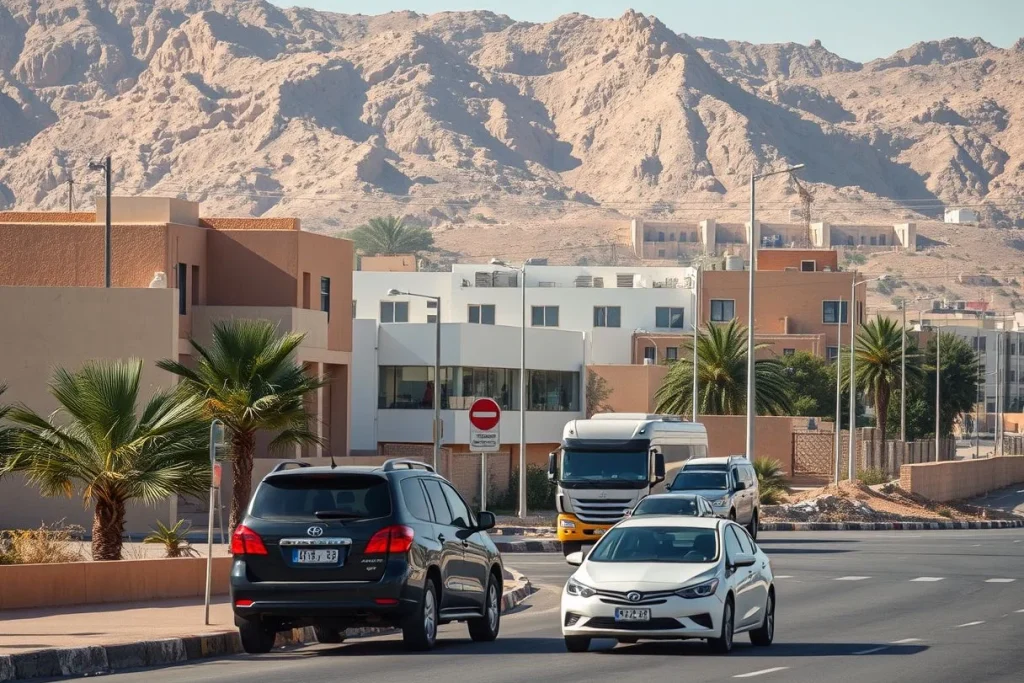
Morning and afternoon
Arrive through Queen Alia International Airport and transfer to Amman. If your flight lands late, stay near the airport or in Amman rather than attempting a long same-day drive south; Queen Alia is the practical gateway for this route.
Evening
Keep the first night light. Take a short walk near your hotel, organise water and offline maps, and leave the major sightseeing for tomorrow.
Where to eat
Start with falafel, hummus and other simple mezze. A substantial meal can wait until you have recovered from the flight.
Getting around
A pre-arranged airport transfer or taxi is easiest with luggage. A rental car is useful from the following morning, but there is little advantage in collecting one late at night.
Estimated time and effort
Allow the day for arrival procedures, transfer, check-in and rest. Effort is low, although jet lag and heat can make even a short evening walk feel longer.
Optional extra
If you land early and feel alert, walk briefly around central Amman, but do not turn arrival day into a full sightseeing programme.
Day 2 — Amman’s historic centre
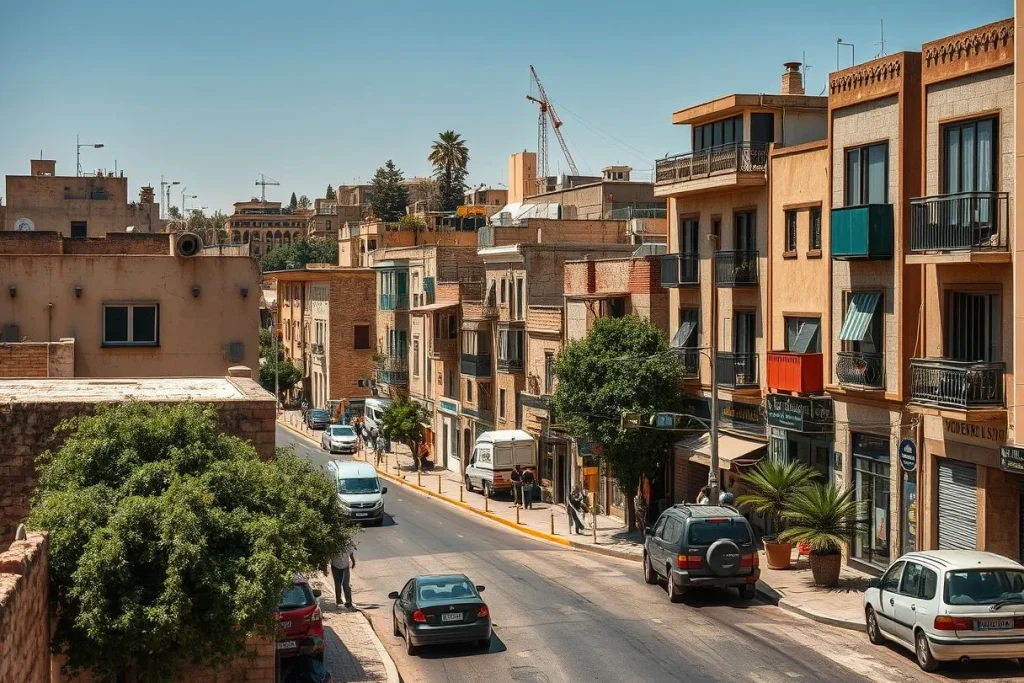
Morning
Begin at the Amman Citadel, where uneven paths and exposed stone make an early visit more comfortable. Continue downhill to the Roman Theatre. A local guide is worth considering here: the sites are compact, but the historical layers are easier to understand with context.
Afternoon
Rest during the warmest part of the day, then explore the streets around Rainbow Street at an unhurried pace. The route includes steps and changing gradients, so wear shoes with a firm sole rather than smooth trainers.
Evening
Keep the evening social but short. Amman’s hills and traffic make a supposedly simple cross-city outing surprisingly tiring after a full day on foot.
Where to eat
Order local breakfast or falafel earlier in the day, then choose mezze or mansaf for dinner. Portions can be generous, so share several dishes before adding more.
Getting around
Use taxis between the Citadel, Roman Theatre and your accommodation if the heat rises. Walking is practical between nearby sights but less efficient across Amman’s steep neighbourhoods.
Estimated time and effort
Plan around four to six hours of sightseeing, with a proper midday rest. Effort is moderate because of heat, stairs and slopes rather than long wilderness walking.
Optional extra
Add a guided historical walk only if you want more interpretation. It is a better use of energy than adding another distant attraction.
Day 3 — Madaba, Mount Nebo and the Dead Sea
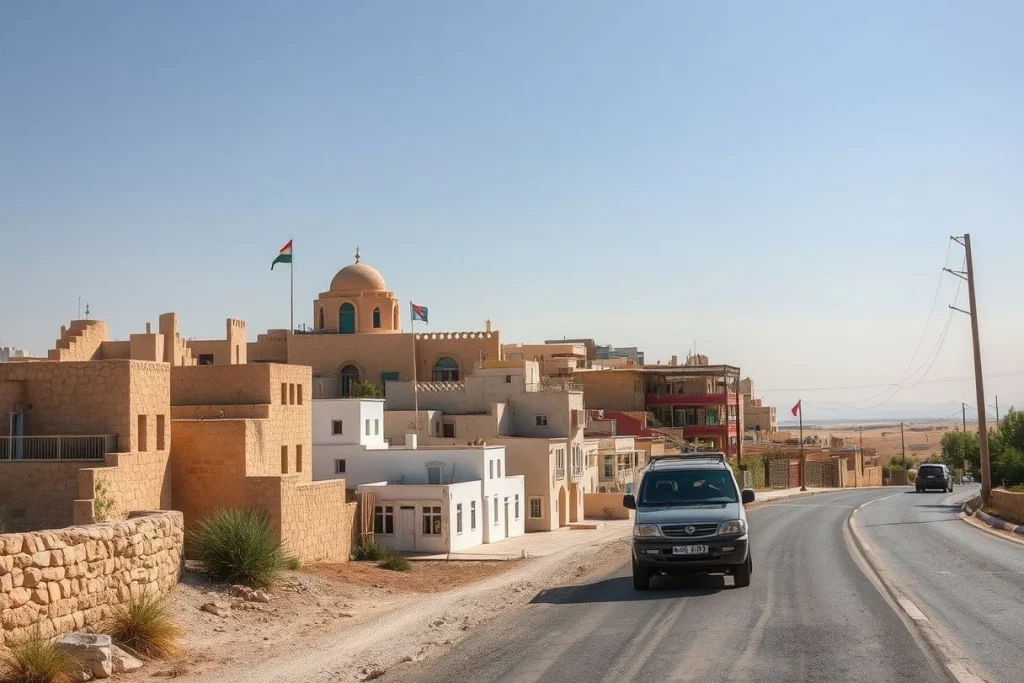
Morning
Drive south via Madaba and see the famous mosaic map before continuing to Mount Nebo. This is a cultural half-day, not a race through every viewpoint. Keep shoulders covered at religious sites and carry water for the exposed approaches.
Afternoon
Continue to Sweimeh and check into a Dead Sea resort or use a managed beach. Treat the afternoon as recovery: the combination of road travel, sun and low elevation can drain more energy than expected.
Evening
Stay close to the water and have an early dinner. A quiet evening leaves you better placed for tomorrow’s float and the onward journey to Petra.
Where to eat
Look for mezze, grilled meat and mansaf. At a resort, confirm meal arrangements in advance; outside resort areas, choices can be less convenient after dark.
Getting around
A private driver is particularly useful today because Madaba, Mount Nebo and the Dead Sea form a logical southbound sequence. The route is also manageable by rental car for confident drivers.
Estimated time and effort
Allow a half-day for Madaba and Mount Nebo, followed by a relaxed transfer and rest period. Walking is light to moderate, with little shade at viewpoints.
Optional extra
Skip Mount Nebo if the day starts late. The Dead Sea recovery block is more valuable than adding a rushed stop.
Day 4 — Dead Sea recovery, then Wadi Musa
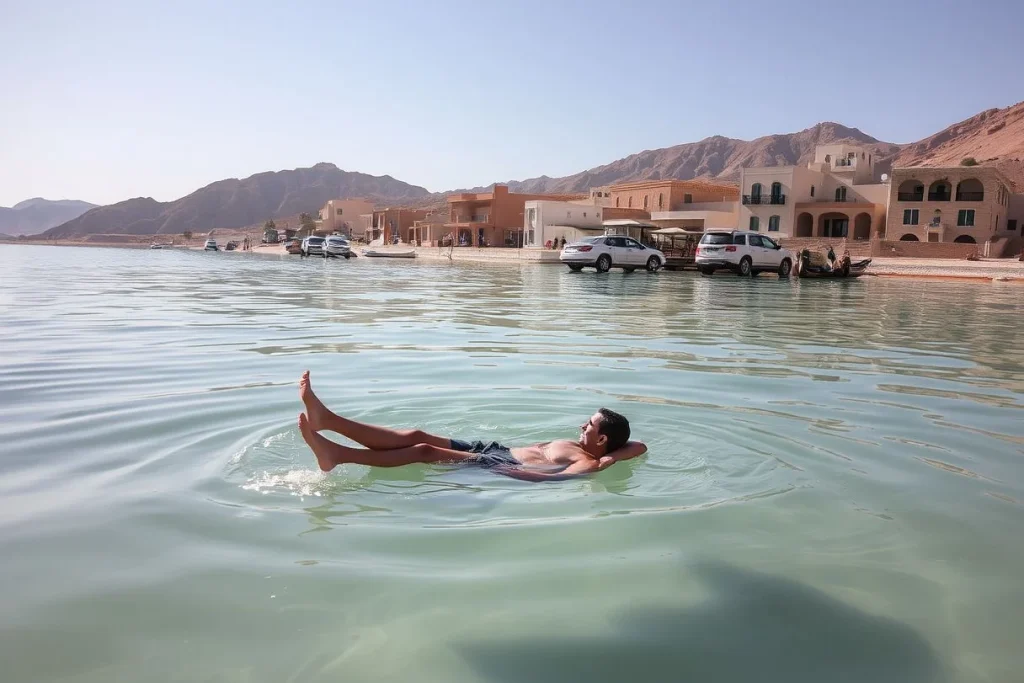
Morning
Float briefly at the Dead Sea Tourist Beach or a resort, using a managed facility. Do not dive, splash or touch your eyes after entering the water; salt can irritate eyes and damaged skin. Wear sandals because the shore and salt surfaces can be slippery, then rinse thoroughly.
Afternoon
Drive south to Wadi Musa, the base for Petra. The Desert Highway is the faster practical route; the King’s Highway is the scenic alternative but needs more time and concentration. Check in, buy supplies and avoid a late hike.
Evening
Walk only as far as dinner and prepare your Petra day pack: water, sun protection, snacks, a hat and grippy footwear.
Where to eat
Choose a simple Jordanian meal in Wadi Musa, with mezze or grilled dishes rather than an overly heavy late dinner.
Getting around
A driver removes the fatigue of the long southbound transfer. Rental cars suit travellers comfortable with navigation and local road conditions; public transport requires more planning and less flexibility.
Estimated time and effort
Spend a short period in the water, then allow most of the day for the transfer and check-in. Physical effort should remain low.
Optional extra
Do not add Wadi Mujib automatically. Check its seasonal opening, permits, weather and water conditions first; it is a demanding canyon activity, not a casual detour.
Day 5 — Petra’s Siq, Treasury and Royal Tombs
Morning
Enter Petra early, following the Siq to the Treasury before the strongest heat. Continue along the main route to the Colonnaded Street and the Royal Tombs. Petra’s principal routes involve long, uneven walking, and shade is intermittent.
Afternoon
Take a proper lunch and rest before deciding whether to continue. Two substantial walking blocks are more sustainable than pushing continuously towards every viewpoint.
Evening
Return to Wadi Musa for recovery. Petra by Night is separately ticketed and not included in standard Petra admission or the Jordan Pass; check the current schedule and book only if you still have energy.
Where to eat
Carry water and a compact snack inside the site, then eat mezze or grilled food in Wadi Musa. Ask your accommodation about packed breakfast arrangements if you have an early entry.
Getting around
Walk independently if you are comfortable navigating the main corridor. A guide adds historical context, while a local trail guide becomes more useful for less obvious routes.
Estimated time and effort
Allow roughly five to seven hours including rest, depending on how far beyond the Royal Tombs you go. Effort is moderate to high because of heat, rough ground and accumulated walking.
Optional extra
If the day remains cool and your legs are fresh, add a viewpoint near the Royal Tombs. Save the Monastery for tomorrow.
Day 6 — Petra’s Monastery trail
Morning
Start early for the climb to Ad-Deir Monastery. Expect steps, uneven rock and prolonged exposure. Carry more water than you think you need, take regular shade breaks and do not rely on animals to solve a route that exceeds your fitness.
Afternoon
Return at a controlled pace. Choose the High Place of Sacrifice as an alternative rather than trying to combine it with the Monastery and every nearby viewpoint. Petra’s accessibility is limited beyond the main Siq and Treasury area.
Evening
Make this a recovery evening in Wadi Musa. Stretch, rehydrate and check your desert-camp collection details before tomorrow.
Where to eat
Choose a filling lunch after the hike and a lighter evening meal. Mansaf is rewarding after a strenuous day, but allow time to digest before sleeping.
Getting around
The Monastery route can be tackled independently by fit hikers who have checked the current trail information. A guide is worthwhile for route-finding, local history and a more conservative pace.
Estimated time and effort
Plan five to eight hours, including breaks and the return walk. This is the itinerary’s hardest sustained hiking day: moderate to strenuous, with no shortcut that removes the stairs.
Optional extra
Replace the Monastery with the High Place of Sacrifice if heat, knees or time are limiting factors.
Day 7 — Petra to Wadi Rum
Morning
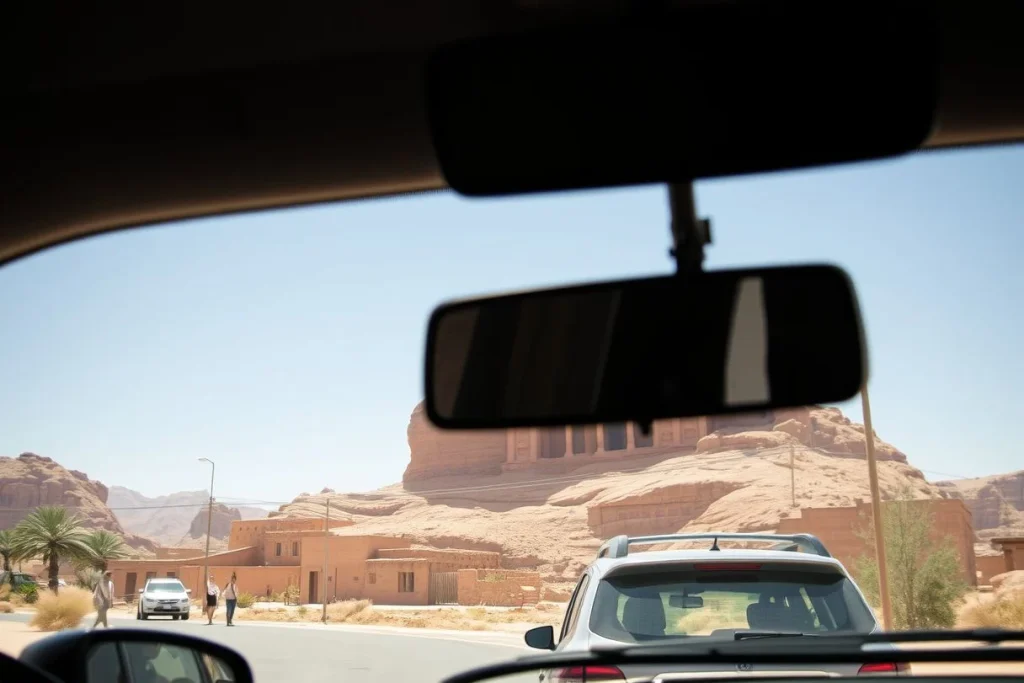
Leave Petra for the Wadi Rum Protected Area. The road journey generally takes about 1.5–2 hours. Meet your licensed camp operator at the Wadi Rum Visitor Centre or arrange collection from Rum village; confirm the exact procedure before departure.
Afternoon
Take a 4×4 circuit through the desert, including Lawrence’s Spring and Umm Fruth Bridge where included by your operator. Climbing and scrambling are optional, not compulsory. Sand, rock and heat make a short walk more demanding than it appears.
Evening
Eat a Bedouin camp dinner, often including zarb where offered, and sleep in a licensed desert camp. Keep a warm layer accessible: desert temperatures can fall sharply after sunset.
Where to eat
Camp meals are the practical choice tonight. Carry personal snacks if you have dietary requirements and confirm inclusions with the camp.
Getting around
Use official visitor procedures and a licensed camp or tour arrangement. The reported Wadi Rum Protected Area fee is approximately JOD 5 per person; confirm current payment and Jordan Pass arrangements before travel.
Estimated time and effort
Allow half a day for the transfer and half a day for the 4×4 circuit. Effort ranges from easy to moderate, with heat and scrambling increasing the demand.
Optional extra
Ask the operator for a shorter circuit if you are carrying fatigue from Petra. The desert is better experienced slowly than as a checklist.
Day 8 — Wadi Rum sunrise, with Aqaba optional
Morning
Choose a sunrise camel ride, a second jeep route or a slow camp morning. The camel option is atmospheric but can be uncomfortable for inexperienced riders; a jeep route gives more terrain with less physical strain.
Afternoon
Travellers adding Aqaba continue to the Red Sea for a snorkelling or diving session. Those following the core route should use the day as a transition rather than forcing another major activity.
Evening
In Aqaba, eat seafood and rest near the waterfront. On the standard route, arrange the next northbound transfer and sleep at the Dead Sea, in Amman or near the airport depending on departure plans.
Where to eat
Choose seafood in Aqaba; in the desert, keep meals simple and hydrate frequently.
Getting around
Aqaba is a worthwhile addition for travellers who value water time, but it creates a longer one-way route. Arrange a private transfer or use a rental car with a clear return plan.
Estimated time and effort
Keep the morning to one principal activity. The Aqaba version involves a transfer plus sea time, so effort is moderate even without hiking.
Optional extra
Skip Aqaba if Petra and Wadi Rum are the priority. This is the cleanest place to protect the itinerary’s recovery rhythm.
Day 9 — Return north and protect the final night
Morning
For the Aqaba route, use the morning for snorkelling or diving, then begin the northbound journey early. For the standard route, consider Karak Castle or a short stop near Dana Reserve only if you are comfortable with a longer transfer day.
Afternoon
Continue towards Amman or an airport-area hotel. Do not gamble on a long same-day drive before an international flight, especially after several days of desert travel.
Evening
Have an early final dinner and repack liquids, hiking gear and
Where to stay: the best base for each part of the route
Choose accommodation around the effort of the next day, not just the view. After Petra, a quiet room and a reliable transfer can matter more than a larger hotel; before an early flight, an airport-area stay is the safer choice than crossing Amman.
| Base | Best for | Trade-off |
|---|---|---|
| Central Amman, around downtown and the Citadel | Budget hikers, solo travellers and first arrivals who want food and city atmosphere | More urban noise and a less convenient departure morning |
| Airport-adjacent hotel | Late arrivals, early departures and travellers protecting their final night | Limited sightseeing and dining compared with central Amman |
| Wadi Musa, near the Petra Visitor Centre | Walkers who want the shortest practical start to Petra | Hillside properties may mean steep access; quieter guesthouses can sit farther from the entrance |
| Sweimeh or the Dead Sea Tourist Beach area | Couples and travellers wanting recovery after Petra | Resort comfort costs more; confirm public-beach access and current entry arrangements |
| Wadi Rum Protected Area | Adventure travellers choosing a desert overnight | A camp is not a conventional hotel: confirm bathrooms, heating or cooling, meals and collection arrangements |
| Central or beachfront Aqaba | Travellers adding a Red Sea snorkelling, diving or rest day | It adds another transfer, so it suits a flexible route rather than a tightly packed one |
For Petra, Wadi Musa is the practical base. Staying near the Petra Visitor Centre helps budget hikers and solo travellers make an early start, while a quieter guesthouse suits anyone recovering between the two walking days. Petra’s principal routes are long and uneven, and access becomes limited beyond the Siq and Treasury area, so confirm stairs, transfers and accessibility directly before booking; the official Petra trail information is a useful starting point.
At the Dead Sea, choose a managed resort or beach rather than an improvised shoreline stop. The water can irritate eyes and damaged skin, and the salt surface is slippery; plan a short float, avoid splashing, then rinse thoroughly. A resort suits couples seeking privacy and recovery, while the public beach can suit budget travellers—reported foreign-visitor admission was JOD 10 in 2026, but check the current rate before travelling.
In Wadi Rum, book a licensed camp with a clear Visitor Centre meeting point, 4×4 plan and meal arrangement. The protected area follows official visitor procedures, and the desert setting means comfort varies considerably between camps. Confirm bathroom type, night-time temperature controls, luggage limits and accessibility rather than assuming “camp” means hotel-standard service.
Travel costs in Jordan: dated budget, mid-range and luxury estimates
For a 10-day Jordan itinerary, use daily figures as planning bands rather than a final quote. The estimates below are per person and exclude flights; Jordan Pass costs, site tickets, Wadi Rum activities and some longer or private transfers may also sit outside the daily allowance.
| Estimated travel style | Daily estimate per person | Typical basis |
|---|---|---|
| Budget | JOD 35–55 | Hostels or inexpensive guesthouses, local food and shared transport |
| Mid-range | JOD 75–140 | 3-star hotels, some private transfers and guided site visits |
| Luxury | JOD 170+ | High-end Dead Sea or Petra hotels, private guides, premium Wadi Rum camps and possible domestic flights |
Basis: per person per day, using estimates reported for July–September 2026 by Budget Your Trip and for 2026 by The Jordan Guide. Confirm inclusions before booking.
Allow separately for the reported Wadi Rum Protected Area fee of about JOD 5 per person in 2026; check whether your current Jordan Pass arrangement covers it with the selected operator or at the Visitor Centre. A public Dead Sea Tourist Beach admission of JOD 10 for other foreign visitors was reported for August–September 2026, but category rates and resort day passes must be reconfirmed before travel.
A private driver, a Petra guide, a premium desert camp, Aqaba snorkelling or diving, and a Dead Sea resort day pass can move the total substantially. Obtain current quotes for those items, plus the Jordan Pass and Petra entry, before fixing your budget.
| Item | Budget | Mid-range | Luxury |
|---|---|---|---|
| Budget Jordan trip | JOD 35–55 per person per day | — | — |
| Mid-range Jordan trip | — | JOD 75–140 per person per day | — |
| Luxury Jordan trip | — | — | JOD 170+ per person per day |
| Wadi Rum Protected Area entry | JOD 5 per person | — | — |
| Dead Sea Tourist Beach public entry | JOD 10 for other foreign visitors | — | — |
Estimated ranges based on the sources listed below. Prices change; check with providers before booking.
Travel tips for a safer, stronger Jordan trip
Practical checks for a stronger Jordan trip
- Choose the right season and start early. March to May and September to November are the strongest windows for Petra hiking and cooler Wadi Rum nights. In summer, exposed trails, the Dead Sea and desert become demanding in the heat, so begin Petra early, shorten midday walks and carry more water than you expect to need; desert nights can still feel cool, particularly outside summer.
- Pack for rock, sun and changing temperatures. Bring grippy walking shoes, a refillable water supply, electrolytes, sunscreen, a hat and a lightweight headlamp for camp paths or pre-dawn starts. Layered, modest clothing works for cool mornings, exposed trails and visits away from resort areas; keep shoulders and knees covered when local etiquette calls for it.
- Assess Petra honestly. The Siq, Treasury approach and principal routes involve long stretches of uneven ground, while the Monastery and High Place of Sacrifice add sustained steps and exposure. Not every viewpoint belongs in one day, and animals are not necessary: choose fewer routes, rest in shade and use the official Petra trail information to judge the effort. Access beyond the main Siq and Treasury area is limited for visitors with mobility needs.
- Use licensed desert arrangements. Wadi Rum is a protected UNESCO World Heritage area, so book a licensed camp or tour and confirm exactly where you will meet: visitors commonly arrange collection at the Wadi Rum Visitor Centre or from Rum village. Ask the camp about the 4×4 vehicle, bedding, meals, luggage transfer, sunrise plans and weather policy before setting out; also verify the current entry procedure and any reported JOD 5 protected-area fee with the Visitor Centre guidance.
- Pick transport according to your energy. A rental car gives the most route flexibility but leaves you responsible for navigation, fatigue and a long driving day. A private driver costs more but is useful for the Amman–Petra transfer, King’s Highway detours and recovery after hiking; JETT or other public transport can reduce cost, while an organised tour reduces planning but fixes the pace. Check current services, road conditions, strikes and disruption before relying on any timetable.
- Treat the Dead Sea as a short recovery stop. Use a managed beach or resort, avoid entering with cuts, and do not dive, splash or rub your eyes: the water can irritate skin and eyes. Move carefully on slippery salt surfaces, keep the float brief, rinse thoroughly afterwards and follow the published swimming-safety guidance.
- Recheck conditions immediately before departure. Confirm Petra seasonal hours, trail notices and Petra by Night arrangements through Visit Petra. Check Wadi Mujib’s official operator for opening dates, permits and water conditions, and review your government’s Jordan advice for regional developments, protests, border guidance, road disruption and strikes; the GOV.UK advice updated 15 September 2026 is one current reference.
- Make small logistics work in your favour. Ask before photographing people, dress respectfully outside resorts and carry small cash for minor purchases and tips. Save offline copies of bookings, driver details, camp instructions, insurance documents and emergency contacts, since a desert transfer is a poor moment to depend on a live connection.
Conclusion: choose the core route, then book the hard-to-replace nights
For most active first-time visitors, keep the core route: Amman, the Dead Sea, two substantial days in Petra and an overnight in Wadi Rum. It gives you time for the main trails without turning every day into a transfer. Add Aqaba only if Red Sea swimming, snorkelling or diving matters more to you than a slower return or an extra cultural stop such as Madaba, Mount Nebo or Karak.
Your next step is practical: choose spring or autumn if hiking is the priority, then check the current Jordan Pass terms, Petra entry information and travel advice. Reserve two Petra nights, a licensed Wadi Rum camp and airport transfer; then compare a rental car with a private driver for your dates.
Frequently asked questions
Is Jordan suitable for a first solo adventure trip?
It can suit a prepared solo traveller, but this route combines long road journeys, uneven Petra trails, heat exposure and an organised desert stay. Check current government travel advice, including the GOV.UK Foreign Office advice updated 15 September 2026, and use official procedures plus a licensed camp or tour in Wadi Rum. A private driver or guided transfers reduce the logistical load, especially if you are arriving late at Queen Alia International Airport.
What footwear works best for Petra and Wadi Rum?
Choose comfortable walking shoes or light hiking shoes with reliable grip. Petra’s principal routes involve long, uneven walking, while Wadi Rum has rough desert terrain, so smooth-soled trainers and open sandals are poor choices for the longer trails. The Visit Petra trail guidance highlights limited accessibility beyond the main Siq and Treasury area; pack footwear you can wear for several hours without hot spots.
Can I use public transport for this route?
Public transport may work for selected intercity legs, but it makes this particular Jordan travel itinerary less flexible. The route includes a 2.5–3.5-hour journey from Amman to Petra, a 1.5–2-hour drive from Petra to Wadi Rum and a camp collection arranged through the Wadi Rum Visitor Centre or Rum village. Check current JETT services, departure points and road conditions before relying on buses; a driver is simpler for the Dead Sea, Madaba and desert connections.
What should I eat beyond falafel and hummus?
Look for mansaf, Jordan’s well-known rice-and-meat dish, and order mezze when you want several smaller plates rather than one large meal. Falafel remains useful for a quick, inexpensive lunch between walks, while hotel and camp menus can provide a more substantial meal after Petra or Wadi Rum activities. Ask each restaurant or camp what is available that day rather than assuming every stop serves the same dishes.
Is Aqaba worth choosing over an extra Petra or Amman day?
Choose Aqaba if Red Sea snorkelling, diving or a slower seaside day is a priority and you accept the additional transfer. Keep the extra day in Petra if you want more time for the Monastery, viewpoints and recovery between long walks; choose Amman if you prefer urban history around the Citadel, Roman Theatre and Rainbow Street. For a first visit focused on Petra and Wadi Rum, Aqaba is an optional extension, not an essential stop.
Can travellers with limited mobility visit Petra and Wadi Rum?
Some access is possible, but expectations need to be specific. Petra’s main Siq and Treasury area is more manageable than the longer routes, while access beyond it is limited and the principal trails are long and uneven, according to Visit Petra’s trail information. Wadi Rum’s desert terrain is rough; contact the selected camp and tour operator directly about vehicle access, transfers, seating and assistance before booking.