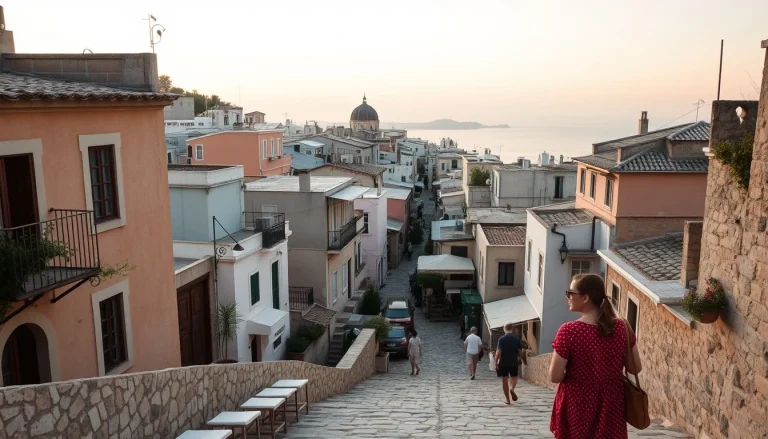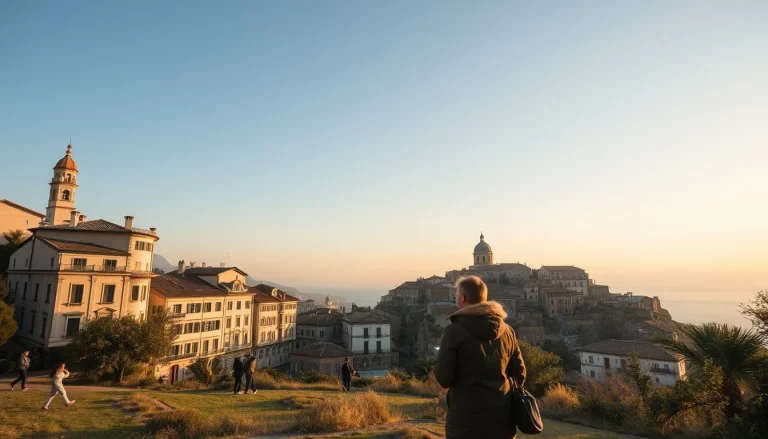
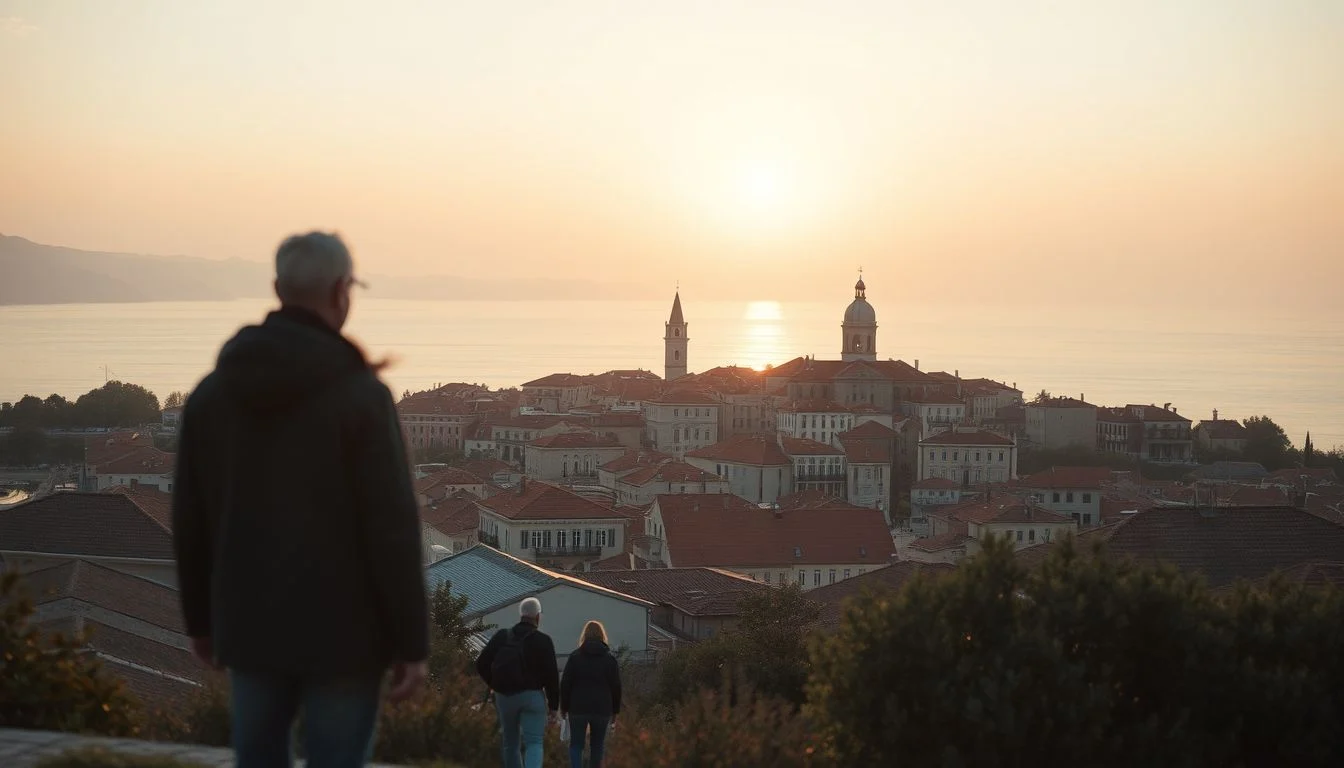
A fast passenger catamaran can carry you from Split to Hvar in roughly 1–1.5 hours, turning the first island transfer into one of the trip’s easiest scenic moves. This one week in Croatia itinerary gives you two nights in Split, two in Hvar and three in Dubrovnik, with the fifth day reserved for the longer journey south.
Designed for couples who want boutique bases, walkable historic centres, sunset views and time for a proper dinner, the route avoids trying to fit every Dalmatian island into seven days. It shows where public ferries work, when a coach or private transfer is worth paying for, and where to leave space for swimming, a boat day or simply a slower afternoon. The plan is best suited to June through August, when ferries and outdoor dining are most useful, although heat, crowds and prices are higher.
Quick answer: Yes—one week is enough for Split, Hvar and Dubrovnik at a realistic pace, provided you accept Day 5 as the main travel day. Fly into Split Airport and out of Dubrovnik Airport, take the 1–1.5-hour catamaran to Hvar, then continue via Split to Dubrovnik by coach, car or private transfer.
Itinerary at a glance: seven days from Split to Dubrovnik
Use this as a seven-day coastal route rather than a checklist: two nights in Split, two in Hvar and three in Dubrovnik. It gives couples two unhurried evenings on each island or city, while keeping the longest transfer in the middle of the trip.
| Day | Base | Plan |
|---|---|---|
| 1 | Split | Arrive, settle near Diocletian’s Palace, explore the palace and Riva, then choose Marjan Hill for sunset. |
| 2 | Split | Keep the day flexible for the market, museums, Bačvice or Žnjan Beach, with Trogir or Krka as optional excursions. |
| 3 | Hvar | Take a Split–Hvar passenger catamaran, explore Hvar Town and Fortica, then dine around the harbour. |
| 4 | Hvar | Spend the day around the Pakleni Islands and Palmizana, or choose quieter Stari Grad or Jelsa. |
| 5 | Dubrovnik | Return via Split and continue south. This is the longest travel day: coaches take approximately 3.5–5 hours from Split, while the road journey normally takes about 3.5–4.5 hours before seasonal traffic. |
| 6 | Dubrovnik | Walk the City Walls early, explore Stradun and the historic sights, then watch sunset from Mount Srđ. |
| 7 | Dubrovnik | Choose Lokrum, the Elafiti Islands, or a Ston and oyster detour if your departure time allows. |
Fast passenger catamarans from Split to Hvar take approximately 1–1.5 hours, according to Jadrolinija. The open-jaw flight plan—into Split Airport and out of Dubrovnik Airport—avoids backtracking, but seasonal flight schedules need checking for your dates.
Before you go: flights, ferries and essential bookings
Make the route work around its fixed points: accommodation, the Split–Hvar catamaran and the long transfer to Dubrovnik. For a summer couple’s trip, reserve all three before departure, particularly for June to August. Keep the Hvar day trips flexible, but do not leave the Day 5 connection until arrival.
Fly in to Split and out of Dubrovnik
An open-jaw booking using Split Airport (SPU) on arrival and Dubrovnik Airport (DBV) for departure avoids returning north. Flight schedules are seasonal, so check the operating dates and connection times for your trip before paying; this routing is recommended in the 2026 timetable material from KSC.
Croatia follows Schengen rules. Many UK and US visitors can enter visa-free for up to 90 days in any 180-day period, but requirements depend on nationality and can change. Check the current GOV.UK Foreign travel advice for Croatia, updated 21 September 2026, and confirm passport validity with your own government’s official source. Carry your passport or required identification throughout the trip, and arrange travel insurance that covers your planned activities and transport disruption.
Book the crossings, not just the hotels
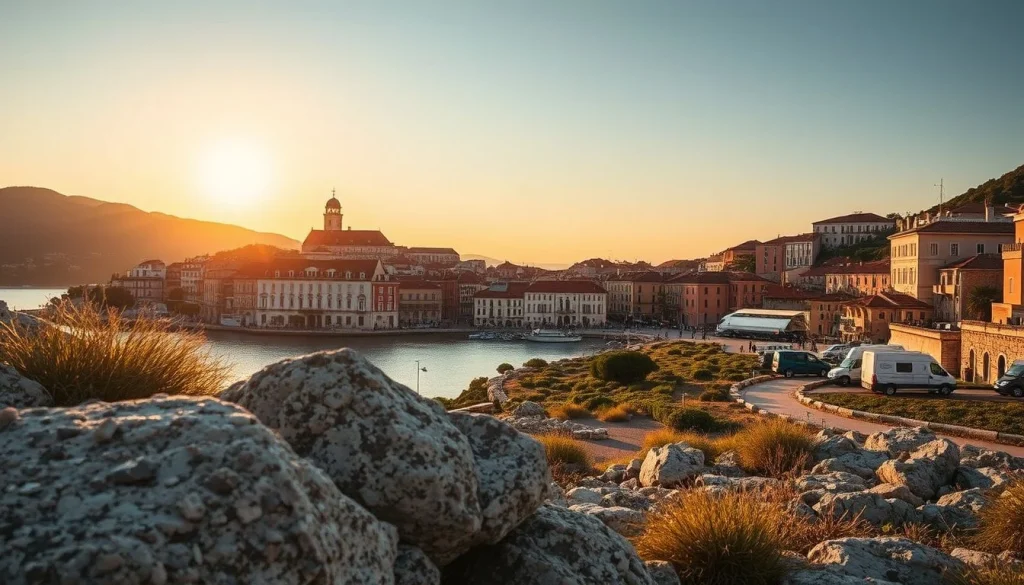
Compare the exact Split–Hvar sailings with Jadrolinija, Krilo and TP Line. The fast catamarans are passenger-only; the car ferry to Stari Grad is a separate service, so do not book it assuming it departs from the same terminal or follows the same timetable. Before travelling, check each operator’s baggage allowance, boarding cut-off and luggage-handling rules on its official website. The Jadrolinija Split–Hvar information is a useful starting point.
Shoulder-season sailings may be less frequent than summer services. Confirm the Hvar–Split connection before committing to your onward transport, then reserve either a coach or private transfer to Dubrovnik; the road journey normally takes about 3.5–4.5 hours, with seasonal traffic capable of extending it.
Check the paid sights shortly before departure
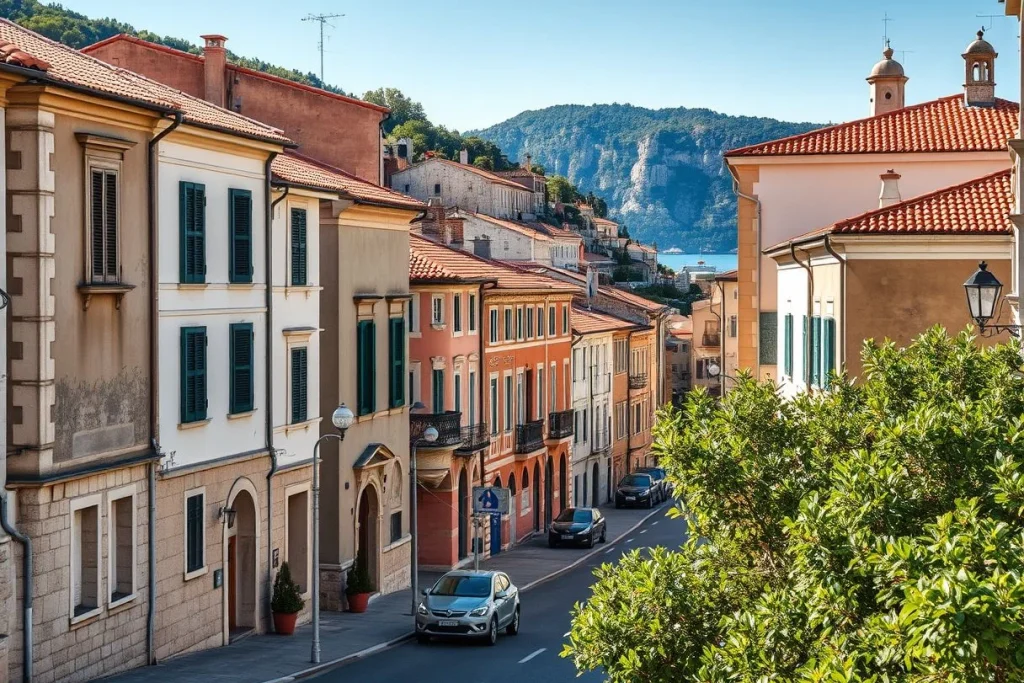
Review the official Dubrovnik City Walls website for the current ticket price, entry process and opening hours. Reported 2026 adult prices vary from about €27–€40, so treat that as an indication rather than a quote. Croatia uses the euro, and live accommodation, ferry and flight prices should be checked in euros before booking.
Day by day: a paced Split, Hvar and Dubrovnik route
This one week in Croatia itinerary works best as an open-jaw route: fly into Split Airport and out of Dubrovnik Airport, with two nights in Split, two in Hvar and three in Dubrovnik. The order avoids unnecessary backtracking, but Day 5 is the main travel day; the reward is a slower final stretch in Dubrovnik.
Morning
Day 1: Arrive in Split
After landing at Split Airport, settle into accommodation near Diocletian’s Palace, where the historic centre, restaurants and Riva promenade are easiest to reach on foot. Keep the first walk gentle: explore the palace lanes, the Diocletian’s Palace cellars and the Cathedral of Saint Domnius, checking current admission arrangements before you go.
Day 2: Split at an unhurried pace
Start with the market and another wander through the old centre before the heat builds. Choose one main addition rather than trying to fit everything in: Marjan Hill for greenery and views, Bačvice Beach for a swim, or Žnjan Beach for more space by the water.
Trogir or Krka National Park can work as a day excursion, but choose only one and confirm transport before committing. Neither is essential to this route, and a relaxed Split day leaves you better placed for the Hvar crossing.
Day 3: Split to Hvar
Take a morning passenger catamaran from Split to Hvar Town. Fast services take approximately 1–1.5 hours, according to Jadrolinija’s route information, but schedules and seasonal frequency vary. Passenger catamarans are not car ferries, so check luggage and boarding conditions when booking.
Afternoon
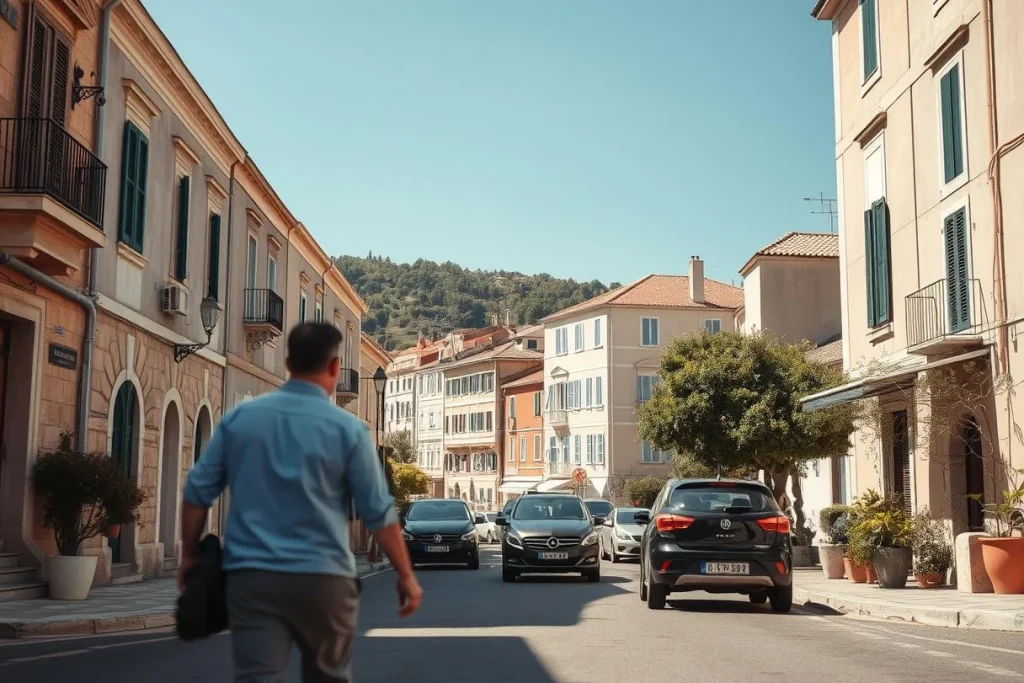
Day 3 continued: Hvar Town
After checking in, walk the harbour and older lanes before climbing to Fortica, also known as Španjola Fortress. The ascent is short but exposed, so carry water and avoid making it the day’s hottest activity. Return to town for a late lunch or a swim, leaving time to enjoy Hvar without another organised excursion.
Day 4: Pakleni Islands or quieter Hvar
For a shared couple’s day, book a boat trip to the Pakleni Islands and Palmizana, allowing a few hours for swimming and unstructured time rather than stacking several stops. Confirm the operator, weather policy and return arrangements before paying; availability and prices change by season.
If you prefer a quieter day on land, take the island’s bus or a taxi connection to Stari Grad or Jelsa instead. Both make better alternatives than trying to combine the towns with a full boat excursion. Keep the afternoon free for a slow meal and a final Hvar swim.
Day 5: Hvar to Dubrovnik
Leave Hvar early, returning to Split before continuing south by coach, hired car or private transfer. The road journey from Split to Dubrovnik is approximately 220 km and normally takes about 3.5–4.5 hours via the A1, Ploče and Pelješac Bridge; summer traffic can make it longer. Scheduled coaches commonly take approximately 3.5–5 hours, depending on the service and stops.
Evening
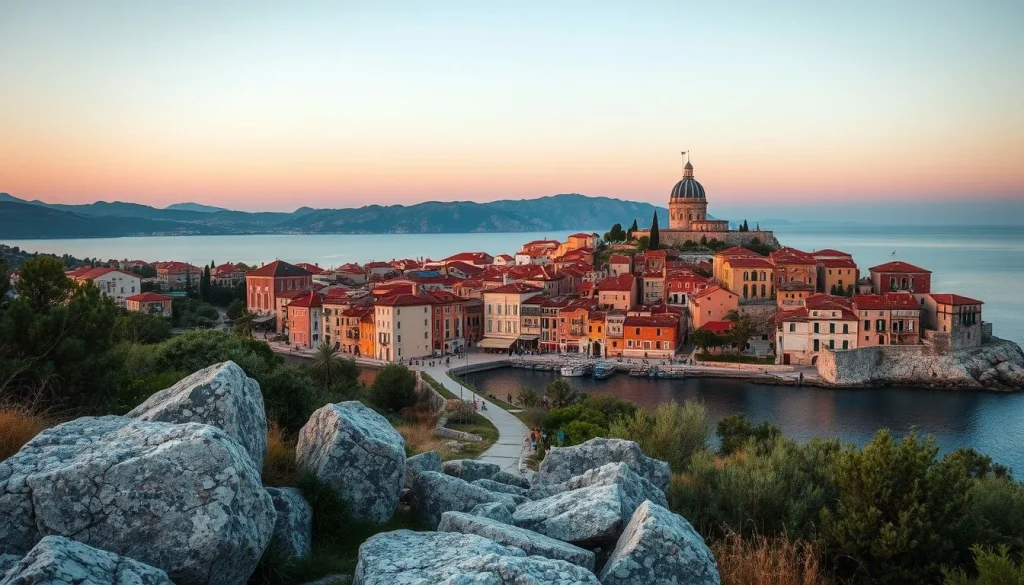
Day 1: Split sunset
Walk the Riva promenade at golden hour, then choose a Dalmatian dinner in or around the palace. Dalmatian grilled fish, black risotto and peka are useful dishes to look for, though peka usually requires advance ordering. If you still have energy, continue towards Marjan Hill for sunset; otherwise, Bačvice offers an easier evening by the sea.
Day 3: Hvar after dark
Plan dinner around the harbour or old town, then choose a sunset drink at Hula Hula Beach Bar if it is operating on your dates. Treat venue hours and availability as changeable. Hvar is most enjoyable here when the evening remains open rather than becoming a second sightseeing schedule.
Day 6: Dubrovnik’s walls and old town
Visit the Dubrovnik City Walls early, before the strongest heat and largest crowds. Summer hours generally extend from early morning into the early evening, but verify the exact schedule and ticket process on the official City Walls website; reported 2026 adult prices vary from approximately €27–€40. Bring water and sun protection, and expect cobbles, steps and uneven surfaces.
After a shaded lunch break, follow Stradun through the Old Town, then visit Rector’s Palace, Sponza Palace and the Franciscan Monastery at a measured pace. Take the cable car or another suitable transfer to Mount Srđ for sunset if conditions and energy allow.
Day 7: A final short outing
Choose Lokrum for an easy island escape or the Elafiti Islands for a boat-based final day. A food-led alternative is Ston and its oysters, but only if the excursion fits comfortably before your flight. Keep the final evening close to your base and leave a generous airport-transfer buffer.
Where to eat
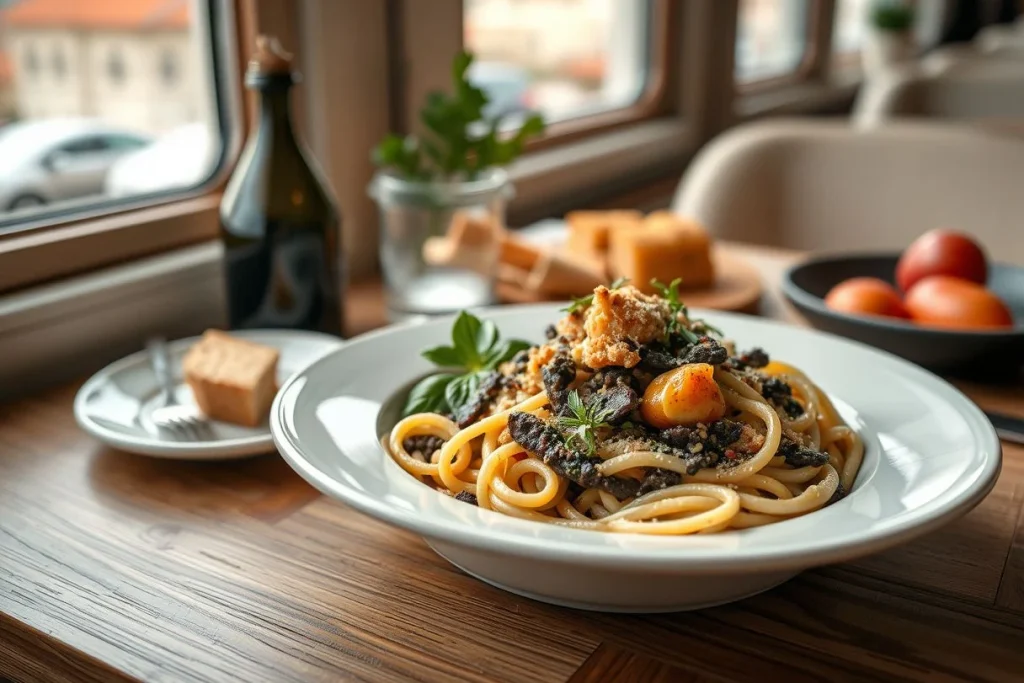
In Split, stay near the palace or Riva for the most atmospheric dinners, but compare menus away from the busiest waterfront tables. In Hvar, prioritise a harbour or old-town setting and order grilled fish or black risotto. In Dubrovnik, the Old Town suits a special evening, while Lapad offers a calmer seafront setting. Look for peka in advance and Ston oysters on the peninsula excursion rather than assuming every coastal menu serves them.
Getting around
Do not hire a car for the core stays: Split, Hvar Town and Dubrovnik are walkable, while parking near historic centres is limited and costly. Use a passenger catamaran from Split to Hvar and verify departures with Jadrolinija, Krilo or TP Line. For Day 5, a private transfer is the most comfortable option for a couple, a coach is the simpler budget choice, and a hired car offers flexibility but adds parking and ferry logistics.
Estimated time
| Day | Sightseeing and downtime | Transit and meals |
|---|---|---|
| 1 | Three to four hours of walking and palace sights | Airport transfer, meals and a relaxed evening |
| 2 | Five to seven hours, including a long break | Local transport only, unless taking one excursion |
| 3 | Four to six hours in Hvar | Catamaran, check-in and two meals |
| 4 | Four to six hours on the islands or in Stari Grad | Boat or island transport with downtime |
| 5 | Two to three hours in Dubrovnik after arrival | Main travel day plus meals |
| 6 | Six to eight hours, broken by lunch and shade | Short local transfers and dinner |
| 7 | Three to six hours, depending on departure | Excursion, airport transfer and buffer time |
Optional extras
- For a quieter couple’s day: replace the Pakleni Islands with Jelsa or Stari Grad.
- For poor weather: keep Day 2 in Split’s historic centre and museums, then move the Marjan walk to a clearer day.
- For less road time: choose a private Split–Dubrovnik transfer on Day 5 and ask about a brief Pelješac or Ston stop only if traffic and flight plans allow.
Where to stay: the best base for each couple
Choose accommodation for the way you want to spend the evening, not just for daytime sightseeing. For this one week in Croatia itinerary, cars are unnecessary in the core city stays; parking near historic centres is limited and costly, according to Nini Tours’ transfer guidance.
| Destination | Best area | Atmosphere and strengths | Trade-offs |
|---|---|---|---|
| Split | Around Diocletian’s Palace | Most atmospheric and walkable; ideal for a boutique hotel or design apartment, with the cellars, Riva and restaurants close by. | Expect steps, cobbled lanes, restricted vehicle access and possible evening noise. Bačvice or a quieter waterfront base suits couples who prioritise swimming and space. |
| Hvar | Hvar Town | Best for harbour access, restaurants, Fortica walks and an easy sunset drink; choose a small hotel or apartment here for a sociable, car-free stay. | The centre is livelier and less restful than the outskirts. A spacious stay outside town works better for couples wanting a pool, privacy or earlier nights. |
| Dubrovnik | Old Town, Ploče or Lapad | Old Town gives you historic atmosphere; Ploče pairs views with access to the centre; Lapad offers calmer seafront walks and simpler arrival logistics. | Old Town means stairs, cobbles and no straightforward vehicle access. Lapad is less dramatic at night, while Ploče can involve steep walks. |
For a first Split stay, the lanes around Diocletian’s Palace are the strongest choice if you want to step out for a late dinner without arranging transport. Look for a boutique room or apartment with clearly stated access instructions; a building’s historic character may also mean stairs and limited sound insulation.
In Hvar, stay in Hvar Town if the ferry, harbour dinners and Fortica are central to your plans. Choose Stari Grad instead when lower-key evenings matter more than nightlife and direct access to the main boat departures.
In Dubrovnik, select the Old Town for atmosphere, Ploče for views and proximity, or Lapad for a quieter base with easier logistics. Check luggage access, stairs and the nearest taxi drop-off before booking, particularly for historic-centre accommodation.
Travel costs for a couple: dated budget, mid-range and luxury estimates
For a couple, this seven-day Croatia itinerary sits between a value coastal break and a premium island holiday. The headline totals are useful planning baselines rather than fixed quotes: they change with travel dates, ferry availability, accommodation location, excursions and how often you dine by the water. Flights are not separately established in the supplied figures, so check Split Airport and Dubrovnik Airport fares independently.
Estimated costs

| Estimated cost | Budget | Mid-range | Luxury |
|---|---|---|---|
| Seven-day trip for two | €900–€1,300 | €1,800–€3,200 | €4,000+ |
| Accommodation per night | €40–€90 | €110–€220 | €300–€700+ |
| Food | €15–€30 per person per day | €50–€90 for a two-course dinner for two | Not separately supported |
| Split–Hvar catamaran | €6–€12 per person | €20–€25 per person | Not supported |
| Split–Dubrovnik coach | €15–€30 per person | €15–€30 per person | Not supported |
| Private Split–Dubrovnik transfer | Not supported | €200–€350 per car | Not supported |
Basis: mid-2026 baseline for two people, with accommodation and food figures from Numbeo’s Croatia prices, updated June 2026; ferry fares from 2026 timetable and fare reporting; coach fares from FlixBus fare information for 2026. Totals are approximate and are not fixed quotes.
The ferry price depends on whether you find a subsidised service or book a regular fast catamaran; these are passenger-only boats, not car ferries. A private transfer costs more than the coach but buys door-to-door convenience on the itinerary’s longest travel day. Add the Dubrovnik City Walls separately: reported adult prices range from approximately €27–€40, and the official ticket source advises checking the current price and opening hours before travelling.
For live figures, compare accommodation by neighbourhood and cancellation terms, then check the official operators—Jadrolinija, Krilo and TP Line—for the exact ferry date. Also price flights into Split and out of Dubrovnik before treating the trip total as a booking budget.
| Item | Budget | Mid-range | Luxury |
|---|---|---|---|
| Split–Hvar passenger catamaran | €6–€12 one way per person | €20–€25 one way per person | Not supported by the source |
| Split–Dubrovnik coach | €15–€30 one way per person | €15–€30 one way per person | Not supported by the source |
| Private Split–Dubrovnik transfer | Not supported by the source | €200–€350 per car | Not supported by the source |
| Daily food and small purchases | €15–€30 per person per day | €50–€90 for a two-course dinner for two | Not supported by the source |
| Accommodation | €40–€90 per night | €110–€220 per night | €300–€700+ per night |
| Seven-day trip for two | €900–€1,300 total | €1,800–€3,200 total | €4,000+ total |
Estimated ranges based on the sources listed below. Prices change; check with providers before booking.
Travel tips that make the route smoother
- Recheck every sailing shortly before departure. Compare the final timetable and fare on the official Jadrolinija, Krilo or TP Line website: seasonal frequency can change, particularly outside June–August.
- Arrive early for the Split–Hvar catamaran. Passenger boats take roughly 1–1.5 hours, but boarding, luggage limits and finding the correct berth add practical time. These are not car ferries; vehicles travel separately to Stari Grad.
- Protect Day 5 from tight connections. The Hvar–Split crossing followed by the road journey to Dubrovnik is this itinerary’s longest move. The approximately 220 km drive normally takes 3.5–4.5 hours, while coaches commonly take 3.5–5 hours; summer traffic can extend either estimate.
- Choose the road option around your priorities. A coach is the simpler, lower-cost choice, with 2026 fares reported at roughly €15–€30 per person each way by FlixBus. A private transfer costs more but buys door-to-door comfort and the possibility of stopping; check the live quote and luggage arrangements before booking.
- Skip the hire car for the core route. Cars are unnecessary for central Split, Hvar Town and Dubrovnik, while parking near historic centres is limited and costly. Hire one only if you are deliberately adding rural Hvar, Ston or other peninsula stops, and confirm where it can be returned.
- Never assume luggage storage. Ask each hotel or apartment to confirm bag drop before arrival, especially when you reach Dubrovnik before check-in or leave Hvar after check-out. Ferry operators and small accommodation providers may handle luggage differently.
- Dress for exposed, uneven walking. Carry water, sun protection and shoes with a firm sole for Marjan Hill, Fortica, Dubrovnik City Walls and cobbled old towns. Steps and uneven surfaces affect accessibility; check the route directly with your accommodation if mobility is a concern.
- Time the City Walls carefully. Visit early or late, rather than in the strongest midday heat, and check the official City Walls Dubrovnik source for the date’s opening hours and ticket process. Carry your passport or required ID; GOV.UK travel advice, updated 21 September 2026, also warns that antisocial behaviour can attract on-the-spot fines.
Conclusion: book the route, leave the island days flexible
For couples wanting three distinct atmospheres without changing hotels every night, this one week in Croatia itinerary is a strong first trip: Split for Roman history and evening walks, Hvar for sea, swimming and sunset, and Dubrovnik for a dramatic final stay. It works best if you accept Day 5 as the main travel day rather than trying to turn every transfer into a sightseeing stop.
Start by checking open-jaw flights into Split Airport and out of Dubrovnik Airport. Then reserve your three bases and the key ferry and Split–Dubrovnik transfer links. Leave the optional boat day, Ston excursion or beach time flexible, choosing around the forecast once you arrive.
Frequently asked questions
Can I visit Korčula or another island on this seven-day route?
Some 2026 catamaran services are published on a Split–Hvar–Korčula–Lastovo route, according to Absolute Croatia’s 2026 timetable information. Korčula is therefore possible in principle, but adding it would compress the two-night Hvar stay or reduce Dubrovnik time. Check the operator’s sailing days, passenger capacity and luggage rules for your dates before changing the plan; shoulder-season frequency may differ.
Which Hvar port should I use if my accommodation is in Hvar Town?
Choose a sailing specifically shown as arriving in Hvar Town, then confirm the arrival port on the operator’s booking page. Fast passenger catamarans from Split to Hvar take approximately 1–1.5 hours, according to Jadrolinija’s route information. Do not confuse this with the car ferry to Stari Grad: Jadrolinija identifies car ferries to Stari Grad as a separate option, so check the port before buying a ticket.
Are the ferries comfortable if I get seasick?
The supplied ferry information confirms that the fast services are passenger-only, but it does not establish how comfortable they are for people prone to seasickness. Conditions and individual tolerance can vary, so check the current operator information for the vessel and crossing before booking. Jadrolinija’s Split–Hvar information is the appropriate place to confirm the service, while Krilo and TP Line should be checked if you are comparing operators.
What should I wear for churches, historic sites and evenings out?
The supplied sources do not set out a Croatia-wide dress code for churches, historic sites or restaurants. Pack light clothing for warm coastal walking, plus a layer and comfortable footwear for cobbles, steps and uneven historic surfaces; Dubrovnik’s City Walls in particular involve exposed walking, according to Navigate Dubrovnik’s visitor information. For a specific church or venue, check its official visitor guidance before travelling.
Is Dubrovnik suitable for a relaxed beach day?
Yes, but the supplied research does not establish a particular Dubrovnik beach, current facilities or seasonal availability. Treat a beach day as a lighter alternative to the Old Town rather than assuming every coastal spot will offer the same services. If you choose the historic centre instead, schedule the City Walls early or late: summer heat and crowding are specifically flagged in Navigate Dubrovnik’s visitor information.
Can I leave luggage at the ferry terminals or bus stations?
Do not assume that Split, Hvar or Dubrovnik terminals provide luggage storage. The supplied ferry and coach sources confirm routes, fares and travel information, but not storage facilities or opening arrangements. Ask your accommodation whether it can hold bags before check-in or after check-out, and confirm any terminal service directly with Jadrolinija, Krilo, TP Line or the relevant coach operator before relying on it.