This article contains affiliate links. If you book through one of our links, we may earn a commission at no additional cost to you.
In Italy, a morning espresso in Rome can lead to Renaissance galleries in Florence, a sunset beside Venice’s Grand Canal, or a mountain dinner in the Dolomites—yet these places belong to very different kinds of trip. The country runs from Alpine peaks and Po Valley cities to Tuscan hills, Mediterranean coasts and islands, so distance, season and transport matter as much as the headline sights.
This Italy travel guide is for couples planning a first or repeat holiday who want atmospheric neighbourhoods, memorable food, boutique stays and enough unhurried time to enjoy them. Use it to choose between cities and countryside, trains and cars, coast and mountains, then shape a realistic seven- or 14-day route instead of trying to cover the whole peninsula.
Quick answer: For a first trip, combine Rome, Florence and Venice by high-speed train in seven days, or add Tuscany, Naples and the Amalfi Coast over 10–14 days rather than attempting the whole country. April–May and September–October are the broad shoulder-season choices, while beaches, Dolomites hiking and skiing need more region-specific timing.
Why visit Italy: one country, many kinds of escape
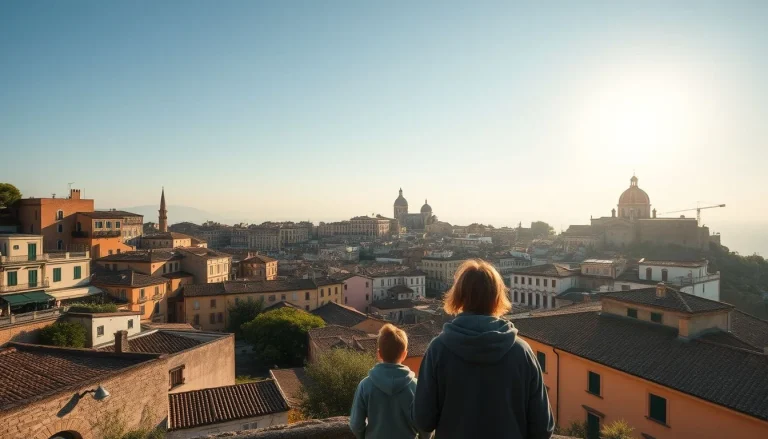
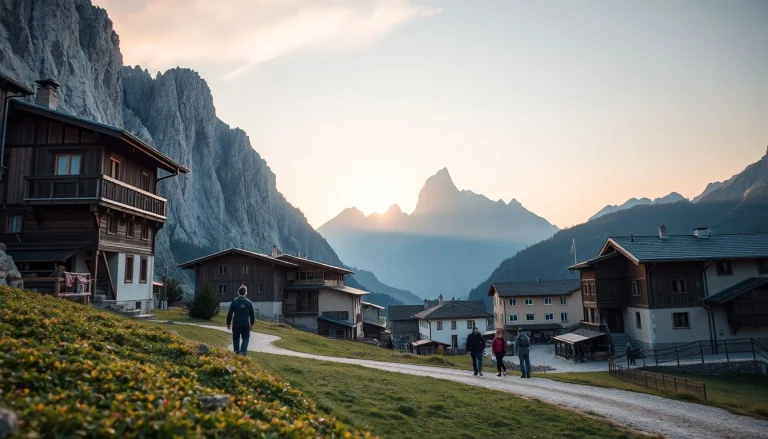
Italy works particularly well for couples because a single holiday can shift from museum mornings to vineyard lunches, mountain air or a seafood dinner by the water. The country brings together the Alps and Dolomites, Po Valley cities, Tuscan and Umbrian countryside, Mediterranean coastlines and islands, so the right trip depends on the kind of time you want to share; Italia.it’s itinerary guidance reflects that regional variety.
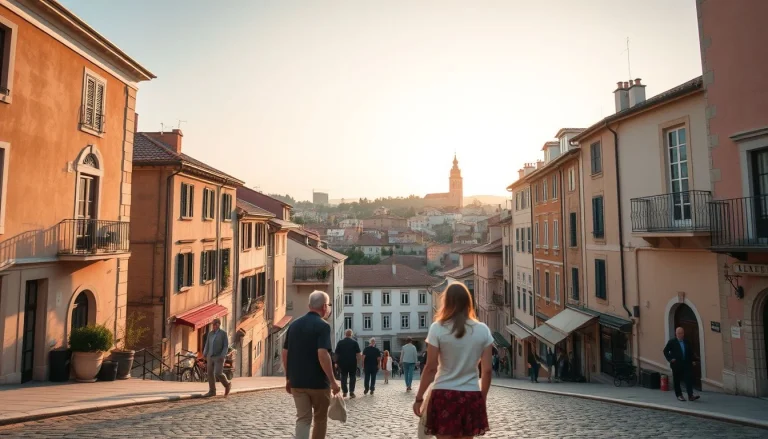
Rome, Florence and Venice suit couples who enjoy art, history and atmospheric evening walks, with plenty of choice for a boutique stay and a long dinner. Tuscany offers a slower countryside rhythm, while the Amalfi Coast brings cliffside views and boat days; Sicily and Sardinia make better choices when food, sea and downtime matter more than a compact city route.
The central planning decision is pace. Trains connect major art cities efficiently, but a car earns its place among hill towns and vineyards. A checklist trip covers more landmarks; a regional stay leaves room for late lunches, sunset walks and unplanned pauses.
Italy’s regions and top destinations: where should you go?
Italy is easier to choose as a collection of regional trips than as one national checklist. Northern Italy favours rail-heavy city and mountain routes; central Italy combines art with countryside; the south and islands reward extra time for coast, ferries and slower connections. The comparison below is a practical starting point, based on the regional variety outlined by Italia.it.
| Area | Best for | Ideal trip length | Transport style | Couple-friendly highlights |
|---|---|---|---|---|
| Rome | Ancient history and food | Three to four days | Walks and public transport | The Colosseum, Vatican and evening lanes around Trastevere |
| Florence, Tuscany and Chianti | Art, wine and countryside | Four to six days | Train for Florence; car or tour for hill towns | The Uffizi, Duomo, vineyard lunches and an agriturismo stay |
| Venice and the Veneto | Atmosphere and architecture | Two to three days | Walking and vaporetto | St Mark’s, the Grand Canal and quieter neighbourhoods away from the busiest routes |
| Milan, the Dolomites and Alto Adige | Design, mountains and active days | Five to seven days | Train between cities; car or local transport in the mountains | A Milan aperitivo followed by hiking and Alpine-refuge scenery |
| Naples, Pompeii, Sorrento and the Amalfi Coast | Archaeology, pizza and sea views | Five to seven days | Train, ferries and buses; avoid a car in the busiest coastal towns | Neapolitan pizza, Pompeii, Positano, Amalfi and a day on Capri |
| Puglia, Calabria and Sardinia | Coast, small towns and downtime | Seven to 10 days | Usually a car; add ferry or flight planning for Sardinia | Country stays, seafood and unhurried coastal evenings |
| Sicily, Liguria and Emilia-Romagna | Food-led or repeat trips | Seven to 14 days | Car and regional trains, depending on the route | Palermo, Agrigento, Ragusa and Taormina; Genoa and Liguria for pesto; Emilia-Romagna for prosciutto and tortellini |
For a first visit, Rome, Florence and Venice make the cleanest seven-day combination: the high-speed rail spine links them without turning every day into a transfer. Add Tuscany or Chianti if shared countryside time matters more than another city. Couples returning to Italy can choose the Naples–Sorrento–Amalfi route, a car-based Puglia itinerary or a 10–14-day Sicily circuit linking Palermo, Agrigento, Ragusa and Taormina.
Choose the Dolomites and Alto Adige for hiking rather than easy sightseeing, and Sardinia for beaches and space rather than compact cultural touring. Food should steer the route too: Genoa and Liguria suit pesto, Emilia-Romagna suits a culinary journey, while Naples and Sicily offer particularly strong regional contrasts.
Best time to visit Italy: choosing between April, September and every season
For most couples planning city, countryside and coast in one trip, the best time to visit Italy is April–May or September–October. These shoulder-season months generally combine milder conditions with fewer crowds than the peak periods of June, July, August and December, leaving more room for long lunches, unhurried neighbourhood walks and atmospheric boutique stays.
April is the fresher choice. It suits Rome, Florence, Venice and spring days in Tuscany or Umbria, when sightseeing is more comfortable and the countryside is coming into season. Pack for changeable conditions, however, and do not choose April for a beach-first itinerary: sea temperatures, ferry operations and coastal services vary by destination.
September is usually the stronger option for a coast-and-islands route. Beaches are at their most reliable from late May or June through September, and the month works well for Sorrento, the Amalfi Coast, Puglia, Sardinia and Sicily. It can still be busy in popular coastal towns, so reserve accommodation and key boat trips early and check local ferry schedules before travelling.
June to August brings the fullest beach season but also peak demand, stronger heat in cities and more pressure on famous sights. December is another peak period around Christmas and winter city breaks. For the Dolomites and Alto Adige, plan hiking generally between July and September; skiing is generally a December–March activity, subject to local snow and mountain conditions.
Events can change crowd levels and prices in any month. Before booking, check official tourism and municipal calendars, Venice’s current access-fee dates and rules, ferry timetables, museum reservation arrangements and any local access controls. Seasonal advice is a starting point, not a guarantee: conditions differ sharply between the Alps, inland cities and Mediterranean islands.
How to get to Italy: airports, international trains and road entry
Match your arrival airport to the shape of the trip, rather than assuming Rome is the only practical entry point. Rome Fiumicino (FCO) and Milan Malpensa (MXP) are Italy’s principal international gateways; Venice Marco Polo and Naples are useful alternatives for itineraries focused on the northeast or the Bay of Naples. Milan Linate (LIN) can also suit a city-based northern Italy start.
For a first journey, an open-jaw ticket can save backtracking: fly into Fiumicino for Rome, Florence and southern Italy, then leave from Malpensa after travelling north. Reverse the arrangement if Venice or the Dolomites is your priority. Compare the complete journey, including the transfer into your first hotel area, rather than choosing solely on airfare.
Travellers arriving from neighbouring European countries can also consider international rail, while road entry is practical for a self-drive route through smaller towns or countryside. Do not build the plan around an assumed connection: check airport-to-city links, international rail services, engineering works, airline schedules and strike notices close to departure. The official airport sites and Trenitalia are useful starting points; regional transport operators may publish separate updates.
Getting around Italy: trains, cars, ferries and local transport
For a one- to four-city route, trains usually make more sense than a hire car. Trenitalia’s Frecciarossa and private operator Italo link Rome, Florence, Milan, Naples and Venice, giving couples city-centre arrivals without parking or motorway decisions. Check both operators before booking; schedules, fares and engineering works can change. Regional trains and buses fill the gaps to smaller towns and secondary destinations. Trenitalia is a useful starting point for current services.
A car earns its keep once the route leaves the main rail spine. Hire one for Tuscan or Umbrian hill towns, a Puglia loop, countryside stays, parts of Sicily or coastal approaches where public transport would add awkward changes. Avoid collecting it for Rome, Florence or Venice, where traffic and parking can erase the convenience. In historic centres, look for ZTL signs: these restricted-traffic zones are widespread, and unauthorised entry can bring a fine. Confirm whether your accommodation can register access, then park outside the centre and walk or use local transport.
Ferries and boats are part of the plan around the Amalfi Coast, Capri and Sardinia, and can be more scenic than a road transfer. Timetables are seasonal and may be affected by sea conditions, so check the relevant operator shortly before travel rather than building a tight same-day connection. Island routes also need more planning than a mainland city itinerary.
In Venice, check the official municipal access site for the applicable 2026/2027 day-visitor fee dates and rules before you travel. For every leg, leave room for local connections: the fastest national train does not necessarily mean the simplest final transfer to a coastal or countryside base.
Where to stay in Italy: romantic bases by travel style
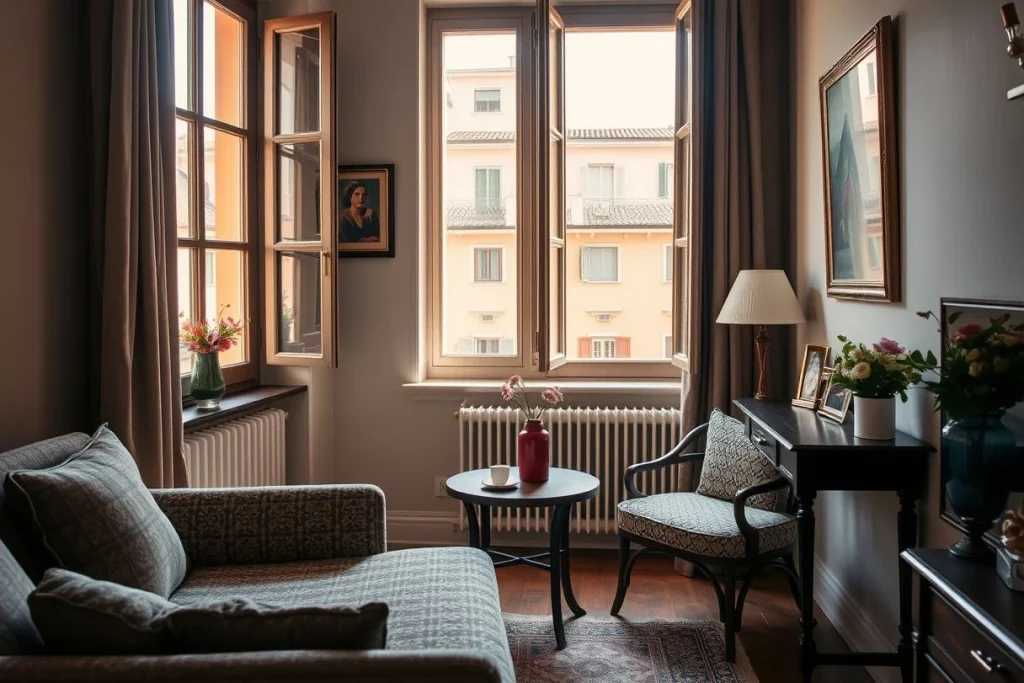
For a first city break, choose a walkable historic-centre base in Rome or Florence. Rome’s Centro Storico and Trastevere suit couples who want evening walks and restaurants close by; in Florence, staying near the Duomo keeps the Uffizi, markets and riverside within an easy walk. Centrality saves transfers, but check street noise and whether the property offers late check-in and luggage storage.
Venice rewards a quieter address beyond the busiest St Mark’s area. Consider a hotel in Dorsoduro, Cannaregio or Castello for a calmer return after exploring the Grand Canal; the trade-off is carrying luggage over bridges, so confirm the nearest vaporetto stop and practical luggage access before booking. Check the official municipal site for applicable 2026/2027 day-visitor fee rules.
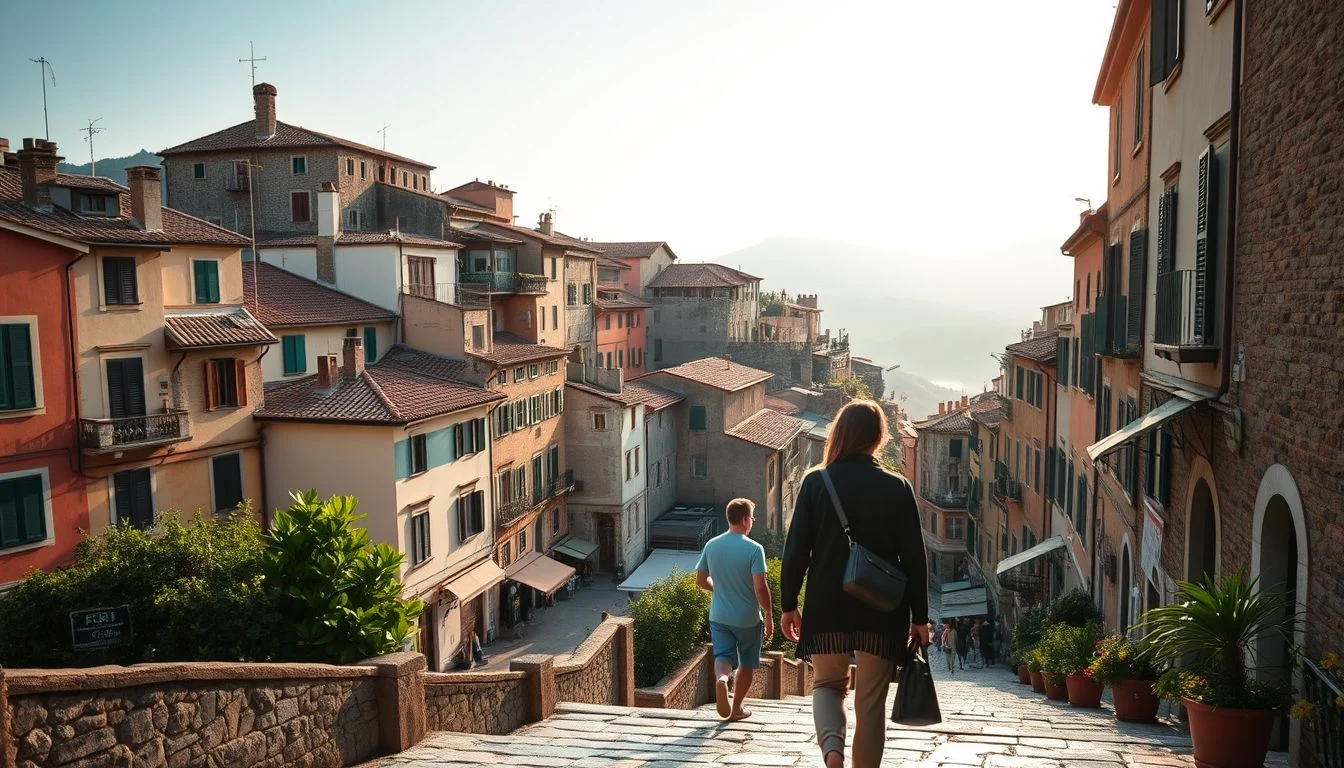
For downtime, choose one countryside or lakeside base rather than changing rooms every night. A Tuscan or Umbrian agriturismo offers space, scenery and often a pool, while a lake stay gives atmosphere but can mean fewer late-night dining choices and more reliance on local transport. Pool availability is seasonal, so verify it directly.
On the Amalfi Coast, cliffside Positano or Amalfi delivers views at the cost of stairs, luggage logistics and more complicated transfers. Sorrento is the practical alternative, with easier connections for coastal excursions. In Puglia, a masseria suits a car-based escape; in Milan, choose a design-led central hotel for food and urban atmosphere, not as a universal base for rural trips. Check live rates, availability and cancellation terms before committing.
Best things to do in Italy: signature experiences by region
North: mountains, canals and food cities
In Venice, combine an early walk around St Mark’s and the Grand Canal with an unhurried afternoon in quieter neighbourhoods or on a lesser island. Check the official municipal site for the applicable 2026/2027 access-fee dates before visiting as a day visitor. The Dolomites and Alto Adige suit couples who want hiking, mountain scenery and an Alpine-refuge night; conditions and lift or trail access are seasonal, so check locally before setting out.
Genoa makes a useful starting point for Liguria, while Emilia-Romagna rewards a food-led route between regional cities. Allow time for pesto, prosciutto and tortellini rather than treating the region as a transfer corridor. Milan works well for design, galleries and an atmospheric city stay, but is less useful as a base for rural excursions.
Central Italy: art, ruins and slower landscapes
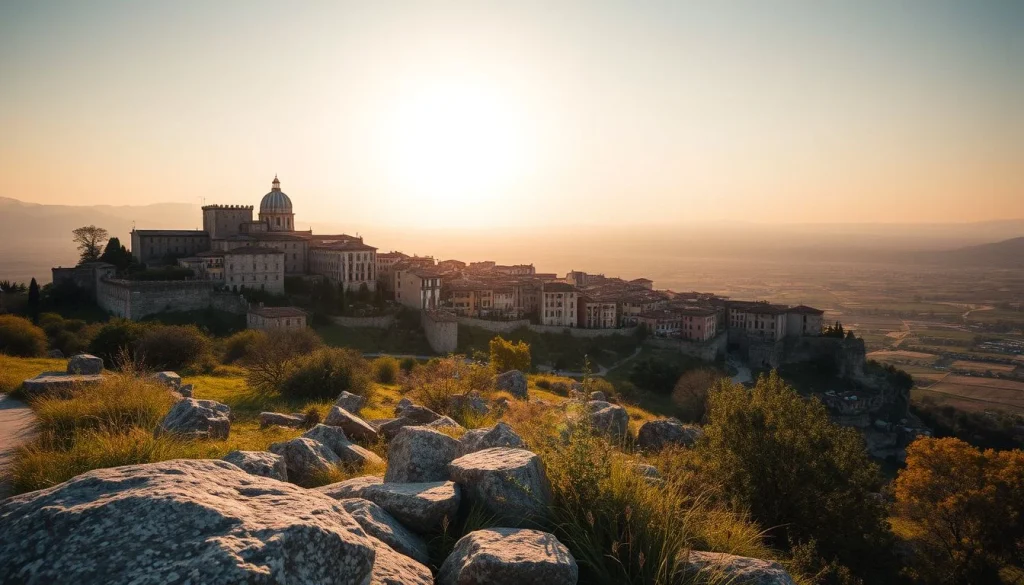
Rome is the strongest first-city choice for shared days: pair the Colosseum and other ancient monuments with the Vatican, then leave an evening for wandering and dinner. Florence centres on the Uffizi and Duomo, with Chianti or the Tuscan hill towns providing a slower countryside contrast. Umbria is the quieter alternative for an agriturismo-based escape.
Reserve the Colosseum, Borghese Gallery and Uffizi ahead, particularly for peak periods; current booking and access arrangements can change, as noted by Lonely Planet.
South: archaeology, coast and small-town Italy
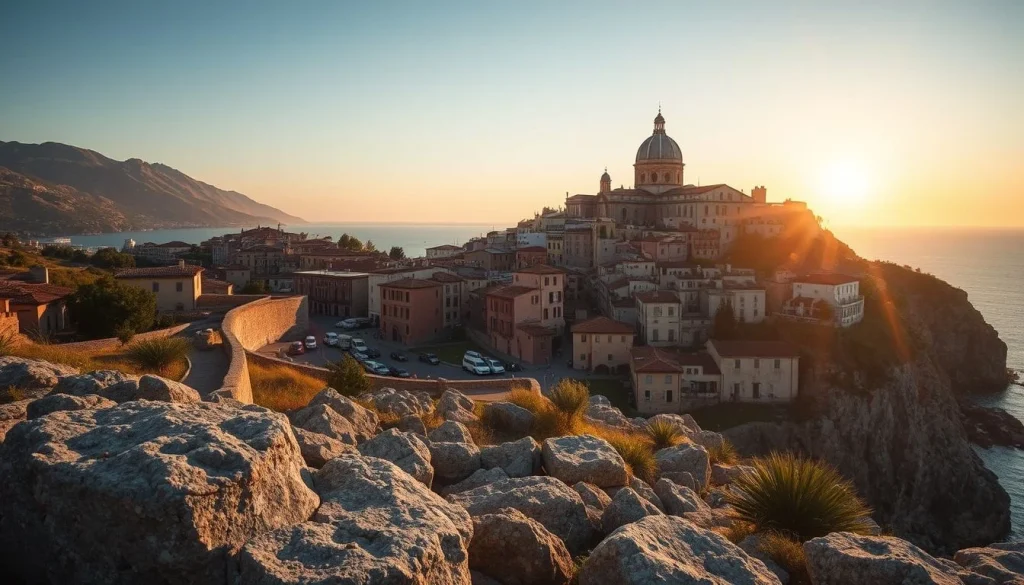
Use Naples for Neapolitan food and as a base for Pompeii, then continue to Sorrento or the Amalfi Coast. A boat day linking Amalfi, Positano or Capri creates a memorable shared outing, but ferry schedules, sea conditions and steep coastal terrain need checking in season. Pompeii may require advance planning, so verify its current reservation rules.
Puglia is better suited to a car-based route through small towns and countryside than to city driving. Calabria offers a less urban coastal journey, while Sicily rewards a longer route through Palermo, Agrigento, Ragusa and Taormina, combining markets with Greek and Roman archaeology.
Islands and downtime
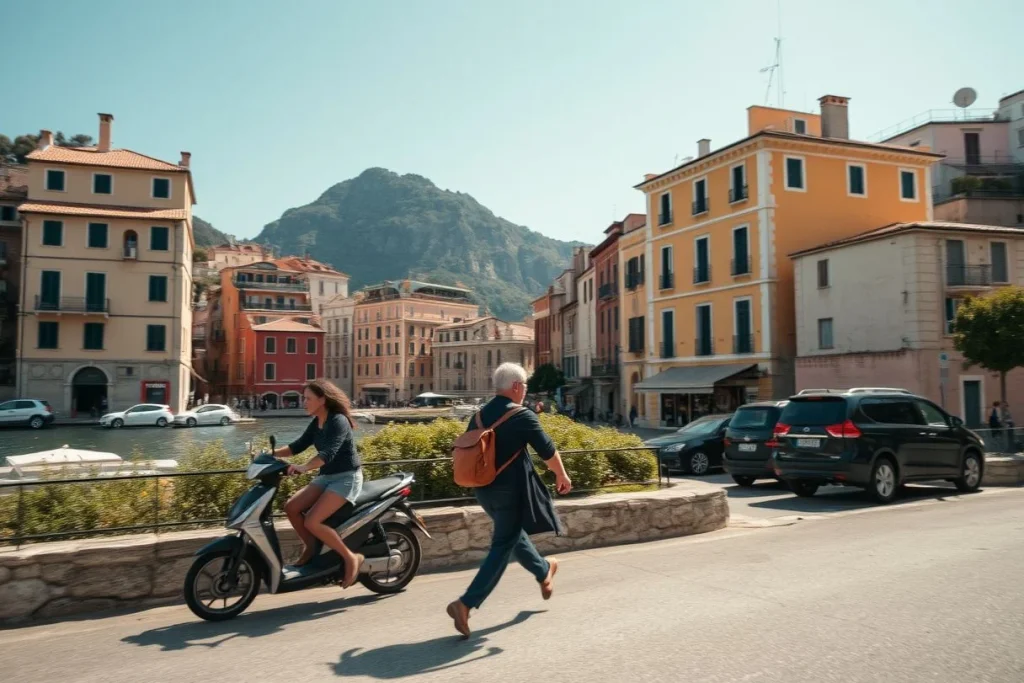
Choose Sardinia for beaches, seafood and a deliberately slower trip, allowing extra planning for ferry or flight connections. Coastal activities are most dependable from late spring into September, while mountain hiking generally suits July–September; check ferry timetables and local conditions before booking fixed excursions.
What to eat in Italy: a regional food map
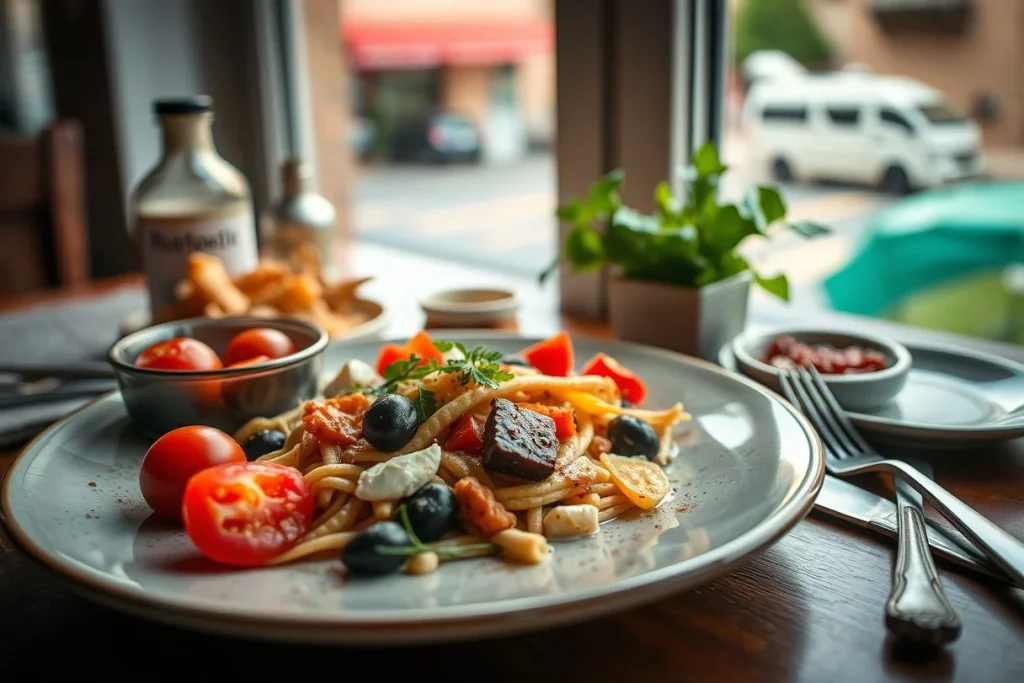
Italy’s food changes sharply from one region to the next, so use meals to deepen a route rather than treating every city as interchangeable. Couples can reserve one destination restaurant for a special evening, then leave room for markets, bakeries and informal lunches discovered while walking.
| Region | What to seek | Where it works best |
|---|---|---|
| Rome | cacio e pepe and amatriciana | Traditional trattorias and neighbourhood restaurants |
| Tuscany | bistecca alla fiorentina | Florence or a countryside meal around Chianti |
| Campania | Neapolitan pizza | Naples, ideally as an unhurried evening meal |
| Sicily | arancini, cannoli and granita | Markets, cafés and pastry shops in Palermo or Taormina |
| Liguria | Pesto | Genoa and coastal towns |
| Emilia-Romagna | Prosciutto and tortellini | Food markets and traditional restaurants |
| Sardinia | Fregola | Seafood-focused restaurants and local trattorias |
Build in an aperitivo before dinner, especially in cities, and check the bill for coperto, a table-cover charge. A separate servizio may also appear; both vary by restaurant and location. Reserve sought-after restaurants and cooking classes, but keep a few meals spontaneous for market grazing and a scenic terrace.
Italy travel costs: budget, mid-range and luxury per day
Once meals are planned, the next useful figure is your daily on-the-ground budget. The estimates below exclude international flights and cover the typical combination of accommodation, food, local transport and activities; actual spending changes sharply by city, season and travel style.
| Estimated budget tier | Per person, per day | What it usually allows |
|---|---|---|
| Budget | €70–€100 | Simple accommodation, casual meals, local transport and a selective approach to paid sights. |
| Mid-range | €150–€220 | Comfortable accommodation, restaurant meals, city transport and a regular mix of museums or experiences. |
| Luxury | €300+ | Higher-end stays, scenic dining, private or more convenient transfers and room for boat trips or premium activities. |
Estimated 2026 market ranges, per person per day, based on on-the-ground travel costs and excluding international flights. Source: VoyageHacks, “Italy Travel Budget: What It Costs Per Day (2026),” published figures observed on 18 July 2026.
For couples, sharing one room can make the accommodation portion more efficient per person, but a sea-view room, private transfer or boat trip can quickly move a day into the higher bands. Venice and Milan generally cost more than southern towns, so use the upper end for those bases and for peak travel periods. Check current hotel, rail and activity prices for your dates before committing to a total.
| Item | Budget | Mid-range | Luxury |
|---|---|---|---|
| On-the-ground travel costs | €70–€100 per person per day | €150–€220 per person per day | €300+ per person per day |
Estimated ranges based on the sources listed below. Prices change; check with providers before booking.
Sample Italy routes: realistic 7-day and 14-day itineraries
Plan Italy as one regional journey, not a checklist of the whole peninsula. High-speed services from Trenitalia and Italo make the main city corridor practical, while countryside, coastal and island routes need slower regional transport or a car.
| Route framework | Nights | Transport | Highlights | Pace |
|---|---|---|---|---|
| Rome, Florence, Venice | 3 + 2 + 2 | High-speed train | Colosseum and Vatican; Uffizi and Duomo; St Mark’s and the Grand Canal | Classic first trip; landmark-focused, with little spare time |
| Naples and Sorrento | 3 + 4 | Train, local transport and boat or organised day trips | Neapolitan food, Pompeii, Amalfi Coast and Capri | Slower and more atmospheric; allow for steep terrain and complex coastal transport |
| Venice, Florence, Tuscany and Rome | 2 + 3 + 3 + 4 | High-speed train, then car or driver for countryside days | Canals, Renaissance art, Chianti or hill towns, ancient Rome | A balanced 14-day north-to-centre route with room for long lunches and an unplanned evening |
| Palermo, Agrigento, Ragusa and Taormina | 3 + 2 + 3 + 3–6 | Rental car or carefully combined regional transport | Markets, Greek and Roman archaeology, Baroque towns and Sicily’s eastern coast | Best over 10–14 days; do not compress Sicily into a rushed city break |
| Puglia road trip | 7–10 | Rental car, avoiding historic-centre driving | Coastal scenery, small towns and countryside stays | Flexible and couple-friendly; build in time for parking and slower rural roads |
The seven-day Rome–Florence–Venice route can be reversed, particularly when an open-jaw flight into one city and home from another reduces backtracking. Reserve time for at least one unplanned evening rather than adding the Dolomites, Amalfi Coast or an island to this city sequence; each changes the transport rhythm substantially.
For fourteen days, add Tuscany or Umbria between Florence and Rome, or the Dolomites only when mountain scenery is the central purpose. Check rail engineering works, strikes, ferry schedules and local connections before fixing hotel nights, then book major attractions ahead where required.
Italy entry requirements and safety: check official guidance before departure
Italy is part of the Schengen Area, but visa requirements, passport conditions and any current ETIAS arrangements depend on your nationality. Check the Italian Ministry of Foreign Affairs and your nearest Italian consulate immediately before departure; neither this guide nor a previous trip can replace current official advice.
The Italian Ministry of Health’s traveller page states that Italy has no COVID-19-related entry restrictions, but that page was last updated in June 2023. Treat it as a dated reference and recheck the Ministry of Health guidance for any new health or entry requirements.
For safety, the U.S. Department of State’s advisory, dated 10 September 2026, lists Italy at Level 2, “Exercise Increased Caution”. Its practical concerns include pickpocketing and petty theft in tourist areas, as well as theft from vehicles. Keep phones and documents secure in crowded transport hubs, avoid leaving luggage visible in a parked car, and save your insurer’s and consulate’s contact details offline.
Travel insurance is sensible for medical costs, cancellations and disrupted connections. Before leaving, check your policy’s exclusions for hiking, ferries, car hire and pre-existing conditions, then review the latest official entry and safety guidance again.
Italy travel tips that make a couples’ trip smoother
- Reserve headline sights early. Check current booking rules for the Colosseum, Borghese Gallery, Uffizi, Duomo-related visits and Pompeii; many require or strongly advise advance reservations in busy periods, according to Lonely Planet.
- Check trains twice. Look for engineering works, strikes and amended regional connections on the relevant operator’s official site before departure and again during the trip; a missed connection can matter more when ferries or hotel check-ins follow.
- Build in ferry and regional-transport buffer time. Avoid planning a coastal boat, island crossing or remote countryside connection immediately before an important reservation, since seasonal services and local conditions can change.
- Treat driving as a rural tool, not a city default. Confirm your hotel’s access instructions and parking before entering any historic centre: ZTL restrictions are widespread, and unauthorised entry can result in fines.
- Check Venice access arrangements. Venice has a day-visitor access-fee scheme on certain peak dates, so verify the applicable 2026/2027 dates and rules on the official municipal site before visiting.
- Pack shoes for the actual terrain. Comfortable footwear matters on uneven historic streets, while coastal bases such as Positano and Amalfi add steep slopes and steps.
- Keep the itinerary spacious. Leave time for a late lunch, an aperitivo and an unplanned evening walk, and avoid changing accommodation every night; couples usually gain more from two or three well-chosen bases.
- Check the bill locally. Ask whether the quoted price includes the hotel tourist tax, coperto or servizio; these charges vary by location and restaurant rather than following one national pattern.
- Recheck conditions before outdoor days. Verify mountain routes, coastal weather, ferry services and local access controls before setting out, particularly for Dolomites hikes and island or cliffside excursions.
Conclusion: choose one Italian region first
Choose the region that best matches your shared pace, then build around it. For seven days, focus on one area—Rome, Florence and Venice by high-speed train, or Tuscany and Umbria with a countryside base—rather than turning every morning into a transfer. For 14 days, connect a north-to-centre route, a southern itinerary around Naples and the Amalfi Coast, or a dedicated Sicily journey, leaving evenings for scenic dinners and unplanned walks.
Before booking, settle the season and your train-versus-car strategy. Then verify official entry rules, rail and ferry schedules, attraction reservations, Venice access requirements and ZTL details. Choose hotels near the stations for rail-led trips; for countryside or coastal stays, prioritise parking, views and time to enjoy the base.
Frequently asked questions
How many days do I need for a first trip to Italy?
Seven days is enough for a focused first visit: combine Rome, Florence and Venice by high-speed train rather than trying to cover the whole country. Allow 10–14 days to add Tuscany, Naples and the Amalfi Coast at a more comfortable pace. Italy’s geography varies from Alpine mountains to Mediterranean islands, so longer trips work best when built around one region or a logical route; see the regional planning guidance from Italia.it.
Is it better to book one base or move between Italian cities?
Use one base for a slower countryside or coastal holiday, particularly in Tuscany, Umbria or Puglia, where a couple can settle into an agriturismo and make selected day trips. Move between cities when visiting Rome, Florence, Venice, Milan or Naples: high-speed Trenitalia Frecciarossa and Italo services make one- to four-city routes the more time-efficient choice. Avoid changing hotels every night; two or three nights per stop leaves room for dinners and unplanned walks.
Can I visit the Amalfi Coast without hiring a car?
Yes, but plan the coast as a transport-focused trip rather than assuming every viewpoint or village is easy to reach. Use Naples or Sorrento as a practical regional base and check current buses, ferries and local conditions before setting out, since coastal access is seasonal and schedules can change. A car is more useful for flexible coastal and small-town routes, but driving also requires careful checking of ZTL restrictions and hotel access permissions; unauthorised entry into a ZTL can result in fines.
Which Italian destinations work best for a romantic holiday?
Choose according to the atmosphere you want: Rome combines ancient monuments, the Vatican and evening walks; Florence pairs the Uffizi and Duomo with a Tuscan countryside day; and Venice offers canals, St Mark’s and the Grand Canal. For sea views and slower dinners, consider Sorrento, the Amalfi Coast, Positano, Amalfi or Capri, while Puglia and Sardinia suit couples prioritising countryside, beaches and downtime. Seasonal demand and steep terrain make coastal planning more involved.
How far ahead should I book trains and major attractions?
Book high-speed trains and major attractions once your route is firm, especially for peak periods. The Colosseum, Uffizi Gallery and Borghese Gallery require or strongly advise advance reservations in many busy periods, while train timetables, engineering works and strikes should be checked again before departure. Use the official Trenitalia site for current services and the attraction’s own booking page for reservation rules; arrangements can change.
What should couples pack for cities, coast and countryside?
Pack for contrasts rather than one uniform itinerary: comfortable footwear for historic-centre walking, clothes suitable for restaurants, and adaptable layers for city evenings and countryside stays. Add sun protection and practical beach clothing for the coast, plus sturdier footwear and weather-ready layers for the Dolomites or other mountain routes. Conditions and access can change by season, so check local weather, mountain information and ferry or coastal transport updates before leaving; hiking in the Dolomites is generally a July–September activity, while skiing is generally December–March.