

This article contains affiliate links. If you book through one of our links, we may earn a commission at no additional cost to you.
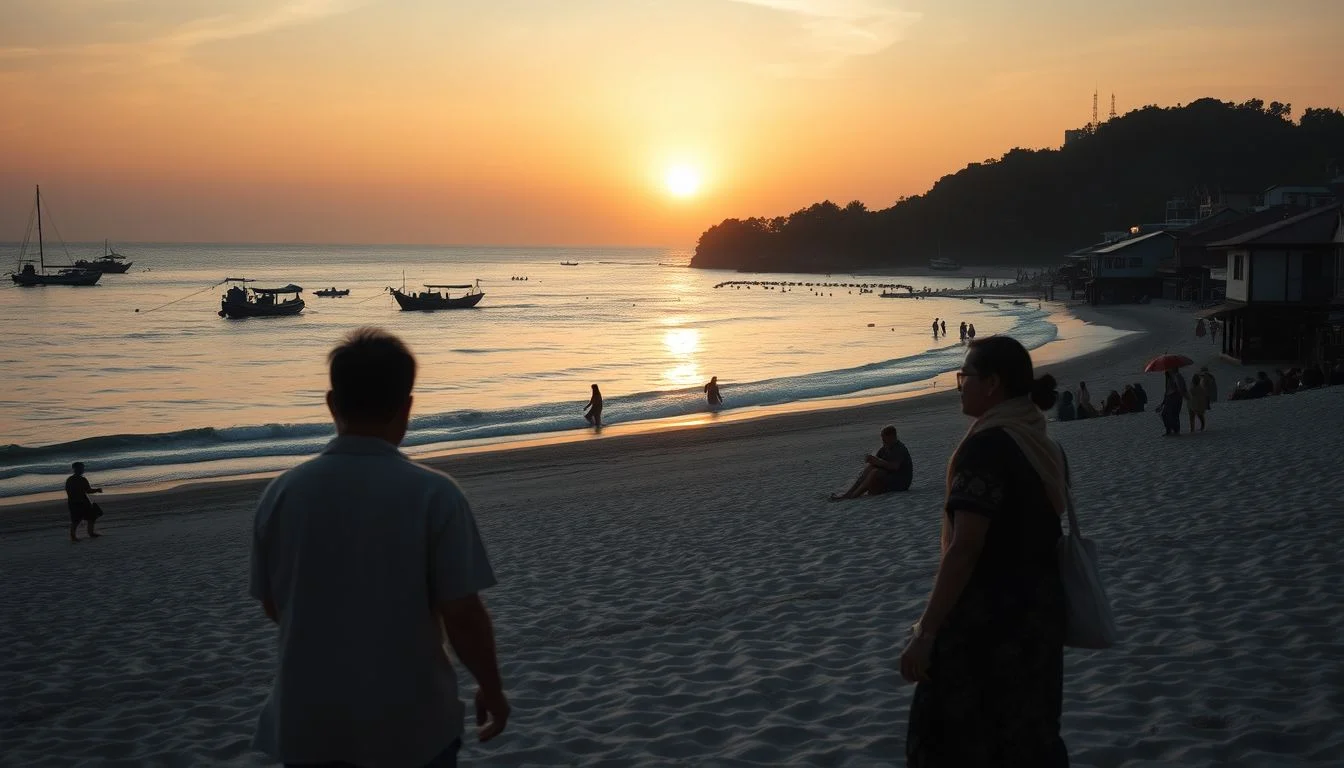
Railay Beach has no direct road access: longtail boats from the Ao Nang and Krabi area bring backpackers to a small peninsula of limestone cliffs, sheltered bays and several beaches. It is a useful starting point for comparing the best beaches in Southeast Asia not by postcard appeal alone, but by how well each stop works within a longer route.
This guide is for backpackers piecing together overland journeys, ferries and flexible island stays. The selection weighs scenery, swimming and snorkelling potential, hostel and social infrastructure, access without unnecessary flights, and seasonal trade-offs. You’ll find the practical difference between a social base such as Boracay’s White Beach or Gili Trawangan, a spacious detour such as Nacpan near El Nido, and a viewpoint-led stop such as Kelingking, where the steep descent and sea conditions demand caution. Ferry schedules, boat safety, environmental rules and local services can change, so treat the route guidance as a planning framework and check current notices before setting out.
Quick answer: Choose Railay for limestone scenery, Nacpan for a spacious beach near El Nido, White Beach for social infrastructure, the Gili Islands or Perhentians for snorkelling, and Koh Lipe for a compact island base. Railay and Koh Lipe generally suit November–April, Nacpan and Boracay November–May, and the Gili and Perhentian islands roughly April–October, subject to weather and current boat operations.
How these were chosen
This is a usefulness-led selection, not a universal beauty ranking. The eight beaches were chosen for the balance they offer between scenery, swimming and snorkelling potential, backpacker accommodation, social atmosphere, route accessibility, practical services and seasonal reliability.
Each serves a different role in a Southeast Asia beach itinerary: Railay is a dramatic scenic detour from the Krabi area; White Beach is a compact social base; Nacpan is a spacious day or longer-stay escape from El Nido; the Gili and Perhentian islands are snorkelling-focused stops; and Long Beach suits travellers who want island services and more time in one place. Official destination information from Thailand’s Tourism Authority, Indonesia Travel, Love Philippines and Tourism Malaysia supports the destination details; comparisons such as “more social” are editorial judgements.
The writer has not personally tested every beach. Ferry schedules, boat conditions, hostel availability and seasonal operations change, so treat this as a route-planning shortlist and verify live details before committing.
The list: eight beaches worth building into a backpacker route
Railay Beach, Krabi, Thailand

Standout reason: Railay puts dramatic limestone cliffs, sheltered bays and several beaches on a compact peninsula. It is the strongest choice for a scenic Thailand stop with climbing interest, without adding a major overland detour.
Best for: Backpackers who want a memorable landscape, a short climbing introduction or a beach break between mainland stops. Railay has no direct road access; take a longtail boat from the Ao Nang or Krabi area, as described by the Tourism Authority of Thailand’s Railay guide.
Practical details: Check whether your accommodation is in East Railay or West Railay and confirm the boat drop-off before travelling. West Railay is the obvious beach stop, while the peninsula’s different shores should not be treated as interchangeable. Follow local swimming advice and climbing-operator briefings. The usual planning window is November–April; recheck sea conditions and boat operations before committing.
Kelingking Beach, Nusa Penida, Indonesia
Standout reason: Kelingking’s cliff-and-cove view is one of the most recognisable scenes in the best beaches in Southeast Asia, making it particularly effective as a photography and viewpoint stop.
Best for: Travellers who want an iconic detour from Bali and are content to enjoy the beach from above. The viewpoint is the main attraction, while the descent is steep and optional, according to Indonesia Travel and Visit Penida.
Practical details: Treat the sand as an adventure objective, not a guaranteed swimming stop: strong currents can make conditions hazardous. Check current signs and local guidance, allow extra time for the descent and climb back, and do not continue if conditions or your footwear are unsuitable. Nusa Penida works best as a deliberate island detour rather than a quick beach add-on.
Nacpan Beach, El Nido, Palawan, Philippines
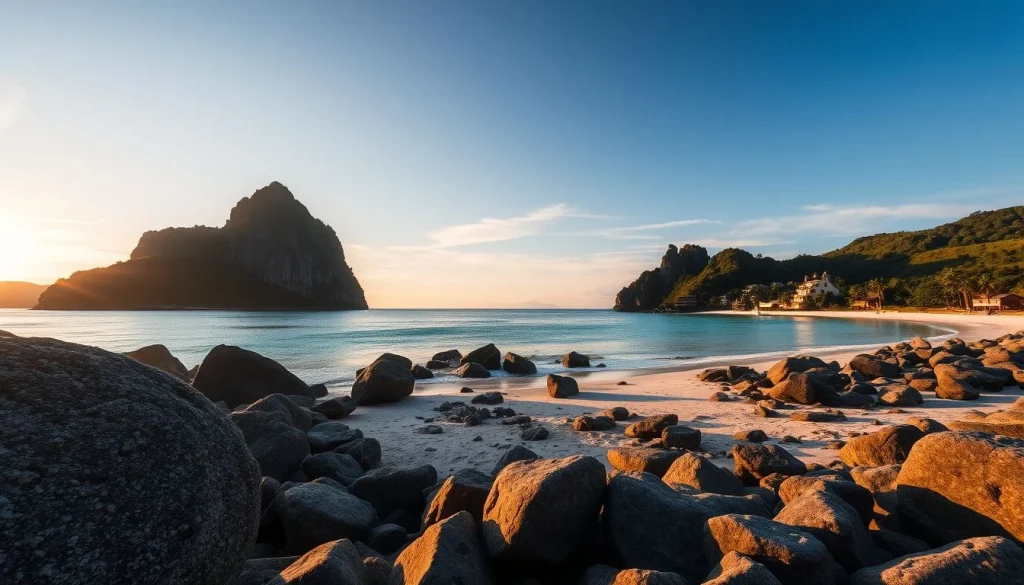
Standout reason: Nacpan is a four-kilometre stretch of sand north of El Nido, giving backpackers room to walk and decompress after the town’s more concentrated activity.
Best for: Travellers who want a spacious beach day while keeping El Nido’s accommodation and social scene as their base. It is also a good compromise for a flexible route: stay in town, then make Nacpan a day trip rather than shifting luggage to a remote shore.
Practical details: The beach is approximately 30–45 minutes from El Nido town by tricycle or van, subject to current local transport conditions, according to Love Philippines. Confirm the return ride before setting out, and follow local swimming advice rather than assuming a calm-looking shore is always safe. November–May is the usual planning window, not a weather guarantee.
White Beach, Boracay, Philippines
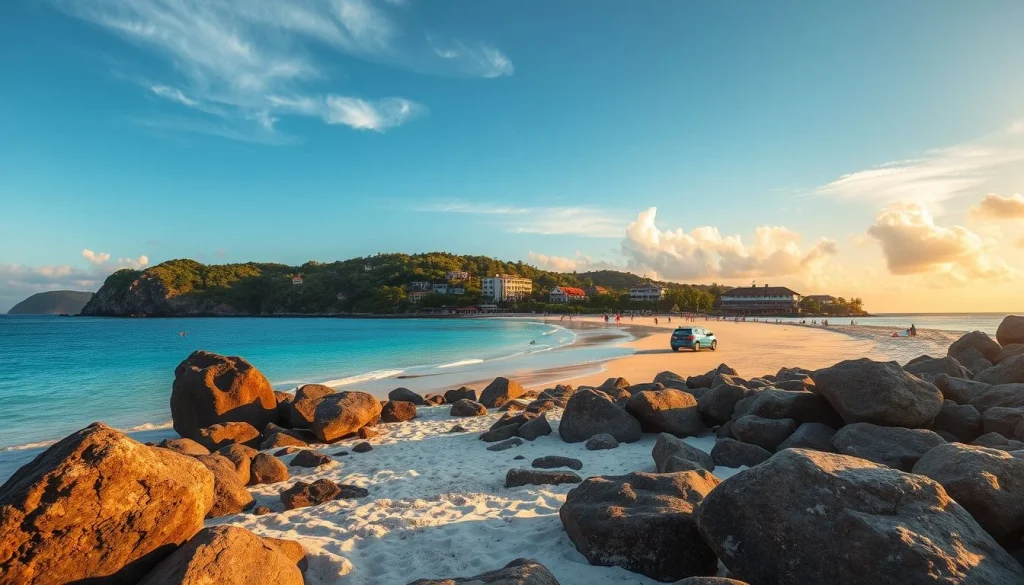
Standout reason: White Beach combines an approximately three-kilometre strip of powdery sand with the most convenient service infrastructure on this list: social accommodation, cafés and a compact visitor corridor.
Best for: First-time island backpackers who prioritise meeting people, easy logistics and a lively base over remoteness. It suits a few social nights particularly well, but it is less appropriate if your ideal beach is quiet, undeveloped or far from organised tourism.
Practical details: Do not plan it as an unrestricted party beach. Boracay underwent environmental closure and rehabilitation in 2018, and environmental and beach-use rules remain relevant; check the current requirements with Love the Philippines and the official Aklan provincial site. November–May is the typical planning window, with live conditions and local rules worth checking before booking.
Long Beach, Phu Quoc, Vietnam
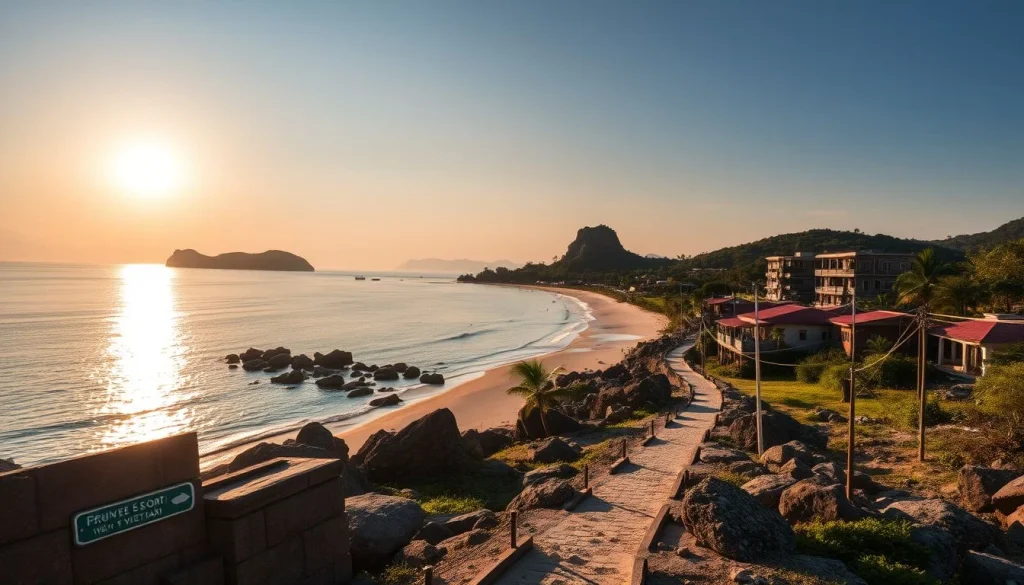
Standout reason: Long Beach is a practical longer-stay base rather than a single viewpoint: the western coastline faces the sunset and is lined with accommodation, shops and cafés.
Best for: Backpackers who need to slow down, catch up on laundry and build a few unstructured days into a Vietnam route. It offers more everyday services than a remote island beach, making it easier to manage a flexible booking or replace a cancelled plan.
Practical details: Use Long Beach as an island base and check current ferry or flight options before fixing the rest of your itinerary. The typical dry-season planning window is November–April, according to the supplied destination research; weather can still affect sea travel. For a quieter stay, compare accommodation away from the busiest sections rather than assuming the whole western shore feels the same.
Gili Islands, Lombok, Indonesia
Standout reason: The three main Gilis let you choose the atmosphere without changing island group: Gili Trawangan for a strong backpacker and hostel scene, Gili Air for a quieter base, and Gili Meno for a more subdued snorkelling and diving stop.
Best for: Travellers who want to snorkel from an island base and meet other backpackers, but still have the option of moving to a calmer island. The Gilis are vehicle-free; bicycles and cidomos are used locally, while fast boats connect them with Bali or Lombok, according to Indonesia Travel.
Practical details: April–October is the usual planning window in the supplied research. Boat schedules, crossings and conditions change, so verify the current operator details and allow flexibility around transfers. For the easiest social landing choose Trawangan; for snorkelling with less nightlife pressure, compare Air or Meno.
Perhentian Islands, Malaysia
Standout reason: The Perhentians are among the most useful Southeast Asia beach destinations for budget snorkelling and diving, with the choice between Perhentian Kecil and Perhentian Besar.
Best for: Choose Kecil if meeting other backpackers and a more social base matter most; Besar is the better comparison for a quieter stay. Both suit travellers who want to organise snorkelling or diving rather than simply spend a day on the sand.
Practical details: Reach the islands via Kuala Besut and check current boat operations before travelling. Tourism Malaysia generally places the workable season around April–October, while rougher conditions can limit access outside it. Follow operator briefings, local signs and marine guidance in the water; no snorkelling site should be treated as automatically safe.
Koh Lipe, Satun, Thailand
Standout reason: Koh Lipe is a compact, snorkelling-focused island base with a backpacker-friendly main area and access to the Satun island region.
Best for: Travellers who want a small-island stop with beaches, boat excursions and a straightforward social base, especially when crossing southern Thailand or continuing towards Malaysia.
Practical details: Plan around Pak Bara pier, the principal gateway for Koh Lipe and the Satun islands. The Tourism Authority of Thailand warns that monsoon conditions can make boat travel around Koh Lipe and Satun dangerous from May–October. For that reason, November–April is the more practical planning window; check marine-park notices, current sailings and operator safety advice immediately before departure.
At a glance: compare the beach stops
There is no single winner for every backpacker route. The useful comparison is how each stop fits your transport, season and preferred beach day: a scenic detour, a social base, a snorkelling island or a longer stay. Seasonal windows below are planning guidelines, not guarantees; check current weather, ferry operations and any marine-park or environmental notices before leaving.
| Destination | Country | Best trip role | Social level | Water focus | Route ease without flying | Planning season | Main caution | Ideal stay |
|---|---|---|---|---|---|---|---|---|
| Railay Beach | Thailand | Scenic detour | Mixed | Swimming | Medium | November–April | Boat access only | Short stop |
| Kelingking Beach | Indonesia | Viewpoint | Mixed | Viewpoint | High | Check locally | Steep descent and currents | Short stop |
| Nacpan Beach | Philippines | Long beach day | Quiet | Swimming | Medium | November–May | Transfer from El Nido | One to two nights |
| White Beach | Philippines | Social base | Social | Swimming | Medium | November–May | Environmental rules | Several nights |
| Long Beach | Vietnam | Longer island stay | Mixed | Sunset | Medium | November–April | Check transport links | Several nights |
| Gili Islands | Indonesia | Snorkelling base | Social to quiet | Snorkelling | Medium | April–October | Vehicle-free islands | Several nights |
| Perhentian Islands | Malaysia | Budget snorkelling | Mixed | Snorkelling | Medium | April–October | Rough-season access | Several nights |
| Koh Lipe | Thailand | Compact island base | Social | Snorkelling | High | November–April | Monsoon boat conditions | Several nights |
The route ratings are practical judgements, not timetable guarantees. Exact ferry schedules, fares and operator availability were not verified in the supplied research, so confirm them with current operators before booking.
How to choose by traveller type, route and budget
Choose by travel style
For an overland-first route, choose Railay Beach. It adds a short boat detour from the Ao Nang or Krabi area rather than requiring a separate island-hopping plan, and rewards the effort with limestone cliffs, compact beaches and climbing interest. It suits travellers who want a memorable scenery stop without committing to a long island stay.
Make Kelingking Beach a photography-led stop, not your default swimming beach. The cliff viewpoint on Nusa Penida is the main draw; the descent is steep, and strong currents can make conditions hazardous. Check current signage and local guidance before considering the beach itself.
For space and a quieter contrast to a busy base, pick Nacpan Beach outside El Nido. Its four-kilometre shore works well for walking and a slow afternoon, while the journey of roughly 30–45 minutes by tricycle or van makes it a practical day or overnight complement to El Nido town. Choose White Beach, Boracay instead if you want a compact corridor with social accommodation, nightlife and easy tourist services; it is not an unrestricted party beach, and the island’s environmental rules remain important after its 2018 rehabilitation. See the guidance from Love the Philippines and Aklan’s provincial government before booking.
Match the social scene to your stay
Solo travellers looking to meet people should start with Gili Trawangan, which has the strongest backpacker and hostel scene among the Gilis. For the same island setting with a quieter snorkelling base, choose Gili Air or Gili Meno. The vehicle-free islands are reached by fast boat from Bali or Lombok, so leave room in the itinerary for delayed crossings rather than scheduling an immediate onward connection.
Perhentian Kecil is the more natural choice for budget-oriented social snorkelling; Perhentian Besar suits travellers who prefer a calmer base. The islands are promoted for snorkelling, diving and budget accommodation by Tourism Malaysia, but access and operations can narrow in rough conditions. For a compact snorkelling stop on a Thailand route, choose Koh Lipe and plan around Pak Bara pier; the Tourism Authority of Thailand warns that boat travel in the Koh Lipe and Satun area may be dangerous during the May–October monsoon period.
Compare the real cost
There is no responsible single answer to “the cheapest” beach: current dorm prices and authoritative daily budgets were not verified. Compare ferry or flight access, dorm availability, food and laundry options, paid snorkelling trips, transfer frequency and how many nights you can stay. Keep bookings flexible and add buffer days around boats; a cheaper bed can lose its advantage if a missed crossing forces an unplanned night or flight.
When to go: match the coast to the season
June, July, August and December are broad peak travel months, but they are not universally good beach months. Southeast Asia’s coastlines follow different seasonal patterns, so choose the beach around the weather window rather than assuming an island itinerary will work year-round.
For the Andaman coast, Railay and Koh Lipe are generally most practical from November to April. The Tourism Authority of Thailand warns that monsoon conditions can make boat travel around Koh Lipe and Satun dangerous from May to October; check its current destination guidance and operator updates before committing to the crossing. Koh Lipe departures commonly involve Pak Bara pier, so rough seas can affect the whole plan, not just the final boat.
On the Philippine side, Nacpan Beach and Boracay generally suit November to May. Phu Quoc’s Long Beach has a typical November–April dry window, while the Gili Islands and the Perhentians are usually better planned for roughly April–October. The Perhentians’ tourism guidance notes that rougher conditions can limit access outside that period; treat these windows as planning guides, not guarantees.
Rain, wind, sea conditions and local closures can change quickly. Before leaving for an island, check the local forecast, marine-park notices and the latest ferry or speedboat update. Keep at least a little flexibility around a crossing, particularly during shoulder months and monsoon periods, and confirm whether your accommodation is operating before travelling far offshore.
Getting there and staying functional on the route
Build the route around transport gateways rather than drawing straight lines between beaches. Railay has no direct road access, so use a longtail boat from the Ao Nang or Krabi area and allow flexibility for sea conditions. The Tourism Authority of Thailand is the place to check current boat guidance and local notices.
From El Nido, Nacpan is a practical day or overnight detour: the 4-kilometre beach is about 30–45 minutes from town by tricycle or van, subject to current local conditions. For the Gili Islands, check fast-boat options from Bali or Lombok; the islands are vehicle-free, with bicycles and cidomos used locally, according to Indonesia Travel.
Plan the Perhentians through Kuala Besut, and Koh Lipe through Pak Bara pier. Exact timetables, fares and operator availability were not verified in the supplied research, so confirm them directly before committing to a crossing. The Tourism Authority of Thailand warns that monsoon conditions can make boat travel around Koh Lipe and Satun dangerous from May to October.
For Boracay, organise the journey around the Caticlan/Aklan gateway and check current island entry procedures and environmental rules with Love the Philippines and Aklan’s official site. Phu Quoc’s Long Beach can be reached using current ferry or flight options, but routes and schedules need checking before departure.
Keep offline maps, a small dry bag and a compact laundry system accessible on transfer days. Buy a local SIM or eSIM only after checking network coverage, activation requirements and island availability. Use licensed operators, listen to the boat safety briefing and leave a buffer day before any flight; weather-sensitive crossings are a poor place to build a tight itinerary.
Budget, hostels, laundry and island basics
Beach costs rise fastest on famous or compact islands, where ferry transfers, limited dorm inventory, organised snorkelling and peak-season demand all stack up. Treat Railay, White Beach and the Gili Islands as places to compare carefully rather than assume they are cheap; quieter bases can cost less day to day but offer fewer choices.
For meeting people and keeping errands simple, Gili Trawangan has a strong hostel scene, while White Beach and El Nido offer a broad mix of accommodation, food and tour services. Gili Air and the quieter Perhentian areas suit a slower stay, but may mean fewer laundry options and less choice when weather delays a transfer. Indonesia Travel describes the Gili Islands as vehicle-free, with bicycles and cidomos used locally.
Reserve the first night ahead during peak periods, then keep later nights flexible. Check cash access before leaving the mainland, carry a reusable bottle, and allow extra time for laundry turnaround and charging on smaller islands. Keep offline copies of bookings and transport confirmations.
Editor’s note: current hostel prices, daily budgets and SIM or eSIM availability were not verified for this guide. Check dated booking-platform listings, accommodation pages and the relevant mobile-network provider before committing; the Lonely Planet Southeast Asia guide is useful for broad route context, not live prices.
Conclusion: choose the beach that fits your route
Turn the shortlist into a route decision, not a beauty contest. Choose Railay or Nacpan for a scenic detour, Gili Trawangan or White Beach for social energy, the Gili or Perhentian Islands for snorkelling, and Long Beach for a longer stay with more services.
Pick one primary beach and one backup on the same coast, keeping both within your likely weather window. Before paying for anything non-refundable, check the latest forecast, ferry operations, local safety notices and environmental rules. A cancellable hostel in your chosen base gives you room to adjust; verify the ferry or transfer only once conditions and schedules are clear.
Frequently asked questions
Can I combine several of these beaches on one Southeast Asia trip?
Yes, but build the itinerary around seasons and transport rather than trying to collect every stop. Railay, Nacpan, Boracay and Long Beach generally fit November–April or November–May planning windows, while the Gili and Perhentian islands generally suit April–October. Exact ferry timetables, fares and operator availability were not verified, so check current operators and marine or weather notices before committing to island connections, as advised by Tourism Authority of Thailand and the relevant tourism authorities.
Which Gili island is best for a first-time backpacker?
Gili Trawangan is the clearest choice if you want a strong backpacker and hostel scene, making it the most straightforward base for a first visit. Gili Air is better if you prefer quieter snorkelling and a less social atmosphere; Gili Meno is another quieter alternative. Indonesia Travel notes that the islands are vehicle-free, with bicycles and cidomos used locally, and that fast boats connect the Gilis with Bali or Lombok.
Is the walk down to Kelingking Beach worth doing?
Treat the descent as an optional adventure, not as the main reason to visit. The viewpoint is Kelingking’s principal attraction, while the route down is steep and the beach can have strong currents, according to Visit Penida. For many backpackers, the viewpoint provides the practical stop; anyone considering the descent should check current local signage and conditions, then follow local guidance rather than assuming the water is suitable for swimming.
What should I pack for island-hopping and beach hostels?
The supplied research does not verify a destination-wide packing list, so avoid treating one as suitable for every island. Plan around the transport you have booked: the Gilis are vehicle-free, with bicycles and cidomos used locally, while Railay requires a boat because it has no direct road access. Keep plans flexible and confirm current boat conditions, baggage arrangements and local requirements with the operator and accommodation before departure.
How can I stay connected when moving between Southeast Asian islands?
SIM and eSIM coverage, activation requirements and availability were not verified for these destinations, and they can change by country and island. Check the current information from the relevant mobile-network provider before leaving the mainland, and confirm coverage for each island rather than assuming a mainland plan will work offshore. Also download essential booking and route information before ferry departures, since exact schedules and operators require current verification.
How do I meet other travellers without choosing the busiest beach?
Choose a quieter base with a clear activity focus, then verify the current accommodation scene before booking. In the Gili group, Gili Trawangan has the strongest backpacker and hostel presence, while Gili Air offers quieter snorkelling; this makes Air the better compromise if you want a calmer setting. The Perhentian Islands also offer budget-oriented accommodation and snorkelling and diving, but meeting opportunities depend on current hostel operations.