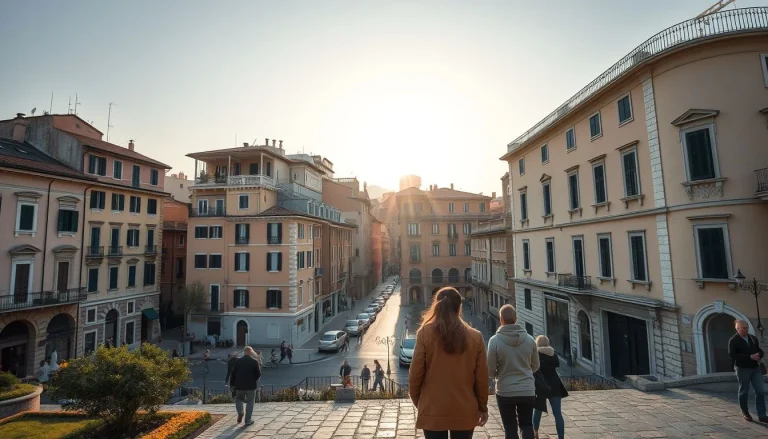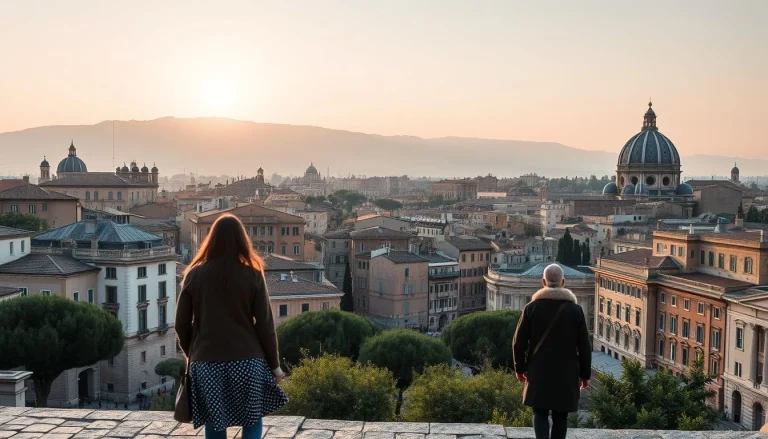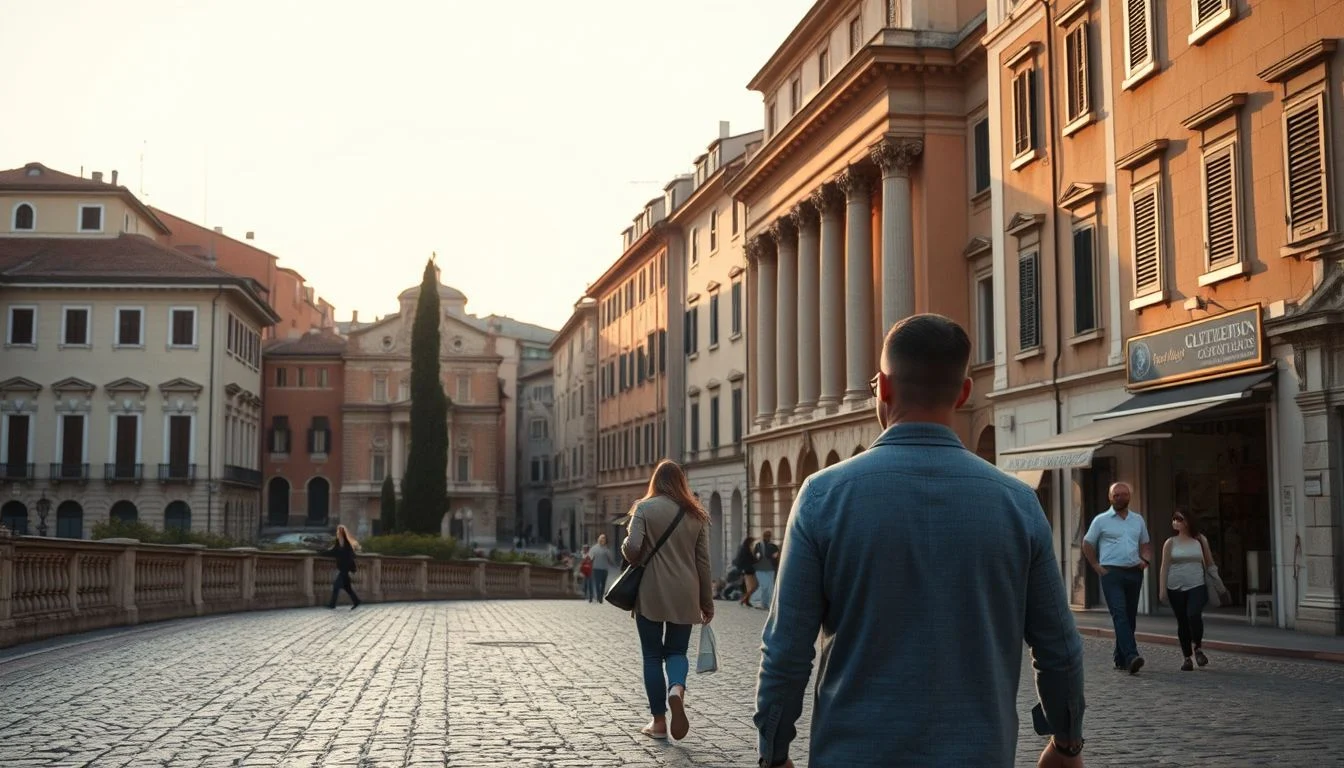
The Colosseum, Roman Forum and Palatine Hill form one archaeological visit, linked by a combined ticket and best approached as a substantial block of time. Nearby, Capitoline Hill adds another layer of ancient Rome, while the historic centre shifts from imperial ruins to the Pantheon, Trevi Fountain and Spanish Steps within a walkable sequence.
This guide to the best things to do in Rome is for first-time visitors who want the essential sights without turning every day into a queue or a cross-city transfer. It helps you decide which Rome attractions deserve advance booking, which experiences combine naturally, and where to leave space for art, food, slower neighbourhood time and simple Rome travel tips.
Plan around three anchors: the Colosseum area, the Vatican Museums and a historic-centre walking loop. Spring and autumn generally offer a more comfortable balance than July and August, but venue calendars, transport notices and ticket conditions can change, so confirm live details before travelling.
Quick answer: For a first visit, prioritise the Colosseum, Roman Forum and Palatine Hill; the Vatican Museums and Sistine Chapel; and a walk through Piazza Navona, the Pantheon, Trevi Fountain and the Spanish Steps. Add Galleria Borghese for art, Trastevere for food and wine, and St Peter’s Basilica if time allows. Book the Colosseum, Vatican Museums and Galleria Borghese in advance, then connect nearby sights on foot and use public transport for longer journeys.
Quick overview: the right Rome experiences for your travel style
Quick overview: the right Rome experiences for your travel style
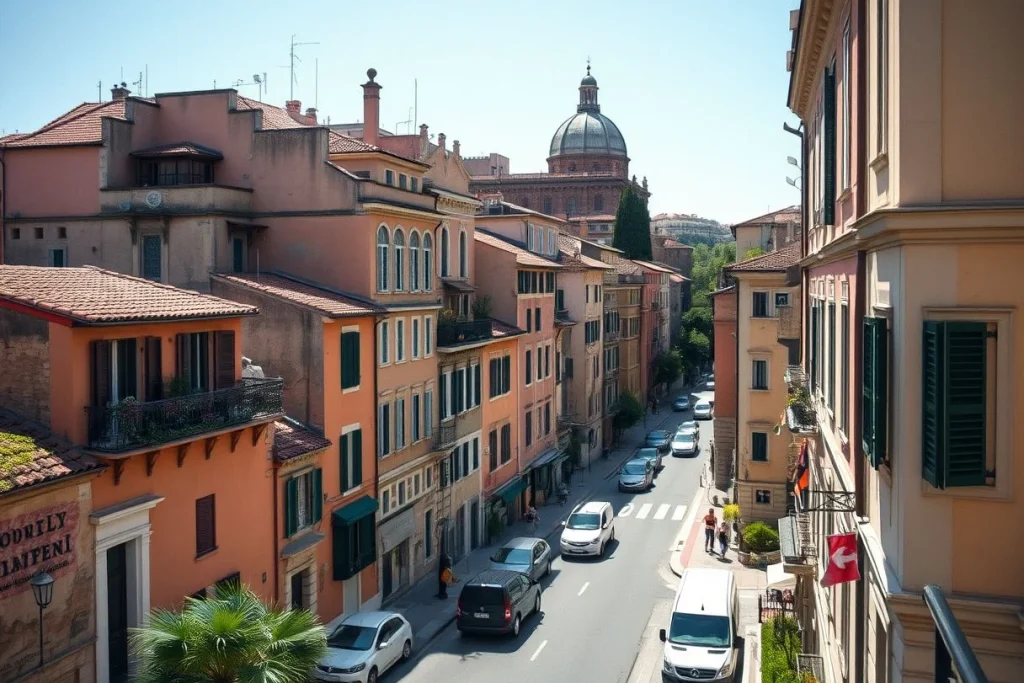
Planning Rome becomes simpler with two or three fixed points and room between them for streets, cafés and unexpected piazzas. This shortlist focuses on experiences rather than an attempt to cover every attraction.
| Traveller type | Prioritise | Why it works |
|---|---|---|
| First-time essentials | Colosseum area; Vatican Museums | These are Rome’s defining ancient and Renaissance sights, and each works best as a separate half-day anchor. |
| Art lovers | Galleria Borghese; Vatican collections | A focused visit centred on Bernini and Caravaggio gives the larger Vatican route a useful counterpoint. |
| Walkers | Piazza Navona, Pantheon, Trevi Fountain and Spanish Steps | This historic-centre route stays flexible and doesn’t depend on a museum timetable. |
| Food-focused travellers | Trastevere | Trastevere fits an evening meal, a wine bar or a guided food walk after a day of sightseeing. |
| Families and slower travellers | Villa Borghese and central piazzas | Green space and shorter stretches on foot create a useful pause between monuments. |
Timed museums should come first when the visit is short. Build the rest around them.
A manageable first trip has one fixed plan each day, followed by an open stretch for wandering, gelato or a long lunch.
The best things to do in Rome: 8 first-visit experiences
Rome’s headline sights are worth prioritising, but they work best as distinct experiences rather than a race between addresses. Plan one substantial archaeological visit, one timed museum and one open-ended walk or meal each day. This shortlist covers the essential Rome attractions while leaving room for the city’s slower pleasures.
Colosseum, Roman Forum and Palatine Hill
What it is and why it is worth the time: The Colosseum’s arena leads into the connected archaeological landscape of the Roman Forum and Palatine Hill, making this Rome’s essential ancient-history visit. Together, the sites show how public spectacle, government and imperial life occupied the same centre of the ancient city.
Practical details and cost: Visits use timed entry, and the combined ticket covers the archaeological areas, although exact ticket conditions can vary. The Parco Archeologico del Colosseo published an adult standard combined-ticket price of €18 in November 2024. Recheck the current price and ticket rules on the official Colosseum ticket page before buying.
Who it suits and tip: First-time visitors, families with older children and anyone interested in ancient Rome will find plenty here. Pair it with Capitoline Hill rather than crossing the city immediately afterwards, and arrive for the allocated slot. Advance booking is the practical default.
Vatican Museums and the Sistine Chapel
What it is and why it is worth the time: Major Renaissance works and the Sistine Chapel make the Vatican Museums the priority for visitors drawn to art, religious history or monumental interiors. This is a concentrated museum visit, not a stop to squeeze between other sights.
Practical details and cost: Book a dated, timed visit through the Vatican Museums’ official ticket page, where you can check current tariffs, concessions and entry conditions. Access to the museums and Sistine Chapel is separate from access and security procedures for St Peter’s Basilica. One booking doesn’t cover both.
Who it suits and tip: Art-focused travellers should give the museums priority. Families may prefer a shorter plan with a break afterwards. Add St Peter’s Square and the Basilica only if the day’s security and access arrangements leave enough time.
Galleria Borghese and Villa Borghese
What it is and why it is worth the time: Galleria Borghese is a focused art stop rather than an all-day museum, with particularly strong reasons to visit for Bernini and Caravaggio. Outside, the Villa Borghese gardens provide an immediate change of pace, balancing the indoor collection.
Practical details and cost: Open Tuesday to Sunday, the gallery limits visitor numbers and requires a timed reservation. Confirm current hours and ticket conditions on the official visit page. No current tariff is given here, so check that page rather than relying on an old guidebook.
Who it suits and tip: Choose this for high-quality art in a manageable format, or for a slower afternoon after busier monuments. Pair the gallery with Villa Borghese and the nearby Spanish Steps, arriving before the reserved time instead of fitting in a distant sight first.
Historic-centre walking loop
What it is and why it is worth the time: Link Piazza Navona, the Pantheon, Trevi Fountain and the Spanish Steps in one flexible route through central Rome. The changing scale—from a broad piazza to a crowded fountain and grand staircase—offers a useful first orientation without a formal tour or museum ticket.
Practical details and cost: This route is largely self-guided, so the main investment is walking time rather than an admission fee. Progress slows around the busiest landmarks, with pauses for coffee or a meal adding to the pace; check current access notices for individual monuments.
Who it suits and tip: Budget travellers and visitors who want to learn Rome on foot should make this their first choice. Begin with Piazza Navona and the Pantheon, then continue towards Trevi Fountain and the Spanish Steps. In hot weather, start early or walk later in the day.
Trastevere food and wine evening
What it is and why it is worth the time: Trastevere works best as an evening neighbourhood rather than another checklist of monuments. Choose a guided food walk, an independent enoteca visit or an unhurried dinner, and use the change of setting to experience Rome after a day of timed entries and major museums.
Practical details and cost: A guided food walk provides structure and local context; going independently gives you more control over pace and spending. The brief provides no reliable current prices for tours or restaurants, so check the provider or venue directly. Book only the most popular restaurants or organised walks in advance.
Who it suits and tip: Travellers who plan around food, couples and groups wanting a sociable finish to a sightseeing day will find the neighbourhood a natural fit. Pair it with a Vatican day if you can cross the river without rushing, but leave enough space for a late meal instead of adding another timed attraction.
St Peter’s Basilica and St Peter’s Square
What it is and why it is worth the time: The Basilica and the great space of St Peter’s Square form a natural continuation of a Vatican visit, but they aren’t simply another room inside the Vatican Museums. Their scale, ceremony and architectural setting make them worthwhile even for visitors less interested in museum collections.
Practical details and cost: Basilica access and security are separate from the Vatican Museums. Check current entry arrangements, queues and any special calendar notices before setting your schedule. Visitors to St Peter’s Basilica and many churches should cover shoulders and knees; consult the relevant venue’s current dress guidance.
Who it suits and tip: First-time visitors, architecture enthusiasts and travellers interested in religious art should consider adding it. Combine the Basilica with the Vatican Museums only when your timed entry and energy allow. Otherwise, make the square the shorter part of a Vatican-area day.
Capitoline Hill and nearby central viewpoints
What it is and why it is worth the time: Capitoline Hill adds political and civic context to the ancient city, while its elevated position helps explain Rome’s layered centre. It’s a compact follow-on after the Colosseum, Roman Forum and Palatine Hill, not a separate cross-city expedition.
Practical details and cost: Before entering any museum or viewpoint, check its current opening information and admission arrangements; no current tariff is specified here. The area works best as a short continuation of the archaeological district, with time to pause and look back across the ruins.
Who it suits and tip: Choose Capitoline Hill if the ancient city has captured your attention or you want more context without another large museum. Pair it with the Colosseum area on the same day, and confirm transport notices before relying on Metro Line C, where infrastructure works can cause temporary changes.
A park-and-piazza slow day
What it is and why it is worth the time: Build a lighter day around Villa Borghese, a few central squares and short stretches on foot. This isn’t a consolation plan: it gives families, hot-weather travellers and museum-weary visitors room to recover while keeping Rome’s urban character in view.
Practical details and cost: Use the park as the anchor, then choose one nearby piazza or a short return to the historic centre rather than stacking several fixed bookings. Costs depend on any museum, café or meal you add, so check individual venues for current prices and access details.
Who it suits and tip: Families, repeat visitors and anyone who dislikes back-to-back museums will benefit most. Pair Villa Borghese with Galleria Borghese for one timed cultural stop, or keep the day entirely open when summer heat and crowds make a slower rhythm more comfortable.
Planning tips: what to book, when to go and how to combine sights
Book the fixed points first
Build the itinerary around the three experiences least suited to spontaneity: the Colosseum, Roman Forum and Palatine Hill; the Vatican Museums and Sistine Chapel; and Galleria Borghese. Timed entry is the practical default for all three, and visitors should arrive for the allocated slot. Check the Parco Archeologico del Colosseo, Vatican Museums and Galleria Borghese websites for current ticket conditions, entry rules, concessions, opening times and available dates.
Galleria Borghese is particularly capacity-controlled: the official visitor information says it requires timed tickets and limits visitor numbers. Treat it as a short, focused art appointment rather than a museum to squeeze in between other bookings. Leave enough margin for security, finding the entrance and moving across Rome; a late arrival can turn a carefully planned day into a rushed one.
Group sights by neighbourhood
Keep the Colosseum, Roman Forum and Palatine Hill together, then continue towards Capitoline Hill if you still have energy for more ancient-Rome context. Give the Vatican Museums their own block and add St Peter’s Square or St Peter’s Basilica only after checking access arrangements and allowing time for security and church dress requirements.
Pair Galleria Borghese with Villa Borghese, then walk towards the Spanish Steps if your group wants an open-ended afternoon. Reserve the historic-centre loop—Piazza Navona, the Pantheon, Trevi Fountain and the Spanish Steps—for a separate walking block. It is easier to enjoy these streets without a museum appointment pressing on the day. Trastevere works best in the evening, when food and wine are the main purpose rather than an extra sight to tick off.
A simple two- or three-day shape
With two days, make one day the ancient-Rome route and the other the Vatican and historic centre, choosing either Galleria Borghese or Trastevere according to your interests. With three days, give the Borghese gardens and gallery their own slower half-day, and keep one evening free for Trastevere. This is a framework, not a race: the best Rome itinerary leaves room to sit in a piazza or stop for lunch.
Choose the season and recheck the calendar
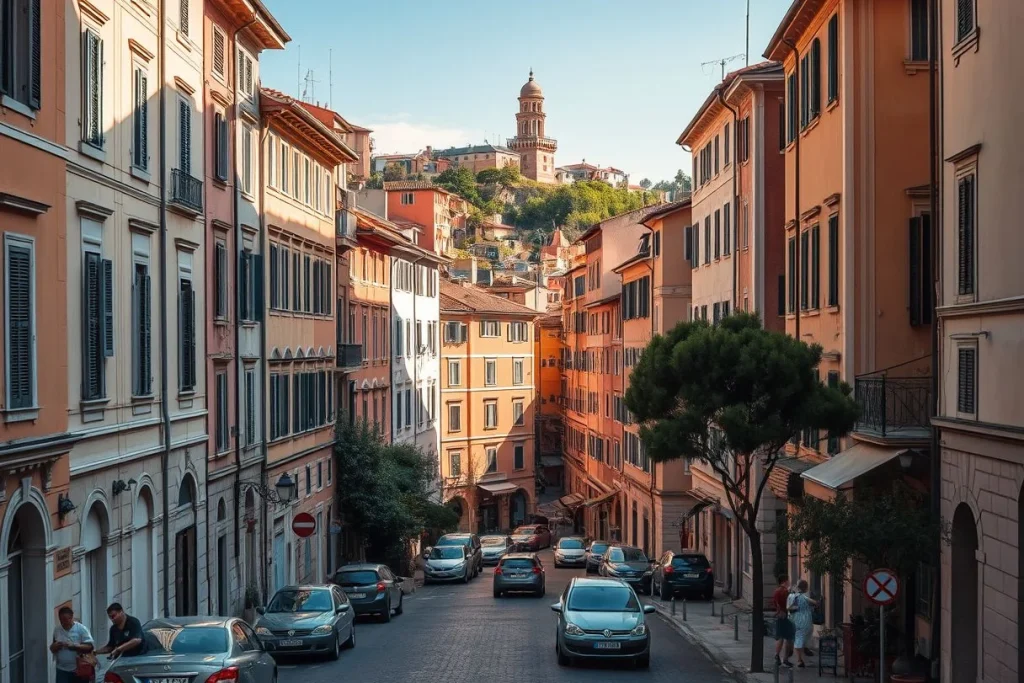
Spring and autumn generally offer a more comfortable balance of weather and crowds than July and August, when outdoor walking is better early in the morning or late afternoon. December can bring holiday closures, papal events and special openings, so check each venue’s calendar rather than relying on a standard weekly pattern.
Immediately before travelling, verify opening times, restoration work, accessibility arrangements and any special event affecting your dates. For accessibility, contact each attraction directly: routes, assistance and mobility access can vary between venues.
Rome arrival basics: airport, money, SIM cards and everyday etiquette
At Fiumicino Airport, choose your arrival transfer around your hotel and luggage. The Leonardo Express is the direct Trenitalia train to Roma Termini; check the current timetable and fare before travelling. An official taxi from the airport rank is more practical with heavy bags, a late arrival or accommodation away from Termini. Rome publishes regulated taxi tariffs and fixed fares for some airport journeys, so use the rank rather than an unsolicited driver, and check the current arrangements through Roma Mobilità.
Carry a small amount of euros for minor purchases, use a card where accepted, and keep a second payment method separately from your wallet. Arrange an eSIM or SIM from a reputable provider before departure or through an established retailer, then download your accommodation details and offline maps while you have Wi-Fi. This gives you a backup if airport connectivity is slow or your mobile plan does not roam reliably.
For buses, trams and the Metro, read the current ATAC instructions before buying: the network offers 100-minute BIT tickets and ROMA24, ROMA48 and ROMA72H passes, with digital purchase and validation options. Activate or validate a ticket as required; do not assume a phone purchase is automatically valid.
Pack clothing that covers shoulders and knees for St Peter’s Basilica and many churches, and check each venue’s current guidance. Keep voices low inside religious buildings, even when sightseeing, and carry a light layer that can be added before entering.
Getting around Rome: when to walk, take the Metro or use a taxi
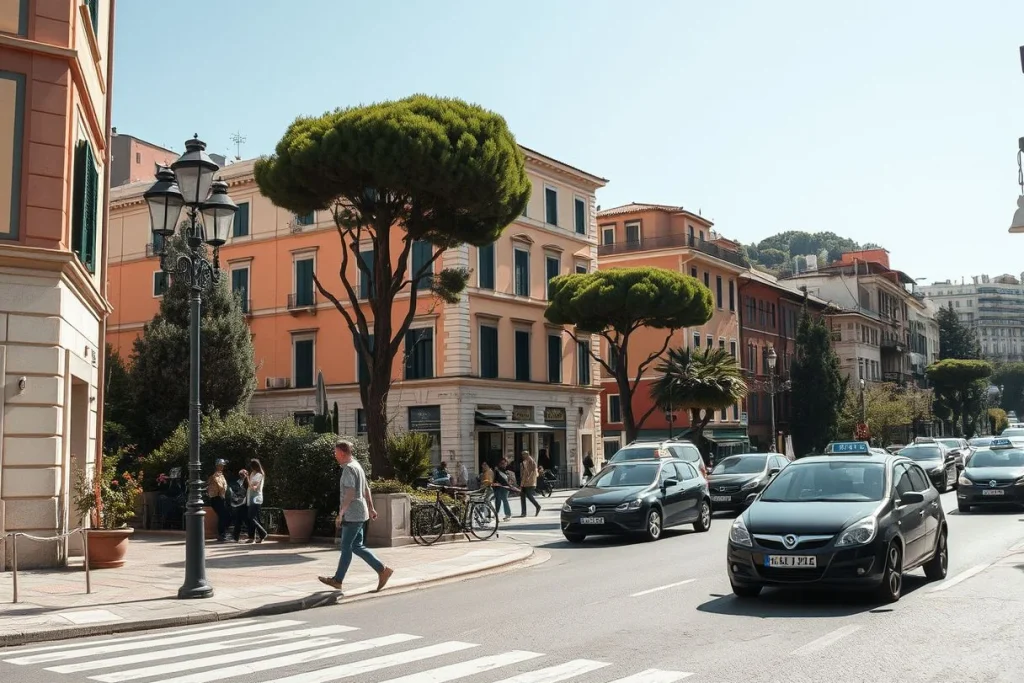
Rome is easiest when you combine short walks with a few strategic rides. The historic centre, including Piazza Navona, the Pantheon, Trevi Fountain and the Spanish Steps, is best explored on foot; walking also lets you connect nearby churches, cafés and small piazzas without repeatedly descending into the Metro.
| Option | Best for | Trade-off |
|---|---|---|
| Walking | Historic-centre sights and nearby landmarks | Slower across the city; uneven surfaces can be tiring |
| Metro | Longer cross-city journeys | Limited coverage in the oldest centre; works can alter service |
| Bus or tram | Areas beyond the Metro network | Traffic can make journey times unpredictable |
| Official taxi | Door-to-door travel with luggage or mobility needs | Traffic affects journey time; use official ranks |
ATAC runs Rome’s public-transport network. Its ticket range includes the 100-minute BIT ticket and ROMA24, ROMA48 and ROMA72H passes. Compare the number of journeys you expect to make before choosing; check the ATAC ticket page for current fares, purchase rules and whether a digital ticket needs activation or validation for your travel date.
Use public transport to save time between the Vatican area and the Colosseum, or to reach neighbourhoods farther from the centre. Metro Line C and other infrastructure works may cause temporary changes, so check ATAC service notices before relying on a particular connection.
From Fiumicino Airport, the Leonardo Express is the direct Trenitalia train to Roma Termini. Check the current Trenitalia timetable and fare before departure. For a taxi, go to an official rank, confirm the destination before leaving and allow extra time for traffic; Rome publishes regulated tariffs and fixed fares for some airport journeys.
Travellers using wheelchairs, pushchairs or walking aids should check each attraction and route directly. Lifts, assistance arrangements, cobbled surfaces and access between platforms vary, even when two sights appear close on the map.
Rome travel tips: crowds, pickpockets, heat and comfort
Rome is easiest when you treat safety and comfort as part of the day’s plan, not an afterthought. Official advice from travel.state.gov warns of pickpocketing and organised theft at major attractions and on public transport, particularly where people are packed together.
- Carry less. Keep your phone and wallet in a zipped cross-body bag, not a back pocket, and avoid displaying valuables while checking directions.
- Stay alert when boarding. Crowded Metro entrances, queues and train doors are moments to hold your bag in front of you and keep one hand on its zip.
- Ignore distraction approaches. If someone presses for your attention, creates confusion or crowds your personal space, step aside without engaging and check your belongings.
- Build in buffers. Timed entries at the Colosseum, Vatican Museums and Galleria Borghese mean that a delayed bus or slow queue can disrupt the day; do not schedule them back-to-back across town.
- Walk early or late in hot weather. Rome’s summers are hot and dry; in July and August, reserve long outdoor stretches for cooler hours and take regular breaks.
- Pack the basics. Comfortable shoes, water and sun protection matter on cobbles and archaeological ground. Crowds, papal events and special openings can alter the atmosphere, so check venue notices before setting out.
Conclusion: book the anchors, then leave room for Rome
For a first Rome trip, reserve the Colosseum, Roman Forum and Palatine Hill, then choose one second timed anchor: the Vatican Museums and Sistine Chapel for Renaissance art, or Galleria Borghese for a shorter, focused collection of Bernini and Caravaggio. Protect one unscheduled block for a historic-centre walk, a meal in Trastevere or a slower afternoon in Villa Borghese.
Build the first draft around neighbourhoods rather than an exhausting checklist: pair ancient Rome with Capitoline Hill, and the Vatican Museums with St Peter’s Square and Basilica if access and energy allow. Immediately before departure, check the official venue calendars and ticket conditions, ATAC service notices and Trenitalia information. Then book accommodation and timed entry around those fixed points, leaving Rome’s best unscripted moments room to happen.
Frequently asked questions
How many days should a first-time visitor spend in Rome?
There is no single correct length, but allow enough time for the Colosseum, Roman Forum and Palatine Hill; the Vatican Museums and Sistine Chapel; and a walk through the historic centre. Add Galleria Borghese, Trastevere or St Peter’s Basilica if your schedule allows. Build around timed entries rather than trying to fit every attraction into one day, and check official calendars before fixing your itinerary.
Can I visit the Colosseum and Vatican Museums on the same day?
It is possible to plan both, but it creates a demanding day. The Colosseum uses timed entry, while the Vatican Museums publish date-specific entry conditions, so you would need carefully spaced reservations and time for travel between the two areas. The Colosseum, Roman Forum and Palatine Hill work naturally as one substantial visit; pairing them with the Vatican Museums on another day is usually easier.
Is Rome’s historic centre manageable without using public transport?
Yes, the main historic-centre route is well suited to walking: connect Piazza Navona, the Pantheon, Trevi Fountain and the Spanish Steps as a flexible, largely self-guided outing. Walking also lets you pause in nearby piazzas rather than planning around transport. Use public transport when you are moving between separate areas, carrying luggage or trying to protect your energy in summer heat.
What is the easiest way to reach central Rome after landing at Fiumicino?
The Leonardo Express is the direct Trenitalia train between Fiumicino Airport and Roma Termini. Check the current timetable and fare on Trenitalia before travelling, as these are changeable details. An official taxi is another option: Rome publishes regulated taxi tariffs and fixed fares for some airport journeys, so use the official taxi rank rather than accepting an unsolicited ride.
What should I carry and wear when visiting Rome’s churches?
Wear clothing that covers your shoulders and knees when visiting St Peter’s Basilica and many other churches; check the relevant venue’s current dress guidance before setting out. Carry only what you need and keep valuables secure, particularly around major attractions and on public transport. Official travel advisories warn of pickpocketing and organised theft in Italy, so a closed bag kept in front of you is a sensible precaution.
How can I enjoy Rome’s food scene without booking an expensive formal tour?
Use Trastevere as an easy evening base: choose an unhurried dinner, visit an enoteca or arrange a simple guided food walk rather than committing to a full-day programme. It pairs well with a day of monuments and gives you time to explore at your own pace. For a more budget-conscious plan, make the neighbourhood your destination and decide between one meal, several small stops or wine by the glass.