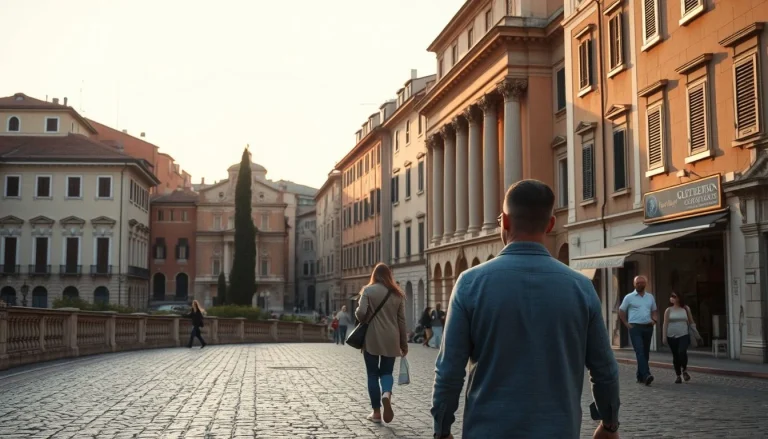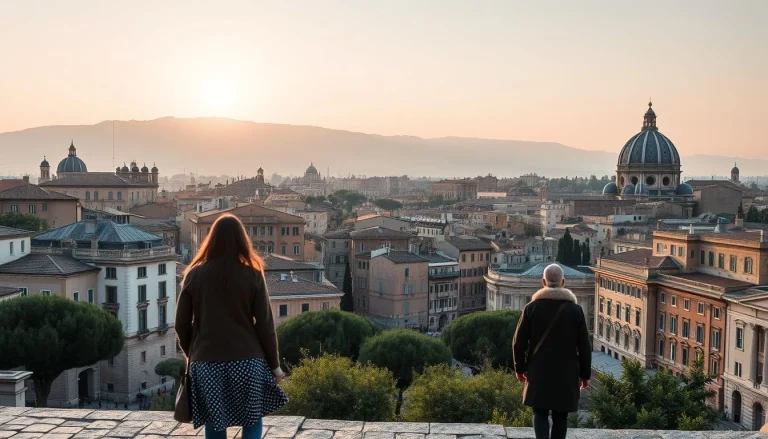
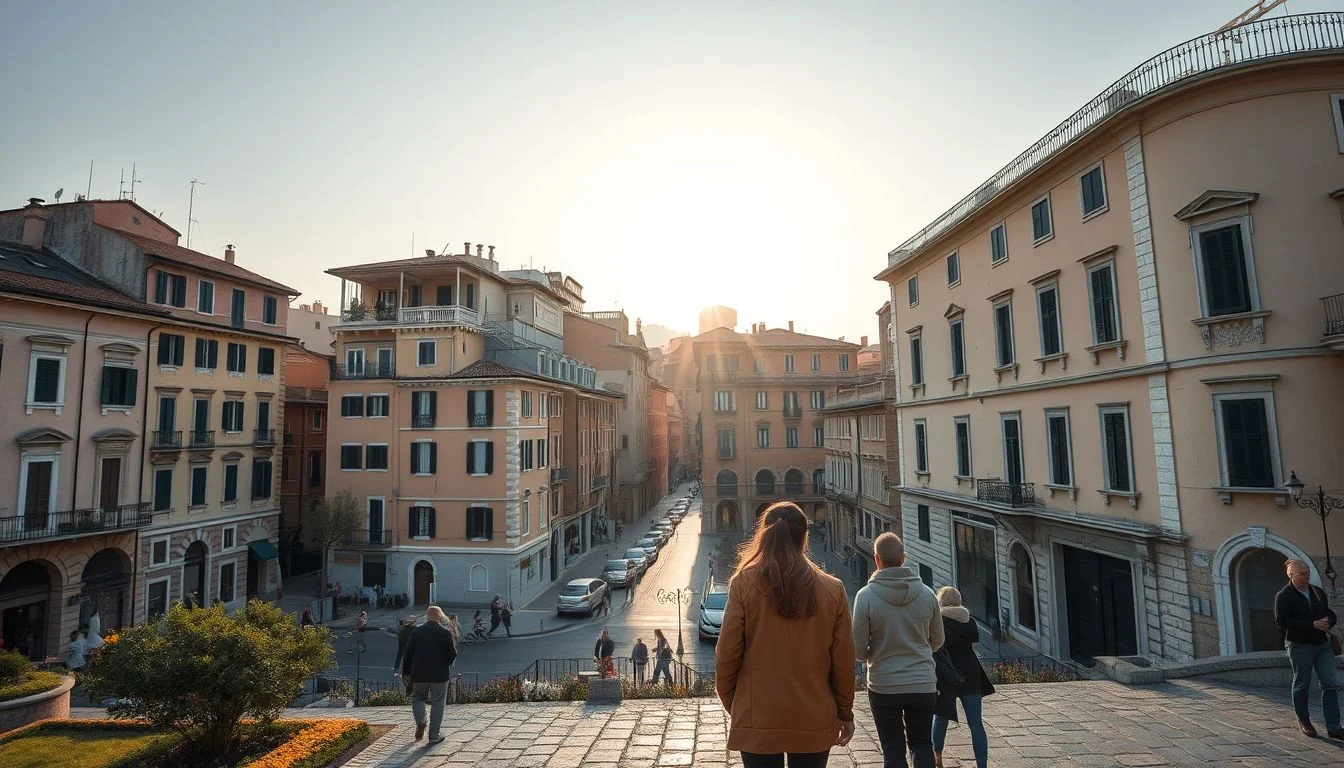
At Rome’s Colosseum, the ancient arena stands beside the layered remains of the Roman Forum and Palatine Hill, making one stop a concentrated introduction to the city’s history. Elsewhere, Renaissance art fills the Vatican Museums, while the Pantheon, Piazza Navona, Trevi Fountain and Spanish Steps form a walkable route through the Centro Storico.
This guide to the best things to do in Rome is for first-time visitors planning roughly three or four full days, whether you are travelling as a couple, with family, alone or for the food. It separates the headline Rome attractions from lower-pressure choices, explains which timed entries to book, and shows how to combine sights without crossing the city repeatedly. Expect uneven cobbles, hot summer afternoons and busy tourist hubs; early starts and a little advance planning make a noticeable difference.
Quick answer: Prioritise the Colosseum, Roman Forum and Palatine Hill; the Vatican Museums, Sistine Chapel and St Peter’s Basilica; and a Centro Storico walk linking the Pantheon, Piazza Navona, Trevi Fountain and Spanish Steps. Allow three or four full days, book major timed-entry attractions ahead, and consider April–June or September–October for a better balance of weather and crowds.
Quick overview: Rome’s best experiences by traveller type
For a first Rome trip, choose one major sight and one lower-pressure area each day. This guide favours a manageable mix of headline Rome attractions and time to walk, eat and look around, rather than racing through every museum.
| Traveller | Best first choices | Why it works |
|---|---|---|
| History lovers | Colosseum, Roman Forum and Palatine Hill; Capitoline Hill | Ancient sites with strong context and Forum views |
| Art lovers | Vatican Museums; Galleria Borghese | Michelangelo, Renaissance collections, Bernini and Caravaggio |
| Families | Colosseum area; Villa Borghese | A headline attraction balanced with park space |
| Couples | Centro Storico; Trastevere and Gianicolo | Easy evening walks, viewpoints and unhurried meals |
| Solo travellers | Centro Storico; a museum or small-group walking tour | Simple routes with plenty of flexible stops |
| Food-focused visitors | Trastevere; Centro Storico | Neighbourhood wandering can lead naturally into dinner |
With three full days, prioritise the first three rows; on a fourth day, add Villa Borghese, Trastevere or Tivoli. The following experiences explain how to combine them without turning Rome sightseeing into a queue-to-queue itinerary.
The best things to do in Rome: 7 first-timer experiences
1. Colosseum, Roman Forum and Palatine Hill
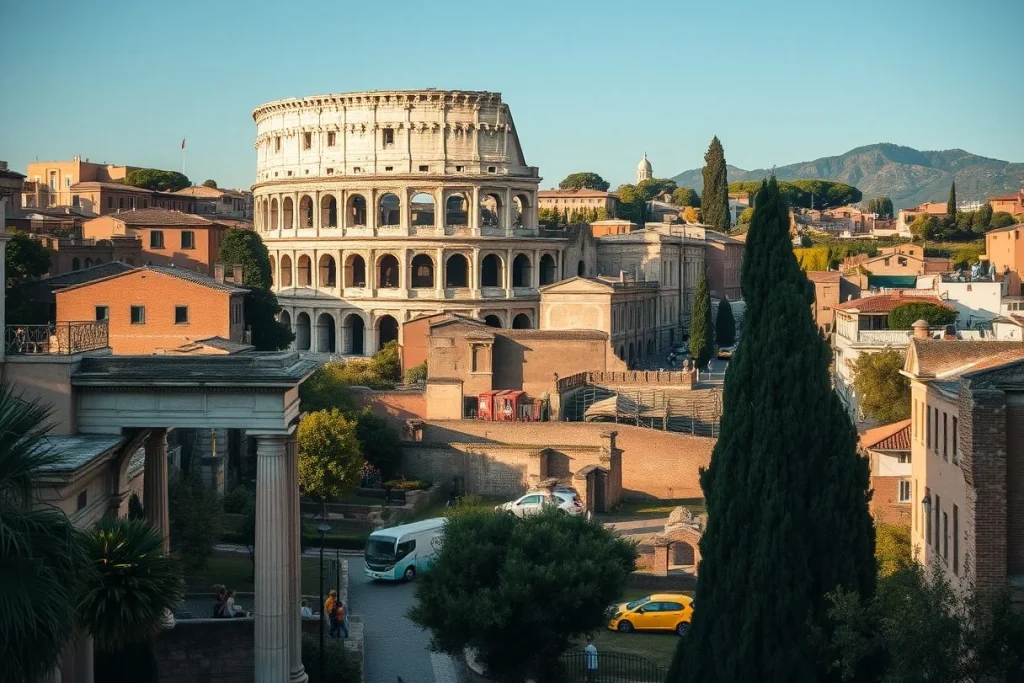
Rome’s essential archaeological ensemble offers the clearest introduction to ancient Roman power, public life and architecture. The Parco Archeologico del Colosseo brings the Colosseum together with the Roman Forum and Palatine Hill, so allow at least half a day rather than treating the amphitheatre as a quick photo stop.
First-time visitors, history lovers and families with older children will find plenty here, although archaeological surfaces, steps and uneven ground can make the route tiring. Standard major-attraction admission is approximately €15–€30; guided tours and special-access options cost more, and you’ll need to check live prices before booking.
Entry is timed. Start with the official Parco Archeologico del Colosseo ticket guidance, then choose an early slot in hot months, when shade is limited. Wear supportive shoes, carry water and check current accessibility information if anyone in your party has mobility needs.
2. Vatican Museums, Sistine Chapel and St Peter’s Basilica
Renaissance art, Michelangelo and the religious heritage of Vatican City are the focus here. The Vatican Museums lead towards the Sistine Chapel, while St Peter’s Basilica is a separate part of the visit rather than an automatic extension of museum admission; check the current arrangements for each before you go.
Reserve a timed museum entry through the official Vatican Museums information and ticketing route. The museum calendar includes closure information, and entry conditions can change. Allow several hours, particularly if you want to see the galleries without rushing.
Art lovers and first-time visitors who want one major cultural morning are well suited to this plan. At St Peter’s Basilica and some churches, shoulders and knees should be covered, so check the current rules before travelling. Standard major-attraction admission is approximately €15–€30, with guided options priced higher.
3. Walk the Centro Storico
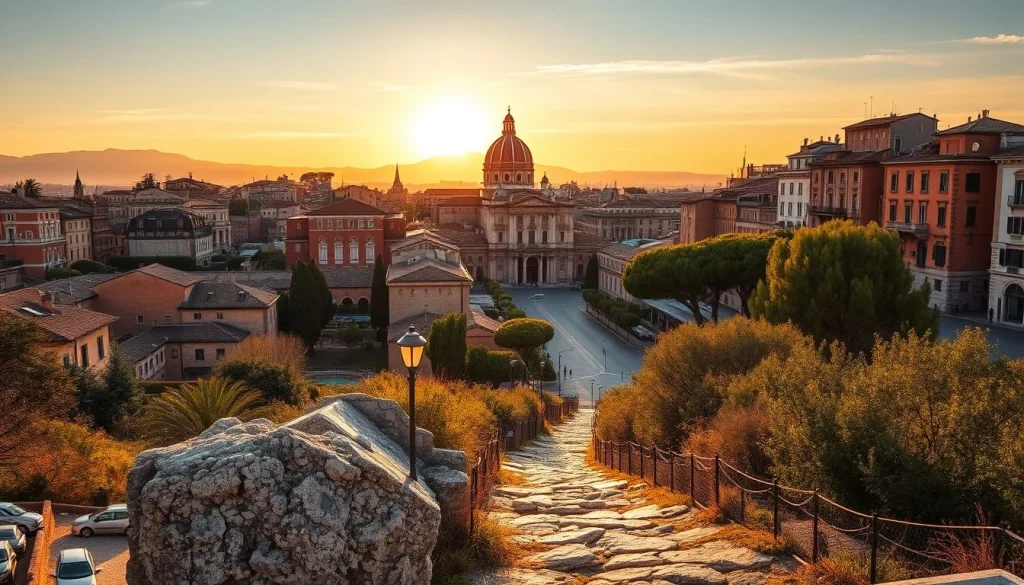
Classic Rome requires the least planning when you walk through the Centro Storico, linking the Pantheon, Piazza Navona, Trevi Fountain and the Spanish Steps. These Rome attractions sit within a broadly walkable sightseeing area, making this a flexible outdoor route rather than a fixed tour with a single entry time.
Half a day works at an unhurried pace, though you’ll want longer if coffee, gelato or lunch is part of the plan. Couples, families who need flexible pauses and solo travellers can all set their own rhythm here. The route also works in the evening, when crowded squares require extra care with phones and wallets.
No single attraction ticket is needed for the walk itself, but check live information if you plan to enter the Pantheon or another monument. Cobblestones can be uncomfortable with unsuitable footwear, while summer afternoons are exposed; an early start or later visit is more pleasant. Keep the route loose rather than trying to attach too many timed museums to it.
4. Galleria Borghese and Villa Borghese
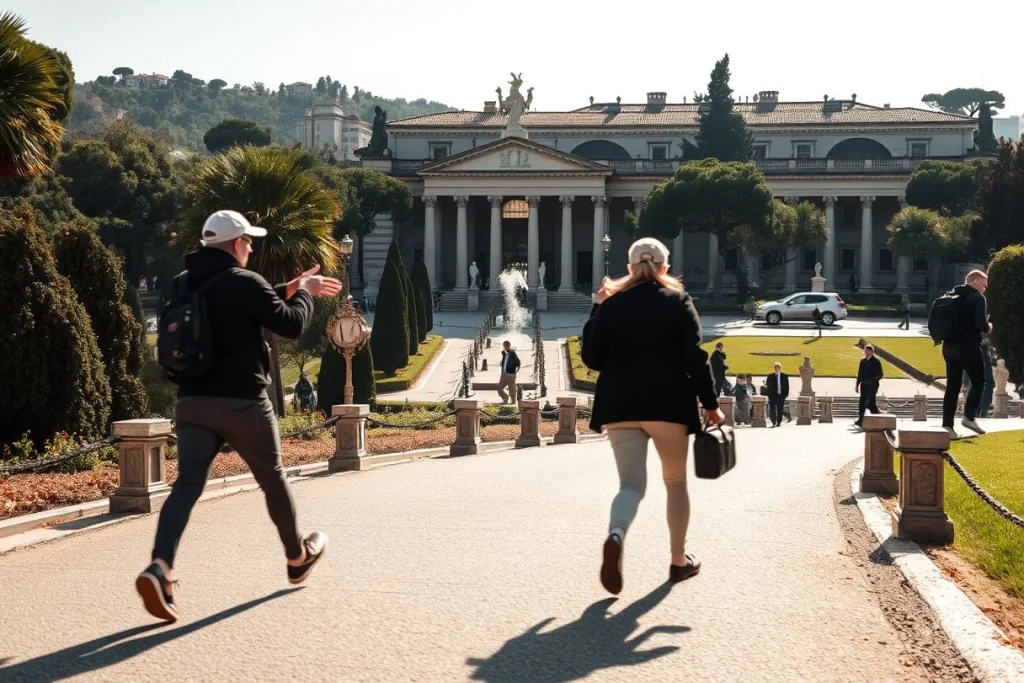
A visit to the Galleria Borghese pairs a concentrated collection of sculpture and painting with a slower spell in Villa Borghese. The contrast is useful: focus on art first, then take to the park paths, have a picnic or enjoy a gentle cycle instead of moving straight on to another indoor attraction.
Galleria Borghese has limited, timed entry, and advance reservation is essential under its visitor regulations. Allow roughly half a day for the museum and park, with the museum visit built around its assigned time. Standard major-attraction admission is approximately €15–€30; confirm the current amount and reservation conditions on the official venue information.
Art lovers, couples and families who need outdoor breathing space will find this a particularly good choice. It’s less suitable if your priority is only ancient Rome or if you dislike planning around a fixed entry. Check accessibility details in advance, since the museum and park present different surfaces and layouts.
5. Trastevere and Gianicolo
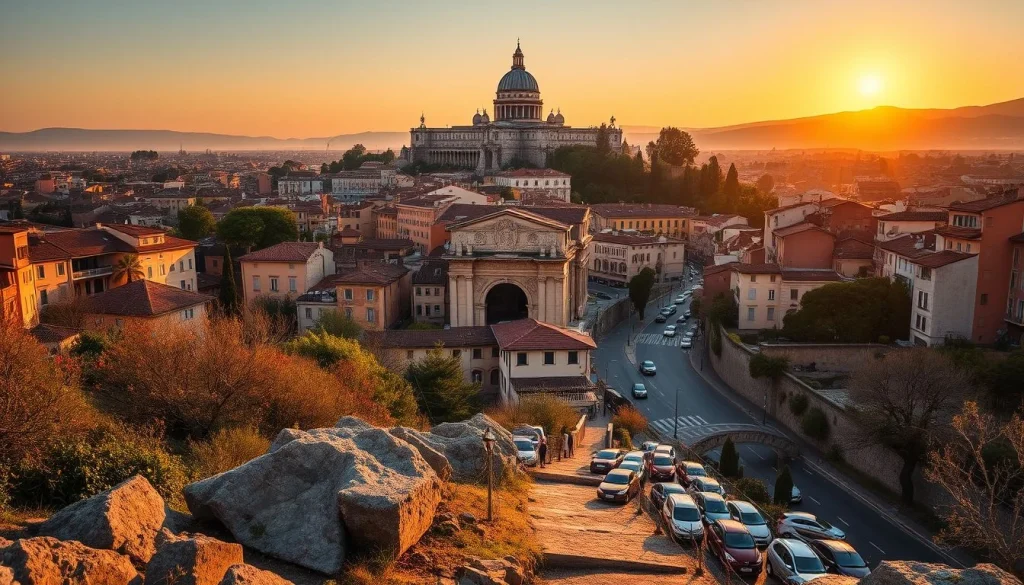
Trastevere and Gianicolo fit best into an evening when you want Rome beyond its headline monuments. Trastevere offers cobbled streets and trattoria dining, while Gianicolo adds a panoramic viewpoint and a change of pace above the neighbourhood.
Allow an evening, with enough time to wander before dinner rather than arriving at a restaurant with no margin. Food-focused visitors, couples and solo travellers who enjoy neighbourhood atmosphere more than another museum will suit this pairing. It’s also a useful low-pressure choice after a demanding archaeological or Vatican day.
Menus and prices vary, so read the menu carefully and confirm what you’re ordering before sitting down, especially around heavily visited streets. Wear shoes suited to cobbles, keep valuables secure in crowded lanes and check local transport or event information if you plan to return late.
6. Capitoline Hill and Capitoline Museums
Classical collections and one of Rome’s most useful viewpoints towards the Roman Forum come together on Capitoline Hill. The Capitoline Museums make this a compact, history-focused visit and a strong complement to the Colosseum area rather than a competing full-day plan.
Allow several hours, then continue towards the Forum if your energy and ticket arrangements allow. This suits visitors who want Roman sculpture and civic history in a manageable museum setting, as well as travellers looking for a more structured alternative to another long outdoor walk. Standard major-attraction admission is approximately €15–€30; check the live museum ticket page for current prices.
Plan the hill and museums with the Colosseum district on the same day only if your timed entries leave room for breaks. The archaeological viewpoints and surrounding streets can involve steps or uneven surfaces, so comfortable footwear matters. In July and August, use the museum as a cooler pause and avoid packing every outdoor sight into the hottest part of the day.
7. Tivoli: Villa d’Este and Hadrian’s Villa
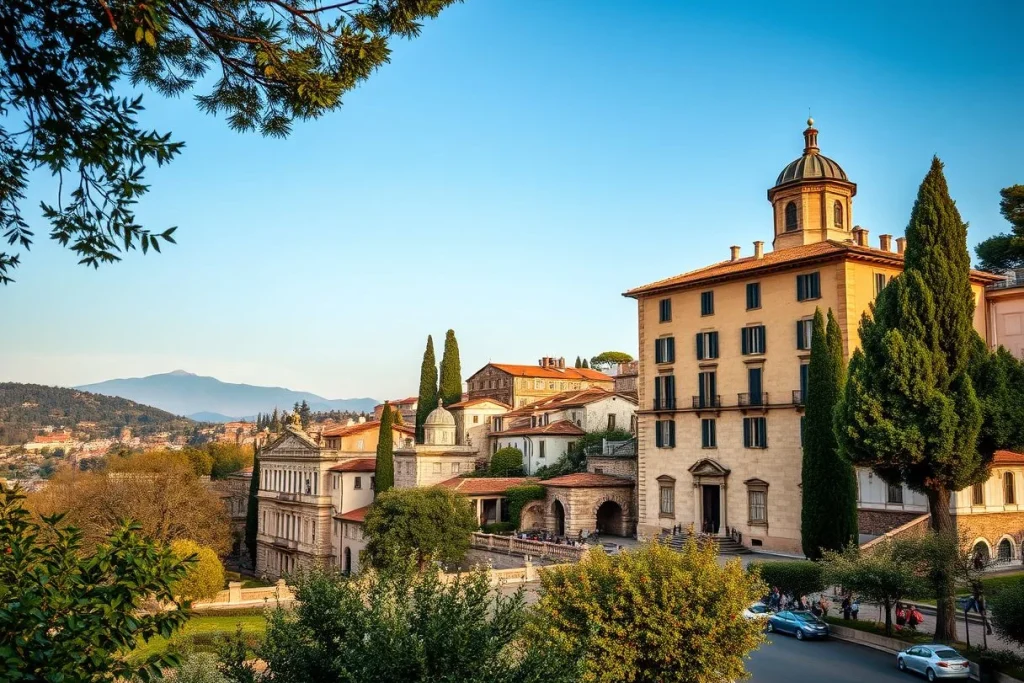
For a four-day Rome itinerary, Tivoli is the optional day trip: Villa d’Este provides fountains and gardens, while Hadrian’s Villa brings Roman landscapes and remains. After several days among Rome’s dense central streets, the outing gives you a different sense of the region.
Set aside a full day, including the journey and time at both sites. Tivoli suits repeat-style planners within a first trip, garden lovers and travellers happy to trade another city sight for more space. It’s not the best choice on a three-day visit if you haven’t yet seen the Colosseum, Vatican Museums or Centro Storico.
Check seasonal opening information, transport details and current admission arrangements before committing to the day. Bring water and footwear with reliable grip: gardens, archaeological areas and outdoor paths can be more demanding than a central Rome museum. Build the outing around the two villas rather than adding a crowded evening plan back in the city.
Planning tips: bookings, timing and smart combinations
Book the fixed-entry sights first
Start with the Colosseum, Roman Forum and Palatine Hill, then secure the Vatican Museums and Galleria Borghese. The Colosseum archaeological park has updated on-site ticketing arrangements and promotes the official MyColosseum visitor tool; check the Parco Archeologico del Colosseo ticket and opening information before choosing a time. Vatican Museums use timed entry, with tickets directed through the official Vatican Museums information.
Galleria Borghese is the least flexible of the three: entry is limited and timed, and advance reservation is essential according to its visitor regulations. Recheck opening hours, closure dates, timed-entry rules and any special events on the official pages around 7–14 days before departure, then again shortly before setting out. This matters particularly in June, July, August and December, when a missed slot can be difficult to replace.
Combine by area, not by wish list
Make the Colosseum, Forum and Palatine the core of one history-focused day, adding Capitoline Hill and the Capitoline Museums only if your group still has energy. The Vatican Museums, Sistine Chapel and St Peter’s Basilica work naturally with lunch or a quieter wander in Prati; check current clothing rules, since shoulders and knees may need to be covered in St Peter’s and some churches.
Use the Centro Storico for a flexible half-day: walk from the Pantheon to Piazza Navona, then towards the Trevi Fountain and Spanish Steps, leaving room for an evening meal. Pair Galleria Borghese with Villa Borghese rather than another museum. Trastevere and Gianicolo make a sensible evening combination, but inspect menus and prices before ordering.
A workable three- or four-day Rome itinerary
With four full days, plan day one around the ancient city and Capitoline Hill, day two for the Vatican and Prati, day three for the Centro Storico, and day four for Galleria Borghese, Villa Borghese, Trastevere or Gianicolo. In three days, keep the Colosseum area, Vatican City and Centro Storico as your anchors; add Borghese or Trastevere only by removing another major stop.
Begin early in the hottest months, carry water and build in shade and seated breaks. Families, older travellers and anyone unused to Rome’s uneven archaeological surfaces will enjoy the itinerary more if each day contains one substantial sight rather than several timed admissions.
When to visit Rome: weather, crowds and seasonal trade-offs
For the most comfortable balance of weather and sightseeing conditions, choose April to June or September to October. Rome’s Mediterranean climate brings milder conditions outside summer, while these shoulder-season months generally make long walks and outdoor ruins easier to manage than the hottest part of the year.
June, July and August can be hot and busy. Start the Colosseum or Roman Forum early, keep the middle of the day for a museum, long lunch or hotel break, and carry water and sun protection. Summer is workable, but a tightly packed Rome itinerary becomes tiring quickly, particularly on uneven archaeological surfaces.
December adds festive atmosphere, but special events can affect crowds, transport and access. Some venues may also close or alter their schedules. Before fixing your Rome sightseeing times, check the Vatican Museums calendar, the Colosseum park’s official timetable, and current notices for feast days, transport disruption and seasonal closures.
Arriving in Rome and choosing a convenient base
At Fiumicino Airport, follow the official signs for rail services or taxis and ignore unsolicited approaches in the arrivals area. The Leonardo Express is a non-stop train to Roma Termini; check current schedules with Trenitalia before travelling. It suits light luggage and accommodation near Termini, while a pre-booked transfer can be more convenient for heavy bags, late arrivals, families or a destination away from the station. Confirm the meeting instructions and cancellation terms before paying.
For the most walkable first visit, choose the Centro Storico: the Pantheon, Piazza Navona, Trevi Fountain and Spanish Steps are grouped within a practical sightseeing area. Prati is convenient for the Vatican and has a more residential feel; Monti gives you a characterful central base close to ancient Rome. Esquilino is useful when transport connections matter more than atmosphere. None is universally right: match the neighbourhood to your main sights and how much luggage you want to move.
Keep your arrival simple: save the accommodation’s full address offline, download an offline map, and check passport and entry requirements with your government or the relevant Italian embassy. Store emergency contacts from official sources, and confirm your airport route shortly before departure. A screenshot of the booking address is useful if your phone loses signal.
Getting around Rome: walking, metro, buses and airport trains
Rome’s Centro Storico is best explored on foot. The Pantheon, Piazza Navona, Trevi Fountain and Spanish Steps sit within a walkable sightseeing area, and walking lets you pause in churches, cafés and small piazzas rather than doubling back to a station. Allow extra time: cobbles, archaeological surfaces and summer heat make even short routes more demanding than the map suggests.
Use the metro for longer connections between the Colosseum area, Roma Termini and the Vatican area, while buses reach places the metro does not. Buses can be useful for outer districts, but traffic makes them slower and vehicles may be crowded. On public transport, keep phones and wallets secure, especially around Termini, busy bus routes and metro stations; pickpocketing is a practical risk in crowded tourist hubs.
For occasional journeys, ATAC’s BIT ticket costs €1.50 and is valid for 100 minutes from first validation, subject to the network’s rules. Buy from an authorised outlet or machine and validate it correctly before travelling; check the ATAC tickets and passes page for the current instructions. ATAC also offers ROMA 24H, 48H and 72H tickets, but compare the pass with individual tickets against your actual route rather than assuming it saves money.
From Fiumicino Airport, the Leonardo Express is a non-stop train to Roma Termini. It is a straightforward choice for travellers staying near Termini or connecting to the metro; check current departure details with Trenitalia before leaving. A taxi or pre-arranged transfer is more practical for a late arrival, heavy luggage or a family managing a tired child, though it trades simplicity for a higher cost.
Travellers with limited mobility should check current accessibility information for every station and attraction before committing to a route. Uneven paving and archaeological ground can affect the final part of a journey even when the transport leg is accessible.
Rome costs, money, SIM cards and everyday etiquette
Rome uses the euro, and a useful planning benchmark is approximately €15–€30 for standard admission to a major attraction. Guided tours, special-access options and timed reservations can cost more, so check each attraction’s official ticket page before paying.
The 72-hour Roma Pass was listed at €62.90 on 6 August 2026, according to RomaPass documentation. Compare its live price, inclusions and conditions with your actual paid attractions and transport use; it is not automatically good value for a short visit.
Arrange an eSIM, physical SIM or roaming package before departure, and keep a second payment method separate from your wallet. At restaurants, read the menu carefully and check whether a cover charge or other service cost applies before ordering.
Dress respectfully for churches: St Peter’s Basilica and some other religious sites require shoulders and knees to be covered, but check current rules before visiting. In crowded areas, keep phones and wallets secure. Common approaches include unsolicited bracelets or petitions, distraction teams and unofficial ticket sellers; decline calmly and buy tickets only through the attraction’s official channels.
Conclusion: build your first Rome day around one major sight
Start with one decision: reserve a major timed experience, preferably the Colosseum or Vatican Museums, for the first full sightseeing day. Build the rest of that day around nearby streets, a relaxed meal and one unbooked stop rather than filling every hour.
For a first visit, allow three or four full days. Choose a walkable base, place a Centro Storico route or neighbourhood evening on a lighter day, and leave space for coffee, fountains, viewpoints and the occasional detour. That flexibility matters in Rome, where the most rewarding moments often sit between the headline sights.
Your next step is simple: choose your dates, check the official ticket page for your first major attraction, then sketch one realistic route around it before arranging the rest.
Frequently asked questions
How many days do I need in Rome for a first visit?
Allow roughly three or four full days for a well-paced first visit. Use one day for the Colosseum, Roman Forum and Palatine Hill, one for the Vatican Museums and St Peter’s Basilica, and one for the Centro Storico. A fourth day gives you room for Galleria Borghese, Trastevere, Capitoline Hill or a slower itinerary. April–June and September–October offer a useful weather-and-crowds compromise, according to MyItalia.
What should I wear to the Vatican and St Peter’s Basilica?
Cover your shoulders and knees when visiting St Peter’s Basilica and check the current rules for other churches before travelling. Choose light, comfortable clothing that meets those requirements, particularly in summer, when Rome can be hot. The Vatican Museums use timed entry, so reserve through the official Vatican ticketing site and check its current visitor information before your visit.
Is Rome safe for solo travellers?
The supplied official information does not provide an overall safety rating for Rome, so check current advice from your government before travelling. Take particular care of belongings in crowded attractions, on buses, on metro routes and around major tourist hubs, where pickpocketing is a known planning concern. Keep your day simple at first: pre-book major sights, use official ticket channels and avoid carrying more valuables than necessary.
What are the best things to do in Rome at night?
A Centro Storico walk works well in the evening: link the Pantheon, Piazza Navona, Trevi Fountain and the Spanish Steps through Rome’s walkable historic centre. For dinner, pair Trastevere’s cobbled streets and trattorias with the panoramic views from Gianicolo. Check menus and prices before ordering, and confirm any event, transport or seasonal changes before fixing a late-night plan.
Can I visit Tivoli as a day trip from Rome?
Yes, Tivoli can work as a day trip if you want gardens, fountains and Roman landscapes beyond the city. Prioritise Villa d’Este and Hadrian’s Villa, but check their current seasonal opening information and transport details before committing. It suits a fourth day better than a short first visit, since the Colosseum, Vatican and historic centre deserve priority on a three-day itinerary.
What can I combine on the same day in Rome?
Pair the Colosseum, Roman Forum and Palatine Hill as one archaeological visit, checking the current rules on the official Parco Archeologico del Colosseo website. Combine the Vatican Museums, Sistine Chapel and St Peter’s Basilica, allowing for timed museum entry and respectful clothing. For an easier outdoor day, walk from the Pantheon to Piazza Navona, Trevi Fountain and the Spanish Steps; add Galleria Borghese to Villa Borghese Gardens, with its limited timed entry reserved in advance.