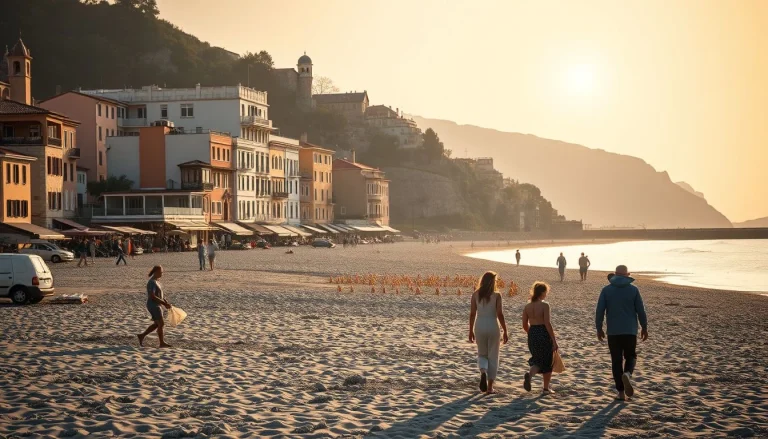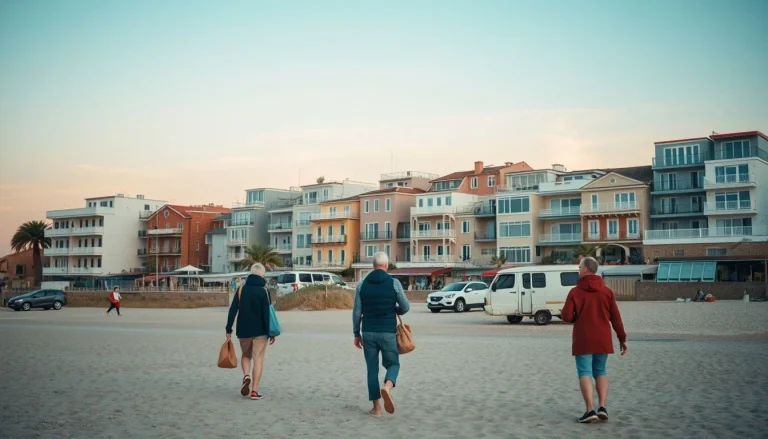
The Mediterranean offers couples sandy beaches, pebble shores and rocky coves, while Caribbean destinations are more often associated with warm water, soft sand and snorkelling. The difference reaches beyond the swim: bases such as Naxos, Paros and Puglia make scenic dinners, walkable evenings and multi-stop trips relatively straightforward, while Barbados, Grenada and St Lucia favour slower resort days and island scenery.
For couples choosing between atmosphere and ease on one side and warm-water downtime on the other, this Caribbean or Mediterranean beach holiday comparison weighs beaches, weather, transport, accommodation, paperwork and total value before matching each region to the kind of couple most likely to enjoy it. Timing matters. May-June and September-October can soften Mediterranean crowds, while November-April is generally the preferred Caribbean window for drier conditions and lower hurricane risk. The official Atlantic hurricane season runs from June 1 to November 30, although storms can occur outside those dates.
Quick answer: The Mediterranean is usually the better fit for couples who want walkable coastal towns, scenic dinners, boutique stays and easy multi-stop travel, especially in May-June or September-October. Choose the Caribbean for warmer-water relaxation, snorkelling and resort downtime, with November-April generally preferred for lower hurricane risk and drier conditions.
At a glance: Caribbean vs Mediterranean beach holidays
The choice is less about which region has the prettier beach than about how you want the days to work. The Mediterranean covers everything from Amalfi’s rocky coves to Naxos’s sandy shores; the Caribbean varies just as widely by island, coast and resort area.
| Decision | Caribbean | Mediterranean |
|---|---|---|
| Beach and swimming | Often warm water, sandy beaches and strong snorkelling or diving options | Sandy, pebble and rocky shores; conditions vary by coast |
| Weather window | November–April generally suits dry, lower-hurricane-risk escapes; the Atlantic season officially runs 1 June–30 November, according to the US National Hurricane Center | May–June and September–October balance warmth and fewer crowds; July and August are the busiest months, according to Eurostat |
| Atmosphere | Resort downtime, island landscapes and sunset beaches | Historic towns, harbour promenades and varied evening bases |
| Walkability and dining | Best in places such as Bridgetown or smaller island capitals; some resorts are self-contained | Usually stronger for walkable dinners, local tavernas and boutique stays |
| Island-hopping | Can mean regional flights or limited ferry services | Ferries, rail, coaches and short-haul flights make multi-stop trips easier |
| Paperwork | Entry rules differ by country or territory | Relevant non-EU visitors must check Schengen rules and current border procedures |
| All-inclusive format | More established, particularly in the Dominican Republic and Jamaica | Available, but independent hotels and apartment stays are more central to the choice |
For couples, the Mediterranean usually offers more shared exploring and spontaneous dinners. Choose the Caribbean when warm-water swimming, predictable resort time and doing less between beach days matter most.
Head-to-head: seven decisions that change the holiday
Beaches and swimming
The Mediterranean is varied rather than uniform: the Amalfi Coast combines small coves and rocky shorelines with dramatic views, while Naxos and Paros offer more conventional beach bases. Santorini is the outlier for couples: its caldera views and sunsets are stronger reasons to visit than a classic wide, sandy swimming beach. By contrast, many Caribbean destinations are associated with sandy beaches, warm water and easy access to snorkelling or diving, although the beach and reef conditions still depend on the island.
Weather and sea temperature
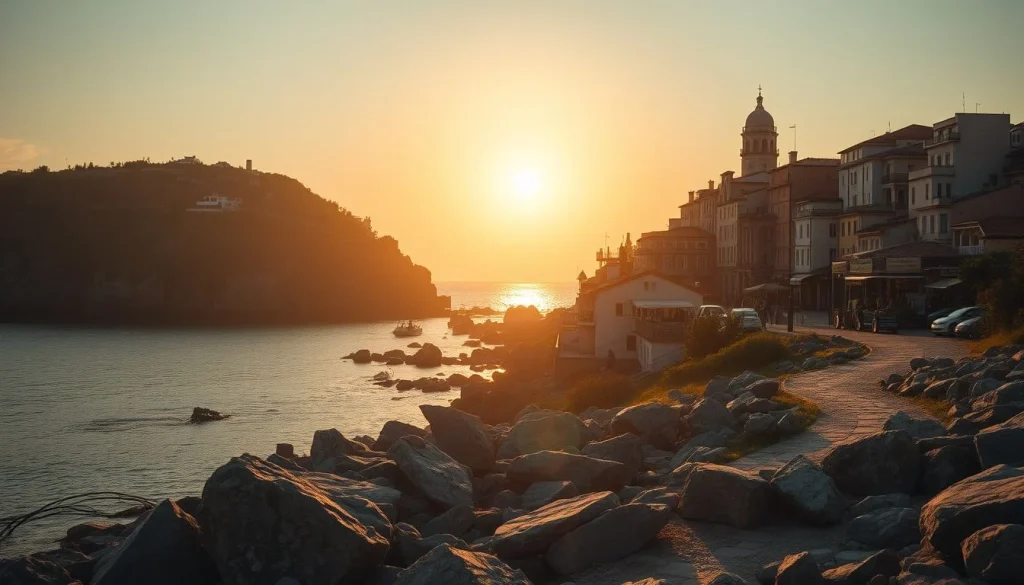
For the most reliably warm-water beach holiday, the Caribbean has the advantage, particularly when the priority is long swims and unhurried days at the resort. The Mediterranean can be excellent for swimming, but conditions vary by coast and season, and its hottest summer months bring a different trade-off: July and August are also the busiest period, with more than one-third of EU tourist nights concentrated in those months, according to Eurostat.
Planning around weather also means understanding risk. The official Atlantic hurricane season runs from 1 June to 30 November, according to the US National Hurricane Center, although tropical storms can occur outside those dates. Check the current forecast and travel advice for the specific island before booking or travelling.
Atmosphere, dining and nightlife
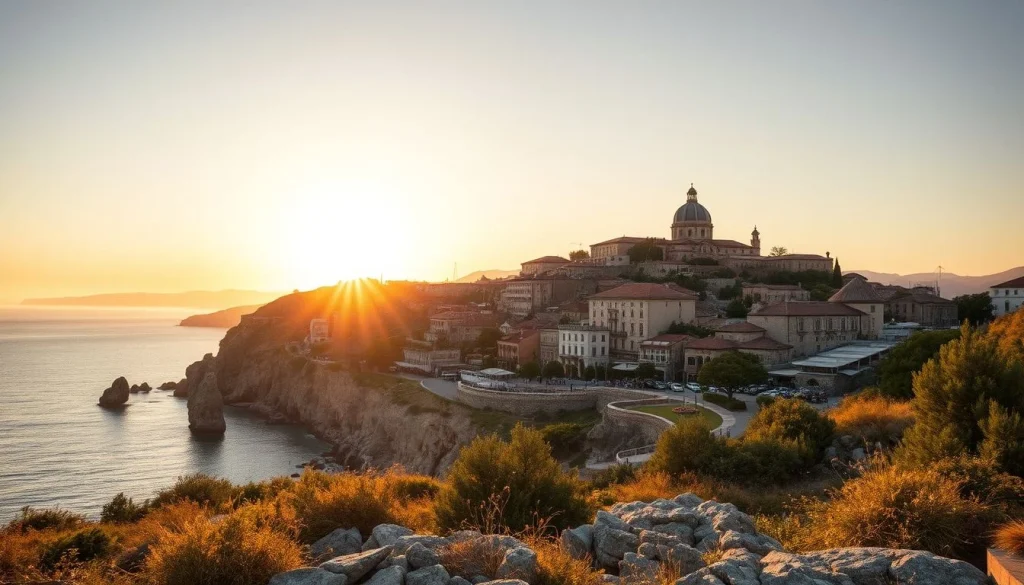
The Mediterranean generally suits couples who want the evening to happen outside the hotel. On the Amalfi Coast, Positano and Praiano pair cliffside restaurants with sunset views; Barbados adds beach time to Bridgetown’s history and a broader choice of dining and evening experiences. Naxos and Paros are more relaxed Greek bases than the busiest resort centres, with room for a beach morning followed by a town dinner.
Caribbean islands can offer excellent food and nightlife, but the experience varies more sharply between destinations. Barbados is a strong beach-and-culture compromise, while an all-inclusive stay in the Dominican Republic or Jamaica makes evenings simple and predictable rather than especially exploratory.
Walkability and romantic evenings
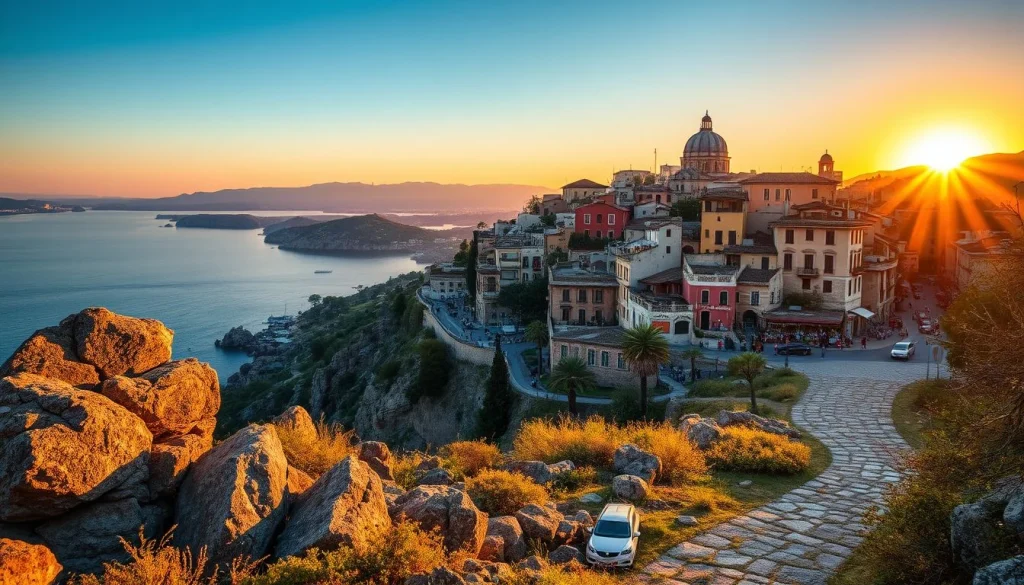
Choose the Mediterranean when walking between a boutique hotel, a swimming spot and dinner is part of the romance. Praiano, Naxos town and selected bases in Puglia can support that rhythm, though the Amalfi Coast demands tolerance for steep lanes, steps and crowded roads in high season. Santorini is highly atmospheric for sunset, but its appeal is views and luxury stays rather than easy beach access.
Anguilla and Nevis are better Caribbean choices for private-feeling beaches and downtime. They suit couples happy to arrange a taxi or hotel transfer for dinner; they are less rewarding if spontaneous, walkable evenings are central to the trip.
Transport and island-hopping
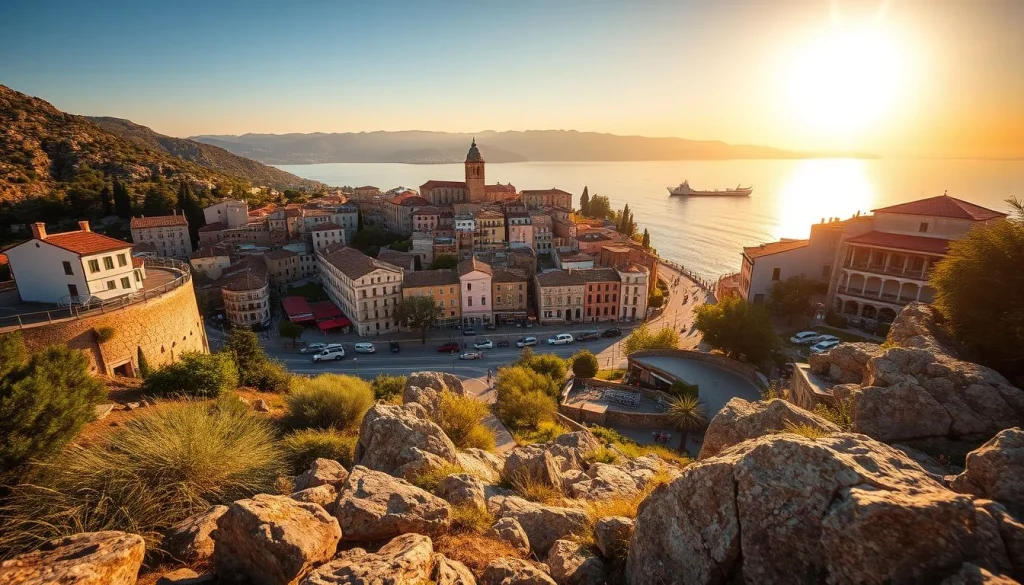
Mediterranean touring is usually easier to build into a short holiday. Ferries, rail, coaches and short-haul flights connect many coastal areas, making a two-base itinerary—such as a beach island followed by a mainland town—realistic. Timetables can still change seasonally, so check the operator before committing to a tight connection.
Caribbean island-hopping often means regional flights or limited ferry services. That can add both travel time and cost, so one island is often the more restful choice for a couple prioritising downtime. Barbados works well for combining beach days with Bridgetown; Grenada or St Lucia is a better fit for landscapes and a boutique-island atmosphere than for rapid multi-stop touring.
Accommodation and all-inclusive style
Caribbean all-inclusive resorts, particularly in the Dominican Republic and Jamaica, make budgeting and logistics straightforward: meals, drinks and resort facilities are organised in one place. They are a good match for couples who want to read, swim and repeat, but less so for those who picture a different local restaurant every night.
Mediterranean destinations put more emphasis on independent hotels, apartments and small properties. That offers greater choice over neighbourhood and dining, but requires more decisions and leaves meals, transfers and beach arrangements outside the room rate. Anguilla, Nevis, Grenada and St Lucia provide Caribbean alternatives for couples seeking boutique accommodation rather than a large resort.
Paperwork, health and safety planning
Entry rules are not regional shortcuts: Schengen requirements depend on nationality and travel document, while Caribbean requirements are handled separately by each country or territory. The European Commission says the Entry/Exit System has been rolling out progressively, and ETIAS is scheduled to start in late 2026; check the latest official EU guidance before a Schengen beach holiday.
For either region, review country-specific travel advisories, weather alerts and official health guidance before departure. Do not assume that a nearby island shares the same entry, health or safety requirements, and allow extra flexibility where storms could disrupt ferries, flights or outdoor plans.
When to go: Mediterranean shoulder season or Caribbean winter sun?
When to go: Mediterranean shoulder season or Caribbean winter sun?
For a couple seeking beach time and unhurried evenings, the Mediterranean is usually strongest in May–June or September–October. Sea temperatures are generally more comfortable than in spring, while towns remain practical for dinners and walks without the full pressure of July and August. More than one-third of EU tourist nights are concentrated in those two peak months, Eurostat reports, so popular bases such as Santorini, Positano and Mallorca can feel markedly busier then.
July and August suit couples who prioritise reliably hot weather and warm swimming water over space and quiet. The trade-off is intense heat in parts of southern Europe, higher demand, and possible disruption from wildfires, seasonal closures or ferry changes. Check the forecast, local advisories and the operating position for any ferries before committing to a multi-stop itinerary. For a more balanced Mediterranean beach holiday, May–June and September–October usually work better.
Across the Caribbean, November–April is generally the preferred window for drier conditions, warm water and lower hurricane risk, although weather varies between Barbados, St Lucia, Grenada, Anguilla and other islands. The official Atlantic hurricane season runs from June 1 to November 30, according to the US National Hurricane Center, and storms can occur outside those dates. Couples booking during this period should check the current storm outlook and choose accommodation and flights with flexible cancellation terms.
December to February works particularly well for a resort-led escape focused on swimming, snorkelling and sunset downtime rather than extensive sightseeing. Choose a Mediterranean shoulder-season trip for scenic dinners and walkable exploration; a Caribbean winter trip is the safer seasonal bet for warm-water relaxation. Either way, verify island- or coast-specific weather and any seasonal closures before booking.
Getting there and around: easier touring versus simpler resort downtime
Transport can determine how much of the trip feels like time together rather than time in transit. The Mediterranean generally offers more combinations of rail, coach, short-haul flights and ferries, making a Greek island pairing or an Italian coast itinerary practical; the European Commission outlines the region’s broader cross-border travel framework. Check current transport and border information before booking.
For couples who enjoy changing scenery, Naxos and Paros can work as a two-island route, while Puglia’s towns are easier to combine by road. Mediterranean ferries are useful but can be busy or disrupted in summer, so leave flexibility around dinner reservations and onward connections. The Amalfi Coast demands more patience: cliff roads, steep terrain and parking difficulties make Positano and Praiano better suited to a settled base than a tightly timed driving itinerary.
Caribbean island-hopping often depends on regional flights or limited ferry services. Choosing one island—Barbados, Grenada or St Lucia—usually protects the slower pace couples want; Bridgetown offers a more walkable base than a self-contained resort area, where taxis or pre-arranged transfers may be needed for evenings out. Anguilla or Nevis makes more sense when privacy and downtime matter more than collecting destinations.
For any multi-stop plan, confirm ferry schedules, flight connections and road conditions with the operator or destination’s official tourism authority before paying for non-refundable accommodation.
Which is right for you? Recommendations by couple type
Choose the Mediterranean if the evenings matter as much as the beach
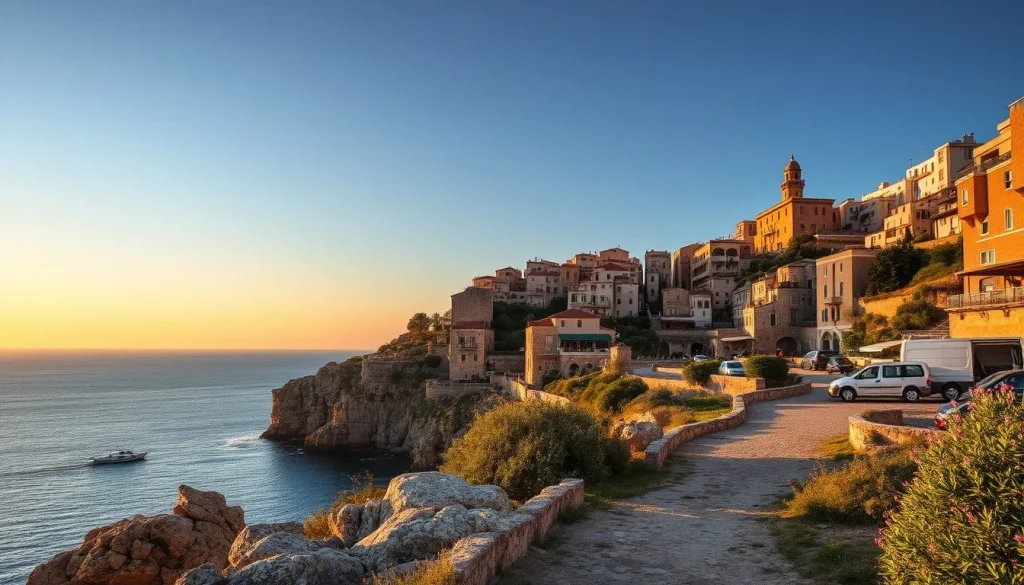
Verdict for couples who want scenic dinners, walkable neighbourhoods and a self-directed trip: choose the Mediterranean. The Amalfi Coast, Puglia, Mallorca, the Algarve and the Costa del Sol let you combine a swim with a village stroll, a long lunch or dinner somewhere different. Naxos and Paros are particularly good Greek choices if you want an attractive evening base and a gentler pace than the busiest island hotspots.
For dramatic scenery and sunset appeal, the Amalfi Coast and Santorini stand out. Positano and Praiano offer cliffside views and memorable dining settings, although steep terrain and high-season crowds can make an easy, unhurried holiday harder. Santorini is stronger for views and boutique-style stays than for a classic wide-sandy-beach break. Pair it with a beach-focused island if swimming is central to the trip.
Verdict for couples who want a balanced beach-and-evening rhythm: choose Naxos, Paros, Puglia, Mallorca, Formentera, the Costa del Sol or the Algarve. These destinations give you downtime without confining you to a resort, with enough variety for a beach day, a harbour walk or a sunset meal. May–June and September–October are the more comfortable Mediterranean windows for warm sea time, walkable towns and fewer peak-season pressures.
Choose the Caribbean if the beach is the main event
Verdict for couples prioritising warm water, snorkelling, swimming and minimal planning: choose the Caribbean. Barbados balances beaches with Bridgetown history and dining, while Grenada and St Lucia suit couples drawn to scenery, boutique accommodation and a relaxed island atmosphere. For a private-feeling beach, quiet mornings and unstructured days, look towards Anguilla or Nevis rather than an island built around sightseeing.
Predictable resort downtime points towards an all-inclusive stay in the Dominican Republic or Jamaica. Meals, transfers and daily budgeting become simpler, but you’ll have fewer opportunities for evenings in a walkable town. Island-hopping in the Caribbean also needs more careful planning than Mediterranean travel, since connections may depend on regional flights or limited ferry services.
- First beach holiday together: choose the Mediterranean for varied days and easy independent dining; choose a single Caribbean resort if you want every decision made on site.
- Best beaches and swimming: lean Caribbean for warm water and snorkelling, but check the specific island; Mediterranean beaches range from sand to pebbles and rocky coves.
- Best nightlife and dining: choose Barbados or a Mediterranean base such as Mallorca, the Costa del Sol or Puglia.
- Best boutique stay: choose Naxos, Paros, Grenada or St Lucia, matching the property to how much time you want to spend in town.
- Best island-hopping: choose the Mediterranean, where ferries, coaches, rail and short-haul flights generally create more practical combinations.
- Best all-inclusive: choose the Dominican Republic or Jamaica if resort facilities matter more than walkable evening exploration.
- Best downtime: choose Anguilla or Nevis, or a smaller Mediterranean base rather than a headline destination at the height of summer.
Travel costs: dated planning estimates for three comfort levels
Use these as planning benchmarks, not quotes. The figures below are in USD, accessed in September 2026, and are not a like-for-like regional comparison: Italy and Greece show typical daily spending per person, while the Caribbean figures cover an example seven-day holiday.
| Estimated costs | Budget | Mid-range | Luxury |
|---|---|---|---|
| Italy | $93 per person per day | $234 per person per day | $586 per person per day |
| Greece | $100 per person per day | $280 per person per day | Not supplied |
| Caribbean holiday | $1,500–3,000 per person for 7 days | $3,000–5,000 per person for 7 days | $7,000+ per person for 7 days |
The Italy estimates come from Budget Your Trip, as accessed in September 2026; its figures are typical daily travel costs, so Amalfi Coast prices can differ sharply from inland Italy or a quieter Puglian base. The Greece figures use the same source and date, but island, season and accommodation type can materially change the total. No luxury figure was supplied for Greece, so it is better not to infer one.
The Caribbean range comes from Polarvasta’s 2026 Caribbean cost guide. Confirm whether its example includes flights, resort packages, meals and transfers before comparing it with a Mediterranean daily budget. Island-level spending also varies: the Curaçao Tourist Board’s expenditure reporting is a useful reminder that Curaçao should not stand in for every Caribbean destination.
Room sharing can make boutique Mediterranean stays better value for a couple, while an all-inclusive resort makes meals, drinks and many facilities easier to budget in advance. In the Mediterranean, pay-as-you-go dining and independent accommodation offer more control, but ferries, taxis and restaurant choices can accumulate quickly. Check live hotel, flight and transfer prices for the exact island or coastal town, dates and board basis before booking.
| Item | Budget | Mid-range | Luxury |
|---|---|---|---|
| Italy | $93 per person per day | $234 per person per day | $586 per person per day |
| Greece | $100 per person per day | $280 per person per day | — |
| Caribbean holiday | $1,500-$3,000 per person for 7 days | $3,000-$5,000 per person for 7 days | $7,000+ per person for 7 days |
Estimated ranges based on the sources listed below. Prices change; check with providers before booking.
Conclusion: choose the holiday rhythm you want
For most couples seeking walkable towns, memorable food, scenic sunsets and the freedom to shape each day, choose a Mediterranean base—ideally in May or June, or September or October. Naxos, Paros, Puglia and the Algarve suit this balance better than a cliffside resort that requires a car or constant transfers. Choose the Caribbean when warm-water swimming, snorkelling, resort service and long, unstructured beach days matter more than exploring several towns; November to April is the stronger seasonal starting point.
Make the next decision concrete: select one island or coastal town, one travel window and one accommodation style. Then compare the full price, transfer time, current entry requirements and official weather guidance before booking.
Frequently asked questions
Which region is better for a one-week romantic escape without changing hotels?
The Caribbean is usually the simpler choice if you want one resort, warm-water swimming, snorkelling and long periods of downtime. The Mediterranean suits couples who want a walkable evening base, such as Naxos, Paros or a carefully chosen town on Mallorca, but its easier transport network can tempt you into adding stops. For a single-hotel week, choose the region that matches your preferred rhythm rather than trying to cover several islands or coasts.
Can we combine beach time with cultural sightseeing in both regions?
Yes, but the balance is usually easier in the Mediterranean, where rail, coach, short-haul flights and ferries support multi-destination travel, according to the European Commission’s Smart Borders information. Barbados pairs beaches with Bridgetown’s history, while the Amalfi Coast, Puglia and Mallorca combine coastal time with towns and food. In the Caribbean, distances and regional flights or limited ferry services can make sightseeing more dependent on the specific island.
Are Mediterranean beaches always sandy and Caribbean beaches always calm?
No. Mediterranean coastal destinations include sandy beaches, pebble shores and rocky coves, so check the exact beach before booking if soft sand matters. Many Caribbean destinations are associated with sandy beaches, warm water and snorkelling or diving, but conditions vary by island, coast and weather. The sea may also be unsuitable for relaxed swimming at particular beaches, so use local guidance rather than relying on the region’s general reputation.
How far in advance should couples book for July, August or Christmas?
The supplied research does not support a universal booking lead time, so compare live accommodation and transport availability for the exact destination and dates. July and August are especially busy across the Mediterranean: Eurostat reports that more than one-third of EU tourist nights are concentrated in those months. Christmas is a major Caribbean travel period in the brief, but island, resort and flight availability differ; check providers directly before committing.
Is a rental car useful for a Mediterranean beach trip or a Caribbean island?
It depends on the route, not simply the region. The Mediterranean generally offers alternatives through rail, coach, ferries and short-haul flights, while Caribbean island-hopping can require regional flights or limited ferry services, according to the European Commission. A car may be unnecessary for a walkable base, but this material does not establish island-specific rental rules or road conditions; check the destination’s official transport guidance before hiring one.
Which region works better for couples who do not want an all-inclusive resort?
The Mediterranean is generally the stronger fit for couples seeking boutique accommodation, walkable neighbourhoods, independent restaurants and scenic evening plans. Naxos, Paros, Puglia and parts of Mallorca suit that style more naturally than a self-contained resort. The Caribbean still works well on islands such as Barbados, Grenada, St Lucia, Anguilla or Nevis, but a Dominican Republic or Jamaica all-inclusive is better suited to couples prioritising predictable resort amenities over frequent town evenings.