
The Rome–Florence high-speed train takes approximately 1 hour 20 minutes to 1 hour 40 minutes, making a three-city route possible without turning every day into a transfer day. One week in Italy with children works best as a highlights trip: three nights in Rome, two in Florence and two in Venice, with timed sightseeing in the morning and room for naps, parks and early dinners.
This plan is written for families travelling with toddlers, school-age children or older children who can manage a little more museum time. It helps you decide whether Rome, Florence and Venice fit your family’s energy levels, where to base yourselves near short transfers, which headline sights need advance booking and when to leave space for gelato, playgrounds and quiet time. Strollers are useful, but uneven paving, archaeological paths, bridges and Venice’s steps require a lighter, flexible approach.
Quick answer: Yes—one week can cover Rome, Florence and Venice with children if you accept a highlights itinerary and keep the pace deliberate. Rome–Florence takes approximately 1 hour 20 minutes to 1 hour 40 minutes by high-speed train, while Florence–Venice takes approximately 1 hour 40 minutes to 2 hours.
Itinerary at a glance
This seven-day Italy itinerary keeps the three-city route workable by giving Rome three nights, Florence two and Venice two. It is a highlights trip rather than a relaxed regional holiday: each main sight is paired with a walk, park or quieter period so children are not sightseeing from breakfast to bedtime.
| Day | Base | Main activity | Travel or rest load | Family suitability |
|---|---|---|---|---|
| 1 | Rome | Arrive, settle in and walk around Piazza Navona, the Spanish Steps and Piazza Venezia | Arrival day; keep the evening short | Good for all ages, with a stroller-friendly central stroll where surfaces allow |
| 2 | Rome | Timed Colosseum visit, Roman Forum and Palatine Hill | One substantial morning; rest afterwards | Best for school-age children and older children; archaeological paths can tire toddlers |
| 3 | Rome | Vatican Museums, St. Peter’s Square and Villa Borghese | Timed indoor visit followed by park time | Works with toddlers if the museum visit is brief; Galleria Borghese suits older children |
| 4 | Florence | High-speed train to Florence, then a gentle central walk | Rome–Florence takes approximately 1 hour 20 minutes to 1 hour 40 minutes | Manageable transfer; reserve time for lunch and a nap |
| 5 | Florence | Duomo, a short Uffizi or Accademia visit, then Boboli Gardens or Oltrarno | One indoor highlight, not two full museums | Flexible for different ages and energy levels |
| 6 | Venice | Train to Venice, then St. Mark’s area and Doge’s Palace | Florence–Venice takes approximately 1 hour 40 minutes to 2 hours | Best with light luggage; bridges and steps complicate stroller use |
| 7 | Departure | Light vaporetto ride or market morning before leaving | Allow extra time for boats, bridges and luggage | Choose one nearby activity, especially with toddlers |
Before you go: bookings, passes and arrival logistics
Reserve the parts of this trip that have fixed capacity first, then build the sightseeing around them. A family room with enough space for an early bedtime—or adjoining rooms for older children—is more useful than a central address that leaves everyone sharing one cramped bed. Check cancellation terms, lift access and whether the room can accommodate a cot before paying.
- Book the Colosseum. Visits use timed, named tickets. The official Colosseum rules and name-change wording were updated in 2026, so reread them before booking and carry the identification required for the reservation.
- Use the official Vatican channel. Reserve a timed visit through tickets.museivaticani.va, rather than relying on an unfamiliar reseller. A guided option can suit school-age children, but toddlers may do better with a shorter visit and a planned escape route.
- Time the Florence museums. The Uffizi uses timed reservations and lists family-pass information on its official ticket page. Check current reservation rules for both the Uffizi and Accademia; make one museum the headline visit, not both on the same day.
- Compare train operators and fare conditions. Frecciarossa services have reserved seats, as do other high-speed trains, so book early enough to request seats together. Trenitalia’s Bimbi Gratis can allow children under 15 to travel free under specified family-group conditions on Intercity and some eligible services; its Sconto Ragazzi offer for ages four to 15 applies to Freccia trains under stated conditions. Check each booking rather than assuming either applies to Italo or every Trenitalia service.
From Fiumicino Airport, the Leonardo Express reaches Roma Termini in approximately 30–35 minutes; check the current timetable before travelling and allow extra time for luggage and tired children. Verify passports, entry documents, travel advisories, insurance and health requirements with the relevant official authorities. Finally, recheck airport, rail and vaporetto schedules and Venice’s access-fee policy: AP reported in July 2026 that dynamic pricing, with a possible €50 ceiling on busy days, had been proposed for day-trippers, so do not rely on an earlier assumption.
Day by day: a realistic Rome–Florence–Venice route
Day 1 keeps the first hours deliberately light: arrive in Rome, settle into a family room near the historic centre, and make a gentle orientation walk rather than adding a major ticketed sight. This is the right start for a one week in Italy with children route, especially after a flight.
Morning

Arrive at Fiumicino Airport and take the Leonardo Express to Roma Termini. Trenitalia’s non-stop service takes approximately 30–35 minutes. From Termini, continue to your accommodation by local transport or taxi, allowing extra time for luggage, lift access and children’s toilet breaks.
If the room is not ready, leave heavy bags with the accommodation and keep only a small day bag. Toddlers will benefit from a short snack and nap before sightseeing; older children can help identify landmarks on a simple Rome map. Do not plan the Colosseum or Vatican Museums on arrival day.
Afternoon
Begin with an easy historic-centre walk: Piazza Navona, the Pantheon area if energy allows, the Spanish Steps and Piazza Venezia. Choose one direction rather than trying to cover every nearby monument, and pause in a shaded square or café whenever the children lose interest.
The Spanish Steps are not a stroller-friendly place to linger. Use the surrounding streets with a lightweight pushchair, or carry a toddler on steps and uneven paving. Historic Rome has cobbles, kerbs and busy crossings, so a carrier is useful even for children who usually walk.
For a rainy afternoon, shorten the walk and spend more time in a café, bookshop or the hotel. Check live opening information if you decide to add an indoor attraction; arrival day works better with flexible plans than with a timed reservation.
Evening
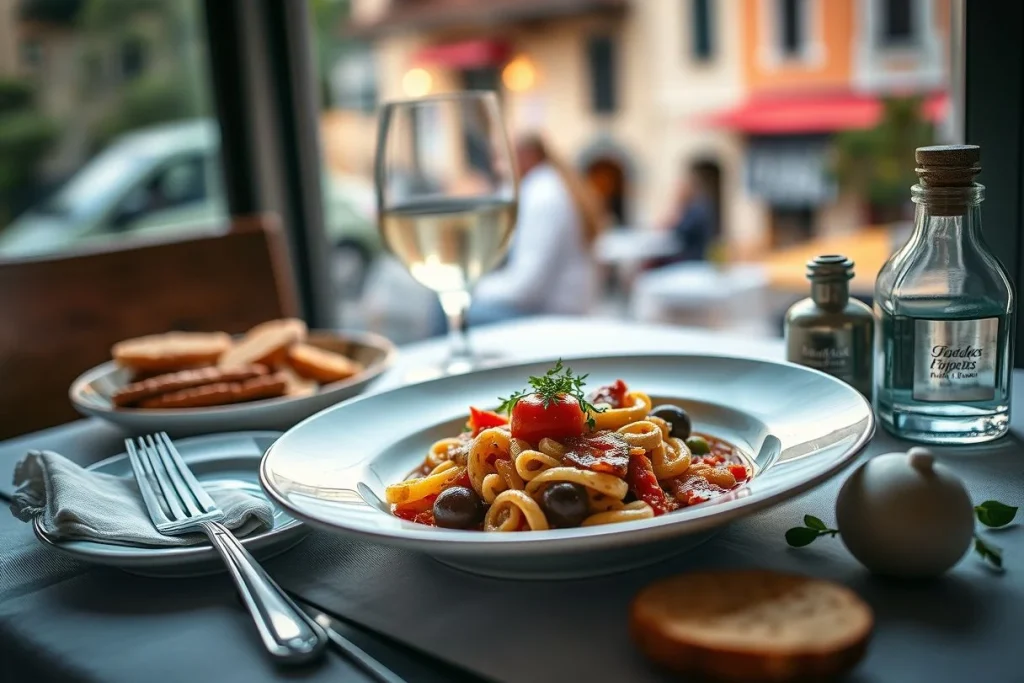
Have an early dinner near the accommodation, then take a brief post-meal stroll around a well-lit central square. Keep the evening short. A late arrival, a change in routine and crowded streets can make even a calm child over-tired before the main sights begin.
Families with older children can return to Piazza Navona after dinner for the atmosphere and fountains. Families with toddlers should prioritise sleep, a familiar bedtime routine and a packed day bag for tomorrow.
Where to eat
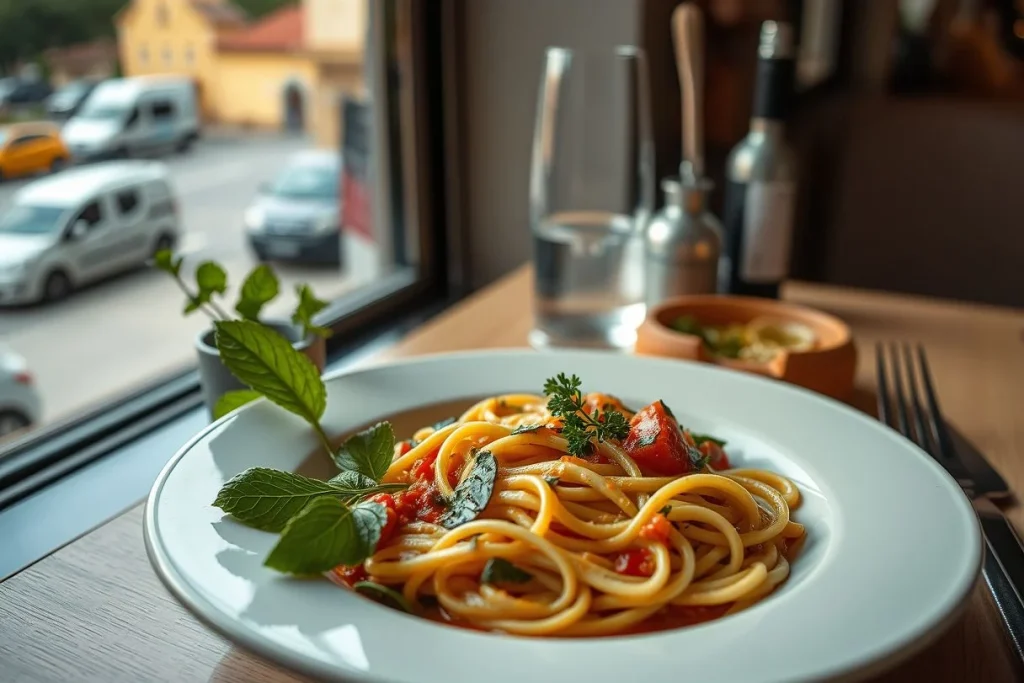
Look for a straightforward trattoria or pizzeria in the area around your accommodation rather than crossing Rome for a famous address. Kid-friendly choices include pizza, plain pasta, gnocchi, supplì, grilled chicken and fresh fruit; most restaurants can usually adapt a dish, but ask before ordering.
Keep water, small snacks and wipes available during the walk. Gelato is a useful afternoon break, but avoid making it the substitute for a proper meal after a long flight.
Getting around
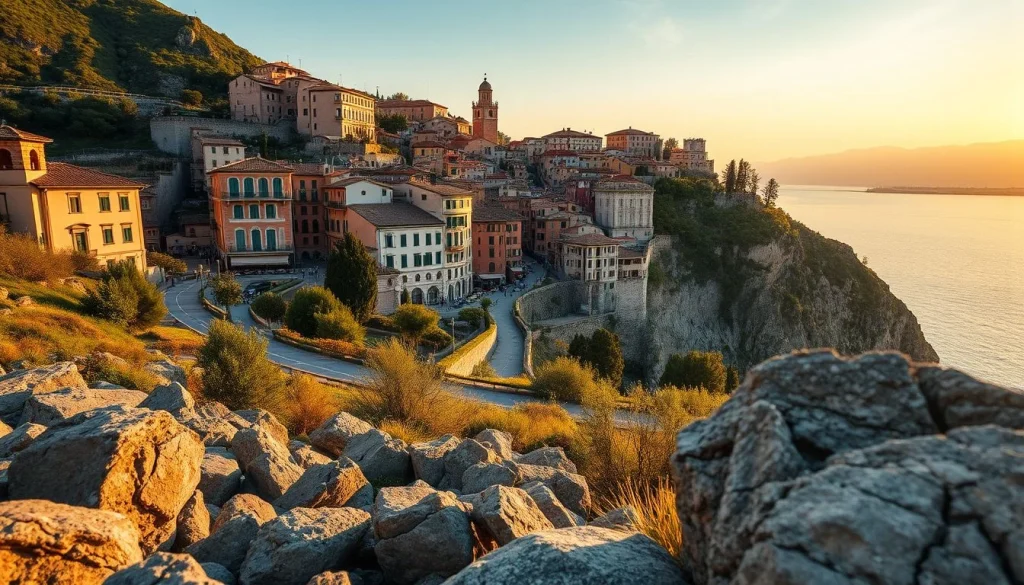
Use the Leonardo Express from Fiumicino to Roma Termini, then walk or take local transport to the hotel. The afternoon route is best done on foot in one compact direction. Avoid changing neighbourhoods repeatedly: Rome’s traffic, crowds and uneven pavements make short journeys feel longer with a stroller.
Use a carrier for toddlers at steps and archaeological sites, and choose lightweight luggage for the arrival transfer. Keep valuables close in crowded areas, particularly around transport hubs and busy squares.
Estimated time
| Part of the day | Realistic allocation |
|---|---|
| Airport and rail transfer | Several hours, depending on arrival, luggage and check-in |
| Historic-centre walk | Two to three hours with stops |
| Meals and snacks | Two to three hours |
| Nap, check-in and quiet time | Two to four hours |
| Evening stroll | Up to one hour |
Optional extras
- For rested school-age children: extend the walk to the Trevi Fountain, then return directly to the hotel for an early dinner.
- For toddlers: skip the Spanish Steps and use a nearby square or park for movement and a protected nap.
- For rainy weather: make the afternoon a hotel reset and save the historic-centre walk for the next clear break rather than forcing a wet sightseeing circuit.
Where to stay in Rome, Florence and Venice with children
For toddlers and stroller users
Prioritise a lift, a quiet room and air conditioning. The bathroom should also work after an early bedtime. In Rome, a base near Piazza Navona keeps the first walks compact, while a practical area near Roma Termini can simplify the departure for Florence; choose the latter only if the immediate surroundings suit your family after dark. Ask if the room has a proper cot, a kitchenette or fridge, blackout curtains and enough floor space for a folded stroller.
In Florence, staying near Santa Maria Novella means less luggage to carry on arrival and departure. In Venice, being close to Santa Lucia station or a convenient vaporetto stop matters more than a postcard view. Bridges, steps and uneven paving make a deep-San-Marco address tiring with a pushchair and heavy bags. Confirm how far luggage must be carried from the landing point. Request a ground-floor room only if the property can guarantee it, rather than simply offering an internal staircase.
For school-age children

Families who want to walk between sights can choose central Rome near Piazza Navona, central Florence near the Duomo, or Venice near Santa Lucia or a vaporetto stop. Florence’s Oltrarno is a calmer alternative, with Boboli Gardens and neighbourhood walks nearby. Check the route back to your accommodation before booking; a quiet address is less useful if every evening ends with a long crossing.
Choose family rooms by bed configuration, not the label alone. Ask if “family room” means one large room or adjoining rooms, and whether children receive full-size beds or sofa beds. Check if the bathroom has a bathtub and if luggage storage is available before check-in and after check-out. Request a room away from bars, restaurants and lifts if naps or early nights aren’t negotiable.
For older children
Older children usually benefit from a walkable base near the evening atmosphere: central Rome, the Duomo area in Florence, or Venice near San Marco if the family can manage the luggage and bridges. Santa Lucia remains the more forgiving choice for a rail-focused trip. High-speed trains have reserved seats, so book early enough to request a group together. Check the current operator’s family fares and conditions rather than assuming every child travels under the same rule.
Before paying, confirm cancellation terms, air conditioning and lift access. Check cot availability, early check-in and the latest baggage arrangements, too. Don’t compare accommodation prices or tourist taxes from memory. Check representative properties and current municipal information for your dates.
Travel costs: dated rail and transport benchmarks
Use the figures below as planning benchmarks, not as a complete family budget. They cover only the sourced rail and public-transport examples; accommodation, meals, admissions, child fares, city taxes and airport transfers need live quotes for your dates.
Estimated costs
| Item | Budget | Mid-range | Luxury |
|---|---|---|---|
| Rome–Florence high-speed train | From €14.90 per adult, one way, with a promotional fare | Approximately €20–€60 per adult, one way | Not sourced |
| Florence–Venice high-speed train | Check a live fare | Check a live fare | Check a live fare |
| Venice vaporetto day ticket | From approximately €9.50 per passenger | Not separately sourced | Not sourced |
Basis: per adult, one-way rail fares or per-passenger, one-day vaporetto tickets, checked against the supplied research on 5 October 2026. Rail fares vary by date, operator, class and advance purchase. The vaporetto figure comes from Vaporetto Pass; verify current conditions with ACTV before travelling.
For the Rome–Florence journey, the approximately €20–€60 mid-range band is drawn from Italo’s published fare information; the €14.90 figure is a promotional starting fare, not a guaranteed price. High-speed trains have reserved seats, so include seat selection and book early enough to request a family group together. Florence–Venice fares should be checked directly with Trenitalia or Italo rather than estimated.
Child pricing can change the calculation: Trenitalia’s Bimbi Gratis offer applies only under specified conditions, while ACTV says children under six travel free on many urban services subject to its fare rules. A reliable one-week family total therefore requires current hotel, attraction, meal and tax quotes; compare those on official websites for your travel dates.
| Item | Budget | Mid-range | Luxury |
|---|---|---|---|
| Rome–Florence high-speed train | From €14.90 per adult, one way, when promotional fares are available | Approximately €20–€60 per adult, one way, depending on operator, class and advance purchase | Not sourced |
| Venice vaporetto day ticket | From approximately €9.50 per passenger for a day ticket | Not separately sourced | Not sourced |
Estimated ranges based on the sources listed below. Prices change; check with providers before booking.
Travel tips that make Italy easier with children
- Keep the pace deliberately light. Plan one major timed sight per day, not a chain of reservations. After lunch, protect roughly two hours for a nap, hotel rest or a quiet café; toddlers may need the full break, while older children can use it to recharge before an evening walk.
- Use wheels selectively. Cobblestones, uneven archaeological paths, stairs and Venice’s narrow bridges make a large pushchair inconvenient. A lightweight stroller paired with a child carrier is the most practical combination for toddlers; check accessibility routes with each attraction rather than assuming every entrance is step-free.
- Make luggage manageable. Leave large cases at the accommodation on sightseeing days and use small day bags. In Venice, a family handling heavy suitcases, a stroller and bridges at the same time will find the walk between Santa Lucia station, vaporetto stops and the hotel particularly tiring.
- Feed children before they are starving. Pizza, pasta, gelato, fruit and simple grilled foods offer familiar choices, but ask restaurants directly about allergens and preparation. Carry snacks and refillable water bottles, and keep dinner flexible: an early takeaway or supermarket meal is better than a late restaurant struggle.
- Build in ordinary-city precautions. Keep passports, phones and wallets secure around Roma Termini, major squares and crowded transport, including busy vaporetto boarding areas. Wash or sanitise hands before meals, use shade and sun protection in exposed squares, and pack each child’s required medicines plus emergency contacts.
- Have a rain plan. Replace a long outdoor route with a shorter museum visit, a children’s bookshop, a covered market stop or hotel downtime. Check live opening hours before relying on an indoor attraction, and avoid booking several museums on the same wet day.
- Recheck every changeable detail. Follow the current instructions for validating or using transport tickets, and confirm airport, rail and vaporetto timetables before departure. Revisit attraction entry policies, ACTV fares and Venice’s access-fee rules immediately before travel; a July 2026 report by AP News described proposed dynamic pricing for day-trippers, so do not rely on an earlier assumption.
Conclusion: choose the three-city route at your family’s pace
For families wanting a first overview of Italy, this seven-day Rome–Florence–Venice route is workable: three nights in Rome, two in Florence and two in Venice, with two manageable high-speed rail transfers. It suits school-age children and older children who can handle a highlights-focused week, especially with park breaks and early evenings.
Toddlers, nap-dependent children and easily overwhelmed travellers may be happier dropping either Florence or Venice and spending the week across two bases. The slower version gives you more time for playgrounds, relaxed meals and weather-proof plans.
Before booking, choose the pace that matches your children, reserve family rooms near stations or vaporetto stops, and book only the essential timed sights. Then confirm current entry policies, child-fare conditions and transport schedules with the official operators before departure.
Frequently asked questions
Which Italian city is easiest to visit with a stroller?
No single city is entirely stroller-easy on this route. Venice is the most demanding because bridges, steps and heavy luggage make moving around with a stroller difficult; historic areas in Rome and Florence also have uneven surfaces. Use a compact, sturdy stroller, check accessibility routes for major attractions, and consider a carrier for crowded or stepped sections.
How do we keep children entertained on the high-speed trains?
Treat the Rome–Florence journey as a quiet break and the Florence–Venice journey as another manageable travel block: services take approximately 1 hour 20 minutes to 1 hour 40 minutes and approximately 1 hour 40 minutes to 2 hours respectively. High-speed trains have reserved seating, so book early enough to request seats together. Pack familiar small activities, snacks and headphones, and keep one change of clothes accessible rather than buried in luggage.
What are good rainy-day alternatives to the main attractions?
Use rainy weather for one focused indoor visit rather than trying to preserve the full outdoor schedule. In Rome, the Vatican Museums provide a timed indoor option; in Florence, choose the Uffizi or Accademia, both of which should be checked for current reservation arrangements. In Venice, St. Mark’s Basilica and Doge’s Palace can replace a long canal walk, but confirm current entry procedures before travelling.
How can families manage dinner when young children eat early?
Build dinner around the children’s routine instead of assuming that every evening will support a late meal. Keep a simple backup snack available, ask accommodation staff about suitable early dining options, and check current restaurant hours before setting out. After a timed museum or long walking day, eating near your accommodation is usually more realistic than crossing the city for a celebrated address.
Should we take a day trip to Murano or Burano with tired children?
Only choose one island, and make it optional rather than a fixed requirement. Venice’s main public transport is provided by vaporetti, with day tickets available, but another boat journey can be too much after arrival, bridges and a full St. Mark’s day. If the children are tired, stay in Venice and keep the day to a short vaporetto ride and a quiet waterfront walk; check ACTV’s current fares and child-age rules before travelling.
What should we pack for uneven streets, bridges and changing plans?
Pack sturdy footwear for uneven archaeological paths, historic streets and Venice’s bridges, and choose luggage that an adult can lift when stairs or bridges make wheels impractical. A compact stroller may help in Rome and Florence, but a carrier is useful for sections where a stroller is awkward; check accessibility routes before booking attractions. Keep tickets, identification documents, medication and snacks in a small day bag, and use normal crowded-city precautions in busy tourist areas.