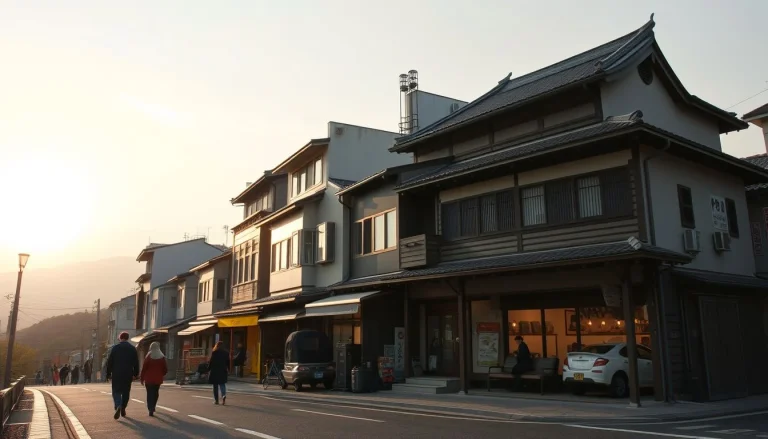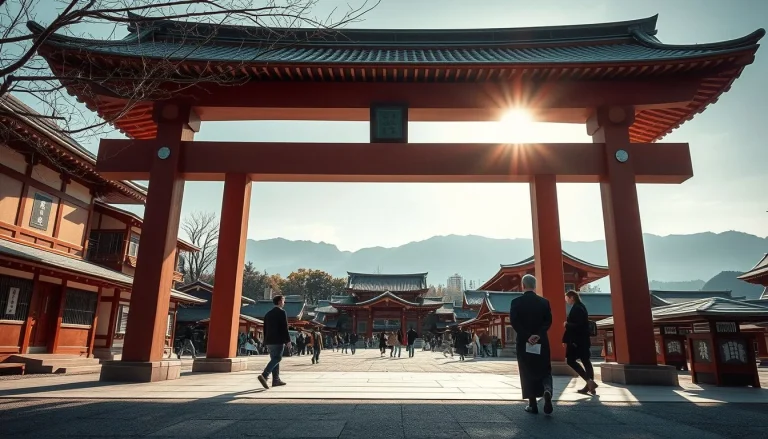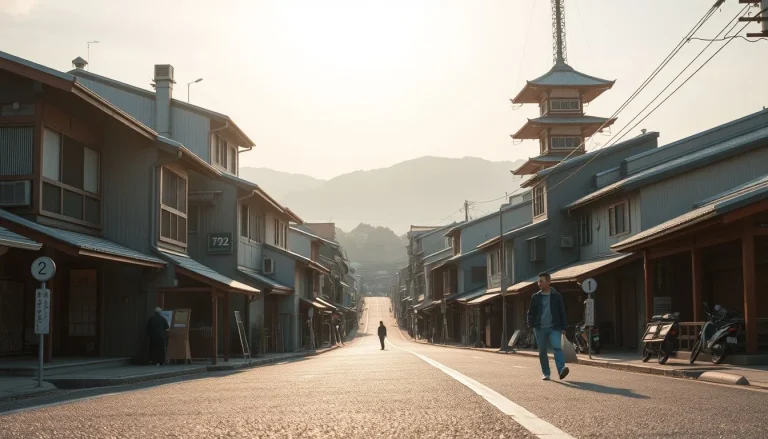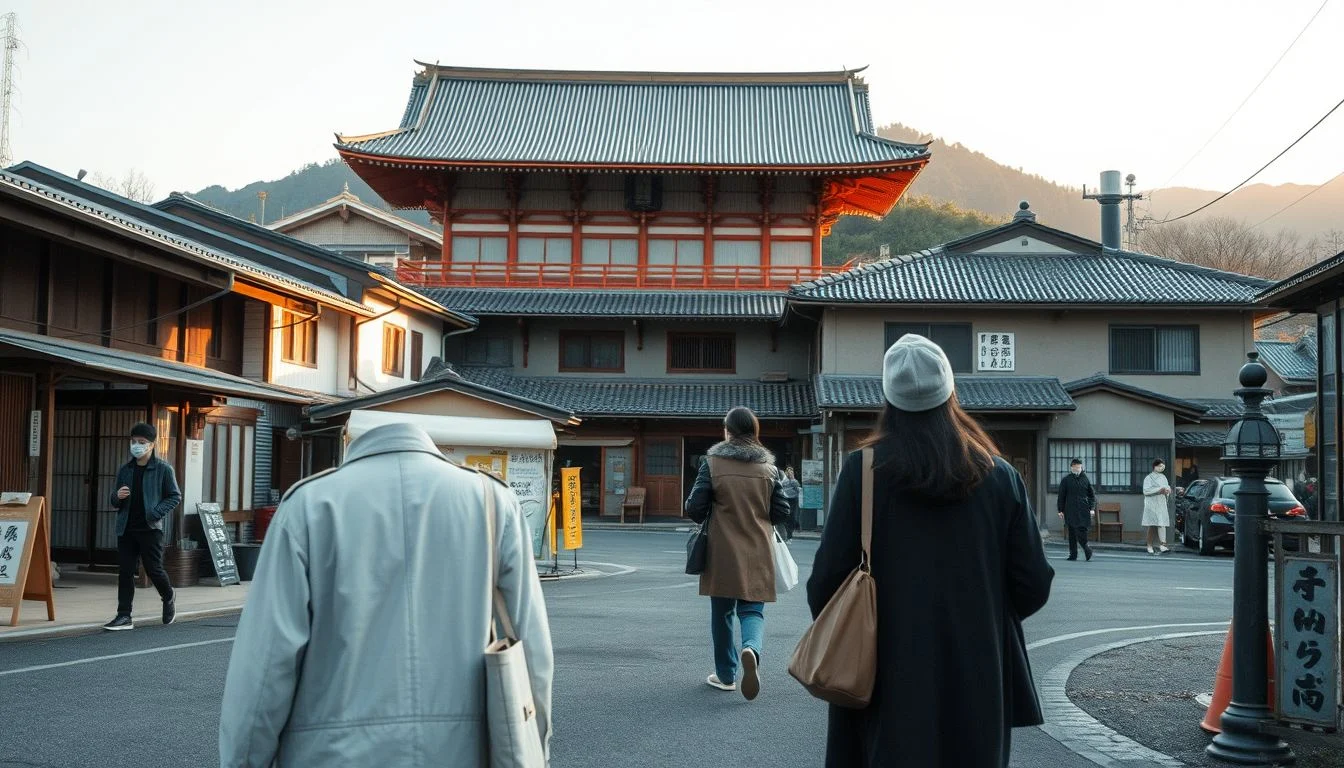
The Tokyo–Kyoto–Osaka corridor can take you from megacity neighbourhoods and nightlife to temple districts, tea culture, street food and traditional architecture on one first trip. Japan’s regions then change the emphasis: Hokkaido brings cooler summer weather, seafood and snow; Kyushu offers volcanic landscapes and hot springs; Okinawa adds subtropical beaches and distinct Ryukyuan island culture. This Japan travel guide is for first-time international visitors deciding how many places to combine, which airport suits their route and when seasonal conditions justify travelling.
Use it to choose between the classic Golden Route and slower regional alternatives, then match trains, domestic flights, accommodation and daily spending to your time and priorities. It also covers the practical details that prevent avoidable mistakes, from Japan entry requirements and IC cards to cash, eSIMs, etiquette and official weather checks.
Quick answer: For a first trip, choose Tokyo, Kyoto and Osaka, with Nara as a day trip; this gives you modern city life, historic sights, traditional culture, food and nightlife without an overcomplicated route. With 10–14 days, add Hakone, Takayama, Kanazawa or Hiroshima, or choose a regional trip to Hokkaido, Kyushu or Okinawa around the weather, crowds and events.
Why visit Japan: one country, many different trips
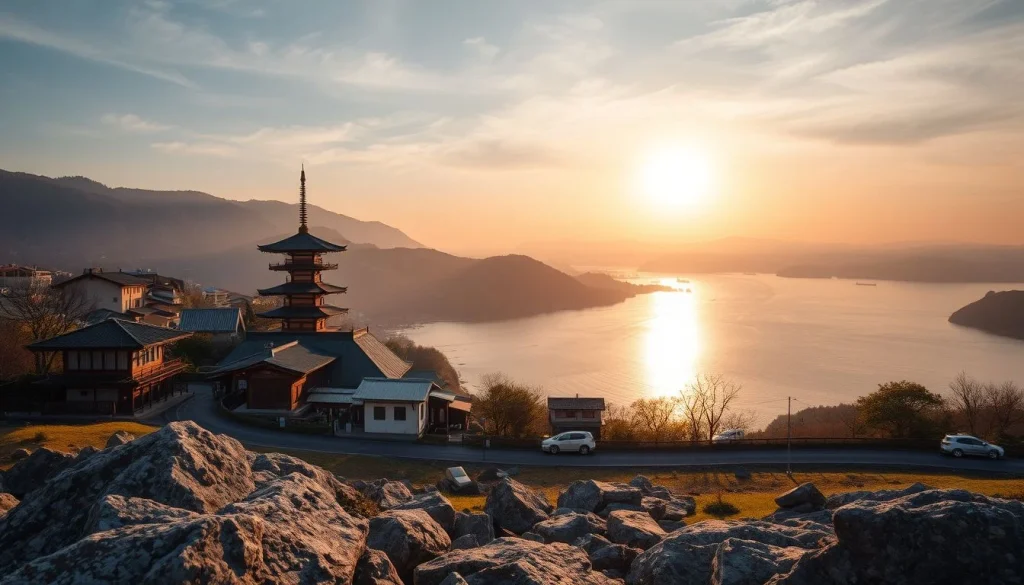
Japan changes character quickly along the usual route. Tokyo moves through vast neighbourhoods such as Shinjuku, Shibuya and Akihabara, where contemporary design, museums, shopping and late-night dining share the map. Kyoto shifts the focus to temples, tea culture and traditional districts such as Gion. Osaka is more food-led, with a stronger nightlife focus.
Beyond the main corridor, landscape and climate become part of the decision. Hokkaido suits travellers looking for cooler summers, ski fields, seafood or open scenery. The Japanese Alps bring mountain towns around Takayama, Kanazawa and Kamikochi, while Kyushu combines volcanic landscapes with hot springs, including Beppu. Okinawa and the Kerama Islands offer subtropical beaches and a distinct Ryukyuan culture.
For a balanced first visit and straightforward logistics, choose the familiar Tokyo–Kyoto–Osaka pattern. A regional journey makes more sense when one interest—snow, hiking, hot springs, beaches or food—matters more than collecting headline cities. Match the route to the season and the experience you want most. You won’t see everything.
Japan regions and top destinations: choose the right route
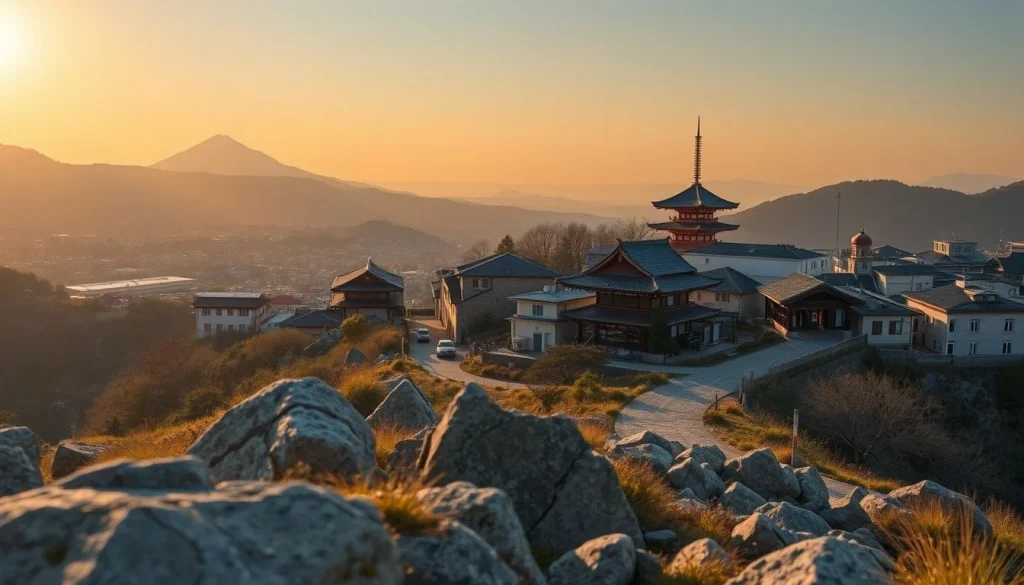
Plan around one main corridor, then add a destination only when it serves a clear interest. For a first visit, Tokyo, Kyoto and Osaka provide the widest introduction with manageable rail connections; regional routes suit travellers willing to trade fewer headline cities for snow, hiking, hot springs, beaches or local food.
| Region or destination | Best for | Practical trip length | Route fit |
|---|---|---|---|
| Tokyo: Shinjuku, Shibuya, Akihabara | Megacity neighbourhoods, technology, museums and nightlife | Three to four days | Essential first stop |
| Kyoto: Gion, Kawaramachi | Temples, traditional districts, tea culture and kaiseki | Two to three days | Classic Golden Route |
| Osaka: Namba, Umeda | Street food, nightlife and an easy Kansai base | One to two days | Pair with Kyoto and Nara |
| Nara | Temples and a straightforward cultural day trip | One day | Add from Kyoto or Osaka |
| Hakone or Fuji Five Lakes | Onsen, mountain scenery and Mount Fuji viewpoints | One to two days | Break up Tokyo–Kyoto travel |
| Kanazawa and Takayama | Traditional townscapes and regional food | Two to three days | Slower alternative to the main route |
| Kinosaki Onsen | Ryokan hospitality and a traditional hot-spring-town stay | One to two days | Specialist detour from Kansai |
| Kamikochi | Mountain scenery and hiking | Two or more days | Best for an outdoor-focused route |
| Hiroshima and Miyajima | Historical reflection and island scenery | Two days | Add to a longer Honshu trip |
| Hokkaido: Sapporo, Furano | Seafood, cooler summers, flowers and winter snow | Four or more days | Choose as a regional alternative |
| Kyushu and Beppu | Volcanic landscapes and hot-spring travel | Four or more days | Standalone southern route |
| Okinawa: Naha and the Kerama Islands | Subtropical beaches and Ryukyuan island culture | Four or more days | Beach-focused alternative |
The simplest seven-day Japan itinerary is Tokyo, Kyoto and Osaka, with Nara as a day trip if your pace allows. Hakone or the Fuji Five Lakes work well between Tokyo and Kyoto, but choose one rather than trying to cover both. With 10–14 days, Kanazawa and Takayama add traditional towns, while Hiroshima and Miyajima extend the journey west; they are rewarding additions only if you accept longer travel days.
Hokkaido, Kyushu and Okinawa are better treated as distinct trips than quick add-ons to the Golden Route. Domestic flights can make them practical, but changing regions costs time and adds logistics. For a first visit, prioritise depth in two or three areas over a map-wide itinerary.
Best time to visit Japan: seasons, crowds and regional weather
The best time to visit Japan depends on the route you choose. Spring and autumn suit a first Tokyo–Kyoto–Osaka trip particularly well, while Hokkaido, Okinawa and the Japanese Alps can offer very different conditions at the same time. For temperature comparisons, use the Japan Meteorological Agency’s 1991–2020 climatological normals, then check current forecasts through the Japan National Tourism Organization and local authorities.
Spring: Cherry blossoms bring heavy demand, and exact dates vary by year and region, so check current local forecasts before booking. Avoid assuming all of Japan flowers simultaneously. Late April and early May include Golden Week, when transport and accommodation can become exceptionally busy. June is the rainy season in much of the country; it can still work for cities and museums, but hiking plans need flexibility.
Summer: July and August are generally hot and humid in Tokyo, Kyoto and Osaka. Hokkaido is a stronger choice for cooler weather, summer flowers around Furano and Biei, and outdoor excursions. June, July and August are among the peak months identified in the supplied planning brief, so reserve popular stays early and expect higher demand.
Autumn and winter: Late October and November are good candidates for foliage, though timing differs between north and south and between mountains and cities. The Japan Meteorological Agency identifies August through October as the period when typhoon disruption risk is typically highest; monitor advisories if travelling then. December to February suits skiing in Hokkaido and onsen trips, but check snow and transport conditions. Date-check Gion Matsuri and the Sapporo Snow Festival with official tourism sources before committing to those events.
How to get to Japan: choose the airport for your route
Your airport choice should follow your route, not just the cheapest fare. Haneda Airport is usually the more convenient Tokyo gateway for a first stop in central Tokyo, while Narita International Airport offers a broad range of international connections but generally means a longer transfer into the city. Check current arrival procedures and ground transport on the Narita Airport website and Haneda’s official site before flying.
For the classic Tokyo–Kyoto–Osaka journey, consider an open-jaw ticket: fly into Tokyo and leave from Kansai International Airport. This avoids returning to Tokyo and places you close to Osaka, Kyoto and western Japan; Kansai describes itself as a principal gateway for the region, with current operational information on its official airport site. It is also a practical choice if Osaka is your first base.
Chubu Centrair International Airport suits an itinerary centred on Nagoya and central Japan. Choose New Chitose Airport for Sapporo and Hokkaido, or Naha Airport for Okinawa and the Kerama Islands. These airports are domestic onward gateways as well as international entry points; rail and road are realistic for continuing within Japan, but not substitutes for most overseas arrivals.
Flight status, immigration procedures and airport-to-city connections can change. Check the relevant airport’s official website shortly before departure, especially if weather or operational disruption is possible.
How to get around Japan: trains, flights, buses and IC cards
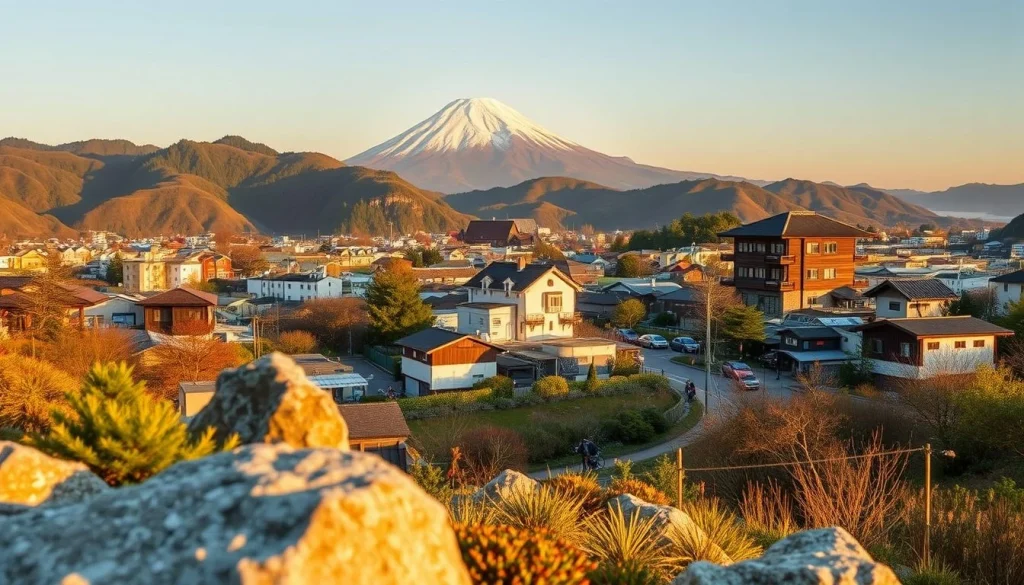
For a first Japan trip, make the JR Group railway network and shinkansen your backbone. They connect the classic Tokyo–Kyoto–Osaka route and make longer Honshu journeys straightforward, but the fastest trains are not always the cheapest choice. On Golden Week, Obon and New Year, demand and congestion can be exceptionally high, so reserve seats early and leave extra time for station changes.
Calculate the Japan Rail Pass against your actual itinerary rather than assuming it offers the best value. Compare its current official price and coverage with individual tickets, regional passes and ordinary local trains before buying. For Hokkaido, Okinawa and long journeys in Kyushu, domestic flights can save substantial travel time; highway buses are the lower-cost alternative and may suit travellers willing to travel overnight. Ferries are useful on selected island routes, but check the current timetable before building an itinerary around one.
Within Tokyo, Kyoto and Osaka, combine local rail, subways and buses. Taxis make sense late at night, in rural areas or when luggage makes several transfers impractical, though they cost more than public transport. A visitor IC card such as Welcome Suica, TOURIST PASMO or ICOCA simplifies many local journeys and small purchases; availability, mobile compatibility and sales points can change, so check the current information before departure. JR East describes its visitor ticketing services as designed to improve overseas travellers’ access to transport.
On arrival, load an IC card if available, download a route-planning app, and check the complete journey rather than only the departure time. Allow transfer time in large stations and keep a payment fallback: the Japan National Tourism Organization notes that cash remains widely used, even as card acceptance grows in cities. For regional trips, compare train, flight and bus time door to door, including the transfer between the airport or station and your accommodation.
Where to stay in Japan: areas and accommodation styles for each traveller
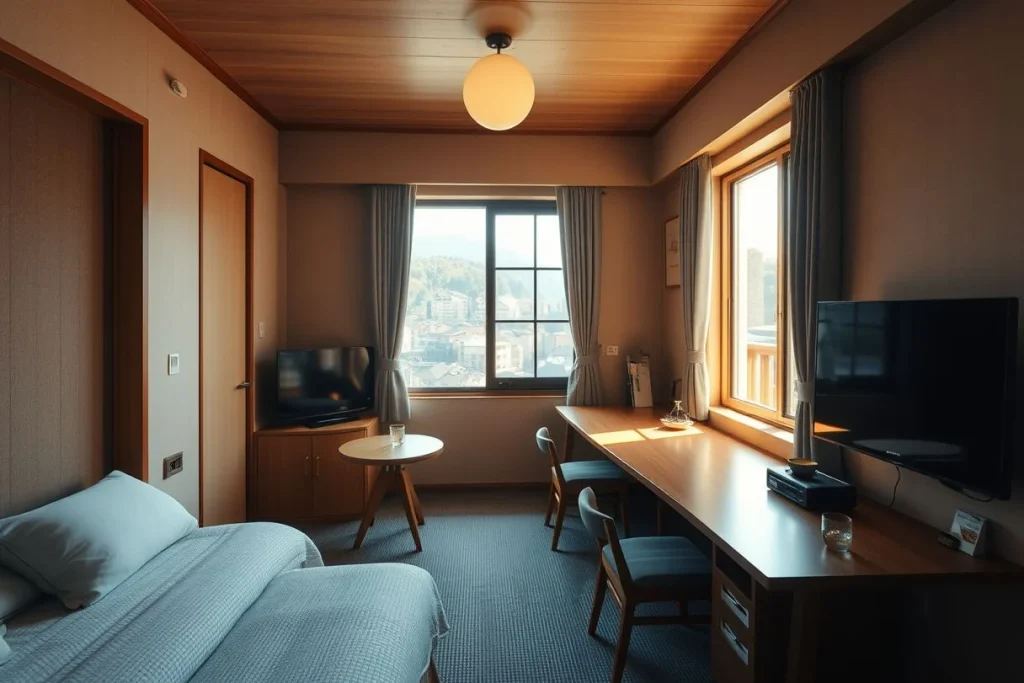
Choose your neighbourhood before choosing your hotel: in Japan’s large cities, being close to the right station often matters more than a vague “city-centre” address. These are practical bases for a first visit:
| City and area | Best for | Choose this if… |
|---|---|---|
| Tokyo: Shinjuku | Convenience and transport | You want a straightforward first stay, with restaurants and connections close by. |
| Tokyo: Shibuya | Nightlife and youth culture | You prefer a lively evening scene and don’t mind a busier atmosphere. |
| Tokyo: Akihabara | Technology and anime | Those interests are central to your trip. |
| Kyoto: Kawaramachi | Access and convenience | You want shops, restaurants and a useful base for exploring Kyoto. |
| Kyoto: Gion | Traditional atmosphere | You value historic streets and atmosphere over the simplest transport connections. |
| Osaka: Namba or Umeda | Food, nightlife or rail links | Choose Namba for dining and evenings; choose Umeda for rail connections. |
Hostels and business hotels usually suit value-focused travellers; three- to four-star hotels make a first itinerary easier, especially near a station. A ryokan is best treated as a deliberate one-night traditional or onsen stay rather than the default for every night. Kyoto demand is heavy in spring and autumn, so book earlier and check the exact station or subway access instead of relying on “central Kyoto” in a listing.
Best things to do in Japan: signature experiences by region
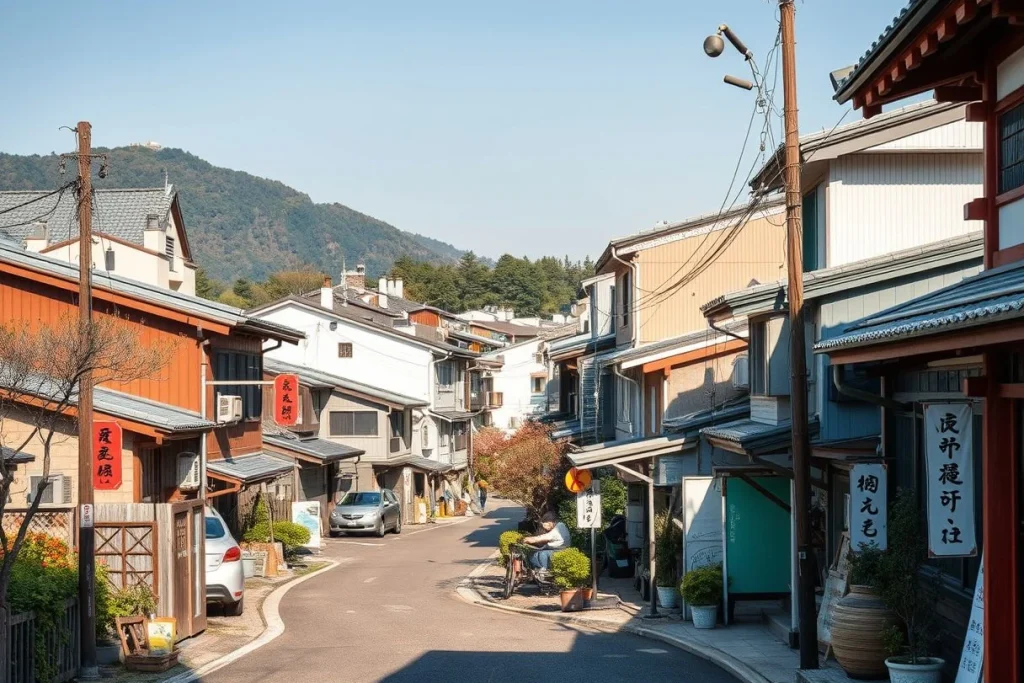
Plan Japan around experiences, not a checklist of attractions. In Tokyo, give yourself time to explore contrasting neighbourhoods: Shibuya for contemporary city life, Akihabara for technology and games, and quieter museum or garden visits between them. Kyoto rewards early starts at its temples and gardens, followed by a walk through Gion or along the Kamo River; Osaka is the livelier counterpoint, with nightlife and street-food districts around Namba and Dotonbori.
For a straightforward cultural day trip, choose Nara for its temples and deer. A night in Hakone or Kinosaki Onsen adds a traditional ryokan stay and hot-spring bathing, while the Fuji Five Lakes offer outdoor viewpoints of Mount Fuji rather than a rushed photo stop from a train. These are better additions to a 10- or 14-day route than attempts to squeeze them into a tightly packed first week.
Longer itineraries can shift towards Hiroshima and Miyajima, combining historical reflection with island scenery, or Kamikochi for mountain landscapes and hiking. In winter, Hokkaido suits travellers who prioritise snow sports, while Okinawa and the Kerama Islands offer beaches and a distinct Ryukyuan cultural setting. Seasonal and outdoor plans need a weather check, and attractions, trails, transport and activities may have changing operating hours.
Use a simple planning rule: choose one or two anchor experiences per day, then leave room for neighbourhood wandering, meals and the occasional wrong turn. That pace makes room for Japan’s small discoveries without turning every transfer into another attraction to conquer.
What to eat in Japan: regional dishes and where to find them
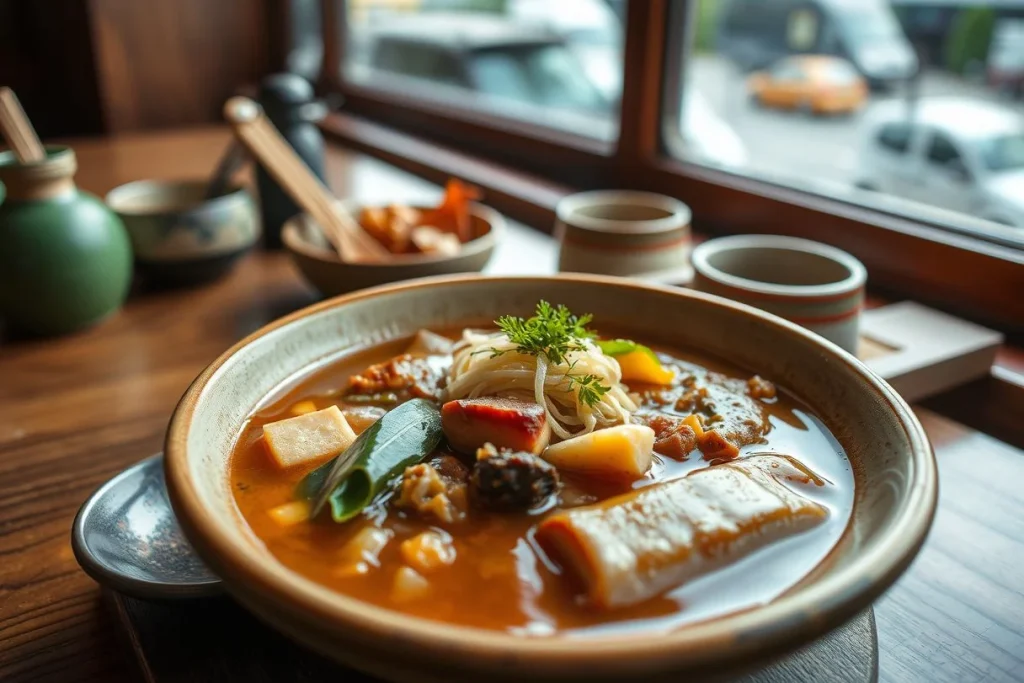
Japan’s food changes with the route. Tokyo offers the widest choice, from sushi counters and tempura to ramen, soba, yakitori and curry rice in neighbourhoods such as Shinjuku, Shibuya and Ueno. Osaka is the place for takoyaki and okonomiyaki, while Kyoto suits refined seasonal cuisine, kaiseki and delicate tofu dishes. In Hokkaido, look for fresh seafood and Sapporo-style dishes; Kyushu is known for regional ramen and food-led hot-spring trips around places such as Beppu.
Match the setting to the meal. A ramen, udon or soba counter is casual, quick and usually ordered at the entrance or a vending machine. An izakaya is a small Japanese pub for shared plates such as grilled fish, yakitori and fried dishes, while a ryokan may include a carefully arranged multi-course dinner. Reserve time and budget for the latter rather than treating it as an ordinary restaurant meal.
Breakfast does not need advance planning: convenience stores are useful for rice balls, sandwiches, yoghurt and coffee before an early train. At busy food streets, eat inside the shop or in a designated area rather than walking while eating. Follow the restaurant’s seating and payment cues, and tell staff about allergies before ordering; carry a written explanation in Japanese if the allergy is serious, since communication can be difficult.
Japan travel costs: budget, mid-range and luxury estimates
Plan Japan travel costs by person, per day, rather than by room. The following are dated estimates from the Statistics Bureau of Japan’s Statistical Handbook, using 2025–2026 travel snapshots; airfare is excluded.
| Estimated travel style | Daily cost per person | Typically includes |
|---|---|---|
| Budget | US$60–100 | Hostel or basic accommodation, inexpensive meals and local transport |
| Mid-range | US$150–300 | Three- to four-star accommodation, city dining and occasional reserved shinkansen journeys |
| Luxury | US$400+ | Upscale hotels or ryokan, fine dining and private or premium experiences |
Basis: approximate 2025–2026 snapshots; figures are per person, not per room, and are not live quotations. A double room may therefore be shared by two travellers, while a solo traveller carries its full nightly cost alone.
Season and booking timing usually have the greatest effect on accommodation, particularly during cherry-blossom season, autumn foliage, Golden Week, Obon and New Year. Add more for long-distance shinkansen journeys, regional flights, alcohol, ticketed attractions and ryokan meals; local trains, convenience-store breakfasts and inexpensive noodle shops help contain the budget. Check current hotel, rail and flight prices for your dates before booking, since these estimates do not include airfare or guarantee availability.
| Item | Budget | Mid-range | Luxury |
|---|---|---|---|
| Japan daily travel budget | US$60–100 per person per day | US$150–300 per person per day | US$400+ per person per day |
Estimated ranges based on the sources listed below. Prices change; check with providers before booking.
Sample Japan travel itineraries: realistic 7- and 14-day routes
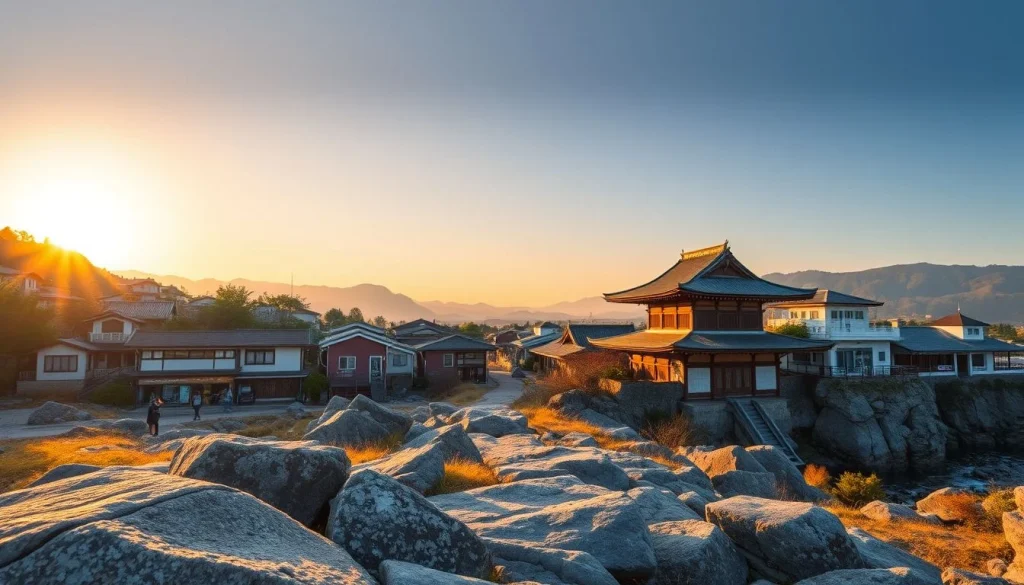
Build the route around a small number of bases rather than changing hotels every night. The following frameworks show nights; adjust them around your arrival and departure flights.
| Route | Nights and bases | Best for | Transfer notes |
|---|---|---|---|
| Classic Golden Route | Tokyo 3; Kyoto 2; Osaka 1 | First-time visitors wanting city life, temples, traditional districts and food | Travel west by shinkansen; make Nara a day trip from Kyoto or Osaka rather than another hotel change |
| Hokkaido summer | Sapporo 3; Furano or Biei 2; Sapporo 1 | Travellers prioritising cooler weather, seafood, flowers and countryside | Use Sapporo as the arrival and departure base, with a day trip or short rural stay for Furano and Biei |
| Two-week regional route | Tokyo 3; Hakone 1; Takayama 2; Kanazawa 1; Kyoto 2; Osaka 1; Hiroshima or Miyajima 2 | Visitors who want onsen, traditional towns, major cities and history | Ambitious but coherent; an open-jaw flight into Tokyo and out of Kansai International Airport can reduce backtracking |
The classic seven-day route is the safest choice for a first Japan trip. Spend enough time in Tokyo to explore contrasting neighbourhoods such as Shinjuku, Shibuya and Asakusa, then use Kyoto for temples and traditional streets before finishing with Osaka’s food and nightlife. Add a night to Kyoto for a slower pace, or remove Osaka if your return flight leaves from Tokyo.
The Hokkaido plan suits summer travellers who would rather trade dense urban sightseeing for open landscapes and regional food. Keep the itinerary flexible for countryside weather; Japan’s climate varies considerably by region, and the Japan Meteorological Agency’s 1991–2020 climatological normals are a useful planning reference.
Choose the two-week route only if you are comfortable with several long transfers. Add a night to Kyoto or Hiroshima for less rushing; remove Kanazawa or Takayama if you prefer a simpler journey. Check current rail schedules, seat reservations and airport information before booking, and monitor Japan Meteorological Agency advisories because typhoons can disrupt transport, particularly from August through October.
Japan entry requirements and safety: check official guidance before departure
Japan entry requirements are nationality-specific, so there is no universal visa answer. Check the Ministry of Foreign Affairs of Japan visa page for visa exemptions, short-stay rules and passport requirements before booking, then check it again immediately before departure. Requirements and procedures can change.
For practical preparation and current travel information, consult the Japan National Tourism Organization and your own government’s Japan travel advisory. Keep travel insurance that covers medical treatment, disruption and any activities you plan to undertake.
Japan is generally a manageable destination for solo and first-time visitors: major cities have extensive public transport and clear station signage, while staff at airports and transport hubs can help when plans go wrong. Use normal precautions, keep copies of important documents, and save your accommodation details and local emergency guidance offline.
Natural hazards deserve more attention than street crime. Monitor the Japan Meteorological Agency for typhoons, earthquakes, volcanic activity, tsunamis and heavy snow. Typhoon disruption is typically greatest from August through October and can affect flights and rail services, so leave flexibility around important connections and follow official instructions rather than travelling to a closed or disrupted area.
Japan travel tips for first-time visitors: money, etiquette and planning mistakes
Once the route is set, a few small preparations make Japan much easier to navigate. Keep these practical points in mind:
- Carry yen and a backup payment method. Cash remains widely used, while card acceptance is stronger in cities; according to the Japan National Tourism Organization, check your bank’s ATM and foreign-transaction fees before departure and keep a second card separately.
- Choose connectivity for your group. An eSIM is convenient if your phone is unlocked and compatible; pocket Wi-Fi suits several people sharing one connection. Download offline maps and translation tools, and save your accommodation’s address in Japanese.
- Check visitor IC-card arrangements before flying. Welcome Suica and related services are designed to simplify local transport for overseas visitors, but availability, mobile compatibility and sales points can change, as JR East notes. Confirm current details on the official service page before travel.
- Travel light on crowded rail journeys. Large suitcases are awkward on busy trains and at stations. Use a luggage-forwarding service between hotels, or arrange luggage storage, but confirm the hotel can receive bags and allow enough time for delivery.
- Follow the queue and keep trains quiet. Stand behind marked lines, let passengers off before boarding, and use your phone silently. Eating and drinking are generally more acceptable on long-distance trains than on busy urban services.
- Observe basic accommodation etiquette. Remove shoes where requested, wash thoroughly before entering an onsen, and do not tip. Dispose of rubbish in the appropriate bins; public bins can be limited, so carry a small bag during the day.
- Use licensed taxis only. Ignore unsolicited offers around nightlife districts and use an official rank or reputable booking method. Agreeing to an unlicensed ride can create avoidable overcharging disputes.
- Check access rather than assuming it. Station lifts, hotel rooms and attraction facilities vary outside major hubs, so contact each provider directly if you use a wheelchair, pushchair or other mobility aid. Recheck transport disruptions, product availability and closures on official operator websites close to departure.
Conclusion: choose one Japan route and build from there
For most first-time visitors spending seven days in Japan, choose the Tokyo–Kyoto–Osaka corridor. It gives you megacity neighbourhoods, temples, traditional culture, food and nightlife without turning every day into a long transfer; add Nara as an easy day trip. With 10–14 days, add one detour such as Hakone, Takayama, Kanazawa or Hiroshima rather than trying to cross the entire country.
Choose Hokkaido for cooler summer weather, food and outdoor scenery; skiing and onsen for a winter journey; or Okinawa for beaches and subtropical island culture. Then take three practical steps: choose your dates, select one route, and verify entry rules, weather advisories and transport information through the official Japanese sources before booking.
Once the route is fixed, book accommodation in each base, arrange the necessary transport, and reserve one signature guided experience that adds context to the places you’ll visit.
Frequently asked questions
How many nights should I spend in each city on a first visit?
For a seven-day first trip, keep the route to Tokyo, Kyoto and Osaka, with Nara as a day trip from the Kansai corridor. This gives you a manageable introduction to megacity neighbourhoods, temples, traditional districts, food and nightlife without turning every day into a transfer. With 10–14 days, add one regional stop rather than dividing the core cities too thinly.
Is it worth adding a rural or onsen stay to a city-focused trip?
Yes, provided you have enough time to slow the itinerary down. Hakone works well between Tokyo and the Kansai region, while Kinosaki Onsen suits travellers who want a traditional hot-spring-town and ryokan experience. For a two-week route, Takayama or Kanazawa can add regional food and traditional townscapes; on a seven-day trip, adding too many rural stops will make the journey rushed.
What should I reserve before arriving in Japan?
Confirm the practical foundations first: international flights, accommodation in each base and any major transport or special stay that determines your route. Recheck airport arrival procedures and flight information with the relevant airport, particularly if you are using Haneda, Narita, Kansai International, New Chitose or Naha. Rail-pass eligibility, prices, sales channels and reservation rules can change, so check the official JR Pass or JR Group information before committing.
Can I travel independently in Japan without speaking Japanese?
The route planning in this guide is built around major international gateways and established destinations including Tokyo, Kyoto, Osaka, Nara and Hiroshima, making independent travel a practical structure for a first visit. Still, services and accessibility vary outside major hubs, so check station, hotel and attraction information individually. Keep accommodation details and your route accessible offline, and use official airport and transport information when connections change.
How can I manage luggage during a multi-city journey?
Plan the trip around a small number of bases rather than changing hotels every night. The classic Tokyo–Kyoto–Osaka route is easier to manage than a longer circuit, while a 10–14-day itinerary should add regional stops selectively. Before travelling, check luggage arrangements directly with each accommodation and the relevant rail or airport operator; the supplied official guidance does not establish one nationwide luggage rule.
What should I do if bad weather disrupts my Japan itinerary?
Check Japan Meteorological Agency advisories and the official website of your airline, airport or rail operator before leaving your accommodation. Typhoon disruption risk is typically highest from August through October, and flights and rail services may be affected. Keep one flexible day where possible, avoid making a same-day connection essential to the whole trip, and ask the operator about current alternatives rather than relying on an old timetable.