
A private villa with in-villa treatments and a dedicated chef serves a very different purpose from a medical-wellness centre built around assessments, diagnostics and clinicians. Both may be described as luxury wellness retreats, but the privacy, expertise and daily structure they provide are not interchangeable.
This guide is for affluent travellers seeking discreet service, private transfers and a programme shaped around personal goals rather than a standard spa timetable. It explains how to weigh seclusion against clinical oversight, hotel service against exclusive use, and restorative treatments against more intensive heat, cold, fasting or movement programmes. You’ll also find practical checks for practitioners, medical screening, dietary requirements, fine-dining reservations, seasonal conditions, insurance and the lead time needed for a genuinely bespoke stay.
Quick answer: Choose a private villa for seclusion and in-villa service, a medical-wellness centre for a structured clinical programme, a destination spa for curated treatments and rest, or a private spa villa for discreet hotel-level service. Select dates around climate, crowd levels and programme availability, then confirm practitioners, medical scope, transfers, dining, insurance and cancellation terms before paying a deposit.
Why choose a luxury wellness retreat: what premium travel unlocks
A luxury wellness retreat should be planned as a bespoke programme, not simply booked as a high-end hotel with a spa. The premium lies in how carefully the stay is assembled: pre-arrival screening, a private transfer timed to your arrival, treatments placed around your energy levels, and one point of contact for dining, movement and off-site arrangements.
Privacy is practical as well as pleasant. A private villa or spa villa may allow in-suite treatments, discreet dining and a schedule that does not revolve around group sessions. A dedicated concierge can gather dietary information, arrange a practitioner-led consultation and coordinate transport, although the property’s concierge or a vetted travel adviser should confirm exactly what can be delivered before the deposit is paid. McKinsey’s luxury travel reporting describes growing demand for personalised service and premium logistics.
The value is strongest when continuity matters. Instead of selecting isolated massages or fitness classes, you can ask the retreat to align nutrition, movement, sleep support and restorative treatments across the stay. Some programmes also include mental-health support, diagnostics or clinical consultations; the Global Wellness Institute notes that this broader model is expanding, but the medical scope and qualifications vary by operator.
That distinction should shape your expectations. Hospitality-led wellness is designed around rest, recovery and guided lifestyle activities; it is not automatically medical care. Ask who conducts assessments, which practitioners are licensed locally, what happens if a result needs follow-up, and whether any treatment is supportive rather than diagnostic. A refined setting cannot substitute for clinical oversight.
The market’s scale explains the breadth of choice, not the quality of every retreat: the Global Wellness Institute’s Wellness Economy Monitor, published in November 2024, valued wellness tourism at approximately $830.2 billion in 2023. The useful question is narrower: which level of privacy, expertise and personalisation will make the programme worth leaving home for?
Exceptional stays: private villas, medical centres and destination spas
The right property depends on the kind of care and privacy you want, not simply on its room category. A private villa is strongest for seclusion and dedicated staffing; a medical-wellness centre for structured assessment; a destination spa for guided rest; and a private spa villa for discreet hotel service with more personal space. The main formats are reflected in the current luxury wellness inventory described by Skift Research.
| Property type | Best for | Privacy | Clinical depth | Service model and setting | Verify before booking |
|---|---|---|---|---|---|
| Private villa or estate buy-out | Seclusion, private dining, flexible pacing and a chef at the villa | Highest, particularly with exclusive use | Usually programme-led rather than inherently clinical | Dedicated staff, in-villa service and potentially visiting practitioners; often coastal or rural | Whether therapists and clinicians come on site, and who coordinates the programme |
| Destination medical-wellness centre | Assessments, diagnostics and a structured health programme | Private, but generally within a shared clinical setting | Deepest of the four formats when properly staffed and regulated | Scheduled consultations, nutrition, movement and other services in a purpose-built centre | Clinician credentials, licensing, regulatory oversight and the exact treatment scope |
| Boutique destination spa | A curated sequence of treatments, movement and restorative downtime | High, though facilities and activities may be shared | Light to moderate; do not assume spa services are medical care | Intimate resort or rural setting with a pre-arranged wellness schedule | Which services are delivered by qualified practitioners and how personalised the programme is |
| Luxury hotel suite or private spa villa | Hotel-level service, in-room dining and selected treatments | High, with private facilities depending on the accommodation | Usually limited unless a separate clinical team is available | Full-service hotel, suite-level facilities and access to a shared spa | What can be delivered in the suite, treatment availability and transfer arrangements |
| Coastal or blue-space retreat | Sea swims, water-based activities and a restorative relationship with the coast | Varies from private villa settings to conventional resorts | Depends on the underlying property | Coastal accommodation, with activities shaped by weather and water conditions | Water safety, weather contingencies and whether the programme operates seasonally |
| Mountain or forest retreat | Cooler conditions, hiking, quiet and time outdoors | Often high, particularly at small properties or private lodges | Depends on the operator, rather than the landscape | Mountain, woodland or rural setting; outdoor access may be seasonal | Access conditions, walking requirements, transport and the level of comfort outdoors |
Private villas and estate buy-outs suit travellers who want the day to remain largely invisible to other guests. They can support a private chef, in-villa treatments and dedicated staffing, but the phrase “wellness programme” may mean little more than a preferred menu and a visiting therapist. Confirm in writing which practitioners are available, whether they travel to the property and how emergency support is handled.
Medical-wellness centres are the more logical choice for metabolic health, sleep, detox or diagnostic-led goals. Wellness programmes increasingly combine medical, nutrition, mental-health, movement and diagnostic services, although the scope varies substantially by operator, as the Global Wellness Summit notes. Ask for the names and qualifications of the clinicians, the limits of what is being offered and the relevant licensing before sharing medical information or paying a deposit.
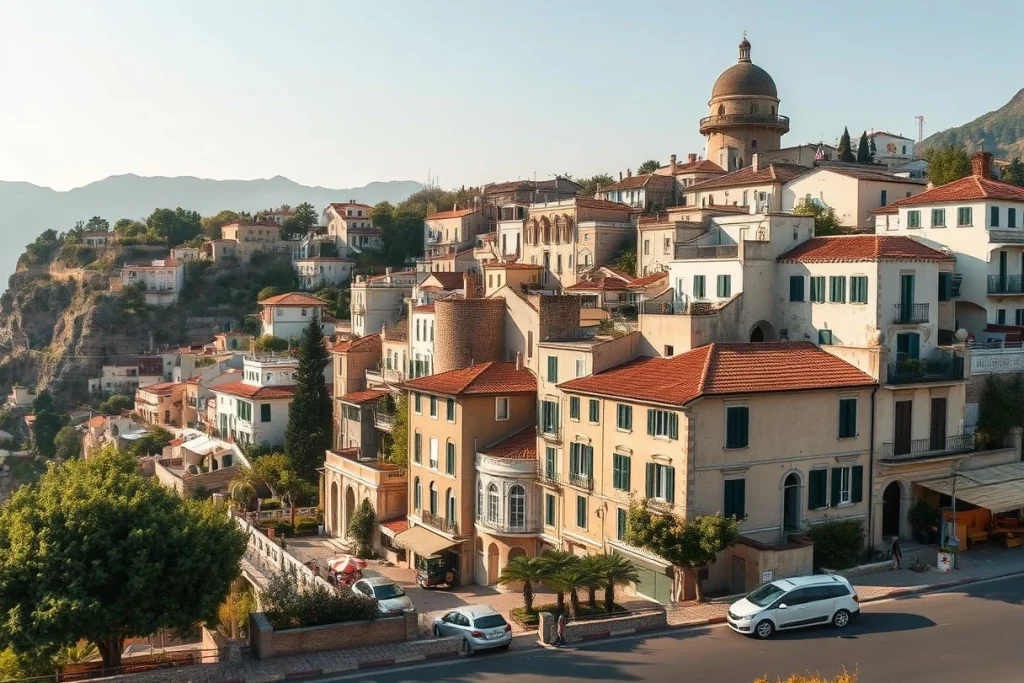
Boutique destination spas work better when the aim is a carefully paced reset rather than investigation or treatment. Choose a private spa villa or hotel suite instead when privacy between appointments matters, or when a partner wants hotel service without following the same schedule. For any setting, match the landscape to your tolerance: blue-space programmes depend on water and weather, while mountain and forest retreats may require walking and seasonal access.
Luxury travel reporting points to longer booking windows and greater use of advisers for exclusive-use arrangements and complex logistics. A property concierge or vetted travel adviser can coordinate the private transfer, pre-arrival information and accommodation choice, but confirm availability, cancellation terms and the full service scope directly with the property before committing.
Signature experiences: private treatments, expert guidance and restorative space
Reset and sleep

For a sleep-focused stay, ask for a private consultation that sets the pace of the programme instead of filling every hour. One practitioner-led session, a quiet room, an evening treatment and a later start may do more than a sequence of group classes. In a private spa villa or suite, in-suite treatments cut down on transitions and protect your privacy. Confirm whether the therapist is employed by the property or brought in externally.
Nutrition, metabolic goals and clinical care
Nutrition consultations, chef-at-villa service and movement assessments can support a tailored routine. They aren’t a substitute for medical care. Wellness programmes increasingly combine medical, nutrition, mental-health, movement and diagnostic services, although the exact scope varies by operator, according to the Global Wellness Summit. Before booking, ask about the clinician’s qualifications, licensing, treatment contraindications and a written explanation of what is—and isn’t—being assessed. Spa treatments should not be described as diagnosing or treating a condition unless the provider’s documentation supports that claim.
Movement, recovery and thermal rituals
A private movement session makes sense when you need adaptations for fitness, injury or accessibility. Choose a group class if you enjoy structure and a shared rhythm. Before confirming a thermal circuit, hydrotherapy, intensive heat, cold exposure or fasting programme, request details of the screening process, supervision level and emergency procedure. The World Health Organization’s heatwave guidance notes that heatstroke can be fatal. Travellers with chronic conditions should consult a clinician before booking demanding programmes or hot-climate retreats.
Mental restoration and nature

Private breathwork, counselling or meditation can provide a quieter setting than a scheduled group class, provided the practitioner’s training and the session’s purpose are clear. To leave more space in the day, pair one guided activity with a private nature guide, a gentle walk or a water-based outing rather than stacking excursions. The Global Wellness Institute identifies blue tourism and other water-focused wellness experiences as an emerging trend; weather, water safety and transfers still need checking locally.
Leave room to recover
Build unscheduled time around every substantial treatment, assessment or excursion. Ask the retreat to confirm accessibility, dietary information, practitioner availability and emergency support in writing. Then check what happens if a session isn’t suitable on arrival. The most convincing luxury isn’t a fuller itinerary, but the freedom to change it without losing the day.
Fine dining at a wellness retreat: menus, privacy and reservations
Dining should be part of the programme design, not an afterthought. Ask the retreat to distinguish between a wellness menu built around lighter, balanced cooking; medically prescribed nutrition overseen by a qualified clinician or dietitian; and ordinary fine dining that may simply offer healthier choices. The scope of clinical nutrition varies between operators, so confirm who designs the menu and what documentation they require before booking, particularly for diabetes, allergies, eating disorders or medication-related restrictions.
Send allergies, intolerances, religious requirements, fasting preferences and medically relevant restrictions before arrival, in writing. Ask the retreat to confirm what it can safely accommodate rather than accepting a general assurance from reservations. A private villa can often support a chef-at-villa arrangement or tailored meals, while a resort may offer private dining, in-suite service or a tasting menu adapted by its culinary team; the exact flexibility depends on the venue.
For maximum discretion, request a private dining room, a secluded table or dinner in the suite, and specify whether you want the meal served around treatment times. Private dining at high-end venues commonly involves a deposit, signed contract or food-and-beverage minimum, according to Restaurants for Kings; these terms are venue-specific and should be written into the confirmation. Also check the cancellation policy, menu-change deadline and whether a chef can prepare separate courses for different dietary needs.
For a destination restaurant beyond the retreat, ask the concierge or travel advisor to confirm the reservation release date, table location, transfer timing and return arrangements. High-demand bookings may be handled through the restaurant’s official events team, Tock or Resy, or via the property’s concierge, as AFAR explains. Have the retreat coordinate the booking and transport together: a late dinner followed by a long transfer can undermine an otherwise carefully paced wellness stay.
Best time to visit: match the season to your programme
There is no universally best month for a luxury wellness retreat. Choose dates around the programme you want, the climate you tolerate and the level of privacy you expect. June, July, August and December are peak travel months for this planning brief, so popular properties may have tighter availability and longer lead times. Shoulder-season dates can feel quieter if the retreat operates year-round, but seasonal treatment menus, outdoor activities and staffing still need confirmation.
For hot-climate retreats

Cooler parts of the year are usually the more comfortable choice for intensive movement, outdoor therapies and time between treatments. Extreme heat can turn a carefully designed programme into a test of endurance, particularly if it includes fasting, long walks or heat-based rituals. The World Health Organization warns that heatstroke can be fatal; read its heatwave guidance and check current destination advice before travelling.
Travellers with chronic conditions should speak with a clinician before committing to intensive heat, cold or fasting programmes. Ask the retreat whether activities can be shortened, moved indoors or replaced without compromising the programme.
For mountain and forest settings
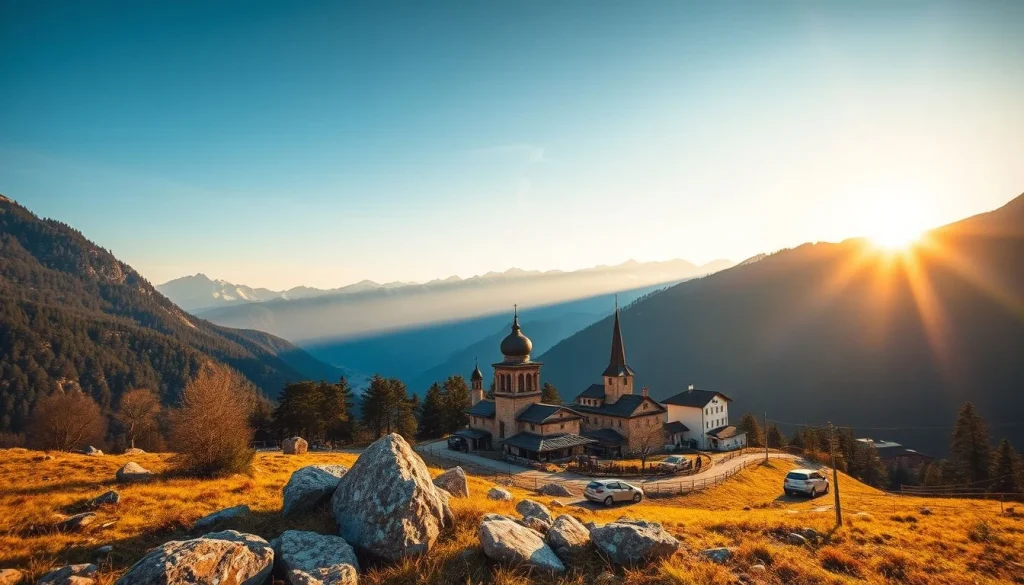
Select the season that matches your reason for going. Cooler months can suit hiking, sleep-focused stays and time outdoors, while warmer periods may make movement and walking more accessible. Mountain access, trail conditions and the retreat’s own operating calendar vary considerably, so confirm seasonal availability rather than assuming a year-round schedule.
For coastal and blue-space retreats

Sea swims, boat excursions and other water-based activities can be a meaningful part of a coastal programme; the Global Wellness Institute identifies blue tourism as an emerging wellness-travel trend. Weather, water conditions and storms may change the plan, however. If the retreat’s appeal depends on sailing, open-water swimming or long days outside, choose a season with a realistic alternative programme and check regional hurricane, monsoon and storm guidance.
Before settling on dates, check heatwaves, wildfires and other extreme-weather risks with the relevant official destination authority. Then ask the property to confirm operating dates, treatment availability and any local high-demand periods. For maximum quiet, prioritise a shoulder season; for a specific clinician, diagnostic programme or private villa, prioritise availability over the calendar.
Booking logistics: screening, transfers, lead times and insurance
Luxury wellness retreat planning should begin with a pre-deposit conversation, not a room category. Booking windows have lengthened, and luxury travellers are increasingly using advisers for exclusive-use stays and complex logistics, according to Travel Weekly’s reporting on Virtuoso. That matters most for private villas, estate buy-outs, peak dates and programmes requiring a particular clinician.
- Confirm the programme’s medical scope. Ask which services are clinical—such as diagnostics, nutrition or mental-health support—and which are spa or lifestyle treatments. The Global Wellness Summit reports that programmes increasingly combine these disciplines, but the exact scope varies by operator; verify each practitioner’s credentials, licence and regulatory status directly.
- Request a written pre-arrival plan. It should cover medical screening, dietary requirements, existing conditions, treatment sequencing, rest days and any limits on arrival-day treatments. Do not assume a spa treatment is intended to diagnose or treat a medical condition.
- Audit the transfer. Confirm journey duration, vehicle type, luggage handling, accessibility requirements and whether a private transfer meets you at the correct terminal. Ask how the property manages a late arrival or a delayed connection.
- Clarify remote-care arrangements. Before choosing an isolated retreat, ask about on-site emergency support, the nearest suitable medical facility and the procedure for evacuation. Check with your insurer whether the policy covers medical evacuation, treatment interruption and pre-existing conditions; travellers with chronic conditions should consult a clinician before intensive heat, cold or fasting programmes. WHO heatwave guidance notes that heatstroke can be fatal.
- Get the commercial terms in writing. Confirm deposit, cancellation, seasonal closure and treatment-change policies, plus any private-dining minimums or contracts. A property concierge or vetted adviser can coordinate transfers, forms, treatment appointments and restaurant reservations, but confirm availability before committing.
Conclusion: choose the retreat around the care you actually want
Conclusion: choose the retreat around the care you actually want
The right luxury wellness retreat depends less on its room category than on the care and privacy you want. Choose a private villa when seclusion, flexible staffing, a chef at the property or in-villa treatments matter most, and confirm which practitioners can actually come to you. Select a medical-wellness centre for structured assessments, diagnostics and clinical oversight; check its credentials and treatment scope before booking.
A boutique destination spa suits a restorative sequence of treatments, movement and quiet time without a clinical programme. A private spa villa or suite sits between the two: discreet hotel-level service, private facilities and the option of in-room dining or treatments, usually with more operational support than an exclusive-use villa.
Before paying a deposit, prepare a short brief with your dates, treatment aims, health considerations, dietary requirements, privacy preferences and transfer needs. Send it to the property or a vetted travel adviser, then ask for a written proposal matching practitioners, accommodation and daily rhythm to those priorities. The response should be clear. If it is vague about who delivers the programme or what is included, keep looking; luxury should make the plan clearer, not merely more elaborate.
Frequently asked questions
How many nights are usually needed for a meaningful wellness programme?
There is no universal number of nights: the right length depends on whether you want rest and treatments, or a structured programme involving assessments, diagnostics, nutrition, movement and clinical input. Because each operator defines its programme differently, ask for the intended schedule, recovery time and minimum stay before booking. The exact scope should be confirmed directly with the retreat, as advised in Global Wellness Summit reporting.
Can I combine a structured wellness programme with leisure days or sightseeing?
Usually, this can be discussed as part of a bespoke itinerary, but the practical answer depends on the programme’s intensity and appointment schedule. A retreat concierge or vetted travel advisor may coordinate treatment scheduling, private transfers and additional arrangements; confirm that sightseeing will not conflict with assessments, recovery periods or dietary requirements. Ask for a day-by-day outline before paying a deposit.
What is the difference between a spa treatment and a clinically supervised programme?
A spa treatment is generally a scheduled service within a broader stay, while a clinically supervised programme may include medical assessment, diagnostics, nutrition, mental-health support and movement services. The distinction is not guaranteed by the word “wellness”: Global Wellness Summit reporting notes that the scope varies by operator. Verify the clinicians’ credentials, licensing, treatment scope and regulatory oversight directly with the property.
Should couples book the same wellness itinerary?
Not necessarily. Luxury wellness programmes can combine several disciplines, and the most useful plan may differ according to each traveller’s goals, health information and tolerance for intensive heat, cold or fasting programmes. Ask whether the retreat can create parallel schedules with shared meals or leisure time, rather than assuming both guests should follow an identical plan.
Can a retreat accommodate guests who prefer discreet, non-group experiences?
Often, the relevant options are a private villa, estate buy-out, private spa villa or hotel suite with private facilities. These formats can support greater seclusion, in-villa treatments, private dining and dedicated staffing, although services may need to be brought in rather than delivered on site. Confirm what is genuinely private, including practitioners, transfers, dining and shared facilities, before booking.
What documents or medical information might a retreat request before arrival?
Requirements vary according to the property and the programme. A retreat offering medical, diagnostic or intensive wellness services may request relevant health information before arrival, so ask exactly what must be supplied, who reviews it and how it affects eligibility. Travellers with chronic conditions should consult a clinician before booking hot-climate retreats or intensive heat, cold or fasting programmes; WHO also advises checking precautions for extreme heat.