In the Okavango Delta, floodwater arriving from Angola can turn a game drive into a mokoro or boat safari, with water-based conditions generally strongest from May to August and often peaking in July. That seasonal shift captures what a luxury safari Africa can change: not simply a more polished tent, but better access to landscapes, guiding and time.
This guide is for affluent couples, families and small groups choosing between private villas, private-concession camps, mobile camps and water-based lodges. It explains the trade-offs clearly: when a dedicated guide and vehicle justify the premium, where walking safaris and night drives may be permitted, how migration timing affects camp choice, and which transfers and dining arrangements need planning months ahead.
Quick answer: Luxury changes an African safari mainly through privacy, access and time: a dedicated guide and vehicle, flexible schedules, private transfers and carefully selected accommodation offer more control than a shared safari. Choose an exclusive-use villa for privacy, a private-concession camp for walking and night drives where permitted, a mobile camp for seasonal wildlife positioning, or an Okavango lodge for mokoro and boat experiences.
Why luxury safari in Africa changes the experience
The premium matters most when the safari needs to adapt around the people travelling. A couple can stay longer at a leopard sighting, return to camp between drives or set out later without negotiating with other guests. For a family, a private vehicle makes nap times, shorter outings and different interests easier to manage; older children can concentrate on wildlife while adults adjust the pace. Small groups gain the same control without turning every decision into a compromise.
That control is practical rather than merely ceremonial. An exclusive-use villa such as Singita Kilima can combine a private base with dedicated guiding and dining arrangements, while private-concession camps may add off-road tracking, walking safaris or night drives where local regulations and guide conditions allow. These activities are not automatic privileges of a luxury room: confirm exactly what the concession permits before booking.
Remote access can also change the shape of an itinerary. Light aircraft, helicopters and private road transfers reduce the friction between distant camps, leaving more of the trip for guiding rather than long overland connections. The trade-off is logistical: aircraft type, baggage limits, weather contingencies and airstrip access need checking with the operator before deposits are paid.
The premium is less compelling for travellers content to share drives, follow fixed departure times and spend most of the day away from camp. In that case, a polished lodge may deliver comfort without unlocking much additional safari time. For everyone else, ask a safari planner to price the elements that affect the day itself—private vehicle, dedicated guide, flexible transfers and exclusive use—rather than comparing rooms alone. Operators that publish conservation information and explain their community or reserve partnerships also make a more useful comparison than those selling privacy as a status marker; Singita’s conservation information illustrates the kind of documentation to look for.
Exceptional safari stays: four formats and where they work best
Private villas and whole-house buyouts
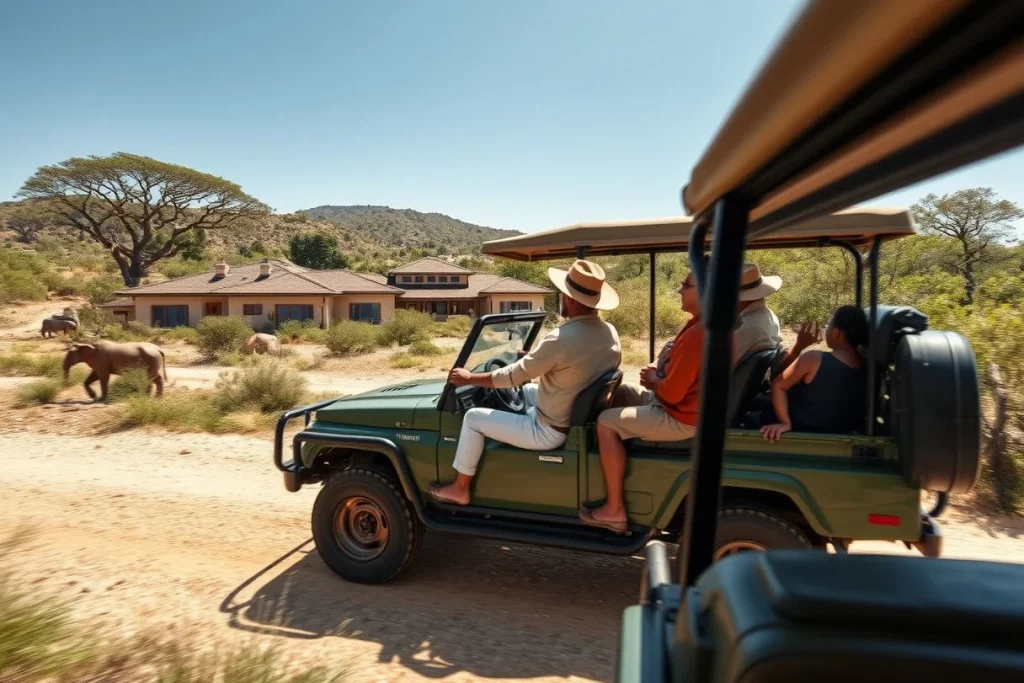
A private villa is the clearest expression of luxury safari as personal space. A whole-house booking can place your group together with a dedicated guide, vehicle, staff and dining arrangements, rather than dividing the day around a lodge’s shared schedule. It works particularly well for families, two couples travelling together or a small group that wants to return to one private base after each drive.
In the Serengeti, Singita Serengeti House is the relevant format to investigate; in the Grumeti area, Singita Kilima illustrates the private-villa model. Private villas in Sabi Sand and house stays in private reserves offer similar advantages. The compromise is scale: a villa may give you more control and privacy, but it is less suited to travellers who want to move frequently between landscapes or follow a shifting wildlife event. Confirm current design, operating status, minimum stay and villa inventory directly before committing.
Exclusive-use tented camps on private concessions
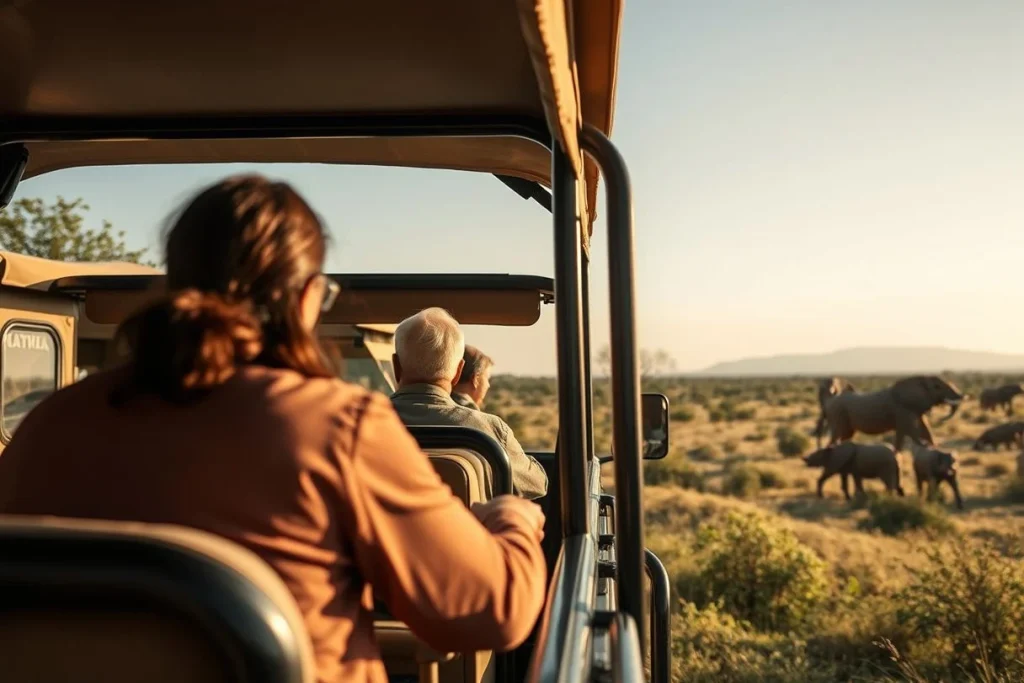
An exclusive-use tented camp is better for a small group that values the bush setting as much as the room. The camp can function as a private base with its own guiding and vehicle arrangements, while the concession setting may allow activities restricted or unavailable in some public parks. Subject to local rules, these can include off-road tracking, walking safaris and night drives.
This format suits guests who want to spend longer at a sighting, leave later for an afternoon drive or divide the day between a game drive and a guided walk. Private concessions and community conservancies can also offer a quieter operating environment than a busy public-road circuit, although access rules differ by reserve. The trade-off is that wildlife is never guaranteed by exclusivity, and a remote tented camp may involve more complex transfers and less conventional accessibility. Ask which activities are permitted at the specific camp, who provides the guiding and how the vehicle allocation works.
Fly-in mobile and seasonal camps
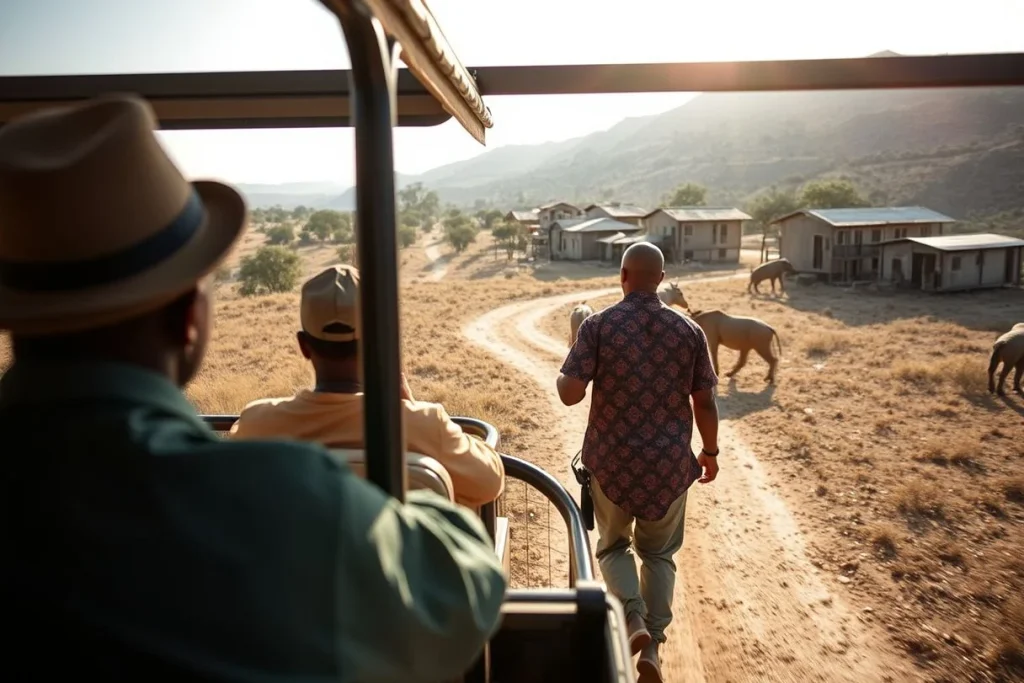
Mobile and seasonal camps make the accommodation part of the wildlife strategy. A small fly-in camp can position you nearer the Southern Serengeti and Ndutu during the broad December-to-March calving period, or nearer the Northern Serengeti and Masai Mara during the usual July-to-October river-crossing window. These are seasonal patterns, not appointments: rainfall and herd movement can change the picture.
The format is well suited to couples or small groups willing to trade a permanent lodge infrastructure for location and a lighter footprint. It can also reduce the temptation to spend every day travelling long distances from one fixed property. Confirm the camp’s operating dates, airstrip access, aircraft type, baggage allowance and weather contingency plan. Peak migration river-edge camps and private villas are generally best requested six to 12 months ahead, according to the cited migration-planning guidance.
Water-based lodges in the Okavango Delta
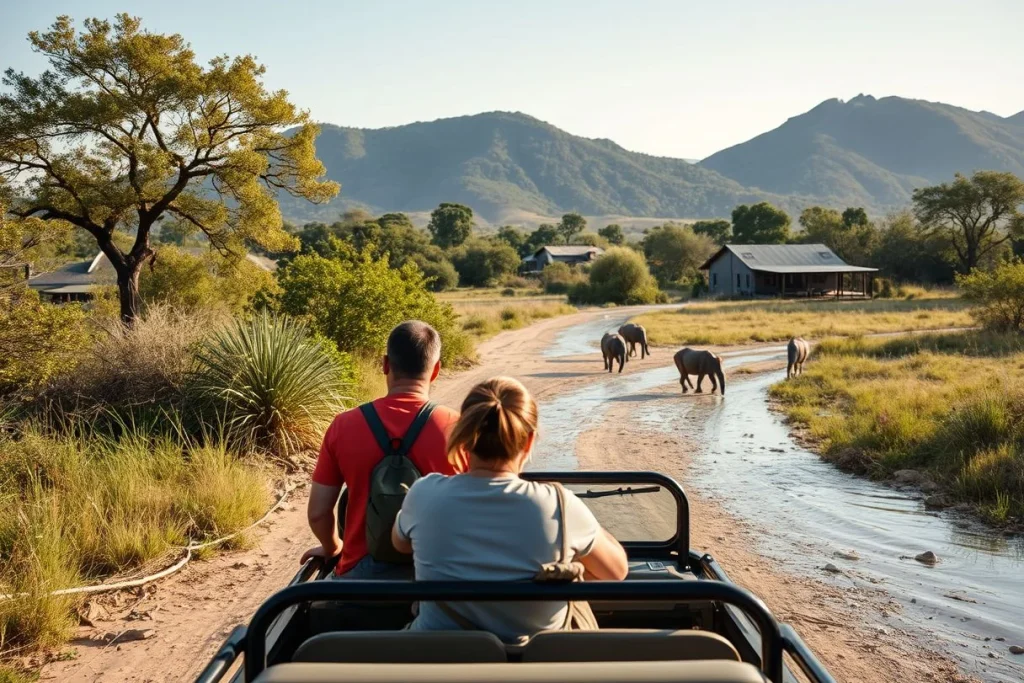
Choose an Okavango Delta lodge when water is central to the safari, not simply an attractive setting. Mokoro excursions and private boat safaris offer a different pace from a vehicle drive, with wildlife viewing shaped by channels, floodplains and seasonal water levels. The flood arrives from Angola; water-based conditions are generally strongest from May to August, with levels often peaking in July, according to Okavango.com.
This is a strong fit for couples and small groups who want varied days and a lodge with a water focus. It is a less direct choice if your priority is exclusively land-based Big Five viewing or a villa with a fully private household. Ask whether the stay includes shared or private boats and mokoros, then verify seasonal water access and current camp operations before booking.
Which stay style fits your safari priorities?
The right format depends on what you want to control: the rhythm of each day, the kind of wildlife access, or the landscape itself. The premium is most useful when it removes compromises rather than simply adding a more polished room.
| Format | Best for | Strongest advantage | Likely limitation | Suitable destinations |
|---|---|---|---|---|
| Exclusive-use villa or house | Families and small groups | Private guide, vehicle, staff and dining base | Different daily agendas can make coordination less spontaneous | Serengeti, Grumeti, Sabi Sand, Malilangwe |
| Private-concession camp | Guests prioritising varied activities | Walking, night drives and off-road tracking where permitted | Rules and activities vary; it is not equivalent to every national park | Botswana, Greater Kruger, private conservancies |
| Fly-in mobile camp | Seasonal wildlife positioning | Small-scale access near calving or migration areas | Operating dates, air transfers and baggage limits need careful planning | Serengeti, Ndutu, Northern Serengeti, Masai Mara |
| Okavango water-based lodge | Water-focused safaris | Mokoro and private boat outings when floodwater is present | Water access is seasonal, not a year-round guarantee | Okavango Delta, including Moremi areas |
For an Okavango Delta water itinerary, conditions are generally strongest from May to August, with flood levels often peaking in July. A private concession is the more purposeful choice for walking safaris and night drives, subject to local rules and guide conditions. For migration dates, request preferred river-edge camps and private vehicles roughly 6–12 months ahead; rainfall can still change the precise location.
Signature experiences: private guiding, walking and water safaris
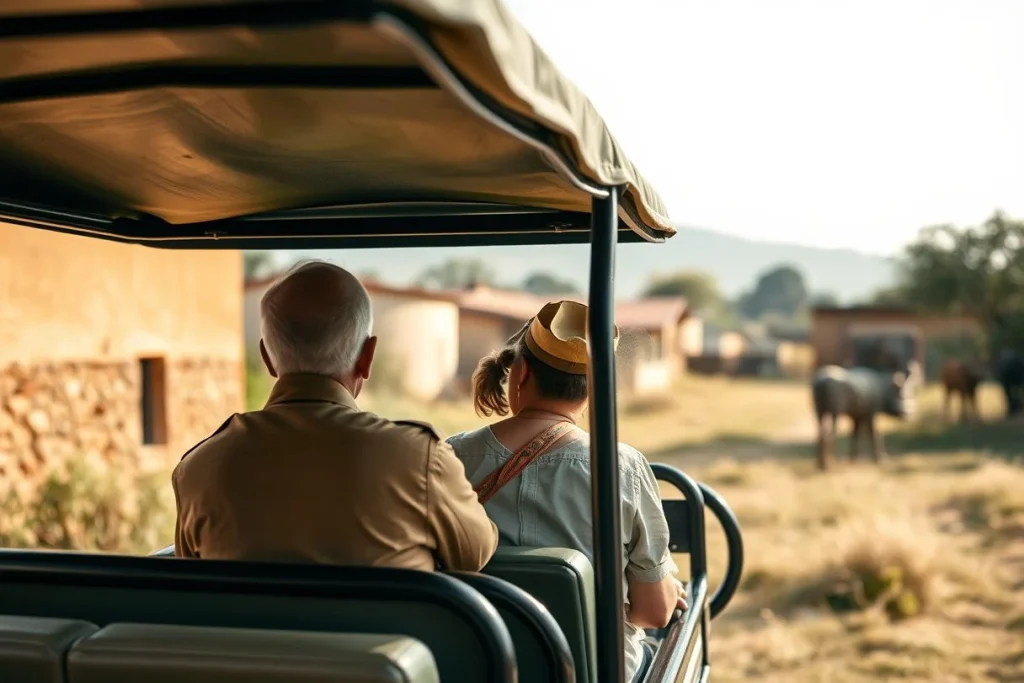
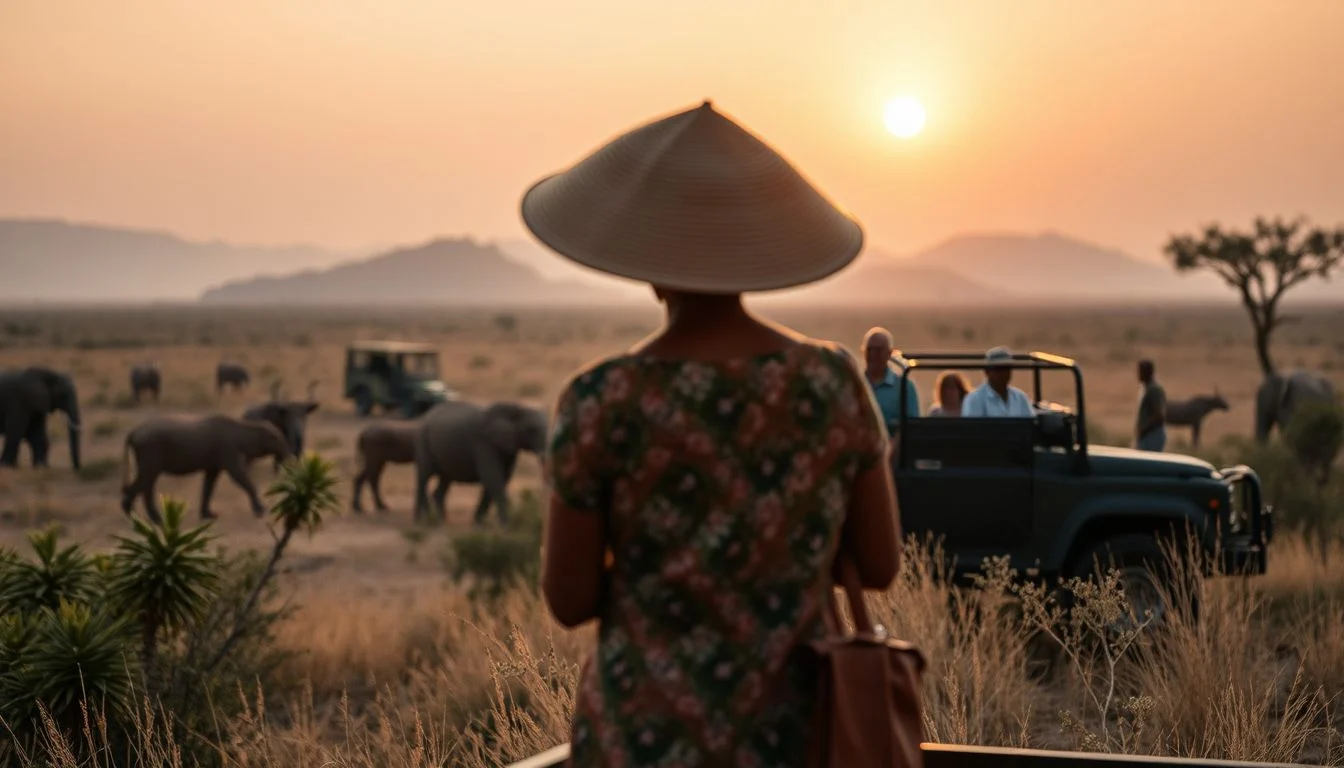
The clearest upgrade on a luxury safari is a private game drive with a dedicated guide and vehicle. You can leave later, change direction when conditions shift, linger at a sighting or return to camp when children or photographers have had enough. That flexibility matters more than a polished vehicle: shared drives require compromises, while private guiding lets the day follow your interests and pace.
Private concessions add a different kind of access. Depending on the reserve, local regulations and the guide’s qualifications, they may allow off-road tracking, walking safaris and night drives that are restricted or unavailable in some public parks. These activities are not guaranteed by booking a luxury lodge alone, so ask specifically which are permitted, who leads them and what conditions can cancel a departure. Conservation information and reserve-management arrangements are also worth requesting before you book; responsible operators should be able to explain their community or conservation programmes.
In the Okavango Delta, a mokoro or private boat safari is a water-led experience rather than a replacement for every game drive. Channels, floodplains and seasonal water levels shape the outing, with conditions generally strongest from May to August and flood levels often peaking in July, according to Okavango.com. Choose this format when gliding through reed-fringed waterways is a priority; choose a private concession when walking and night activity matter more.
Private helicopters, light-aircraft charters and scenic flights can remove long overland transfers between remote camps, but weather, aircraft availability, airstrip access and baggage limits need confirmation with the operator. In the Masai Mara, private or exclusive hot-air balloon flights can be arranged by request and should be organised early, according to MasaiMara.ke. Treat both ballooning and aircraft transfers as itinerary components to reserve—not automatic inclusions—and confirm the contingency plan before paying a deposit.
Fine dining in the bush: what to arrange before arrival
Fine dining in the bush is less about a formal restaurant than about choosing where, when and with whom to eat. Lodge-wide dining usually means joining other guests at the main dining area, while a private bush dinner moves the meal to a carefully selected outdoor setting. Chef-led villa dining offers the most control: meals can be planned around the household’s schedule, dietary needs and the privacy of an exclusive-use stay.
Discuss the practical details before arrival. Give the lodge any allergies, intolerances and religious or medical dietary requirements, and ask whether a children’s menu can be prepared rather than assuming the standard dinner will suit younger guests. Couples marking a birthday or anniversary should request a celebration meal early; the setting, staff allocation and safety arrangements may need separate planning. Singita’s villa information highlights private dining arrangements as part of the bespoke service available to villa guests, but the exact format should be confirmed directly with the property.
Specify preferred mealtimes if early drives, rest periods or private guiding shape the day. Ask what happens if wind, rain or wildlife conditions make an outdoor dinner unsuitable, and confirm the indoor alternative. A genuinely private bush dinner also requires advance confirmation of location, staffing and security; it is not automatically included simply because the lodge offers premium accommodation. For conservation-led properties, ask the operator to explain any documented community or conservation programme connected with the guest experience.
Best time to visit: choose dates by wildlife priority
Match dates to the experience you want
Plan an Okavango Delta luxury safari around the flood, not the calendar alone. Water-based conditions are strongest from May to August, with levels often peaking in July as floodwater travels from Angola, according to Okavango.com. That’s the period to prioritise mokoro safaris and private boat outings. June to August brings strong demand, so request preferred camps and villa dates early; the trade-off is that the clearest water conditions can coincide with a busier booking period.
The landscape comes first for the Great Wildebeest Migration. Southern Serengeti and Ndutu host the calving period from December to March, with February often treated as a key month. This suits travellers who value young animals and predator activity over river crossings, but rainfall and herd movement mean no date guarantees a particular sighting.
Northern Serengeti and the Masai Mara are associated with river-crossing activity from July to October. Timing varies with rainfall and the herd’s movement, so a river-edge camp doesn’t guarantee a crossing. July and August matter particularly for demand planning, while a private vehicle and guide matter more than a promise of being at one exact crossing point.
Dry-season clarity or greener landscapes
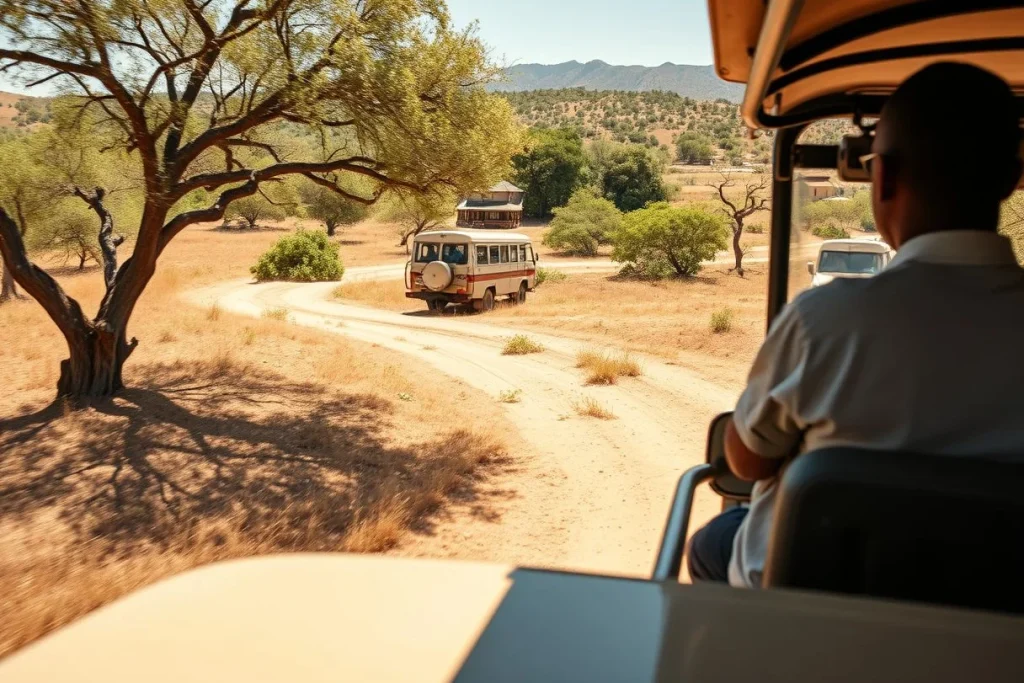
Visibility is strongest in the Kruger and Sabi Sand during the dry winter from May to October, when thinner vegetation can make game easier to locate. Private reserves operate year-round, and the greener season brings different scenery, births and potentially quieter conditions. Choose it if flexibility and landscape matter as much as concentrated big-game viewing.
December is another important booking period because it combines Southern Serengeti calving with high holiday demand. Request peak migration river-edge camps and private villas six to 12 months ahead, according to Masai Mara. Before committing, ask a specialist operator to verify the target year’s migration pattern, rainfall outlook, lodge operating dates and any relevant event calendar; seasonal windows are useful planning guides, not guarantees.
Getting there and around: aircraft, transfers and baggage
Reaching a remote camp is part of the safari design, not an afterthought. A luxury safari itinerary may combine an international arrival transfer, a private road movement, a light-aircraft charter between airstrips and, occasionally, a helicopter transfer. These connections reduce long overland journeys, but “private” does not automatically mean every transfer is included or dedicated.
Before confirming the route, ask the operator to specify the aircraft type, airstrip access, transfer schedule, baggage allowance and weather contingency for each sector. Luxury safari itineraries commonly use light aircraft and helicopters to connect remote camps, but availability and baggage limits must be confirmed with the operator, as noted by Privata.travel. Also establish whether each camp provides a private vehicle and guide, or whether that arrangement applies only to selected stays.
Use soft-sided luggage rather than rigid cases, and keep medication, essential documents and camera equipment in a small day bag that remains with you. Ask for the current limit in advance; do not assume an allowance from an international airline applies to a safari flight. If equipment is bulky, the operator can advise whether it must travel separately or be left in secure storage.
Rain can affect both aircraft operations and road conditions, particularly around remote camps. Build sensible flexibility into connections and ask how delays are handled, including whether a missed flight changes the responsibility for a private transfer or a reserved activity. The most seamless itinerary is one whose operator has explained these handovers before arrival.
Booking lead times and what drives the premium
Book the parts that protect your time first. Peak migration river-edge camps and private villas should generally be requested 6–12 months ahead, especially if a private vehicle is essential, according to MasaiMara.co.ke’s 2026 planning guidance. Exclusive-use accommodation, dedicated guide and vehicle allocation, private-concession access, season, internal flights, helicopter transfers, special dining, ballooning and whole-group staffing can all move the premium more than the room itself. The value is chiefly in privacy, flexible guiding, remote access and bespoke programming, rather than decoration alone, as described by Stanley Safaris.
Ask a safari travel designer or operator for a like-for-like proposal, then check:
- what accommodation, guide and vehicle are exclusive;
- whether minimum stays and concession or park fees apply;
- which internal flights and transfers are included;
- how private dining, ballooning or helicopter work is charged;
- the cancellation terms and weather-delay contingency; and
- which conservation or community programmes are documented.
Request current availability, seasonal operating dates and aircraft arrangements directly before committing.
The right luxury safari is the one that protects your time
Choose the safari format around the experience you want to protect. Families and small groups who value privacy should start with an exclusive-use villa, such as Singita Serengeti House or a private house in the Sabi Sand, with one guide, vehicle and dining plan. Travellers prioritising walking, night drives and off-road tracking should consider a private-concession camp, where local rules permit. For migration, ask about a mobile or seasonal camp in the relevant area; for water, choose the Okavango Delta during the flood season.
Send a safari designer your dates, group size, wildlife priorities, mobility needs, preferred privacy level and tolerance for light-aircraft transfers. That brief will produce a more precise luxury safari itinerary than choosing a lodge first.
Frequently asked questions
How far in advance should I reserve a private safari villa or migration camp?
For peak migration river-edge camps and private villas, request dates around six to 12 months ahead. This improves the chance of securing your preferred dates and a private vehicle allocation, particularly in the Northern Serengeti and Masai Mara during the broad July–October crossing window. Exact wildlife movement varies with rainfall, so ask the operator for the target year’s planning guidance before committing.
Are private aircraft and helicopter transfers normally part of a luxury safari booking?
Luxury safari itineraries commonly use light-aircraft charters, helicopters or private road transfers to connect remote camps, but the aircraft element is not automatically included in every booking. Confirm what is included, along with aircraft type, airstrip access, baggage limits, availability and weather contingency plans, with the safari operator before paying a deposit. These details are especially important for remote or multi-camp itineraries.
Can a luxury safari accommodate guests with limited mobility?
It may be possible, but remote camps can involve steps or stairs from a light aircraft and around tented accommodation. Accessibility varies between lodges, vehicles, airstrips and activities, so request precise details directly from each property before booking. Ask specifically about transfers, bathroom access, walking distances, dining arrangements and whether the chosen camp can adapt the daily programme.
How do I assess an operator’s conservation and community commitments?
Start with operators that publish clear conservation or impact information rather than relying on broad sustainability language. Look for documented community programmes, named partners and controlled-access private concessions or conservancies, then ask what guests will actually see or support. Singita’s conservation material is one example of the type of information to examine; verify current claims and programme details directly with the operator.
What baggage should I bring for light-aircraft safari transfers?
Pack according to the specific aircraft and route rather than assuming that a luxury booking permits standard airline luggage. Light-aircraft baggage limits, aircraft availability and schedules must be confirmed with the operator, and the allowance can affect what you take between camps. Ask whether soft-sided luggage is required, what the total weight limit is, and whether excess belongings can be stored securely during the safari.
Is a dedicated guide worthwhile for a family or small group?
Usually, if the group values control over pace and interests. An exclusive-use villa or private-concession arrangement can provide a dedicated guide and vehicle, allowing guests to linger at sightings, adjust the schedule and avoid sharing drives. Families should still check the guide’s experience with children, the availability of private vehicles and which activities are permitted locally, since walking safaris and night drives depend on rules and conditions.